NEWS


-
Comprehensive Guide to Teflon Lined Tanks for Corrosive Material Storage
Mar . 17, 2026
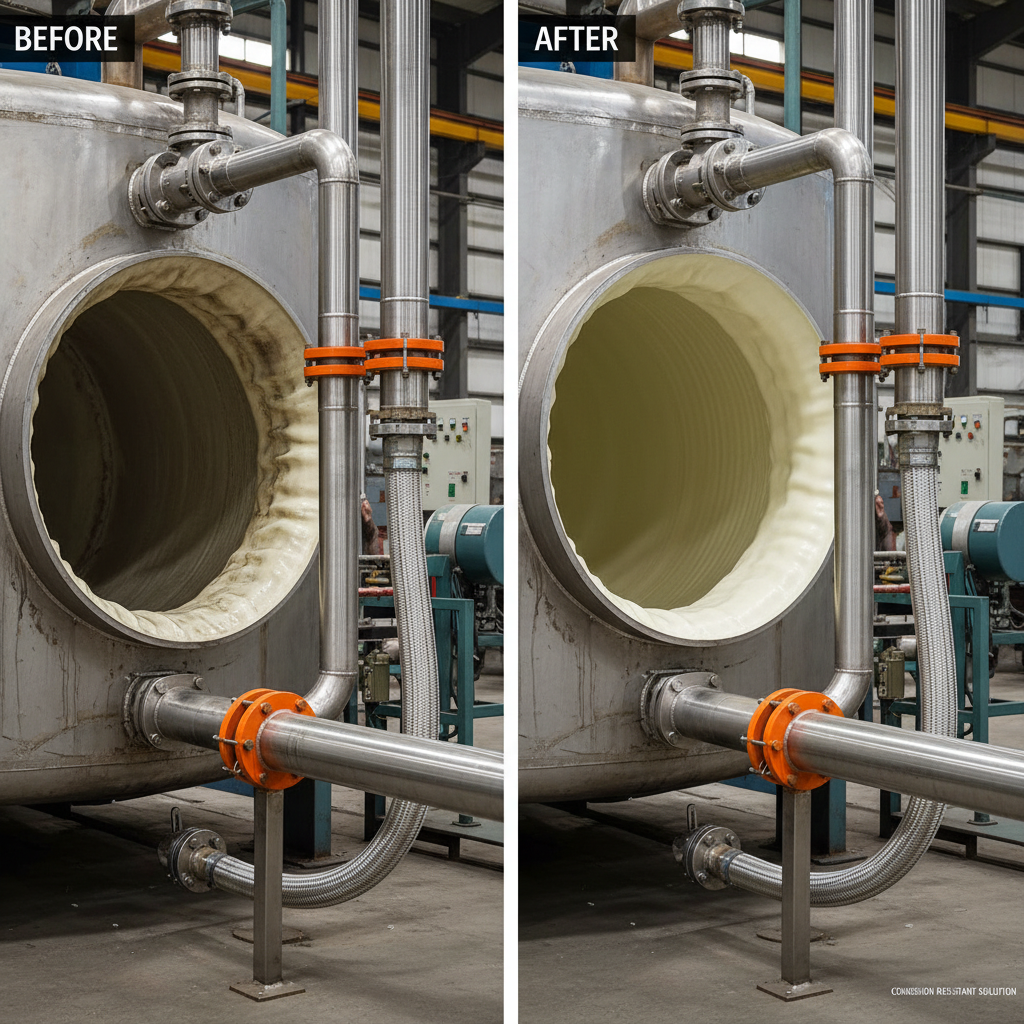
Teflon, also known as PTFE (Polytetrafluoroethylene), offers exceptional chemical resistance and non-stick properties, making teflon lined tanks an ideal solution for storing and processing corrosive materials. This article will delve into the benefits, applications, construction, and maintenance of these specialized tanks, providing a thorough overview for industries requiring safe and reliable containment. Selecting the right tank lining can significantly extend the lifespan of your equipment and protect your valuable assets. We’ll explore why QW Metal is a trusted provider of high-quality Teflon lined tanks. Teflon lining provides a multitude of advantages over traditional tank materials. Its exceptional chemical resistance protects the underlying tank structure from corrosion, even when exposed to highly aggressive substances like strong acids, alkalis, and solvents. The non-stick surface prevents build-up of materials, reducing cleaning frequency and downtime. Furthermore, Teflon is FDA-approved for food contact, making it suitable for pharmaceutical and food processing applications.
Read More -
Comprehensive Guide to PTFE Lined Tanks for Corrosive Substance Storage
Mar . 14, 2026
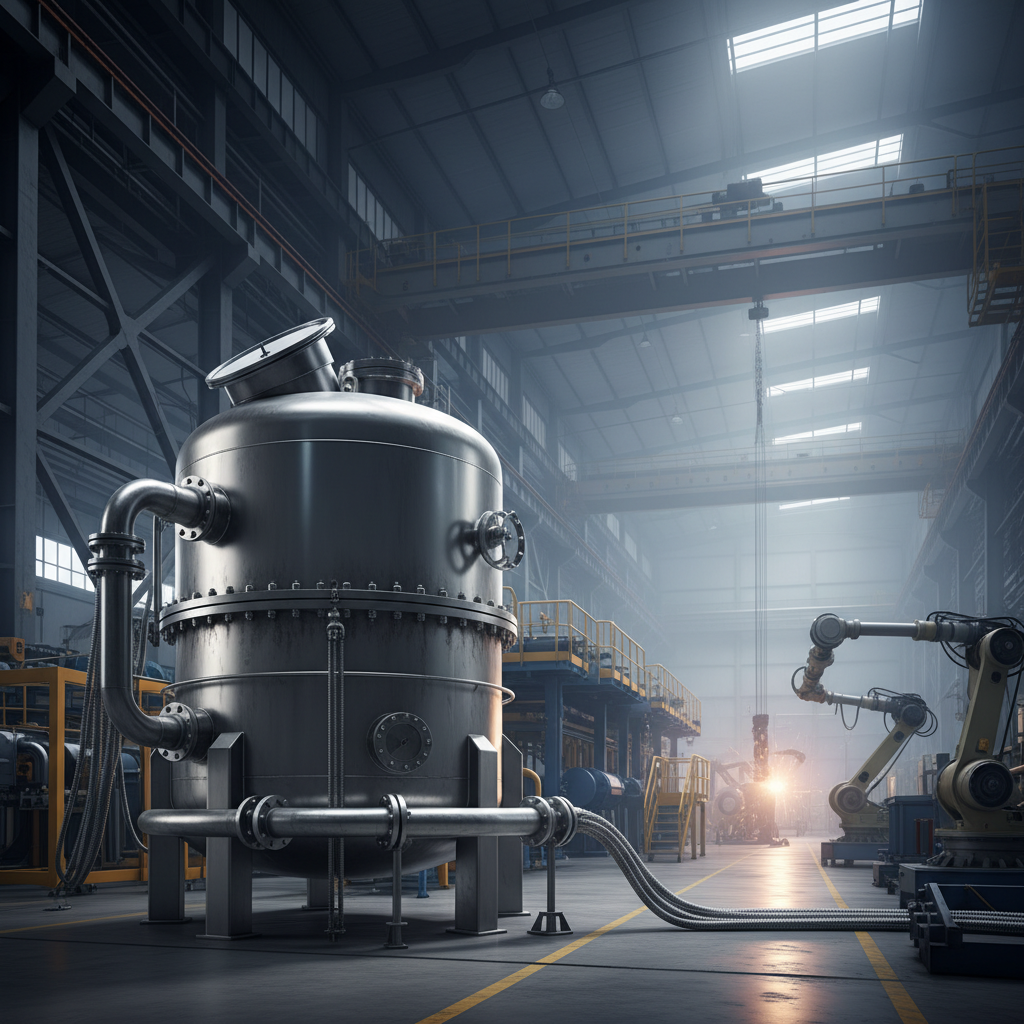
PTFE (Polytetrafluoroethylene) lined tanks are crucial components in various industries requiring safe and reliable storage for corrosive and high-purity substances. These tanks offer exceptional resistance to chemical attack, making them ideal for handling aggressive media. This article will explore the benefits, applications, construction, and considerations when selecting a PTFE lined tank, offering valuable insights for professionals in chemical processing, pharmaceuticals, and beyond. Choosing the right tank can significantly enhance process efficiency and safety. PTFE linings provide a superior barrier against a wide spectrum of corrosive chemicals, including strong acids, bases, and solvents. Unlike many other materials, PTFE is virtually inert, meaning it won't react with the stored substance, preventing contamination and ensuring product purity.
Read More -
Comprehensive Guide to Chemical Storage Tank Selection and Safe Handling
Mar . 12, 2026
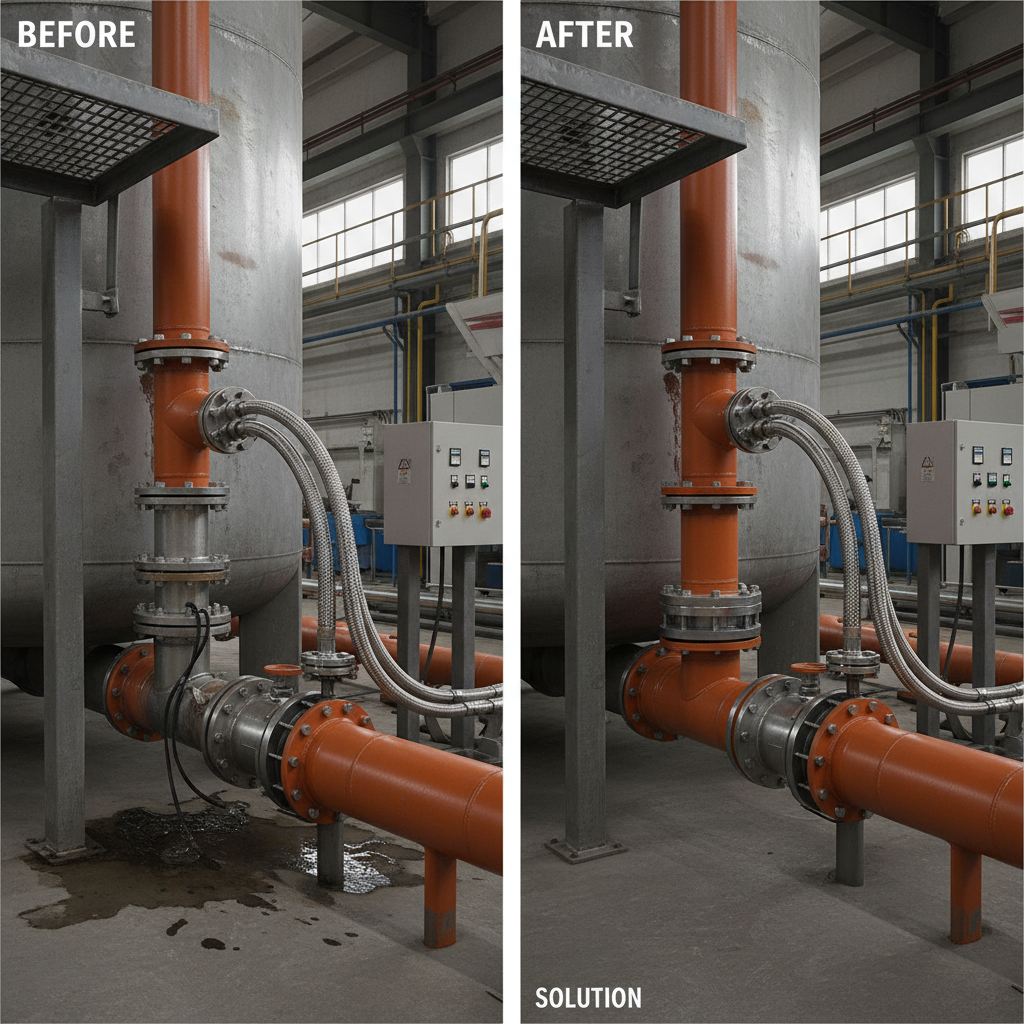
Selecting the right chemical storage tank is crucial for the safe and compliant handling of various substances across industries. From industrial manufacturing to water treatment, the correct tank ensures environmental protection, worker safety, and the integrity of stored materials. This article delves into the types, materials, considerations, and applications of chemical storage tanks, providing valuable insights for informed decision-making. Investing in a quality tank is an investment in the longevity and security of your operations. Chemical storage tanks come in a variety of types, each suited for different applications and chemical compatibility requirements. Common types include vertical tanks, horizontal tanks, conical bottom tanks, and open-top tanks. Vertical tanks are space-efficient and commonly used for large volumes, while horizontal tanks are often preferred for lower profiles and easier access. Conical bottom tanks facilitate complete drainage, crucial for certain chemicals, and open-top tanks are used for less hazardous materials and allow for visual inspection.
Read More -
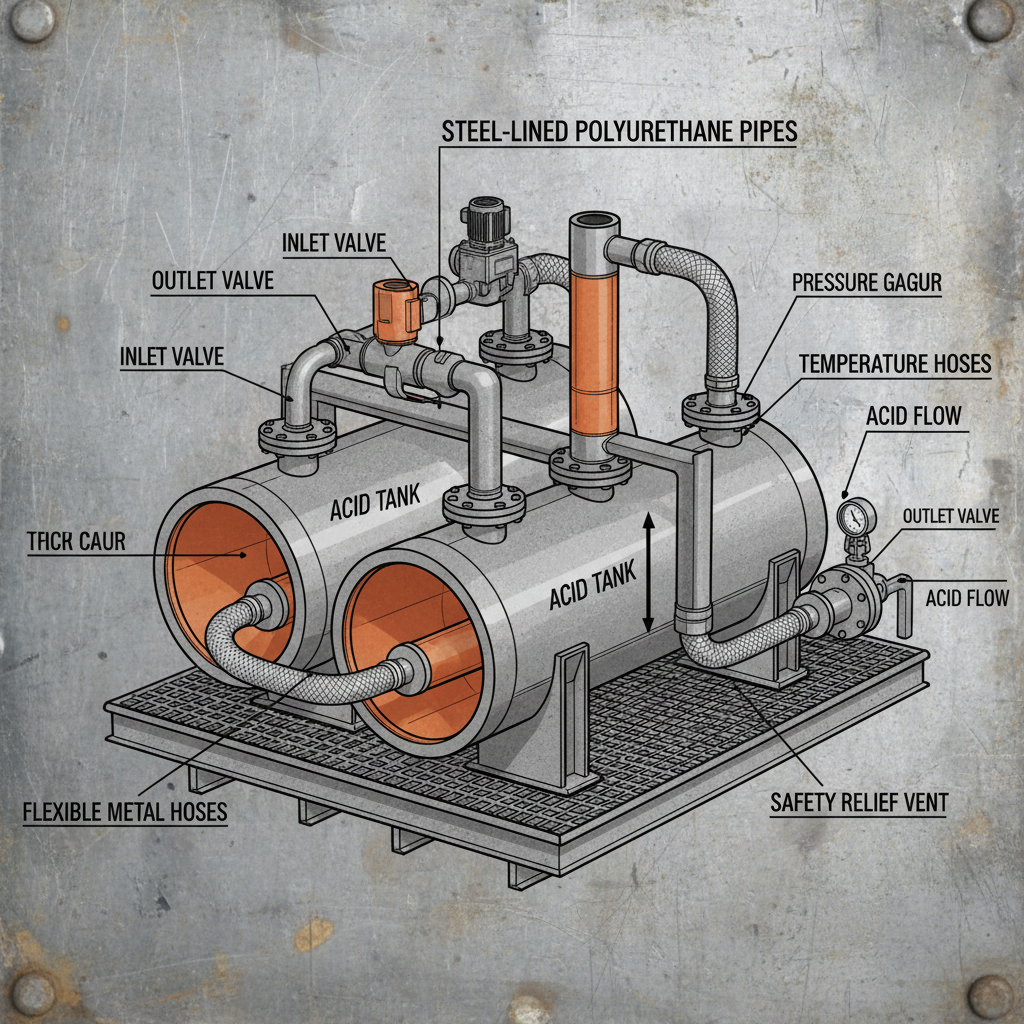
Comprehensive Guide to Acid Tanks Selection Safety and Industrial Applications
Mar . 11, 2026
Acid tanks are crucial components in various industrial processes, playing a vital role in chemical handling, manufacturing, and waste treatment. These specialized containers are designed to safely store and process highly corrosive acids, demanding careful consideration of materials, construction, and safety features. This article provides a detailed overview of acid tanks, covering their types, materials, applications, and essential safety precautions. Proper selection and maintenance of acid tanks are paramount for ensuring operational efficiency and protecting personnel and the environment. Acid tanks come in various designs tailored to specific applications and acid types. Common types include vertical tanks, horizontal tanks, cone bottom tanks, and rectangular tanks. Vertical tanks are generally used for large volume storage, while horizontal tanks are suitable for situations where space is limited. Cone bottom tanks facilitate complete drainage, essential for handling certain acids.
Read More -
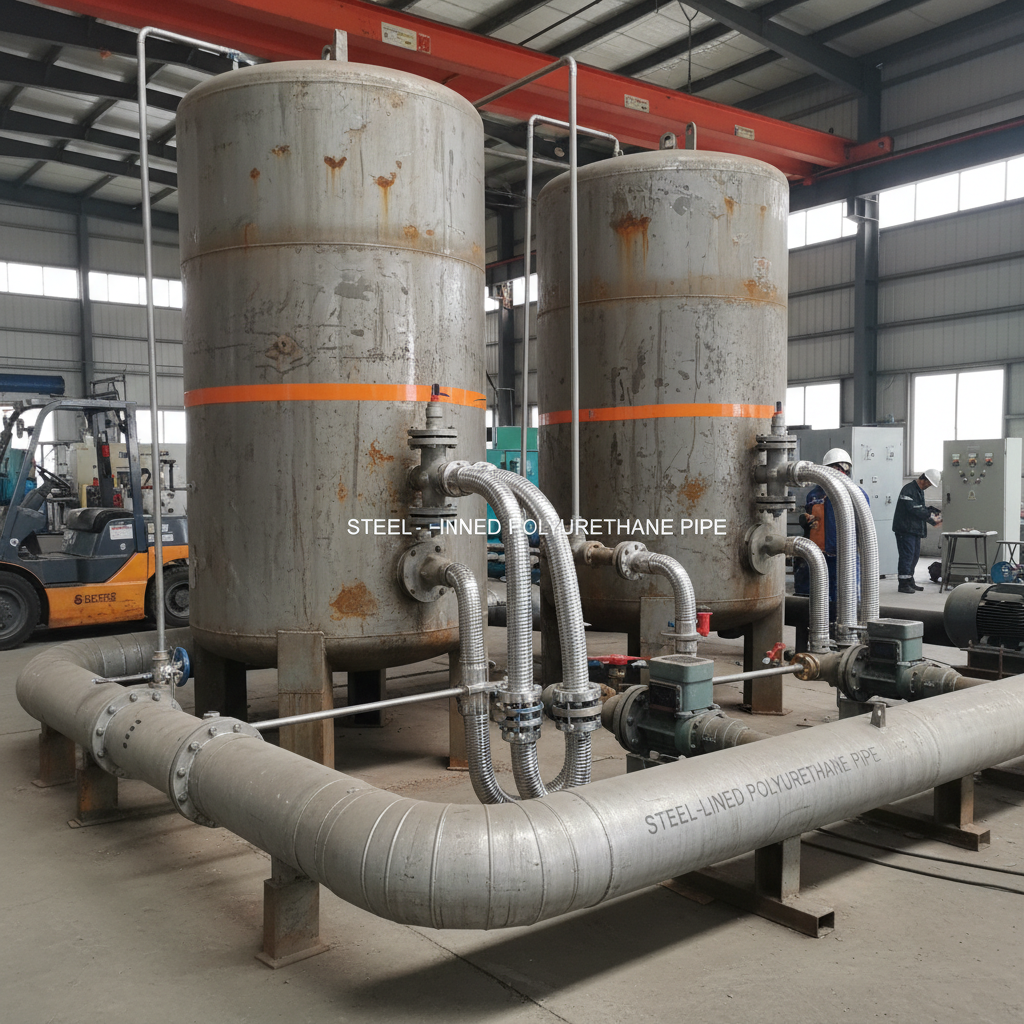
Comprehensive Guide to Safe Tank Chemical Storage and Handling Practices
Mar . 10, 2026
The safe storage and handling of tank chemicals are paramount for industries ranging from manufacturing and agriculture to water treatment and pharmaceuticals. Mishandling can lead to environmental disasters, safety hazards, and significant financial repercussions. This article will delve into the essential aspects of tank chemical management, covering material selection, storage best practices, safety protocols, and the importance of working with reliable suppliers like QW Metal. Proper planning and implementation of these guidelines are crucial for ensuring a secure and compliant operation. Selecting the appropriate tank material is the first step in ensuring safe chemical storage. Different chemicals react differently with various materials. Common materials include polyethylene, stainless steel, fiberglass, and carbon steel. Polyethylene tanks are ideal for many corrosive chemicals due to their resistance to a wide range of substances. Stainless steel offers excellent corrosion resistance and durability, making it suitable for high-purity applications. Fiberglass reinforced plastic (FRP) provides good chemical resistance at a lower cost. Carbon steel, while less expensive, often requires a lining to prevent corrosion.
Read More -
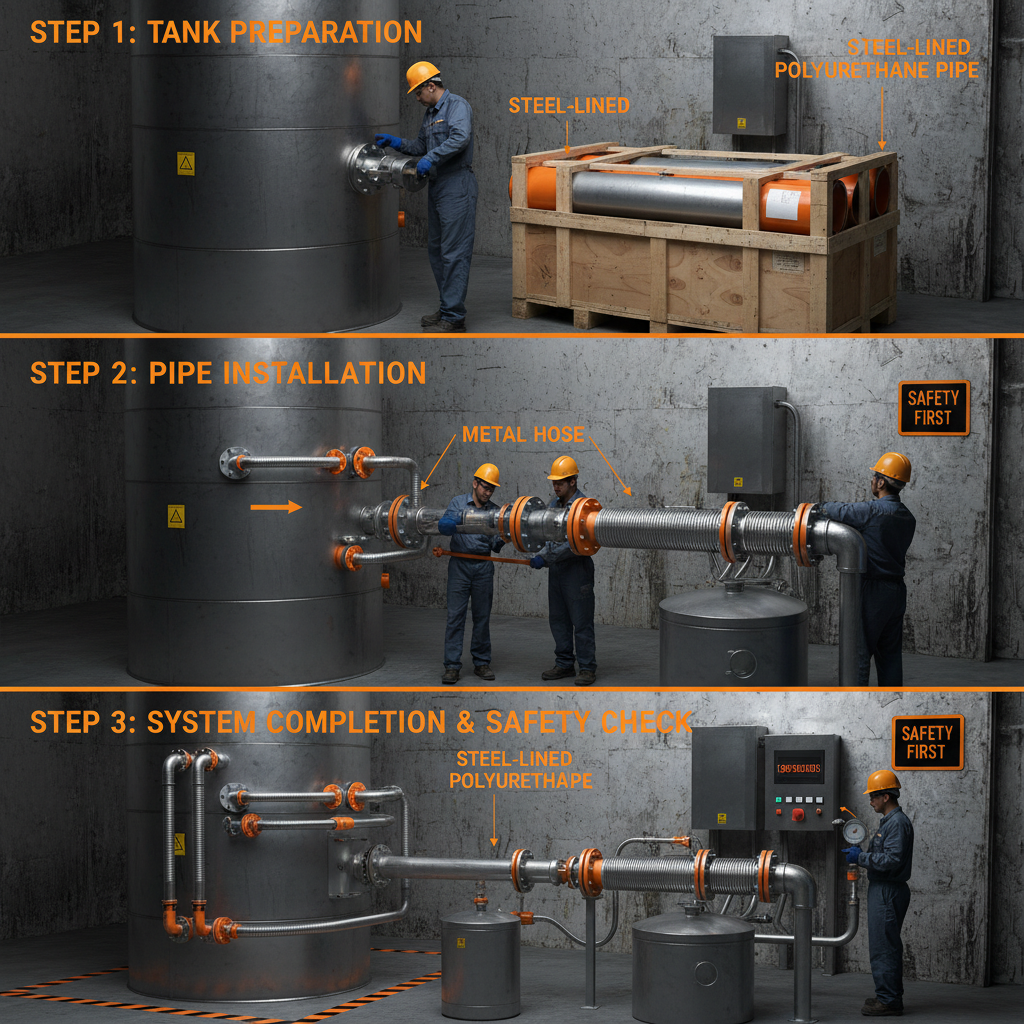
Choosing The Right Chemical Tanks For Safe And Efficient Storage
Mar . 09, 2026
Selecting the appropriate chemical tanks is crucial for the safe and efficient storage of various liquids in industries ranging from chemical processing to wastewater treatment. The right tank material, size, and features are critical to prevent leaks, corrosion, and environmental hazards. This article provides a comprehensive guide to understanding the different types of chemical tanks, their applications, and key considerations for making the best choice for your specific needs. Investing in quality chemical tanks ensures operational safety and regulatory compliance. Chemical tanks are manufactured from a variety of materials, each offering unique benefits and limitations. Common materials include polyethylene, polypropylene, fiberglass reinforced plastic (FRP), and stainless steel. Polyethylene and polypropylene tanks are ideal for storing a wide range of corrosive chemicals due to their excellent chemical resistance and cost-effectiveness. FRP tanks are lightweight and highly durable, making them suitable for larger volumes and harsh environments. Stainless steel tanks are renowned for their strength, longevity, and compatibility with high-purity chemicals.
Read More -
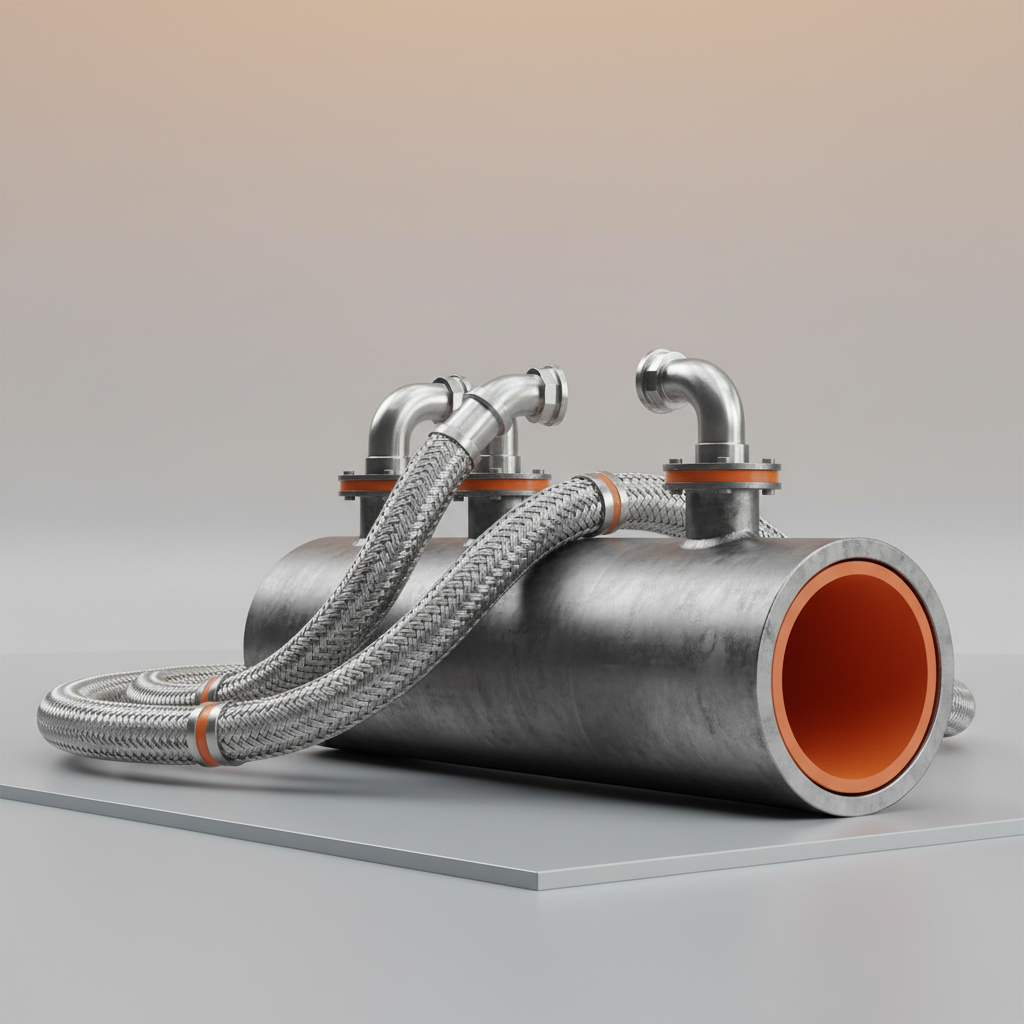
Finding the Right Chemical Tank Suppliers for Safe and Efficient Storage
Mar . 08, 2026
When dealing with the storage and transportation of chemicals, selecting the right chemical tank supplier is paramount. The integrity of the tank directly impacts safety, regulatory compliance, and operational efficiency. This article provides a comprehensive guide to identifying trustworthy suppliers, understanding tank types, and navigating the key considerations for procuring chemical storage solutions. Choosing a reliable partner like QW Metal is crucial for long-term success. We will explore the factors that differentiate leading suppliers and how to ensure you receive a quality product tailored to your specific needs. Chemical tanks come in a variety of materials, each suited for different chemical compatibilities and applications. Polyethylene tanks are popular for their corrosion resistance and cost-effectiveness, ideal for storing a range of acids and bases. Stainless steel tanks offer superior strength and durability, often chosen for highly corrosive chemicals and demanding environments. Fiberglass tanks provide a lightweight, corrosion-resistant option suitable for many applications. A competent chemical tank supplier should offer a diverse selection and provide expert guidance on material selection based on the chemicals being stored. Beyond material, tank configurations—vertical, horizontal, open-top, closed-top—influence storage space and operational efficiency.
Read More -
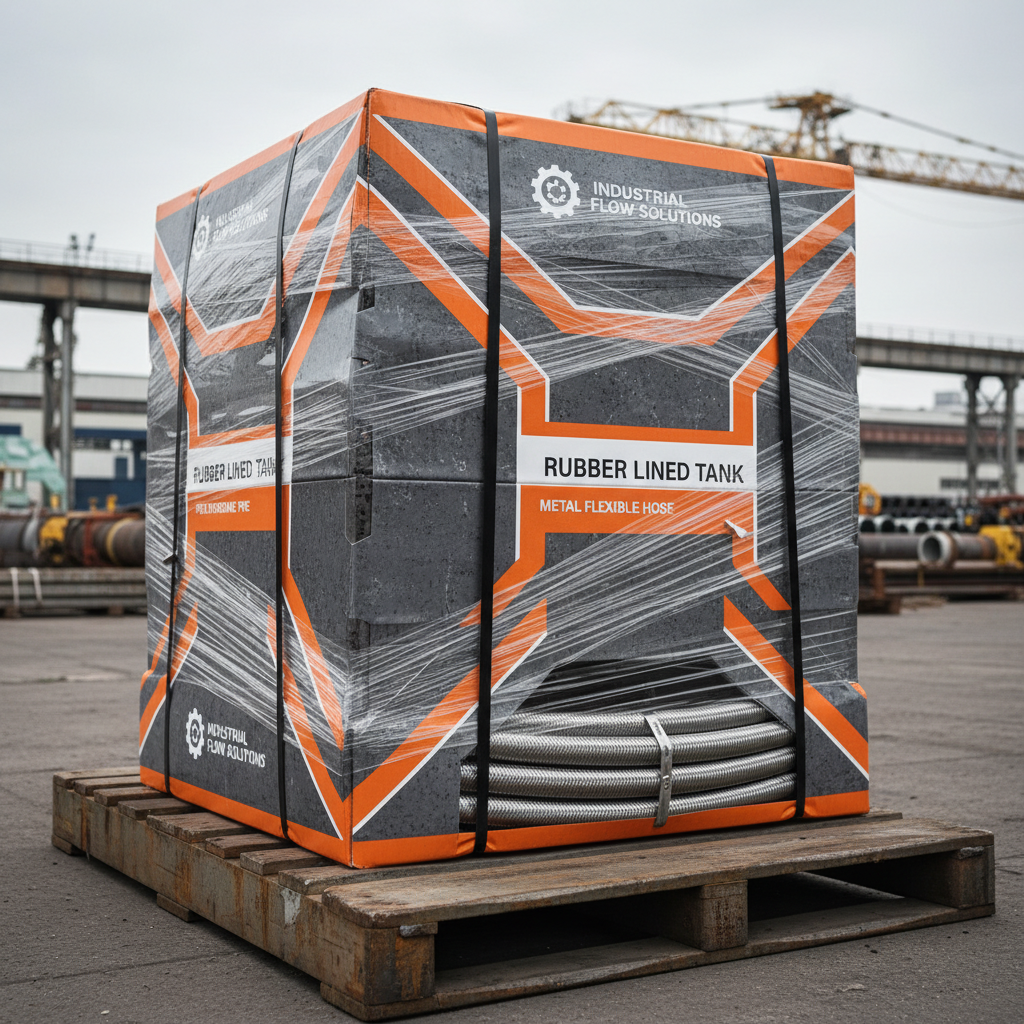
Comprehensive Guide to Rubber Lined Tanks for Corrosion Resistance
Mar . 07, 2026
Rubber lined tanks are essential storage solutions for a wide range of industries, offering corrosion resistance and maintaining product integrity. These tanks are widely used for storing chemicals, water, and other corrosive materials. Understanding the benefits, applications, and types of rubber linings is crucial for selecting the right tank for your specific needs. This article provides an in-depth look at rubber lined tanks, their construction, and considerations for choosing a reliable supplier like QW Metal. A rubber lined tank is a steel tank internally coated with a layer of rubber. This lining acts as a barrier between the stored material and the steel, preventing corrosion and contamination. The rubber layer protects the tank's structural integrity while safeguarding the purity of the contained substance. Common rubber materials used include natural rubber, butyl rubber, neoprene, and EPDM, each offering unique chemical resistance properties. The thickness of the rubber lining varies depending on the application and the corrosiveness of the stored material. QW Metal specializes in providing custom rubber lining solutions tailored to specific client requirements.
Read More -
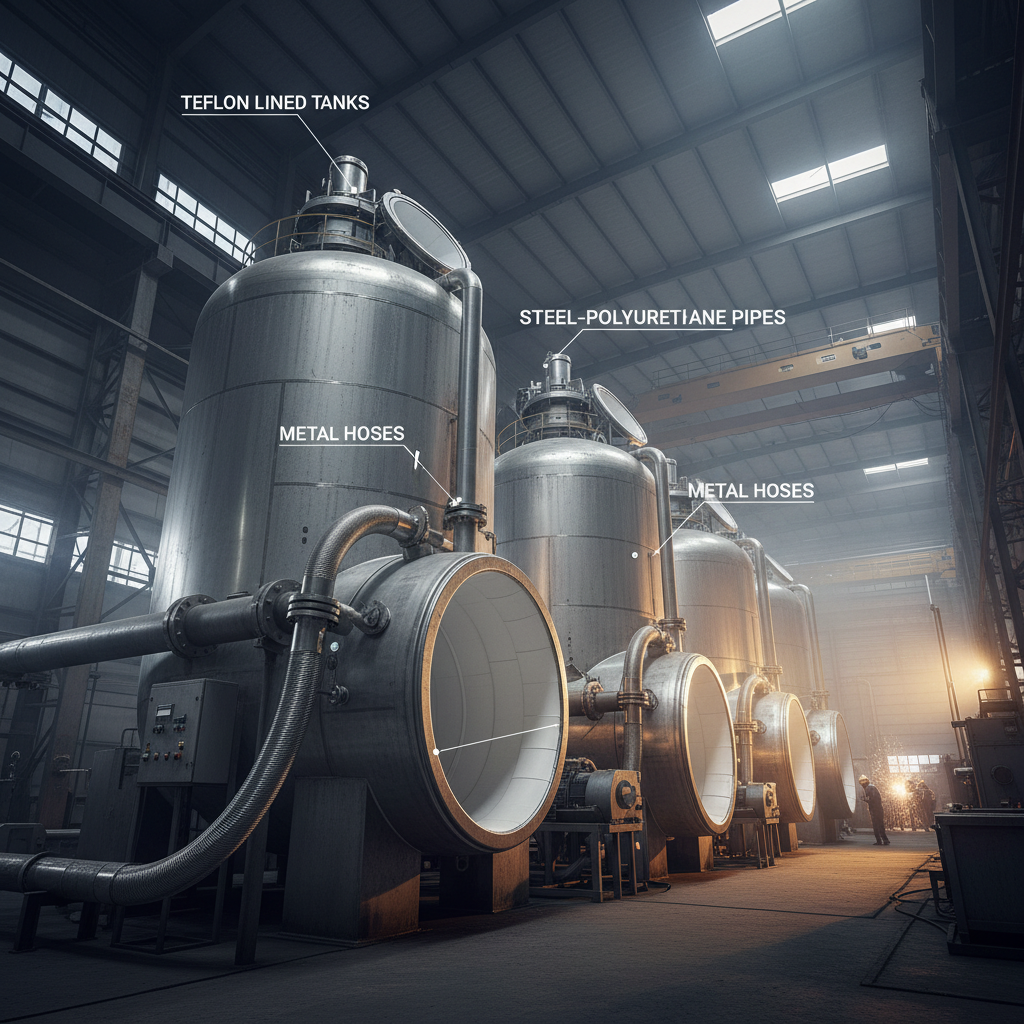
Comprehensive Guide to Teflon Lined Tanks for Industrial Applications
Mar . 06, 2026
When it comes to storing corrosive or sensitive materials, the right tank is crucial. Teflon lined tanks from QW Metal offer exceptional chemical resistance and purity, making them ideal for a wide range of industrial applications. This article delves into the benefits, applications, materials, and considerations when choosing a Teflon lined tank, providing a thorough overview for engineers, procurement managers, and anyone involved in handling challenging fluids. Understanding the properties of Teflon and its application in tank construction is vital for ensuring safe and efficient storage solutions. Teflon, also known as Polytetrafluoroethylene (PTFE), is a synthetic fluoropolymer renowned for its exceptional properties. It boasts incredible chemical resistance, meaning it won’t react with most corrosive substances, including strong acids, bases, and solvents. This inertness prevents contamination of the stored material and protects the tank itself from degradation.
Read More -
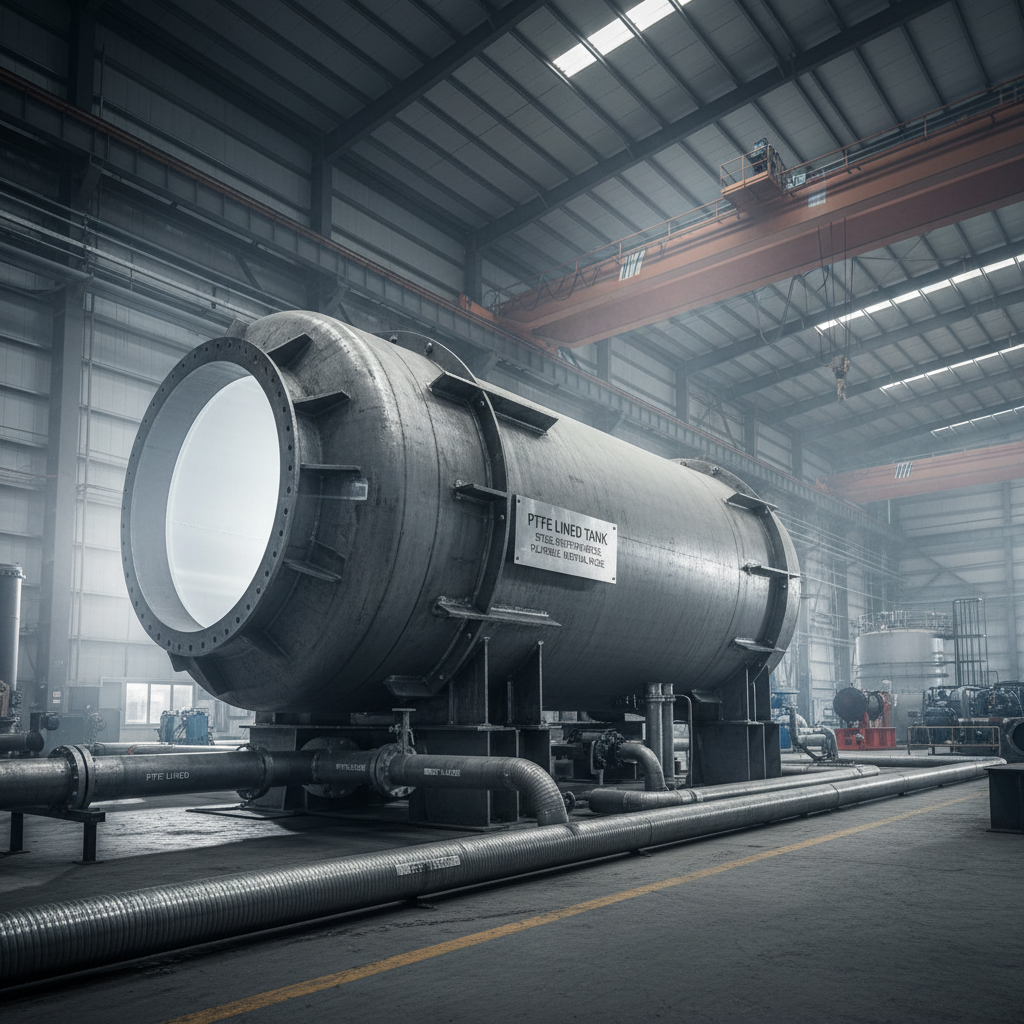
Comprehensive Guide to PTFE Lined Tanks Applications and Benefits
Mar . 05, 2026
PTFE (Polytetrafluoroethylene) lined tanks are essential components in a wide array of industries, offering superior corrosion resistance and chemical compatibility. These tanks provide a safe and reliable solution for storing and processing aggressive materials. Whether you're in chemical processing, pharmaceuticals, or food and beverage, understanding the advantages of a PTFE lined tank is crucial for optimizing your operations. This article delves into the key features, applications, and benefits of these tanks, helping you make informed decisions for your specific needs. A PTFE lined tank consists of a metallic tank, typically constructed from carbon steel or stainless steel, internally coated with a layer of PTFE. This lining acts as a barrier, preventing contact between the corrosive substance and the tank material. PTFE is renowned for its exceptional chemical resistance, low coefficient of friction, and wide temperature operating range.
Read More -
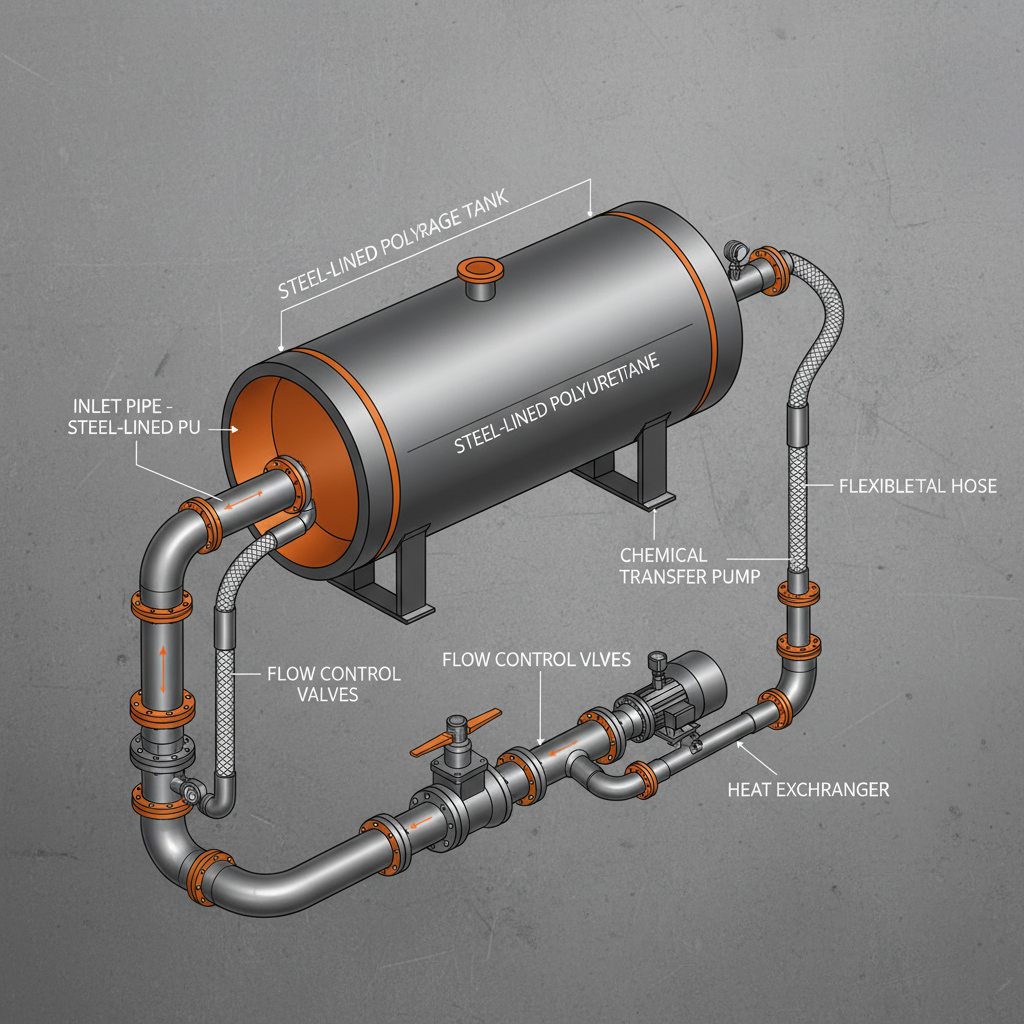
Comprehensive Guide to Chemical Storage Tanks and Solutions
Mar . 04, 2026
Chemical storage tanks are vital components in a wide range of industries, ensuring the safe and efficient containment of hazardous and non-hazardous substances. Choosing the right tank is crucial, considering factors like chemical compatibility, capacity, and regulatory compliance. This article provides an in-depth overview of chemical storage tanks, exploring different types, materials, applications, and key considerations for selection. Understanding these details is essential for protecting your operations and the environment. Chemical storage tanks come in various designs, each suited for specific applications and chemical properties. Common types include vertical tanks, horizontal tanks, conical bottom tanks, and open-top tanks. The material of construction is paramount when selecting a chemical storage tank, as it directly impacts compatibility and longevity. Common materials include polyethylene (PE), polypropylene (PP), fiberglass reinforced plastic (FRP), and stainless steel.
Read More -
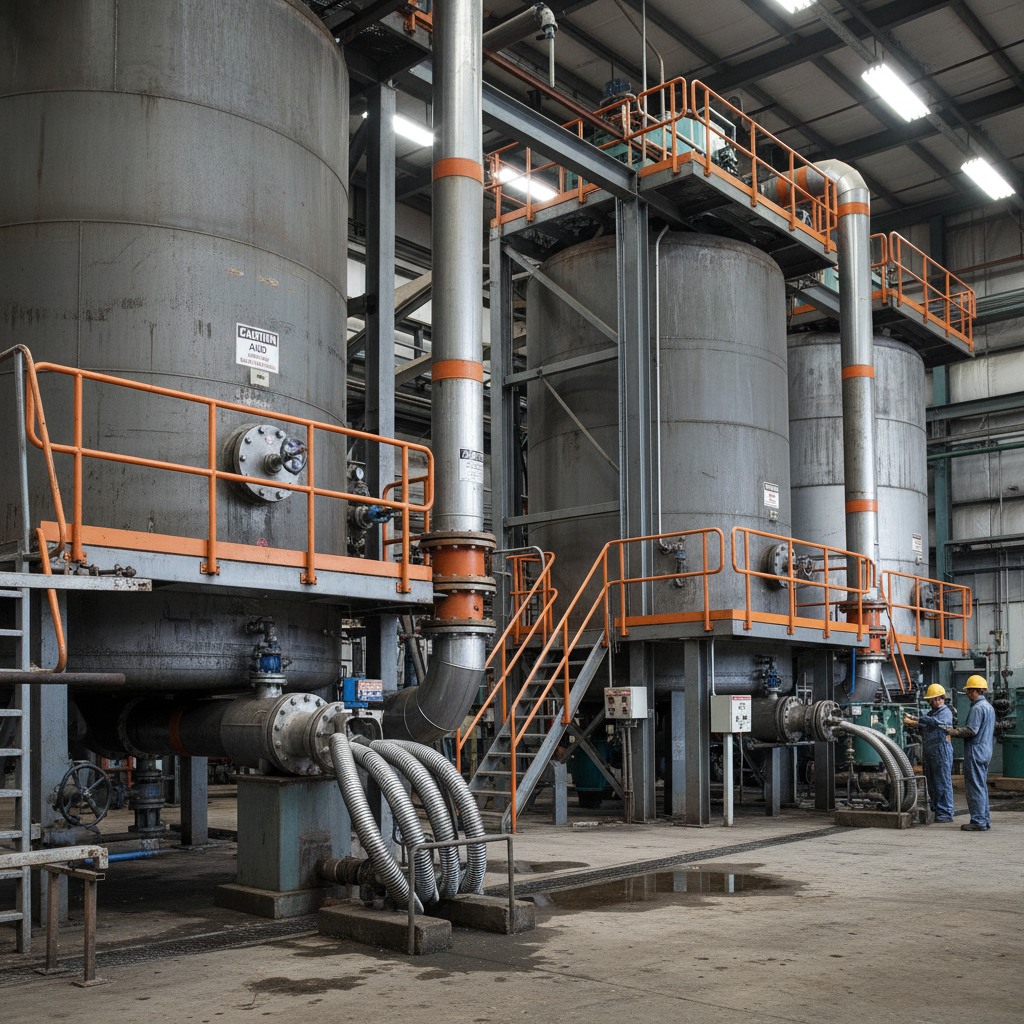
Comprehensive Guide to Acid Tanks Applications Materials and Safety Considerations
Mar . 03, 2026
Acid tanks are critical components in various industrial processes, providing safe and reliable storage for corrosive materials. Choosing the right acid tank is essential for ensuring operational efficiency, worker safety, and environmental compliance. This article will explore the different types of acid tanks available, the materials used in their construction, key considerations when selecting a tank, and their widespread applications. Proper selection and maintenance of acid tanks are paramount to preventing leaks, spills, and potential hazards. We will delve into the intricacies of these vital industrial assets. Acid tanks come in a variety of designs, each suited to specific applications and chemical compatibility requirements. Common types include vertical tanks, horizontal tanks, and cone-bottom tanks. Vertical tanks are often used for large-volume storage, while horizontal tanks are preferred when space is limited. Cone-bottom tanks facilitate complete drainage and are ideal for applications where sediment buildup is a concern.
Read More
Related Products
Our main products are polyurethane lined pipes, mining equipment fittings and metal hoses.