Comprehensive Guide to Safe Tank Chemical Storage and Handling Practices
Understanding Tank Chemical Storage and Handling
The safe storage and handling of tank chemicals are paramount for industries ranging from manufacturing and agriculture to water treatment and pharmaceuticals. Mishandling can lead to environmental disasters, safety hazards, and significant financial repercussions. This article will delve into the essential aspects of tank chemical management, covering material selection, storage best practices, safety protocols, and the importance of working with reliable suppliers like QW Metal. Proper planning and implementation of these guidelines are crucial for ensuring a secure and compliant operation.
Choosing the Right Tank Material for Chemical Storage
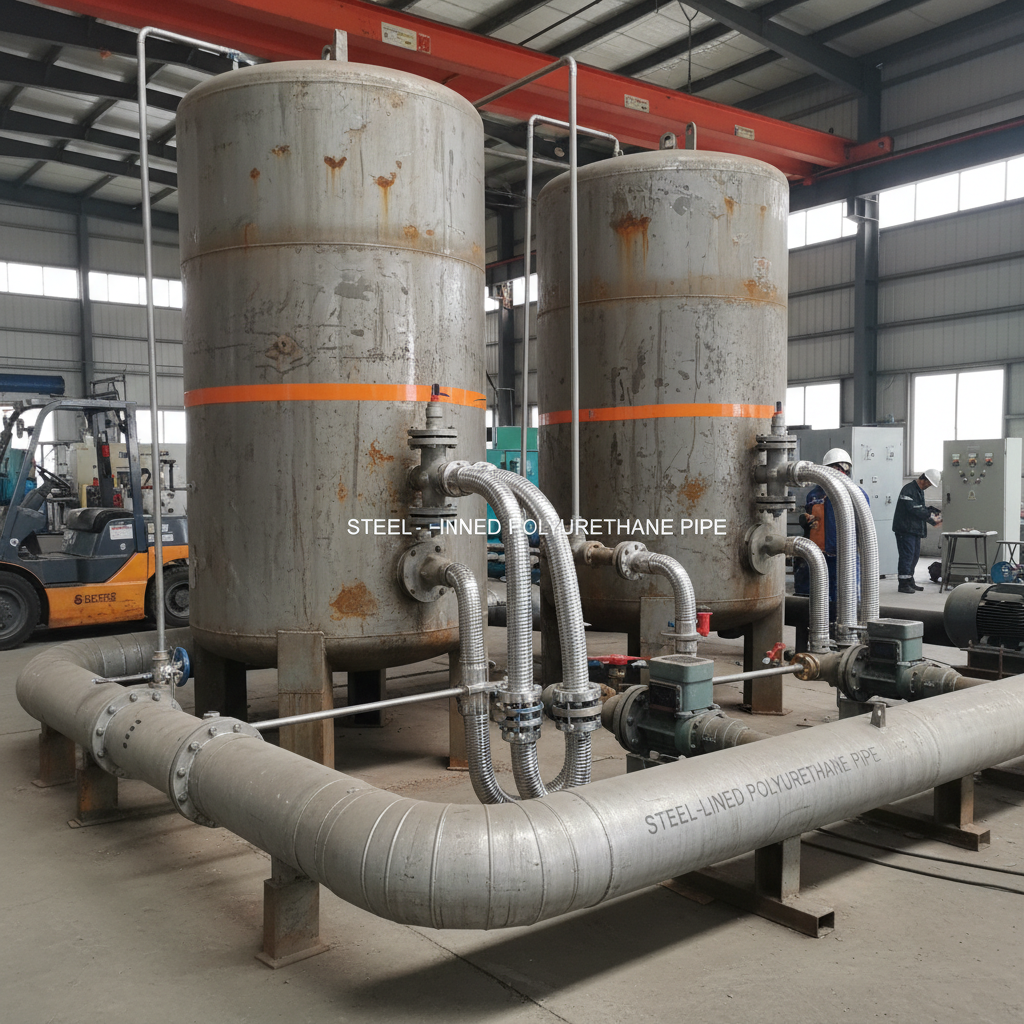
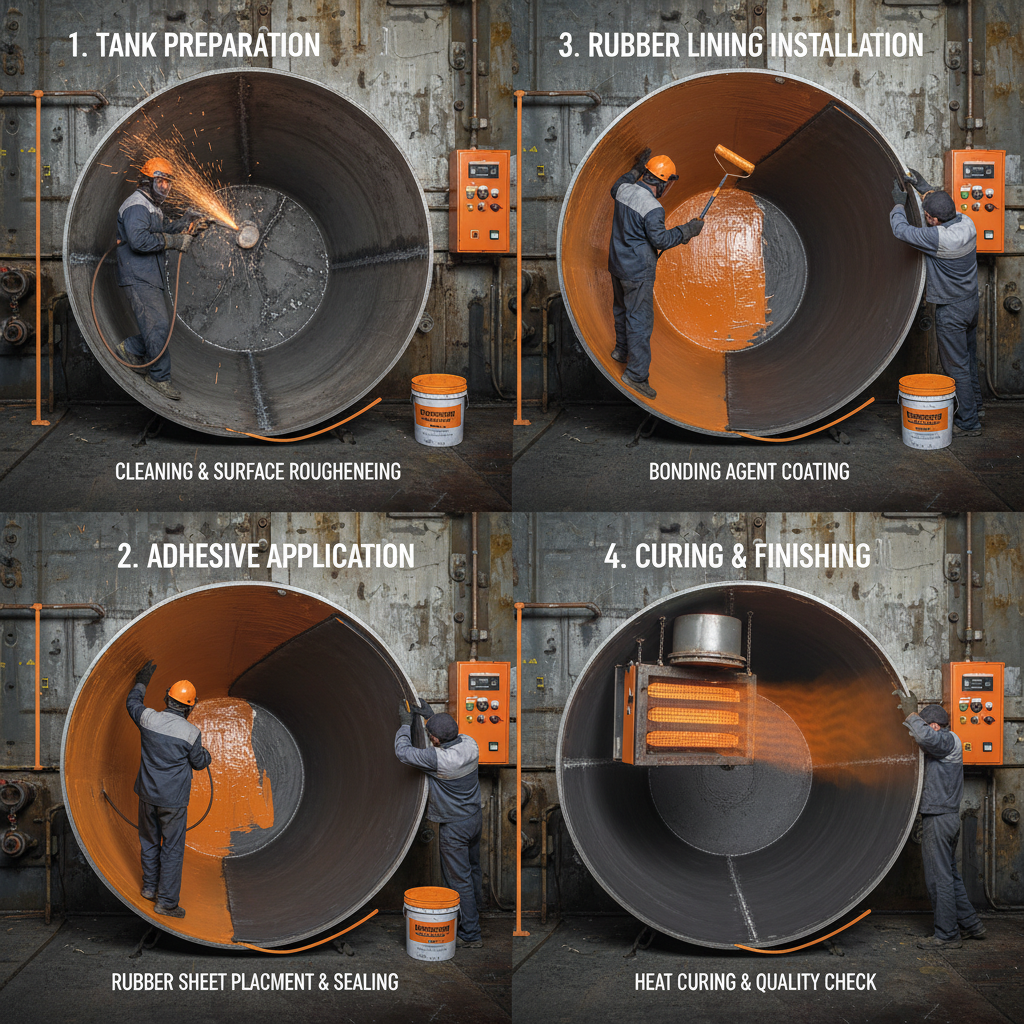
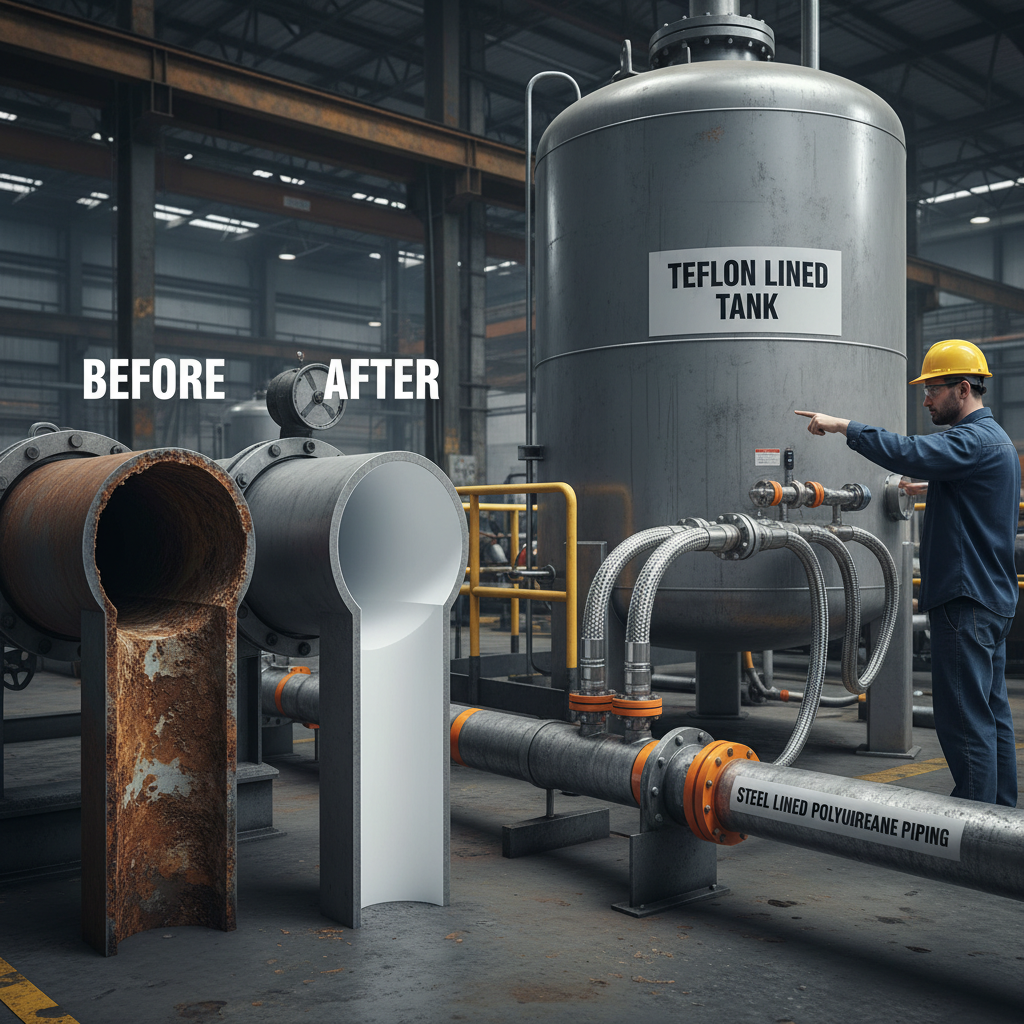
Selecting the appropriate tank material is the first step in ensuring safe chemical storage. Different chemicals react differently with various materials. Common materials include polyethylene, stainless steel, fiberglass, and carbon steel. Polyethylene tanks are ideal for many corrosive chemicals due to their resistance to a wide range of substances. Stainless steel offers excellent corrosion resistance and durability, making it suitable for high-purity applications. Fiberglass reinforced plastic (FRP) provides good chemical resistance at a lower cost. Carbon steel, while less expensive, often requires a lining to prevent corrosion. QW Metal specializes in providing tanks constructed from high-quality materials tailored to specific chemical compatibility needs.
Key Consideration: Chemical compatibility is the single most important factor when selecting a tank material. Always consult a chemical compatibility chart or a materials specialist to ensure the tank won’t degrade or react with the stored substance.
Optimal Storage Conditions for Tank Chemicals
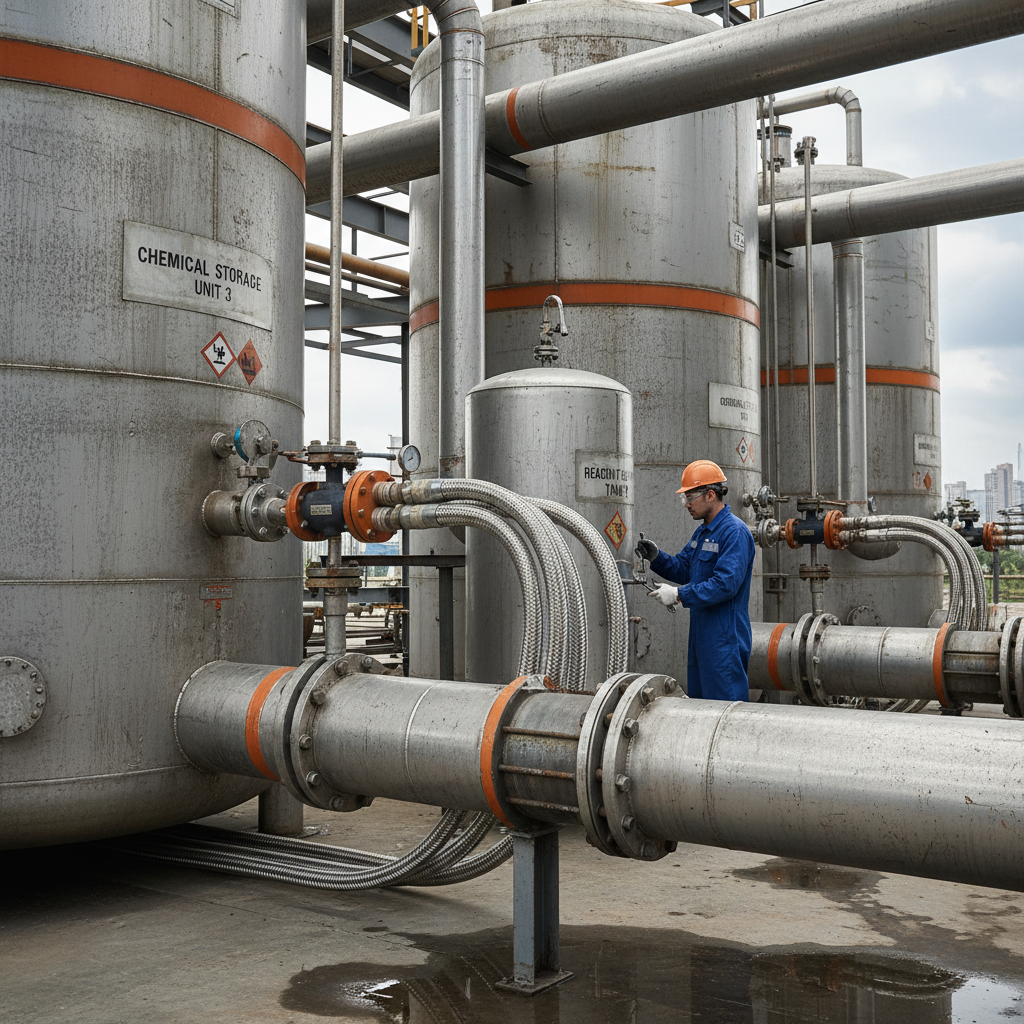
Maintaining optimal storage conditions is crucial for preventing accidents and preserving the integrity of the chemicals. Tanks should be stored in a well-ventilated area, away from direct sunlight and sources of heat or ignition. Temperature control is often necessary, especially for temperature-sensitive chemicals. Secondary containment systems, such as dikes or spill pallets, are essential to contain leaks or spills. Regular inspections should be conducted to identify any signs of corrosion, leaks, or damage. Proper labeling and signage are also vital to clearly identify the contents and associated hazards. Following these guidelines minimizes the risk of environmental contamination and worker exposure.
Essential Storage Practices:
• Well-ventilated, temperature-controlled environment
• Secondary containment systems
• Regular inspections for leaks and damage
• Clear and accurate labeling
Tank Chemical Safety Protocols: A Comparative Overview
Implementing comprehensive safety protocols is essential for protecting personnel and the environment. This includes providing appropriate personal protective equipment (PPE), such as gloves, respirators, and eye protection. Developing emergency response plans, including spill containment procedures and evacuation routes, is also critical. Regular training for personnel handling tank chemicals is vital to ensure they understand the hazards and proper handling procedures. Proper grounding and bonding procedures should be followed to prevent static electricity buildup, especially when transferring flammable liquids.
Selecting a Reliable Tank Chemical Supplier
Choosing a reputable supplier is crucial for ensuring the quality and safety of your tank chemicals. Look for suppliers with a proven track record, robust quality control procedures, and a commitment to regulatory compliance. They should be able to provide detailed product specifications, safety data sheets (SDS), and technical support. QW Metal stands out as a trusted partner, offering high-quality tanks, expert guidance, and a dedication to customer satisfaction. We prioritize providing solutions that meet the specific needs of our clients, ensuring safety and efficiency in their chemical handling operations.
Understanding Compliance and Regulations
The storage and handling of tank chemicals are subject to stringent regulations at both the national and local levels. These regulations, often enforced by agencies like the EPA, aim to protect human health and the environment. Compliance requires adherence to specific storage requirements, reporting procedures, and emergency preparedness plans. It's crucial to stay informed about the latest regulatory updates and ensure your operations are fully compliant. Working with a knowledgeable supplier like QW Metal can assist in navigating these complex requirements.
Conclusion: Prioritizing Safety in Tank Chemical Management
Effective tank chemical management is a multifaceted process that requires careful planning, diligent implementation, and a commitment to safety. By prioritizing material selection, proper storage conditions, comprehensive safety protocols, and regulatory compliance, you can minimize risks and ensure a secure operation. Partnering with a reliable supplier like QW Metal provides access to the expertise and resources needed to succeed.
Frequently Asked Questions (FAQs)
What are the key components of a secondary containment system?
A typical secondary containment system includes a containment wall or dike surrounding the tank, capable of holding at least 110% of the largest tank's capacity. It also often features a sump for collecting any spilled liquids and a drainage system for controlled removal. The containment area should be constructed of materials resistant to the stored chemicals and regularly inspected for cracks or deterioration. Proper secondary containment is a crucial defense against environmental contamination in the event of a tank failure.
How often should tank chemical storage areas be inspected?
Tank chemical storage areas should be inspected at least monthly, and ideally weekly, for any signs of leaks, corrosion, damage to tanks or containment systems, and proper labeling. These inspections should be documented, and any issues addressed promptly. More frequent inspections may be necessary for tanks storing highly hazardous chemicals or in areas prone to extreme weather conditions. Detailed inspection checklists can help ensure thoroughness.
What training is required for personnel handling tank chemicals?
Personnel handling tank chemicals require comprehensive training on hazard communication, proper handling procedures, spill response, and the use of personal protective equipment (PPE). Training should cover the specific chemicals being handled, their associated risks, and the relevant safety regulations. Refresher training should be conducted at least annually to ensure continued competency. Proper record-keeping of training is essential for demonstrating compliance.
How can I ensure my tank chemicals are properly labeled?
All tank chemicals must be clearly and accurately labeled with the chemical name, hazard warnings, and any relevant precautionary statements. Labels should comply with the Globally Harmonized System (GHS) standards. The labeling system should be readily understandable by all personnel handling the chemicals. Regularly inspect labels to ensure they are legible and intact, and replace any damaged or missing labels immediately.


Related Products
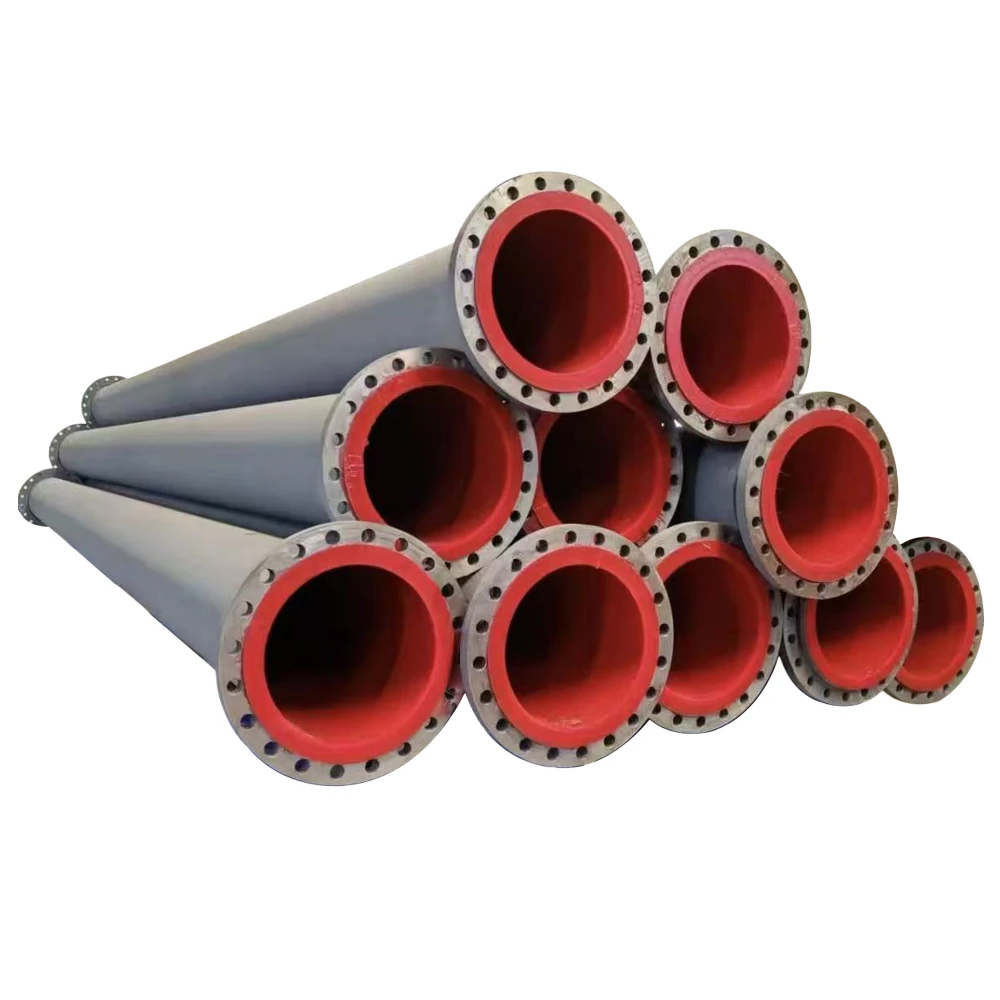
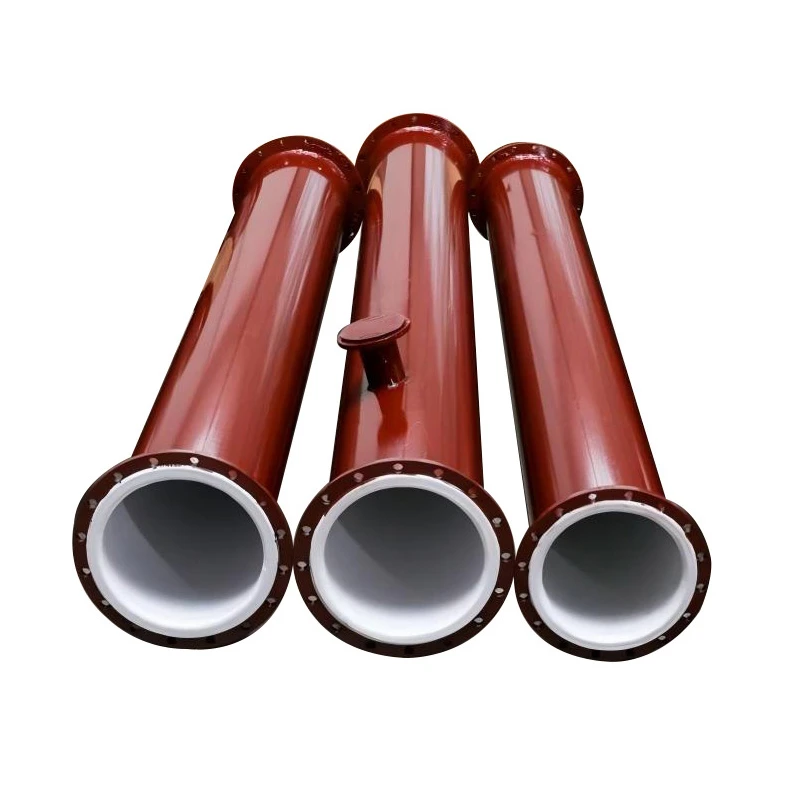
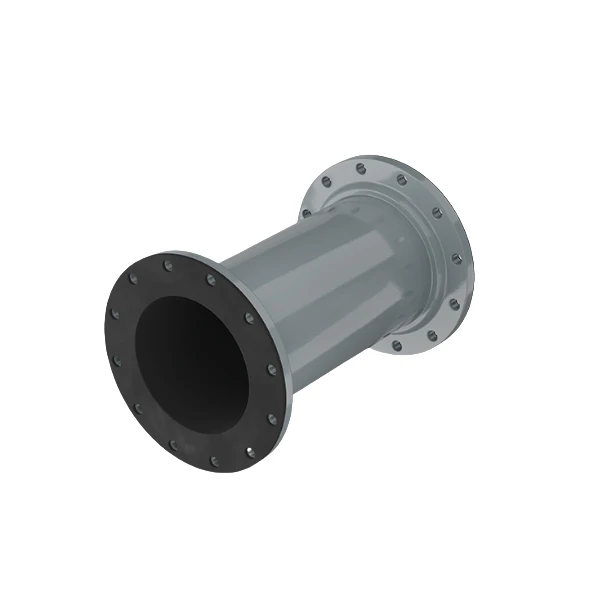
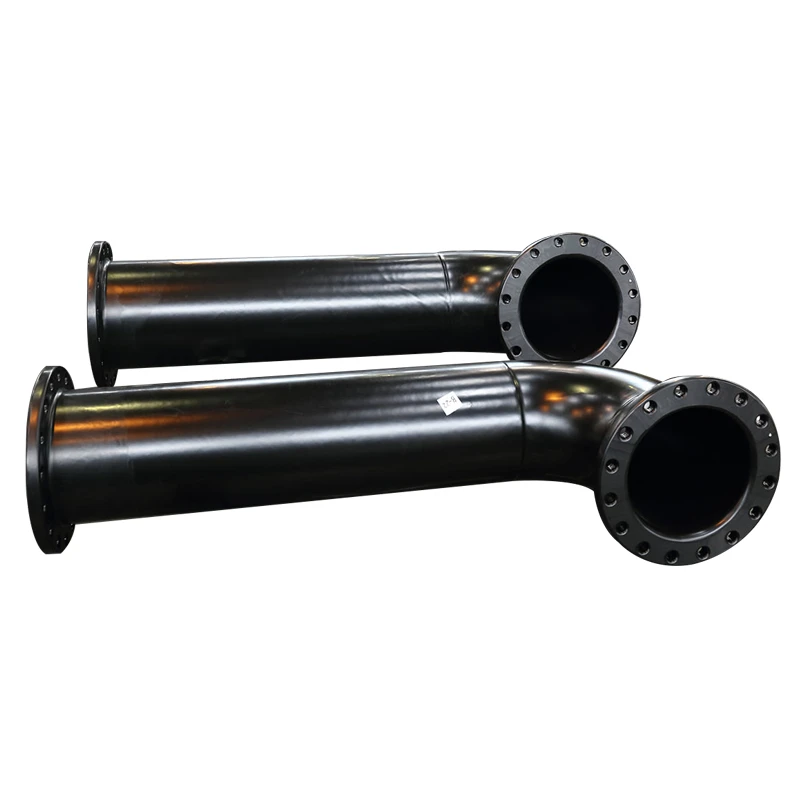
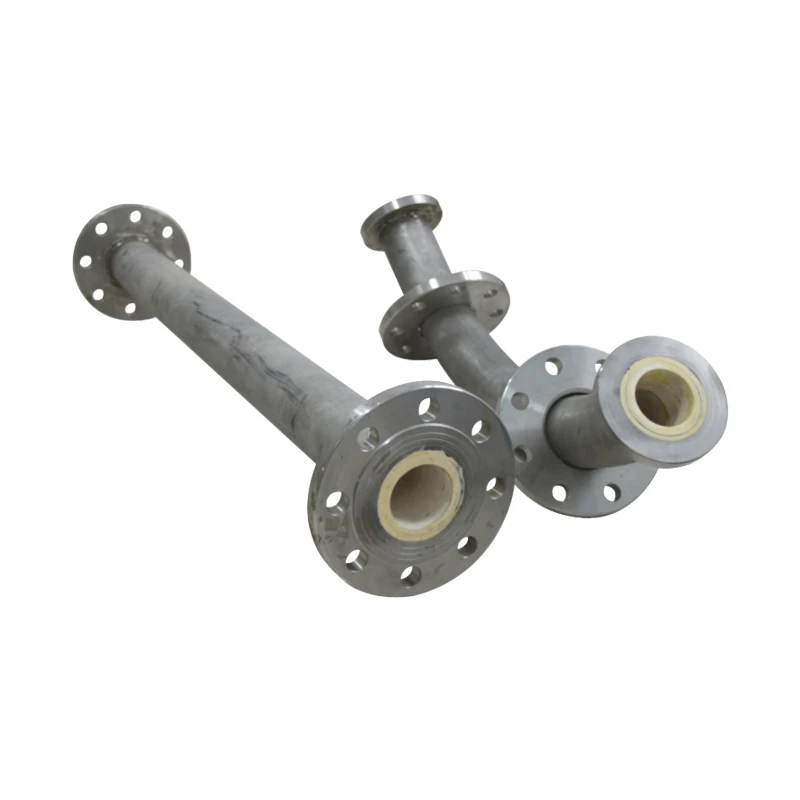
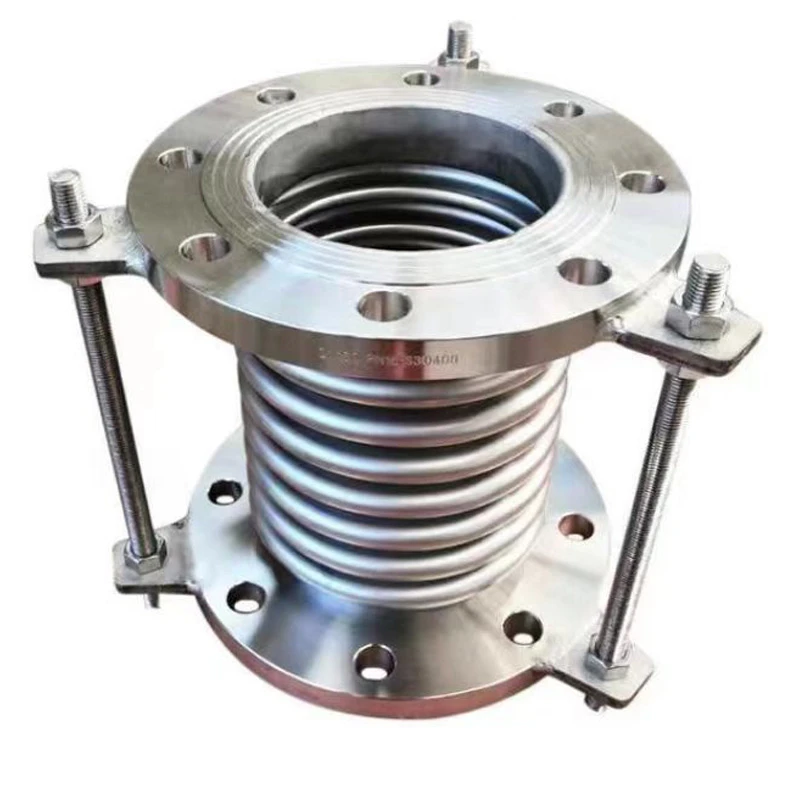
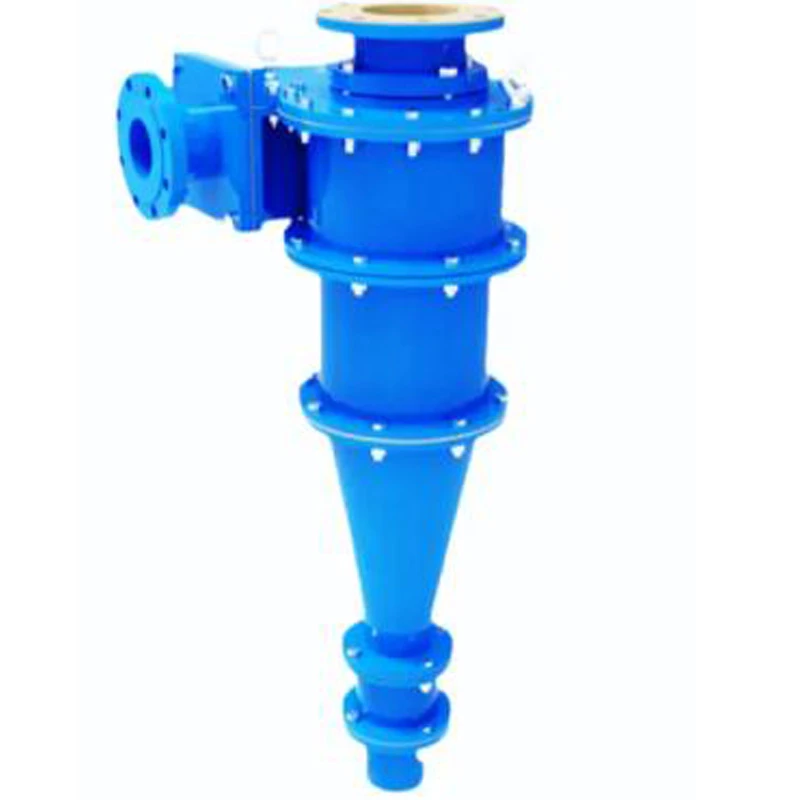
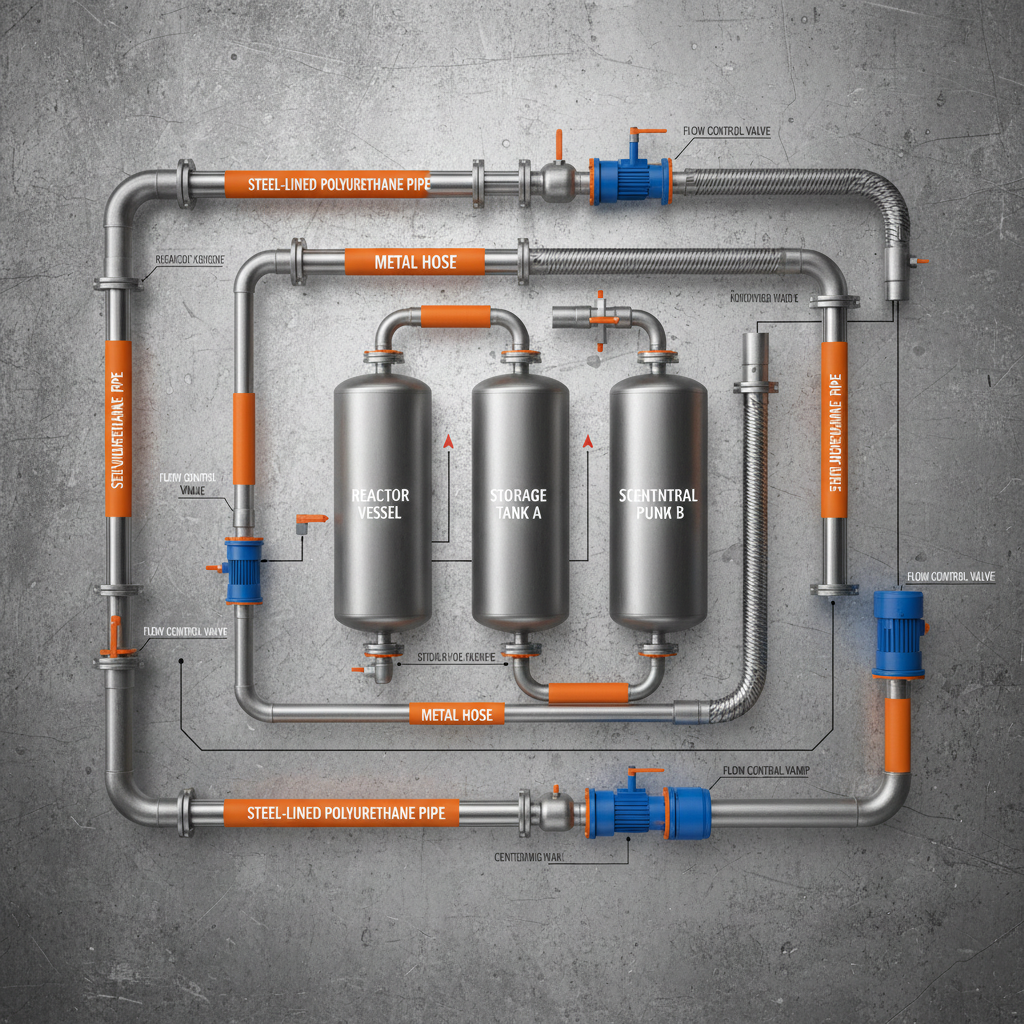
Our main products are polyurethane lined pipes, mining equipment fittings and metal hoses.