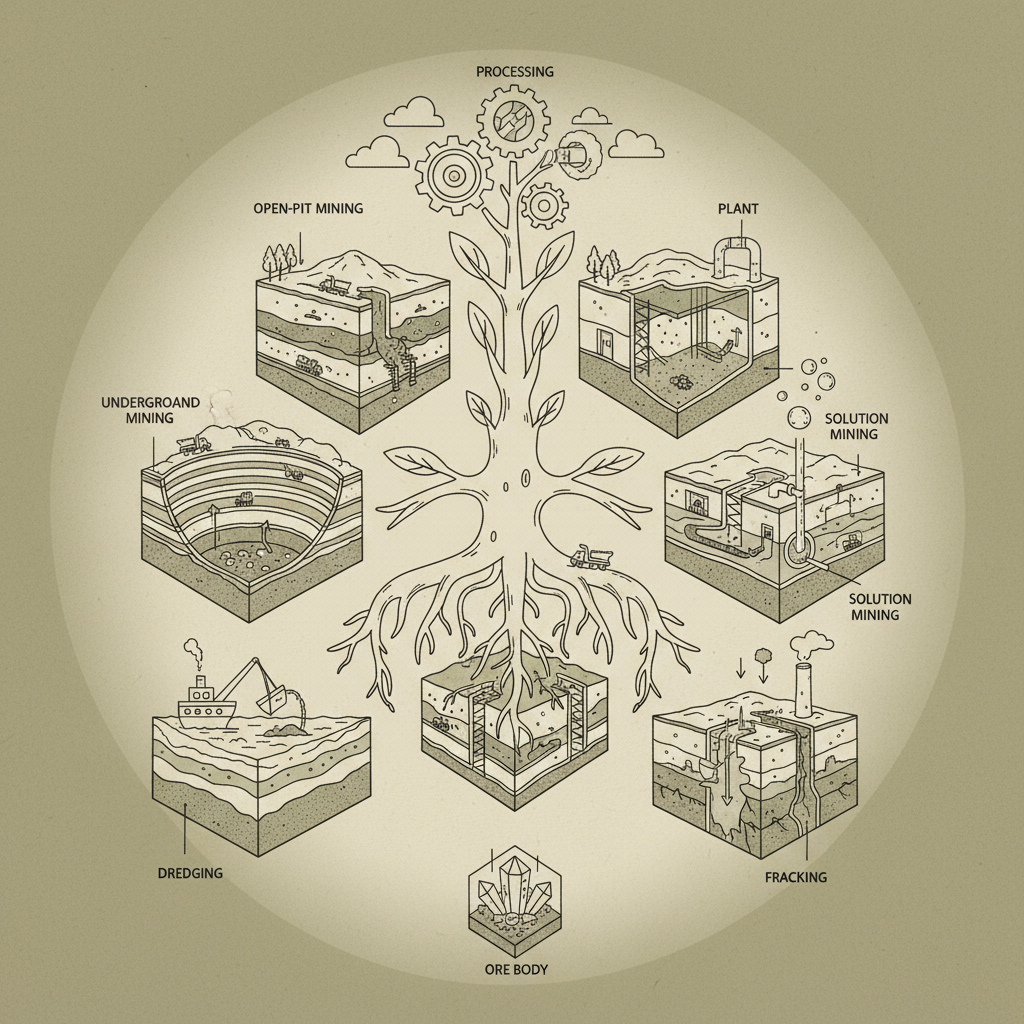
The process of beneficiation of iron ore meaning is critical to modern industrial practices, enhancing the value and usability of iron ores. Globally, iron ore is a fundamental resource for steel production, and beneficiation techniques are essential to meet the increasing demands of construction, manufacturing, and infrastructure development. This process ensures that lower-grade ores can be effectively utilized, contributing to resource sustainability and economic efficiency.
The significance of understanding beneficiation extends beyond mere economic considerations. Efficient beneficiation reduces environmental impact by minimizing waste and energy consumption during steelmaking. Moreover, advancements in beneficiation technologies enable the processing of complex ores, opening access to previously unusable resources. This is particularly important for nations with limited access to high-grade iron ore deposits, empowering them to achieve self-sufficiency.
Ultimately, a clear grasp of beneficiation of iron ore meaning is vital for optimizing resource utilization, driving innovation in metallurgical processes, and fostering sustainable industrial growth worldwide. The ability to effectively upgrade iron ore quality translates directly into cost savings, reduced environmental footprints, and increased global competitiveness.
Introduction to Beneficiation
Beneficiation, at its core, focuses on enhancing the iron content of raw ores, preparing them for efficient steelmaking. This process is often necessary because naturally occurring iron ores frequently contain significant levels of impurities, such as silica, alumina, and phosphorus, which can hinder the steel production process and compromise the quality of the final product. Beneficiation of iron ore meaning is therefore a crucial first step in the iron and steel value chain.
The application of beneficiation techniques isn't solely about increasing iron content; it also involves reducing the levels of deleterious elements. This ensures that the steel produced meets the required specifications for various applications, ranging from structural engineering to automotive manufacturing. By optimizing the ore’s composition, beneficiation contributes to both the performance and the longevity of steel-based products.
Defining Beneficiation of Iron Ore
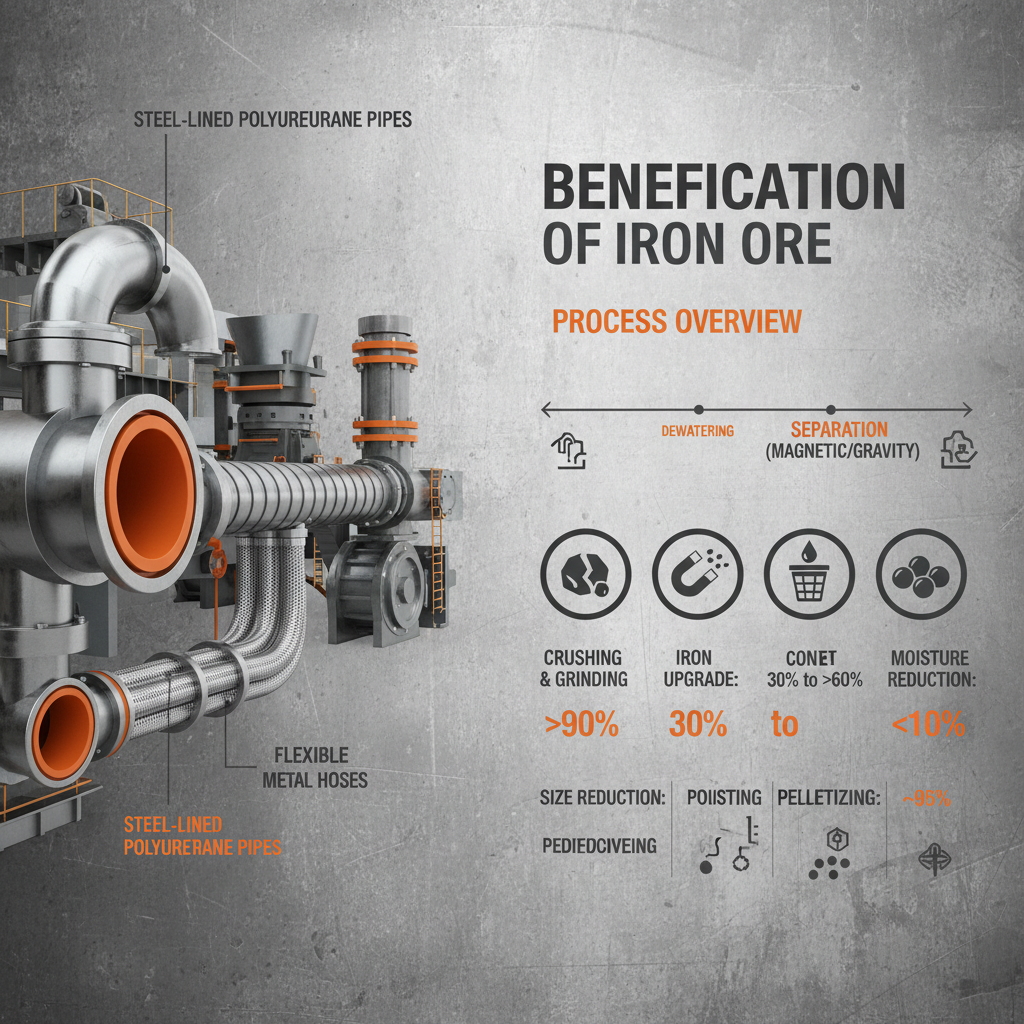
Beneficiation of iron ore meaning refers to a series of processes designed to improve the physical and chemical characteristics of iron ore, making it suitable for use in iron and steel production. This encompasses a range of techniques aimed at increasing the concentration of iron, removing impurities, and altering the grain size distribution of the ore particles. It's a pivotal step in transforming raw, low-grade ore into a valuable industrial raw material.
The significance of beneficiation extends beyond merely increasing iron content. It addresses the economic viability of utilizing lower-grade ores, which are often more abundant and cost-effective to mine than high-grade deposits. By making these ores commercially viable, beneficiation ensures a sustainable supply of iron resources for the global steel industry.
In essence, the beneficiation of iron ore meaning is a bridge between resource extraction and material utilization, playing a vital role in enabling efficient and sustainable steel production and fulfilling the demands of modern infrastructure and manufacturing.
Core Components of the Process
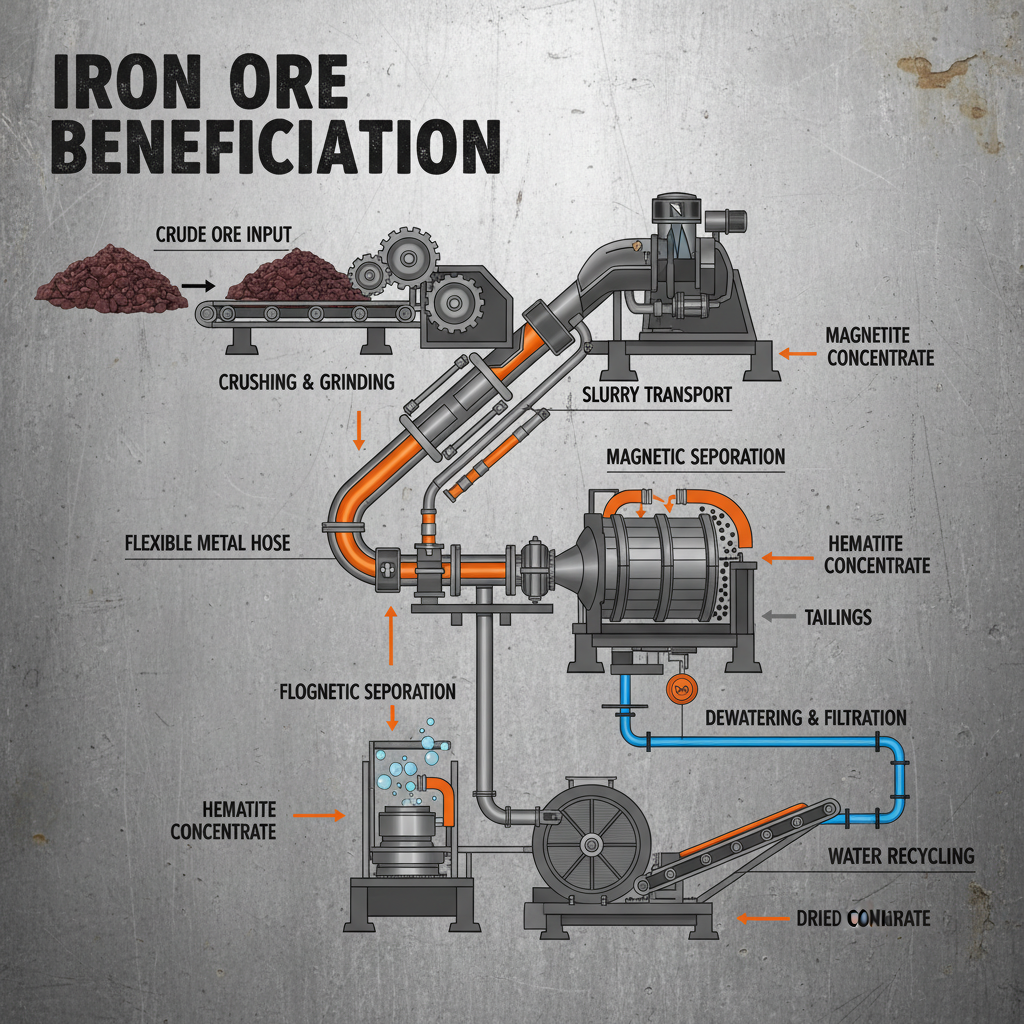
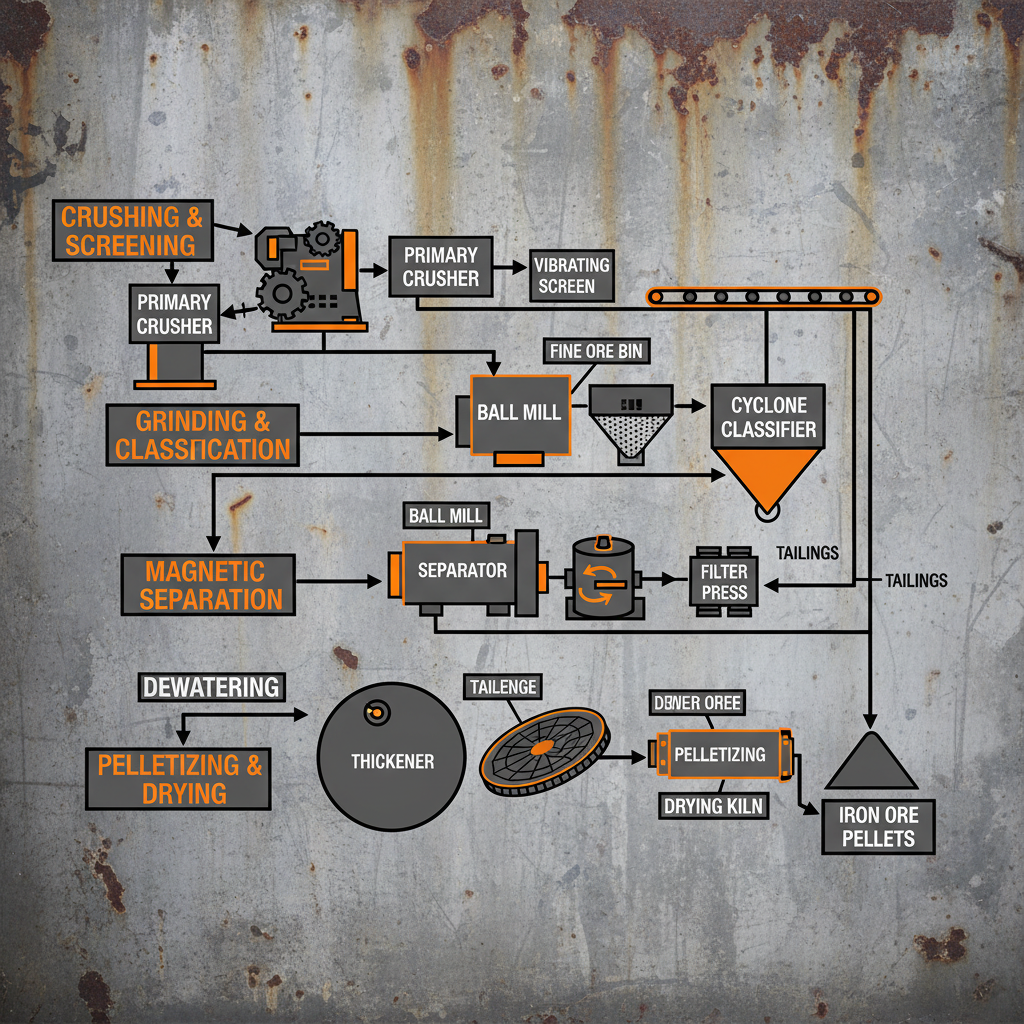
Several key components underpin the process of beneficiation. These include crushing and grinding, which reduce the ore particle size to liberate the iron-bearing minerals from associated gangue (waste material). Following size reduction, separation techniques, such as magnetic separation, gravity concentration, and flotation, are employed to selectively concentrate the iron minerals.
Furthermore, classification processes are used to separate particles based on size and density, optimizing the efficiency of subsequent separation stages. Chemical methods, such as leaching and roasting, may be used to remove specific impurities like sulfur or phosphorus. Each of these components is carefully tailored to the specific characteristics of the ore being processed to maximize iron recovery and minimize waste.
The integration of these components creates a robust and adaptable beneficiation strategy, capable of handling a diverse range of ore types and impurity profiles. Modern beneficiation plants often incorporate advanced process control systems and automation to optimize performance and reduce operational costs.
Global Applications and Industries
The application of beneficiation is widespread across the globe, particularly in countries with significant iron ore reserves like Australia, Brazil, China, and India. These nations rely heavily on beneficiation to process lower-grade ores and maintain a competitive edge in the global steel market. The steel produced from beneficiated ores feeds into a vast range of industries.
These industries encompass construction, where steel is used for structural components, reinforcement bars, and pipelines; automotive, where steel is essential for vehicle bodies, chassis, and engine parts; and manufacturing, where steel is used in machinery, appliances, and tools. Furthermore, the infrastructure sector – including railways, bridges, and ports – heavily relies on high-quality steel derived from beneficiated iron ores.
In remote industrial zones, beneficiation facilities enable the local processing of ore, reducing transportation costs and creating employment opportunities. Similarly, in post-disaster relief operations, access to locally beneficiated iron ore can accelerate reconstruction efforts by providing a readily available source of steel for essential infrastructure repairs.
Beneficiation Method Effectiveness
Advantages and Long-Term Value
The advantages of beneficiation of iron ore meaning are multifaceted. Economically, it lowers raw material costs by enabling the utilization of previously unusable ores. This translates to increased profitability for steel producers and ultimately, more competitive pricing for end-users. Environmentally, beneficiation reduces waste generation and lowers energy consumption during steelmaking processes.
Sustainability is another key benefit. By maximizing resource utilization, beneficiation minimizes the need for new mine development, preserving natural landscapes and biodiversity. Socially, it creates employment opportunities in mining and processing regions, fostering economic growth and community development. This combination of economic, environmental, and social benefits underscores the long-term value of beneficiation.
Future Trends and Innovations
The future of iron ore beneficiation is poised for significant advancements, driven by the demand for greater efficiency, sustainability, and resource optimization. Innovations in sensor-based sorting technologies, such as X-ray transmission (XRT) and laser-induced breakdown spectroscopy (LIBS), are enabling more precise and efficient separation of iron-bearing minerals.
Furthermore, the integration of artificial intelligence (AI) and machine learning (ML) into beneficiation processes is optimizing plant control, predicting ore characteristics, and improving overall performance. The exploration of alternative leaching agents and bio-leaching techniques promises to reduce the environmental impact of chemical beneficiation methods.
Challenges and Potential Solutions
Despite its benefits, beneficiation of iron ore meaning faces several challenges. Complex ore mineralogy, particularly the presence of finely disseminated impurities, can hinder efficient separation. Water scarcity in arid regions poses a limitation for water-intensive beneficiation processes. Moreover, the disposal of beneficiation tailings (waste material) requires careful management to prevent environmental contamination.
Potential solutions include the development of novel separation techniques tailored to complex ores, such as advanced flotation reagents and selective agglomeration methods. Implementing water recycling and closed-loop water systems can mitigate water scarcity concerns. Employing dry stacking or co-disposal methods for tailings can reduce environmental risks.
Investing in research and development focused on innovative beneficiation technologies and sustainable waste management practices is crucial for overcoming these challenges and unlocking the full potential of iron ore resources.
Beneficiation Process Performance Summary
| Process Stage |
Iron Recovery Rate (%) |
Impurity Reduction (%) |
Energy Consumption (kWh/tonne) |
| Crushing & Grinding |
95 |
5 |
15 |
| Magnetic Separation |
85 |
70 |
8 |
| Flotation |
75 |
80 |
12 |
| Gravity Concentration |
70 |
60 |
5 |
| Leaching |
60 |
90 |
20 |
| Roasting |
65 |
85 |
25 |
FAQS
The primary goal of iron ore beneficiation is to increase the iron content of the ore and remove impurities like silica, alumina, and phosphorus. This improves the ore’s suitability for steelmaking, enhancing steel quality and reducing production costs. Essentially, it’s about upgrading lower-grade ores to meet the requirements of the steel industry, making previously unusable resources commercially viable and fostering sustainable resource management.
Beneficiation significantly reduces the environmental footprint of steel production by minimizing waste generation and lowering energy consumption. By upgrading ore quality, less energy is required during the steelmaking process. Furthermore, beneficiation can reduce the reliance on high-grade ores, lessening the environmental impact associated with mining and transporting these resources. Proper management of beneficiation tailings is also crucial for minimizing environmental contamination.
The main separation techniques include magnetic separation, which uses magnetic forces to separate iron-bearing minerals; flotation, which utilizes differences in surface properties to selectively attach minerals to air bubbles; and gravity concentration, which separates minerals based on density. Crushing and grinding are preliminary stages to liberate minerals. The specific techniques employed depend on the ore’s mineralogy and the nature of the impurities.
AI and machine learning are being used to optimize plant control, predict ore characteristics, and improve overall process performance. AI algorithms can analyze vast amounts of data from sensors and process measurements to identify patterns and adjust operating parameters in real-time. This leads to increased iron recovery, reduced energy consumption, and improved product quality. AI-powered systems can also automate routine tasks and provide early warnings of potential problems.
Beneficiating complex iron ores, characterized by finely disseminated impurities, presents significant challenges. Achieving effective separation can be difficult, requiring specialized reagents and techniques. Water scarcity is also a concern, especially in arid regions where beneficiation often takes place. Additionally, the safe and environmentally responsible disposal of beneficiation tailings remains a critical consideration.
Future innovations include the development of advanced sensor-based sorting technologies (XRT, LIBS), exploration of alternative leaching agents and bio-leaching techniques, and the integration of digital twins for process optimization. Focus will also be on developing more sustainable tailings management solutions, such as dry stacking and co-disposal methods. Continued research into novel separation techniques tailored to specific ore types is also expected.
Conclusion
In conclusion, the beneficiation of iron ore meaning is an indispensable process within the global steel industry. It’s not merely about upgrading ore quality but about ensuring sustainable resource utilization, minimizing environmental impact, and driving economic efficiency. From crushing and grinding to advanced separation techniques and the integration of AI, each component plays a crucial role in transforming raw ores into valuable resources.
Looking ahead, continued innovation in beneficiation technologies will be paramount to addressing the challenges of complex ore mineralogy, water scarcity, and tailings management. By embracing new technologies and sustainable practices, we can unlock the full potential of iron ore resources and build a more resilient and environmentally responsible steel industry. Visit our website at www.qwmetal.com to learn more about our beneficiation solutions.