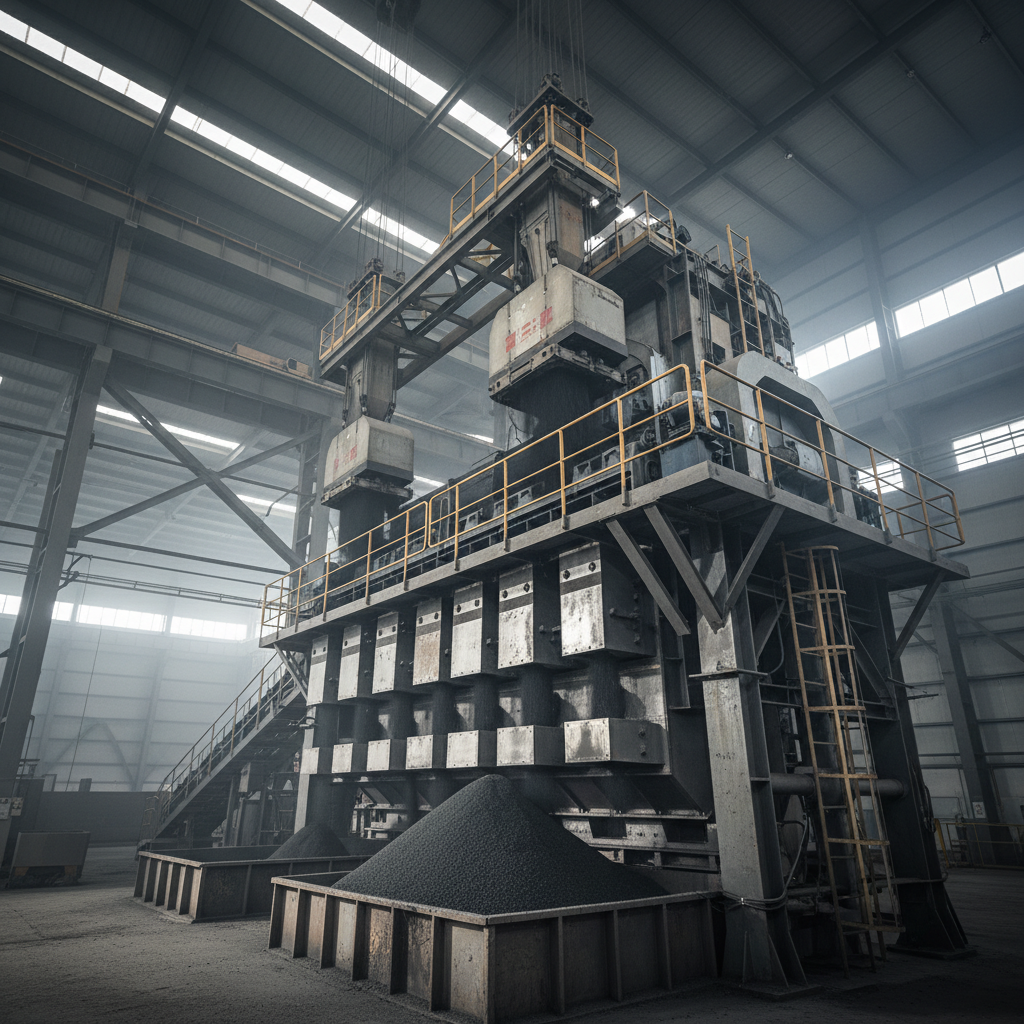
Beneficiation of ore is a crucial process in the mining industry, transforming raw mined material into a more valuable and concentrated form. This is achieved through various techniques that separate valuable minerals from the waste rock, or gangue. Understanding this process isn't just relevant to geologists and mining engineers; it impacts global economies, resource availability, and even sustainable development practices. Efficient beneficiation directly influences the cost-effectiveness of metal production and the responsible utilization of Earth’s resources.
The global demand for minerals continues to rise, driven by technological advancements, infrastructure development, and population growth. This increasing demand places immense pressure on existing mining operations to maximize resource recovery and minimize environmental impact. beneficiation of ore plays a vital role in meeting this demand sustainably, by enabling the economic viability of lower-grade ores that would otherwise be considered uneconomical to mine. Data from the World Bank indicates a projected 300% increase in mineral demand by 2050, highlighting the critical importance of optimized beneficiation techniques.
Currently, challenges like dwindling high-grade ore deposits and stricter environmental regulations push for innovation in beneficiation techniques. This impacts diverse sectors from electronics and construction to renewable energy technologies, all reliant on efficiently processed mineral resources. The efficiency and sustainability of beneficiation directly translate to lower material costs and a reduced carbon footprint across multiple industries.
Introduction to Beneficiation of Ore
Beneficiation of ore is fundamentally about maximizing the economic return from mineral deposits. It’s the bridge between raw material extraction and the production of usable, marketable commodities. Without efficient beneficiation, many mineral resources would remain locked within uneconomical deposits, limiting access to materials vital for modern life. This process isn't a single step; it’s a carefully tailored series of operations designed to specifically suit the mineralogy and characteristics of each ore body.
The techniques employed during beneficiation have evolved significantly over time, driven by advancements in technology and a growing emphasis on environmental responsibility. From simple gravity separation methods used historically to sophisticated flotation and magnetic separation techniques now commonplace, the field continually adapts to optimize recovery rates and minimize waste generation. Successful implementation demands a deep understanding of mineral properties and the principles of physical and chemical separation.
Defining Beneficiation of Ore
At its core, beneficiation of ore refers to the process of selectively altering the physical and/or chemical characteristics of mined ore to increase the concentration of valuable minerals. This is accomplished by separating the desired minerals from the unwanted rock and minerals, known as gangue. This separation process isn't about creating a pure mineral product – it’s about upgrading the ore to a concentrate suitable for further processing, like smelting or refining.
The connection to modern industry is undeniable. Virtually every manufactured product relies on minerals obtained through mining and beneficiation. From the copper wiring in our homes to the steel in our buildings and the rare earth elements in our smartphones, beneficiation of ore is a foundational process in the supply chain. Without it, access to these essential materials would be severely restricted, hindering technological progress and economic development.
Furthermore, beneficiation of ore increasingly addresses humanitarian needs. Access to crucial minerals like phosphates (for fertilizers) and iron ore (for infrastructure) is vital for food security and improved living standards, especially in developing nations. Sustainable beneficiation practices are thus paramount to ensure equitable access to these essential resources.
Core Components of Effective Beneficiation
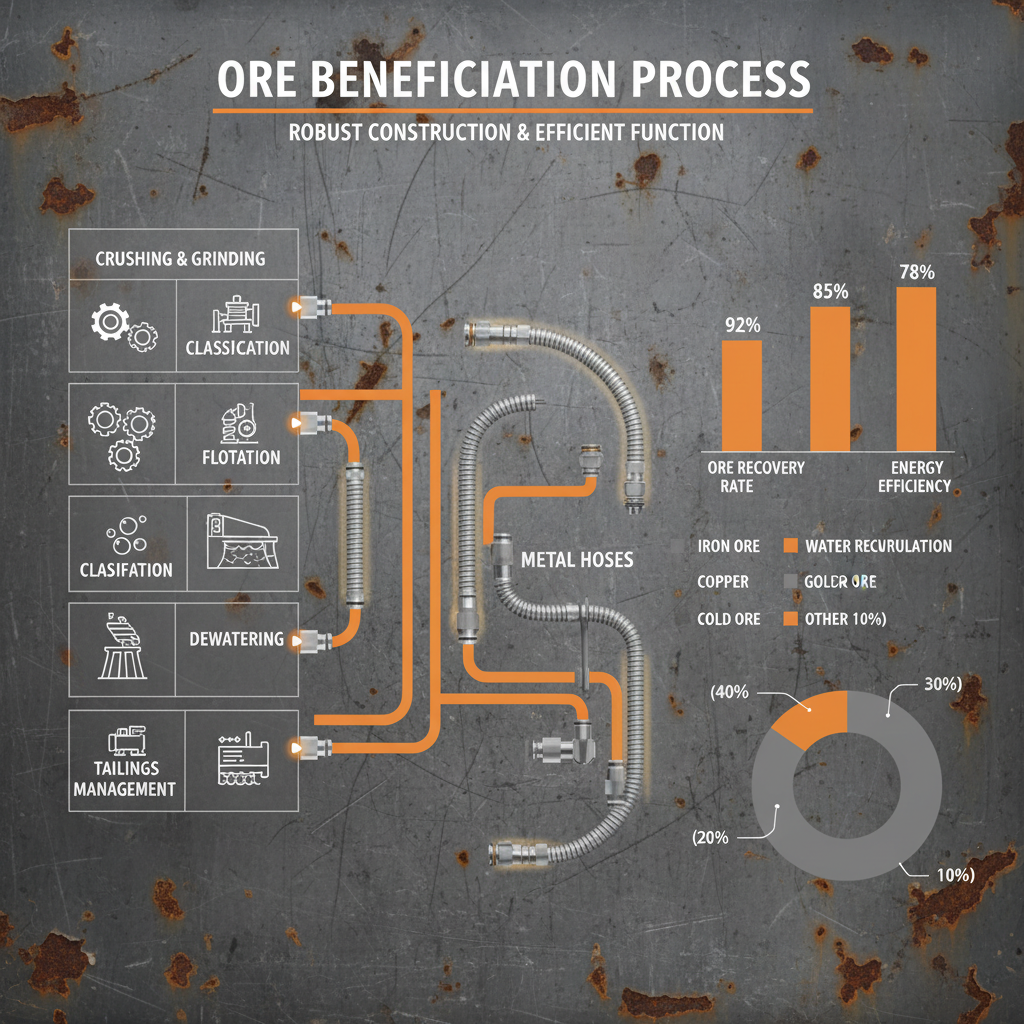
Mineral Liberation: The first crucial step is liberating the valuable minerals from the surrounding gangue. This often involves crushing and grinding the ore to a particle size where individual mineral grains are exposed, allowing for effective separation. The efficiency of liberation directly impacts the overall recovery rate of the process.
Separation Techniques: Once liberated, various separation techniques are employed, including gravity separation (utilizing density differences), magnetic separation (exploiting magnetic susceptibility), flotation (using surface chemistry to selectively attach minerals to air bubbles), and leaching (dissolving valuable minerals using chemical solvents). The choice of technique depends heavily on the specific mineralogy of the ore.
Concentrate Quality: Beneficiation aims to produce a concentrate with a high percentage of the valuable mineral. Achieving high concentrate grades minimizes downstream processing costs and maximizes profitability. Factors like particle size distribution and mineral association influence concentrate quality.
Global Applications of Beneficiation Techniques
Beneficiation of ore techniques are applied across a vast range of mining operations globally. In Chile, flotation is extensively used to concentrate copper ores, contributing significantly to the country’s economic prosperity. Similarly, Australia employs sophisticated magnetic separation methods for iron ore beneficiation, catering to the global steel industry. South Africa relies heavily on flotation and gravity separation for platinum group metal (PGM) recovery.
In remote industrial zones like those found in Siberia and Northern Canada, beneficiation is often the first stage of processing, as transporting raw ore is prohibitively expensive. beneficiation of ore enables on-site concentration, reducing transportation costs and environmental impact. These operations often involve harsh climates and logistical challenges, demanding robust and reliable beneficiation systems.
Even in post-disaster relief operations, beneficiation principles can be applied to recover valuable materials from debris, contributing to resource circularity and reducing waste. For example, recovering metals from electronic waste using techniques akin to mineral beneficiation is becoming increasingly important for sustainable resource management.
Comparative Efficiency of Beneficiation of Ore Methods
Advantages and Long-Term Value
The advantages of effective beneficiation of ore extend far beyond simply increasing mineral concentration. From a cost perspective, reducing waste material translates to lower transportation, processing, and disposal expenses. Furthermore, by enabling the economic viability of lower-grade ores, beneficiation extends the lifespan of existing mining operations, securing resource availability for future generations.
Sustainability is another key benefit. Optimized beneficiation minimizes environmental impact by reducing the volume of tailings (waste material) requiring disposal and lessening the land disturbance associated with mining. Socially, it creates employment opportunities in both mining communities and related industries. The reliability of the supply chain, ensured through consistent beneficiation processes, builds trust among consumers and stakeholders.
Future Trends in Beneficiation of Ore
The future of beneficiation of ore is closely linked to technological innovation and sustainable practices. The integration of advanced sensors, data analytics, and artificial intelligence (AI) promises to optimize process control and predict equipment failures, leading to improved efficiency and reduced downtime. Automation, including robotic ore sorting, is also gaining traction, increasing processing speed and reducing labor costs.
Furthermore, green energy solutions, like utilizing renewable power sources to run beneficiation plants, are becoming increasingly prevalent, decreasing the carbon footprint of mining operations. The development of novel leaching agents and environmentally friendly flotation reagents is also a key area of research, focused on minimizing the environmental impact of chemical processes.
Challenges and Innovative Solutions
Despite advancements, several challenges remain in beneficiation of ore. Complex ore mineralogies, where valuable minerals are finely disseminated or interlocked with gangue, pose significant separation difficulties. Water scarcity in arid mining regions restricts the use of water-intensive beneficiation processes. Tailings management remains a major environmental concern, requiring innovative and sustainable solutions.
Innovative approaches to overcome these challenges include dry beneficiation techniques that minimize water usage, bioleaching using microorganisms to selectively dissolve valuable minerals, and advanced tailings management strategies like co-disposal (mixing tailings with waste rock) and in-situ tailings stabilization. Exploring closed-loop water systems and investing in research to develop more selective and environmentally friendly reagents are crucial for sustainable beneficiation.
beneficiation of ore continually evolves, and overcoming these hurdles requires a collaborative effort between researchers, engineers, and mining operators to develop and implement cutting-edge solutions.
Summary of Key Challenges and Potential Solutions in Beneficiation of Ore
| Challenge |
Impact on Beneficiation |
Potential Solution |
Implementation Difficulty (1-10) |
| Complex Ore Mineralogy |
Reduced Mineral Liberation & Separation Efficiency |
Advanced Comminution & Selective Flotation |
7 |
| Water Scarcity |
Limited Use of Water-Intensive Processes |
Dry Beneficiation Techniques & Water Recycling |
6 |
| Tailings Management |
Environmental Contamination & Land Use Issues |
Co-Disposal & In-Situ Tailings Stabilization |
8 |
| Energy Consumption |
High Operational Costs & Carbon Footprint |
Renewable Energy Integration & Process Optimization |
5 |
| Reagent Toxicity |
Environmental Hazards & Regulatory Restrictions |
Development of Eco-Friendly Reagents |
9 |
| Process Control & Optimization |
Suboptimal Recovery Rates & Inconsistent Concentrate Quality |
AI-Driven Process Control & Real-Time Monitoring |
7 |
FAQS
The primary goal of beneficiation of ore is to increase the concentration of valuable minerals within the ore, making it economically viable for further processing and extraction. This involves selectively separating the desired minerals from the unwanted gangue material, improving the ore’s overall quality and reducing the volume of material that needs to be handled in subsequent stages. Effective beneficiation translates directly into cost savings and increased resource recovery.
Beneficiation is a preliminary process focused on physical and chemical separation to upgrade the ore’s mineral concentration. Smelting and refining, conversely, involve high-temperature processes and chemical reactions to extract the pure metal from the concentrate. Beneficiation prepares the ore for smelting and refining; it doesn’t produce the final metal product itself. Think of beneficiation as the pre-processing step, enhancing efficiency and reducing costs in later stages.
Common methods include gravity separation (based on density differences), magnetic separation (exploiting magnetic properties), flotation (using surface chemistry), and leaching (dissolving minerals with chemicals). The choice of method depends on the ore’s mineralogy, particle size, and desired concentrate grade. Modern operations often combine multiple techniques to achieve optimal results.
Water management is critically important. Many beneficiation processes, such as flotation and leaching, require significant water volumes. Sustainable practices involve minimizing water usage, implementing water recycling systems, and effectively treating wastewater to prevent environmental contamination. Water scarcity is a growing concern in many mining regions, making efficient water management a necessity.
Beneficiation can have environmental impacts, including tailings generation, water pollution, and energy consumption. Mitigation strategies include responsible tailings management (e.g., dry stacking, co-disposal), water recycling, using environmentally friendly reagents, and integrating renewable energy sources. Adhering to stringent environmental regulations and best practices is crucial for minimizing the ecological footprint.
Technology is revolutionizing beneficiation through automation, AI-driven process control, advanced sensors for ore characterization, and the development of more selective and efficient separation techniques. These advancements lead to increased recovery rates, reduced costs, and a smaller environmental impact. The integration of data analytics is allowing for real-time optimization of processes, maximizing efficiency and minimizing waste.
Conclusion
In conclusion, beneficiation of ore is an indispensable process in the modern mining industry, bridging the gap between raw material extraction and the production of valuable commodities. Its importance extends beyond economic benefits, contributing to sustainable resource management, technological advancements, and improved living standards. Understanding the core principles and evolving technologies within this field is vital for addressing global resource demands responsibly.
Looking forward, continued innovation in areas such as automation, green energy integration, and sustainable reagent development will be crucial. Investing in research, fostering collaboration between industry and academia, and prioritizing environmental stewardship are essential for unlocking the full potential of beneficiation of ore and ensuring a secure and sustainable future for mineral resource utilization. Visit our website at www.qwmetal.com to learn more about our beneficiation solutions.