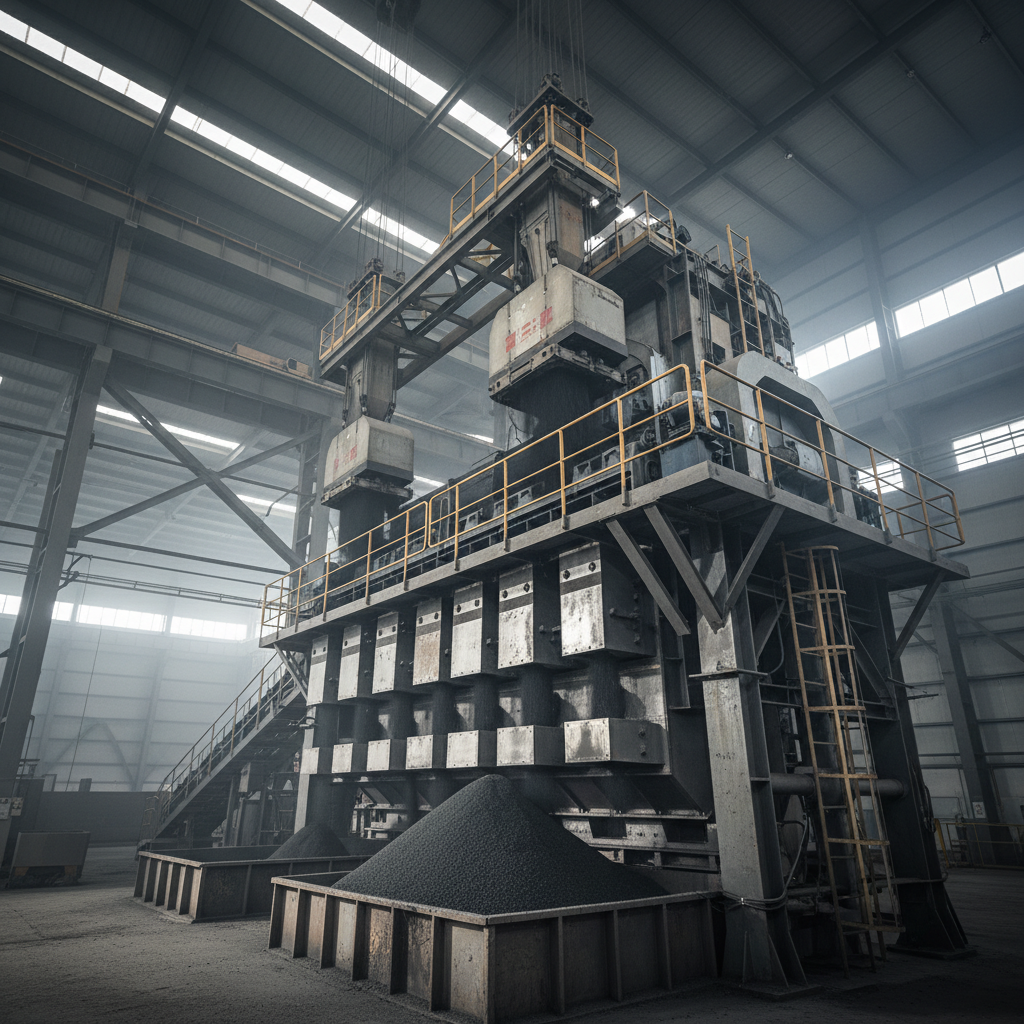
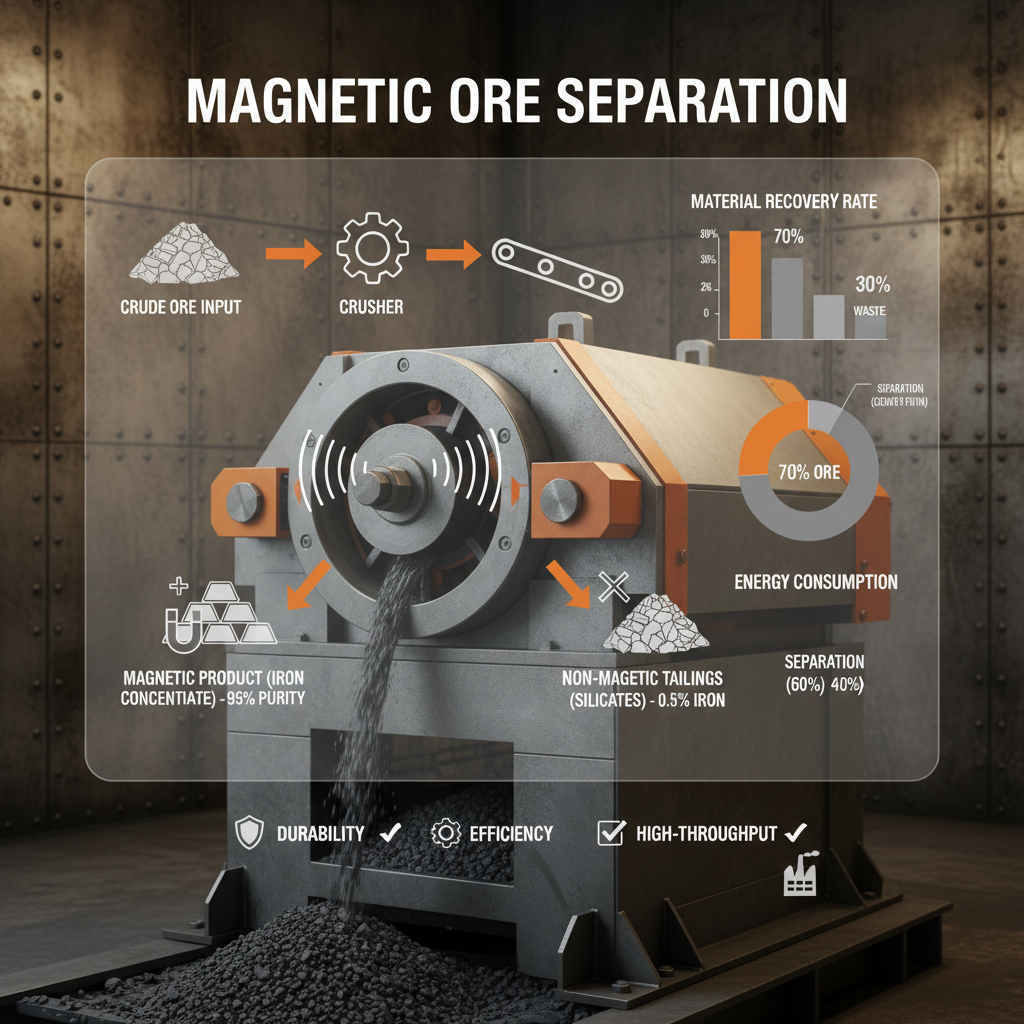
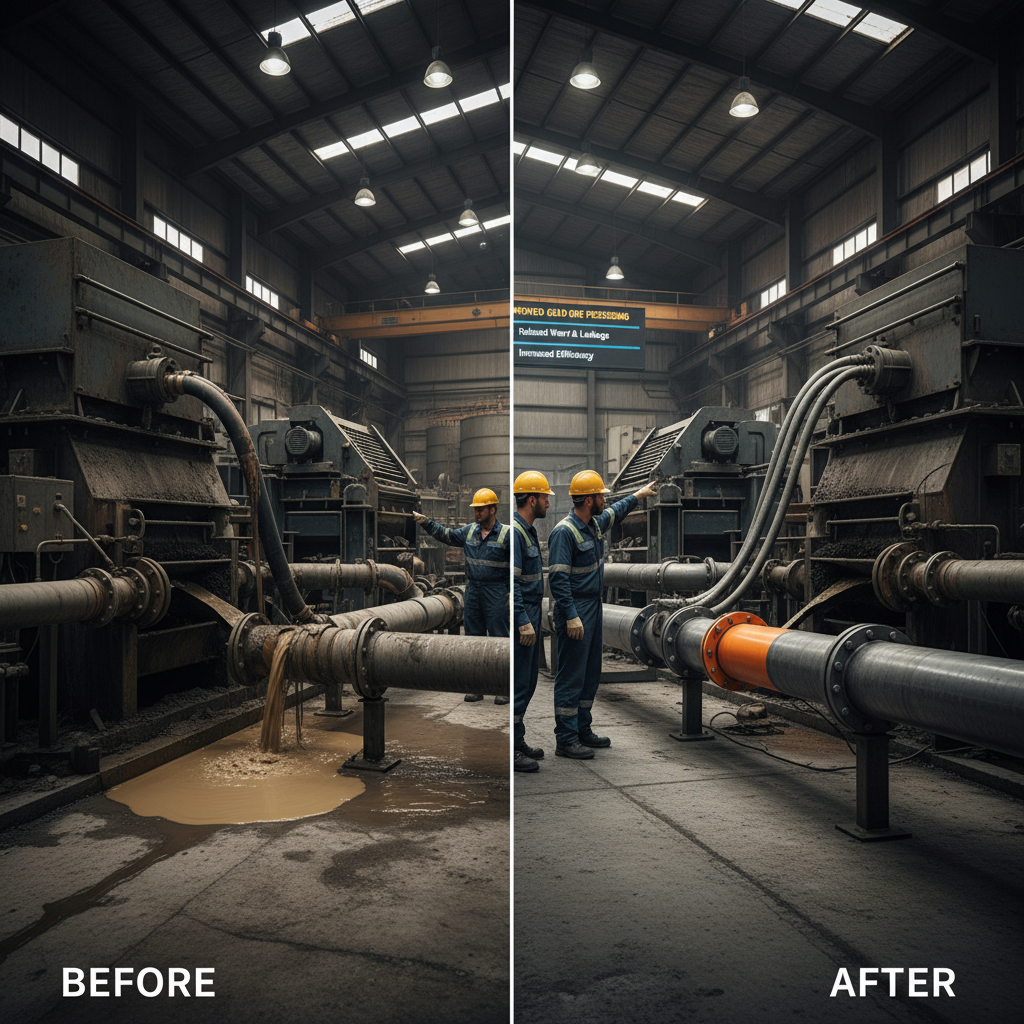
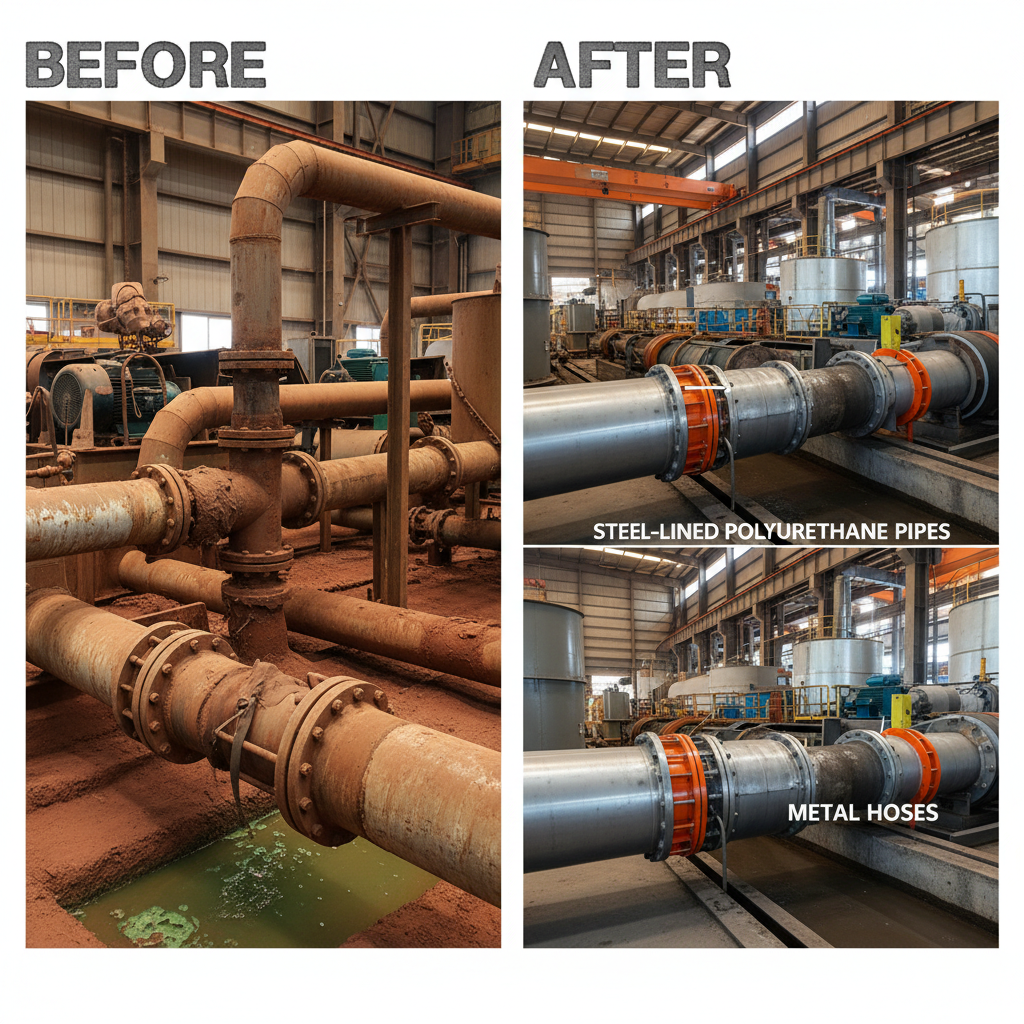
Magnetic separation of ore is a crucial process in the mining industry, enabling the efficient and cost-effective recovery of valuable minerals from raw ore. It leverages the differing magnetic susceptibilities of minerals to separate them, significantly impacting global metal production and resource availability. This process isn’t simply a technical exercise; it’s fundamental to securing the raw materials necessary for modern technologies and infrastructure development.
The increasing global demand for metals, driven by urbanization, technological advancements, and the transition to green energy, necessitates optimized ore processing techniques. magnetic separation of ore directly addresses this need by providing a scalable and relatively environmentally friendly method for mineral concentration. Challenges like dwindling high-grade ore deposits amplify the importance of efficiently extracting resources from lower-grade ores, where magnetic separation plays a vital role.
Understanding the principles and advancements in magnetic separation is essential for professionals in mining, metallurgy, and related fields. Its impact extends beyond economics, influencing sustainability practices and the overall efficiency of resource utilization, making it a cornerstone of modern mining operations.
Introduction to Magnetic Separation of Ore
Magnetic separation of ore is a process where minerals with differing magnetic properties are segregated using a magnetic field. This technique is especially effective when dealing with ores containing ferromagnetic or paramagnetic minerals, allowing for concentration of these valuable materials from less magnetic gangue minerals. The process has evolved from simple hand-magnet methods to sophisticated automated systems.
The effectiveness of magnetic separation depends heavily on the strength of the magnetic field, the magnetic susceptibility of the minerals involved, and the characteristics of the ore matrix. Modern magnetic separators utilize various configurations, including drum, belt, and high-intensity magnetic separators, each suited for different ore types and separation requirements, ultimately driving advancements in magnetic separation of ore techniques.
The Core Principles of Magnetic Separation
At its core, magnetic separation hinges on the principle that different materials respond differently to a magnetic field. Ferromagnetic materials (like magnetite) are strongly attracted, paramagnetic materials (like hematite) are weakly attracted, and diamagnetic materials are repelled. This difference in magnetic susceptibility is exploited during the separation process.
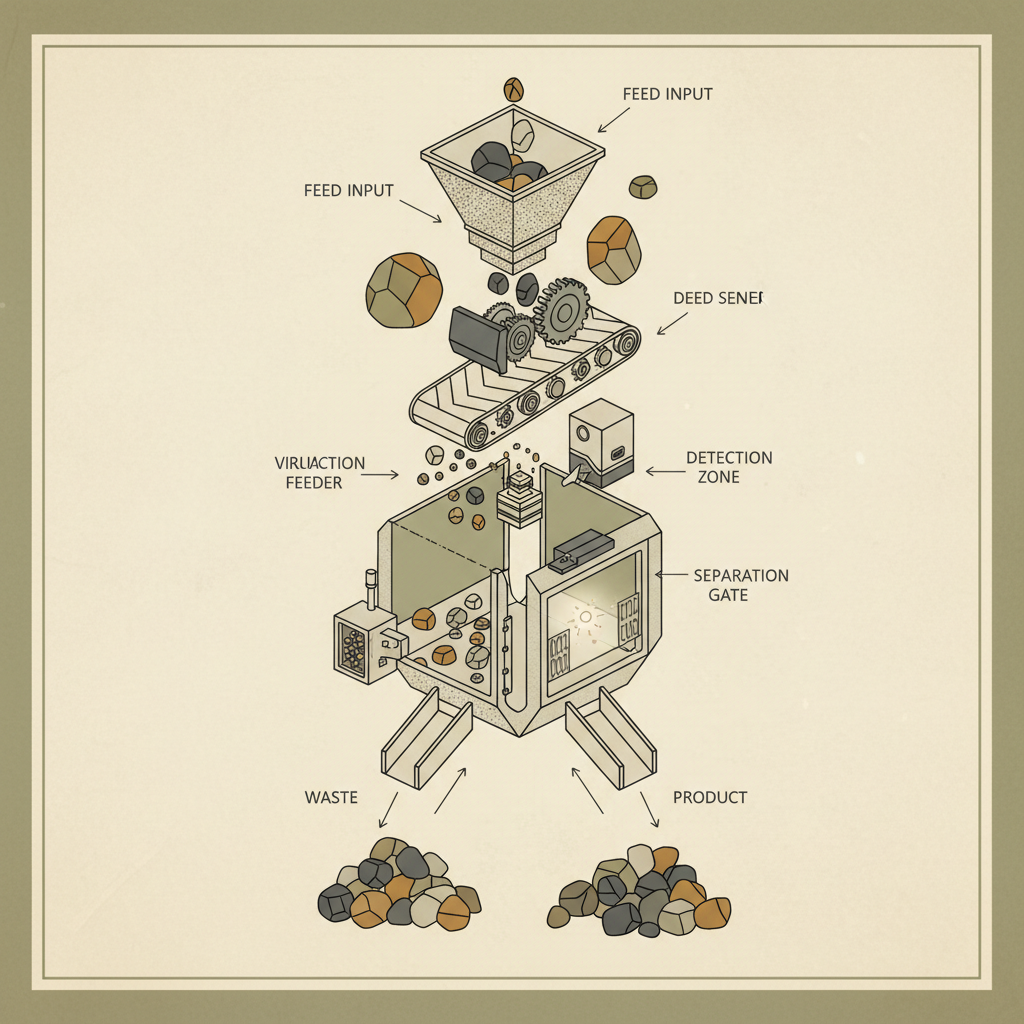
The process generally involves introducing the ore into a magnetic field. Magnetic particles are deflected from the path of non-magnetic particles, allowing for separation. The strength of the magnetic field determines the efficiency of the separation; stronger fields can separate materials with smaller differences in magnetic susceptibility.
Various types of magnetic separators utilize different field gradients and configurations to maximize separation efficiency. These include low-intensity magnetic separators (LIMS) for strongly magnetic materials and high-intensity magnetic separators (HIMS) for weakly magnetic minerals, highlighting the adaptability of the technique to diverse ore compositions.
Key Factors Influencing Separation Efficiency
Several key factors dictate the efficiency of magnetic separation. Ore particle size is critical; smaller particles tend to be carried by air currents or water flow, hindering their proper alignment with the magnetic field. Liberation, the degree to which valuable minerals are freed from the gangue, also profoundly influences separation; poorly liberated particles remain bound, reducing recovery rates.
The magnetic field strength and gradient are paramount. A stronger field and steeper gradient enhance the force acting on magnetic particles, improving their deflection and separation. The type of magnetic separator chosen must be appropriate for the ore's magnetic properties and particle size distribution to maximize the efficiency of magnetic separation of ore.
Finally, slurry rheology (for wet separation) and moisture content (for dry separation) play a role. Proper fluid dynamics or controlled moisture levels ensure that particles are effectively conveyed through the magnetic field without agglomeration or settling, maximizing the contact between the ore and the magnetic force.
Real-World Applications Across Industries
Magnetic separation isn't limited to traditional hard-rock mining. It's widely employed in the processing of iron ore, where it concentrates magnetite and hematite for steel production. Beyond iron ore, it's crucial in the recovery of minerals like chromite, tungsten, and even rare earth elements.
The technique also finds application in recycling industries, separating ferrous metals from waste streams, contributing to material recovery and environmental sustainability. It’s utilized in sand and gravel operations to remove iron contaminants, preventing damage to processing equipment and improving product quality.
Magnetic Separation Performance Across Ore Types
The Advantages of Utilizing Magnetic Separation
Magnetic separation offers several distinct advantages. It’s a relatively low-cost and energy-efficient method compared to many other mineral processing techniques, particularly for ores with significant magnetic differences. Its scalability makes it suitable for both large-scale mining operations and smaller-scale processing facilities.
The process is environmentally friendly, generating minimal waste and avoiding the use of harmful chemicals commonly associated with other separation methods. Furthermore, it’s adaptable, capable of handling a wide range of ore types and particle sizes, demonstrating its versatility in the complex landscape of mineral extraction.
Future Trends and Technological Innovations
The future of magnetic separation lies in advancements in materials science and automation. The development of stronger and more efficient magnets, like neodymium magnets, is continually pushing the boundaries of separation capabilities.
Automation and the integration of sensor technology and machine learning are enabling real-time optimization of separation parameters, maximizing recovery rates and minimizing waste. Further research into pulsed magnetic fields and magnetic fluid technologies promises even more selective and efficient separation processes.
Sustainability is also driving innovation, with a focus on reducing energy consumption and developing closed-loop systems to minimize environmental impact. The integration of digital twins for process modeling and predictive maintenance will also play an increasingly important role.
Challenges and Potential Solutions in Magnetic Separation
Despite its advantages, magnetic separation faces challenges, particularly when dealing with ores containing weakly magnetic minerals or complex mineral assemblages. Fine particle separation can also be difficult due to particle agglomeration and the limitations of magnetic field penetration.
Solutions include pre-concentration techniques to remove unwanted gangue minerals, the use of advanced HIMS systems with higher field gradients, and the implementation of flocculation and conditioning agents to improve particle liberation and separation.
Research into novel magnetic materials and separation geometries, combined with the application of artificial intelligence for process control, will be crucial for overcoming these limitations and optimizing magnetic separation for future mining operations and magnetic separation of ore innovation.
Summary of Challenges and Solutions in Magnetic Separation
| Challenge |
Ore Type Affected |
Severity (1-10) |
Potential Solution |
| Weakly Magnetic Minerals |
Hematite, Ilmenite |
7 |
High-Intensity Magnetic Separation (HIMS) |
| Fine Particle Agglomeration |
Clay-rich ores |
8 |
Flocculation and Dispersion Agents |
| Complex Mineral Assemblages |
Polymetallic ores |
6 |
Multi-stage Separation and Conditioning |
| Limited Magnetic Field Penetration |
Large Particle Sizes |
5 |
Particle Size Reduction (Crushing/Grinding) |
| Energy Consumption |
All Ore Types |
4 |
Optimization of Magnetic Field Strength & Duration |
| Process Control & Optimization |
Variable Ore Compositions |
7 |
AI-Powered Real-Time Control Systems |
FAQS
Magnetic separation stands out due to its cost-effectiveness, relatively low energy consumption, and minimal environmental impact. Unlike methods like flotation, it doesn’t require the use of harsh chemicals. It’s also highly scalable, making it suitable for various operation sizes. This makes it an appealing choice when dealing with ores containing strongly magnetic minerals.
Particle size significantly influences separation efficiency. Very fine particles can be carried away by fluid currents, hindering their alignment with the magnetic field. Conversely, excessively large particles may not experience sufficient magnetic force. Optimal particle size distribution is crucial, often requiring pre-processing steps like crushing and grinding to achieve effective separation.
Ores containing ferromagnetic or strongly paramagnetic minerals, like magnetite (iron oxide) and hematite, are ideal for magnetic separation. Chromite, ilmenite, and certain tungsten ores can also be effectively separated. However, ores with weakly magnetic minerals require more advanced techniques like high-intensity magnetic separation.
Absolutely! Magnetic separation is widely used in recycling to recover ferrous metals (iron and steel) from waste streams. This contributes to resource recovery, reduces landfill waste, and promotes a circular economy. It's a common practice in scrap metal yards and electronic waste processing facilities.
LIMS (Low-Intensity Magnetic Separators) are used for strongly magnetic materials like magnetite, utilizing relatively lower magnetic fields. HIMS (High-Intensity Magnetic Separators) are employed for weakly magnetic minerals, requiring significantly stronger magnetic fields and often matrix separation to achieve effective separation. The choice depends on the magnetic susceptibility of the target minerals.
Moisture content is critical, especially in wet magnetic separation. Too much moisture can lead to particle agglomeration, hindering effective separation. Too little moisture can cause dust and make handling difficult. Maintaining an optimal moisture level ensures proper slurry flow and particle dispersion within the magnetic field, maximizing recovery rates.
Conclusion
Magnetic separation of ore remains a cornerstone of modern mineral processing, offering a cost-effective, scalable, and environmentally responsible method for resource recovery. Its adaptability to diverse ore types and continuous technological advancements solidify its importance in meeting the growing global demand for metals and minerals. Understanding the core principles, influencing factors, and future trends within this field is critical for professionals in mining and related industries.
As we move toward a more sustainable future, continued innovation in magnetic separation technology, particularly in automation, energy efficiency, and process optimization, will be crucial. By embracing these advancements, we can enhance resource utilization, minimize environmental impact, and ensure a secure supply of essential materials for generations to come. Visit our website at www.qwmetal.com to learn more.