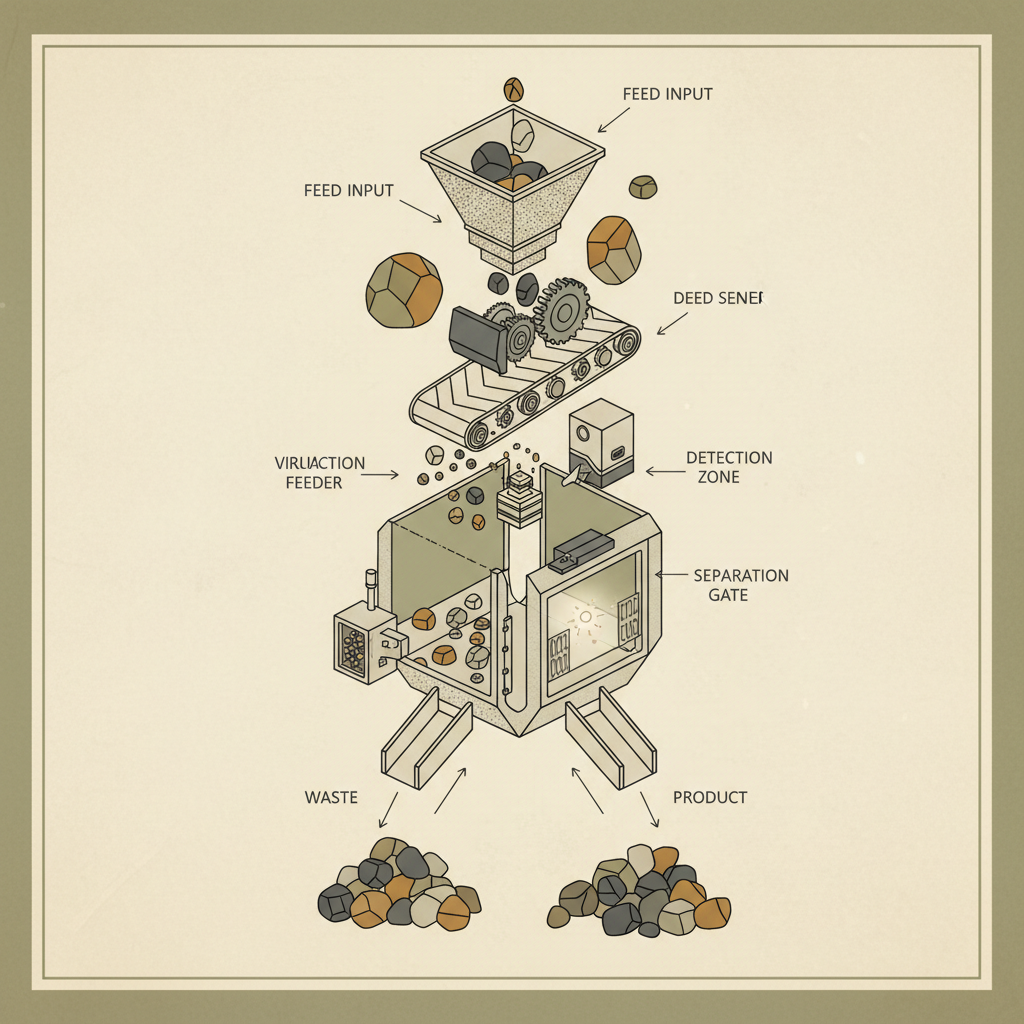
Ore processing is the crucial set of techniques used to extract valuable metals and minerals from their naturally occurring ores. It’s a cornerstone of modern industry, impacting everything from construction and electronics to transportation and energy production. Without efficient ore processing, access to the raw materials needed for countless technologies and everyday products would be severely limited.
Globally, the demand for processed ores continues to rise, driven by population growth, technological advancements, and increasing urbanization. The United Nations estimates that global metal demand will double by 2050, necessitating more sustainable and efficient ore processing techniques. The efficient recovery of resources is not just an economic imperative, but also essential for minimizing environmental impact and ensuring long-term resource availability.
Understanding ore processing is vital not only for engineers and mining professionals, but also for anyone interested in sustainability, resource management, and the future of manufacturing. Innovations in this field are directly linked to advancements in material science, environmental protection, and economic development, making it a field with far-reaching consequences.
The Significance of Ore Processing
Ore processing is fundamental to modern civilization, enabling the production of metals essential for infrastructure, technology, and countless manufactured goods. The process extends beyond simply extracting valuable elements; it encompasses a complex series of physical and chemical transformations designed to maximize resource recovery while minimizing waste and environmental impact.
The increasing demand for resources, coupled with the depletion of high-grade ores, has driven a continuous need for innovation in ore processing techniques. New technologies and improved processes are crucial for maintaining a sustainable supply of essential materials and mitigating the environmental challenges associated with mining and resource extraction.
Defining Ore Processing
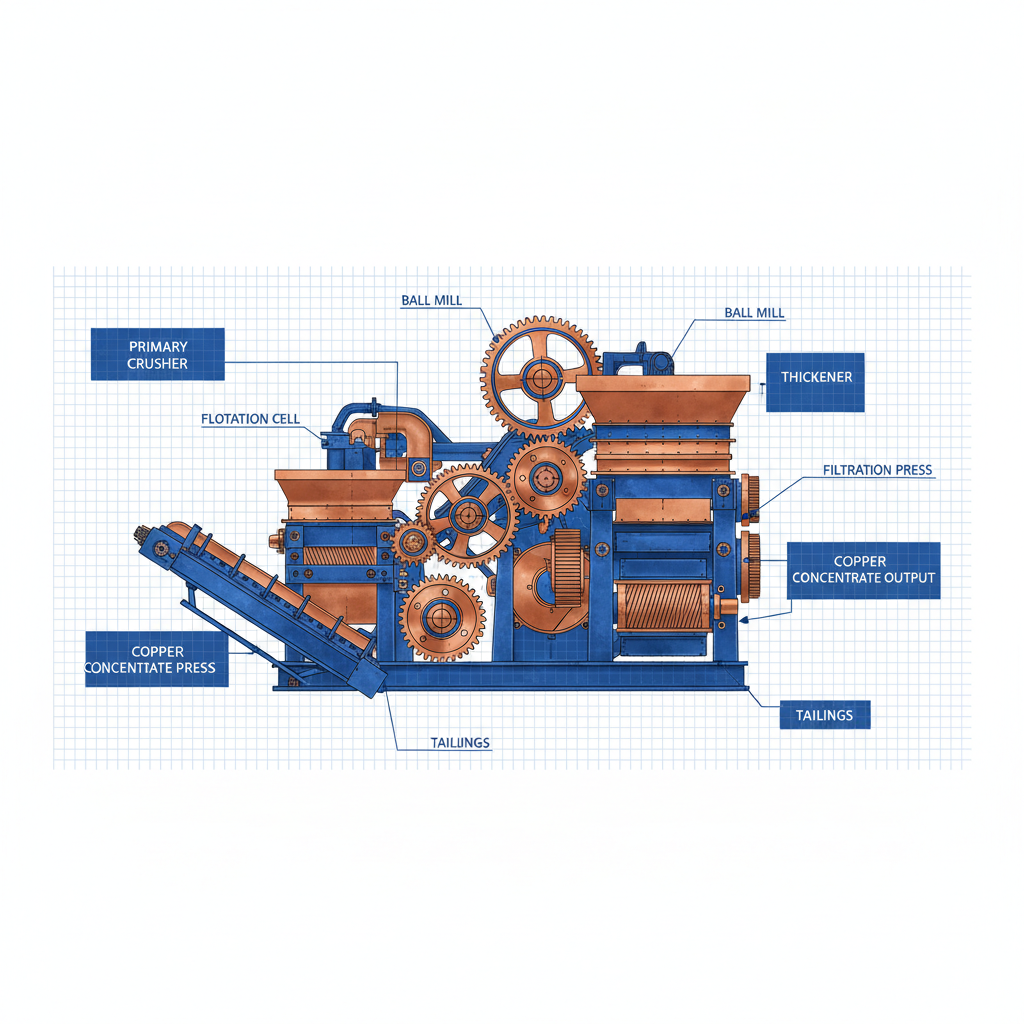
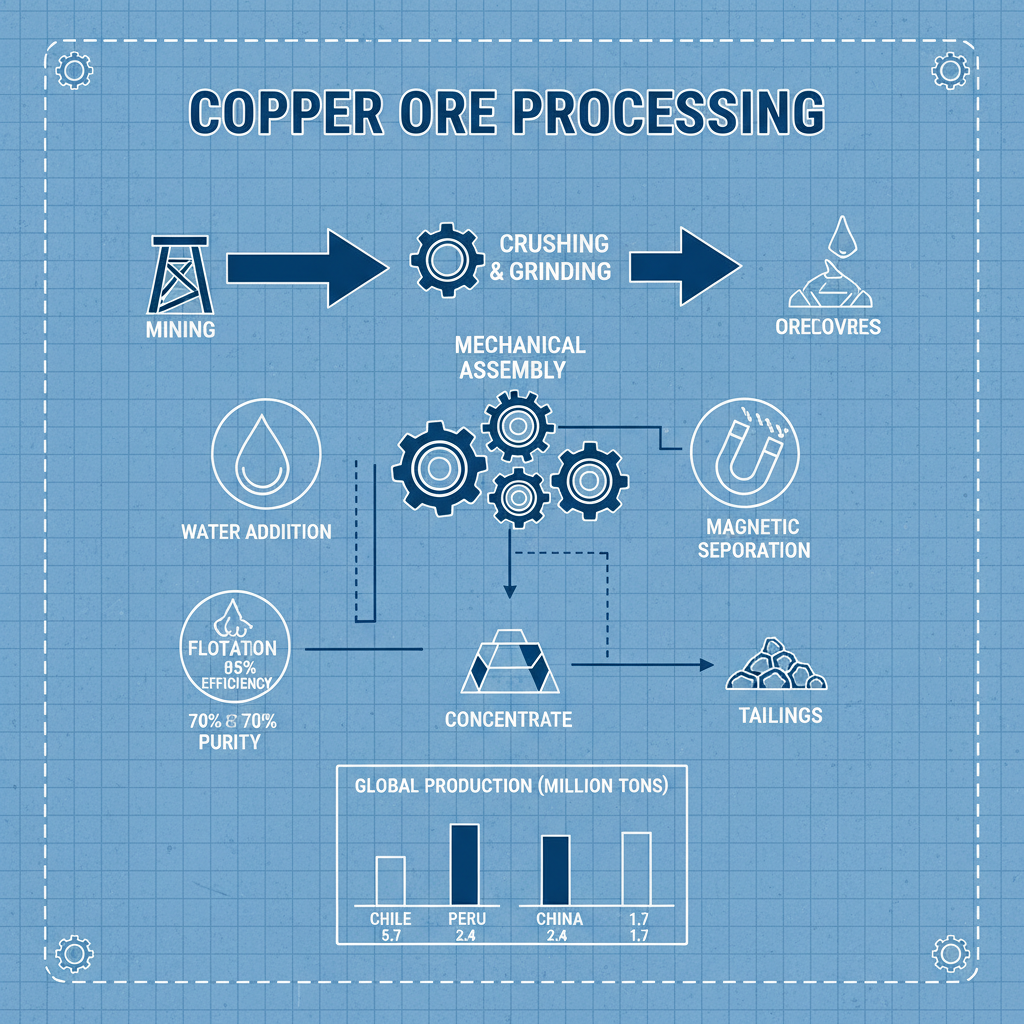
At its core, ore processing refers to the series of operations undertaken to separate valuable minerals from the unwanted gangue material present in ore. This typically involves several stages, including comminution (crushing and grinding), concentration (separating valuable minerals), and extraction (isolating the desired metal or mineral). The specific techniques employed vary depending on the type of ore and the target mineral.
The connection to modern industry is undeniable. Virtually all manufactured products rely on metals and minerals derived from ore processing. From the steel in skyscrapers to the copper wiring in electronics, and the lithium in batteries, the efficient and responsible processing of ores is essential for economic growth and technological progress.
Moreover, ore processing plays a role in addressing humanitarian needs. The materials extracted through these processes are critical for building infrastructure in developing nations, providing access to clean water, and supporting healthcare systems. Sustainable ore processing is thus a key component of global development efforts.
Core Components of Effective Ore Processing
Efficient ore processing relies on a combination of interconnected components. These include appropriate comminution techniques to liberate valuable minerals, effective separation methods based on physical and chemical properties, and environmentally responsible waste management practices. A holistic approach, considering the entire process lifecycle, is paramount.
The choice of processing method is heavily influenced by the ore's mineralogy and the characteristics of the valuable minerals. Flotation, gravity concentration, magnetic separation, and leaching are just a few of the techniques commonly employed. Each method has its strengths and weaknesses, and often a combination of techniques is used to achieve optimal results.
Finally, the economic viability of ore processing is significantly influenced by the energy efficiency of the process. Minimizing energy consumption, reducing water usage, and recovering valuable by-products are critical for maximizing profitability and minimizing environmental impact. The integration of advanced monitoring and control systems is key to optimizing performance.
Key Factors Influencing Ore Processing Efficiency
Several key factors directly impact the efficiency of ore processing operations. Ore hardness and mineral liberation size are critical parameters that determine the energy required for comminution and the effectiveness of separation processes. A thorough understanding of these characteristics is essential for selecting the appropriate processing techniques.
Water quality and availability also play a significant role, particularly in processes like flotation and leaching. Effective water management, including recycling and treatment, is crucial for minimizing environmental impact and ensuring sustainable operations.
Comparison of Ore Processing Method Efficiencies
Global Applications and Industry Use Cases
Ore processing is a truly global undertaking, with operations spanning every continent. Large-scale mining operations in countries like Australia, Chile, and Canada are major suppliers of copper, iron ore, and other essential metals. In Africa, ore processing is vital for extracting gold, diamonds, and platinum group metals.
The automotive industry is a major consumer of processed ores, relying heavily on steel, aluminum, and various specialty metals. The construction industry utilizes vast quantities of iron ore, cement, and aggregates, all derived from ore processing. The electronics sector is heavily dependent on rare earth elements and other critical minerals extracted through specialized ore processing techniques.
Advantages and Long-Term Value
The advantages of optimized ore processing are manifold. Cost reductions through increased efficiency and reduced waste translate directly to improved profitability. Sustainable practices minimize environmental impact, enhancing a company’s social license to operate. Enhanced resource recovery ensures long-term supply security.
Investing in advanced ore processing technologies fosters innovation and drives economic growth. By minimizing environmental damage and promoting responsible resource management, we safeguard the planet for future generations, and provide safer, more dignified working conditions for those employed in the industry.
Future Trends and Innovation in Ore Processing
The future of ore processing is being shaped by several key trends. Automation and robotics are increasingly being deployed to improve efficiency, reduce labor costs, and enhance safety. Digitalization, including the use of big data analytics and machine learning, is enabling more precise process control and optimization.
Sustainable technologies, such as bioleaching and the use of renewable energy sources, are gaining traction as the industry seeks to minimize its environmental footprint. The development of more selective and efficient separation techniques, including advanced flotation reagents and solvent extraction processes, is also a major focus.
Furthermore, the circular economy is influencing ore processing practices. Recovering valuable metals from waste streams and tailings is becoming increasingly important, reducing reliance on primary resources and minimizing environmental pollution.
FAQS
Traditional ore processing methods can generate significant environmental impacts, including habitat destruction from mining, water pollution from tailings and chemical leaching, air emissions from smelting, and greenhouse gas emissions from energy consumption. Responsible ore processing aims to mitigate these impacts through improved waste management, water recycling, and the use of cleaner energy sources.
Improving water management involves implementing closed-loop systems to recycle and reuse water, treating wastewater to remove contaminants, reducing water consumption through process optimization, and carefully managing tailings ponds to prevent leakage. Employing innovative technologies like reverse osmosis and evaporation ponds can also enhance water recovery.
Automation is revolutionizing ore processing by enhancing efficiency, improving safety, and reducing operational costs. Automated systems can handle tasks like material handling, process control, and data analysis, leading to more precise and consistent results. Robots and drones are also being deployed for tasks in hazardous environments.
Sustainable tailings management focuses on reducing the volume of tailings generated, improving their stability, and minimizing their environmental impact. This includes techniques like dry stacking, co-disposal of tailings with waste rock, and the use of geopolymers to encapsulate tailings, preventing acid mine drainage and reducing the risk of dam failures.
Bioleaching is a process that uses microorganisms to extract metals from ores. It offers a more environmentally friendly alternative to traditional smelting, as it operates at lower temperatures and pressures, and reduces the use of harsh chemicals. This results in lower energy consumption and reduced greenhouse gas emissions.
Processing low-grade ores presents several challenges, including higher energy consumption, increased water usage, and the generation of larger volumes of waste. Overcoming these challenges requires innovative technologies, such as enhanced leaching techniques, selective flotation reagents, and improved waste management strategies, to make processing economically viable and environmentally responsible.
Conclusion
In conclusion, ore processing is a fundamental process underpinning modern industry and sustainable resource management. From its vital role in supplying materials for construction and technology, to its increasing focus on environmental responsibility and innovation, the field continues to evolve. Optimizing efficiency, minimizing waste, and embracing new technologies are essential for meeting the growing global demand for resources.
Looking ahead, the future of ore processing lies in embracing a holistic approach that integrates technological advancements with sustainable practices. Investing in research and development, promoting collaboration across the industry, and adopting a circular economy mindset will be critical for ensuring a reliable and responsible supply of essential materials for generations to come. For more information on advanced ore processing solutions, visit our website: www.qwmetal.com.