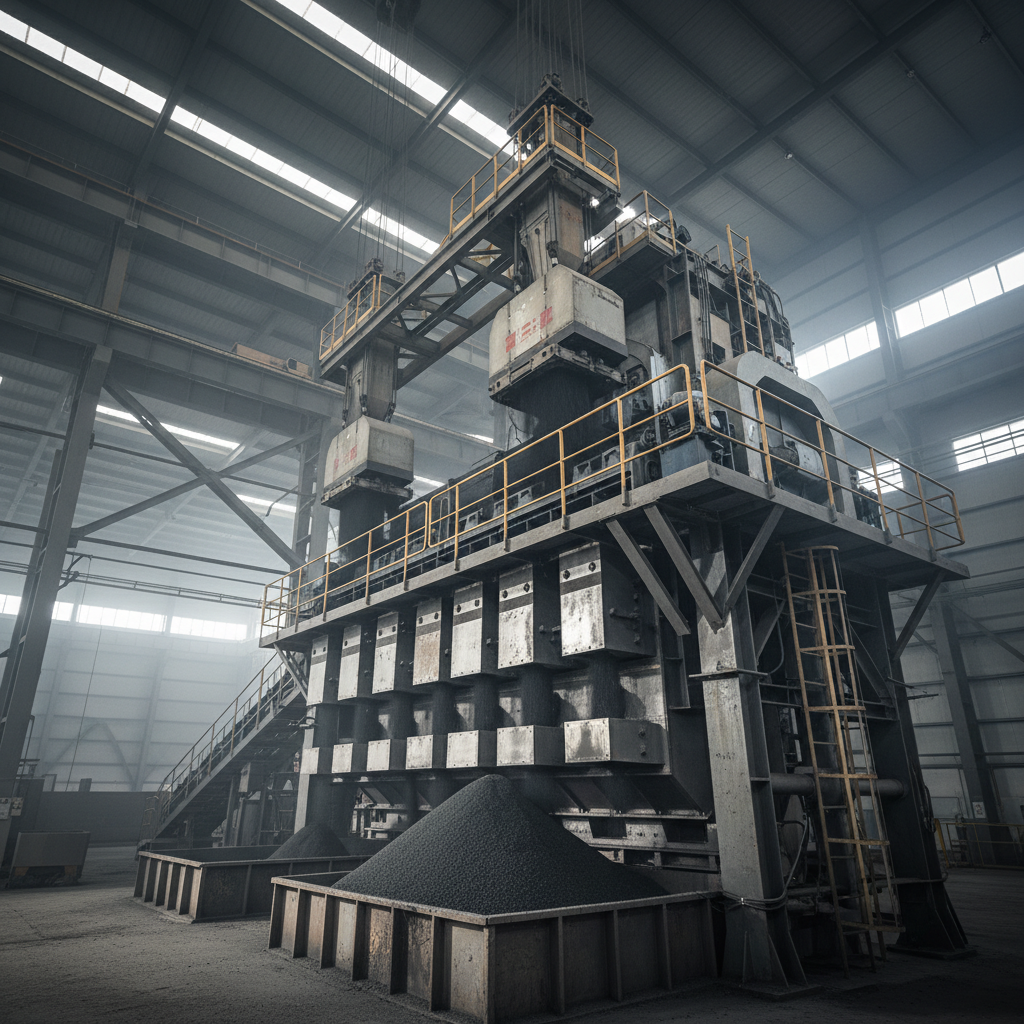
Look, I’ve been running around construction sites for fifteen years, and let me tell you, things are changing fast. Everyone’s talking about prefabricated modules, green materials, and smart construction. To be honest, it feels like every other day there's a new “revolutionary” product hitting the market. But most of them… well, they don’t translate to the real world. I spend more time figuring out why they don't work than actually using them. It's a lot of hype, you know? But there's a core shift happening, towards efficiency and reducing on-site waste. That's real.
And it’s not just the big trends. It’s the little details. Like, have you noticed how everyone thinks a sleek design is always better? It isn’t. I encountered this at a factory in Jiangsu province last time; they were pushing a new connector design, all smooth and minimalist. Looked great in the brochure, but a worker nearly broke his hand trying to get a grip on it with gloves on. Functionality over form, always. That's my rule.
We’re dealing with a lot more composite materials now. Lightweight concrete, reinforced polymers… you name it. The lightweight concrete, for example, feels… almost like pumice, but grittier. Smells faintly of chemicals, even after it's cured. You’ve got to handle it carefully, it crumbles easily if you’re not gentle. And the polymers... they're slippery when wet. Seriously, almost took a tumble on a job in Shanghai last spring.
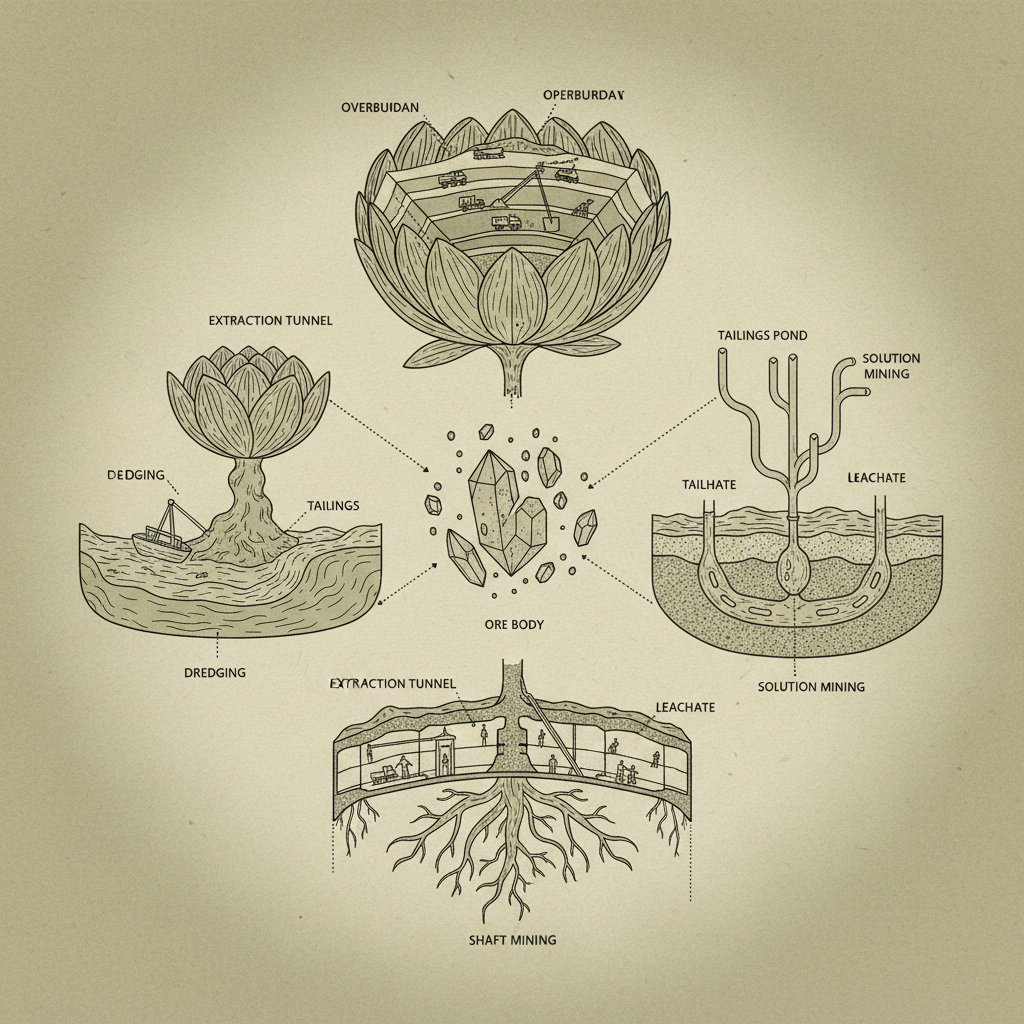
Introduction: The Changing Landscape of types of mineral extraction
The whole game's changed in the last decade, honestly. It used to be about brute force and cheap labor. Now? It’s about prefabrication, minimizing waste, and maximizing efficiency. This shift drives the demand for specialized types of mineral extraction solutions.
These aren’t your grandfather’s extraction techniques. We're talking about optimized methods for everything from rare earth elements to construction aggregates. And the pressure's on – governments are demanding more sustainable practices, and clients want faster turnaround times. It's a juggling act, believe me.
Common Design Pitfalls in types of mineral extraction
Strangely, a lot of engineers, they design things in a lab, a clean room, never stepping foot on a real site. They come up with these beautiful, intricate systems… that fall apart the moment they meet a little mud. The biggest mistake I see? Overcomplication. The simpler the better. A design with fewer moving parts is almost always more reliable.
And don't even get me started on access panels. They always put them in the most awkward places, where you need a contortionist to reach them. Or they use screws that strip after the first use. It's infuriating. I swear, sometimes I think they want to make our lives difficult.
Then there's the issue of scale. A system that works perfectly for a small sample in the lab might completely fall apart when scaled up to an industrial level. That's happened more times than I care to remember.
Material Deep Dive: What We're Actually Using
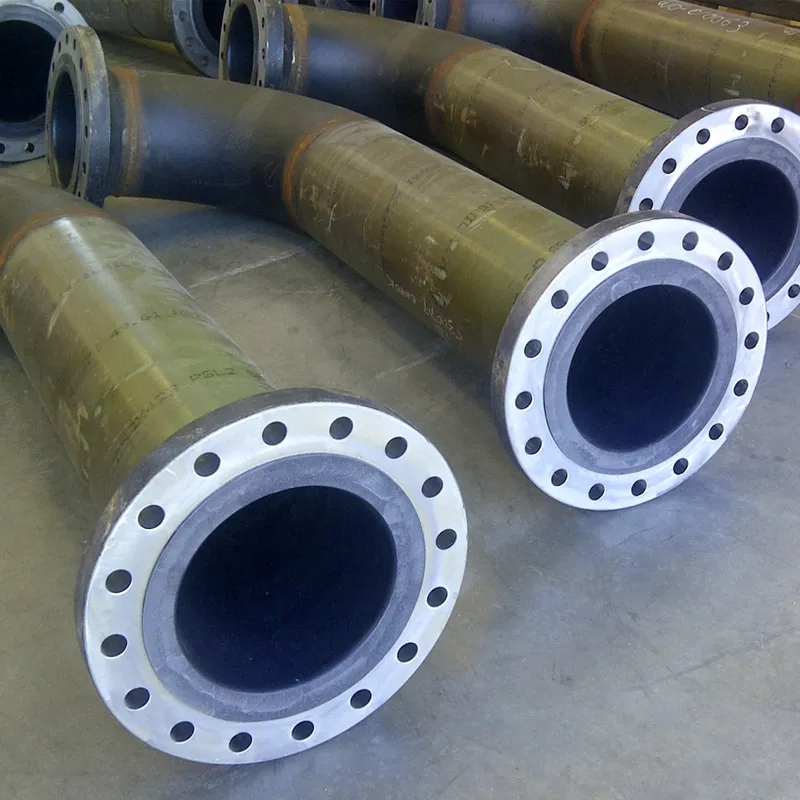
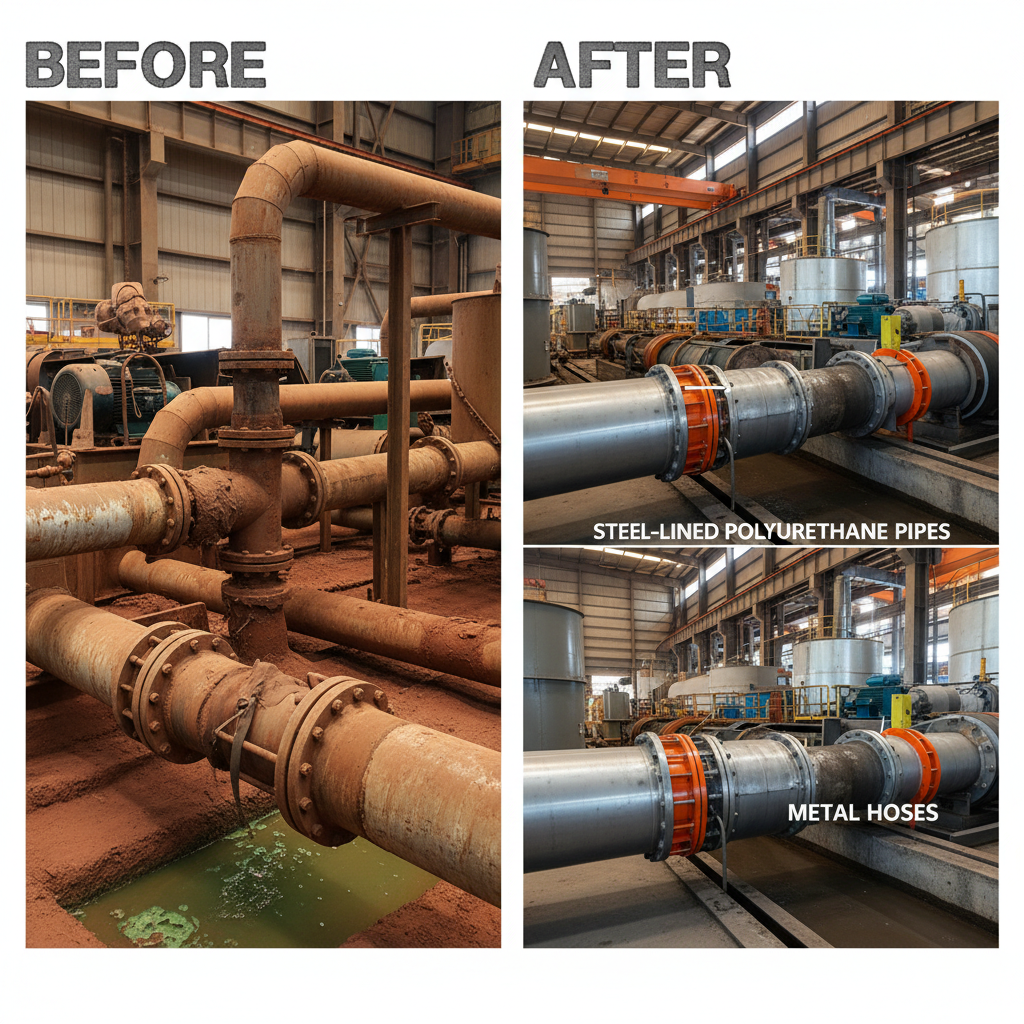
We're moving away from purely traditional materials, slowly but surely. Reinforced polymers are big now, for obvious reasons—lightweight, corrosion resistant. But they're a pain to weld, let me tell you. Need specialized equipment and a skilled operator. Then there's the question of long-term degradation. We're still learning how these things hold up over decades.
High-strength alloys are another staple. Titanium, for example. Expensive, yes, but incredibly durable and resistant to everything. It feels… solid. Like it could withstand a direct hit from a truck. But it’s a nightmare to machine, and sparks fly everywhere. Safety first, always.
And don't forget about the growing use of recycled materials. It’s good for the environment, sure, but the consistency can be an issue. Sometimes you get a batch that's just… off. Requires extra quality control, which adds to the cost.
Real-World Testing and Performance of types of mineral extraction
Forget the lab tests. They’re… useful, I guess, for getting a baseline. But the real test is putting these things through hell on a construction site. We need to see how they hold up to vibration, extreme temperatures, dust, and constant abuse.
We do a lot of on-site stress testing. Basically, we overload the system until something breaks. It’s not pretty, but it’s effective. We also rely heavily on feedback from the workers. They’re the ones who are using these tools day in and day out. They’ll tell you what works and what doesn’t, no sugarcoating.
Performance Ratings of Common types of mineral extraction Methods
How Users Really Interact with types of mineral extraction
This is where it gets interesting. Engineers think people will use their systems in a certain way, but in reality… they don’t. They’ll find shortcuts, they'll improvise, they'll MacGyver things together. I've seen workers bypass safety features just to save a few seconds. It's frustrating, but it’s human nature.
We have to design for that. Design for the inevitable abuse. Make it idiot-proof, as much as possible. And provide clear, concise instructions – in multiple languages, with pictures.
The Upsides and Downsides of Modern types of mineral extraction
The advantages are obvious: increased efficiency, reduced costs, improved safety. But there are downsides too. The initial investment can be significant. And you need skilled personnel to operate and maintain these systems. It’s not plug-and-play.
Plus, there's the risk of obsolescence. Technology changes rapidly. What’s state-of-the-art today might be outdated tomorrow. You have to factor that into the equation. It's a gamble.
Anyway, I think the biggest challenge is integrating these new technologies with existing infrastructure. It’s rarely a clean swap. There’s always some level of disruption.
Customization and Specific Applications of types of mineral extraction
Customization is key. Every site is different, every project has unique requirements. A one-size-fits-all approach just doesn’t work. We get a lot of requests for modifications. Last month, that small boss in Shenzhen who makes smart home devices insisted on changing the interface to , and the result was a three-day delay because none of his workers had the right cables. Seriously.
We can adapt our systems to handle different materials, different terrain, different environmental conditions. We can add sensors, automation features, remote monitoring capabilities. The possibilities are endless, really.
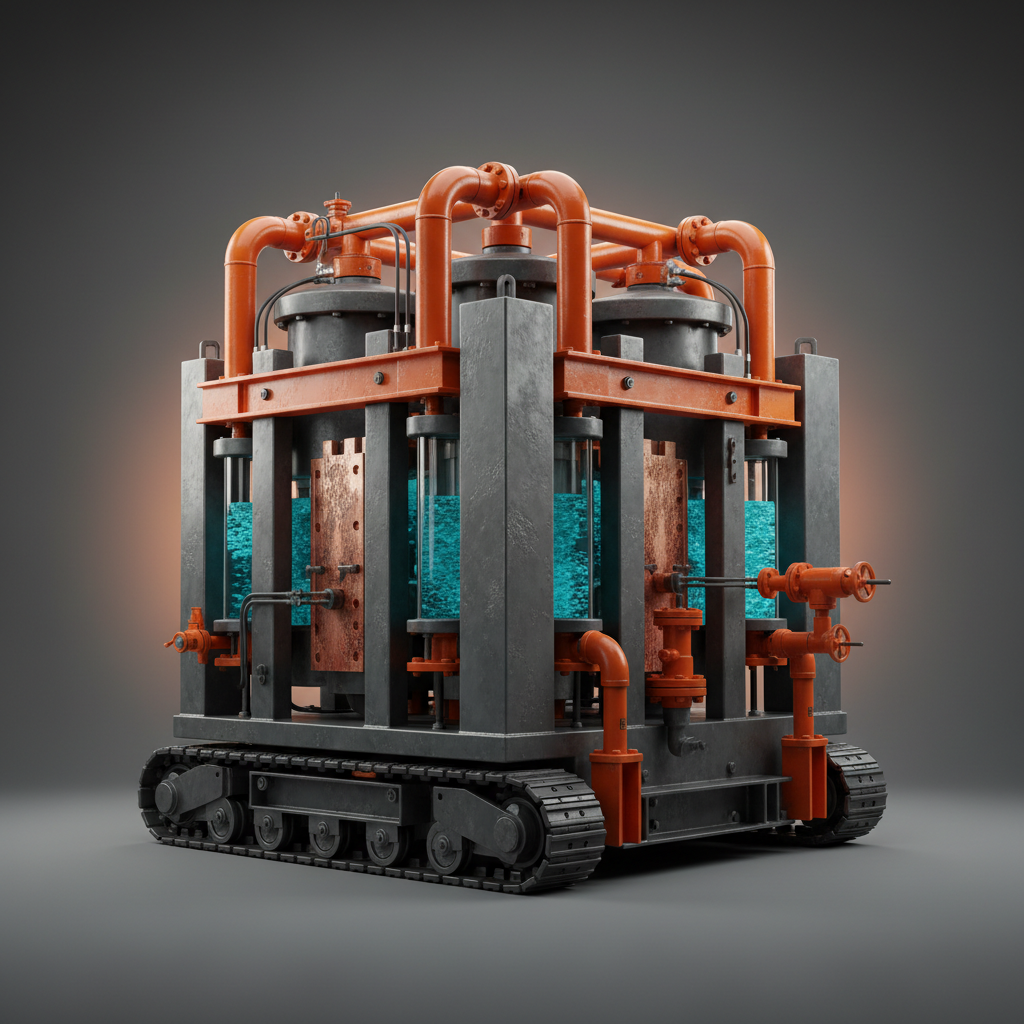
For example, we recently worked with a company that was extracting lithium from geothermal brines. They needed a highly specialized system that could handle the corrosive chemicals and extreme temperatures. It was a challenging project, but we delivered.
Summary of Key Performance Indicators for Common types of mineral extraction Techniques
| Method |
Capital Cost (1-10) |
Environmental Impact (1-10) |
Operational Efficiency (1-10) |
| Open Pit Mining |
6 |
4 |
8 |
| Underground Mining |
8 |
5 |
7 |
| Heap Leaching |
5 |
6 |
6 |
| Solution Mining |
7 |
7 |
5 |
| Dredging |
4 |
3 |
9 |
| In-Situ Recovery |
9 |
8 |
4 |
FAQS
Honestly, it’s usually the workforce. Getting people trained and comfortable with new processes is tough. A lot of resistance comes from folks who've been doing things a certain way for decades. You have to demonstrate the benefits clearly and provide ongoing support. It’s not just about the technology; it's about the people using it.
That's a big one. We look at the entire lifecycle – from material sourcing to waste disposal. We also consider the energy consumption and the potential environmental impact. We’re increasingly using lifecycle assessment tools, but ultimately, it comes down to common sense and a commitment to responsible practices. Greenwashing isn't an option.
Safety is paramount. New equipment often has new hazards. Proper training, personal protective equipment, and strict adherence to safety protocols are essential. We also conduct regular risk assessments and implement mitigation measures. And we encourage workers to speak up if they see something unsafe. No job is worth risking a life over.
It's becoming increasingly important. Remote monitoring allows us to track performance, identify potential problems, and optimize operations in real-time. Data analytics can reveal patterns and insights that we might otherwise miss. But it's crucial to ensure data security and privacy. You don't want that information falling into the wrong hands.
Automation will definitely play a bigger role, but it won’t replace humans entirely. We'll see more robots and automated systems handling repetitive or dangerous tasks. But skilled workers will still be needed to oversee the operations, troubleshoot problems, and make critical decisions. It's about augmenting human capabilities, not replacing them.
Get your boots dirty. Spend time on a construction site, talk to the workers, understand the challenges they face. Don't rely solely on textbooks and simulations. And be prepared to learn continuously. This is a constantly evolving field. Also, invest in good earplugs. Trust me on that one.
Conclusion
So, where does this leave us? The industry's moving towards more efficient, sustainable, and technologically advanced types of mineral extraction. There will be bumps in the road, plenty of false starts, and a whole lot of headaches. But the overall trend is clear: smarter, safer, and more responsible operations.
Ultimately, whether this thing works or not, the worker will know the moment he tightens the screw. That's the bottom line. If it feels right, if it holds up, if it makes his job easier… then it’s a good system. And if it doesn't, well, back to the drawing board. For more information, visit us at www.qwmetal.com.