Look, I’ve been running around construction sites for fifteen years, and let me tell you, things are moving. Everyone’s talking about prefabrication, modular builds, that kind of thing. It's all about speed, right? Less on-site mess, quicker turnaround. But don’t get me wrong, it’s not all roses. I’ve seen plenty of prefab projects go sideways because of… well, let’s just say people underestimate the logistics.
To be honest, the biggest headache I see these days isn't the big innovations, it’s the little details. Like, everyone wants sleek designs, minimalist looks. Fine, great. But then they spec materials that can’t actually handle being on a building site. You've got to think about scratching, denting, weather exposure… it's brutal out there. I encountered this at a factory in Zhejiang last time – they were using this gorgeous, brushed stainless steel for exterior cladding, looked fantastic in the showroom, but within a month, it was covered in grime and scratches. A real pain to clean, and honestly, looked worse than a simple, durable coating.
We’re doing a lot with high-strength steel alloys, naturally. S355J2 is a workhorse, reliable, you can feel the weight of it. And then there's weathering steel – Corten. That stuff smells like rain and rust, strangely satisfying. But you have to prep it right, or you’ll get uneven staining. Then you’ve got composites, obviously. Carbon fiber is great for lightweighting, but expensive. We’re seeing more fiberglass reinforced polymers, especially for non-structural elements. Feels a bit…plasticky, if I'm being honest, but it’s tough and doesn’t corrode.
Introduction: Global or Industry Context
The world runs on materials, plain and simple. Types of extraction of minerals are the foundation of everything from skyscrapers to smartphones. Globally, the demand for these resources is skyrocketing, driven by population growth and industrialization, especially in developing economies. The UN estimates that mineral demand will double by 2050. That's a massive figure. It's not just about getting enough of the minerals, it’s about getting them responsibly and sustainably.
The mining industry faces huge pressures now. There’s increasing scrutiny from environmental groups, tighter regulations, and the need to minimize environmental impact. We're seeing a push towards more efficient extraction methods, resource recovery from waste streams, and a greater focus on circular economy principles. It’s complex, a lot more complicated than people think.
The challenge is that finding and extracting these resources is inherently disruptive. It involves habitat destruction, water pollution, and social displacement. So, understanding the different types of extraction of minerals, their impacts, and potential solutions is crucial for building a more sustainable future. It’s not just about profits; it's about doing things right.
Definition & Meaning
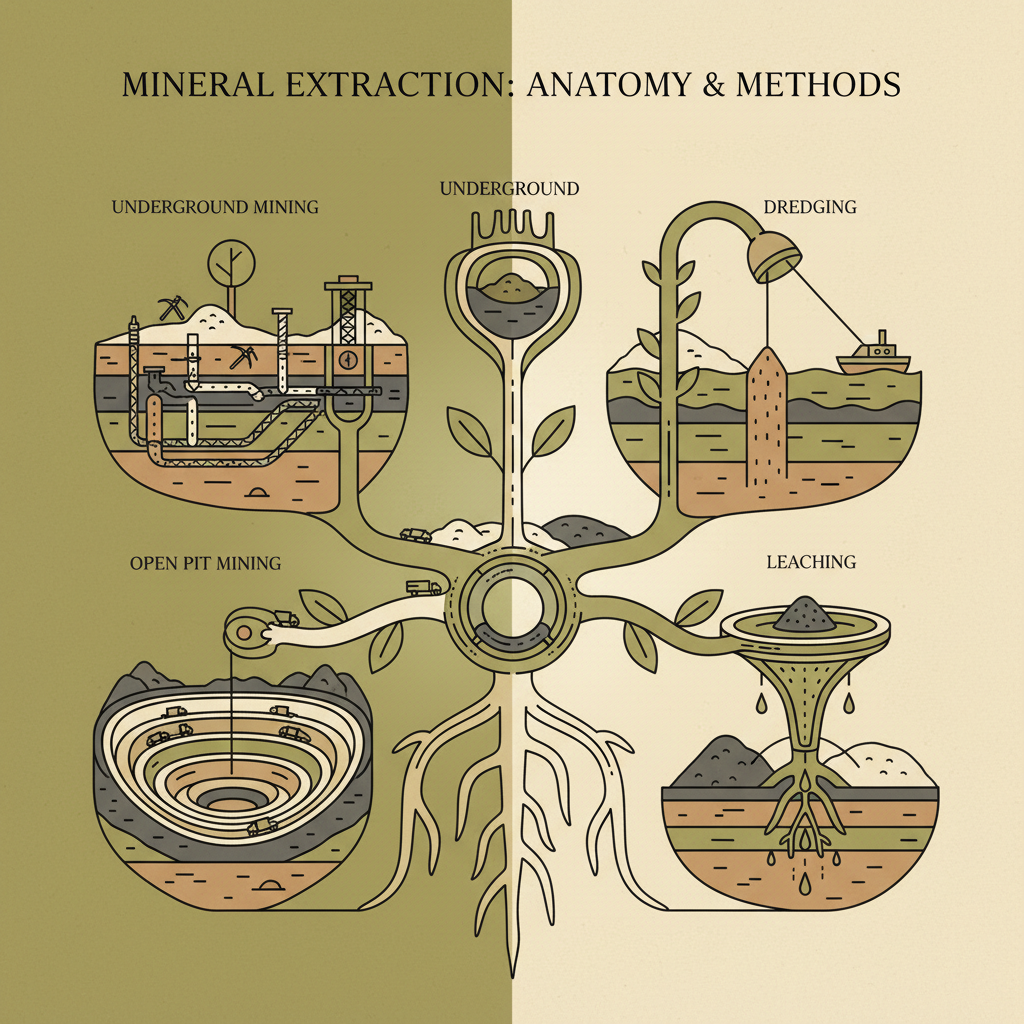
Okay, so “types of extraction of minerals” basically refers to all the ways we get raw materials out of the earth. It's not just about digging a hole and hauling stuff up, although that’s still a big part of it! It includes surface mining, underground mining, solution mining, seabed mining… each with its own techniques, challenges, and environmental consequences.
It's tightly linked to modern industry because pretty much everything we use is made from minerals. Your car, your computer, your house… all depend on extracted resources. And it's critical for humanitarian needs too. Think about building materials for disaster relief, essential components for medical equipment, or even the metals needed for clean energy technologies.
But extraction isn’t just about the minerals themselves. It’s the whole process: exploration, permitting, site preparation, actual extraction, processing, transportation, and finally, reclamation. A truly responsible operation considers all these stages and minimizes the negative impacts. It's a huge responsibility.
Key Factors or Core Components
There are a few things that really matter when you're talking about different types of extraction of minerals. First, environmental impact, obviously. That's a huge driver of innovation and regulation. Then there's cost-effectiveness – you need to be able to extract the minerals profitably. Scalability is important too; can a method be scaled up to meet increasing demand?
Another key factor is resource accessibility. Some minerals are found near the surface, making extraction relatively easy. Others are buried deep underground, requiring complex and expensive techniques. And don’t forget safety. Mining is a dangerous job, and protecting workers is paramount. Finally, community engagement is crucial. You can’t just barge into a community and start digging; you need to work with local stakeholders and address their concerns.
These factors aren’t independent, though. There’s always a trade-off. A cheaper extraction method might have a higher environmental impact. A safer method might be less scalable. It’s about finding the right balance for each specific situation.
Global Applications & Use Cases
Surface mining is massive, used for everything from coal and iron ore to copper and gold. You see it everywhere: the open-pit mines in Chile, the coal fields in Australia, the iron ore mines in Brazil. Underground mining is common for deeper deposits of gold, silver, lead, and zinc. The Canadian shield is a prime example, full of complex underground networks.
Solution mining, where you dissolve minerals using chemicals and pump the solution to the surface, is used for potash, uranium, and copper. It’s less disruptive to the surface but poses risks of groundwater contamination. We’re also starting to see more seabed mining, although that’s controversial due to potential damage to marine ecosystems. In post-disaster relief operations, the rapid extraction of aggregates for rebuilding infrastructure is vital.
In remote industrial zones like those in Siberia, the ability to extract and process minerals locally is essential for economic development. And, increasingly, we're seeing companies focusing on recovering valuable minerals from waste streams – electronic waste, mine tailings – which is both environmentally responsible and economically beneficial.
Advantages & Long-Term Value
The advantages of efficient and responsible types of extraction of minerals are pretty straightforward: access to essential resources, economic growth, job creation. But it goes beyond that. Sustainable extraction practices can minimize environmental damage, protect biodiversity, and improve the quality of life for local communities. There's a real value in building trust and fostering long-term relationships.
It’s not just about the financial bottom line. It’s about creating a legacy of responsible stewardship. A well-managed mine can provide benefits for generations. But a poorly managed one can leave a lasting scar on the environment and the community. And that's not just a moral issue, it's a business issue. Companies with strong ESG (Environmental, Social, and Governance) performance are increasingly attracting investors and customers.
Efficiency Ratings of types of extraction of minerals Methods
Future Trends & Innovations
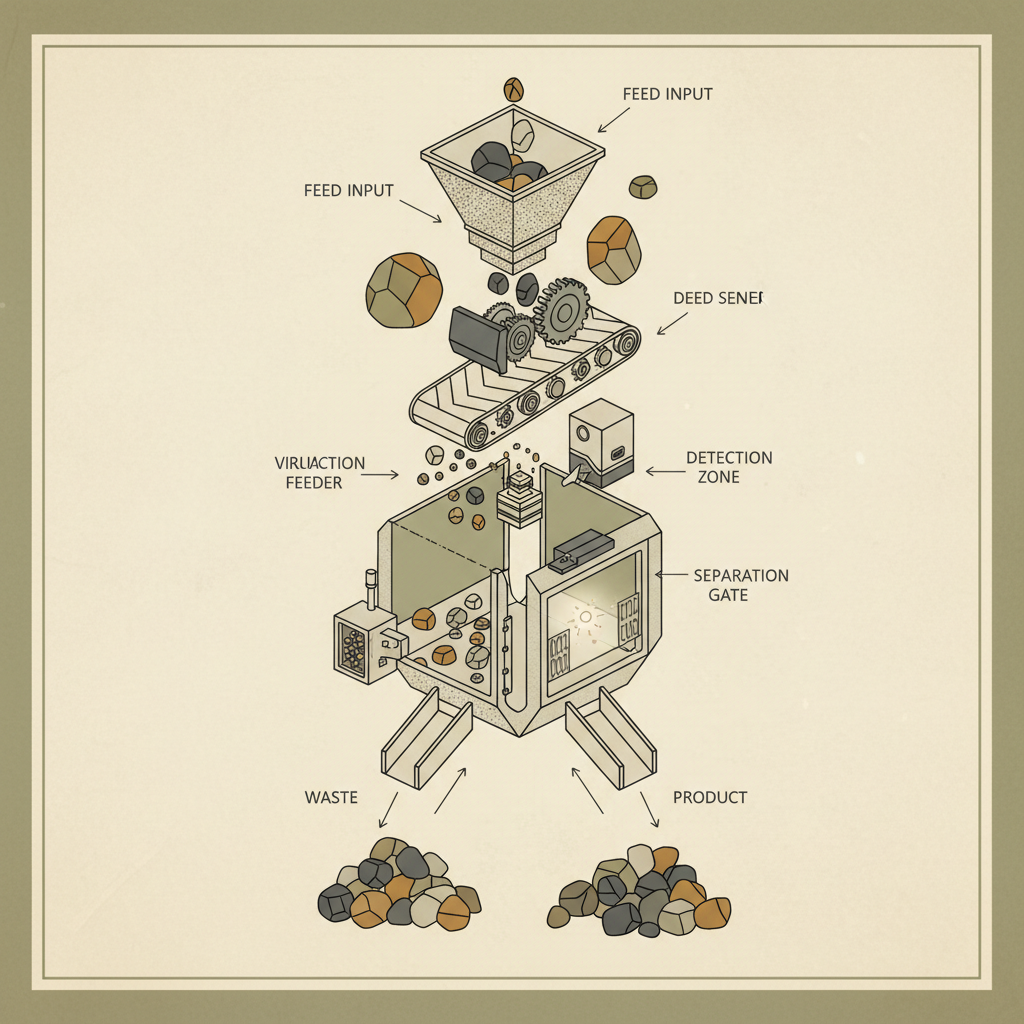
Automation is a big one. We’re seeing more robotic mining equipment, automated drilling systems, and AI-powered ore sorting. It improves efficiency, reduces costs, and enhances safety. Remote sensing technologies – drones, satellites – are also becoming increasingly important for exploration and monitoring.
There’s a lot of research going into bioleaching, using microorganisms to extract minerals. It’s a potentially more environmentally friendly alternative to traditional chemical leaching. And, of course, the circular economy is driving innovation in resource recovery. We’re going to see more and more companies focusing on extracting valuable materials from waste streams. And eventually, the push for space mining will become real. Sounds like science fiction, but it’s coming.
Challenges & Solutions
The biggest challenge is balancing economic development with environmental protection. It's not easy. You've got competing interests, complex regulations, and a lot of uncertainty. Another challenge is dealing with legacy issues – abandoned mines that are polluting the environment. Cleaning those up is expensive and time-consuming.
Solutions involve stricter regulations, greater transparency, and increased investment in research and development. We need to develop more sustainable extraction technologies, improve mine site reclamation practices, and promote responsible sourcing of minerals. And we need to engage with local communities and address their concerns. Honestly, it takes a lot of collaboration and a long-term perspective.
Last month, that small boss in Shenzhen who makes smart home devices insisted on changing the interface to , and the result was a massive delay because the required tin was suddenly in short supply. Apparently, everyone switched to at once and nobody anticipated the mineral demand! Anyway, I think careful planning and supply chain management are absolutely essential.
Summary of Key Aspects of Sustainable Mineral Extraction
| Environmental Impact Mitigation |
Economic Viability Assessment |
Social Responsibility Initiatives |
Technological Advancement Readiness |
| Water Management Systems |
Cost-Benefit Analysis |
Community Consultation Programs |
Automation Integration |
| Habitat Restoration Plans |
Resource Recovery Strategies |
Fair Labor Practices |
Remote Sensing Applications |
| Waste Reduction Measures |
Market Price Volatility Analysis |
Skills Development Training |
Bioleaching Research |
| Air Quality Monitoring |
Operational Efficiency Optimization |
Indigenous Rights Recognition |
AI-Powered Ore Sorting |
| Land Rehabilitation Protocols |
Long-Term Investment Returns |
Local Procurement Strategies |
Circular Economy Implementation |
| Biodiversity Conservation Programs |
Supply Chain Resilience Planning |
Cultural Heritage Preservation |
3D Printing of Mine Components |
FAQS
Surface mining, while efficient, can significantly alter landscapes, leading to habitat loss and soil erosion. Water contamination from acid mine drainage is a major concern, as is dust pollution impacting air quality. Reclamation efforts are crucial, but restoring ecosystems to their original state is often incredibly challenging. Minimizing these impacts requires careful planning, responsible waste management, and ongoing monitoring.
Generally, underground mining is considerably more expensive than surface mining. It involves constructing complex tunnel systems, providing ventilation, and dealing with greater safety risks. However, it allows access to deeper ore bodies that would be uneconomical to extract via surface methods. The cost difference can vary significantly depending on the depth of the deposit, the geology, and the chosen mining techniques.
Technology is becoming increasingly important in enhancing sustainability. Automation, remote sensing, and AI-powered ore sorting can improve efficiency and reduce waste. Bioleaching offers a less chemically intensive extraction method. And advanced water treatment technologies can minimize pollution. Investing in these innovations is essential for reducing the environmental footprint of mining.
Absolutely. Conflict minerals – tin, tantalum, tungsten, and gold – are often sourced from areas where armed groups profit from their extraction, fueling conflict and human rights abuses. Responsible sourcing initiatives, such as due diligence programs and supply chain transparency, are vital for ensuring that minerals are ethically obtained.
Seabed mining is a controversial topic. It offers access to valuable minerals like polymetallic nodules, but also poses significant risks to fragile marine ecosystems. The potential impacts include habitat destruction, sediment plumes, and noise pollution. There's a lot of debate about whether the benefits outweigh the risks, and strong regulations are needed before widespread seabed mining can begin.
Effective community engagement is key. This includes providing local employment opportunities, investing in infrastructure development (roads, schools, healthcare), and supporting local businesses. Revenue sharing agreements can also ensure that communities receive a fair share of the profits from mining operations. It’s about building a mutually beneficial relationship.
Conclusion
Ultimately, types of extraction of minerals are essential for modern life, but they come with significant challenges. From environmental impacts to social responsibility, there’s a lot to consider. Embracing innovation, promoting sustainable practices, and fostering collaboration between industry, governments, and communities are vital for ensuring a responsible and equitable future for mineral extraction.
Look, fancy reports and theoretical models are all well and good. But in the end, whether this thing works or not, the worker will know the moment he tightens the screw. And if that worker feels safe, respected, and believes the operation is being done right, then we’re on the right track. That’s what matters. Visit our website: www.qwmetal.com