Iron ore processing steps are fundamental to modern industry, enabling the production of steel – a material indispensable to construction, manufacturing, and infrastructure development worldwide. Understanding these steps, from initial mining to refined iron and steel products, is crucial for optimizing efficiency, minimizing environmental impact, and ensuring a sustainable supply chain. This knowledge impacts everything from global trade dynamics to the cost of everyday goods.
The global demand for steel continues to rise, driven by economic growth in emerging markets and ongoing infrastructure projects. Consequently, optimizing iron ore processing steps is paramount to meeting this demand responsibly. Inefficiencies in processing can lead to higher production costs, increased energy consumption, and greater environmental pollution.
Successfully navigating the complexities of iron ore processing is not simply a matter of technical expertise; it requires a holistic understanding of geological factors, chemical processes, and economic considerations. This knowledge empowers professionals to innovate, implement sustainable practices, and contribute to a more resource-efficient future.
The Importance of Iron Ore Processing Steps
The efficiency of iron ore processing steps directly influences the cost and availability of steel, impacting a vast array of industries. Optimizing these processes isn't merely about maximizing output; it's about minimizing waste, reducing energy consumption, and mitigating environmental damage. This holistic approach ensures a more sustainable and responsible supply chain.
Furthermore, advancements in iron ore processing technologies are continuously emerging, offering opportunities to improve productivity, reduce operational costs, and enhance the quality of the final steel product. These innovations often involve automation, digitalization, and the implementation of more environmentally friendly techniques.
Global Context and Industry Relevance
Iron ore is a globally traded commodity, with major production concentrated in countries like Australia, Brazil, and China. The processing of this ore is a critical component of the global steel industry, which accounts for a significant percentage of global industrial output. According to the World Steel Association, global steel production exceeded 1.8 billion tonnes in 2023, underscoring the immense scale of this industry.
The demand for steel is intrinsically linked to global economic growth, particularly in sectors like construction, automotive, and infrastructure. Emerging economies are driving much of this demand, leading to increased pressure on iron ore producers to expand capacity and improve processing efficiency. This demand also highlights the importance of responsible sourcing and sustainable practices throughout the iron ore processing chain.
However, the iron ore processing industry faces challenges such as fluctuating commodity prices, increasing environmental regulations, and the need for technological innovation. Successfully navigating these challenges requires a deep understanding of the entire process, from mining and beneficiation to smelting and refining.
Defining Iron Ore Processing Steps
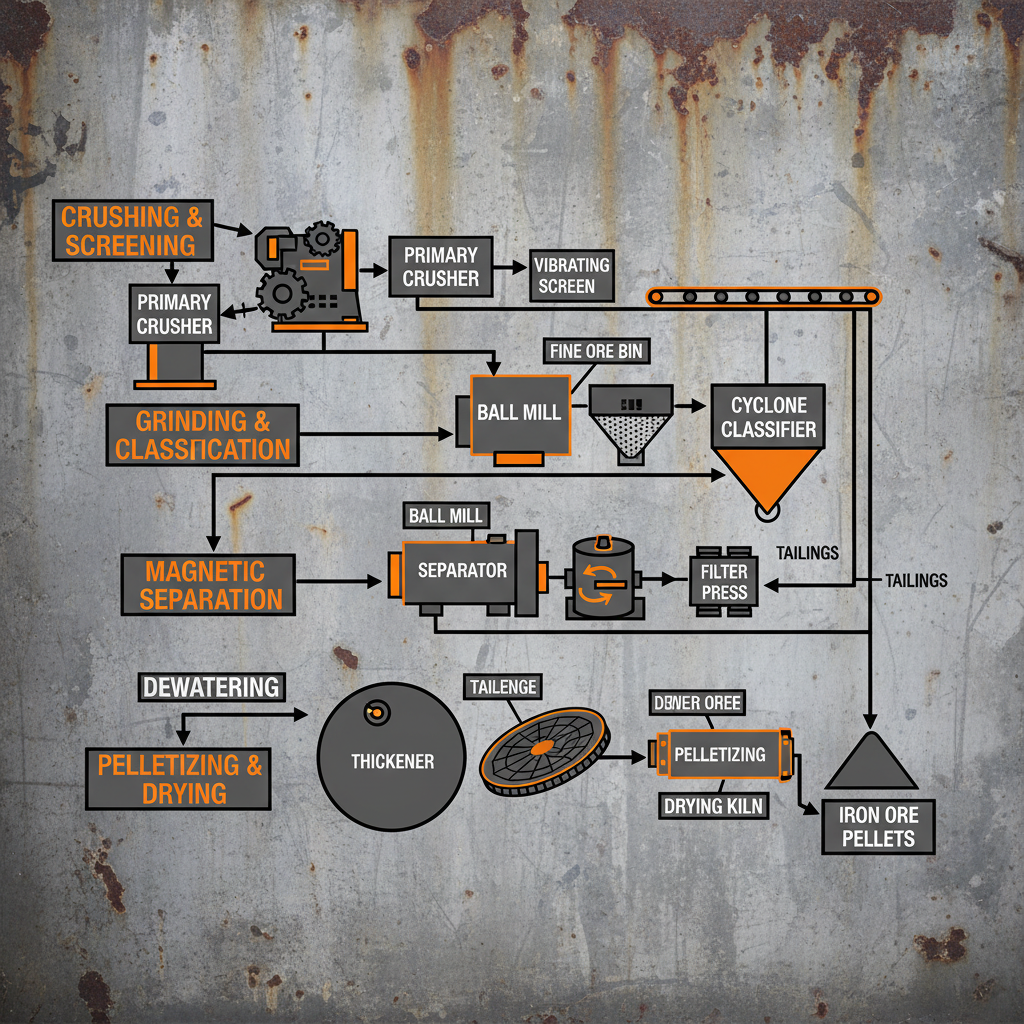
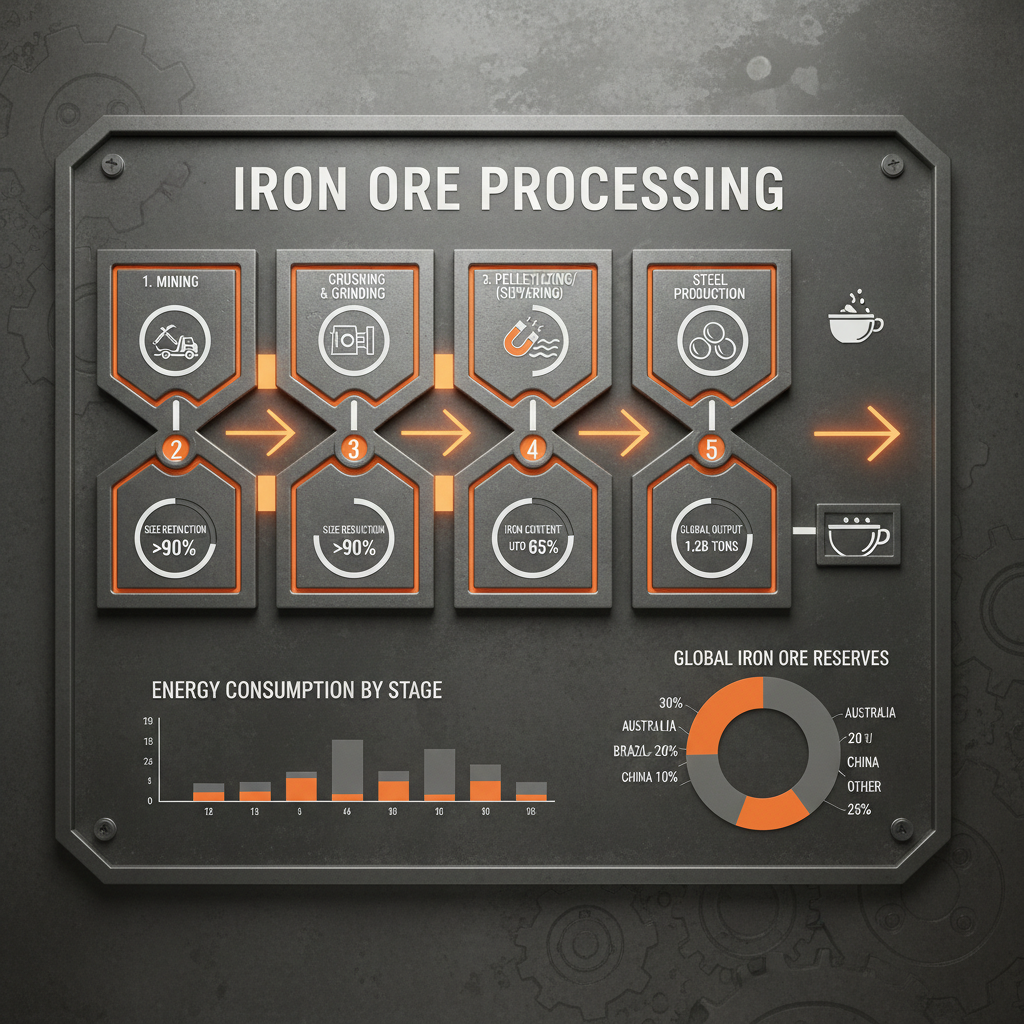
Iron ore processing steps encompass the series of operations used to convert raw iron ore into a form suitable for steelmaking. This typically involves several stages, including crushing, screening, beneficiation (concentrating the iron content), and finally, reduction to metallic iron. Different ore types require different processing methods, making this a complex and multifaceted field.
Beneficiation, a crucial step, aims to remove impurities like silica, alumina, and phosphorus. This is achieved through various techniques, including magnetic separation, gravity concentration, and flotation. The resulting concentrate typically contains a higher percentage of iron, making it more efficient for subsequent smelting processes.
Ultimately, the goal of iron ore processing steps is to produce a high-quality iron-bearing material that can be efficiently converted into steel. This process is fundamental to modern manufacturing and is essential for supporting global economic development.
Key Aspects of Efficient Processing
Several key aspects determine the efficiency of iron ore processing steps. Firstly, ore quality significantly impacts processing costs and yields. Higher-grade ores require less intensive processing, while lower-grade ores demand more complex and energy-intensive methods. Secondly, water management is critical, as processing often requires substantial amounts of water, necessitating efficient recycling and treatment systems.
Energy efficiency is also paramount, as processing is a highly energy-intensive process. Implementing advanced technologies and optimizing operating parameters can significantly reduce energy consumption and associated costs. Finally, waste management is crucial, as processing generates substantial amounts of tailings and other waste materials. Responsible disposal and, where possible, repurposing of these materials are essential for environmental sustainability.
Efficiency Metrics in Iron Ore Processing Steps
Applications Across Industries
The steel produced from iron ore processed through these steps finds application in a remarkably diverse range of industries. Construction relies heavily on steel for structural frameworks, reinforcing bars, and various building components. The automotive industry utilizes steel for vehicle bodies, chassis, and engine parts.
Infrastructure projects, such as bridges, railways, and pipelines, also depend heavily on steel. Furthermore, steel is essential in the manufacturing of machinery, tools, and appliances. Even in emerging sectors like renewable energy, steel plays a critical role in the construction of wind turbines and solar panel support structures.
Advantages and Long-Term Value
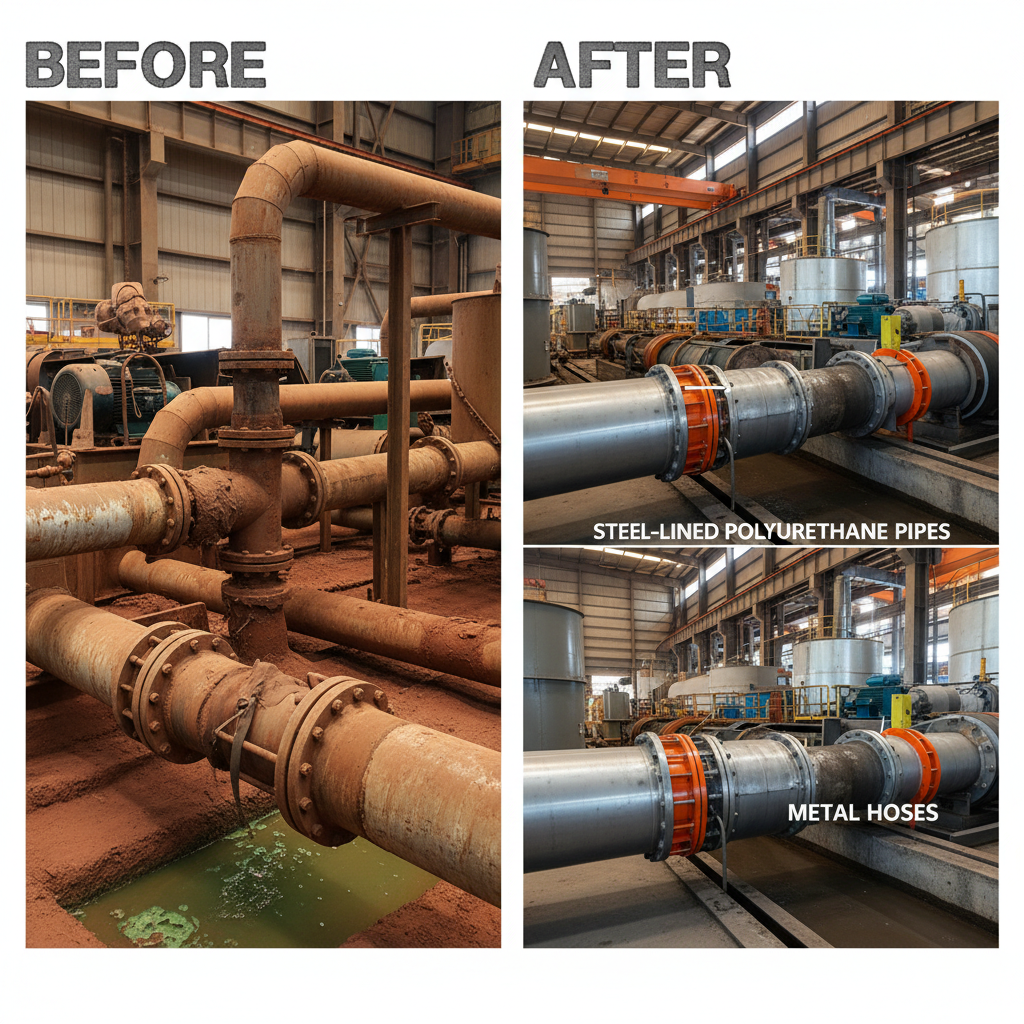
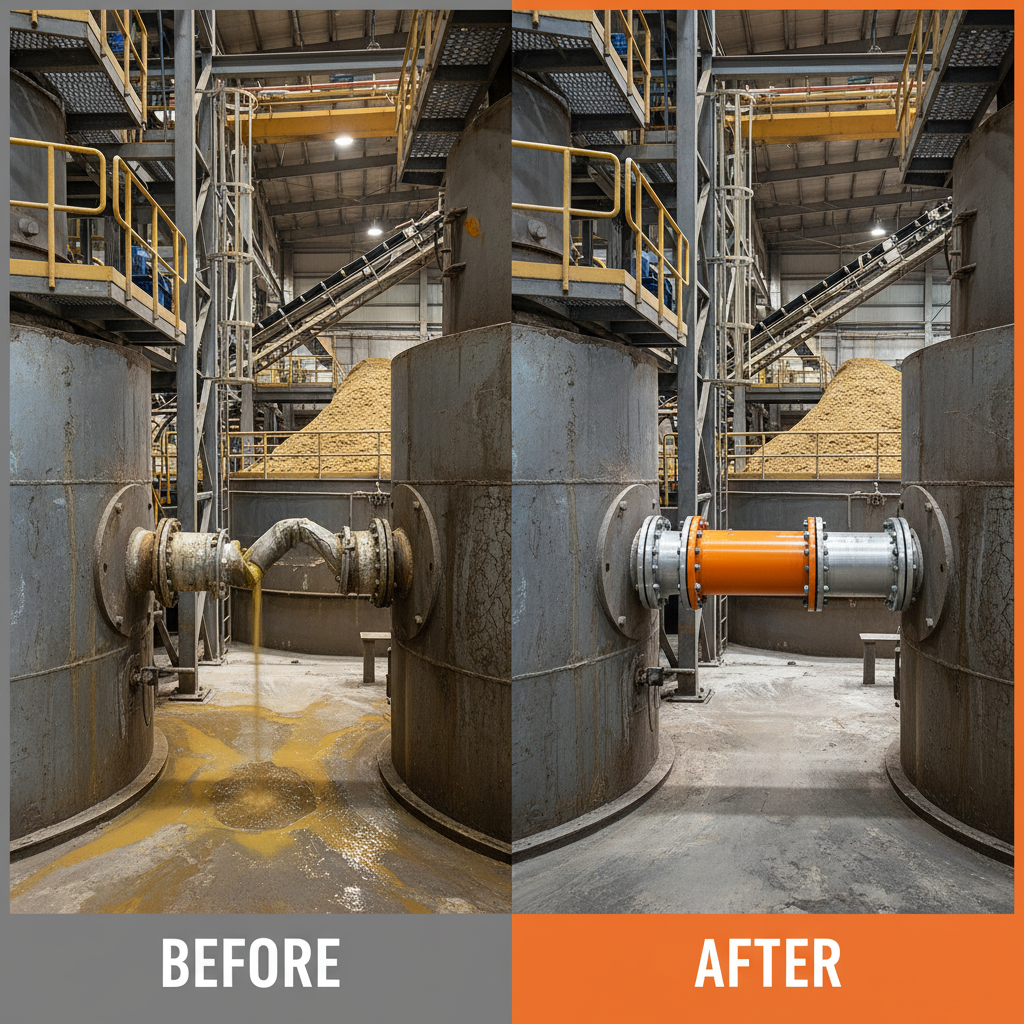
Optimizing iron ore processing steps delivers significant advantages. Cost reduction is a key benefit, stemming from increased efficiency and reduced waste. Sustainable practices minimize environmental impact, aligning with growing global concerns and regulatory pressures. Improved product quality leads to enhanced performance and durability in downstream applications.
The long-term value lies in securing a stable and responsible supply of steel, a critical material for economic growth and societal development. Investing in advanced processing technologies and sustainable practices builds resilience within the supply chain and fosters innovation, ensuring a competitive advantage in the global market.
Future Trends and Challenges
The future of iron ore processing steps is being shaped by several key trends. Digitalization and automation are driving increased efficiency and precision in all stages of the process. The development of low-carbon steelmaking technologies, such as hydrogen-based reduction, is gaining momentum to address environmental concerns.
However, significant challenges remain. The need to process increasingly complex and lower-grade ores requires innovative beneficiation techniques. Maintaining water security and minimizing waste generation are ongoing priorities. Adapting to fluctuating commodity prices and evolving regulatory landscapes necessitates a flexible and resilient approach.
Collaboration between industry, research institutions, and governments is crucial to overcome these challenges and unlock the full potential of sustainable iron ore processing steps.
Summary of Key Challenges and Potential Solutions in Iron Ore Processing
| Challenge |
Impact on Processing |
Potential Solution |
Implementation Complexity (1-10) |
| Declining Ore Grade |
Increased Processing Costs, Lower Yields |
Advanced Beneficiation Technologies (e.g., High-Gradient Magnetic Separation) |
8 |
| Water Scarcity |
Operational Restrictions, Increased Costs |
Closed-Loop Water Recycling Systems, Wastewater Treatment |
7 |
| Energy Consumption |
High Operational Costs, Carbon Footprint |
Energy-Efficient Equipment, Renewable Energy Integration |
6 |
| Tailings Management |
Environmental Risks, Land Use Issues |
Dry Stacking, Tailings Repurposing (e.g., Construction Materials) |
9 |
| Fluctuating Commodity Prices |
Profitability Risks, Investment Uncertainty |
Hedging Strategies, Diversification of Products |
5 |
| Stringent Environmental Regulations |
Increased Compliance Costs, Potential Penalties |
Proactive Environmental Management Systems, Investment in Clean Technologies |
7 |
FAQS
The primary stages generally include mining, crushing and screening, beneficiation (to concentrate the iron content), and finally, sintering or pelletizing to create a form suitable for blast furnaces or direct reduction processes. The specific techniques used vary depending on the type of ore and the desired end product, but the overarching goal is to increase the iron content and remove impurities for efficient steelmaking.
Beneficiation separates the valuable iron minerals from unwanted gangue materials (like silica, alumina, and phosphorus). Techniques like magnetic separation, gravity concentration, and flotation selectively remove these impurities, increasing the iron content of the concentrate. This results in a higher-grade ore that requires less energy and resources to process into steel, ultimately lowering costs and environmental impact.
Significant concerns include water usage, tailings management (the waste materials generated), air emissions from processing activities, and energy consumption. Tailings can contaminate soil and water sources if not properly managed. Air emissions contribute to air pollution. Sustainable practices focus on water recycling, responsible tailings disposal, reducing emissions, and using renewable energy sources.
Automation is increasingly being implemented across various stages of iron ore processing to improve efficiency, reduce labor costs, and enhance safety. Automated systems control crushing, screening, conveying, and even aspects of beneficiation. Data analytics and machine learning are also being used to optimize processes and predict equipment failures, leading to increased productivity and reduced downtime.
Sintering and pelletizing convert fine iron ore particles into larger, more manageable lumps suitable for blast furnaces. Sintering involves heating fine ores with fuel to create a porous, clinker-like material. Pelletizing binds fine ores with binders and forms them into small spheres. Both processes improve the permeability of the burden in the blast furnace, enhancing the efficiency of the smelting process.
Emerging technologies include hydrogen-based direct reduction of iron ore (DRI), carbon capture and storage (CCS) to mitigate emissions, and the development of alternative beneficiation techniques that minimize water usage and waste generation. Digital twins, which create virtual representations of processing plants, are also being used to optimize performance and predict operational issues.
Conclusion
In conclusion, understanding iron ore processing steps is critical for navigating the complexities of the global steel industry. From efficient ore beneficiation to sustainable waste management, each stage plays a vital role in ensuring a reliable and environmentally responsible supply of this essential material. Optimizing these processes is not merely a technical challenge but a strategic imperative for economic growth and environmental stewardship.
Looking ahead, continued innovation and investment in advanced technologies are essential to address emerging challenges and unlock the full potential of sustainable iron ore processing steps. By embracing digitalization, prioritizing environmental responsibility, and fostering collaboration, the industry can secure a future where steel production is both efficient and sustainable. For more information on our expertise in iron ore processing, visit our website at www.qwmetal.com.