Steinert ore sorting represents a significant advancement in mineral processing, offering a non-destructive method for separating valuable minerals from waste material. This technology is increasingly vital in a world demanding greater resource efficiency and sustainable mining practices. The ability to improve recovery rates and reduce environmental impact makes steinert ore sorting a critical component of modern mining operations, impacting industries globally from base metals to rare earth elements.
The global mining industry faces increasing pressure to minimize its environmental footprint while simultaneously meeting growing demand for resources. Traditional methods often involve significant waste generation and energy consumption. Steinert ore sorting addresses these challenges by providing a precise and efficient separation technique, reducing the need for extensive downstream processing and minimizing environmental disturbance. This is particularly important in regions with stringent environmental regulations and a growing focus on responsible resource management.
Understanding the principles and applications of steinert ore sorting is crucial for professionals in the mining, recycling, and resource management sectors. Its ability to optimize resource utilization, reduce waste, and improve profitability makes it a key technology for driving sustainability and economic growth. Furthermore, the ongoing development of advanced sensor technologies and automation promises to further enhance the capabilities and broaden the applications of this innovative sorting technique.
Introduction to Steinert Ore Sorting
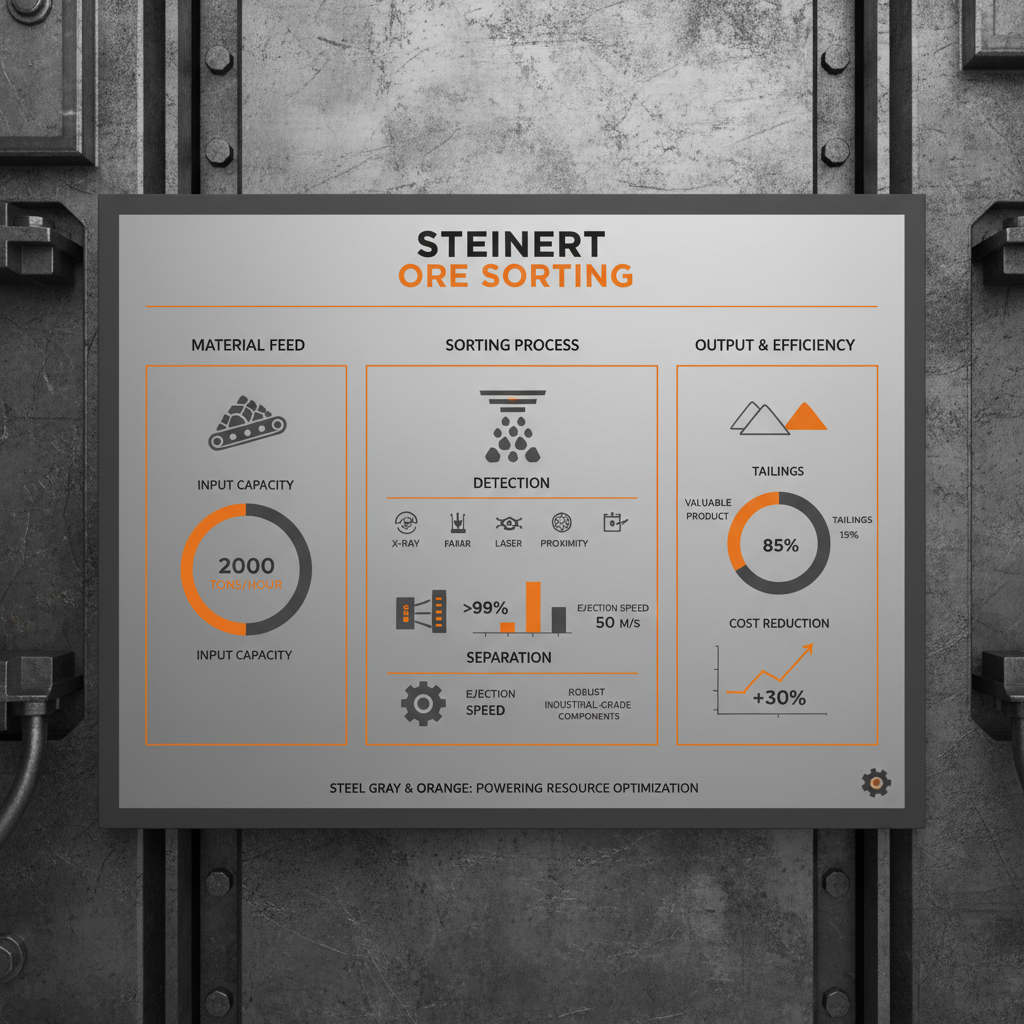
Steinert ore sorting leverages the physical and surface properties of minerals to achieve high-precision separation. Unlike traditional methods that rely on chemical or density-based techniques, steinert ore sorting employs sensors – often optical, electromagnetic, or X-ray based – to identify and categorize individual ore particles. This allows for the selective removal of valuable minerals, maximizing recovery and minimizing waste.
The efficiency of steinert ore sorting hinges on its ability to differentiate between minerals based on subtle variations in their characteristics. This technology isn’t limited to a specific type of ore; it can be adapted for use with a wide range of materials, including metals, non-metals, and recycled materials. Its adaptability and precision make it a valuable tool across diverse industries.
Defining Steinert Ore Sorting
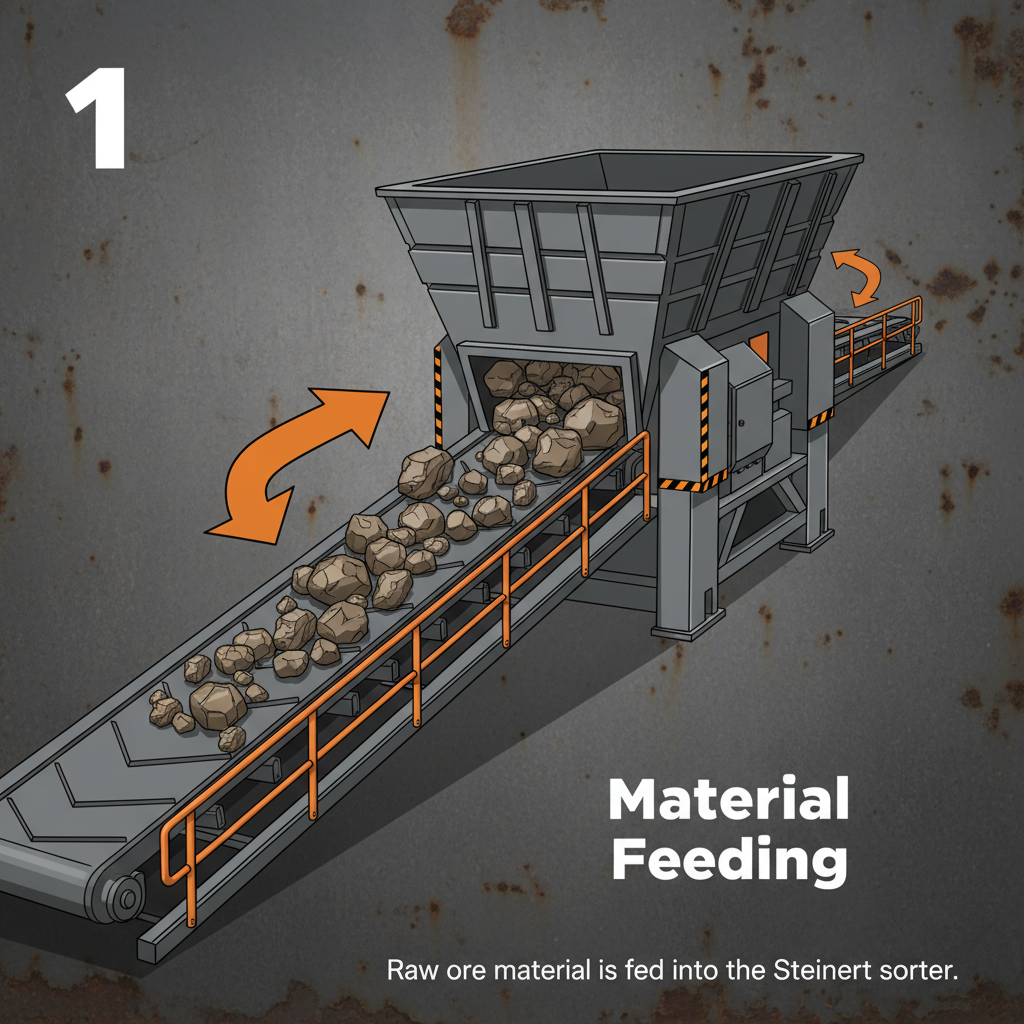
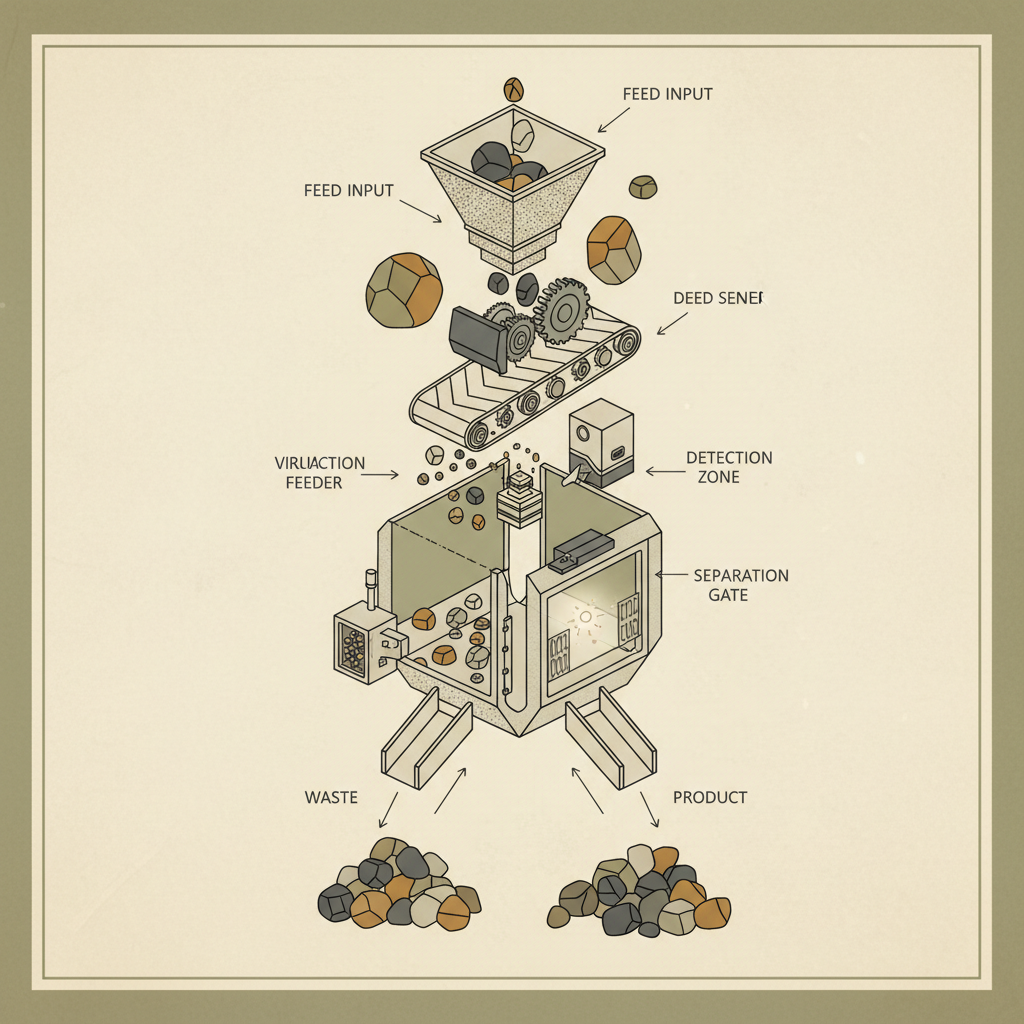
Steinert ore sorting, fundamentally, is a process of physically separating mineral particles based on their unique properties. It’s a pre-concentration technique, meaning it’s often applied before more intensive processing methods like flotation or leaching. The technology utilizes sophisticated sensors to analyze each particle as it passes through a sorting machine, triggering high-speed air jets to divert valuable minerals into designated collection streams.
This process is deeply connected to modern industry's need for sustainable practices. As ore grades decline, the economic viability of mining operations depends on maximizing resource recovery and minimizing environmental impact. Steinert ore sorting provides a cost-effective and environmentally responsible solution, reducing the volume of waste sent to tailings dams and lowering the overall carbon footprint of mineral processing.
Furthermore, the application of steinert ore sorting extends beyond primary mining. It plays a critical role in the upgrading of recycled materials, recovering valuable metals from electronic waste and other secondary sources. This contributes to a circular economy and reduces reliance on virgin resource extraction.
Core Components of Steinert Ore Sorting
Several key factors determine the effectiveness of steinert ore sorting. Firstly, sensor technology is paramount. Different sensor types (optical, X-ray, electromagnetic) are chosen based on the specific mineral characteristics being targeted. Secondly, particle size and shape influence sorting accuracy – consistent particle size distribution is crucial for optimal performance.
Thirdly, data processing and algorithms play a vital role in accurately identifying and classifying mineral particles. Sophisticated algorithms are used to analyze sensor data and differentiate between valuable and waste materials. Fourthly, air jet system precision is essential for diverting particles into the correct collection streams with speed and accuracy.
Finally, machine calibration and maintenance are critical for sustained performance. Regular calibration ensures that the sensors are accurately detecting mineral properties, and proper maintenance prevents downtime and maintains sorting efficiency. These components work in concert to deliver a highly effective mineral separation process.
Global Applications and Use Cases
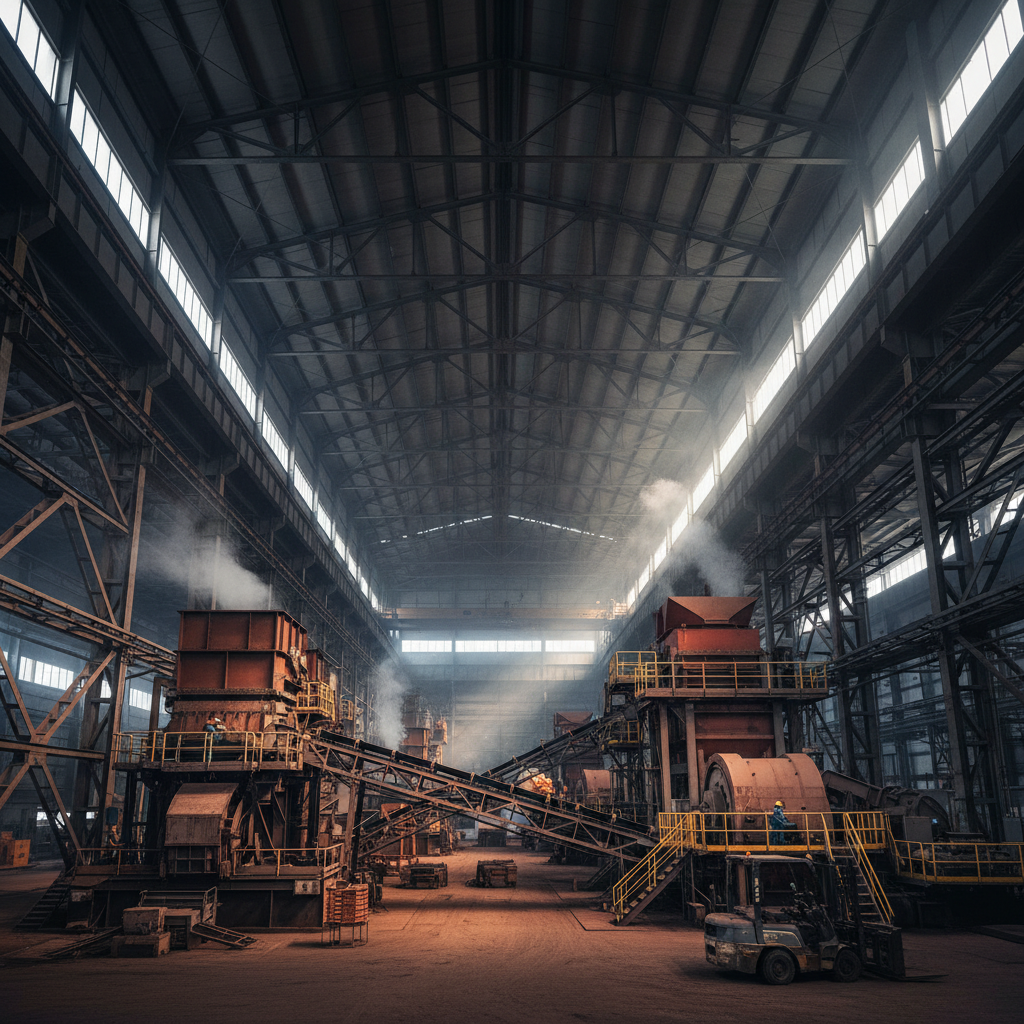
Steinert ore sorting finds applications across a broad spectrum of industries and geographical regions. In the iron ore industry, it's used to pre-concentrate low-grade ores, improving feed quality for blast furnaces and direct reduction processes. In base metals mining (copper, lead, zinc), it helps remove gangue minerals, increasing the concentration of valuable metals and reducing smelting costs.
Across the globe, from Australia’s large-scale iron ore operations to the copper mines of Chile and the recycling facilities of Europe, steinert ore sorting is proving its value. In post-disaster relief operations, it can assist in rapidly separating valuable materials from debris.
The technology is also gaining traction in the rare earth element (REE) sector, where it’s used to separate these critical minerals from complex ores. In remote industrial zones lacking robust infrastructure, its relatively low water and energy consumption make it an attractive alternative to traditional processing methods.
Steinert Ore Sorting Performance by Method
Advantages and Long-Term Value
The advantages of steinert ore sorting are multi-faceted. Cost reduction is a primary benefit, stemming from increased recovery rates, reduced downstream processing requirements, and lower energy consumption. Sustainability is also significantly enhanced, as the technology minimizes waste generation and lowers the environmental impact of mining operations.
Furthermore, the implementation of steinert ore sorting offers a substantial social impact by promoting responsible resource management and creating opportunities for economic development in mining communities. Reliability is high, with modern machines designed for continuous operation and minimal downtime, fostering trust with clients and partners.
Future Trends and Innovations
The future of steinert ore sorting is bright, with several exciting innovations on the horizon. Advances in sensor technology, particularly hyperspectral imaging and artificial intelligence, promise to enhance sorting accuracy and expand the range of minerals that can be effectively separated. Automation and robotics will play an increasingly important role, streamlining operations and reducing labor costs.
The integration of digital twin technology, allowing for virtual modeling and optimization of sorting processes, will further improve efficiency and reduce operational risks. Moreover, a growing focus on green energy solutions will drive the development of more energy-efficient sorting machines, minimizing the carbon footprint of mineral processing.
Challenges and Solutions in Steinert Ore Sorting
Despite its numerous advantages, steinert ore sorting does face certain challenges. One common limitation is the sensitivity to variations in ore characteristics, which can affect sorting accuracy. This can be addressed through advanced data analysis and adaptive algorithms that automatically adjust to changing conditions.
Another challenge is the initial capital investment, which can be substantial. However, this cost is often offset by the long-term benefits of increased recovery rates and reduced operating expenses. To overcome this, innovative financing models and leasing options are becoming increasingly available.
Finally, ensuring adequate particle size distribution remains a key consideration. Pre-screening and crushing processes may be necessary to optimize the feed material for optimal sorting performance. Expert consultation and process optimization are essential for maximizing the benefits of steinert ore sorting in any given application.
Summary of Challenges and Solutions in Steinert Ore Sorting
| Challenge |
Impact on Operation |
Proposed Solution |
Implementation Difficulty (1-10) |
| Ore Characteristic Variability |
Reduced Sorting Accuracy |
Adaptive Algorithms & Data Analytics |
7 |
| High Initial Investment |
Barrier to Entry for Smaller Operators |
Leasing Options & Innovative Financing |
5 |
| Inconsistent Particle Size |
Decreased Separation Efficiency |
Pre-Screening and Crushing Processes |
4 |
| Sensor Calibration Drift |
Reduced Accuracy Over Time |
Automated Calibration Routines |
6 |
| Maintenance Requirements |
Potential for Downtime |
Preventive Maintenance Schedules & Remote Diagnostics |
5 |
| Data Processing Complexity |
Need for Specialized Expertise |
User-Friendly Software Interfaces & Training Programs |
8 |
FAQS
Steinert ore sorting excels with minerals exhibiting distinct physical differences, such as variations in density, color, conductivity, or magnetic susceptibility. Common applications include separating iron ore, copper sulfides, tungsten, and various recycled metals. The technology is less effective when minerals have highly similar properties, requiring careful assessment of ore composition before implementation. Ultimately, the suitability depends on a clear contrast in measurable characteristics, enabling the sensors to differentiate effectively.
Throughput capacity varies significantly depending on the specific model, ore particle size, and the complexity of the separation task. However, modern systems can process anywhere from several tons per hour to over 50 tons per hour. Factors influencing throughput include the feed rate, particle size distribution, and the required level of sorting accuracy. Optimizing these parameters is crucial for maximizing efficiency and achieving desired production rates.
Steinert ore sorting is a physical separation technique, while flotation is a chemical process. Steinert sorting is generally more environmentally friendly as it uses little to no chemicals. Flotation is typically more effective for finely disseminated minerals, while Steinert sorting is better suited for coarser particles. Often, they are used in combination, with Steinert sorting acting as a pre-concentration step to reduce the volume of material sent to flotation.
Regular maintenance is essential for optimal performance. This includes routine cleaning of sensors and air jets, calibration of sensors, and inspection of mechanical components. Modern systems often incorporate remote diagnostics capabilities, allowing for proactive maintenance and minimizing downtime. A well-maintained system will ensure consistent sorting accuracy and maximize operational lifespan.
ROI varies depending on the specific application and ore characteristics. However, the potential for increased recovery rates, reduced processing costs, and lower environmental impact often leads to a significant return. A detailed feasibility study is recommended to assess the potential ROI for a specific operation, considering factors such as ore grade, mineral prices, and operating expenses.
Absolutely. Steinert ore sorting is increasingly used in recycling applications to recover valuable metals from electronic waste, industrial scrap, and other secondary sources. The technology can effectively separate different types of metals and plastics, enabling the recovery of valuable resources and reducing landfill waste. This contributes to a more circular economy and sustainable resource management.
Conclusion
In conclusion, steinert ore sorting represents a transformative technology within the mining and recycling industries. Its ability to improve resource recovery, reduce environmental impact, and enhance profitability makes it an increasingly essential tool for sustainable resource management. The core benefits—precision, efficiency, and adaptability—position it as a vital component of the future of mineral processing.
Looking ahead, continued innovation in sensor technology, automation, and data analytics will further expand the capabilities of steinert ore sorting, unlocking new applications and driving even greater efficiencies. We encourage stakeholders to explore the potential of this technology and visit our website at www.qwmetal.com to learn more about how it can benefit your operations.