Copper leaching is a hydrometallurgical process used to extract copper from ore, offering a cost-effective and environmentally sound alternative to traditional smelting. Its significance globally is increasing due to dwindling high-grade ore reserves and growing demand for copper in industries like electronics, construction, and renewable energy. Understanding copper leaching is crucial for sustainable resource management and efficient metal recovery.
The importance of copper leaching extends beyond economics. It allows for the processing of low-grade ores and waste materials, reducing the environmental impact of mining. Furthermore, advancements in leaching technologies are addressing concerns surrounding reagent consumption and water usage, making the process increasingly sustainable. This directly supports global sustainability goals, particularly those related to responsible resource extraction and environmental protection.
Finally, copper leaching’s adaptability makes it invaluable in diverse geographic locations and industrial settings. From large-scale operations in Chile and Peru to smaller-scale operations recovering copper from electronic waste, the versatility of copper leaching ensures a continued supply of this vital metal, essential for modern technological advancements and infrastructure development.
Introduction to copper leaching
Copper leaching represents a significant advancement in extractive metallurgy, allowing the recovery of copper from ores that are uneconomical to process using conventional methods. Its efficacy relies on carefully controlled chemical reactions to dissolve copper minerals, ultimately yielding a copper-rich solution.
The process isn’t merely about extracting copper; it’s about doing so responsibly. Modern copper leaching techniques prioritize minimizing environmental impact through water recycling, reagent recovery, and responsible waste management, driving sustainable practices within the mining industry. Further understanding of copper leaching is vital for ensuring the long-term availability of this essential resource.
Global Relevance and Challenges
The demand for copper is steadily increasing, driven by the global transition towards renewable energy technologies, electric vehicles, and expanding infrastructure. This demand significantly impacts the need for efficient and sustainable copper extraction methods like leaching. The World Bank estimates a substantial increase in copper demand over the next decade, necessitating innovative approaches to secure the supply chain.
However, challenges exist. Declining ore grades require processing larger volumes of material, increasing costs and environmental concerns. The use of leaching reagents, such as sulfuric acid, can pose environmental risks if not managed carefully. Moreover, the geographical distribution of copper resources is uneven, leading to geopolitical considerations and supply chain vulnerabilities.
Addressing these challenges requires a commitment to research and development, focusing on optimized leaching processes, reagent recovery technologies, and sustainable water management practices. Collaboration between industry, governments, and research institutions is crucial for navigating these complexities and ensuring a secure and responsible copper supply.
Defining copper leaching
At its core, copper leaching is the process of selectively dissolving copper minerals from ore using a chemical solution, known as the lixiviant. This solution typically contains an acid (such as sulfuric acid) or a complexing agent (such as ammonia) that facilitates the dissolution of copper compounds.
The process isn't confined to naturally occurring ores; copper leaching can also be employed to recover copper from secondary sources, such as electronic waste and industrial by-products. This circular economy approach reduces reliance on primary mining and minimizes environmental waste. copper leaching plays a key role in modern material recovery.
Understanding the chemical and biological principles underlying copper leaching is essential for optimizing the process and maximizing copper recovery. Factors like pH, temperature, redox potential, and microbial activity all play a critical role in the efficiency and effectiveness of the leaching process.
Core Components of copper leaching
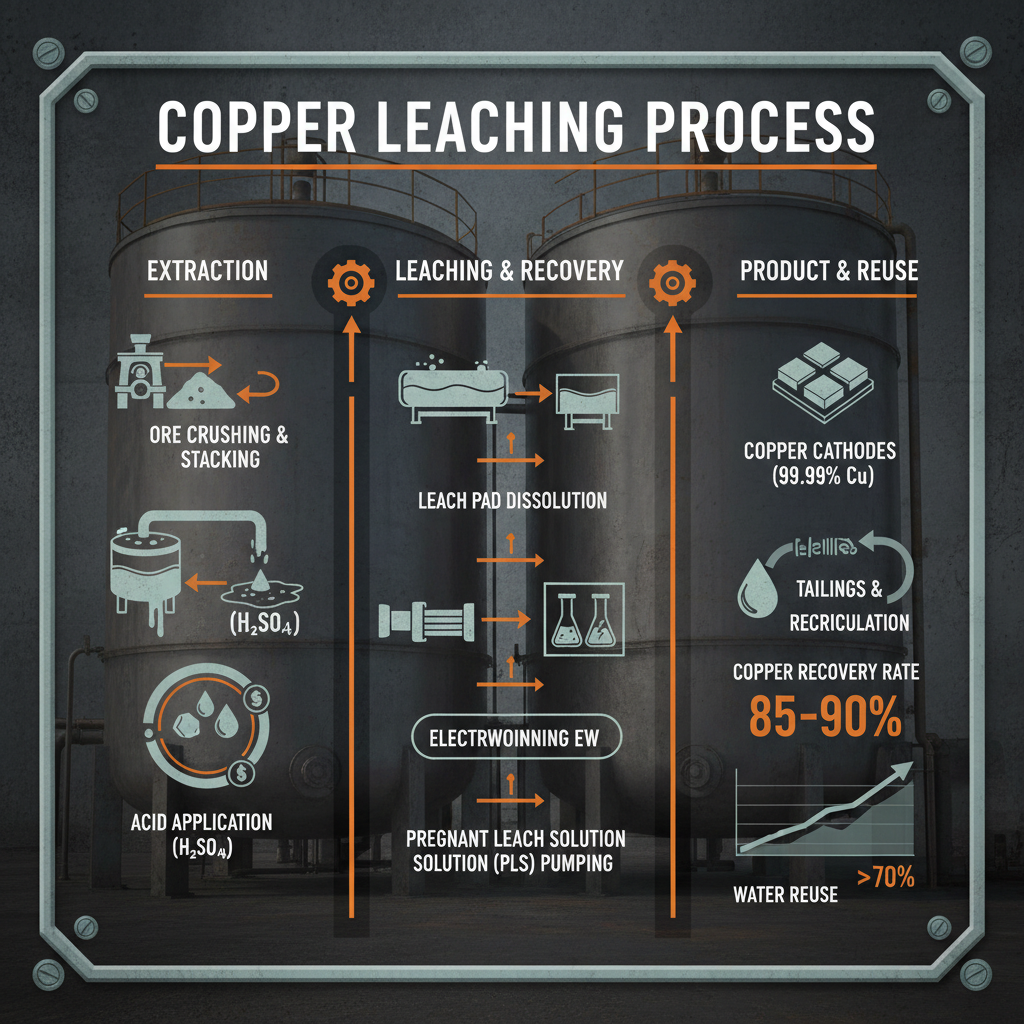
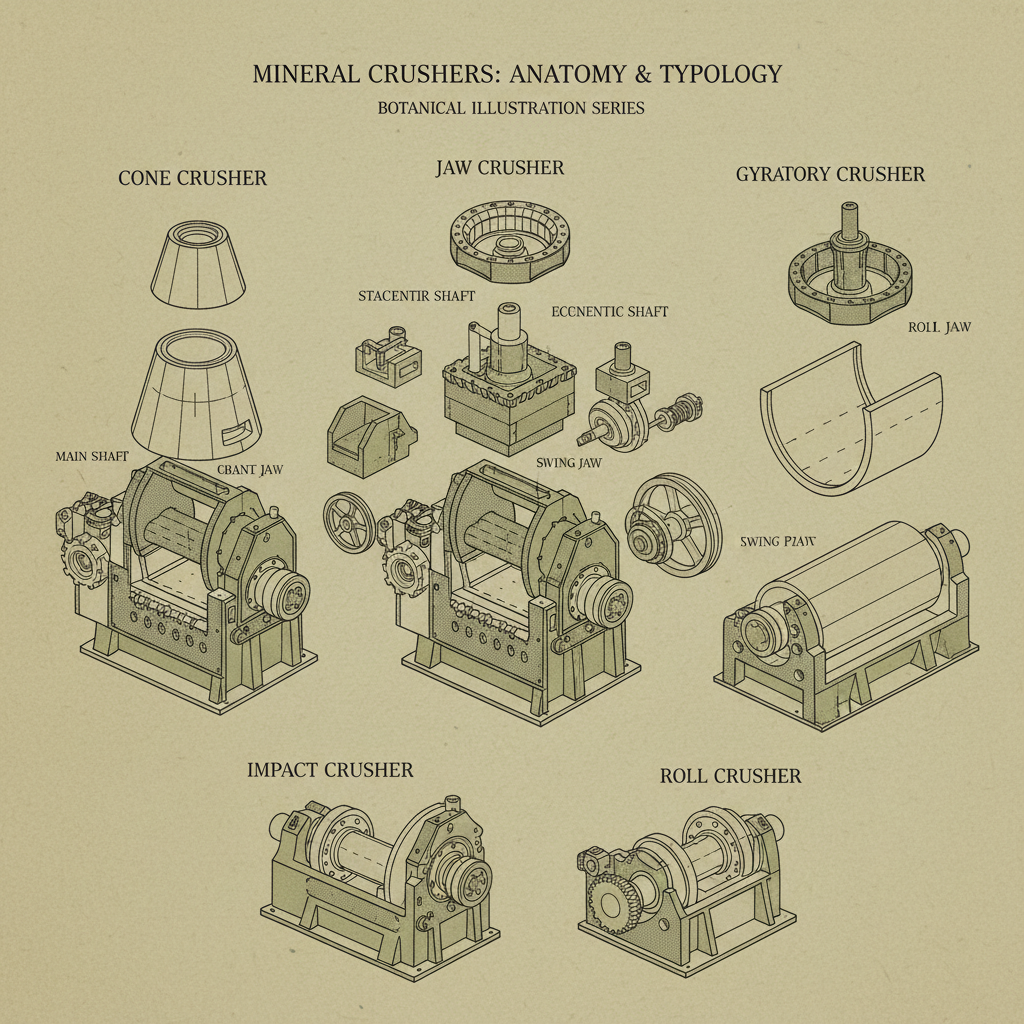
Several key components contribute to the success of copper leaching operations. Firstly, ore preparation is vital, involving crushing and grinding the ore to increase the surface area exposed to the lixiviant. This ensures maximum copper dissolution. Secondly, the lixiviant composition – the specific chemical solution used – dictates the efficiency and selectivity of the process.
The third crucial component is heap/vat/in-situ leaching techniques themselves. Heap leaching is widely used for low-grade ores, while vat leaching offers better control and higher recovery rates. In-situ leaching is used for underground ore bodies. Fourthly, solid-liquid separation is essential for recovering the copper-rich solution from the leached ore residue. Finally, solvent extraction and electrowinning (SX-EW) are commonly used to further refine and purify the copper from the leachate.
Copper Leaching Method Efficiency
Global Applications of copper leaching
Copper leaching is employed extensively in South America, particularly in Chile and Peru, where large-scale copper deposits are processed using heap leaching. These operations contribute significantly to the global copper supply. In North America, copper leaching is used to recover copper from lower-grade ores and mine tailings.
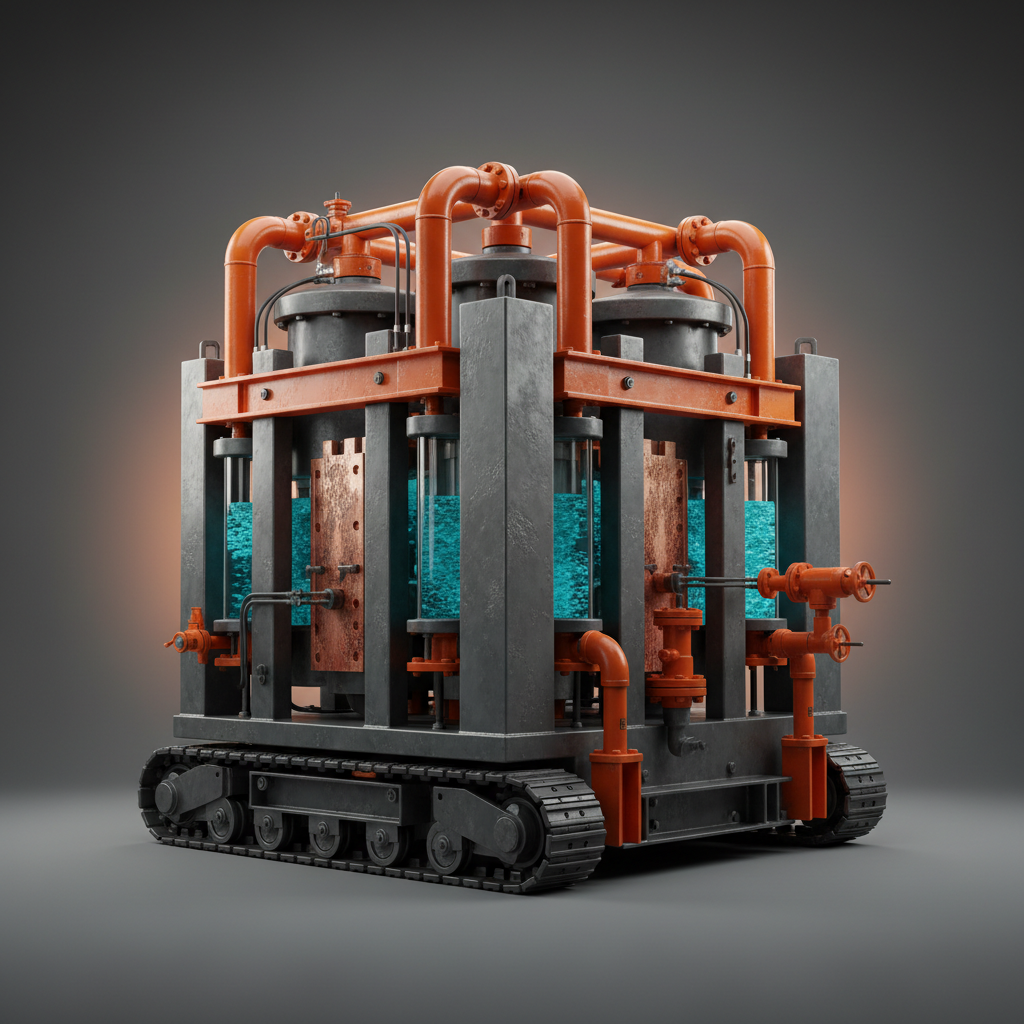
Furthermore, the technique is gaining traction in Africa, where it offers a viable solution for extracting copper from challenging ore bodies. In post-disaster relief operations, mobile copper leaching units can be deployed to recover valuable metals from electronic waste, contributing to both environmental remediation and resource recovery.
Advantages and Long-Term Value
The primary advantage of copper leaching lies in its cost-effectiveness, particularly for processing low-grade ores. It eliminates the need for high-temperature smelting, significantly reducing energy consumption and greenhouse gas emissions. Its scalability also makes it a versatile option, adaptable to different ore types and production scales.
Beyond economic benefits, copper leaching contributes to environmental sustainability by enabling the recovery of valuable resources from waste materials and reducing the need for primary mining. This aligns with the principles of a circular economy and promotes responsible resource management, fostering a more sustainable future for the copper industry.
Future Trends in copper leaching
The future of copper leaching is poised for innovation, with research focusing on bioleaching – using microorganisms to accelerate the leaching process – and the development of more environmentally friendly lixiviants. Digitalization and automation are also playing an increasing role, optimizing process control and enhancing efficiency.
Advancements in reagent recovery technologies are critical for minimizing environmental impact and reducing operational costs. Furthermore, the integration of copper leaching with renewable energy sources, such as solar and wind power, can further reduce the carbon footprint of copper production, contributing to a more sustainable and responsible industry.
Summary of Challenges and Solutions in Copper Leaching
| Challenge |
Impact on Leaching |
Potential Solution |
Implementation Cost (1-10) |
| Low Ore Grade |
Reduced Copper Recovery |
Optimized Leaching Parameters & Bioleaching |
6 |
| Reagent Consumption |
High Operational Costs & Environmental Impact |
Reagent Recycling & Alternative Lixiviants |
7 |
| Water Usage |
Water Scarcity & Environmental Concerns |
Closed-Loop Water Systems & Rainwater Harvesting |
5 |
| Environmental Regulations |
Increased Compliance Costs & Restrictions |
Proactive Environmental Management & Sustainable Practices |
4 |
| Mineralogical Complexity |
Selective Leaching Challenges |
Advanced Mineralogy & Tailored Leaching Protocols |
8 |
| Tailings Management |
Environmental Risks & Land Use Issues |
Tailings Reprocessing & Safe Disposal Methods |
9 |
FAQS
The main environmental concerns revolve around the potential for acid mine drainage, reagent spills, and groundwater contamination. Acid mine drainage occurs when sulfide minerals are exposed to air and water, creating sulfuric acid. Proper containment, water management, and reagent recovery systems are essential to mitigate these risks. Sustainable practices, like closed-loop systems and the use of less harmful lixiviants, further minimize the environmental footprint of copper leaching operations.
Bioleaching utilizes microorganisms, primarily bacteria, to oxidize and dissolve copper minerals. This differs from traditional leaching, which relies solely on chemical reagents. Bioleaching is often slower but can be more environmentally friendly, reducing the need for harsh chemicals and operating at lower temperatures. It's particularly effective for ores with sulfide minerals that are resistant to conventional leaching methods.
Several economic factors are crucial. These include ore grade, recovery rates, reagent costs, energy prices, and transportation expenses. Lower-grade ores are often viable only through leaching due to lower processing costs. High recovery rates and efficient reagent management directly impact profitability. Additionally, government regulations and environmental compliance costs significantly influence project feasibility.
Water consumption can be minimized through the implementation of closed-loop water systems, rainwater harvesting, and efficient water recycling technologies. Proper containment and leak detection are also critical. Employing dry stacking of tailings and utilizing alternative leaching techniques that require less water further contribute to water conservation. Implementing rigorous water monitoring programs helps to identify and address inefficiencies.
Automation is increasingly important for optimizing copper leaching processes. Automated control systems monitor and adjust parameters like pH, temperature, and reagent dosage, ensuring consistent and efficient operation. Remote monitoring and data analytics provide real-time insights, enabling proactive maintenance and problem-solving. Automation reduces labor costs, improves safety, and enhances overall process control.
The long-term sustainability of copper leaching depends on continued innovation in areas such as reagent recovery, water management, and bioleaching technologies. The development of alternative, environmentally friendly lixiviants is crucial. Integrating renewable energy sources and implementing circular economy principles – recovering metals from waste streams – will further enhance sustainability. Collaboration between industry, researchers, and policymakers is essential for driving these advancements.
Conclusion
In conclusion, copper leaching represents a vital and evolving technology for the sustainable extraction of this essential metal. Its ability to process low-grade ores, combined with ongoing advancements in environmental mitigation and process optimization, positions it as a cornerstone of the future copper supply chain. Understanding the core principles, applications, and emerging trends of copper leaching is crucial for professionals and stakeholders within the mining and metallurgical industries.
Looking ahead, continued research and development, coupled with responsible environmental stewardship, will unlock even greater potential for copper leaching. By embracing innovation and prioritizing sustainability, the industry can ensure a reliable, cost-effective, and environmentally sound supply of copper to meet the growing demands of a rapidly changing world. For more information on copper leaching solutions, visit our website: www.qwmetal.com