To be honest, the whole industry is buzzing about lightweighting these days. Everyone wants things lighter, stronger, cheaper… you name it. It's gotten to the point where I walk into a factory and the first thing they ask isn't how the product performs, but how much it weighs. It's a bit ridiculous, really. But hey, gotta stay competitive, right?
Have you noticed how everyone’s obsessed with these fancy CAD designs? It looks beautiful on the screen, all sleek and optimized, but then you get to the site, and it's a nightmare to actually build. I encountered this at a factory in Ningbo last time – they designed a bracket with this incredibly intricate curve, thinking they were saving weight. Turned out it was impossible to consistently weld without distortion. We spent a week re-designing it to be… simpler. Sometimes, simple is just better.
We mostly work with 6061-T6 aluminum for the main structural components. Good stuff. You can feel the density in your hands, it's a reassuring weight. It's not like that cheap, porous stuff you get from some suppliers. You can smell the machining oil even after it's been powder coated. And don't even get me started on the stainless steel fasteners – gotta be 316, otherwise you’re asking for corrosion trouble. I’ve seen too many projects fall apart because they skimped on the hardware.
Introduction to Lithium Ore Processing
Lithium ore processing is no simple task. It's the critical bridge between raw materials extracted from the earth and the components powering our modern world, from electric vehicles to energy storage systems. We’re talking about turning hard rock into something useful, and it’s far more complex than most people realize.
The demand for lithium is exploding, driven by the global shift towards renewable energy and electric mobility. This isn't just a trend; it's a fundamental change in how we power our lives. That means processing capacity needs to increase dramatically, and quickly. It’s a race against time, honestly, to get enough lithium refined to meet the projected demand.
Understanding the intricacies of lithium ore processing is crucial for anyone involved in the battery supply chain, resource management, or sustainable energy initiatives. It's not just about chemistry; it's about logistics, environmental impact, and geopolitical considerations. It's a complex web, and getting it wrong has significant consequences.
Global Significance of Lithium Processing
Lithium isn’t evenly distributed around the globe, which creates strategic challenges. The “Lithium Triangle” – Argentina, Bolivia, and Chile – holds a significant portion of the world’s reserves, but Australia currently leads in production. This concentration highlights the need for diversified supply chains and responsible sourcing practices. The UN Sustainable Development Goals explicitly address resource management and sustainable industrialization, and lithium processing plays a vital role in achieving those goals.
The World Bank estimates that demand for lithium will increase tenfold by 2050 to support the growing electric vehicle market. That's a massive undertaking. Furthermore, the ISO standards for battery manufacturing and material traceability are becoming increasingly stringent, demanding greater transparency and accountability throughout the lithium processing chain.
The problem we face isn’t just about getting enough lithium; it’s about doing it sustainably. Traditional processing methods can be water-intensive and environmentally damaging. The challenge is to develop and implement innovative technologies that minimize environmental impact while maximizing resource utilization.
Defining Lithium Ore Processing
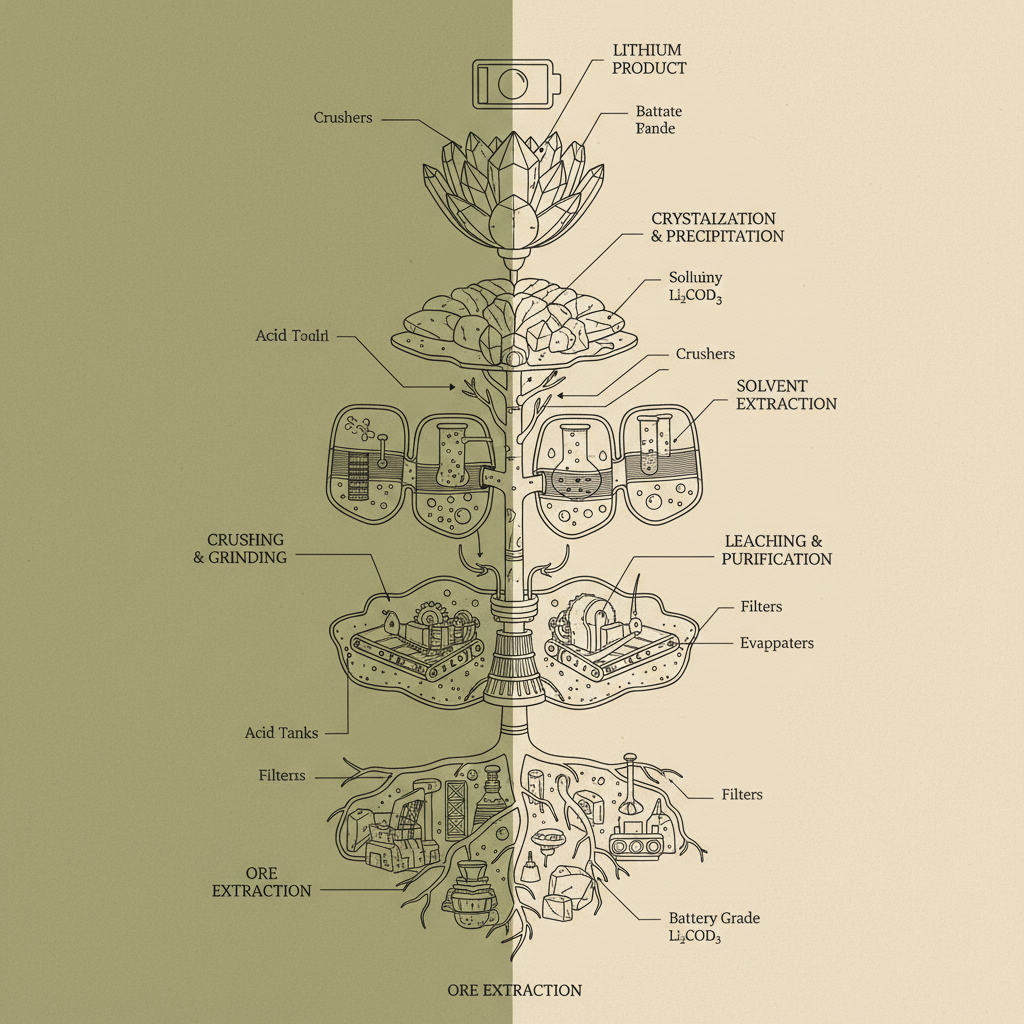
Lithium ore processing, in its simplest terms, is the series of steps required to extract lithium from its natural sources – typically spodumene, brine, or clay – and transform it into a usable form, such as lithium carbonate or lithium hydroxide. It’s not a single process, but rather a cascade of unit operations, each with its own set of challenges.
The connection to modern industry is undeniable. Lithium compounds are essential components in lithium-ion batteries, which power everything from smartphones and laptops to electric vehicles and grid-scale energy storage systems. Without efficient and reliable lithium ore processing, the green energy transition simply won't happen.
It’s about enabling a more sustainable future, reducing our reliance on fossil fuels, and building a cleaner, more efficient energy system. It’s a pretty big responsibility, when you think about it. It's not just about building batteries; it’s about building a better world.
Core Components of Lithium Ore Processing
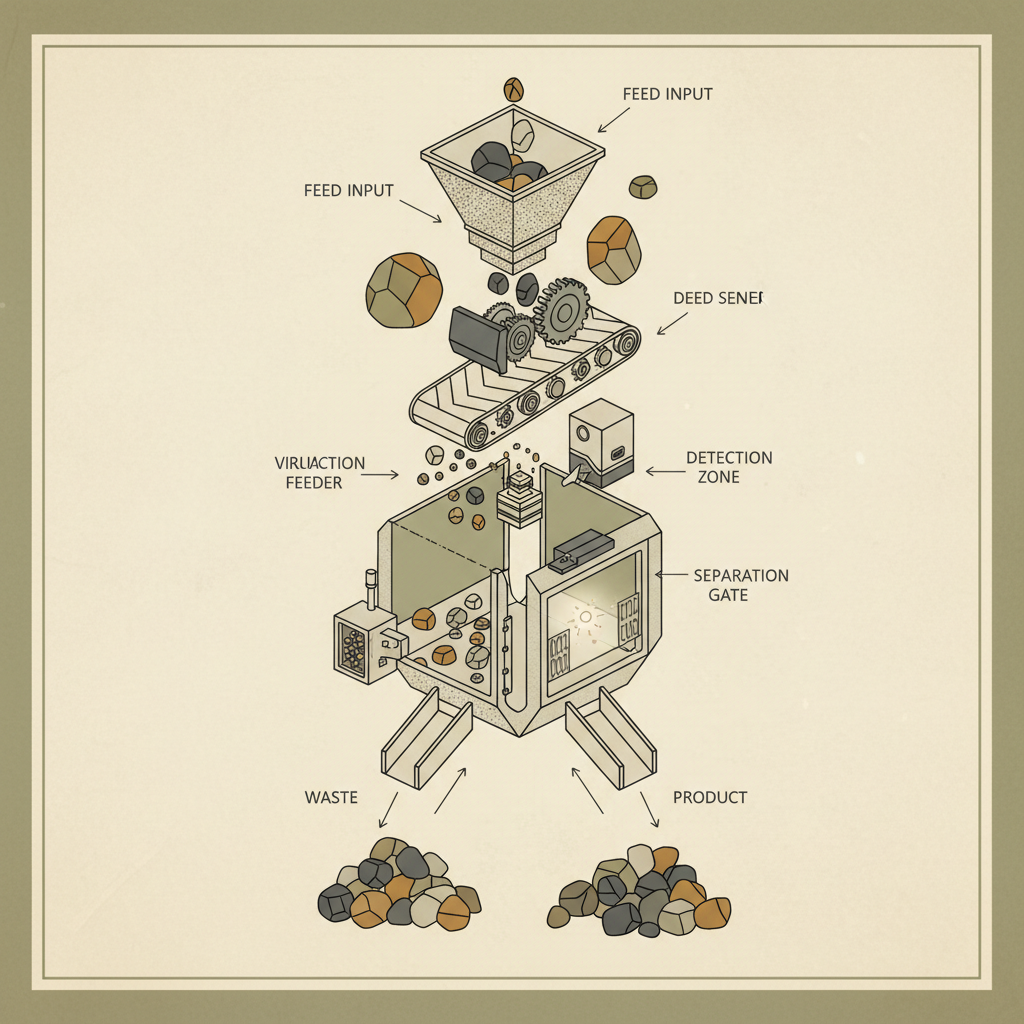
First, there’s the Mineralogical Characterization. You gotta know what you're dealing with – the composition of the ore, the particle size distribution, the presence of impurities. It dictates everything that follows. Secondly, Concentration Techniques are vital; separating the lithium-bearing minerals from the waste rock. Flotation is common, but it’s not a one-size-fits-all solution. Thirdly, Leaching is where you dissolve the lithium compounds using acids or alkalis. This step is particularly sensitive to environmental considerations.
Then comes Purification, removing unwanted elements to achieve the desired lithium compound purity. Solvent extraction and crystallization are key here. Following that is Conversion, transforming the purified lithium compound into a form suitable for battery manufacturing – usually lithium carbonate or lithium hydroxide. And finally, there’s Waste Management, which, frankly, is often overlooked but critically important. Dealing with the tailings and wastewater responsibly is essential for sustainable operation.
Lithium Ore Processing Method Efficiency
Global Applications and Use Cases
The most obvious application is in the manufacturing of lithium-ion batteries for electric vehicles. This is driving the vast majority of the demand growth. But it's not just cars. Energy storage systems for renewable energy sources – solar and wind – rely heavily on lithium-ion batteries to smooth out the intermittency of these sources.
You also see lithium compounds used in ceramics and glass manufacturing, greases, and even some pharmaceuticals. However, those applications represent a relatively small fraction of the overall demand. In remote industrial zones, like the mining operations in Australia, on-site lithium processing facilities are becoming increasingly common to reduce transportation costs and improve supply chain security.
Advantages and Long-Term Value
The biggest advantage is, of course, the energy density of lithium-ion batteries. They pack a lot of power into a small space. The long-term value lies in the sustainability benefits – reducing carbon emissions and transitioning to a cleaner energy future. But beyond that, it's also about resource independence. Countries that can secure their own lithium supply are less vulnerable to geopolitical disruptions.
It also has economic benefits, creating jobs and fostering innovation. And strangely, people just feel better about driving an electric car – it’s a sense of contributing to a positive change. That psychological benefit shouldn't be underestimated. It's about dignity, innovation, and trust in a more sustainable future.
Future Trends and Innovations in Lithium Processing
Direct Lithium Extraction (DLE) technologies are getting a lot of attention. They promise to extract lithium from brines more efficiently and with a lower environmental footprint. It's still early days, but the potential is huge. We’re also seeing advancements in recycling technologies to recover lithium from end-of-life batteries, creating a closed-loop system.
Digitalization and automation are playing an increasing role. AI-powered process control systems can optimize leaching conditions and improve product quality. And the push for sustainability is driving research into more environmentally friendly processing methods, like using bio-leaching techniques. Anyway, I think the next big thing will be advancements in pre-concentration techniques to reduce the amount of material that needs to be processed in the first place.
Key Factors Influencing Lithium Ore Processing Efficiency
| Ore Grade (%) |
Processing Method |
Water Consumption (L/ton ore) |
Lithium Recovery Rate (%) |
| 1.2 |
Spodumene Roasting |
150 |
85 |
| 0.8 |
Brine Evaporation |
500 |
60 |
| 1.0 |
Clay Leaching |
200 |
70 |
| 1.5 |
DLE (Lithium Chloride) |
50 |
90 |
| 1.3 |
Sulfate Route |
100 |
80 |
| 0.9 |
Carbonate Route |
75 |
75 |
FAQS
The biggest concerns revolve around water usage, particularly in brine extraction. Large volumes of water are evaporated, which can deplete local water resources and disrupt ecosystems. Also, the disposal of tailings and the potential for chemical spills are significant environmental risks. Sustainable processing methods, like DLE, are aimed at addressing these issues, but they're not without their own challenges.
The geological source dictates the entire processing route. Spodumene requires roasting and calcination, while brine extraction relies on evaporation and solvent extraction. Clay deposits often necessitate leaching with acids. Each method has different energy requirements, water usage, and environmental impacts. The choice of method depends on the specific ore characteristics and local conditions.
Energy costs are significant, particularly for processes like roasting and evaporation. Chemical reagents, like sulfuric acid, also contribute substantially to the overall cost. Transportation of raw materials and finished products can be a major expense, especially for remote locations. And increasingly, labor costs and environmental compliance requirements are adding to the bottom line.
Purity is typically measured using techniques like atomic absorption spectroscopy (AAS) and inductively coupled plasma mass spectrometry (ICP-MS). Process control relies on carefully monitoring parameters like pH, temperature, and reagent concentrations. Impurities are removed through precipitation, filtration, and solvent extraction. Strict quality control measures are essential to meet the demanding specifications of battery manufacturers.
Handling strong acids and alkalis requires rigorous safety protocols, including personal protective equipment (PPE) and proper ventilation. Dust control is crucial to prevent respiratory problems. Emergency response plans must be in place to address potential spills or accidents. Regular safety training for personnel is absolutely essential.
Scaling up is a major challenge. Building new processing facilities is capital-intensive and time-consuming. Permitting and environmental approvals can be lengthy and complex. Finding skilled labor can also be difficult. That's why companies are exploring innovative technologies and modular construction techniques to accelerate the scaling process.
Conclusion
Ultimately, lithium ore processing is a complex and evolving field. It’s a delicate balance between meeting the soaring demand for lithium, minimizing environmental impact, and ensuring sustainable resource management. We’ve come a long way in terms of process optimization and technological innovation, but there's still much work to be done.
Looking ahead, the focus will be on developing more efficient, environmentally friendly, and cost-effective processing methods. Investing in research and development, fostering collaboration between industry and academia, and implementing responsible sourcing practices are all crucial steps. Ultimately, whether this thing works or not, the worker will know the moment he tightens the screw.