Iron extracted from ore is the bedrock of modern civilization. It's not just about steel beams and skyscrapers; it’s in the tools we use, the vehicles we drive, and even the medical instruments that save lives. Understanding the journey from raw ore to usable iron is critical for anyone involved in construction, manufacturing, or infrastructure development. The global demand for iron continues to rise, driven by population growth and increasing industrialization, making efficient and sustainable extraction and processing methods more important than ever. This isn’t just an academic exercise; it impacts project timelines, material costs, and ultimately, the success of any venture relying on this foundational material.
Globally, iron ore production reached over 3.9 billion metric tons in 2022 (World Steel Association). China dominates both production and consumption, accounting for over 70% of global iron ore imports. The increasing need for high-quality steel for infrastructure projects in developing nations, coupled with a growing focus on green steel production, is reshaping the industry. One major challenge is the environmental impact of traditional iron ore mining and processing – greenhouse gas emissions and land degradation are significant concerns. We need to find ways to minimize this impact while meeting the ever-increasing demand. That’s where innovations in extraction technologies and more sustainable smelting processes come into play.
Simply put, iron extracted from ore is iron that’s been chemically reduced from its naturally occurring compounds – oxides, carbonates, etc. – found in iron ore deposits. It's the fundamental building block for creating alloys like steel, which boasts superior strength and durability. It’s not enough to just have the iron; it needs to be in a form that’s workable, malleable, and suitable for the intended application. This process directly supports countless industries, from automotive and aerospace to construction and energy, essentially powering the modern world and supporting critical humanitarian needs by providing materials for infrastructure and tools for development.
The Global Significance of iron extracted from ore
You can’t swing a hammer on a construction site without encountering iron, in one form or another. The global demand is massive; it fuels everything from shipbuilding to the production of agricultural machinery. I’ve spent years working alongside engineers on site, and the availability and quality of iron-based materials directly impact project timelines and budgets. We’re talking about entire economies dependent on a consistent and reliable supply of iron extracted from ore.
The iron and steel industry accounts for approximately 7-9% of global carbon emissions, according to the International Energy Agency. That’s a huge number, and it’s why we’re seeing so much investment in cleaner production methods. The push for "green steel" – produced using renewable energy and innovative technologies – is going to be a game-changer, but it’s a slow process. And it’s not just about environmental concerns. Geopolitical factors, trade policies, and resource availability all play a critical role in the global iron ore market.
Defining iron extracted from ore
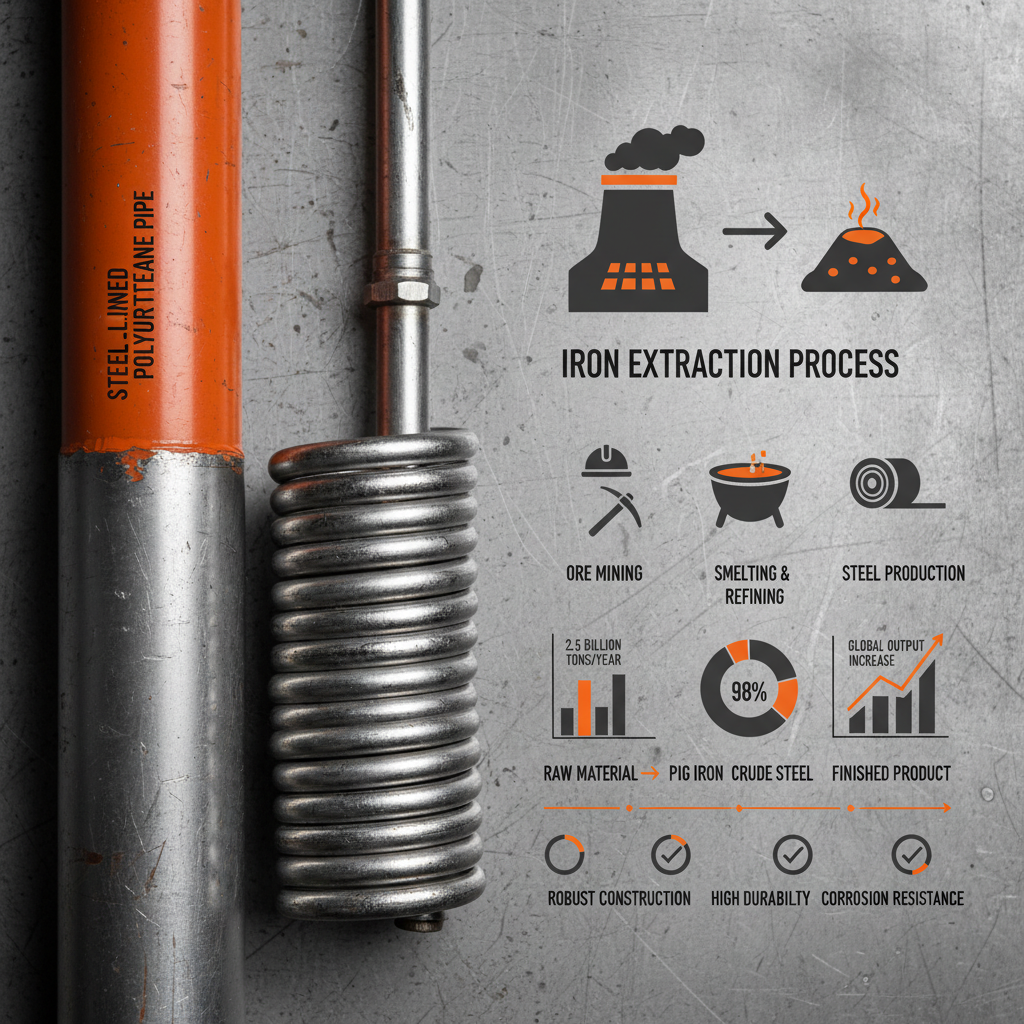
Look, at its core, iron extracted from ore is what happens when you take iron-containing minerals – like hematite or magnetite – and remove the oxygen and other impurities. It’s not about just digging it up; it's about a chemical transformation. This creates a metallic form of iron that’s then ready for alloying, typically with carbon to make steel. It’s the foundation of our industrial world, and the purity and characteristics of that iron directly affect the quality of the final product.
This isn’t some abstract concept. I've seen first-hand how variations in iron ore composition impact weld integrity, corrosion resistance, and the overall lifespan of structures. Whether you’re building a bridge, a pipeline, or a high-rise, the iron extracted from ore has to meet specific standards and specifications. It’s about more than just meeting code; it’s about ensuring safety and longevity.
The connection to modern industry, and frankly, humanitarian needs, is undeniable. Without reliable access to iron extracted from ore, we couldn't build the infrastructure necessary for economic development, provide essential medical supplies, or create the tools needed for agriculture. It's a fundamental resource that underpins so much of what we take for granted.
Core Properties of iron extracted from ore
The strength of iron extracted from ore is a major factor, obviously. But it’s not just about brute force. Ductility – the ability to deform under stress – is critical, especially in applications where seismic activity or other dynamic loads are a concern. And malleability, the ability to be shaped without breaking, is essential for fabrication. These properties aren’t inherent; they are heavily influenced by the extraction process and the subsequent alloying treatments.
Corrosion resistance is another key characteristic. Iron itself is prone to rust, which is why alloying with elements like chromium, nickel, and molybdenum is so important to create stainless steels. This is a huge issue in coastal environments or in applications involving exposure to harsh chemicals. I’ve seen projects delayed and budgets blown because corrosion wasn’t adequately addressed upfront.
Thermal conductivity plays a significant role in applications like heat exchangers and engine components. The ability of iron to efficiently transfer heat is crucial for performance and efficiency. Magnetic permeability, another property, is essential for electric motors, transformers, and other electromagnetic devices. Understanding these properties is paramount to selecting the right grade of iron for the job.
Applications Across Industries
Construction is the biggest consumer, without a doubt. Reinforced concrete relies heavily on steel rebar produced from iron extracted from ore, providing the tensile strength necessary to withstand bending and shear forces. But it doesn’t stop there. The automotive industry uses iron and steel for everything from engine blocks to body panels.
In the energy sector, iron and steel are vital for pipelines, offshore platforms, and wind turbine towers. The aerospace industry utilizes high-strength alloys derived from iron for critical components in aircraft and spacecraft. Even the medical field benefits from iron-based materials in surgical instruments and implants. From the smallest nut and bolt to massive infrastructure projects, the applications are incredibly diverse.
Iron Usage by Industry Sector
Long-Term Value and Benefits
The cost-effectiveness of iron extracted from ore is a major driver of its widespread use. Compared to other metals like titanium or aluminum, iron is relatively abundant and affordable. That said, quality matters. Paying a little more upfront for higher-grade iron can save you a lot of money – and headaches – down the road. I've seen too many projects cut corners on materials only to face costly repairs later.
Sustainability is becoming increasingly important. While traditional iron ore extraction has a significant environmental footprint, innovations in recycling and the development of "green steel" technologies are helping to mitigate these impacts. Investing in these technologies isn't just good for the planet; it’s also good for business in the long run, as regulations become stricter and consumers demand more sustainable products.
Future Trends in Iron Extraction
Automation is going to play a huge role in the future of iron ore mining and processing. We’re already seeing the use of drones, robotic excavators, and AI-powered sorting systems to improve efficiency and reduce costs. Digital twins – virtual representations of physical assets – are also becoming increasingly popular for optimizing operations and predicting equipment failures.
Direct Reduced Iron (DRI) technology, coupled with hydrogen as a reducing agent, is gaining traction as a pathway to "green steel" production. This process significantly reduces carbon emissions compared to traditional blast furnace methods. We’re also seeing research into alternative iron ore sources, like those found in deep-sea nodules, although these raise environmental concerns that need to be addressed.
Challenges and Sustainable Solutions
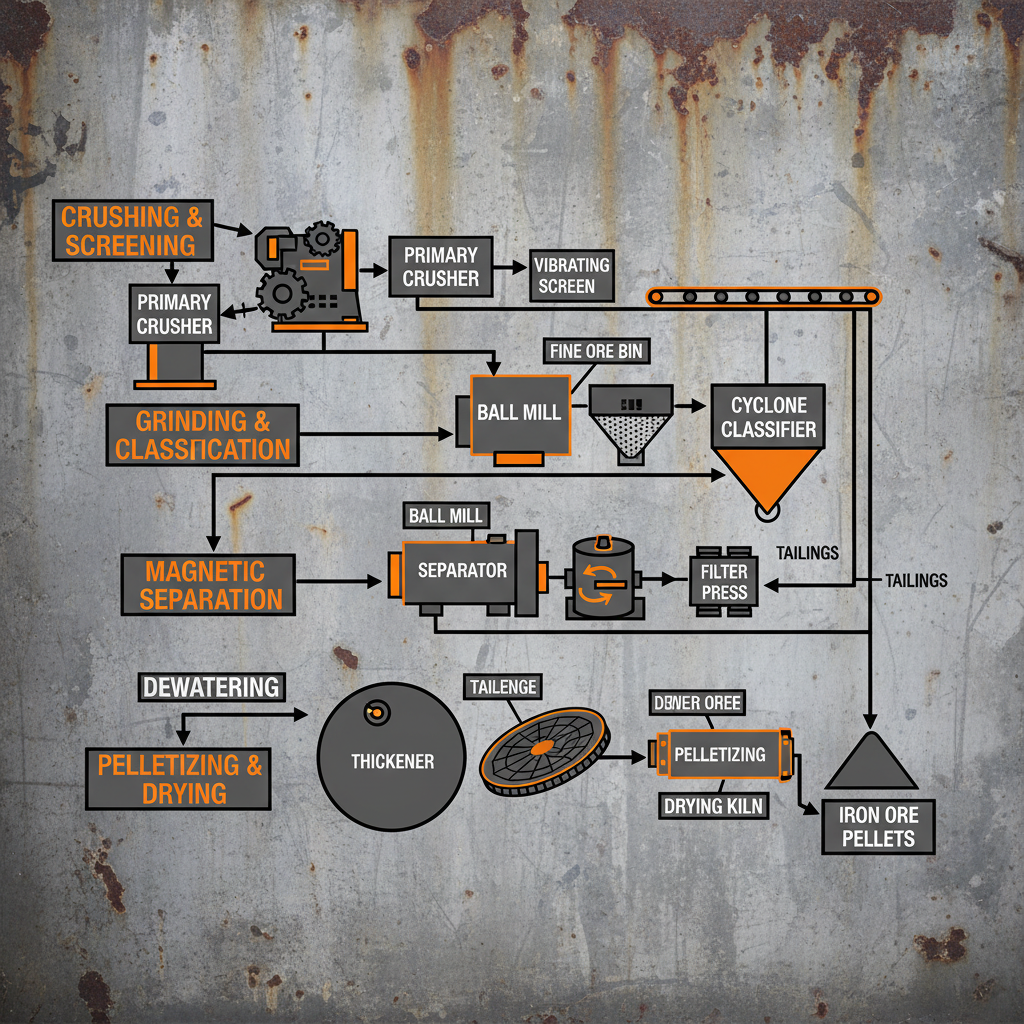
One of the biggest challenges is the environmental impact of tailings – the waste material left over after iron ore processing. These tailings can contain harmful chemicals and pose a risk of contamination. Finding sustainable ways to manage and reuse these materials is critical. We need to move beyond simply storing them in vast tailings dams.
Another challenge is the energy intensity of the iron ore extraction and smelting process. Transitioning to renewable energy sources and adopting more efficient technologies are essential for reducing carbon emissions. Collaboration between industry, government, and research institutions is vital to accelerate the development and deployment of these solutions.
The increasing demand for high-quality iron ore is also putting pressure on existing resources. Exploring and developing new, sustainable sources of iron ore is crucial to ensuring a reliable supply for future generations. This includes investing in research and development of innovative extraction technologies and promoting responsible mining practices.
Summary of Challenges and Sustainable Solutions in Iron Extraction
| Challenge |
Environmental Impact |
Proposed Solution |
Implementation Feasibility (1-10) |
| Tailings Management |
Contamination risk, land degradation |
Tailings reprocessing, utilization in construction materials |
7 |
| Energy Consumption |
High carbon emissions |
Transition to renewable energy, DRI technology |
8 |
| Resource Depletion |
Limited availability of high-grade ore |
Exploration of new ore sources, improved extraction techniques |
6 |
| Water Usage |
Water scarcity in mining regions |
Water recycling systems, efficient water management practices |
9 |
| Air Pollution |
Dust emissions, greenhouse gases |
Dust control measures, carbon capture technologies |
5 |
| Community Impact |
Displacement, disruption of local livelihoods |
Community engagement, responsible mining practices |
7 |
FAQS
Several key factors drive iron ore prices. Global steel demand, particularly from China, is the biggest. Supply disruptions – due to weather events, political instability, or logistical bottlenecks – can also cause prices to spike. Transportation costs (shipping rates) and currency fluctuations also play a role. Understanding these dynamics is crucial for managing project budgets effectively. It's not just about the ore itself; it’s the whole supply chain.
The iron content (Fe%) is the primary indicator of quality. Higher Fe% generally means less impurities and more efficient steelmaking. The types of impurities present (e.g., silica, alumina, phosphorus) also matter, as they can affect the properties of the steel. Different applications have different requirements. For instance, high-strength steels for automotive applications require very low levels of impurities compared to steels used in construction.
“Green steel” refers to steel produced with significantly reduced carbon emissions. Traditionally, steelmaking relies on burning coal, which releases massive amounts of CO2. Green steel uses alternative reducing agents, like hydrogen, or employs carbon capture technologies. It still starts with iron extracted from ore, but the process of turning that iron into steel is drastically different and much more environmentally friendly.
The environmental impacts are significant. Land disturbance from open-pit mining is a major issue, leading to habitat loss and soil erosion. Water contamination from runoff and tailings is also a concern. Air pollution from dust and greenhouse gas emissions is another. Responsible mining companies are implementing mitigation measures, but these challenges require ongoing attention and investment.
Automation, AI, and data analytics are transforming the industry. Drones are used for surveying and mapping, robotic excavators improve efficiency, and AI algorithms optimize processing plants. Digital twins allow for virtual modeling and simulation, enabling predictive maintenance and improved resource management. These technologies aren't just about cost savings; they're also about improving safety and reducing environmental impact.
Steel, produced from iron extracted from ore, is highly recyclable. Scrap steel is a major feedstock for new steel production, reducing the need for virgin iron ore. Developing technologies for recovering iron from industrial waste streams (e.g., slag) and optimizing steel design for recyclability are crucial steps towards a circular economy. It's about minimizing waste and maximizing resource utilization.
Conclusion
Iron extracted from ore remains the cornerstone of modern infrastructure and industry. Its versatility, relative affordability, and continued innovation ensure its enduring importance. While challenges related to sustainability and resource management exist, advancements in technology and a growing commitment to responsible mining practices offer promising solutions. Understanding the complexities of this foundational material is essential for anyone involved in construction, manufacturing, or the broader industrial landscape.
Looking ahead, the future of iron lies in embracing sustainable practices, investing in innovative extraction technologies, and prioritizing the circular economy. By focusing on these areas, we can ensure a reliable and responsible supply of iron for generations to come. For more information on sourcing high-quality iron ore and exploring sustainable solutions, visit our website at www.qwmetal.com.