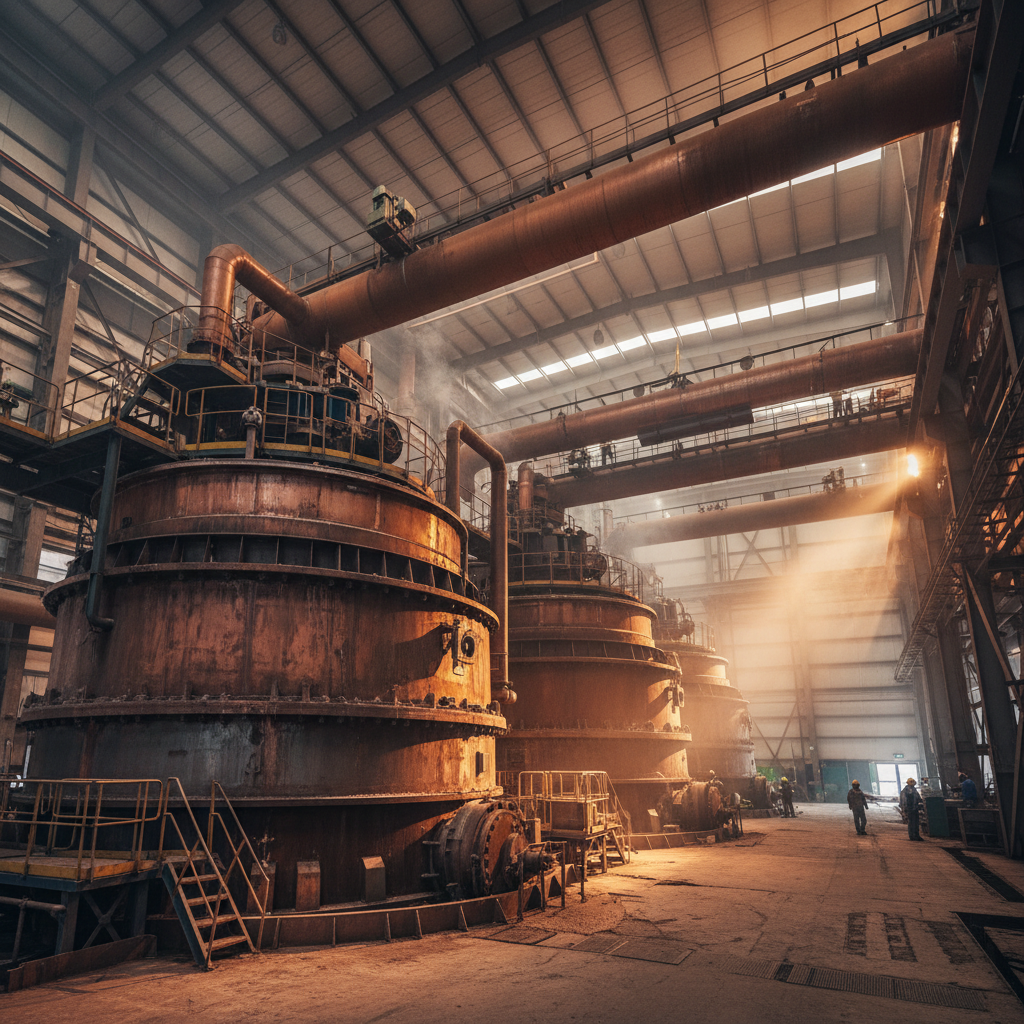
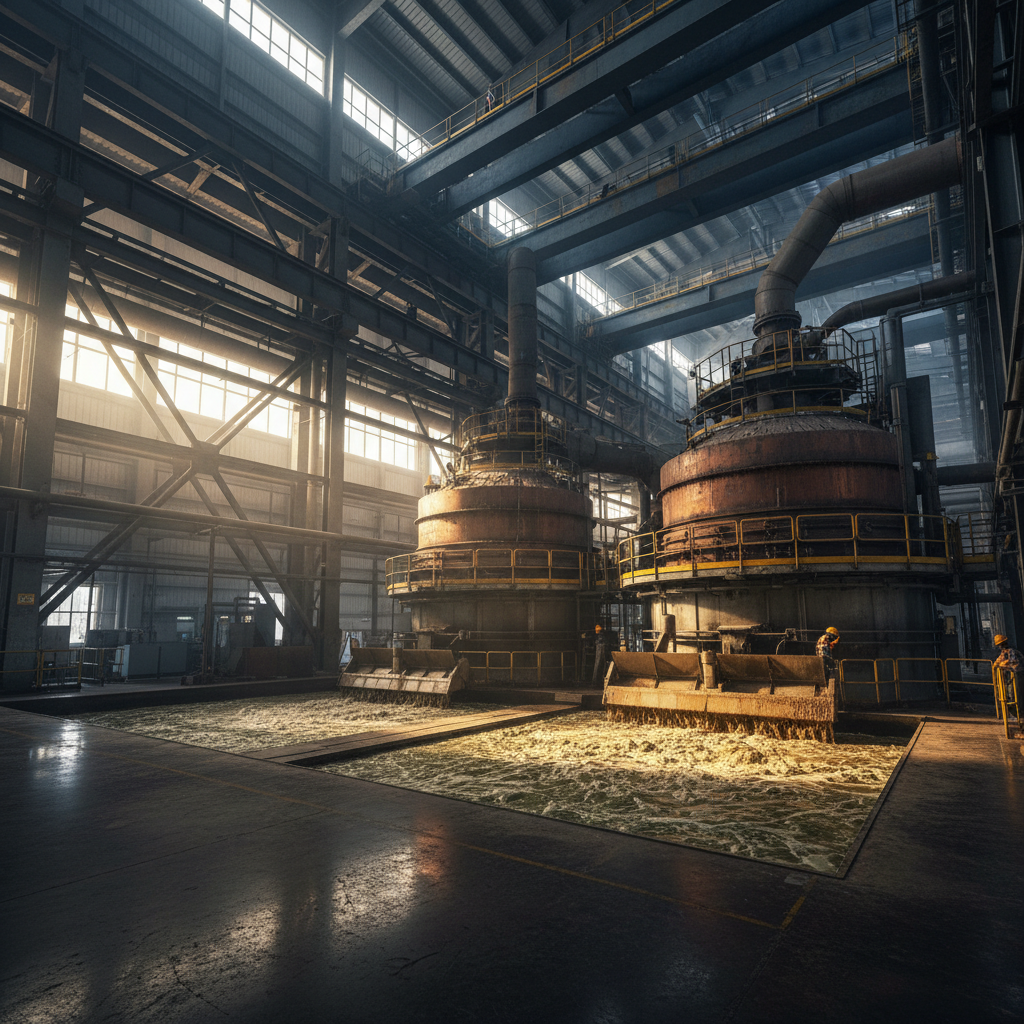
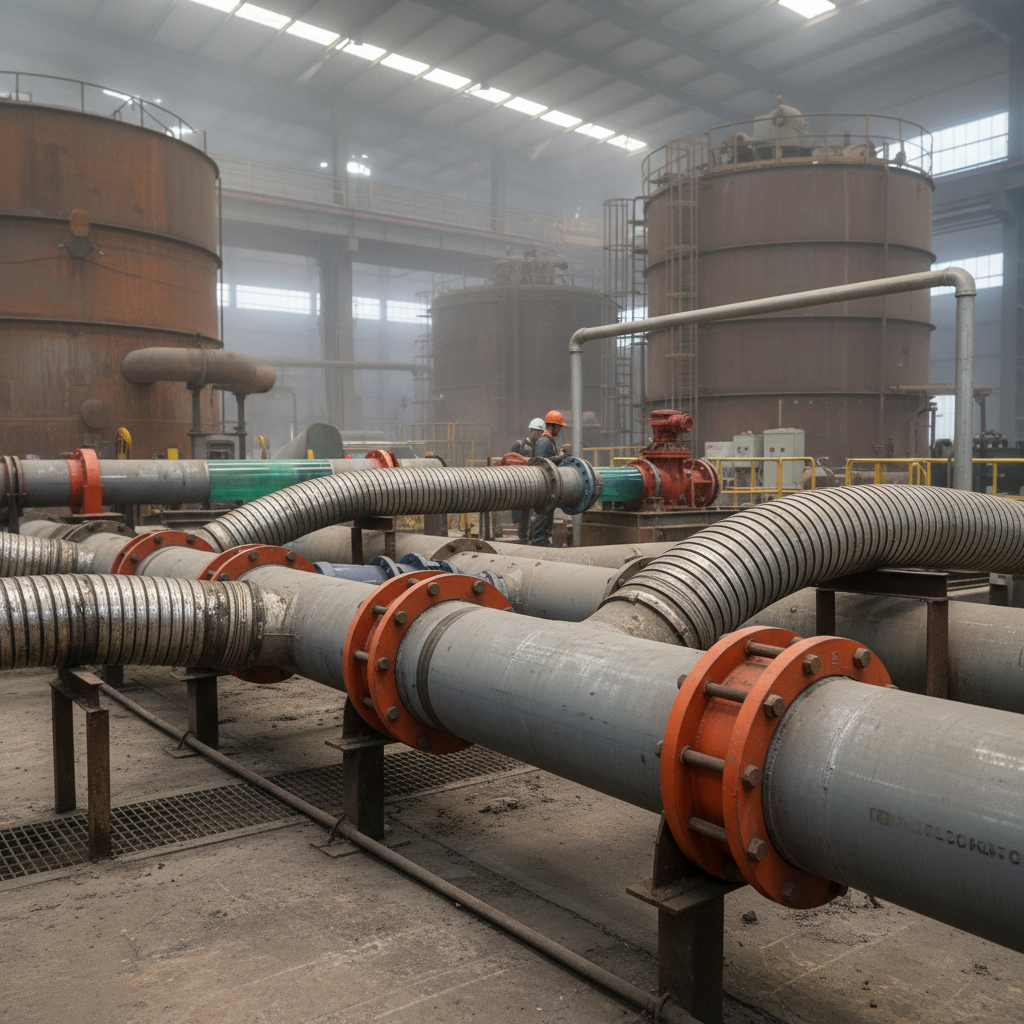
Copper flotation is a crucial process in the mining industry, responsible for extracting copper sulfides from ore. Globally, copper is indispensable, underpinning modern infrastructure, renewable energy technologies, and electronic devices. The increasing demand for copper, driven by electrification and sustainable energy transitions, necessitates efficient and environmentally responsible extraction methods. Understanding copper flotation is therefore vital for engineers, investors, and policymakers seeking to meet this demand while minimizing environmental impact.
The process is a cornerstone of modern metallurgy, accounting for the vast majority of copper production worldwide. Data from the International Copper Study Group shows consistent demand growth, exceeding 25 million metric tons annually. However, traditional methods pose challenges, including water usage, reagent consumption, and tailings management. Improving copper flotation efficiency is key to sustainable copper supply.
Ultimately, mastering the intricacies of copper flotation is not merely a technical endeavor; it’s about ensuring a stable resource stream for a rapidly evolving world, supporting advancements in green technologies and global development.
Introduction to copper flotation
Copper flotation relies on the differences in surface properties between valuable minerals and waste rock (gangue). By carefully controlling the chemical environment and introducing specific reagents, copper sulfide particles become hydrophobic, attaching to air bubbles and rising to the surface as a froth, enabling their separation. Copper flotation's efficiency dictates the economic viability of many mining operations.
The process isn’t merely a physical separation; it’s a sophisticated chemical engineering feat. Variables like pH, temperature, reagent dosage, and pulp density must be meticulously managed to achieve optimal recovery and concentrate grade, directly impacting the overall profitability of the mining process.
Global Relevance of Copper Flotation
Copper is a fundamental metal for countless industries. As the world transitions to renewable energy, demand for copper is surging, driven by its critical role in electric vehicles, wind turbines, and solar power infrastructure. Without efficient copper flotation processes, meeting this burgeoning demand becomes increasingly challenging.
Major copper-producing nations, including Chile, Peru, China, and the Democratic Republic of Congo, heavily rely on flotation technology. The World Bank estimates that continued investments in mining infrastructure, with a focus on optimized copper flotation techniques, are essential for ensuring a secure supply chain.
The geopolitical importance of copper also emphasizes the need for secure and sustainable supply chains. Flotation technology impacts not only the quantity of copper extracted but also the environmental footprint of its production, influencing international trade and regulatory policies.
Defining Copper Flotation
Copper flotation is a physicochemical process used to selectively separate copper sulfide minerals from gangue materials. It utilizes the principle of surface chemistry, creating a difference in hydrophobicity (water repellency) between the desired minerals and unwanted rock.
This technology is integral to the modern mining industry, allowing for the economical extraction of copper from low-grade ores that were previously uneconomical to process. It enables access to significant copper reserves, crucial for sustaining modern technological advancements and infrastructure development.
Ultimately, copper flotation bridges the gap between raw ore and refined metal, transforming naturally occurring resources into essential components for countless applications, contributing significantly to global economic activity.
Core Components of Copper Flotation
The effectiveness of copper flotation relies on several key components working in harmony. First, efficient grinding and liberation of copper minerals from the ore matrix are essential. Second, careful selection and dosage of flotation reagents – collectors, frothers, and modifiers – are critical for creating the desired surface properties.
Third, maintaining optimal pH levels is crucial for reagent activity and selectivity. Finally, efficient aeration and froth handling ensure effective collection and recovery of the copper-rich froth. Each element plays a pivotal role in maximizing copper recovery while minimizing waste.
Comparison of copper flotation Methods
Applications of Copper Flotation
Copper flotation is utilized globally in a diverse range of mining operations, from large-scale porphyry copper deposits in Chile and Peru to smaller, volcanogenic massive sulfide (VMS) deposits in Canada and Australia. The process is adaptable to varying ore characteristics, making it a versatile solution for copper extraction.
Beyond primary ore processing, flotation is also applied to the recovery of copper from secondary sources, such as tailings reprocessing and electronic waste recycling. This contributes to resource conservation and minimizes environmental impacts, promoting a circular economy approach to copper utilization.
Advantages and Long-Term Value
Copper flotation offers significant advantages in terms of cost-effectiveness, particularly for low-grade ores. It’s a relatively energy-efficient process compared to other extraction methods, and advancements in reagent technology are continually reducing environmental impact. These factors contribute to long-term profitability and sustainability for mining operations.
Furthermore, the process allows for high copper recovery rates, maximizing resource utilization. This not only enhances economic returns but also minimizes waste generation, aligning with increasingly stringent environmental regulations and responsible mining practices.
Future Trends in Copper Flotation
Ongoing research focuses on developing more selective and environmentally friendly flotation reagents, reducing reagent consumption and minimizing the generation of harmful byproducts. Digitalization and automation are also playing a growing role, with advanced process control systems optimizing flotation performance in real-time.
The integration of machine learning and artificial intelligence is enabling predictive maintenance, optimizing reagent dosing, and improving overall process efficiency. These innovations will be crucial for meeting the increasing demand for copper while maintaining environmental sustainability.
Furthermore, exploring alternative flotation techniques, such as bio-flotation using microorganisms, holds promise for reducing the reliance on traditional chemical reagents and minimizing environmental impact.
Summary of Challenges and Solutions in Copper Flotation
| Challenge |
Impact on copper flotation |
Proposed Solution |
Implementation Cost (1-10) |
| Reagent Consumption |
High operational costs and environmental concerns. |
Development of more selective and biodegradable reagents. |
7 |
| Water Usage |
Water scarcity in mining regions, environmental impact. |
Water recycling and closed-loop systems. |
6 |
| Tailings Management |
Environmental risks, land use concerns. |
Dry stacking and tailings reprocessing technologies. |
8 |
| Ore Complexity |
Reduced recovery rates, increased reagent consumption. |
Advanced process control and reagent optimization. |
5 |
| Energy Consumption |
High operational costs and carbon footprint. |
Implementation of energy-efficient grinding and aeration systems. |
4 |
| Process Control |
Suboptimal performance, inconsistent results. |
Real-time monitoring and AI-powered process optimization. |
7 |
FAQS
The main environmental concerns stem from reagent use (potential toxicity), water consumption, and tailings disposal. Reagents can contaminate water sources, high water usage strains resources, and tailings pose a risk of acid mine drainage and heavy metal leaching. Sustainable practices focus on reagent recovery, water recycling, and responsible tailings management to mitigate these impacts.
pH is critical because it influences the surface charge of mineral particles and the effectiveness of flotation reagents. Collectors, the chemicals that make copper particles hydrophobic, operate optimally within a specific pH range. Adjusting pH allows for selective attachment of these collectors to copper sulfides, maximizing separation from gangue minerals. Incorrect pH can lead to poor recovery and increased reagent consumption.
The main reagent types include collectors (e.g., xanthates, dithiophosphates) which create hydrophobicity, frothers (e.g., alcohols, polyglycols) which stabilize air bubbles, and modifiers (e.g., lime, cyanide) which control pH and selectively inhibit unwanted minerals. Each reagent plays a unique role in achieving optimal separation.
Froth stability is crucial for carrying copper-laden bubbles to the surface without collapsing. Frothers are added to create a stable froth, but excess frother can hinder separation. Optimizing frother dosage, aeration rates, and slurry density are essential for controlling froth characteristics and achieving efficient recovery. Poor froth stability results in lost copper and reduced concentrate grade.
Grinding is the initial step, reducing ore particle size to liberate the valuable copper minerals from the surrounding gangue. Adequate grinding ensures that the copper sulfides are exposed and accessible to the flotation reagents. The fineness of grinding impacts reagent consumption and recovery rates; finding the optimal grind size is critical for maximizing efficiency.
Sustainable tailings management involves minimizing water usage, stabilizing tailings deposits, and preventing acid mine drainage. Techniques include dry stacking (reducing water content), co-disposal (mixing tailings with waste rock), and in-situ stabilization. Reprocessing tailings for residual metal recovery and utilizing them as construction materials are also gaining traction.
Conclusion
In summary, copper flotation is an essential process in meeting the world’s growing demand for copper, underpinning countless industries and technologies. Its efficiency, adaptability, and ongoing advancements make it a cornerstone of sustainable resource extraction. Understanding the core components, challenges, and future trends surrounding this technology is crucial for ensuring a secure and environmentally responsible copper supply.
Looking forward, continued innovation in reagent technology, process control, and tailings management will be pivotal. Investing in research and development, coupled with the adoption of sustainable practices, will not only enhance copper production but also minimize environmental impact, securing the long-term viability of this critical resource. Visit our website at www.qwmetal.com to learn more about our solutions.