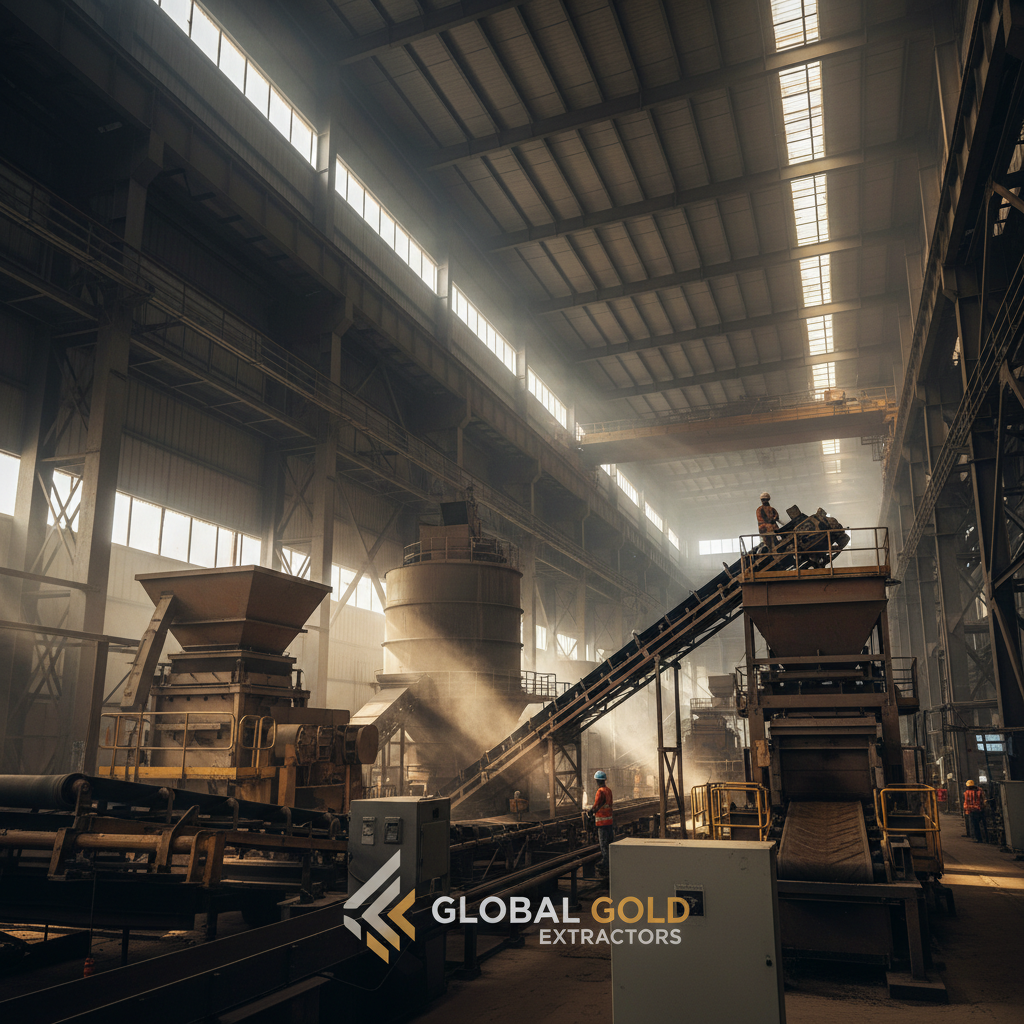
The extraction of iron from its ore is a fundamental process that underpins modern civilization. From the steel that forms the skyscrapers we inhabit to the tools that enable agricultural productivity, iron and its alloys are integral to countless aspects of our lives. Understanding the intricacies of this extraction process – from identifying viable ore deposits to employing efficient and sustainable refining techniques – is crucial for meeting the ever-growing global demand for iron and steel.
Globally, iron ore production and extraction are concentrated in a handful of countries, notably Australia, Brazil, China, and India. This concentration introduces geopolitical and economic dependencies, making the efficient and responsible extraction of iron a matter of international importance. Moreover, the environmental impact of iron ore mining and processing is significant, necessitating continuous innovation in extraction technologies to minimize ecological damage.
The ability to efficiently and sustainably extract iron from its ore directly impacts economic growth, infrastructural development, and the advancement of numerous industries. A thorough grasp of the techniques, challenges, and emerging trends within this field is vital for professionals in mining, metallurgy, environmental science, and related disciplines.
The Significance of Extraction of Iron from its Ore
Iron, in its raw form as iron ore, is rarely used directly. It requires extraction and refining to become usable in construction, manufacturing, and countless other applications. The efficiency with which we can perform the extraction of iron from its ore directly impacts the cost and availability of essential materials.
The development of improved extraction techniques has been a driving force behind industrial revolutions, enabling the mass production of steel and fostering economic growth worldwide. Understanding the principles of extraction is, therefore, not simply a technical matter but a key to appreciating the historical and ongoing development of human society.
Global Context and Industry Relevance
Iron ore is one of the most traded commodities globally, with a market valued in the hundreds of billions of dollars. According to the World Steel Association, global crude steel production exceeded 1.8 billion tonnes in 2023, demanding a consistent and reliable supply of iron ore. This demand is largely driven by the rapid industrialization of developing economies, particularly in Asia.
The geographical concentration of iron ore reserves presents both opportunities and challenges. Australia and Brazil collectively control over 60% of global iron ore exports, making them strategically important players in the global steel market. This concentration can lead to price volatility and supply chain vulnerabilities, impacting industries worldwide.
A key challenge facing the industry is the environmental impact of iron ore mining and processing. Traditional extraction methods can lead to deforestation, water pollution, and greenhouse gas emissions. This has spurred increasing interest in developing more sustainable and environmentally friendly extraction techniques.
Defining Extraction of Iron from its Ore
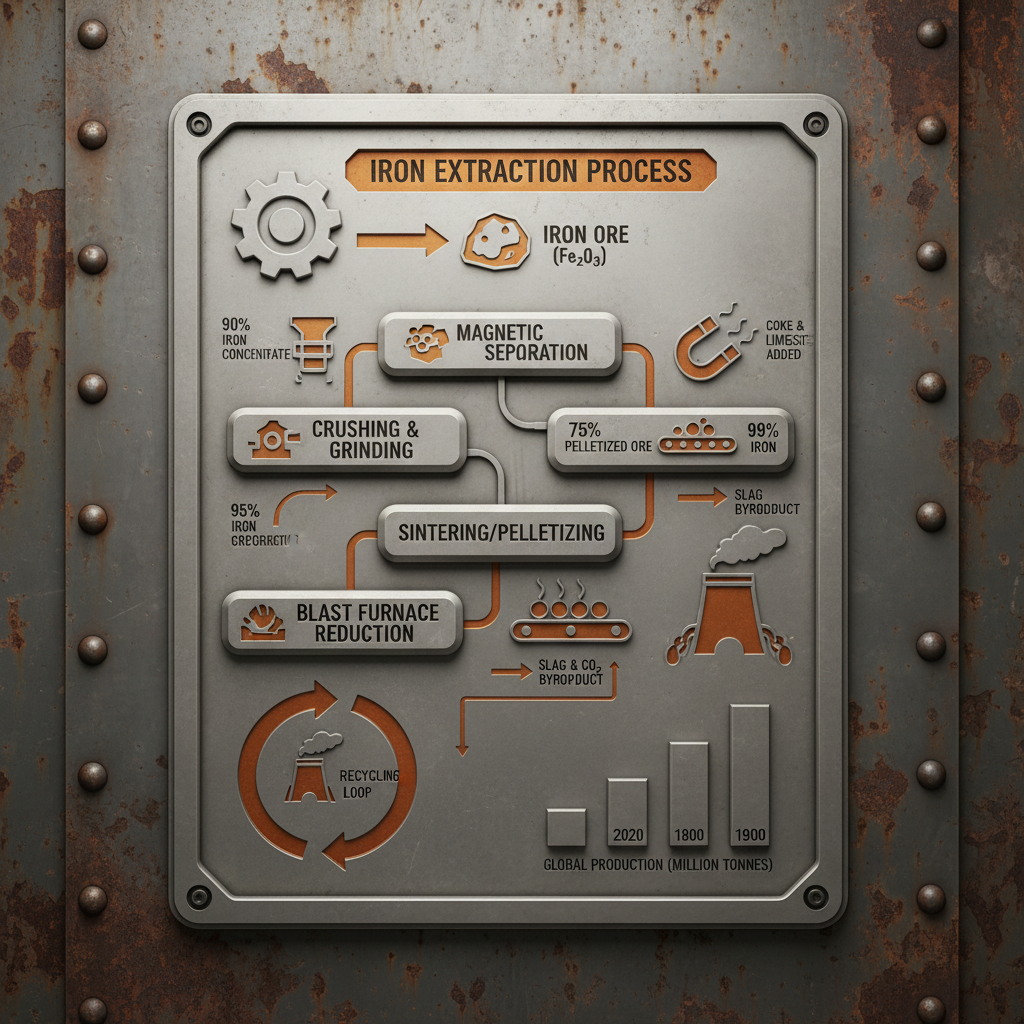
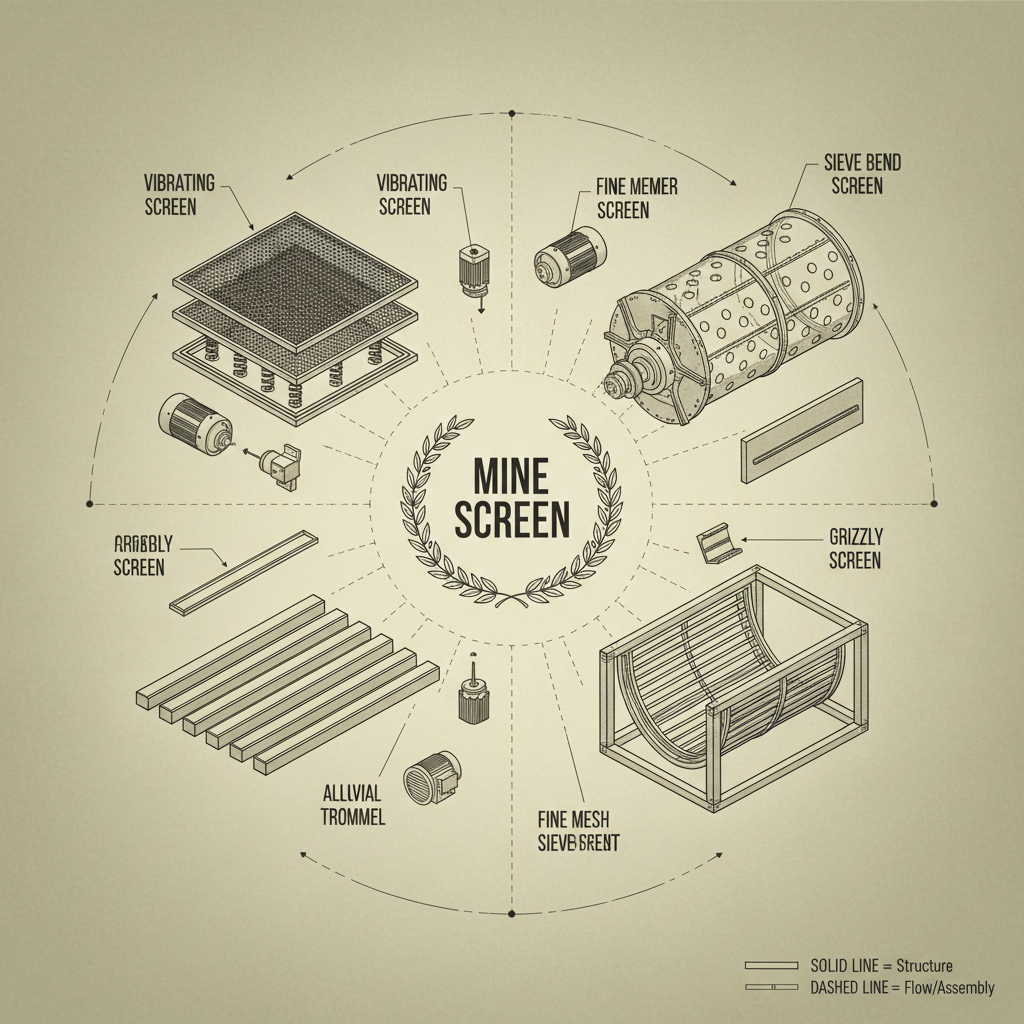
Extraction of iron from its ore refers to the process of separating iron from unwanted materials (gangue) found in iron ore deposits. These ores typically contain iron oxides such as hematite (Fe₂O₃) and magnetite (Fe₃O₄). The process generally involves several stages, including mining, crushing, beneficiation (concentration), and reduction.
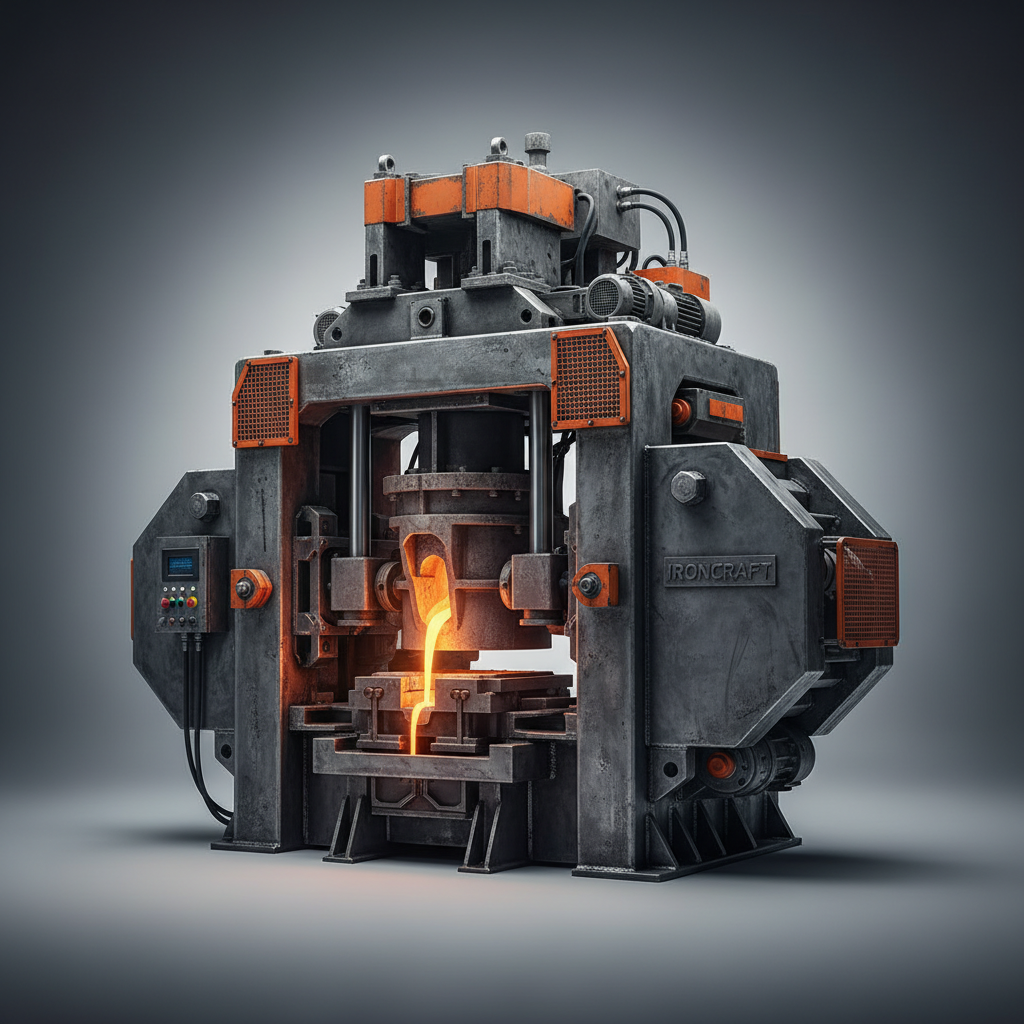
The most common method for extracting iron is the blast furnace process, where iron ore, coke (a carbon-rich fuel), and limestone are heated to high temperatures. The coke provides the carbon monoxide needed to reduce the iron oxides, while the limestone acts as a flux, removing impurities. This process yields molten iron, known as pig iron, which can then be further refined into steel.
This vital process is directly linked to modern industry and humanitarian needs. Steel, produced from iron, is essential for constructing buildings, bridges, vehicles, and machinery. It also plays a crucial role in infrastructure development in both developed and developing nations, contributing to improved living standards and economic opportunities.
Key Factors in Efficient Extraction
Several key factors contribute to the efficiency and sustainability of extraction of iron from its ore. These include ore quality, extraction technology, energy consumption, water management, and waste disposal. Optimizing each of these aspects is crucial for maximizing profitability and minimizing environmental impact.
The quality of the ore – specifically the iron content – directly affects the yield of the extraction process. Higher-grade ores require less processing and result in lower production costs. However, high-grade ores are becoming increasingly scarce, necessitating the development of technologies to efficiently extract iron from lower-grade ores.
Efficiency Metrics in Iron Ore Extraction
Applications Across Industries
The iron and steel produced through extraction of iron from its ore is ubiquitous across numerous industries. The construction industry relies heavily on steel for structural components, reinforcing bars, and cladding. The automotive industry uses steel for vehicle bodies, engines, and various other parts.
In the manufacturing sector, steel is essential for producing machinery, tools, and equipment. The energy sector utilizes steel in pipelines, wind turbines, and power plants. Even in the medical field, stainless steel is used for surgical instruments and implants.
Advantages and Long-Term Value
Efficient extraction of iron from its ore translates to significant cost savings, improved product quality, and reduced environmental impact. Lower production costs make steel more affordable and accessible, stimulating economic growth. Minimizing waste and emissions contributes to a more sustainable and responsible industrial sector.
The long-term value extends beyond economic benefits. Investing in sustainable extraction practices enhances a company’s reputation, fosters trust with stakeholders, and safeguards the environment for future generations. Innovation in extraction technology drives advancements in materials science and engineering, leading to the development of new and improved steel products.
Future Trends and Innovations
Several promising trends are shaping the future of extraction of iron from its ore. These include the development of direct reduction processes, which use natural gas or hydrogen instead of coke, reducing carbon emissions. Research into new beneficiation techniques, such as bioleaching, offers the potential to extract iron from low-grade ores more efficiently.
Digitalization and automation are also playing an increasingly important role. The use of sensors, data analytics, and machine learning can optimize extraction processes, improve resource utilization, and enhance safety. Furthermore, the integration of renewable energy sources into mining operations can significantly reduce their carbon footprint.
The development of hydrogen-based steelmaking is a particularly exciting prospect. This technology, still in its early stages, promises to eliminate carbon emissions from the steel production process, paving the way for a truly sustainable steel industry.
Summary of Key Challenges and Potential Solutions in Iron Ore Extraction
| Challenge |
Environmental Impact |
Economic Feasibility |
Potential Solutions |
| Declining Ore Grade |
Increased waste generation |
Higher extraction costs |
Advanced beneficiation techniques, bioleaching |
| High Energy Consumption |
Significant carbon emissions |
Dependence on fossil fuels |
Direct reduction processes, renewable energy integration |
| Water Scarcity |
Water pollution, ecosystem disruption |
Increased water treatment costs |
Water recycling systems, closed-loop water management |
| Waste Management |
Landfill space limitations, environmental contamination |
Waste disposal costs |
Waste valorization, tailings reprocessing |
| Geopolitical Instability |
Supply chain disruptions |
Price volatility |
Diversification of supply sources, strategic stockpiling |
| Community Impact |
Social unrest, displacement of communities |
Reputational damage |
Community engagement, benefit-sharing agreements |
FAQS
The extraction of iron from its ore can lead to significant environmental issues, including deforestation due to mining operations, water pollution from tailings and chemical runoff, and greenhouse gas emissions from energy-intensive processes like coke production and steelmaking. Dust generation is also a major concern, impacting air quality and human health. Sustainable practices are crucial to mitigate these impacts.
The grade of iron ore – the percentage of iron content – directly impacts the efficiency and cost of extraction. Higher-grade ores require less processing and yield more iron per ton, resulting in lower costs. Lower-grade ores necessitate more complex and energy-intensive beneficiation processes, increasing both costs and environmental impact. Consequently, the industry is focused on developing techniques to economically extract iron from lower-grade resources.
Direct reduction processes offer a more sustainable alternative to the traditional blast furnace method. Instead of using coke (derived from coal), these processes utilize natural gas or hydrogen as the reducing agent, significantly reducing carbon emissions. While still requiring substantial energy input, the potential to use renewable energy sources to power direct reduction plants makes them a promising pathway towards a low-carbon steel industry.
Technological advancements are transforming iron ore mining through automation, data analytics, and the Internet of Things (IoT). Autonomous vehicles and robotic systems are improving safety and efficiency in mining operations. Real-time data analysis allows for optimized blasting, drilling, and hauling processes. Predictive maintenance powered by machine learning minimizes downtime and extends equipment lifespan.
Implementing closed-loop water management systems, while environmentally beneficial, presents several challenges. These include the high initial investment costs, the complexity of treating highly contaminated wastewater, and the potential for scaling and corrosion within the recycling system. Effective monitoring and maintenance are also critical to ensure the long-term performance and reliability of these systems.
Responsible mining companies are increasingly prioritizing community engagement and benefit-sharing agreements. These agreements often involve providing employment opportunities, investing in local infrastructure (schools, hospitals, roads), and supporting community development projects. Transparency and open communication are also crucial for building trust and mitigating potential conflicts with local communities.
Conclusion
The extraction of iron from its ore remains a cornerstone of modern industry and global development. From the fundamental principles of ore beneficiation and reduction to the emerging trends in sustainable mining practices, understanding this process is essential for professionals across numerous disciplines. Continued innovation in extraction technologies, coupled with a commitment to environmental responsibility and social equity, will be critical to ensuring a secure and sustainable supply of iron for future generations.
Looking ahead, the industry must embrace digitalization, automation, and renewable energy sources to minimize its environmental footprint and enhance operational efficiency. Further research and development are needed to unlock the potential of alternative iron extraction methods, such as bioleaching and hydrogen-based steelmaking. By prioritizing sustainability and collaboration, we can harness the power of iron to build a more prosperous and equitable future. Visit our website at www.qwmetal.com to learn more.