The global demand for lithium is soaring, driven primarily by the rapid expansion of the electric vehicle (EV) market and the increasing need for energy storage solutions. Efficient and sustainable processing lithium ore is therefore paramount to meet this growing demand, ensuring a stable supply chain and mitigating environmental impacts. This process isn’t merely a technical challenge; it’s a crucial component of the global transition towards cleaner energy sources and a sustainable future.
The complexities inherent in processing lithium ore span geological variations, differing ore mineralogy, and the need for environmentally responsible extraction and refining techniques. Understanding these nuances is vital for optimizing recovery rates, minimizing waste, and reducing the carbon footprint associated with lithium production. This knowledge is critical for both established mining companies and emerging players in the lithium industry.
Advances in processing techniques, coupled with responsible sourcing and innovative recycling methods, are transforming the lithium landscape. The ability to efficiently process various lithium ore types – spodumene, brine, and clay – is key to diversifying supply and bolstering energy security. This creates significant opportunities for technological advancement and economic growth.
Introduction to Processing Lithium Ore
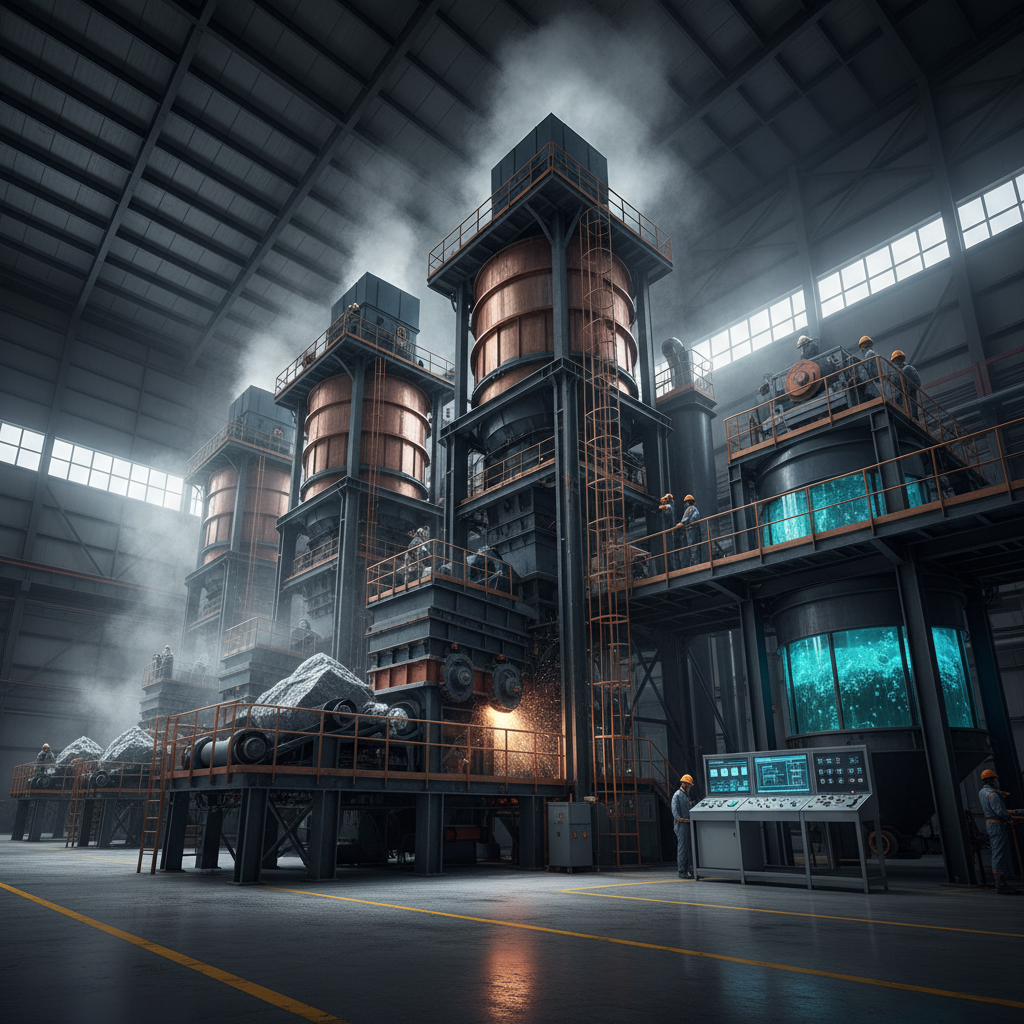
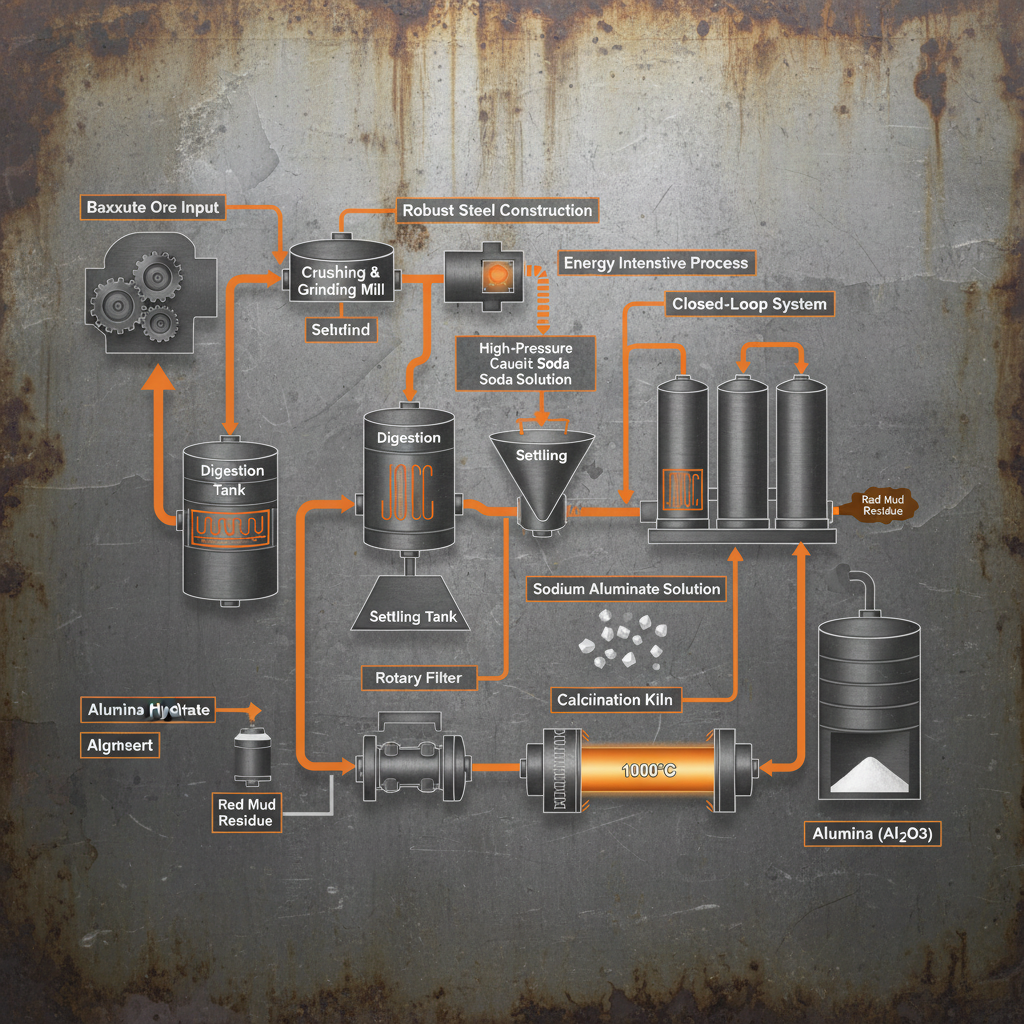
Lithium ore processing is a multi-stage operation that transforms raw materials into lithium compounds suitable for various industrial applications. The process begins with mining the ore, which can be sourced from spodumene-rich hard rock deposits or lithium-containing brines. The specific techniques employed are dictated by the ore type and desired lithium product.
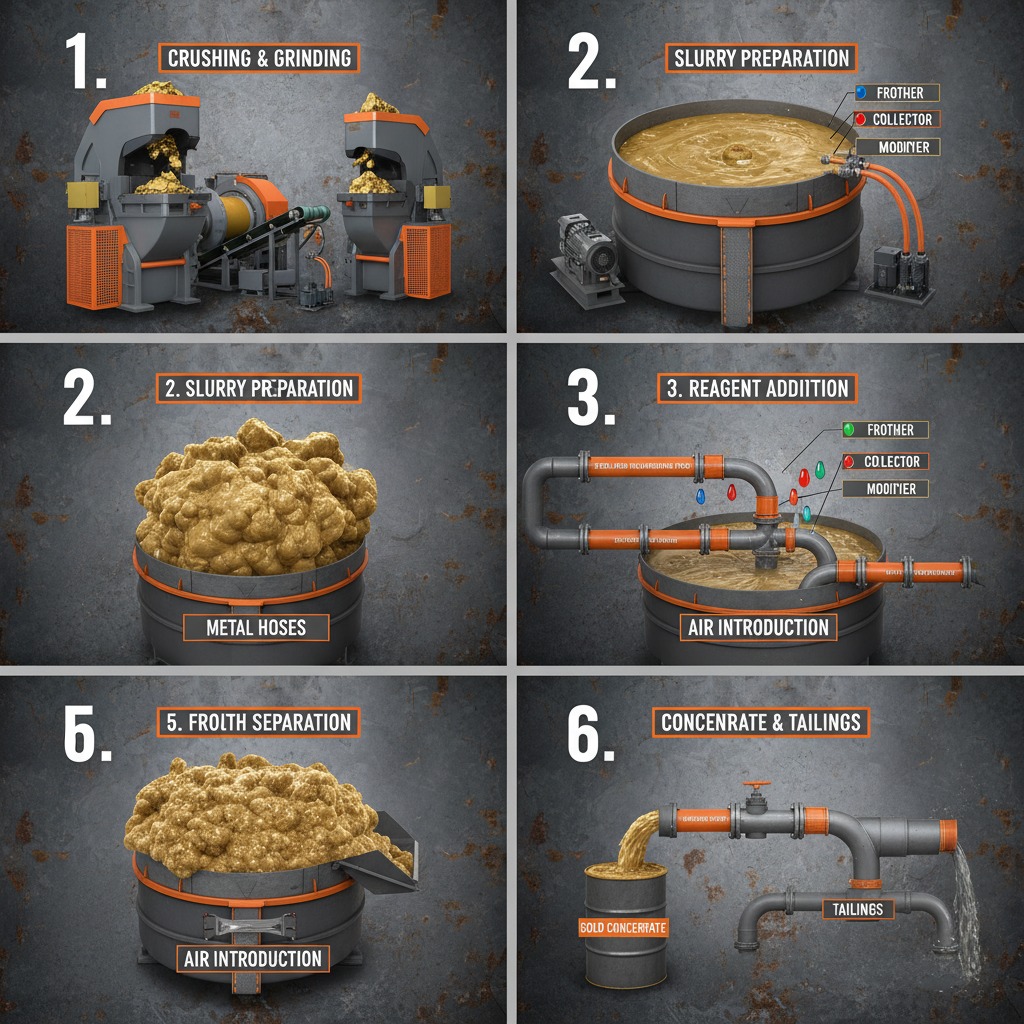
From crushing and grinding to chemical leaching and purification, each step demands careful control to maximize lithium recovery and minimize environmental impacts. Emerging technologies focus on optimizing these processes, reducing water consumption, and minimizing waste generation, contributing to a more sustainable lithium supply chain.
Defining Lithium Ore Processing
Lithium ore processing refers to the series of physical and chemical operations used to extract lithium from its naturally occurring sources. These sources include hard rock minerals like spodumene, petalite, and lepidolite, as well as brine deposits found in salt flats. The primary goal is to convert these raw materials into concentrated lithium compounds, typically lithium carbonate (Li2CO3) or lithium hydroxide (LiOH).
This processing is crucial as it bridges the gap between raw resource availability and the industrial demand for lithium-ion batteries, ceramics, lubricants, and pharmaceuticals. The techniques used significantly influence the cost, environmental footprint, and quality of the final lithium product.
Effective processing lithium ore is no longer simply about extraction; it's about doing so responsibly, minimizing water usage, reducing chemical consumption, and maximizing resource efficiency – all essential elements in a modern, sustainable industrial landscape.
Key Factors in Lithium Ore Processing
Several key factors determine the success and efficiency of lithium ore processing. Firstly, Ore Mineralogy plays a critical role, dictating the most appropriate extraction method. Spodumene requires calcination followed by acid leaching, while brines necessitate evaporation and solvent extraction. Secondly, Water Availability is a major consideration, especially in arid regions where many lithium deposits are located; minimizing water consumption is vital.
Thirdly, Chemical Reagent Selection profoundly impacts both processing costs and environmental sustainability. Utilizing environmentally benign reagents and optimizing their use are crucial. Fourthly, Energy Consumption is a significant factor, as processes like evaporation and calcination are energy-intensive. Investing in energy-efficient technologies is essential for reducing the carbon footprint.
Finally, Waste Management is paramount. Responsible disposal or repurposing of tailings and waste streams is critical to minimize environmental impact and ensure compliance with stringent regulations. Each of these factors interplays, requiring a holistic and integrated approach to achieve optimal results in processing lithium ore.
Global Applications of Lithium Processing
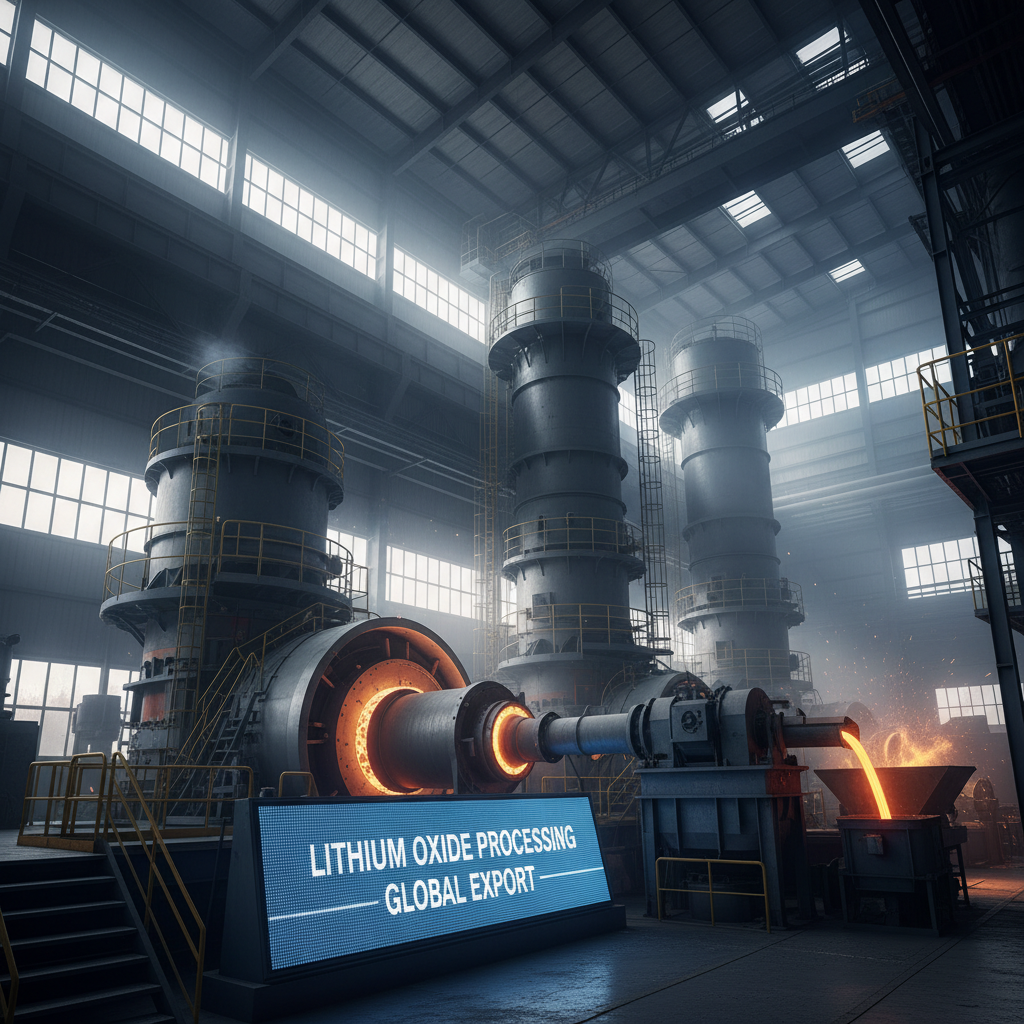
Lithium processing facilities are strategically located near significant lithium deposits worldwide. Australia currently dominates spodumene production and processing, with substantial facilities in Western Australia. The "Lithium Triangle" – encompassing parts of Argentina, Bolivia, and Chile – is a major hub for brine-based lithium production.
China has emerged as a dominant force in lithium refining, processing ores sourced both domestically and internationally into battery-grade lithium chemicals. North America is actively developing domestic lithium processing capabilities, with projects underway in the United States and Canada.
The lithium compounds produced through these processing operations are then supplied to a diverse range of industries, including electric vehicle battery manufacturers, ceramics producers, lubricant formulators, and pharmaceutical companies, creating a global network of interconnected supply chains.
Lithium Processing Method Efficiency Comparison
Advantages of Optimized Processing
Optimized processing lithium ore delivers substantial benefits. Firstly, it reduces operational costs through improved efficiency and reduced reagent consumption. Secondly, it enhances environmental sustainability by minimizing waste generation and water usage.
Thirdly, optimized processing ensures higher product purity, meeting the stringent requirements of battery manufacturers and other demanding applications. This translates to better battery performance and longevity.
Future Trends and Innovations
The future of lithium processing is marked by a wave of innovation. Direct Lithium Extraction (DLE) technologies are gaining prominence, promising faster and more environmentally friendly extraction from brines. Electrochemical methods are also emerging as potential alternatives to traditional chemical leaching.
Artificial intelligence (AI) and machine learning (ML) are being deployed to optimize process control, predict equipment failures, and enhance overall efficiency. Furthermore, advancements in recycling technologies are crucial for creating a circular economy for lithium, reducing reliance on primary production.
Challenges and Solutions in Processing Lithium Ore
Despite advancements, several challenges persist in processing lithium ore. These include the variability in ore composition, the high energy demands of certain processes, and the environmental impact of reagent usage. Addressing these requires innovative solutions.
Developing more selective and environmentally benign reagents, implementing closed-loop water systems, and integrating renewable energy sources are key strategies. Investing in research and development to optimize DLE technologies and improve recycling methods is also crucial.
Collaboration between industry, academia, and government is essential to accelerate the adoption of sustainable and efficient lithium processing technologies and ensure a secure and responsible supply chain.
Analysis of Lithium Processing Techniques
| Processing Method |
Environmental Impact |
Capital Cost (1-10) |
Lithium Recovery Rate (%) |
| Spodumene Calcination & Leaching |
Moderate; acid usage and tailings disposal. |
6 |
80-85 |
| Brine Evaporation |
High water consumption, land use. |
4 |
60-75 |
| Clay Leaching |
Moderate; reagent use and tailings. |
5 |
50-65 |
| Direct Lithium Extraction (DLE) |
Low; reduced water and reagent usage. |
8 |
85-95 |
| Sulfate Process |
Moderate; sulfate waste management. |
7 |
75-80 |
| Electrochemical Methods |
Potentially low; minimal chemical usage. |
9 |
70-90 |
FAQS
The primary environmental concerns include high water consumption, particularly in brine extraction, the generation of chemical waste from leaching processes, land disturbance from mining operations, and the carbon footprint associated with energy-intensive refining steps. Sustainable practices like water recycling, responsible waste management, and utilizing renewable energy sources are crucial for mitigation.
The ore type dictates the optimal processing technique. Spodumene, a hard rock mineral, requires calcination followed by acid leaching. Brines necessitate evaporation and solvent extraction. Clay deposits are typically processed using leaching methods, while newer DLE technologies are being developed for brines and clays. The mineralogy directly influences reagent selection, energy consumption, and overall efficiency.
Direct Lithium Extraction (DLE) is a suite of emerging technologies aimed at extracting lithium directly from brines without relying on traditional evaporation ponds. DLE offers advantages like reduced water consumption, faster processing times, and a smaller environmental footprint. It’s gaining attention due to its potential to address sustainability concerns and unlock lithium resources in previously uneconomic deposits.
Lithium carbonate (Li2CO3) and lithium hydroxide (LiOH) are the two primary lithium compounds used in battery manufacturing. Lithium carbonate is typically used in LFP (Lithium Iron Phosphate) batteries, while lithium hydroxide is preferred for NMC (Nickel Manganese Cobalt) and NCA (Nickel Cobalt Aluminum) chemistries due to its higher energy density. The choice depends on the specific battery application and performance requirements.
Reducing the carbon footprint involves several strategies. Utilizing renewable energy sources to power processing facilities, optimizing energy efficiency in all stages, implementing carbon capture technologies, and promoting responsible sourcing of reagents are key steps. Furthermore, adopting DLE technologies and improving recycling rates contribute significantly to lowering the overall environmental impact.
Recycling is critical for creating a circular economy for lithium and reducing reliance on primary production. Recycling spent lithium-ion batteries recovers valuable materials, including lithium, cobalt, nickel, and manganese. Advancements in recycling technologies aim to improve recovery rates, reduce costs, and minimize environmental impacts, ensuring a sustainable supply of lithium for the future.
Conclusion
In conclusion, efficient and sustainable processing lithium ore is no longer simply an industrial necessity but a critical component of the global transition to a cleaner energy future. From optimizing extraction techniques to minimizing environmental impact and embracing innovative recycling methods, the challenges are significant, but the opportunities are even greater. A holistic approach, encompassing technological advancements, responsible sourcing, and collaborative efforts, is essential for unlocking the full potential of this vital resource.
Looking ahead, continued investment in research and development, coupled with supportive policies and industry standards, will be paramount. By prioritizing sustainability, efficiency, and responsible practices, we can ensure a secure and environmentally sound supply of lithium, powering the future of energy storage and enabling a more sustainable world. Visit our website at www.qwmetal.com to learn more about our solutions.