The beneficiation of bauxite ore is a crucial process in the aluminum industry, transforming raw bauxite into a usable form. Globally, demand for aluminum continues to rise, driven by sectors like construction, transportation, and packaging. This increasing demand necessitates efficient and sustainable beneficiation techniques to ensure a consistent supply of high-quality alumina, the intermediate product in aluminum production. Understanding the nuances of beneficiation is vital for optimizing resource utilization and minimizing environmental impact.
The global bauxite reserves are concentrated in a few key regions, including Australia, Guinea, and Brazil. However, the quality of these reserves varies considerably, with many deposits containing high levels of impurities like silica, iron oxides, and titania. Effective beneficiation processes are therefore essential to remove these impurities and increase the alumina content, making the ore suitable for further processing. The economic viability of aluminum production heavily relies on efficient beneficiation.
The benefits of thoroughly understanding the beneficiation of bauxite ore extend beyond economic considerations. Optimized techniques contribute to reduced energy consumption, lower waste generation, and a smaller environmental footprint. Furthermore, advancements in beneficiation technologies can unlock the potential of previously uneconomical bauxite deposits, expanding resource availability and securing the long-term sustainability of the aluminum industry.
Introduction to Beneficiation of Bauxite Ore
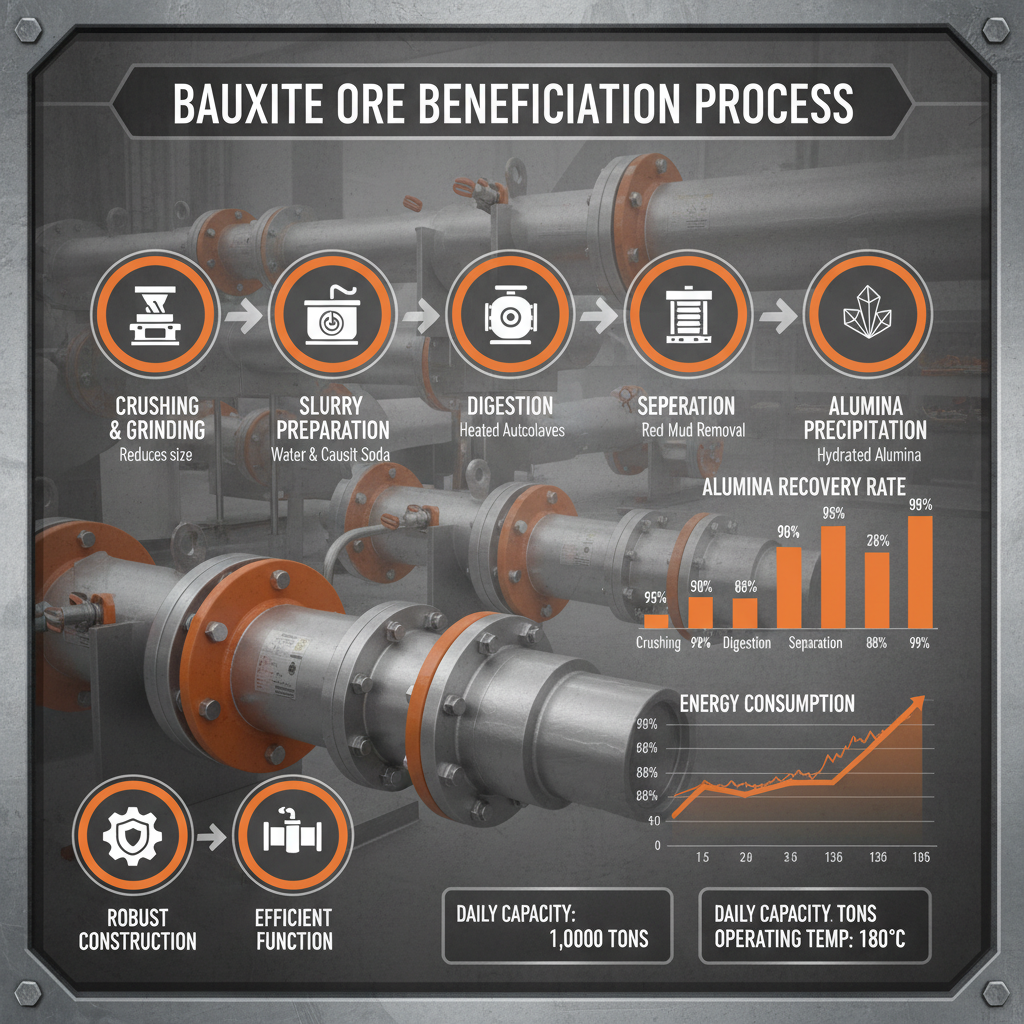
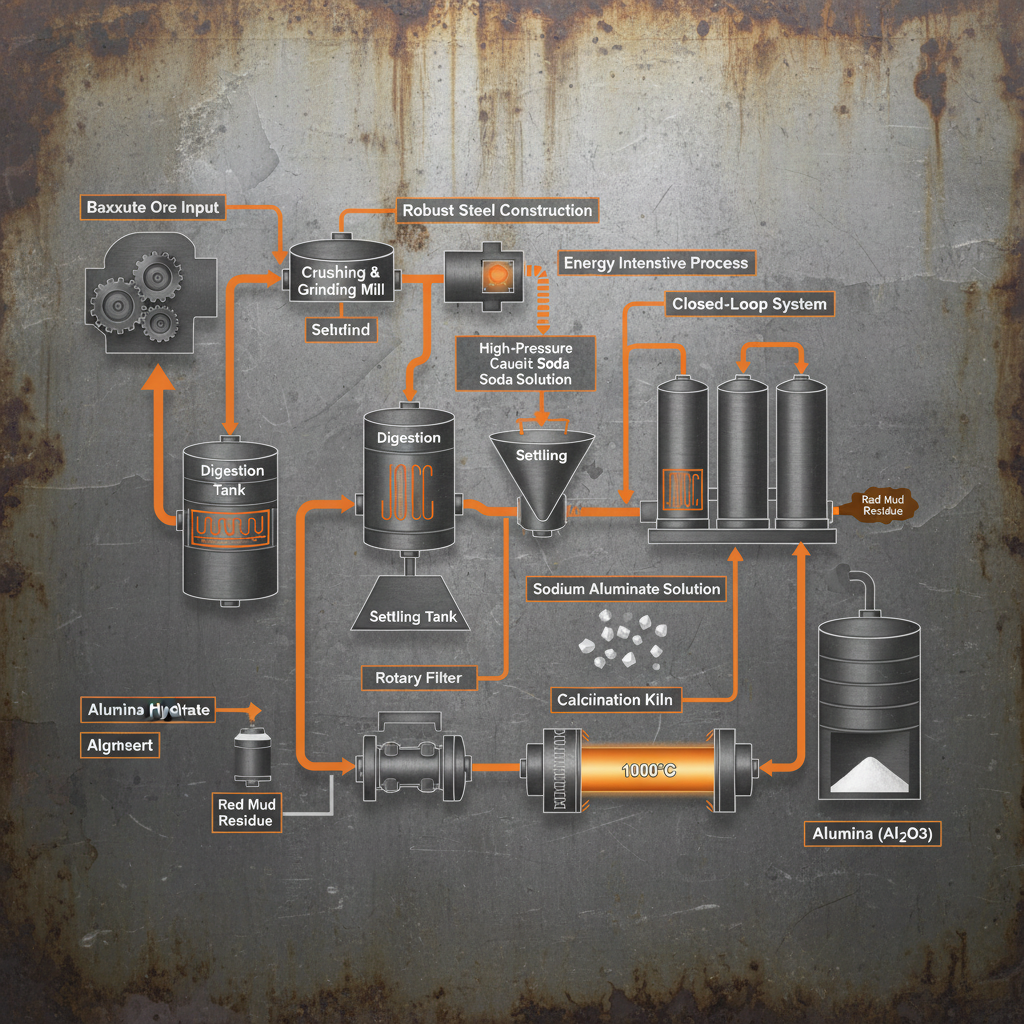
Beneficiation of bauxite ore refers to the processes used to improve the quality of the ore by removing impurities and concentrating the desired aluminum-bearing minerals. This is often a multi-stage process tailored to the specific characteristics of the bauxite deposit. The goal is to produce a feed material suitable for the Bayer process, the primary method for extracting alumina.
The importance of beneficiation extends beyond simply upgrading the ore's alumina content. It directly impacts the efficiency of the Bayer process, reducing chemical consumption and minimizing waste generation. By optimizing the beneficiation stage, aluminum producers can significantly lower their operational costs and environmental footprint, contributing to a more sustainable industry.
Defining Beneficiation of Bauxite Ore
In the context of bauxite, beneficiation of bauxite ore encompasses a range of physical and chemical processes designed to concentrate the aluminum hydroxides (gibbsite, boehmite, and diaspore) while reducing the levels of unwanted minerals like quartz, hematite, and titanium dioxide. This pre-treatment is often critical, as the Bayer process is sensitive to the composition of the feed material.
The connection to modern industry is direct. Aluminum, derived from alumina produced through the Bayer process after beneficiation, is a foundational material for countless applications. From aerospace and automotive industries to packaging and construction, aluminum's lightweight, corrosion-resistant properties make it indispensable. The efficient beneficiation of bauxite ore directly supports these vital sectors.
Furthermore, beneficiation plays a role in mitigating the environmental impact of aluminum production. Reducing the amount of waste generated during the Bayer process, through pre-treatment of the bauxite, minimizes the need for costly and potentially harmful waste disposal practices, aligning with principles of sustainable development and responsible resource management.
Core Components of Bauxite Ore Beneficiation
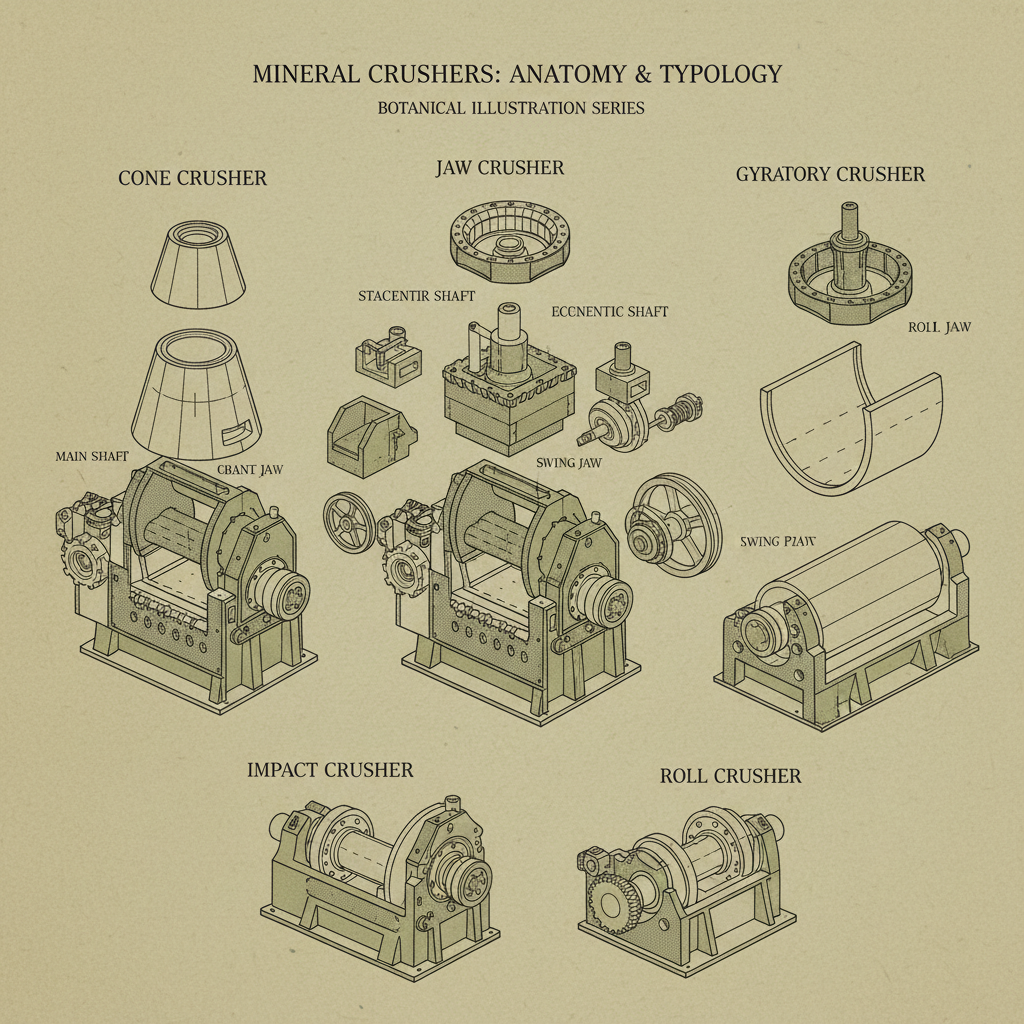
Several key factors influence the effectiveness of bauxite ore beneficiation. Firstly, Mineral Liberation is paramount. This refers to the degree to which valuable aluminum minerals are physically separated from the gangue (unwanted minerals). Achieving optimal liberation often requires crushing and grinding stages tailored to the ore’s texture.
Secondly, Gravity Separation is a widely used technique, exploiting the density differences between aluminum minerals and impurities. Methods like dense medium separation and spirals are commonly employed to concentrate the heavier aluminum-bearing phases. The efficacy of this method is determined by the difference in specific gravity between the valuable and unwanted minerals.
Thirdly, Magnetic Separation can effectively remove iron-bearing impurities like hematite and magnetite, improving the alumina content and reducing iron oxide levels in the Bayer process feed. Finally, Classification through screening and hydrocyclones helps segregate particles based on size, optimizing subsequent beneficiation stages and ensuring consistent feed quality.
Global Applications of Beneficiation Processes
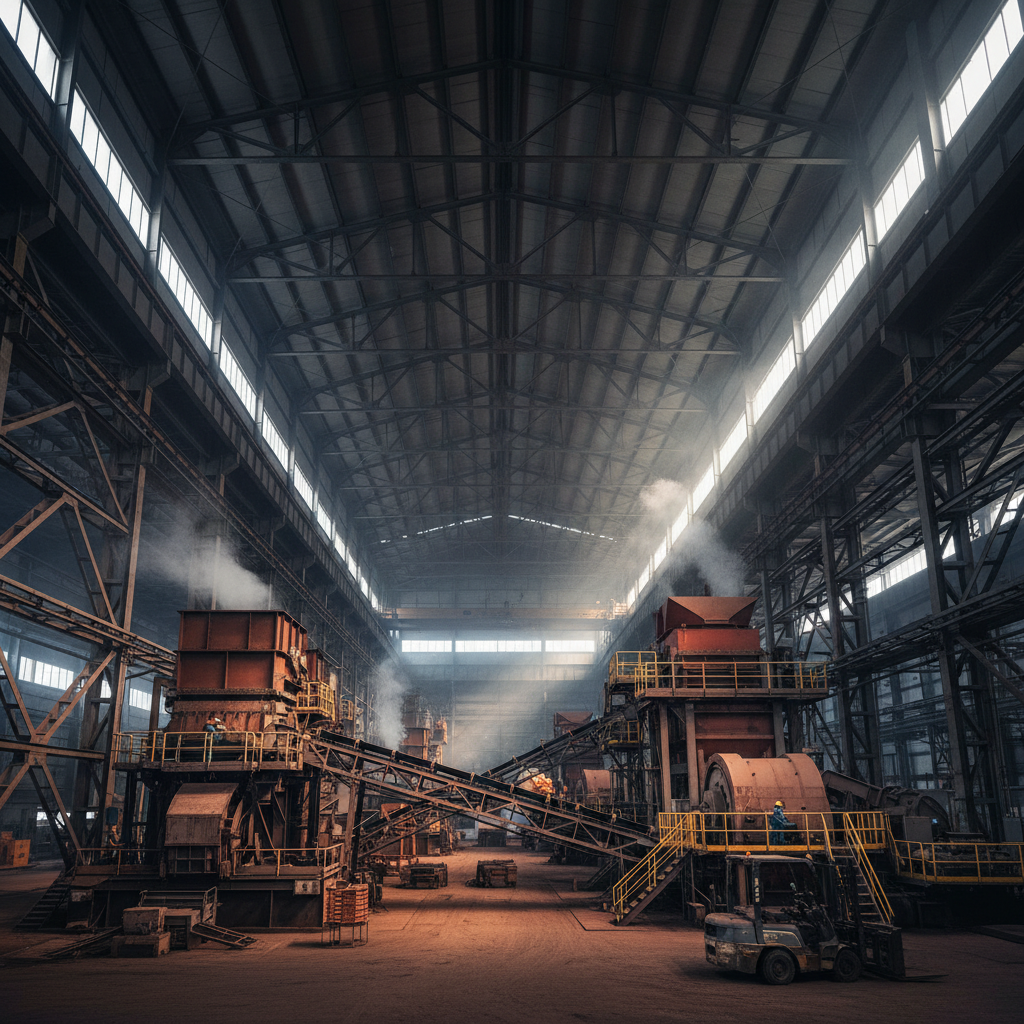
Beneficiation of bauxite ore is practiced globally wherever bauxite is mined and processed. Australia, the world’s largest bauxite producer, employs sophisticated beneficiation techniques to upgrade its high-quality ores. Guinea, a rapidly growing bauxite producer, utilizes beneficiation to process ores with higher levels of silica.
In Brazil, beneficiation processes are critical for dealing with the complex mineralogy of its bauxite deposits. These processes range from simple crushing and screening to more advanced techniques like high-intensity magnetic separation and froth flotation. The choice of method depends on the specific ore characteristics and desired alumina grade.
Across Southeast Asia, particularly in Indonesia and Vietnam, beneficiation plants are being established to support the expanding aluminum industries in the region. These facilities are often tailored to the local ore types and environmental regulations, demonstrating the adaptability of beneficiation technologies.
Comparative Efficiency of Beneficiation of Bauxite Ore Methods
Advantages and Long-Term Value
The advantages of effective beneficiation of bauxite ore are manifold. Firstly, cost reduction is a significant benefit. By increasing the alumina content of the feed, the amount of chemicals required in the Bayer process is reduced, leading to lower operational expenses. Secondly, sustainability is enhanced through reduced waste generation and more efficient resource utilization.
Furthermore, beneficiation contributes to social responsibility by allowing the economic development of regions with lower-grade bauxite deposits, providing employment opportunities and fostering local economic growth. Finally, it provides reliability to the aluminium supply chain through optimizing resource utilization, assuring continuous availability of alumina for downstream industries.
Future Trends & Innovations in Bauxite Beneficiation
Several trends are shaping the future of beneficiation of bauxite ore. The increasing focus on sustainability is driving research into more environmentally friendly beneficiation techniques, such as dry beneficiation methods that minimize water consumption and waste generation. Automation and digital technologies are also being integrated into beneficiation plants to improve process control and optimize performance.
The development of advanced sensor-based sorting systems, leveraging technologies like X-ray fluorescence (XRF) and hyperspectral imaging, allows for more precise separation of aluminum minerals from impurities. Furthermore, the integration of artificial intelligence (AI) and machine learning (ML) algorithms is enabling predictive maintenance and optimized process parameters, leading to improved efficiency and reduced downtime.
Challenges and Solutions in Bauxite Ore Processing
Despite advancements, the beneficiation of bauxite ore faces several challenges. Complex ore mineralogy, particularly the presence of fine-grained and intergrown minerals, can hinder effective liberation and separation. High silica content in some bauxite deposits poses a significant processing challenge, as silica forms a solid residue (red mud) that requires careful management.
To overcome these challenges, innovative solutions are being developed. These include advanced comminution techniques, such as high-pressure grinding rolls (HPGR), to improve mineral liberation. Furthermore, research is focused on finding alternative uses for red mud, such as in cement production and soil remediation, to reduce its environmental impact.
The integration of advanced process control systems and the use of data analytics are also helping to optimize beneficiation processes and improve overall efficiency, paving the way for a more sustainable and resilient bauxite industry.
A Comparative Analysis of Common Bauxite Beneficiation Challenges and Potential Solutions
| Challenge Category |
Specific Challenge |
Impact on Beneficiation |
Potential Solution |
| Mineralogical |
Fine Grain Size |
Reduced Liberation Efficiency |
HPGR and Advanced Grinding Circuits |
| Chemical |
High Silica Content |
Increased Red Mud Generation |
Flotation and Chemical Precipitation |
| Operational |
Process Control Instability |
Fluctuating Alumina Recovery |
Advanced Process Control Systems & AI |
| Environmental |
Red Mud Disposal |
Environmental Concerns & Land Use |
Red Mud Utilization in Construction |
| Economic |
High Energy Consumption |
Increased Operational Costs |
Energy Efficient Equipment & Optimization |
| Technological |
Limited Sensor Technology |
Suboptimal Mineral Separation |
XRF and Hyperspectral Imaging Systems |
FAQS
The primary goal of beneficiation is to increase the concentration of aluminum-bearing minerals (gibbsite, boehmite, and diaspore) in the bauxite ore while reducing the levels of undesirable impurities like silica, iron oxides, and titania. This ensures the ore is suitable for efficient alumina extraction in the Bayer process, reducing chemical consumption and waste.
The mineralogy of bauxite – the types and textures of minerals present – directly dictates the appropriate beneficiation methods. For example, ores with fine-grained minerals might require advanced grinding techniques like HPGR, while those with significant iron oxide content benefit from magnetic separation. Understanding the ore's composition is crucial for optimal process design.
Red mud, a byproduct of the Bayer process after bauxite beneficiation, poses environmental challenges due to its alkalinity and potential for heavy metal contamination. Current efforts focus on finding alternative uses for red mud, such as in cement production, soil remediation, and construction materials, to minimize its disposal volume and environmental impact.
Automation and Artificial Intelligence are revolutionizing bauxite beneficiation. Automation improves process control and efficiency, while AI and machine learning algorithms enable predictive maintenance, optimized process parameters, and real-time monitoring. These technologies reduce downtime, improve product quality, and minimize operational costs.
Dry beneficiation techniques, unlike wet methods, minimize water consumption and eliminate the generation of large volumes of wastewater, contributing significantly to sustainable processing. These methods often involve air classification, magnetic separation, and electrostatic separation, reducing the environmental footprint of bauxite beneficiation.
Research into red mud utilization is ongoing and focuses on developing innovative applications in various industries. Promising avenues include using red mud as a raw material for geopolymers, as a component in road construction, and as a soil amendment for agricultural purposes. Continued research is critical for unlocking the full potential of red mud and mitigating its environmental impact.
Conclusion
In conclusion, the beneficiation of bauxite ore is a critical process in the aluminum supply chain, influencing both the economic viability and environmental sustainability of the industry. By understanding the core components of beneficiation – from mineral liberation to advanced separation techniques – and addressing the associated challenges, we can unlock the full potential of bauxite resources and ensure a reliable supply of alumina for future generations.
Looking ahead, continued innovation in beneficiation technologies, alongside a commitment to responsible resource management and circular economy principles, will be essential. Investing in research and development, embracing digital transformation, and fostering collaboration between industry, academia, and government will drive the development of more efficient, sustainable, and environmentally friendly beneficiation processes. Visit our website at www.qwmetal.com to learn more about our expertise in bauxite ore beneficiation.