Finding the Right Chemical Tank Suppliers for Safe and Efficient Storage
Finding Reliable Chemical Tank Suppliers
When dealing with the storage and transportation of chemicals, selecting the right chemical tank supplier is paramount. The integrity of the tank directly impacts safety, regulatory compliance, and operational efficiency. This article provides a comprehensive guide to identifying trustworthy suppliers, understanding tank types, and navigating the key considerations for procuring chemical storage solutions. Choosing a reliable partner like QW Metal is crucial for long-term success. We will explore the factors that differentiate leading suppliers and how to ensure you receive a quality product tailored to your specific needs.
Understanding Chemical Tank Types
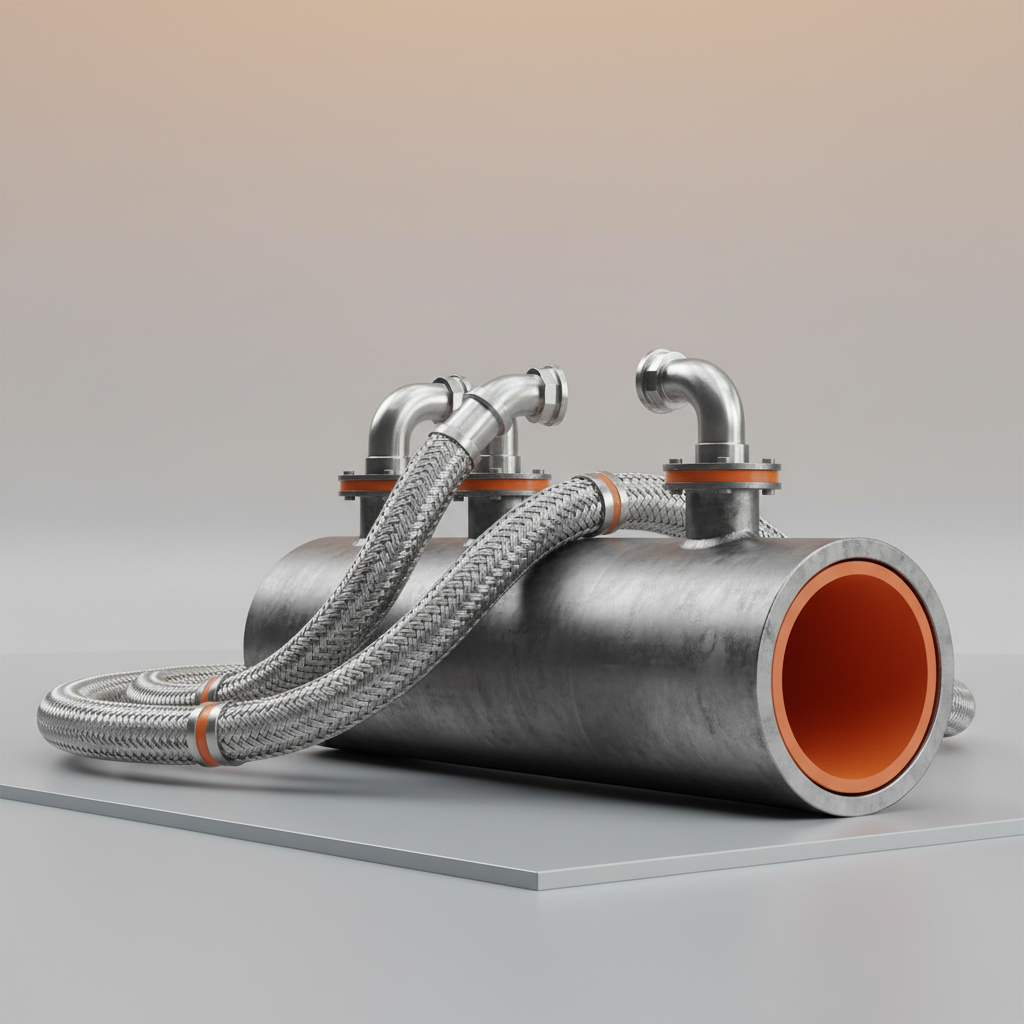
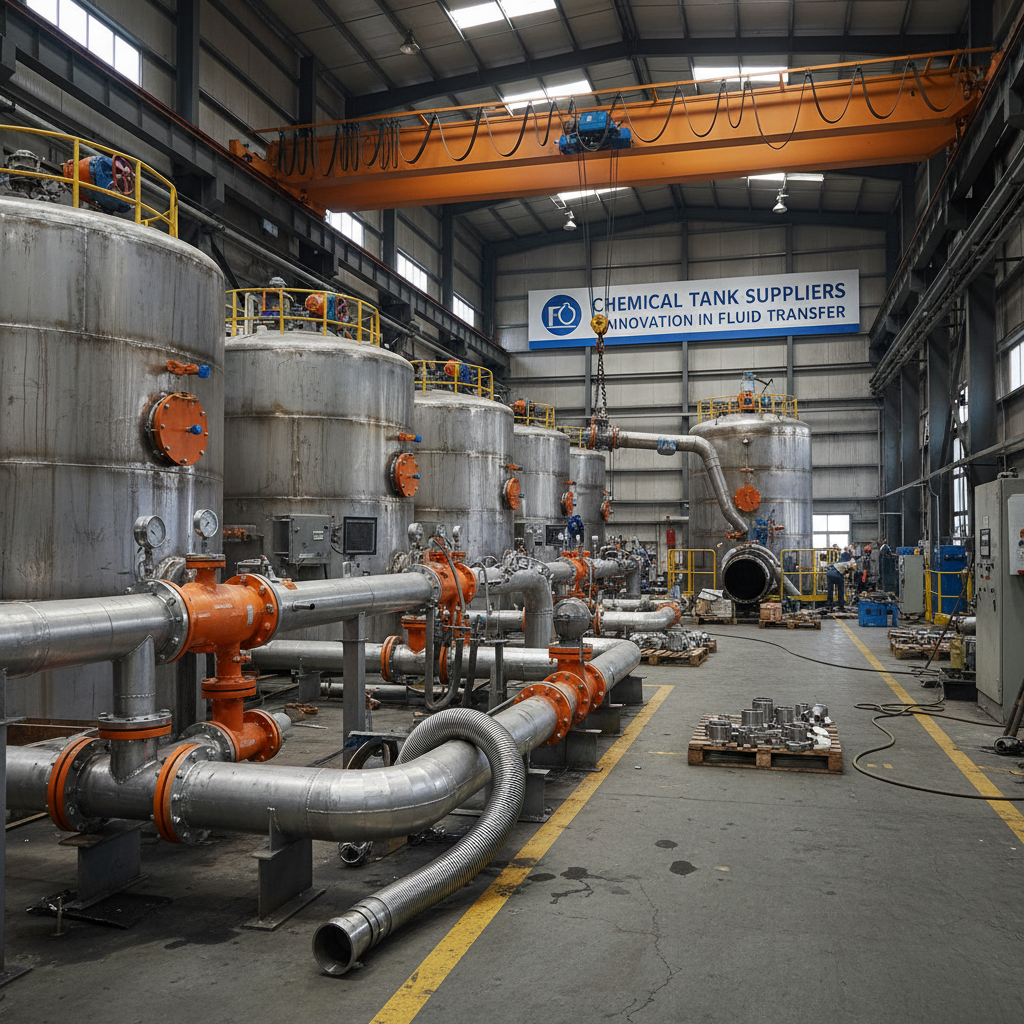
Chemical tanks come in a variety of materials, each suited for different chemical compatibilities and applications. Polyethylene tanks are popular for their corrosion resistance and cost-effectiveness, ideal for storing a range of acids and bases. Stainless steel tanks offer superior strength and durability, often chosen for highly corrosive chemicals and demanding environments. Fiberglass tanks provide a lightweight, corrosion-resistant option suitable for many applications. A competent chemical tank supplier should offer a diverse selection and provide expert guidance on material selection based on the chemicals being stored. Beyond material, tank configurations—vertical, horizontal, open-top, closed-top—influence storage space and operational efficiency. QW Metal specializes in custom fabrication to meet specific requirements.
Key Takeaway: Selecting the appropriate tank material and configuration is critical for ensuring chemical compatibility, safety, and longevity.
Key Criteria for Choosing Chemical Tank Suppliers
Evaluating potential chemical tank suppliers requires a thorough assessment of their capabilities and credentials. Look for suppliers with a proven track record of quality manufacturing, adherence to industry standards (like ASTM and ASME), and robust quality control procedures. Certifications demonstrate commitment to safety and reliability. Equally important is the supplier's ability to provide engineering support, custom fabrication, and timely delivery. Consider their responsiveness to inquiries and their willingness to offer technical advice. A supplier who prioritizes customer service and builds long-term relationships is a valuable asset. Don't hesitate to request references and site visits to assess their facilities and processes.
Essential Supplier Qualities:
• Certified Manufacturing Processes
• Adherence to Industry Standards (ASTM, ASME)
• Engineering Support and Customization
• Responsive Customer Service
Comparing Material Options: A Detailed Look
The choice of tank material significantly impacts cost, durability, and chemical compatibility. Here's a comparative overview to help you make an informed decision. Choosing a knowledgeable chemical tank supplier is essential, as they can provide tailored recommendations based on your specific needs.
Regulatory Compliance and Safety Considerations
Storing chemicals demands strict adherence to local, state, and federal regulations. A reputable chemical tank supplier will be well-versed in these requirements and can provide tanks designed to meet or exceed them. This includes considerations for secondary containment, venting, and spill control. Furthermore, they should offer documentation supporting material traceability and compliance with relevant standards. Prioritizing safety is non-negotiable when handling hazardous materials. Working with a supplier committed to responsible manufacturing and quality assurance is paramount.
Finding the Right Chemical Tank Supplier: QW Metal
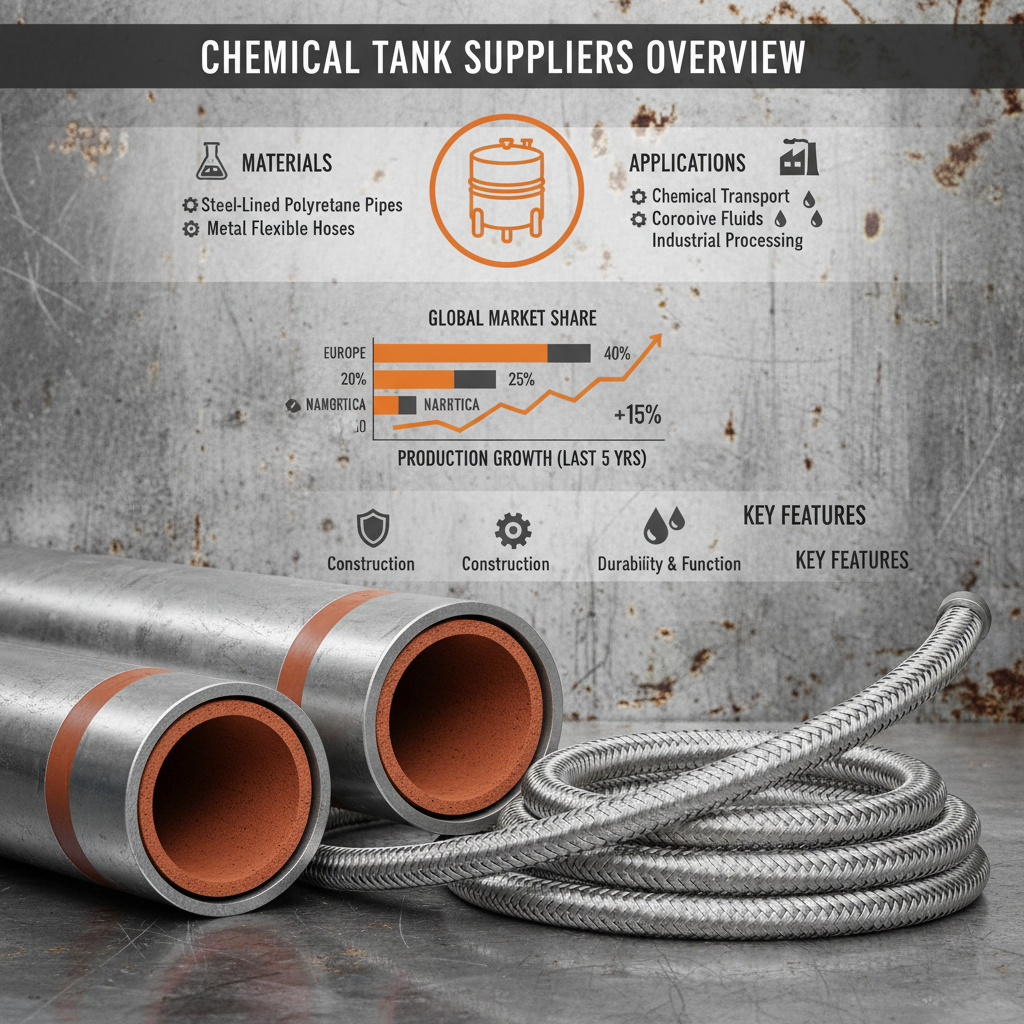
QW Metal offers a comprehensive range of chemical storage solutions, from standard tanks to custom-fabricated designs. We specialize in stainless steel tanks renowned for their durability and chemical resistance. Our team of experienced engineers provides expert guidance on material selection and tank configuration, ensuring your storage solution meets your specific needs and regulatory requirements. We prioritize quality, safety, and customer satisfaction, making us a trusted partner for businesses across various industries. We also offer complete solutions for secondary containment and other safety systems.
Conclusion: Partnering for Safe and Reliable Chemical Storage
Selecting the right chemical tank supplier is a critical decision with long-term implications. By prioritizing quality, compliance, and expert guidance, you can ensure the safe and efficient storage of your valuable chemicals. QW Metal is dedicated to providing innovative and reliable solutions tailored to your unique requirements. Contact us today to discuss your chemical storage needs.
Frequently Asked Questions (FAQs)
What factors affect the cost of a chemical storage tank?
Several factors influence the price of a chemical tank, including the material of construction (polyethylene, stainless steel, fiberglass), tank size and capacity, the complexity of the design (e.g., custom fabrication), and any additional features like secondary containment or specialized fittings. Shipping costs and lead times can also impact the overall expense. A reliable chemical tank supplier will provide a detailed quote outlining all associated costs.
What is secondary containment, and is it required?
Secondary containment refers to a protective barrier surrounding the primary storage tank designed to contain spills or leaks. Regulations often require secondary containment for tanks storing hazardous chemicals to prevent environmental contamination. The type of containment required depends on the volume and hazard level of the stored chemical. A reputable supplier can advise on appropriate containment solutions.
How do I determine the appropriate material for my chemical tank?
Determining the right material requires careful consideration of the chemicals being stored. You must assess the chemical compatibility, corrosion potential, and temperature range. Polyethylene is suitable for many acids and bases, while stainless steel is ideal for highly corrosive substances. Consulting with a knowledgeable chemical tank supplier like QW Metal is crucial for selecting the optimal material.
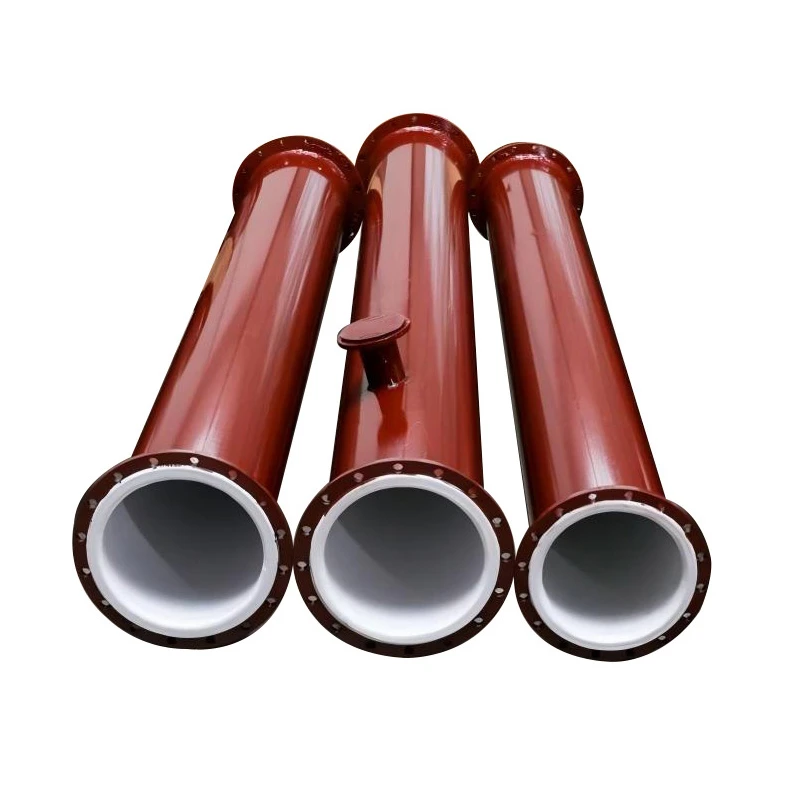
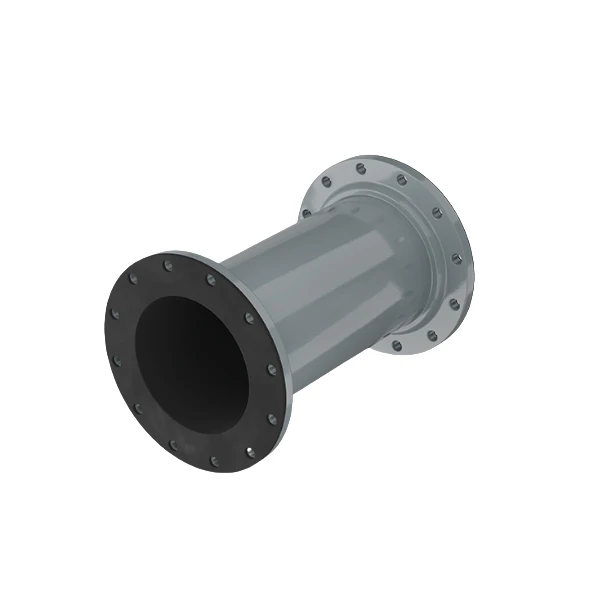
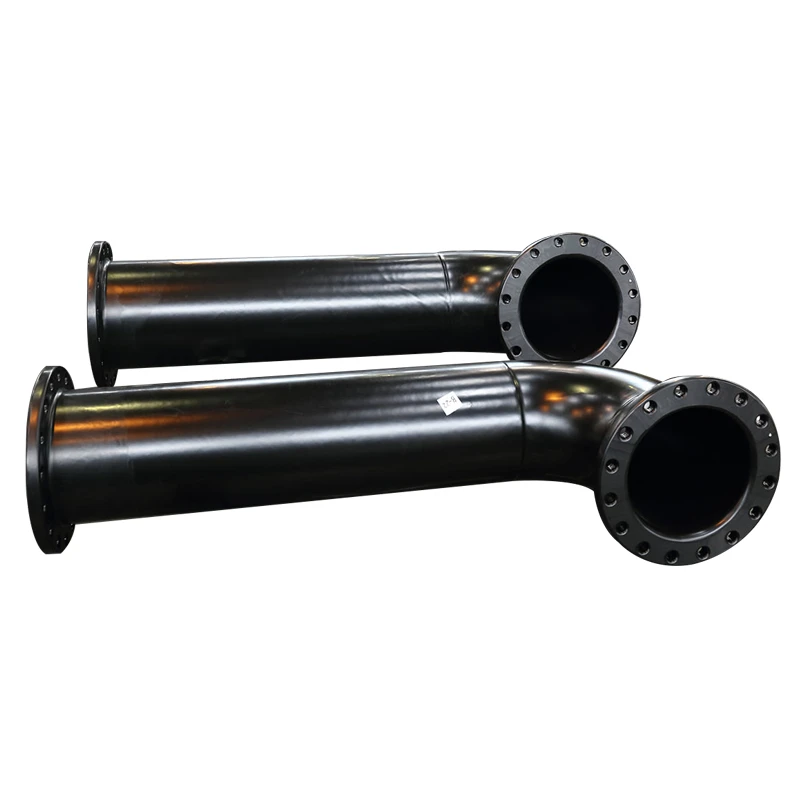
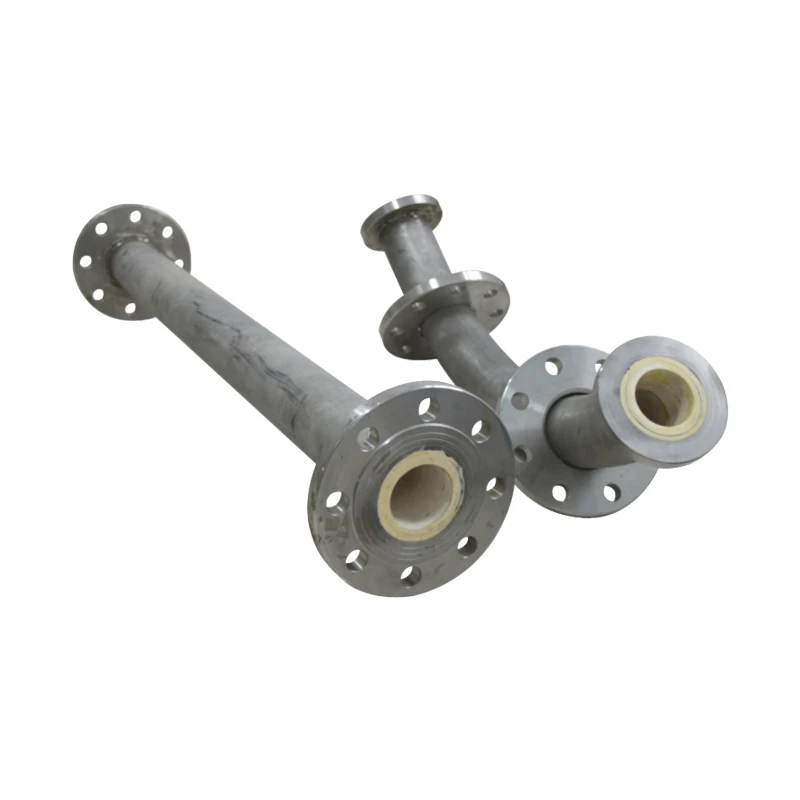
Related Products
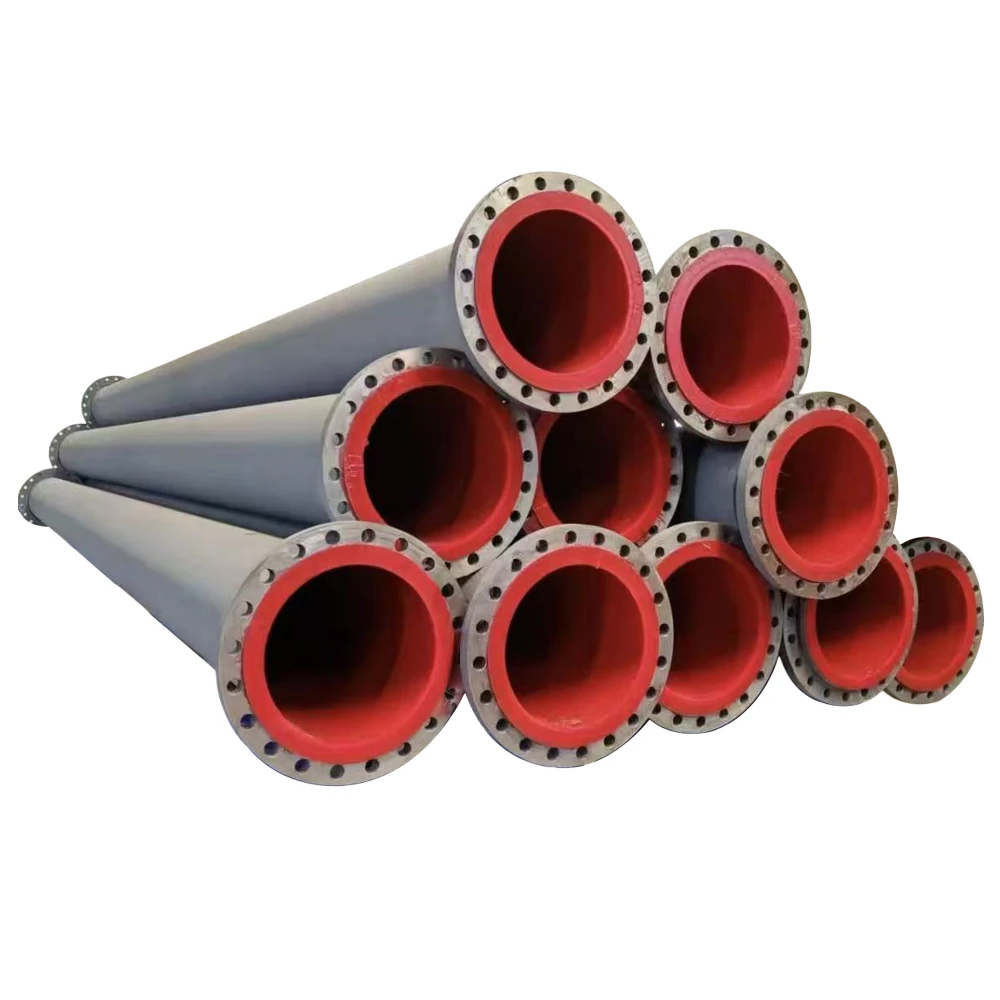
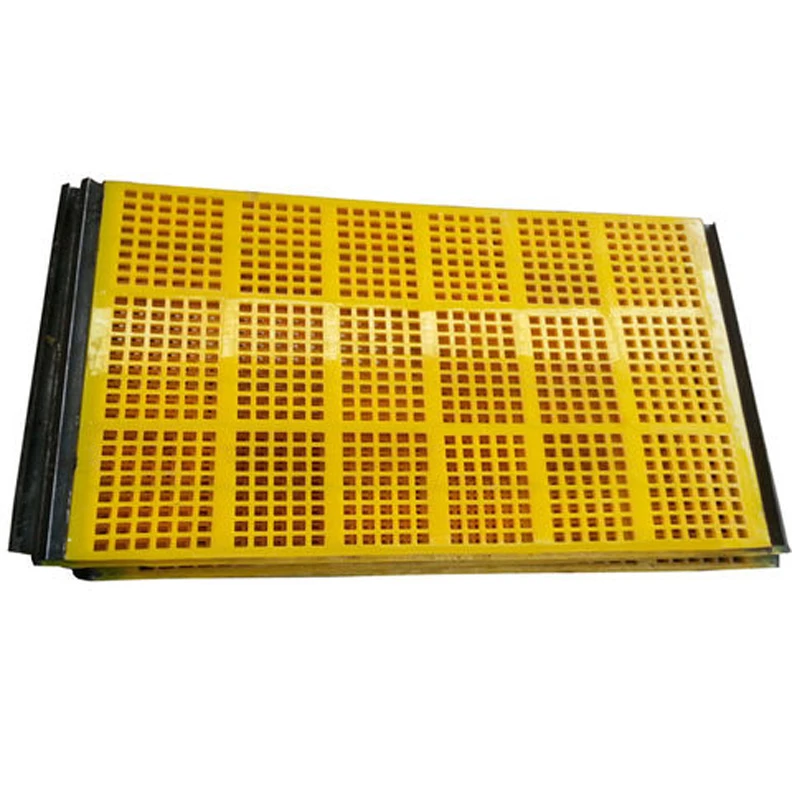
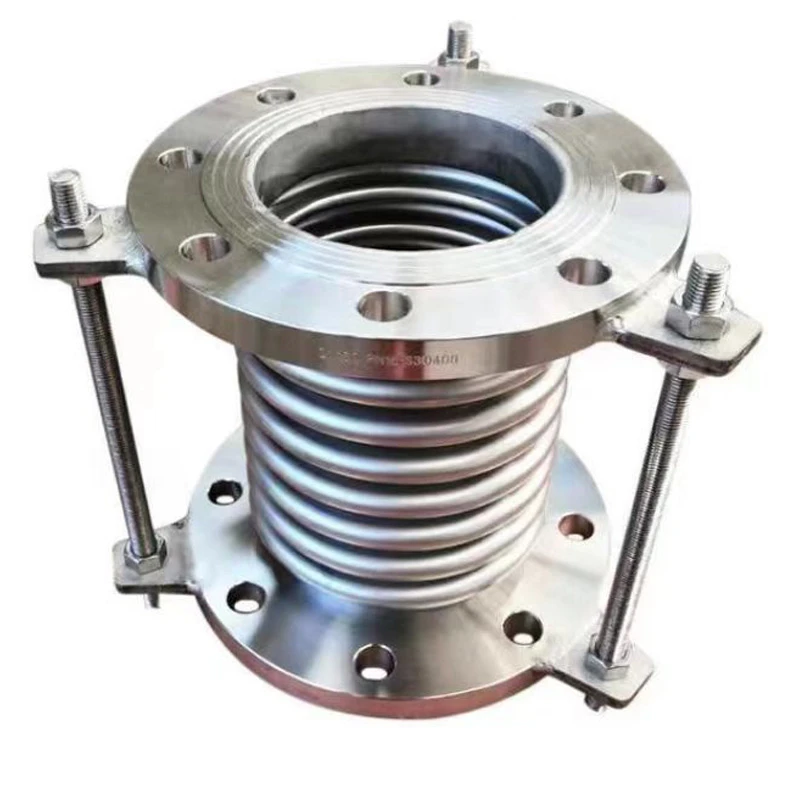
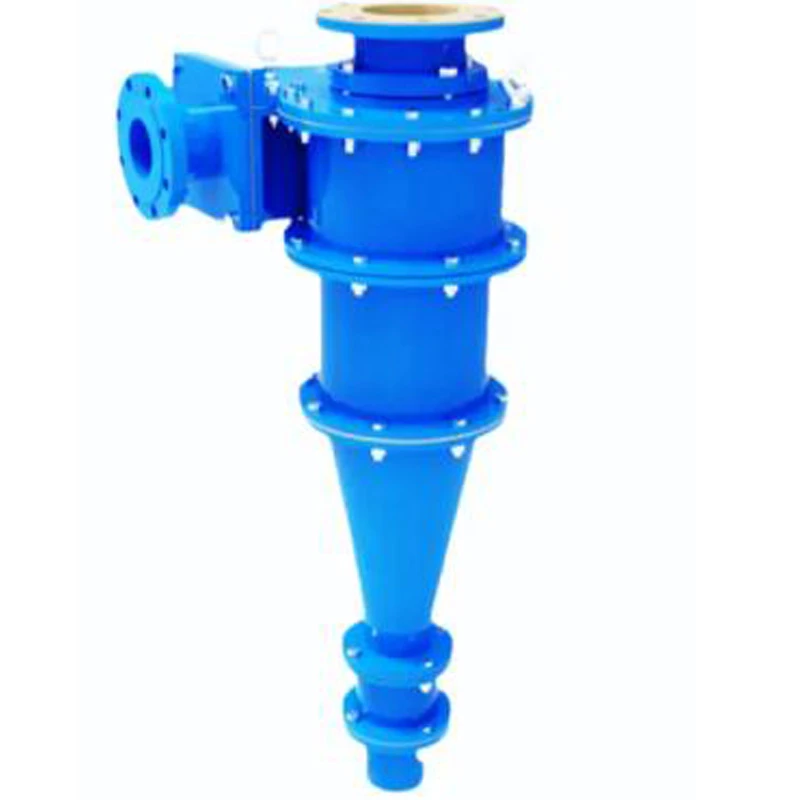
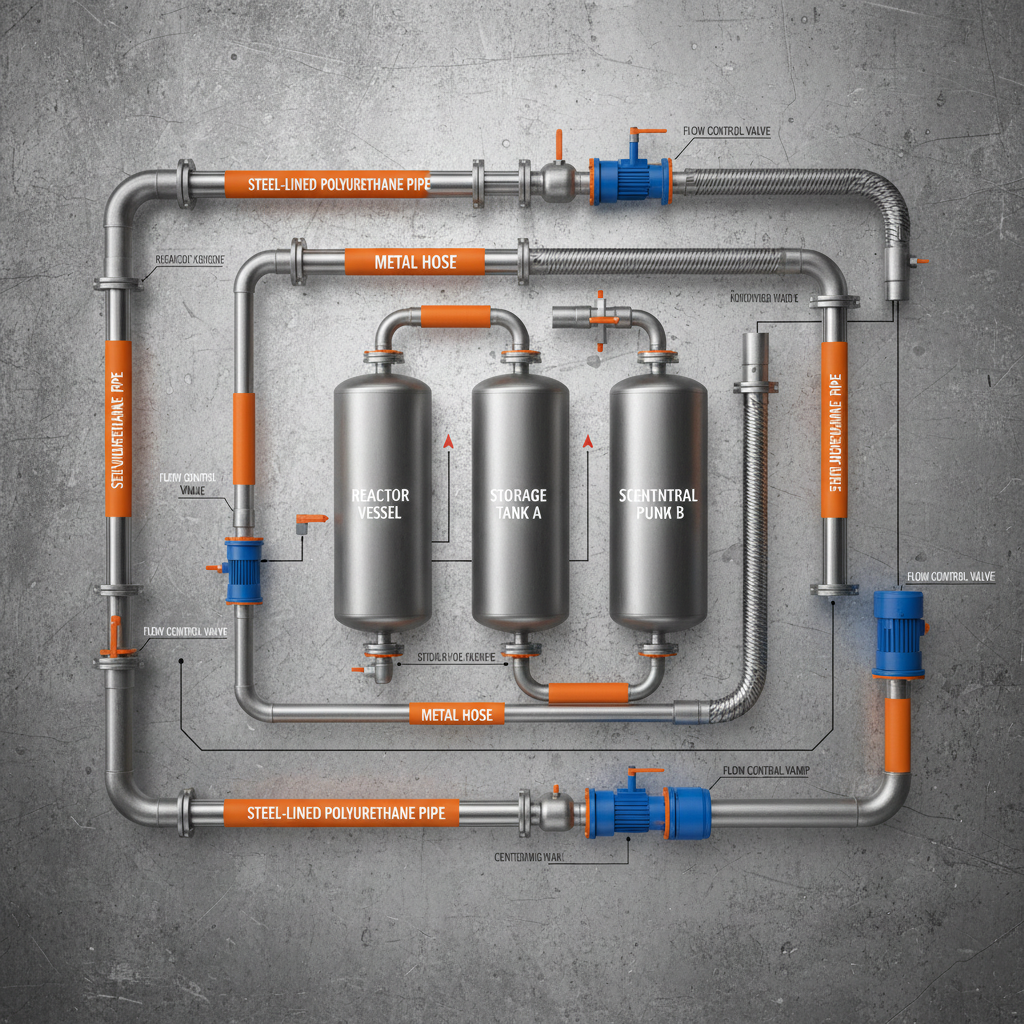
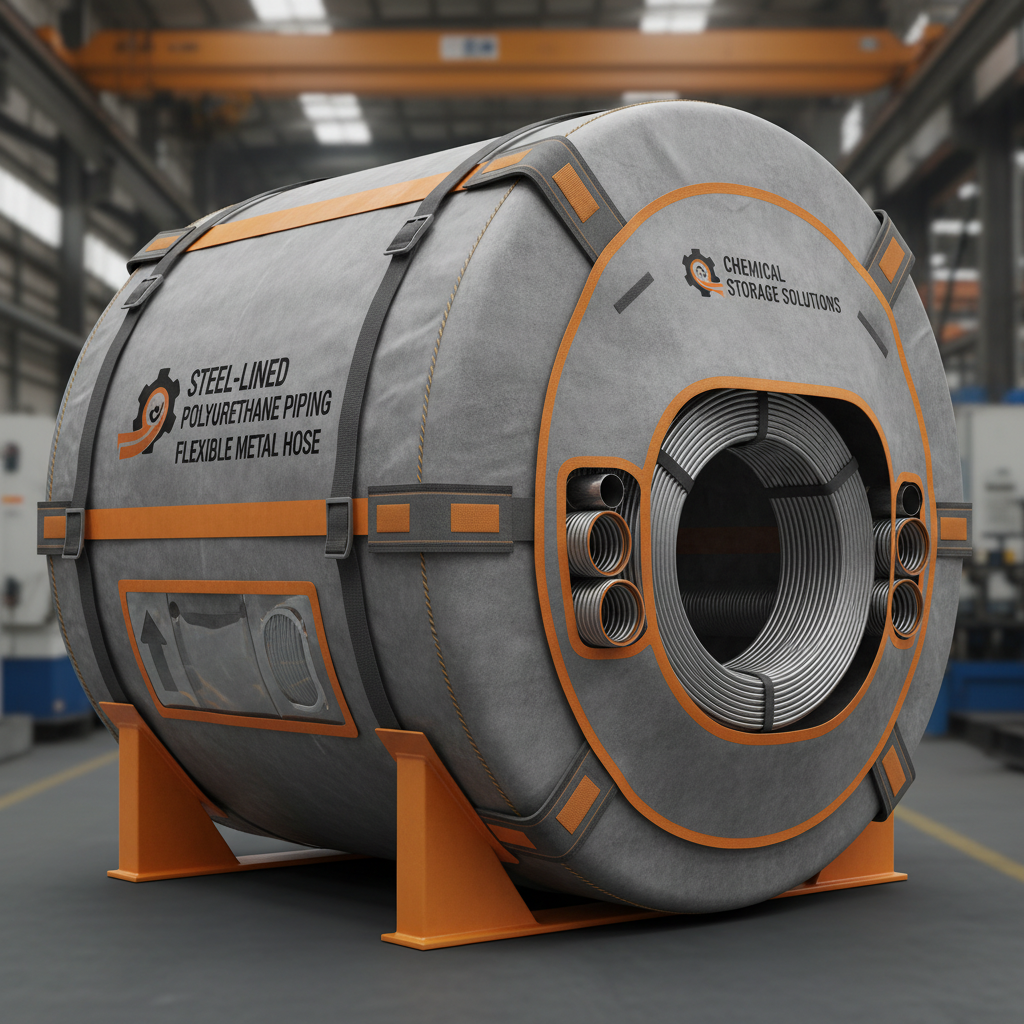
Our main products are polyurethane lined pipes, mining equipment fittings and metal hoses.