Choosing The Right Chemical Tanks For Safe And Efficient Storage
Choosing the Right Chemical Tanks for Your Industry
Selecting the appropriate chemical tanks is crucial for the safe and efficient storage of various liquids in industries ranging from chemical processing to wastewater treatment. The right tank material, size, and features are critical to prevent leaks, corrosion, and environmental hazards. This article provides a comprehensive guide to understanding the different types of chemical tanks, their applications, and key considerations for making the best choice for your specific needs. Investing in quality chemical tanks ensures operational safety and regulatory compliance.
Types of Chemical Tanks: A Detailed Overview
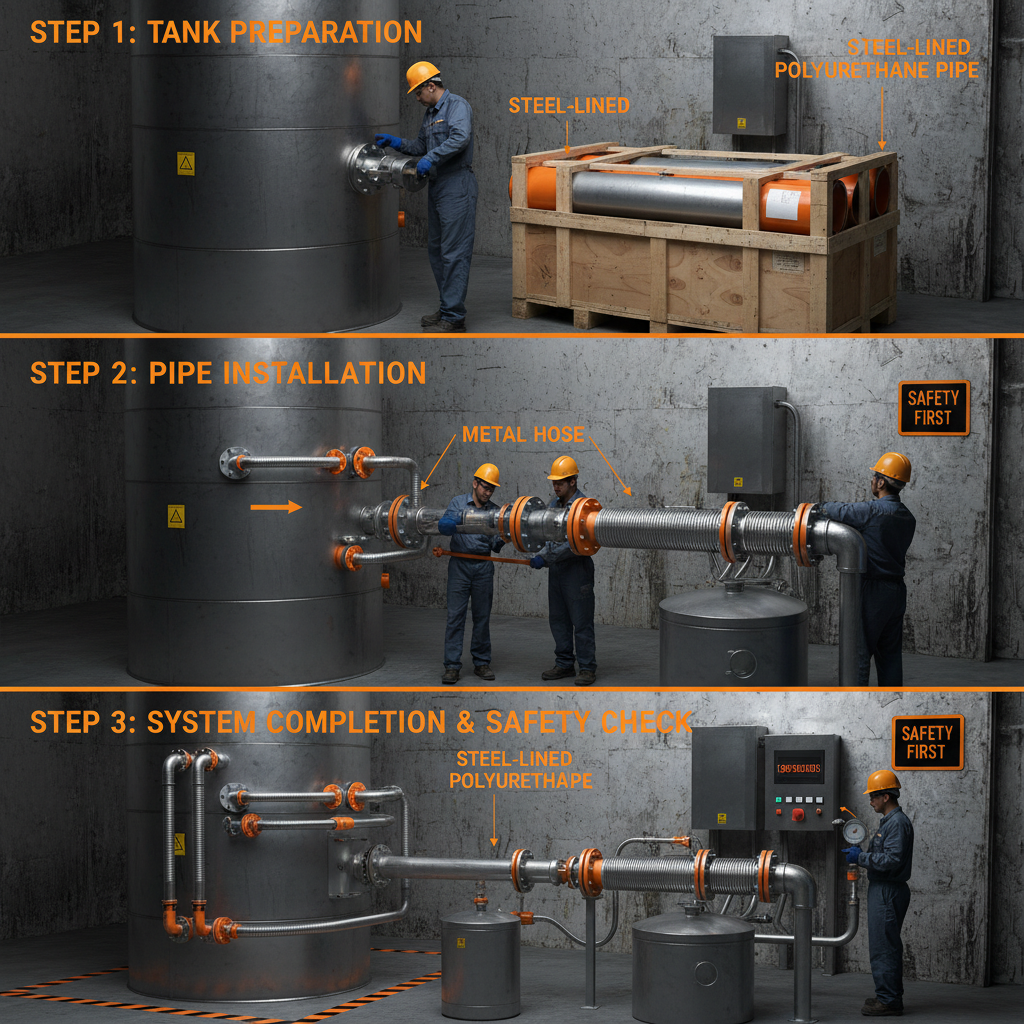
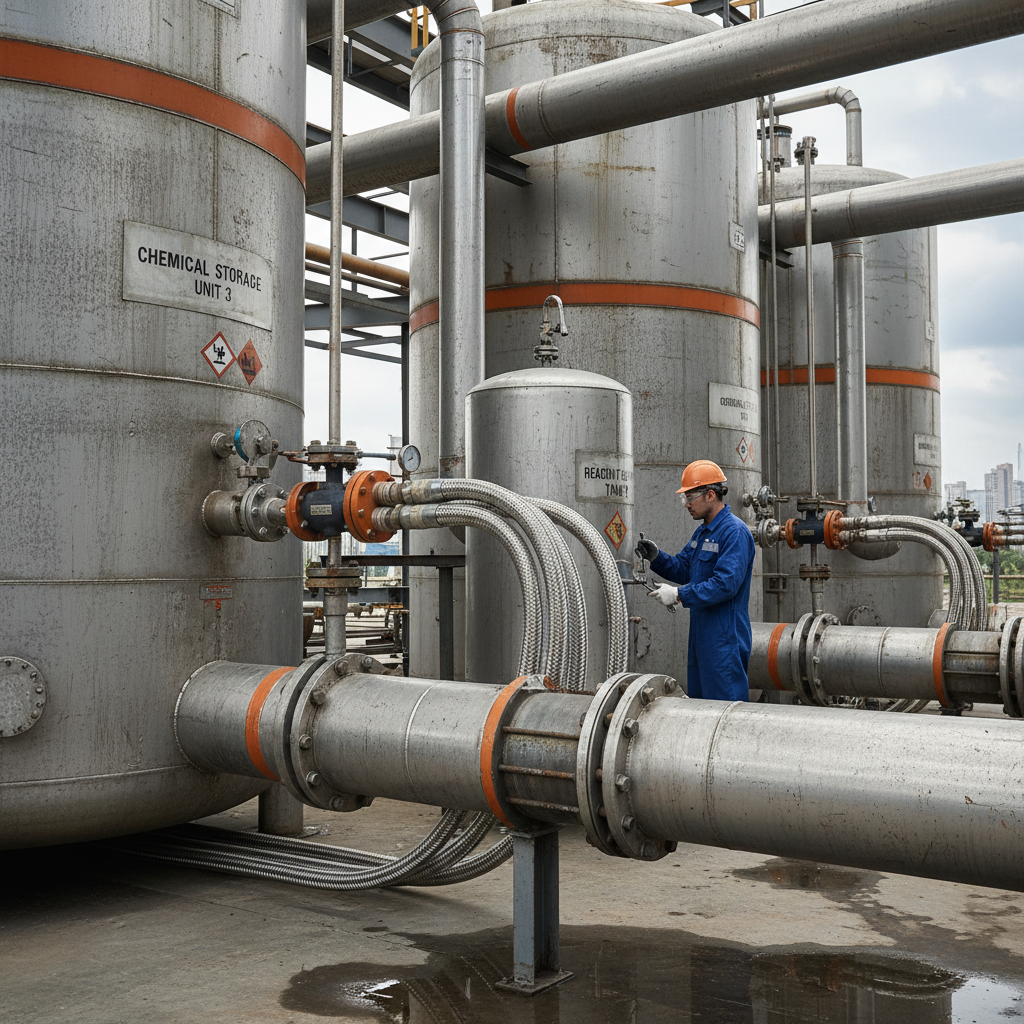
Chemical tanks are manufactured from a variety of materials, each offering unique benefits and limitations. Common materials include polyethylene, polypropylene, fiberglass reinforced plastic (FRP), and stainless steel. Polyethylene and polypropylene tanks are ideal for storing a wide range of corrosive chemicals due to their excellent chemical resistance and cost-effectiveness. FRP tanks are lightweight and highly durable, making them suitable for larger volumes and harsh environments. Stainless steel tanks are renowned for their strength, longevity, and compatibility with high-purity chemicals.
Key Considerations: The choice of material depends on the specific chemical being stored, the desired lifespan of the tank, and the budget constraints. Compatibility charts and expert consultation are essential.
Polyethylene Chemical Tanks: Versatility and Cost-Effectiveness
Polyethylene (PE) chemical tanks are popular for their resistance to a broad spectrum of acids, bases, and solvents. They are available in various densities (HDPE, LDPE, etc.) to suit different chemical compatibility requirements. PE tanks are relatively lightweight, easy to install, and offer excellent value for money. They are commonly used in agricultural, chemical processing, and water treatment applications. However, PE tanks may not be suitable for extremely high temperatures or prolonged exposure to strong oxidizing agents. QW Metal offers a range of PE tanks designed for specific chemical storage needs.
Polyethylene Tank Benefits:
• Excellent chemical resistance
• Lightweight and durable
• Cost-effective
• Easy to install and maintain
Comparing Chemical Tank Materials: A Head-to-Head Analysis
Choosing the right material for your chemical tank is paramount. The following table provides a comparison of the key properties of common chemical tank materials:
Key Features to Consider When Selecting Chemical Tanks
Beyond the material, several other features are critical when choosing chemical tanks. These include tank size and capacity, fitting types (flanged, threaded, etc.), ventilation systems, level indicators, and secondary containment options. Consider the specific gravity of the chemical being stored, as this impacts the tank's load-bearing capacity. Ensure that the tank is equipped with appropriate safety features, such as pressure relief valves and emergency vents. QW Metal offers custom tank solutions tailored to your precise requirements.
Ensuring Compliance and Safety with Chemical Tank Storage
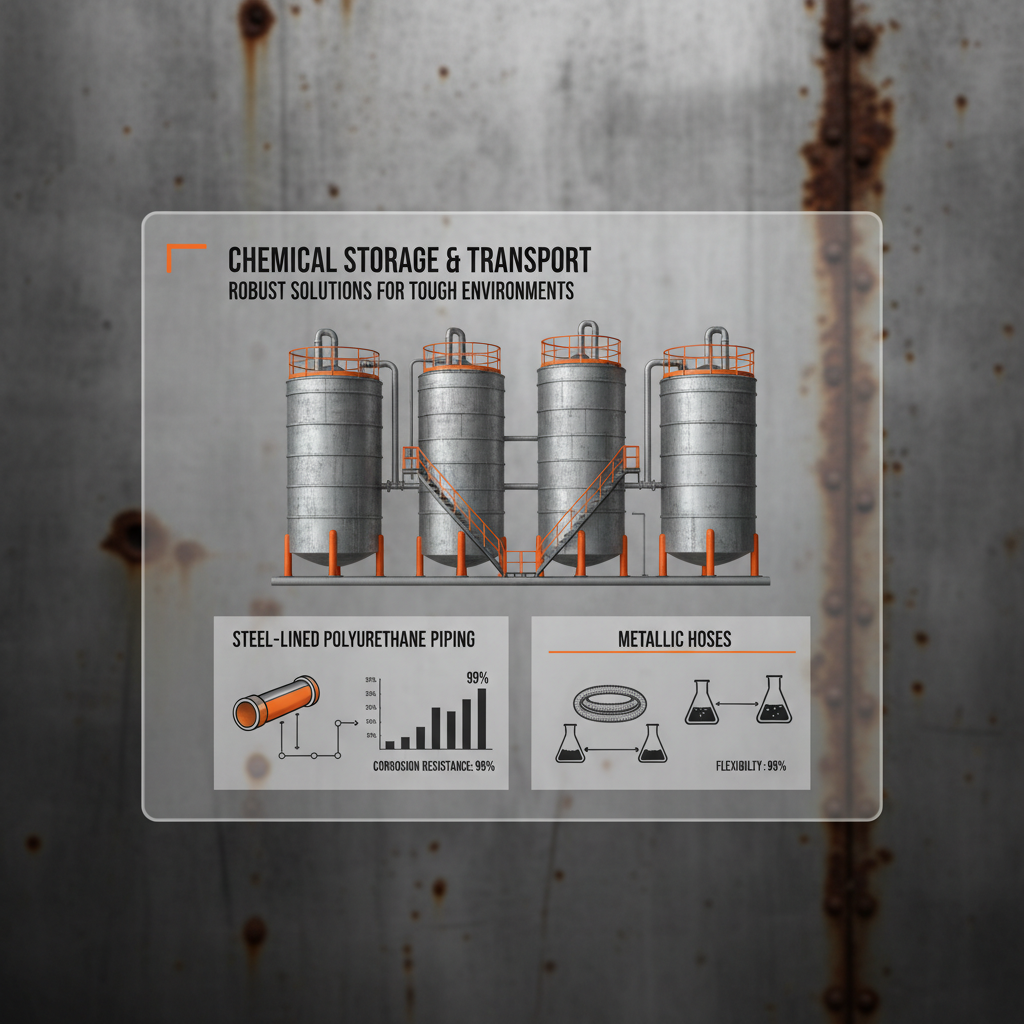
Adhering to relevant safety regulations and environmental standards is paramount when storing chemicals. Properly labeled tanks, secondary containment systems, and regular inspections are essential. Ensure that your chemical tank storage facility complies with local, state, and federal regulations. Develop a comprehensive spill prevention and response plan to mitigate potential environmental hazards. Regular employee training on chemical handling and emergency procedures is also crucial.
Conclusion: Investing in Quality Chemical Tank Solutions
Choosing the right chemical tanks is a critical investment in your operations' safety, efficiency, and regulatory compliance. By carefully considering the factors outlined in this guide – material selection, tank features, and safety protocols – you can ensure that your chemical storage solutions meet your specific needs and protect your business from potential risks.
Frequently Asked Questions (FAQs)
What is the best material for storing hydrochloric acid?
Hydrochloric acid is highly corrosive, so selecting a tank material with excellent chemical resistance is essential. High-density polyethylene (HDPE) is often a suitable choice for hydrochloric acid storage, offering good resistance at a relatively low cost. However, for higher concentrations or more demanding applications, polypropylene (PP) or fiberglass reinforced plastic (FRP) may be more appropriate. Stainless steel, specifically 316 grade, also provides excellent resistance but comes at a higher cost. Always consult a chemical compatibility chart and consider the acid concentration and temperature when making your selection.
Do I need secondary containment for my chemical tanks?
In most cases, secondary containment is highly recommended, and often legally required, for chemical tank storage. Secondary containment provides an extra layer of protection in the event of a leak or spill, preventing the chemical from reaching the environment. It typically involves a bunded area or containment pallet that can hold at least 110% of the tank's capacity. Regulations vary by location, so it’s important to check local and national requirements.
How often should I inspect my chemical tanks?
Regular inspections are crucial to ensure the integrity and safety of your chemical tanks. Visual inspections should be conducted at least monthly, looking for signs of corrosion, cracks, leaks, or damage to fittings. Detailed inspections, including structural assessments, should be performed annually by a qualified professional. Keep a record of all inspections and any maintenance or repairs carried out.

Related Products
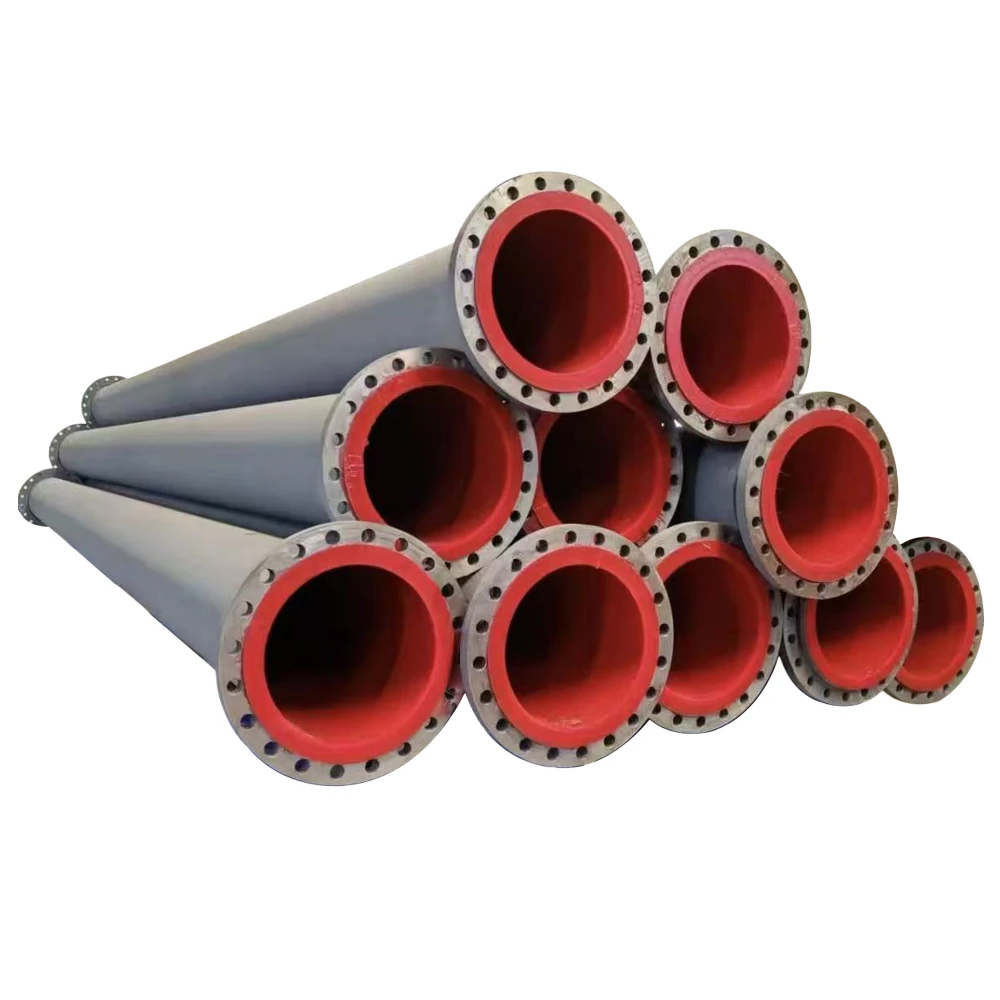
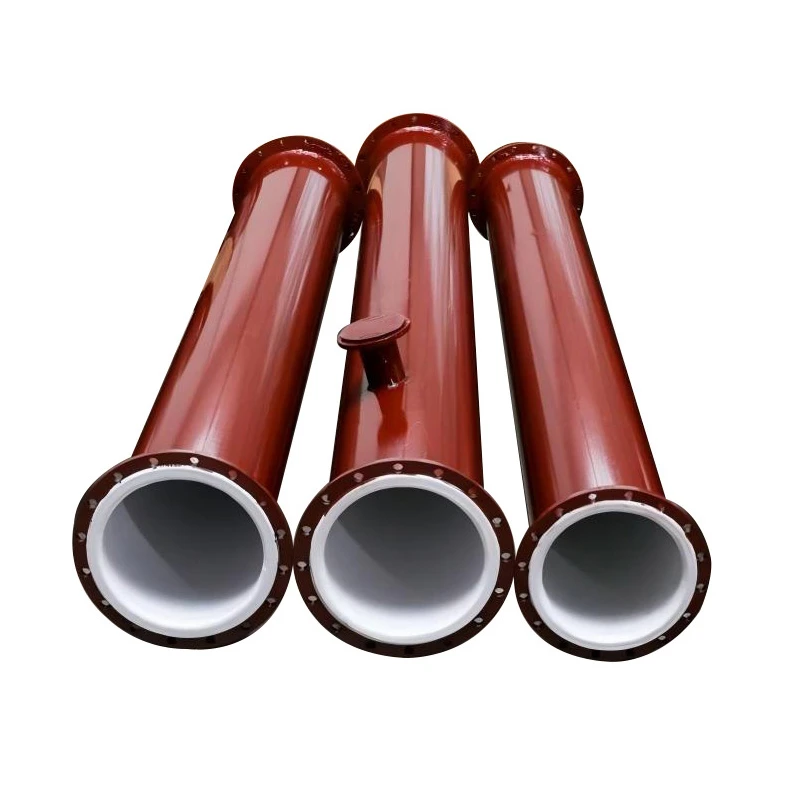
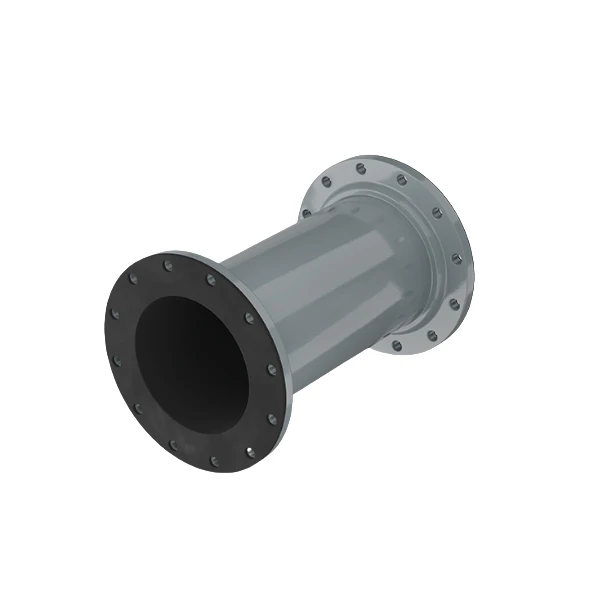
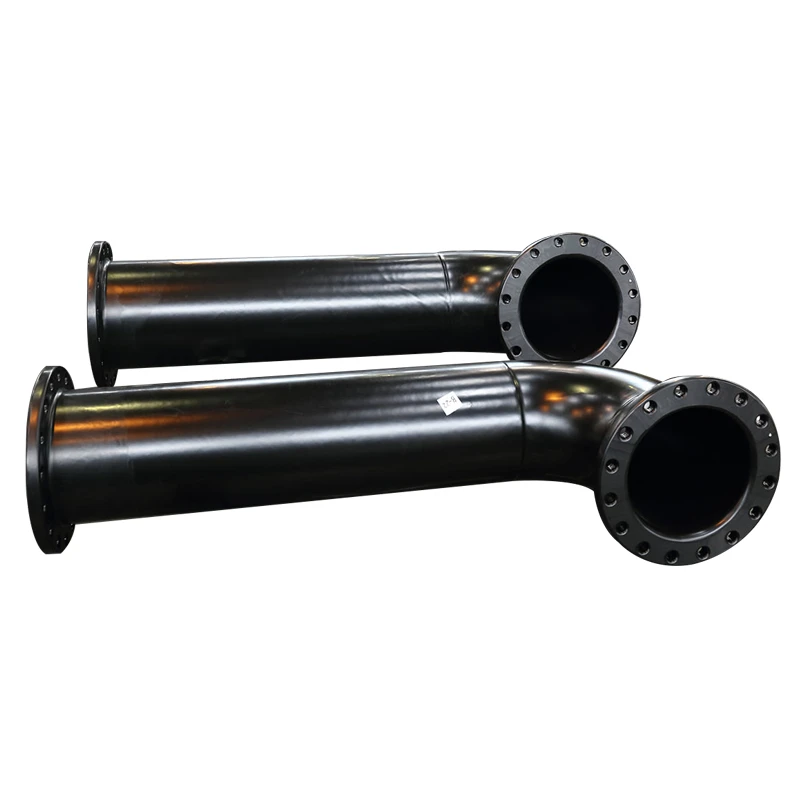
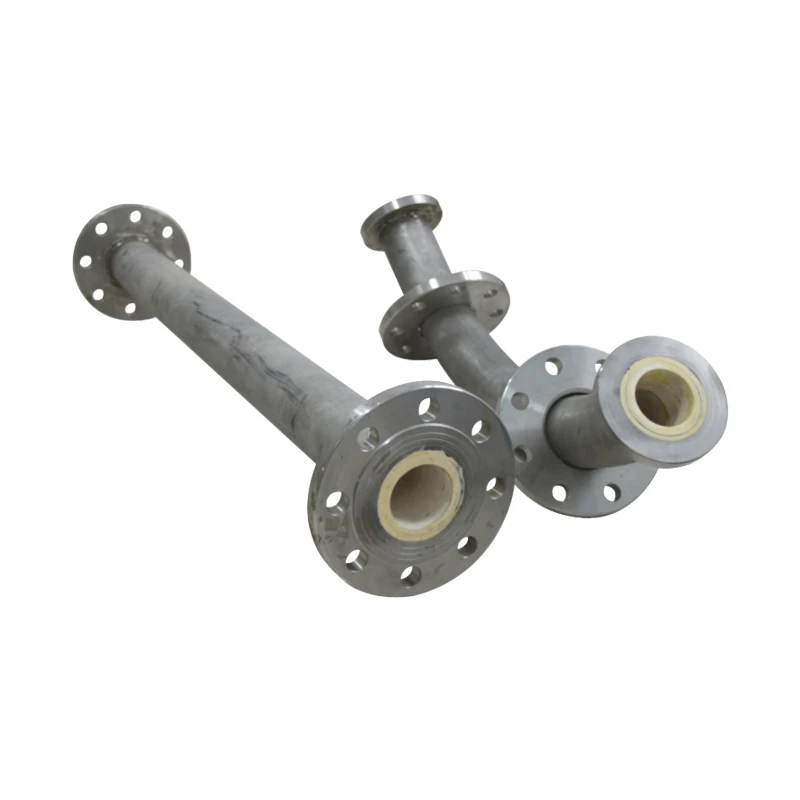
Our main products are polyurethane lined pipes, mining equipment fittings and metal hoses.