Comprehensive Guide to PTFE Lined Tanks Applications and Benefits
PTFE Lined Tank: A Comprehensive Guide to Applications and Benefits
PTFE (Polytetrafluoroethylene) lined tanks are essential components in a wide array of industries, offering superior corrosion resistance and chemical compatibility. These tanks provide a safe and reliable solution for storing and processing aggressive materials. Whether you're in chemical processing, pharmaceuticals, or food and beverage, understanding the advantages of a PTFE lined tank is crucial for optimizing your operations. This article delves into the key features, applications, and benefits of these tanks, helping you make informed decisions for your specific needs.
What is a PTFE Lined Tank?
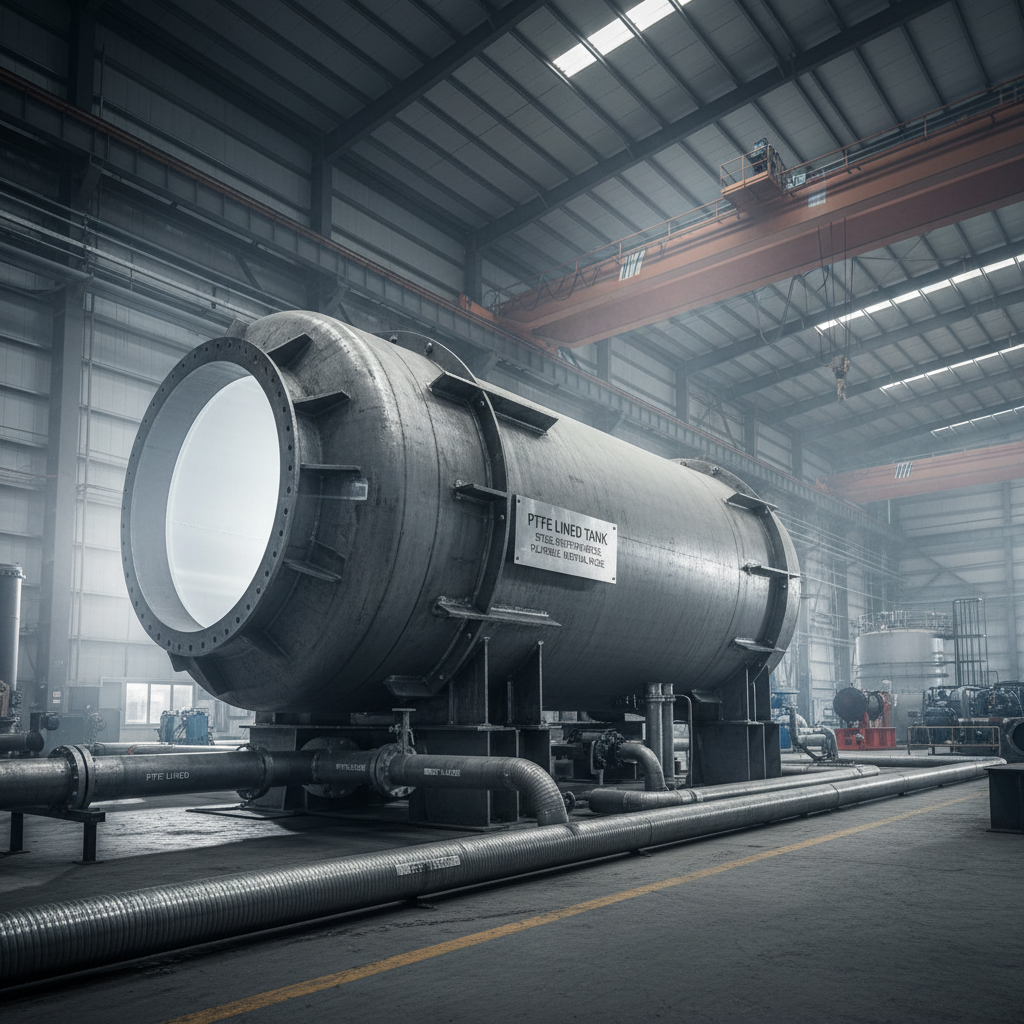
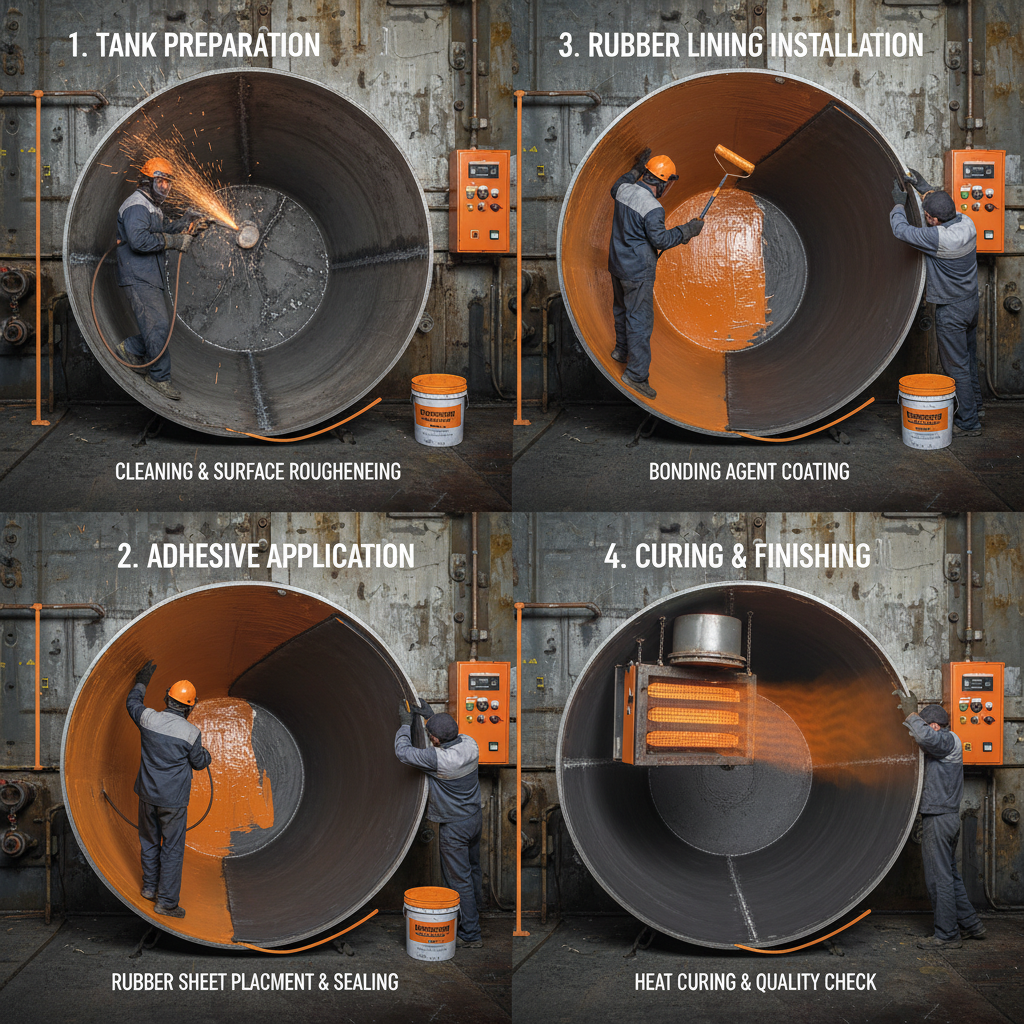
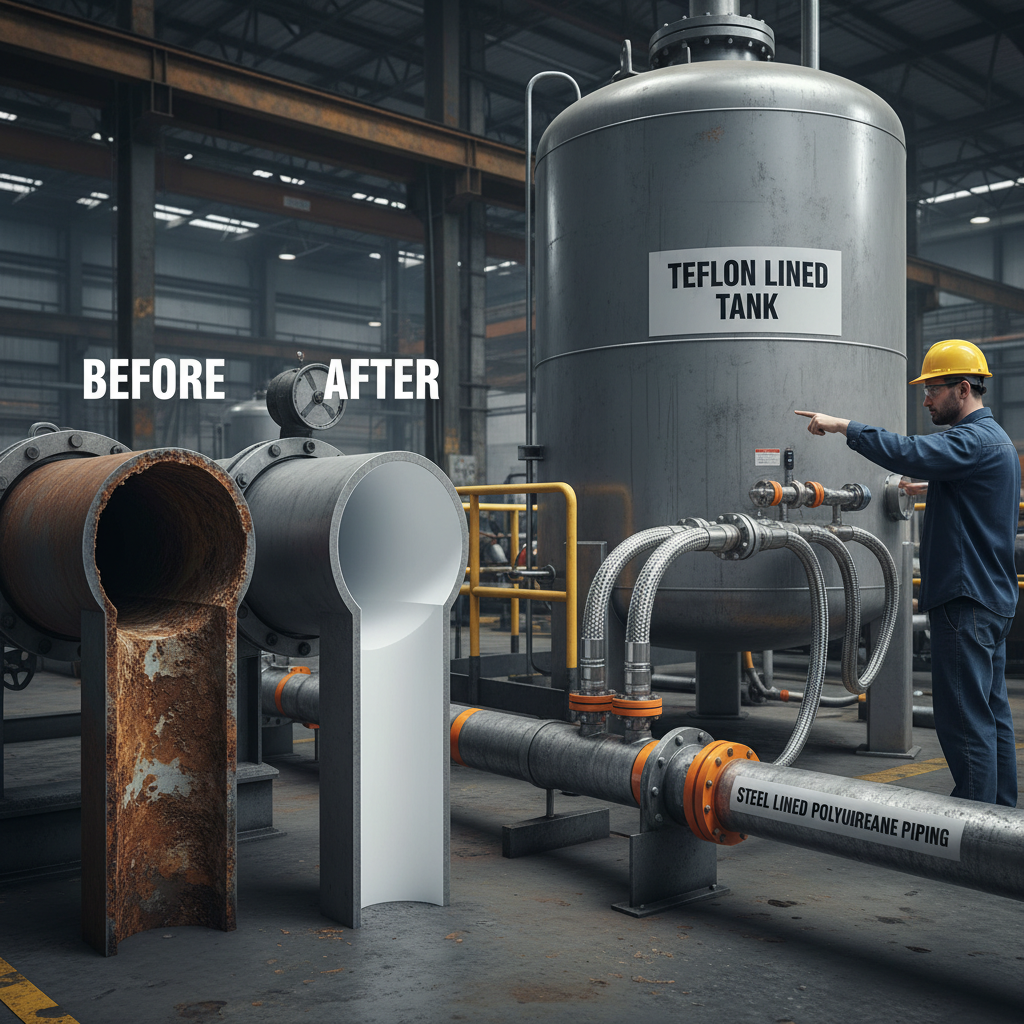
A PTFE lined tank consists of a metallic tank, typically constructed from carbon steel or stainless steel, internally coated with a layer of PTFE. This lining acts as a barrier, preventing contact between the corrosive substance and the tank material. PTFE is renowned for its exceptional chemical resistance, low coefficient of friction, and wide temperature operating range. This makes it an ideal material for protecting tanks from aggressive chemicals, acids, and solvents. The process of lining involves specialized techniques to ensure a uniform and durable coating that guarantees long-term performance and reliability.
Key Highlights: PTFE provides exceptional chemical resistance, low friction, and a wide temperature operating range, making it ideal for corrosive substances.
Applications of PTFE Lined Tanks
PTFE lined tanks find extensive applications across various industries. In the chemical processing sector, they are used for storing and mixing corrosive chemicals like hydrochloric acid, sulfuric acid, and nitric acid. The pharmaceutical industry relies on them for maintaining the purity and integrity of sensitive ingredients. The food and beverage industry utilizes these tanks for storing and processing fruit juices, vinegar, and other acidic products. Additionally, they are vital in electroplating, wastewater treatment, and semiconductor manufacturing. The versatility of PTFE lined tanks ensures their relevance in many critical processes.
Key Application Areas:
• Chemical Processing
• Pharmaceutical Manufacturing
• Food and Beverage Production
• Wastewater Treatment
PTFE Lined Tank vs. Stainless Steel Tank: A Comparison
While stainless steel tanks offer good corrosion resistance, they are still susceptible to attack by highly corrosive substances. PTFE lined tanks, however, provide a superior barrier against a wider range of chemicals. Stainless steel can also be expensive, especially for larger capacities. PTFE lining offers a cost-effective solution by protecting a less expensive carbon steel tank. Furthermore, PTFE’s non-stick properties prevent product buildup and facilitate easier cleaning. The following table highlights a detailed comparison:
Benefits of Choosing PTFE Lined Tanks from QW Metal
QW Metal offers high-quality PTFE lined tanks engineered for optimal performance and longevity. We utilize advanced lining techniques and rigorous quality control measures. Our tanks deliver superior corrosion resistance, reduced maintenance costs, and enhanced product purity. We also offer customized solutions to meet your specific requirements, including various sizes, shapes, and fitting options. Partnering with QW Metal ensures a reliable and durable solution for your critical storage and processing needs.
Product Specifications
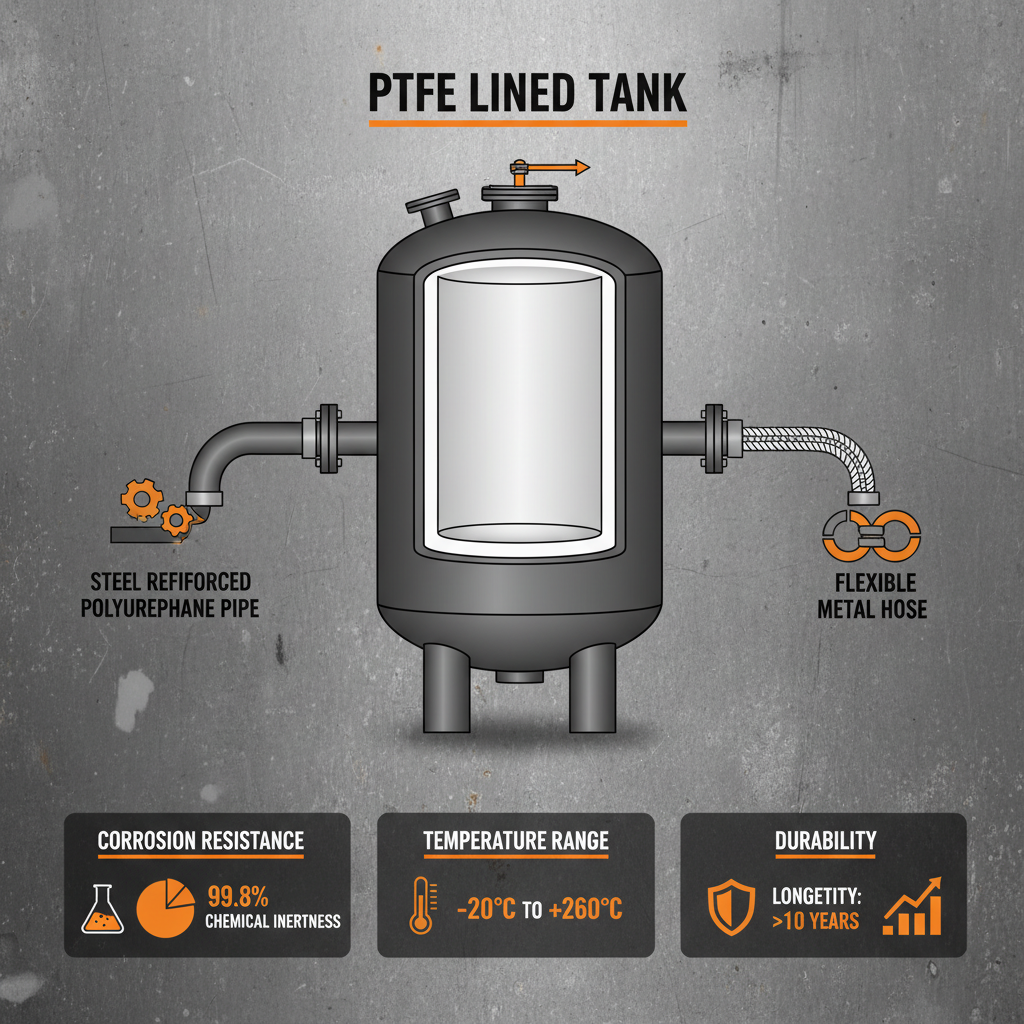
Here's a brief overview of the typical specifications we offer for our PTFE lined tanks:
Conclusion: Investing in Quality and Reliability
Choosing the right tank for your corrosive materials is critical for operational efficiency and safety. QW Metal’s PTFE lined tanks provide a robust, reliable, and cost-effective solution. With our commitment to quality and customization, we are confident we can meet your specific needs. Contact us today to discuss your project and find the perfect tank for your application.
Frequently Asked Questions (FAQs)
What chemicals are compatible with PTFE lined tanks?
PTFE exhibits exceptional chemical resistance, making it compatible with a vast range of corrosive substances. This includes strong acids like hydrochloric, sulfuric, and nitric acid, as well as strong bases, solvents, and oxidizing agents. However, it’s always advisable to consult a chemical compatibility chart or contact our experts at QW Metal to verify compatibility with specific chemicals, especially at elevated temperatures or concentrations. Some fluorinated compounds can affect PTFE's performance over prolonged exposure.
What is the typical lifespan of a PTFE lined tank?
The lifespan of a PTFE lined tank depends on several factors, including the type of chemical stored, temperature, pressure, and maintenance practices. With proper care and operation within specified limits, a PTFE lined tank can last for 10-20 years or even longer. Regular inspections for any signs of damage or degradation are crucial. QW Metal provides guidance on best practices for tank maintenance and lining integrity.
Can PTFE lined tanks be customized to specific dimensions and fittings?
Yes, QW Metal specializes in providing customized PTFE lined tanks. We can tailor the tank's dimensions, shape, material of construction (carbon steel or stainless steel), and fittings to meet your exact requirements. We offer a variety of fitting options, including flanges, nozzles, and manways. Our engineering team works closely with you to design and manufacture a tank that perfectly fits your application.
What maintenance is required for PTFE lined tanks?
PTFE lined tanks generally require minimal maintenance. Regular visual inspections for any signs of damage to the lining or tank shell are recommended. Avoid abrasive cleaning methods that could damage the PTFE coating. If cleaning is necessary, use mild detergents and soft brushes. Avoid exposing the tank to temperatures exceeding the specified limit. Periodic professional inspections by QW Metal can help ensure the long-term integrity of the lining.
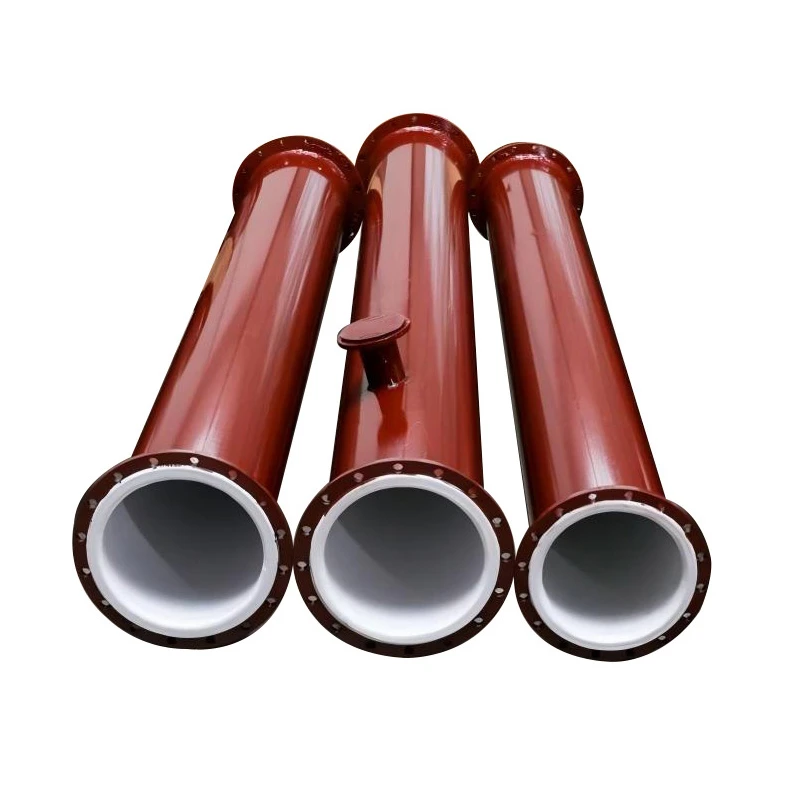
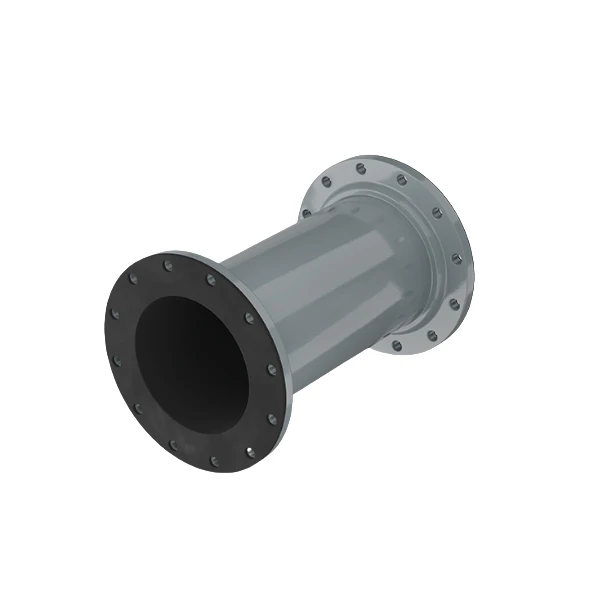
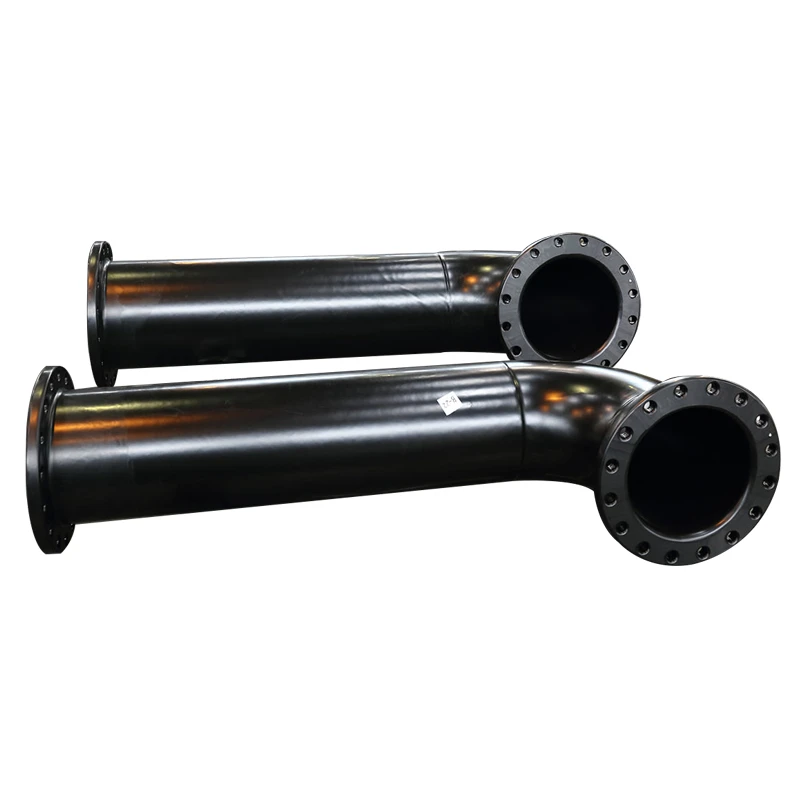
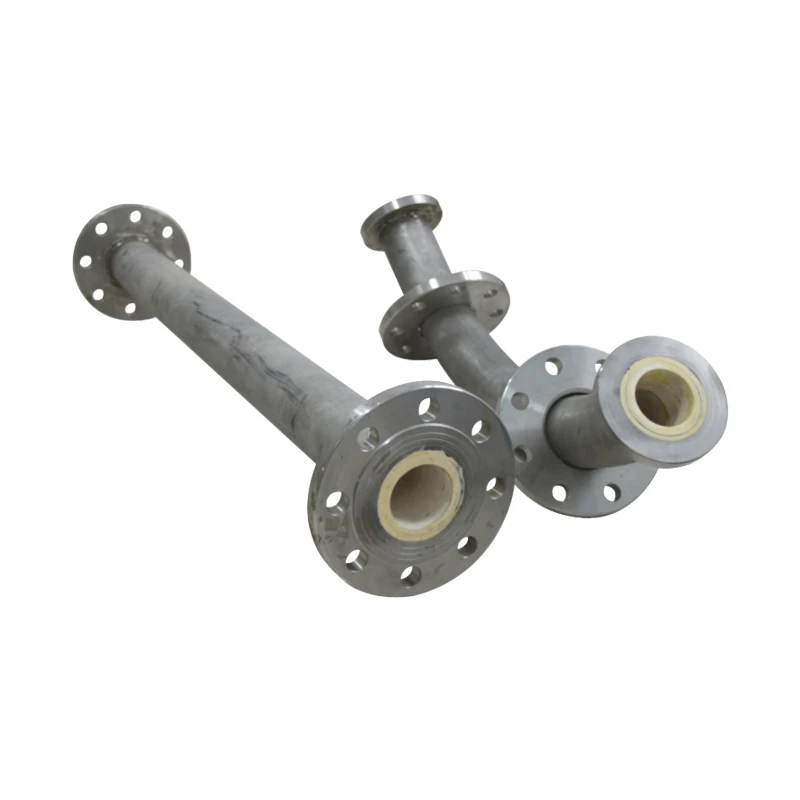
Related Products
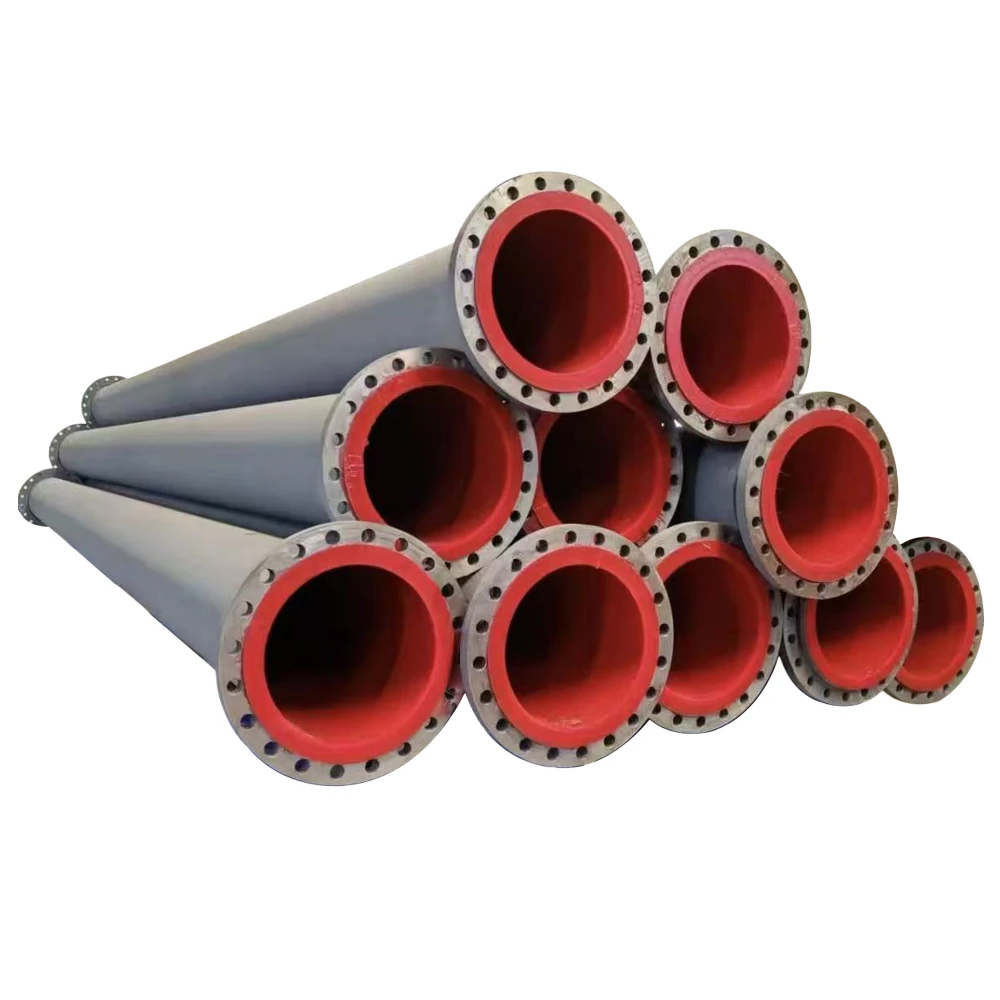
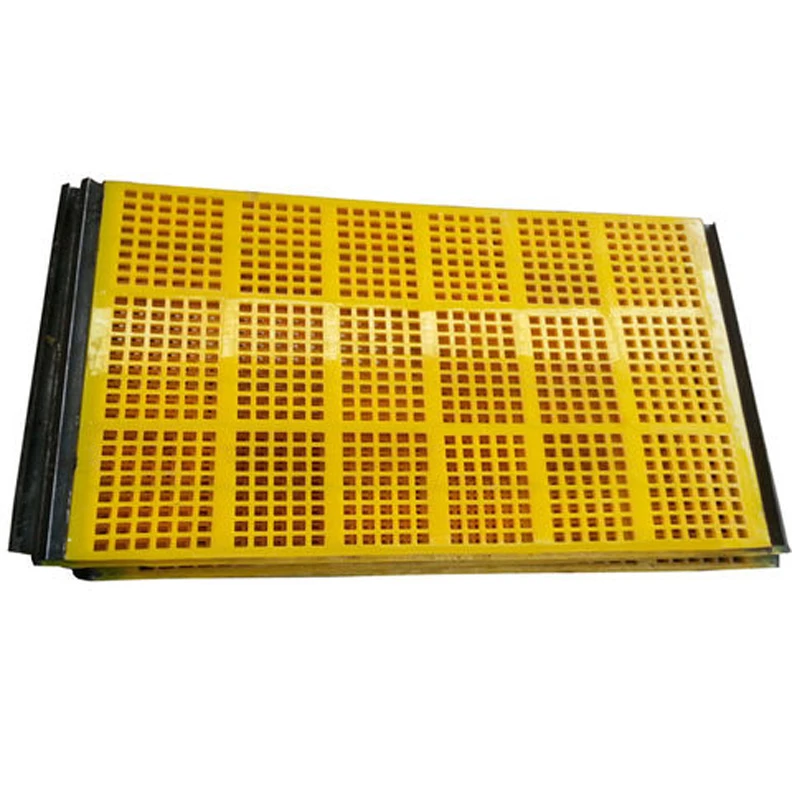
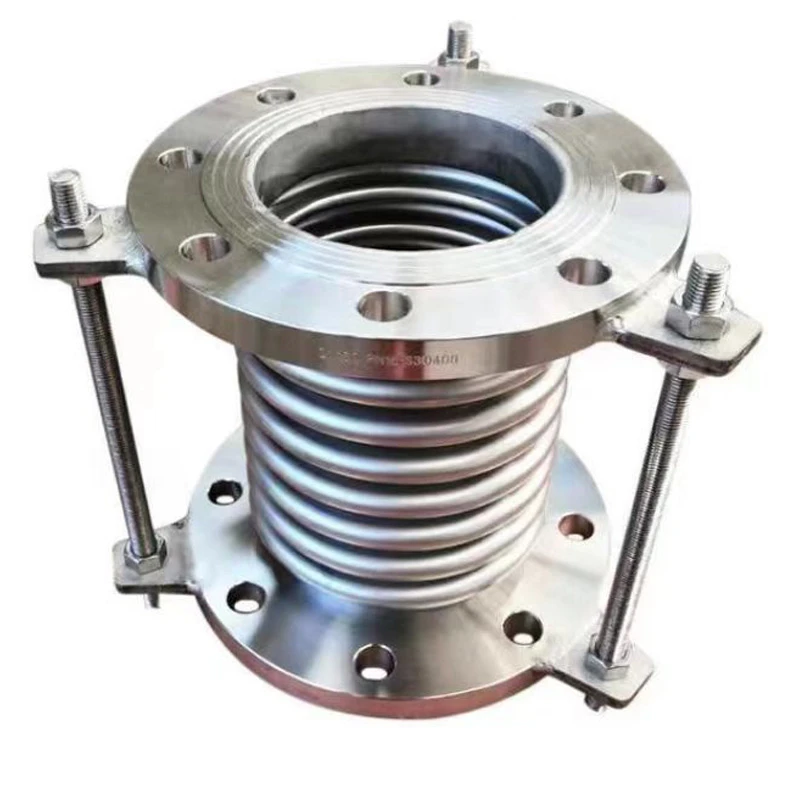
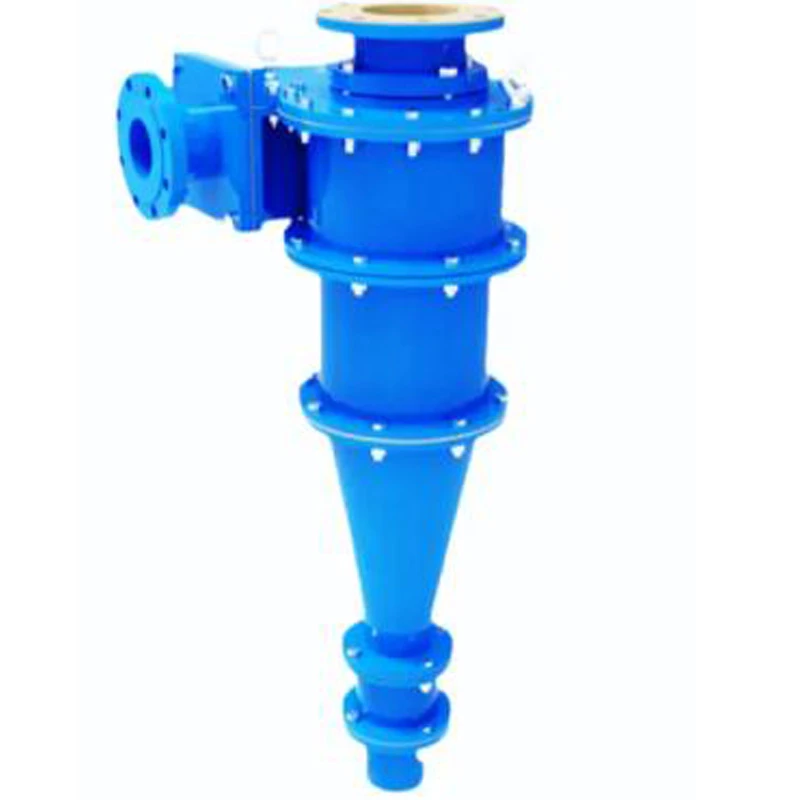
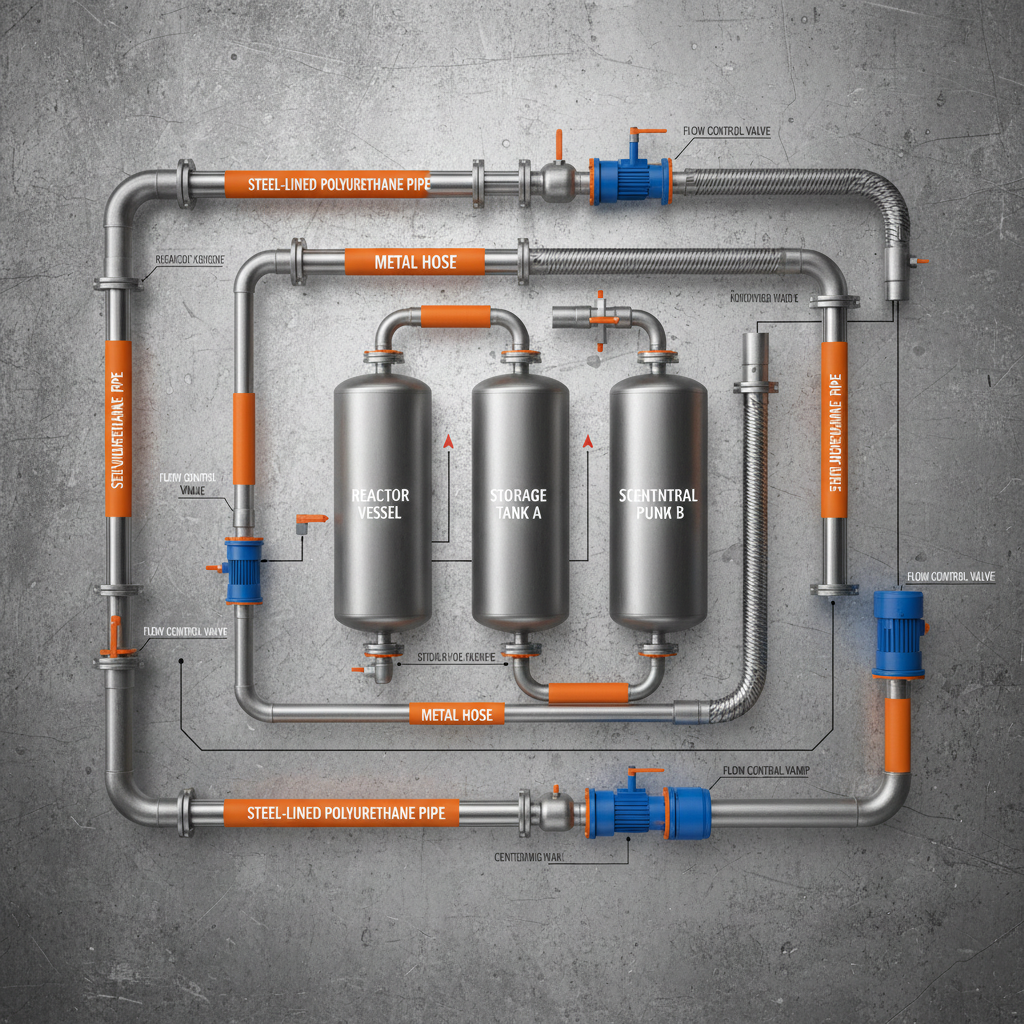
Our main products are polyurethane lined pipes, mining equipment fittings and metal hoses.