Comprehensive Guide to Teflon Lined Tanks for Industrial Applications
Teflon Lined Tanks: A Comprehensive Guide
When it comes to storing corrosive or sensitive materials, the right tank is crucial. Teflon lined tanks from QW Metal offer exceptional chemical resistance and purity, making them ideal for a wide range of industrial applications. This article delves into the benefits, applications, materials, and considerations when choosing a Teflon lined tank, providing a thorough overview for engineers, procurement managers, and anyone involved in handling challenging fluids. Understanding the properties of Teflon and its application in tank construction is vital for ensuring safe and efficient storage solutions.
Understanding Teflon (PTFE) and its Properties
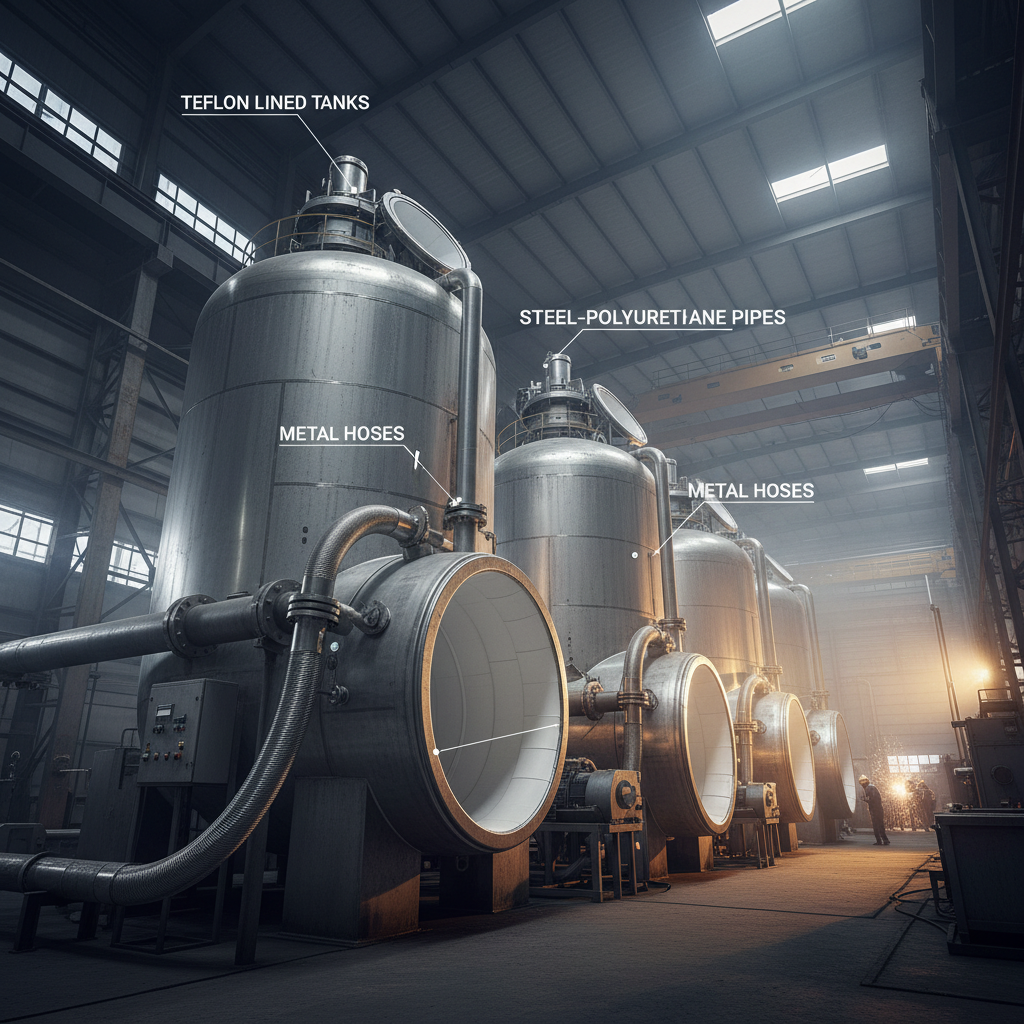
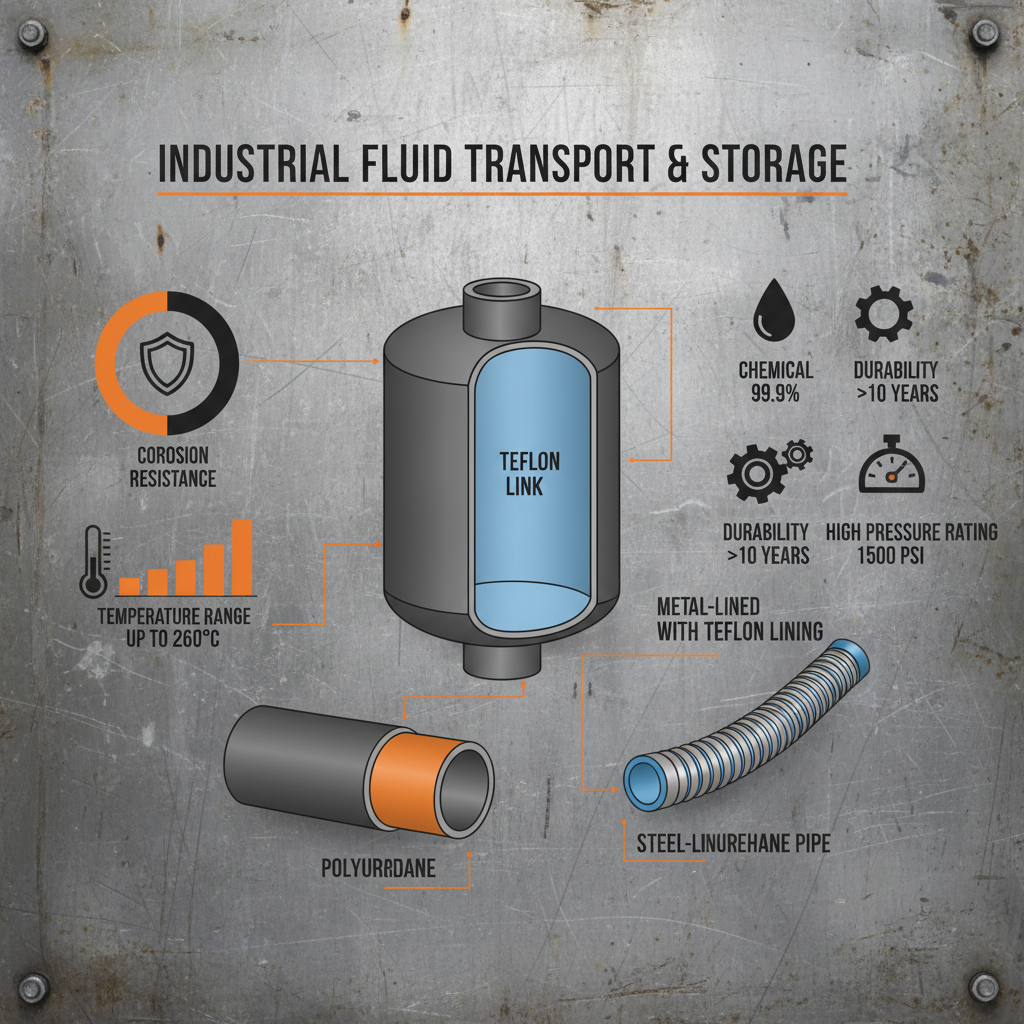
Teflon, also known as Polytetrafluoroethylene (PTFE), is a synthetic fluoropolymer renowned for its exceptional properties. It boasts incredible chemical resistance, meaning it won’t react with most corrosive substances, including strong acids, bases, and solvents. This inertness prevents contamination of the stored material and protects the tank itself from degradation. Furthermore, Teflon has a very low coefficient of friction, preventing materials from sticking to the tank walls. Its wide temperature range (-200°C to +260°C) makes it suitable for both cryogenic and high-temperature applications. The superior performance of Teflon makes it the material of choice for demanding tank lining applications.
Key Highlights: Teflon’s exceptional chemical resistance, low friction, and wide temperature range make it ideal for handling corrosive and sensitive materials.
Applications of Teflon Lined Tanks
Teflon lined tanks are used extensively across various industries. In the chemical processing industry, they store and handle aggressive chemicals without risk of contamination or corrosion. The pharmaceutical industry relies on them for maintaining the purity of sensitive compounds. Electroplating uses them for acidic plating baths. Food and beverage processing utilizes them for storing ingredients that require strict hygiene standards. Additionally, they find applications in wastewater treatment, semiconductor manufacturing, and laboratory settings. The versatility of QW Metal’s Teflon tanks makes them a valuable asset in numerous industries.
Industry Applications:
• Chemical Processing
• Pharmaceutical Manufacturing
• Electroplating
• Food and Beverage
Teflon Lined Tanks vs. Other Tank Materials
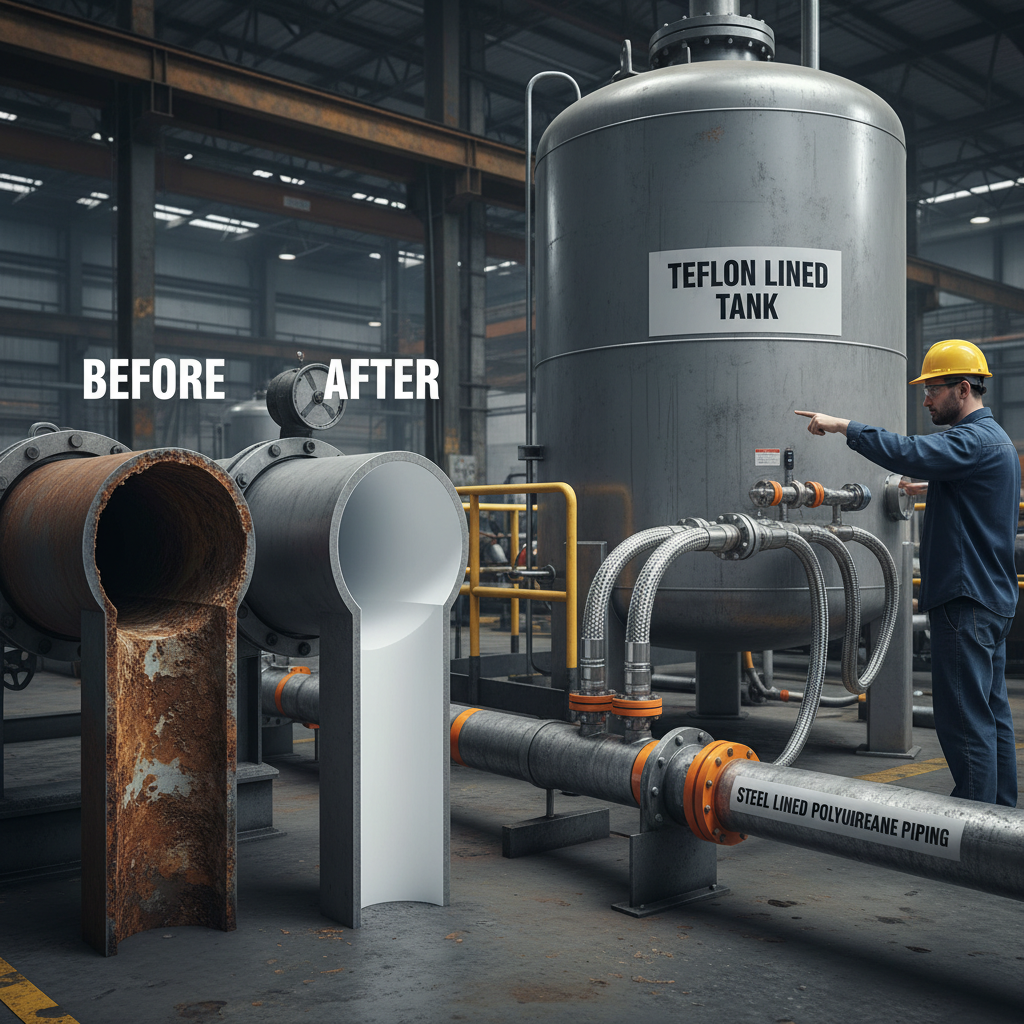
Compared to stainless steel, fiberglass, or polypropylene tanks, Teflon lined tanks offer superior chemical resistance, particularly against highly corrosive substances. While stainless steel can corrode over time, and fiberglass can be susceptible to certain chemicals, Teflon remains inert. Polypropylene, while cost-effective, has a limited temperature range and lower chemical resistance. The initial investment in Teflon lined tanks may be higher, but the long-term benefits of reduced maintenance, extended lifespan, and prevention of contamination often outweigh the cost. Choosing the right material depends on the specific application and the properties of the stored fluid, but Teflon consistently excels in demanding environments.
Factors to Consider When Selecting a Teflon Lined Tank
Several factors influence the optimal choice of a Teflon lined tank. The chemical compatibility of the lining with the stored substance is paramount. The operating temperature and pressure must also be considered, ensuring the tank can withstand the conditions. Tank size and shape depend on the volume and flow requirements. Finally, the lining thickness impacts durability and chemical resistance; thicker linings offer better protection. QW Metal's engineering team can help you navigate these factors to select the ideal tank for your application.
Conclusion: Investing in Reliable Teflon Lined Tanks
Investing in high-quality Teflon lined tanks from QW Metal is a strategic decision for any industry handling corrosive or sensitive materials. The superior chemical resistance, durability, and purity they offer translate into reduced maintenance costs, improved safety, and enhanced product quality. By carefully considering your specific application requirements and partnering with a reputable manufacturer, you can ensure a long-lasting and reliable storage solution.
Frequently Asked Questions (FAQs)
What is the typical lifespan of a Teflon lined tank?
The lifespan of a Teflon lined tank depends on the aggressiveness of the stored media, operating temperature, and pressure. However, with proper maintenance and under typical conditions, a Teflon lined tank can last 15-20 years or even longer. Regular inspections for lining wear, cracks, or delamination are crucial. QW Metal offers comprehensive inspection and repair services to maximize the lifespan of your tank.
What types of Teflon lining are available?
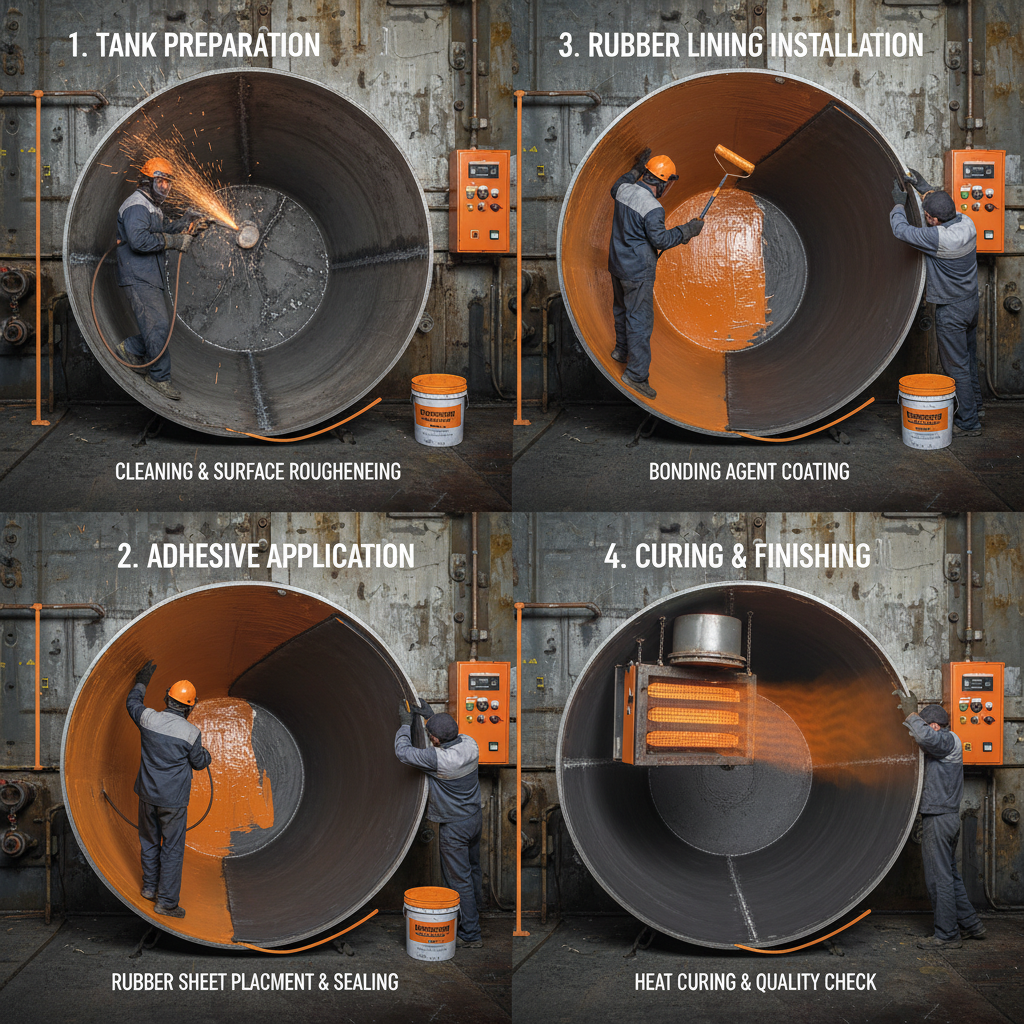
Several Teflon lining methods are available, including sheet lining, spray lining, and powder coating. Sheet lining offers the thickest and most durable protection. Spray lining is suitable for complex shapes and provides good coverage. Powder coating is a cost-effective option for smaller tanks. QW Metal offers all these options, tailoring the lining method to your specific needs and budget.
Can Teflon lined tanks be repaired?
Minor damage to the Teflon lining can often be repaired. QW Metal offers professional repair services to restore the integrity of the lining and extend the tank's lifespan. However, extensive damage may require relining or tank replacement. Prompt repairs prevent further corrosion and maintain the tank's protective properties.
What safety standards do QW Metal's Teflon lined tanks meet?
QW Metal's Teflon lined tanks are designed and manufactured to meet stringent industry standards, including ASME, PED, and ISO certifications. We ensure that all our tanks undergo rigorous testing and quality control to guarantee their safety and reliability. We provide documentation and certifications upon request, demonstrating our commitment to quality and compliance.
Related Products
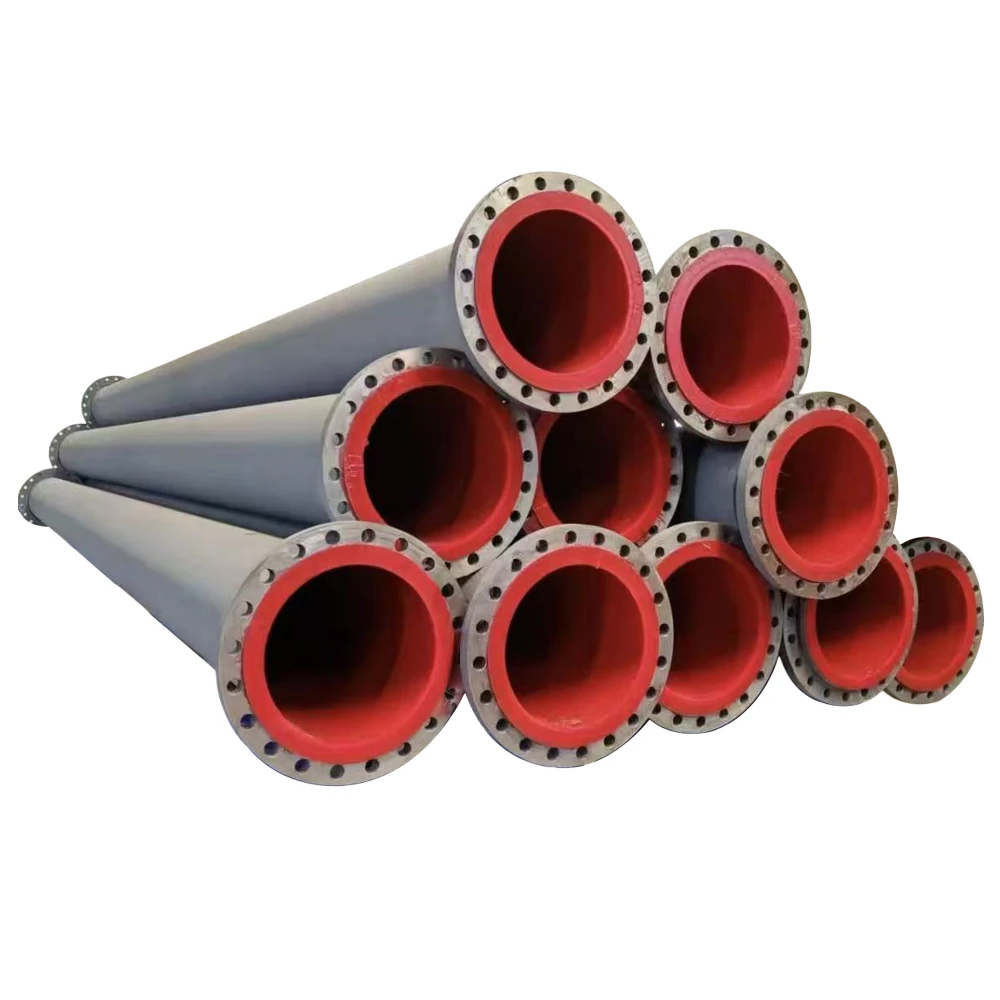
Our main products are polyurethane lined pipes, mining equipment fittings and metal hoses.