Comprehensive Guide to Chemical Storage Tanks and Solutions
Understanding Chemical Storage Tanks: A Comprehensive Guide
Chemical storage tanks are vital components in a wide range of industries, ensuring the safe and efficient containment of hazardous and non-hazardous substances. Choosing the right tank is crucial, considering factors like chemical compatibility, capacity, and regulatory compliance. This article provides an in-depth overview of chemical storage tanks, exploring different types, materials, applications, and key considerations for selection. Understanding these details is essential for protecting your operations and the environment. You can explore a wide range of high-quality chemical storage tanks at QW Metal.
Types of Chemical Storage Tanks
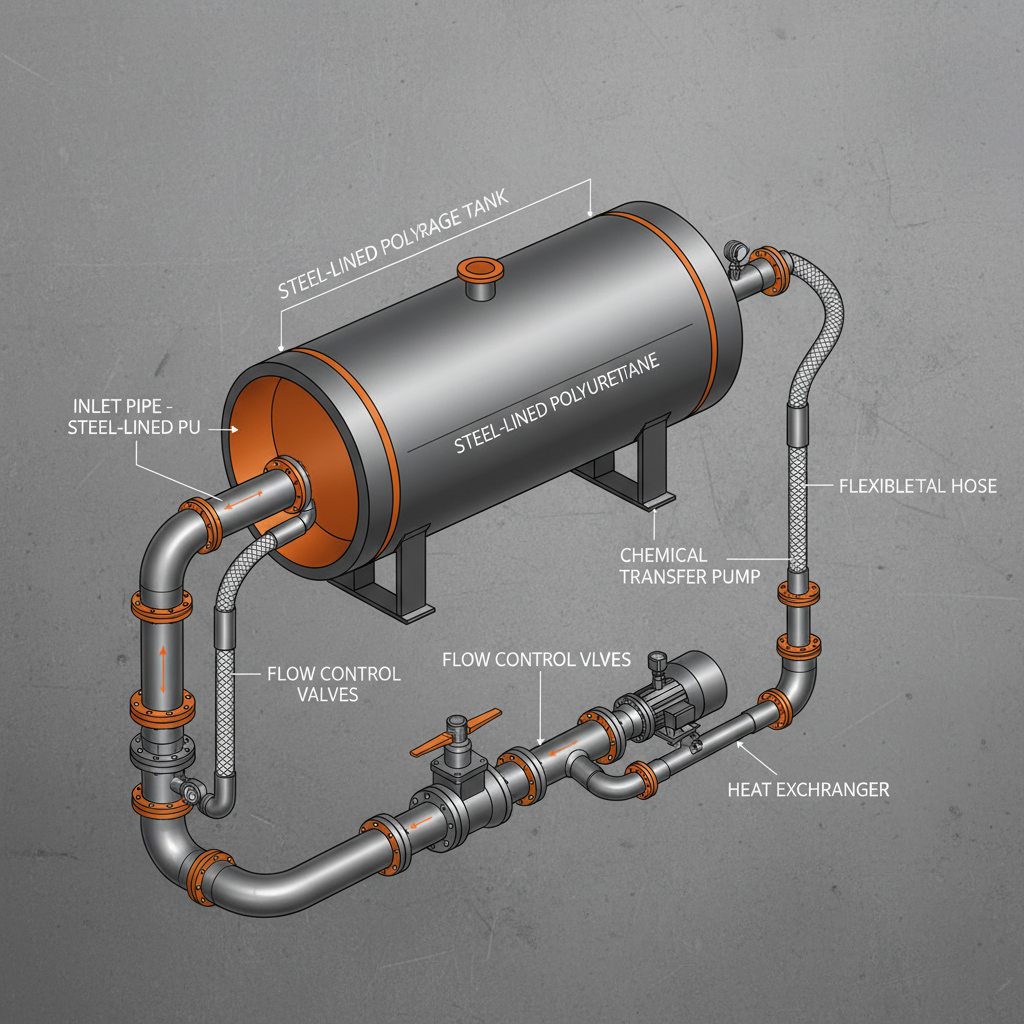
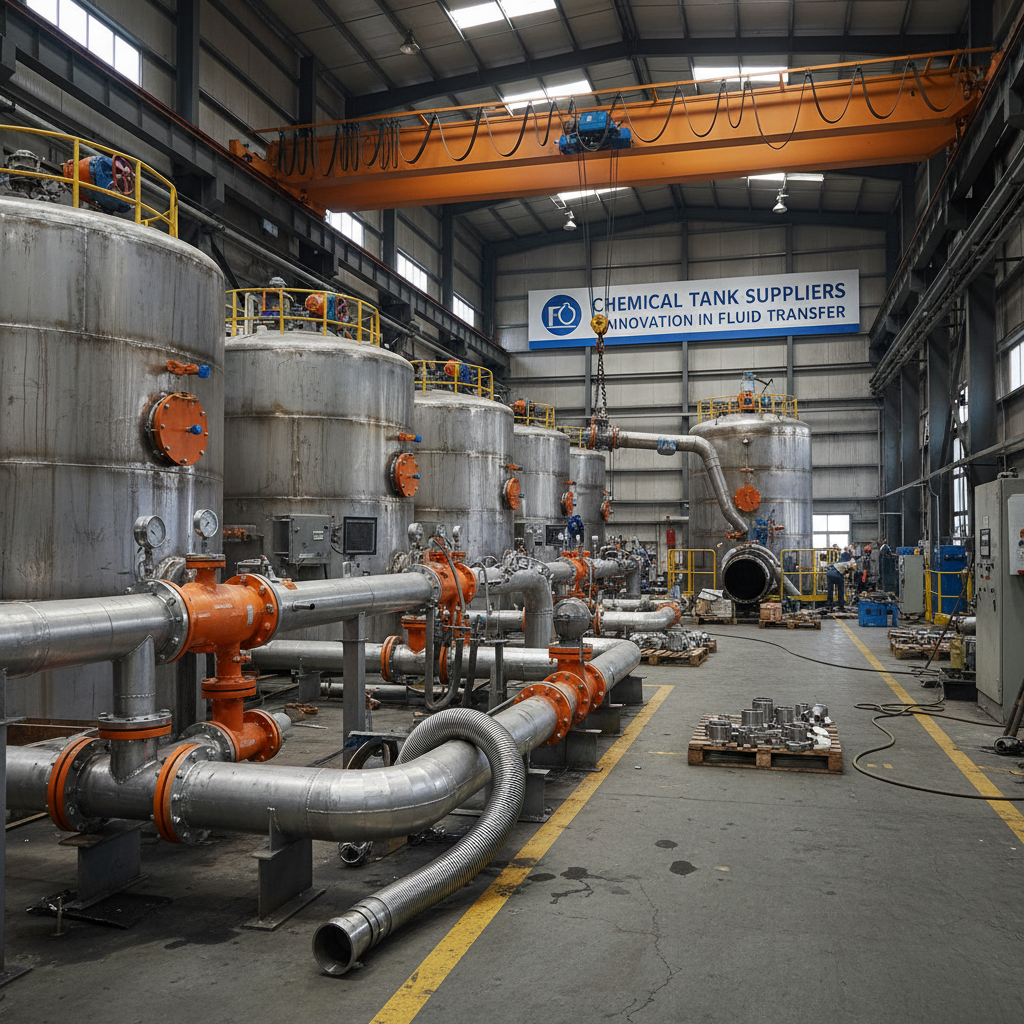
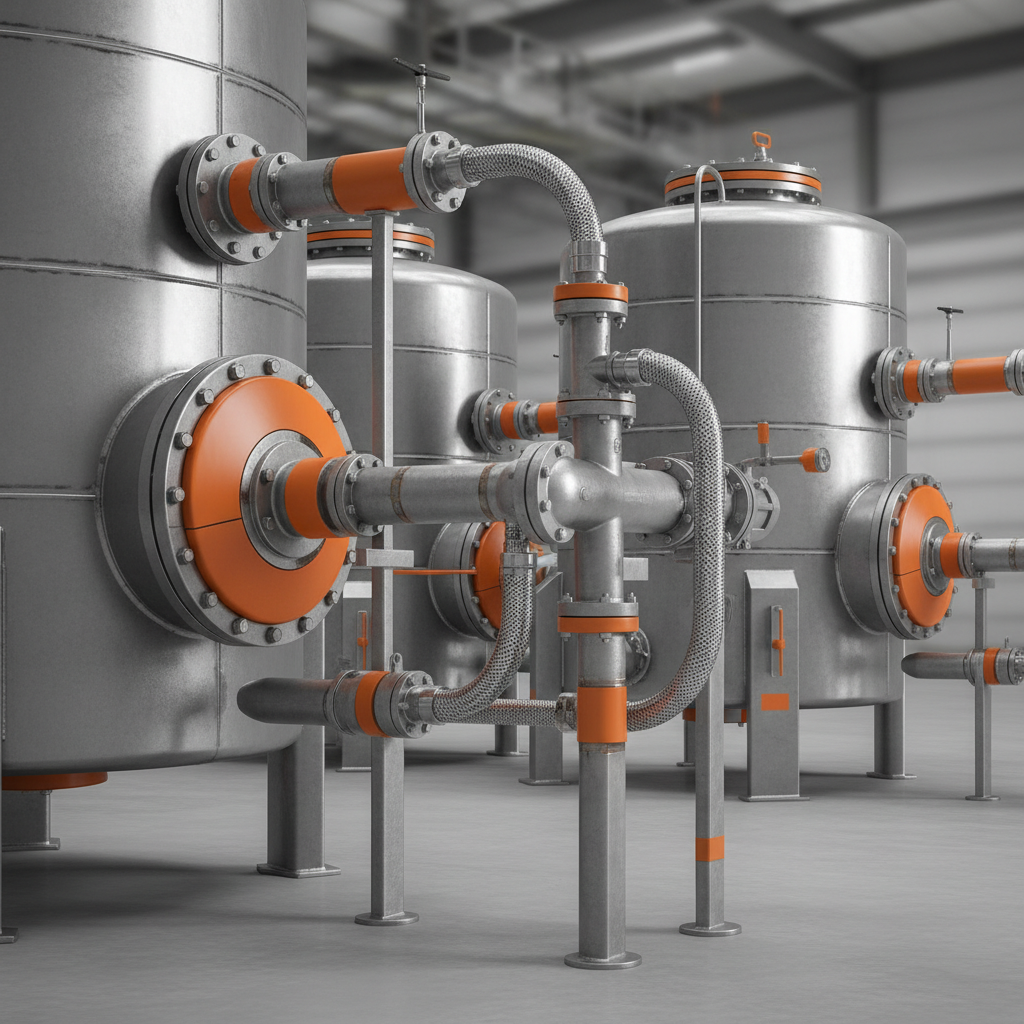
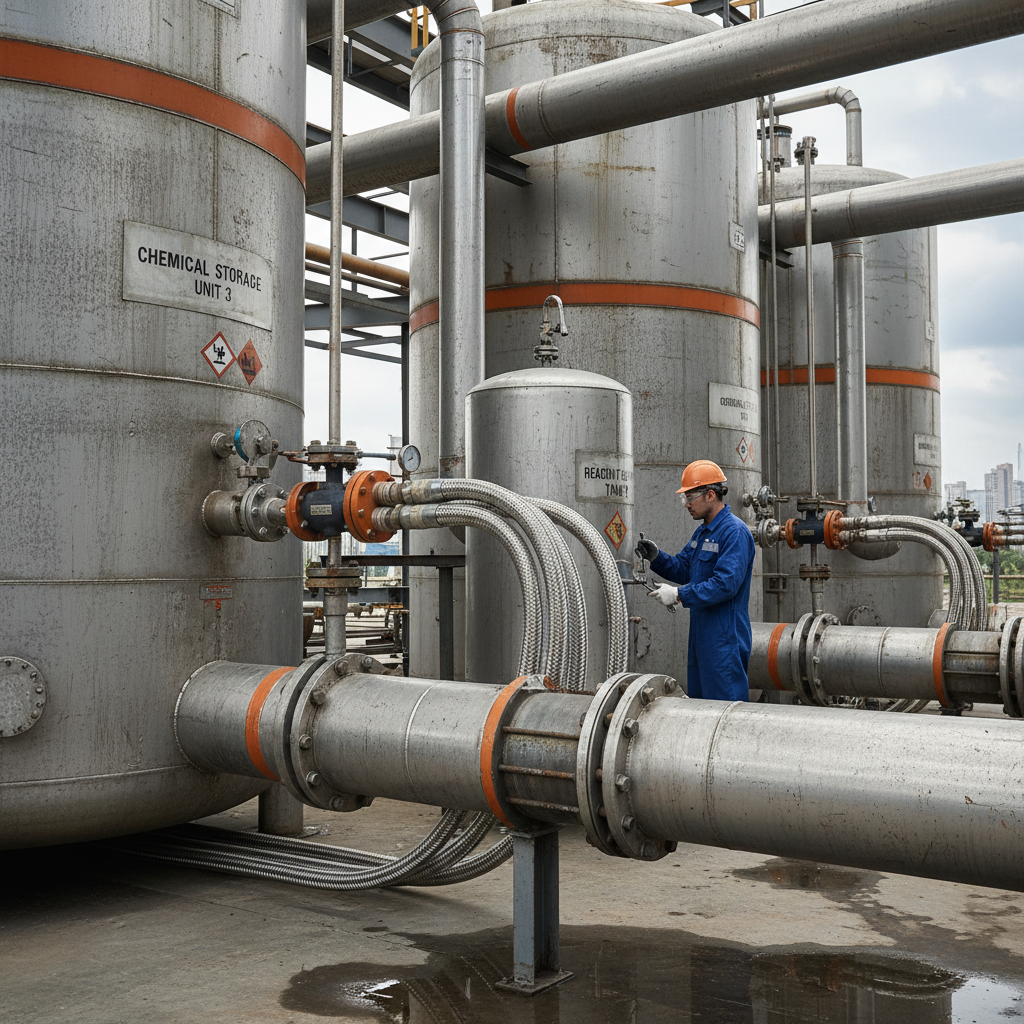
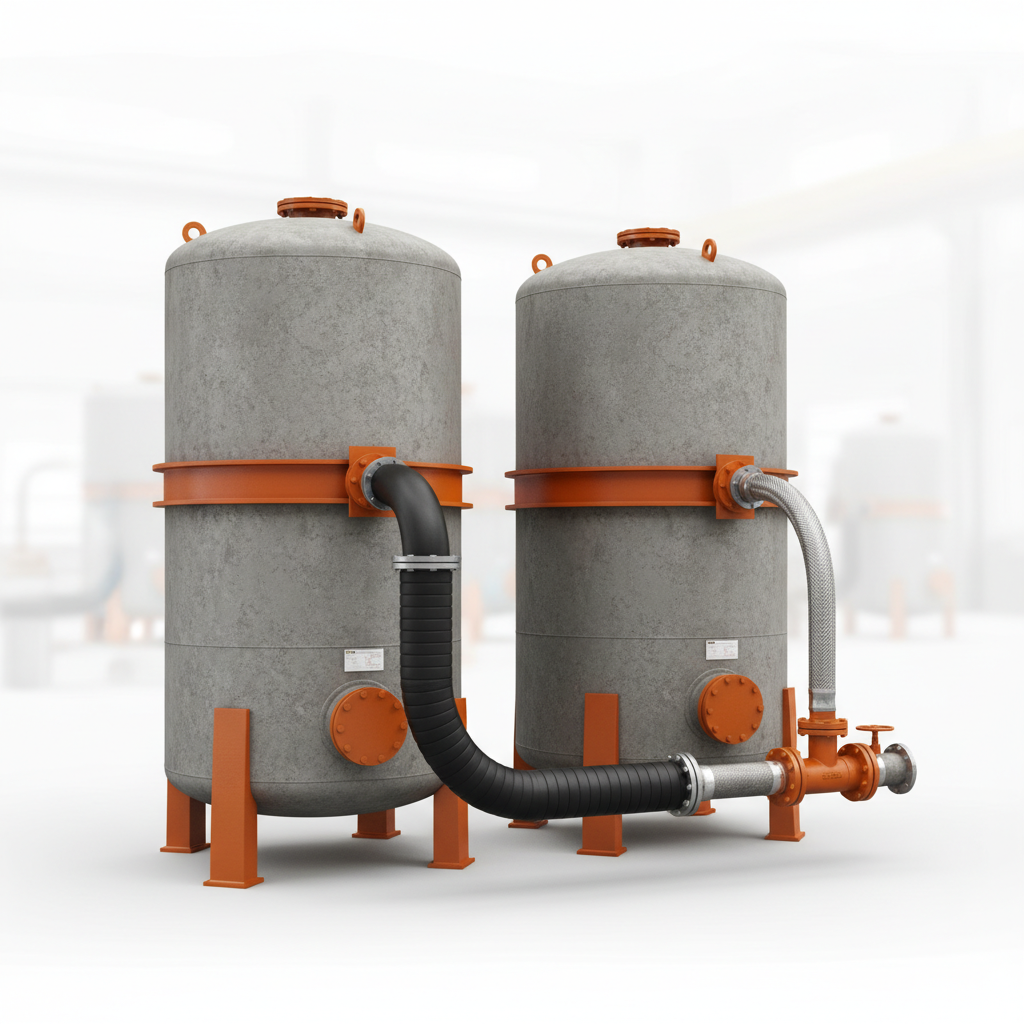
Chemical storage tanks come in various designs, each suited for specific applications and chemical properties. Common types include vertical tanks, horizontal tanks, conical bottom tanks, and open-top tanks. Vertical tanks are often preferred for large volumes due to their space efficiency, while horizontal tanks are suitable for lower volumes and easier access for maintenance. Conical bottom tanks facilitate complete drainage, essential for certain chemicals. Open-top tanks, typically used for less hazardous substances, offer easy inspection and access. The selection of the appropriate tank type depends on factors such as the chemical being stored, the required storage volume, and site constraints. QW Metal offers a diverse selection of chemical storage solutions tailored to your needs.
Key Takeaway: Selecting the right tank type is crucial for safe and efficient chemical storage. Consider volume, chemical properties, and site limitations.
Materials Used in Chemical Storage Tanks
The material of construction is paramount when selecting a chemical storage tank, as it directly impacts compatibility and longevity. Common materials include polyethylene (PE), polypropylene (PP), fiberglass reinforced plastic (FRP), and stainless steel. PE and PP are cost-effective options suitable for a wide range of chemicals, offering excellent corrosion resistance. FRP provides superior strength and corrosion resistance, making it ideal for highly corrosive substances. Stainless steel is a robust and durable material, particularly suited for high-purity chemicals and demanding environments. The best material depends on the specific chemical, concentration, temperature, and potential exposure conditions.
Material Selection Criteria:
• Chemical Compatibility: Ensure the material is resistant to the stored chemical.
• Temperature Resistance: Consider the operating temperature range.
• Strength and Durability: Choose a material that can withstand the required pressure and stress.
• Cost-Effectiveness: Balance performance with budget constraints.
Choosing the Right Chemical Storage Tank: A Comparative Analysis
Selecting the optimal chemical storage tank requires careful consideration of various factors. A comparative analysis of different materials and types can help identify the most suitable option. Key considerations include cost, chemical compatibility, installation requirements, maintenance needs, and regulatory compliance. It’s vital to choose a tank designed and manufactured to meet industry standards and local regulations.
Safety Features and Regulatory Compliance
Safety is paramount when dealing with chemical storage. Tanks should be equipped with features such as level indicators, overflow protection, ventilation systems, and secondary containment to prevent spills and leaks. Compliance with relevant regulations, such as those established by OSHA and EPA, is essential. Regular inspections and maintenance are critical to ensure the continued integrity and safety of the tank. QW Metal provides tanks that meet or exceed industry safety standards and can assist with regulatory compliance guidance.
Product Specifications and Available Sizes
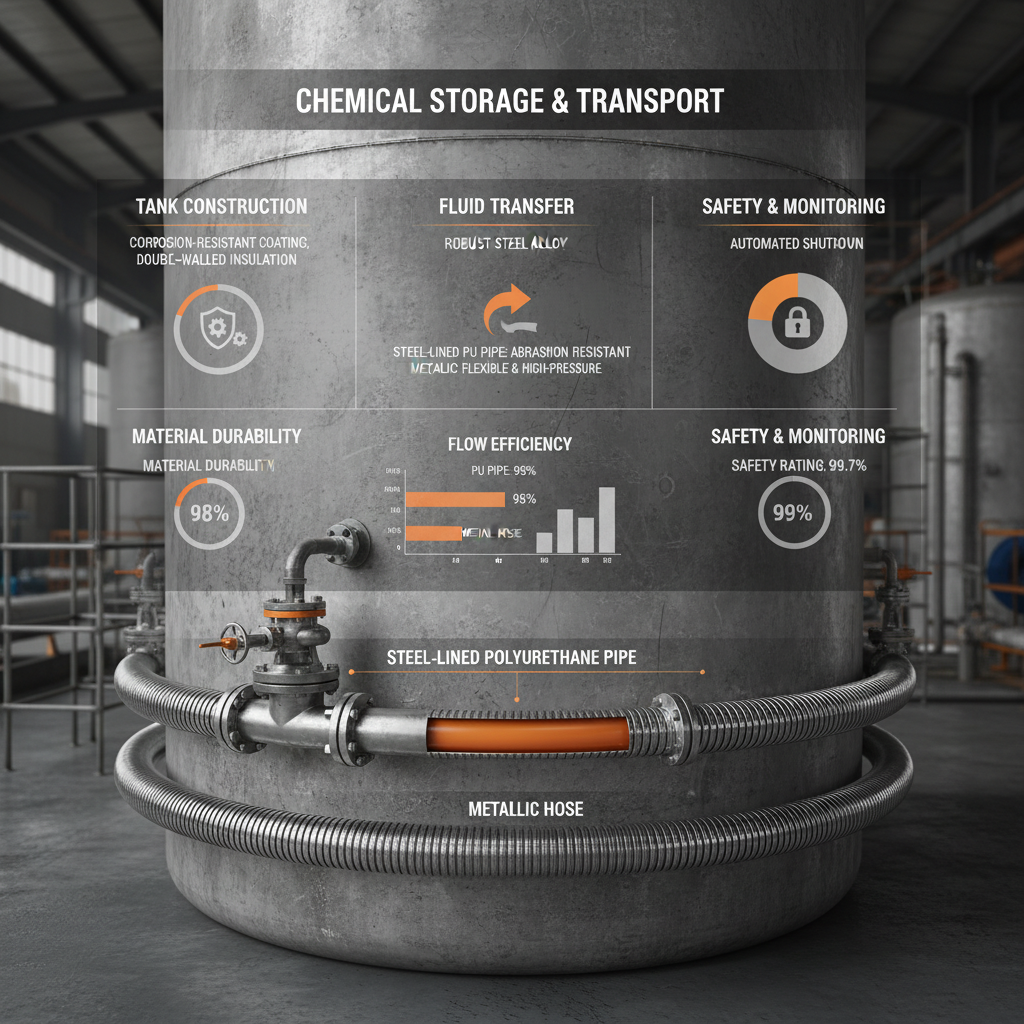
QW Metal offers a comprehensive range of chemical storage tanks in various sizes and configurations to meet diverse needs. We specialize in providing customized solutions that adhere to strict quality control measures.
Conclusion: Ensuring Safe and Reliable Chemical Storage
Choosing the right chemical storage tank is a critical investment in safety and operational efficiency. By carefully considering the factors outlined in this guide – tank type, material, safety features, and regulatory compliance – you can select a solution that meets your specific needs. QW Metal is your trusted partner for high-quality chemical storage tanks and expert guidance.
Frequently Asked Questions (FAQs)
What is secondary containment, and why is it important?
Secondary containment refers to a protective layer around the primary storage tank, designed to capture any spills or leaks. It's crucial for preventing environmental contamination and ensuring workplace safety. Secondary containment can be in the form of berms, dikes, or double-walled tanks. Regulations often mandate secondary containment for tanks storing hazardous chemicals. Effective secondary containment systems can minimize the impact of accidental releases and help maintain compliance.
How often should chemical storage tanks be inspected?
Chemical storage tanks should be inspected regularly, at least annually, and more frequently if they store highly corrosive or hazardous chemicals. Inspections should include a visual assessment for signs of corrosion, leaks, cracks, and structural damage. Record keeping of inspections is vital for compliance and identifying potential issues early. Professional tank inspections can provide a more thorough assessment and identify hidden problems.
What are the key considerations for venting chemical storage tanks?
Proper venting is essential to prevent pressure buildup or vacuum formation within the tank. Venting systems should be designed to accommodate the chemical's vapor pressure, temperature fluctuations, and potential for gas generation. The vent should be equipped with a flame arrestor to prevent ignition of flammable vapors. Compliance with relevant safety standards and regulations is crucial when designing and installing venting systems.
Can QW Metal assist with custom tank design and fabrication?
Yes, QW Metal specializes in custom tank design and fabrication. We work closely with our clients to understand their specific needs and create tailored solutions that meet their requirements. Our experienced engineers and fabricators can design and build tanks to specific dimensions, materials, and safety standards. Contact us today to discuss your project!
Related Products
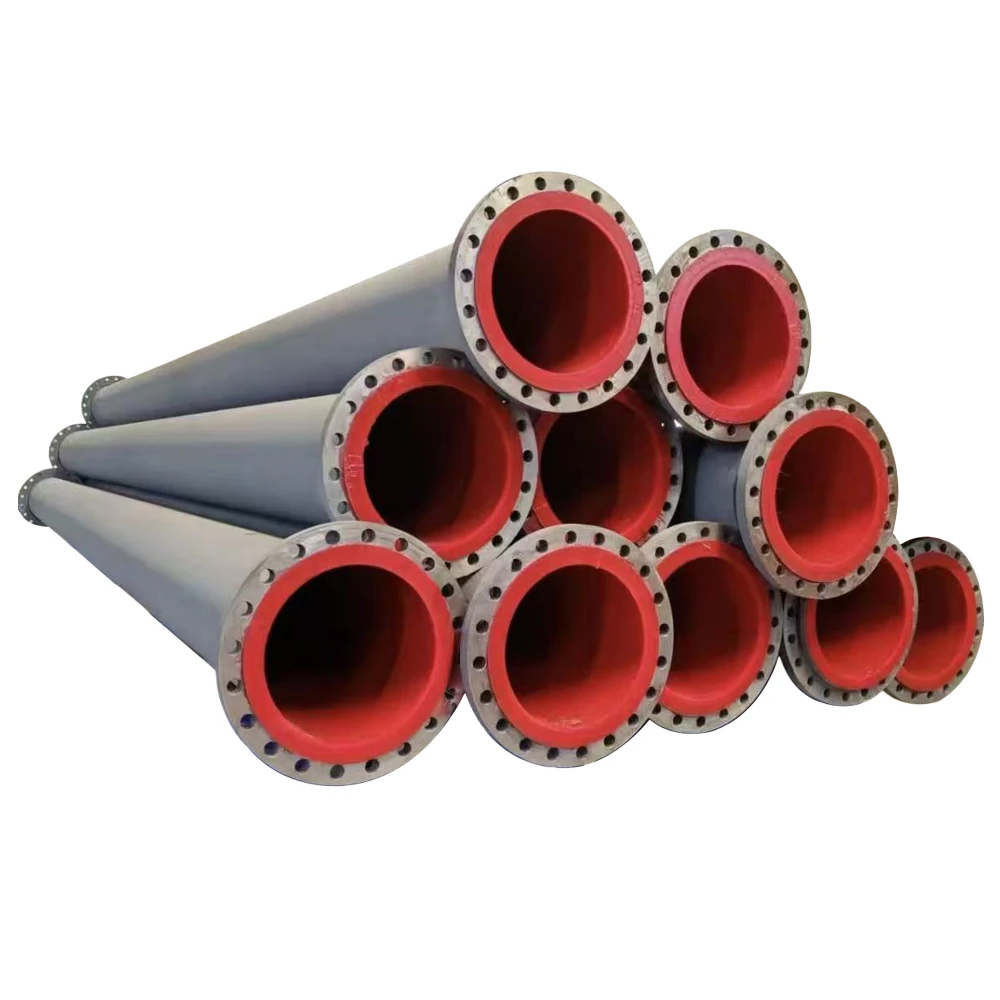
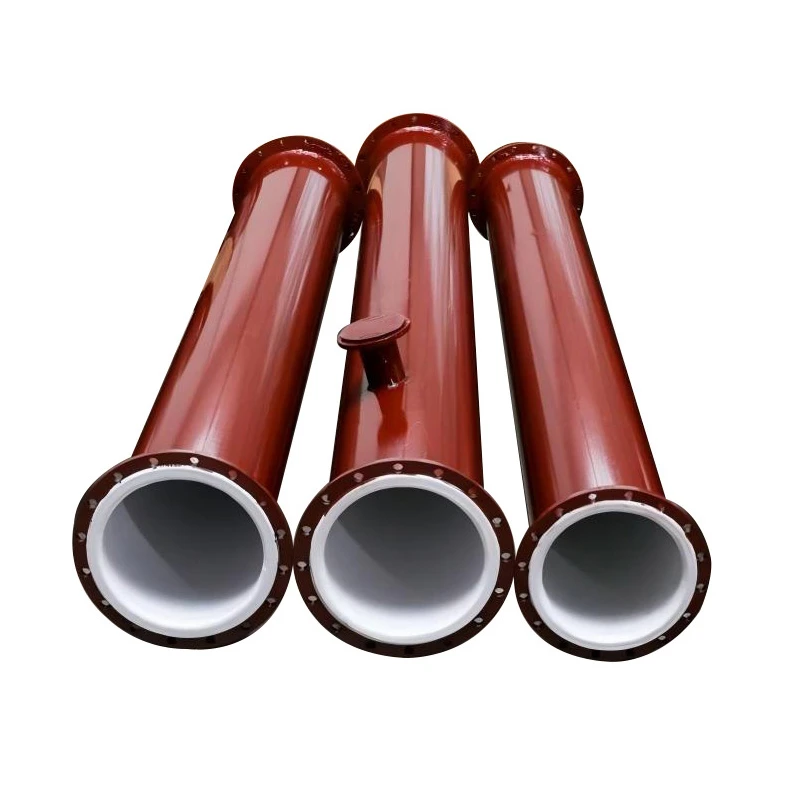
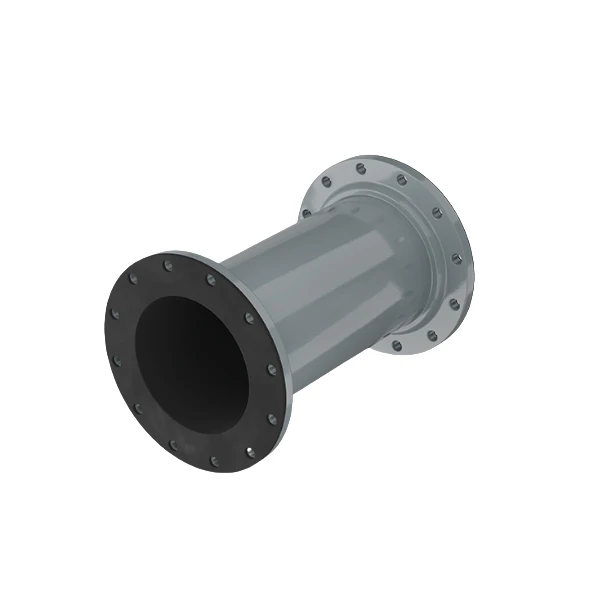
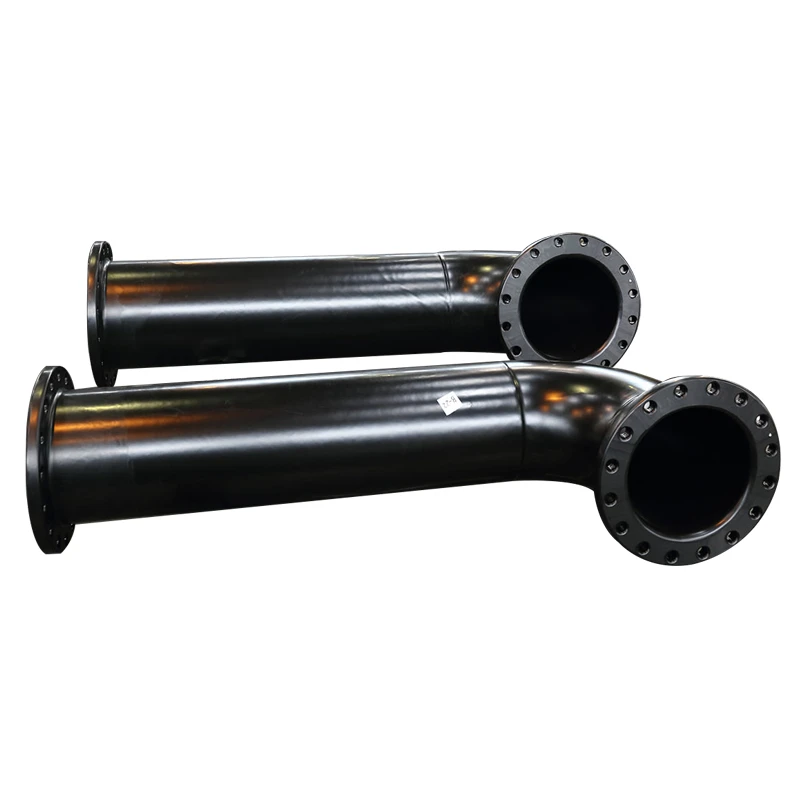
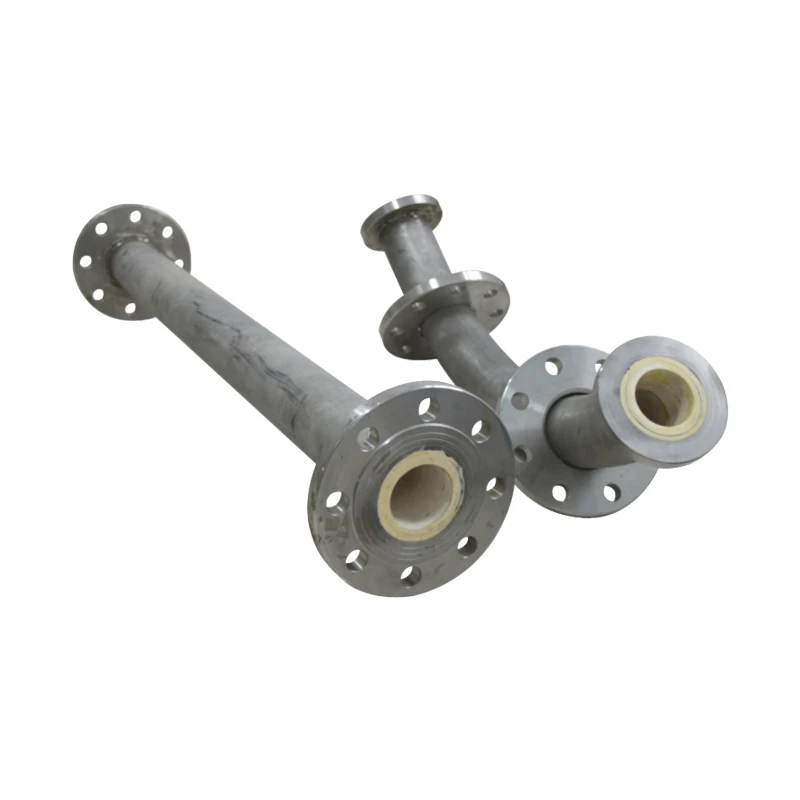
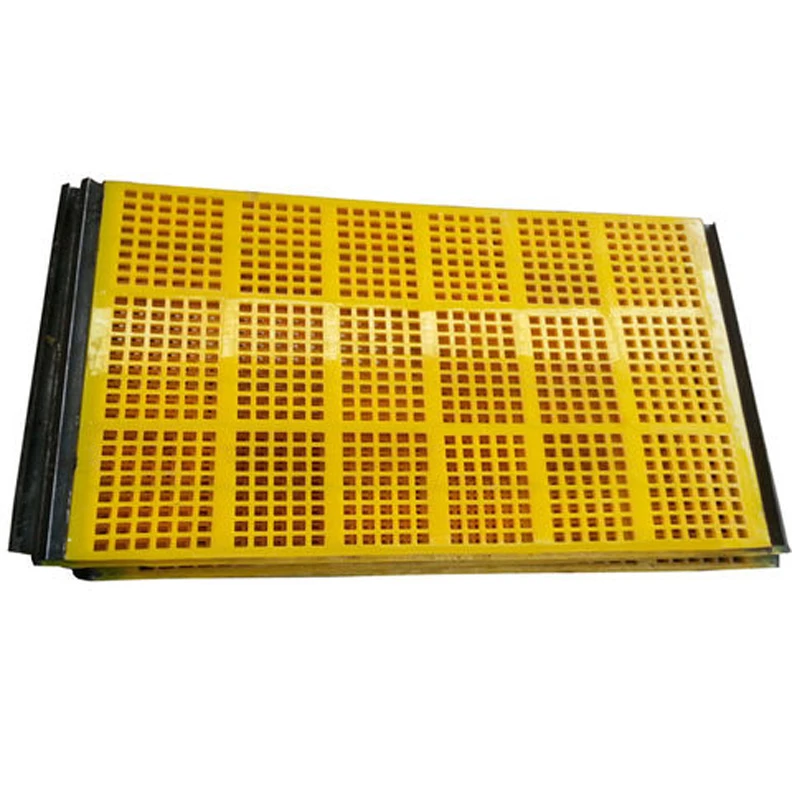
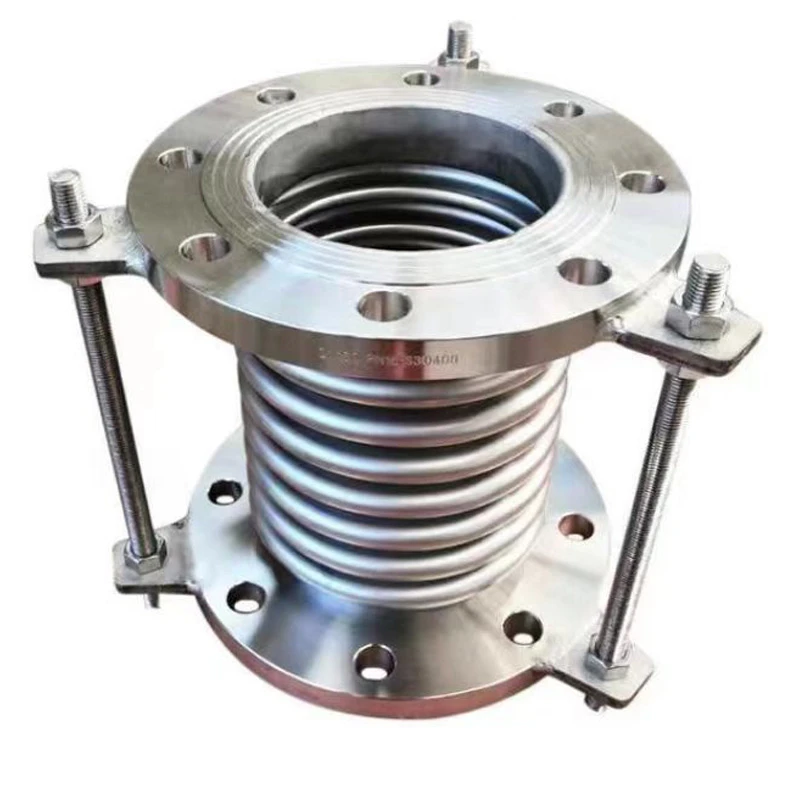
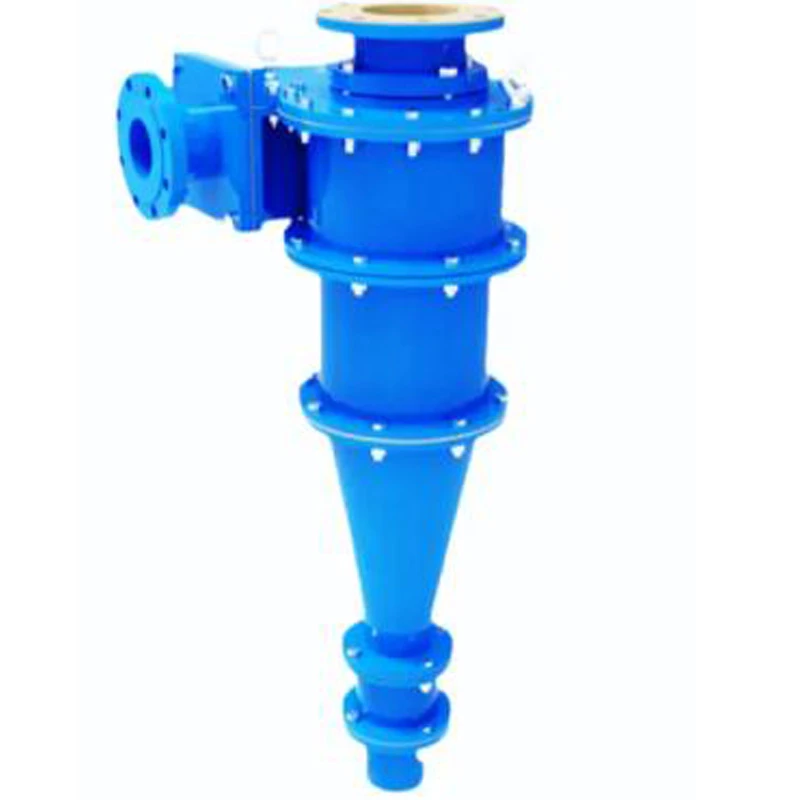
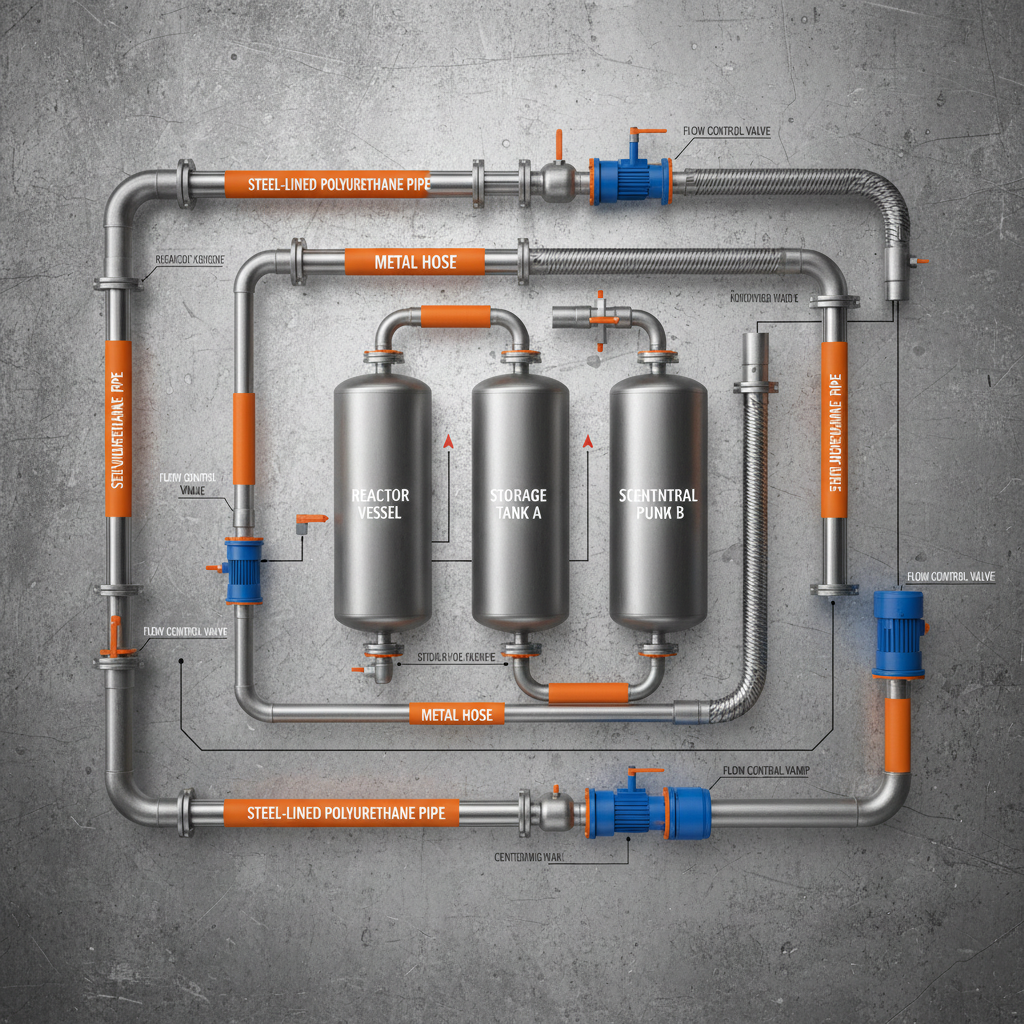
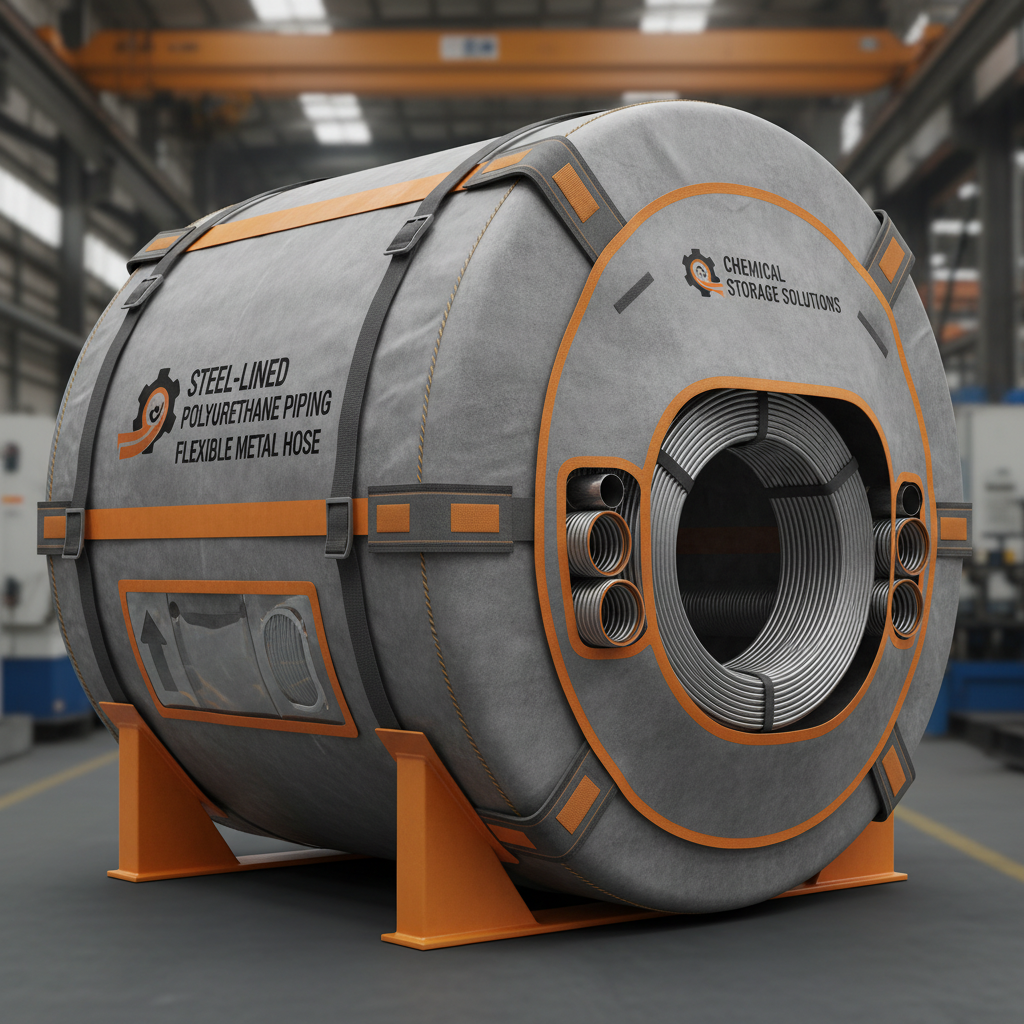
Our main products are polyurethane lined pipes, mining equipment fittings and metal hoses.