Comprehensive Guide to Acid Tanks Applications Materials and Safety Considerations
Understanding Acid Tanks: Applications, Materials, and Considerations
Acid tanks are critical components in various industrial processes, providing safe and reliable storage for corrosive materials. Choosing the right acid tank is essential for ensuring operational efficiency, worker safety, and environmental compliance. This article will explore the different types of acid tanks available, the materials used in their construction, key considerations when selecting a tank, and their widespread applications. Proper selection and maintenance of acid tanks are paramount to preventing leaks, spills, and potential hazards. We will delve into the intricacies of these vital industrial assets.
Types of Acid Tanks
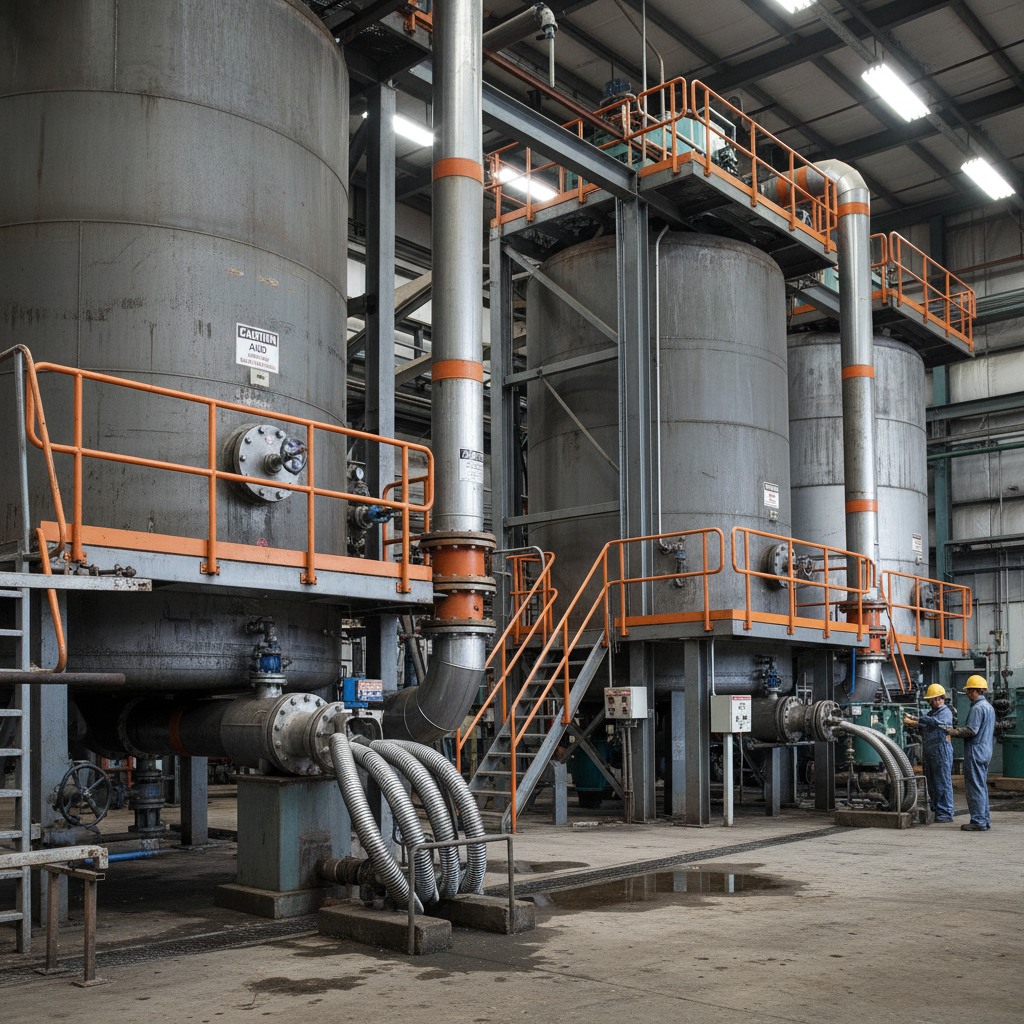
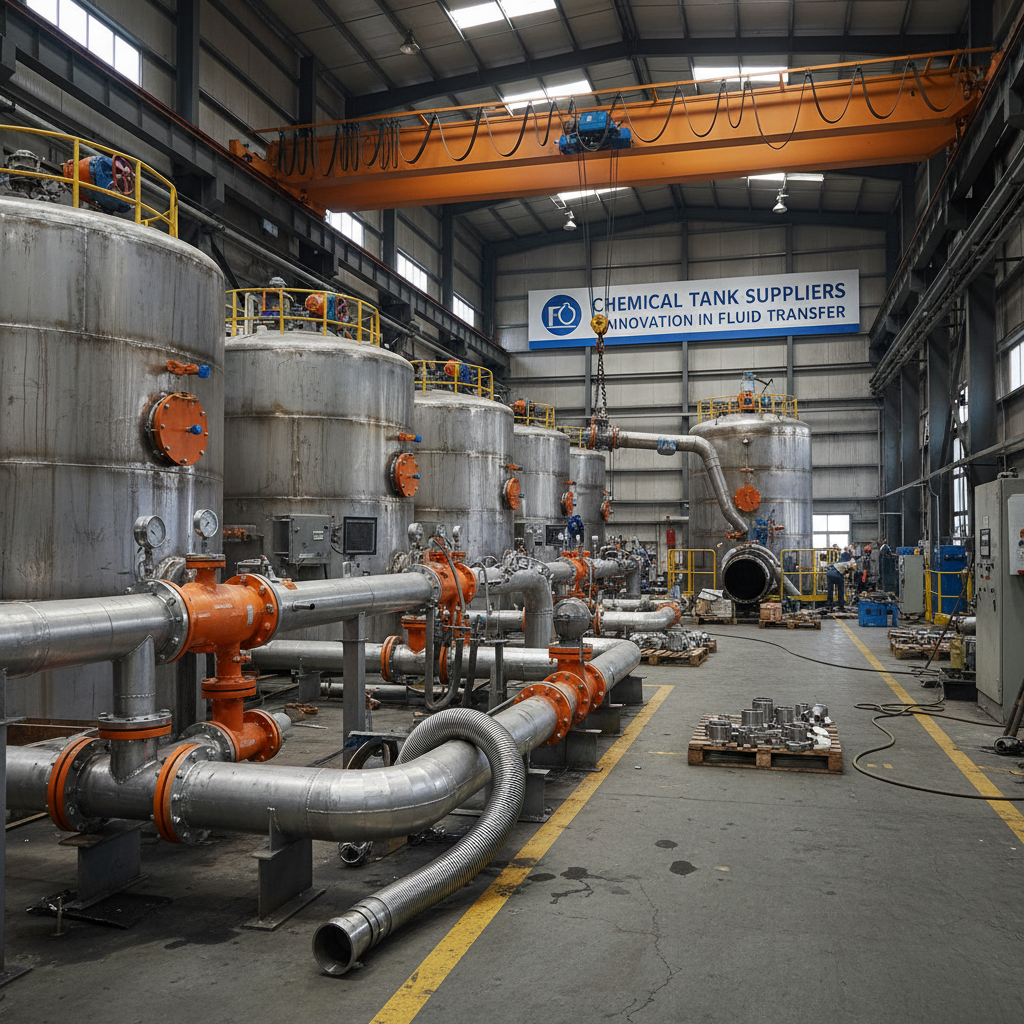
Acid tanks come in a variety of designs, each suited to specific applications and chemical compatibility requirements. Common types include vertical tanks, horizontal tanks, and cone-bottom tanks. Vertical tanks are often used for large-volume storage, while horizontal tanks are preferred when space is limited. Cone-bottom tanks facilitate complete drainage and are ideal for applications where sediment buildup is a concern. Specialized tanks, such as double-walled tanks, provide an extra layer of containment in case of leaks, enhancing safety and environmental protection. The choice of tank type depends on factors like the acid’s properties, storage volume, and site constraints.
Key Takeaway: Selecting the correct tank type hinges on understanding your application’s specific requirements, considering factors like volume, space constraints, and potential for sediment buildup.
Materials Used in Acid Tank Construction
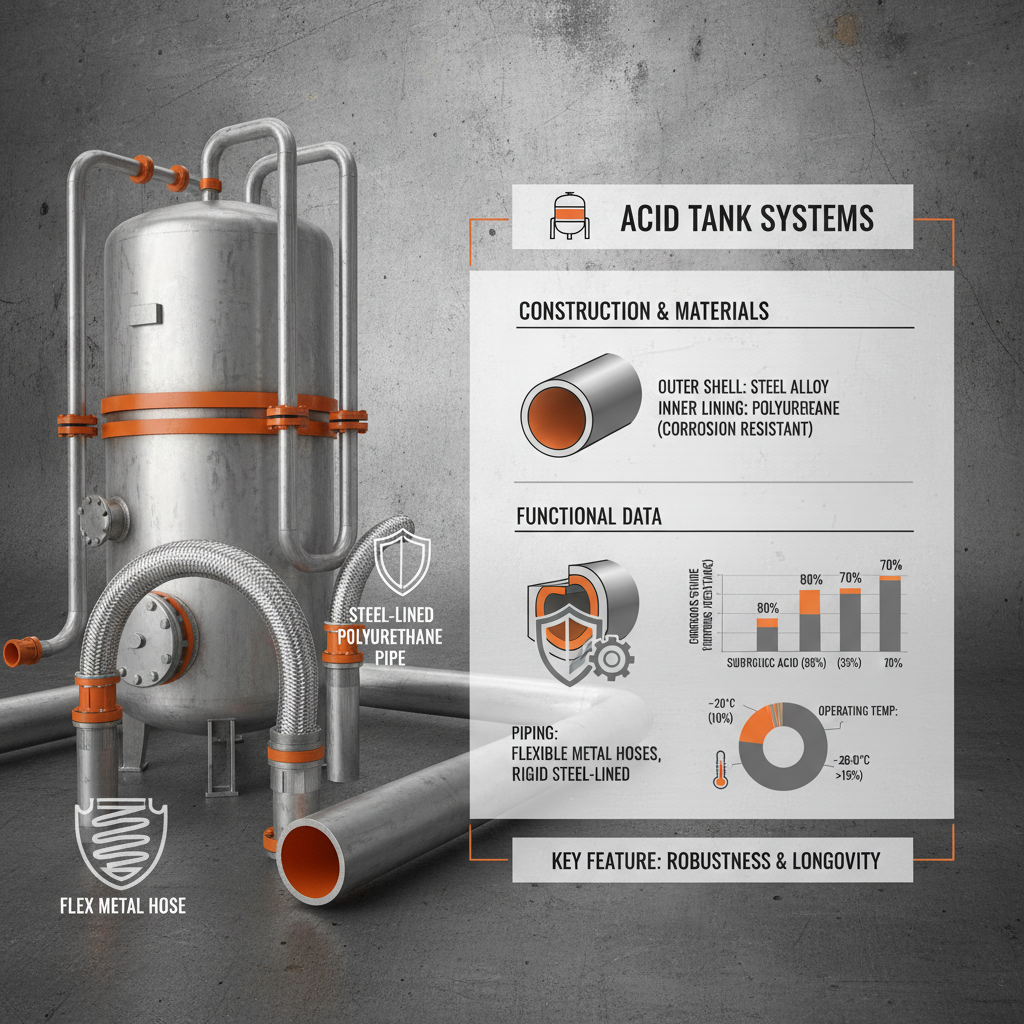
The material used to construct an acid tank is critical for ensuring its durability and resistance to corrosion. Common materials include polypropylene (PP), polyethylene (PE), fiberglass reinforced plastic (FRP), and stainless steel (specifically grades like 304L and 316L). Polypropylene and polyethylene are cost-effective options suitable for a range of acids, while FRP offers excellent chemical resistance and high strength-to-weight ratio. Stainless steel provides superior corrosion resistance, especially for highly aggressive chemicals, but comes at a higher cost. The selection of material must align with the specific acid being stored and the operating temperature.
Material Comparison:
• Polypropylene (PP): Cost-effective, good chemical resistance.
• Polyethylene (PE): Excellent impact resistance, suitable for various acids.
• Fiberglass Reinforced Plastic (FRP): High strength-to-weight ratio, excellent chemical resistance.
• Stainless Steel (304L/316L): Superior corrosion resistance, durable but expensive.
Selecting the Right Acid Tank: Key Considerations
Choosing the appropriate acid tank involves careful consideration of several factors. The type and concentration of the acid being stored are paramount, as different acids require different materials of construction. Tank capacity must be sufficient to meet operational needs, accounting for potential fluctuations in demand. Regulations regarding secondary containment should be considered, and features like double-walled construction or spill containment systems may be necessary. Finally, the tank’s location and environmental conditions will influence material selection and design features. Consulting with a qualified tank supplier, like QW Metal, is highly recommended.
Applications of Acid Tanks Across Industries
Acid tanks find widespread use in numerous industries. The chemical processing industry relies on them for storing and handling a variety of acids used in manufacturing processes. Water and wastewater treatment plants use acid tanks for pH adjustment and chemical dosing. The metal finishing industry utilizes acid tanks for etching, cleaning, and plating operations. Pharmaceutical companies also employ acid tanks for manufacturing and research purposes. The agricultural sector uses acid tanks for fertilizer production and storage. Proper selection and maintenance of acid tanks are crucial in each of these industries to ensure safe and efficient operations.
Acid Tank Safety and Maintenance
Regular inspection and maintenance are vital for ensuring the safe and reliable operation of acid tanks. Inspect tanks for signs of corrosion, leaks, or structural damage. Implement a routine cleaning schedule to prevent buildup of sediment and residue. Ensure proper ventilation in areas where acid tanks are located. Train personnel on safe handling procedures and emergency response protocols. Follow manufacturer's recommendations for maintenance and repair. A proactive maintenance program can significantly extend the lifespan of the tank and prevent costly incidents. QW Metal offers a range of inspection and maintenance services to support our customers.
Conclusion: Investing in Quality and Safety with Acid Tanks
Selecting and maintaining the right acid tank is a critical investment for any industry handling corrosive materials. Prioritizing material compatibility, adhering to safety regulations, and implementing a proactive maintenance program are essential for ensuring operational efficiency, worker safety, and environmental protection. Partnering with a reputable supplier like QW Metal can provide valuable expertise and support throughout the entire process.
Frequently Asked Questions (FAQs)
What is the typical lifespan of an acid tank?
The lifespan of an acid tank varies depending on the material of construction, the type and concentration of acid stored, and the frequency of maintenance. Polyethylene tanks typically last 15-20 years, while FRP tanks can last 20-30 years. Stainless steel tanks, with proper maintenance, can have a lifespan exceeding 50 years. Regular inspections and prompt repairs are crucial for maximizing the lifespan of any acid tank. Factors such as UV exposure and mechanical stress can also impact longevity.
What safety features should I look for in an acid tank?
Essential safety features include corrosion-resistant materials, secondary containment systems (such as double-walled construction or spill containment basins), appropriate venting to prevent pressure buildup, and level indicators to monitor acid levels. A robust leak detection system is also highly recommended. The tank should be clearly labeled with hazard warnings and safety instructions. Always consult with safety professionals and regulatory guidelines when selecting and installing an acid tank.
How often should I inspect my acid tank?
Regular inspections are critical for maintaining the integrity of your acid tank. Visual inspections should be conducted at least monthly, checking for signs of corrosion, leaks, cracks, or structural damage. More thorough inspections, including testing of the tank's walls and connections, should be performed annually by a qualified technician. Keep detailed records of all inspections and maintenance activities. Documenting any repairs or replacements is also important.
Can QW Metal provide custom acid tank solutions?
Yes, QW Metal specializes in custom acid tank design and fabrication. We can work with you to develop a tank solution that meets your specific requirements, including size, shape, material, and features. Our experienced engineers and technicians ensure that all tanks are built to the highest quality standards and comply with relevant industry regulations. Contact us today to discuss your needs.
Related Products
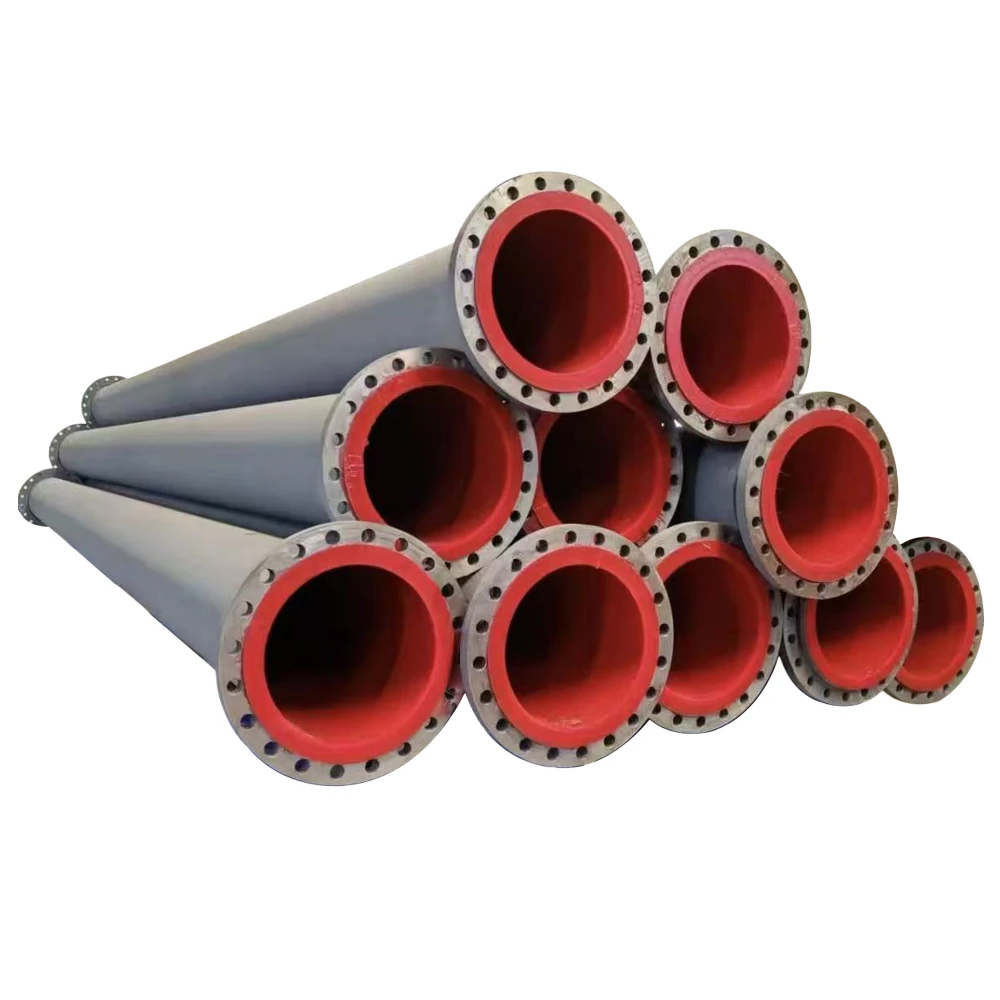
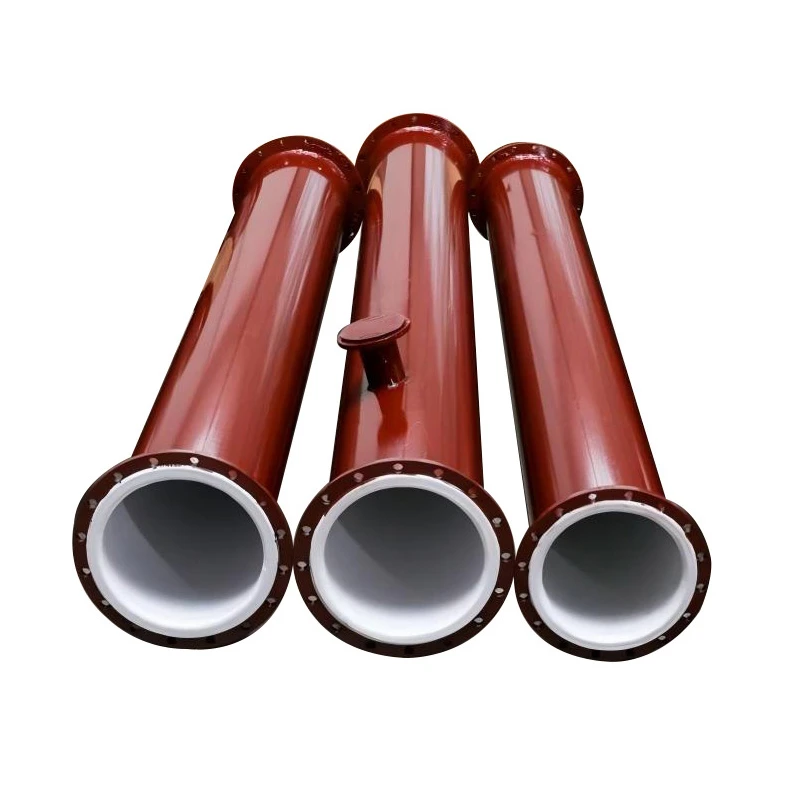
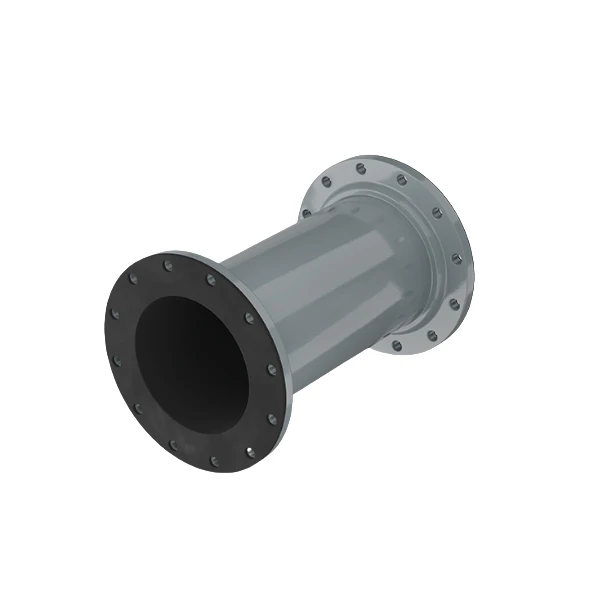
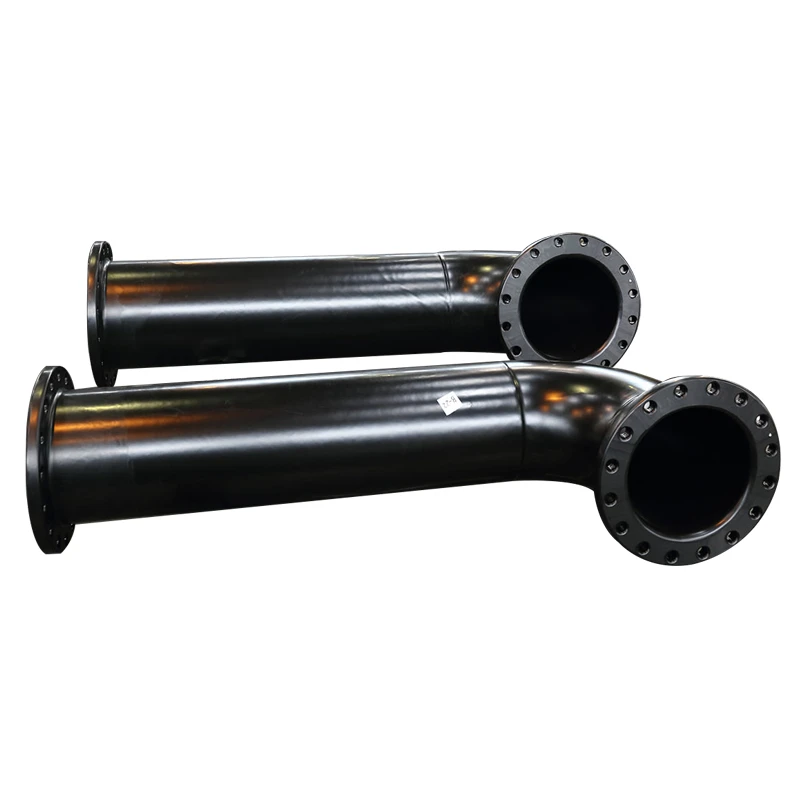
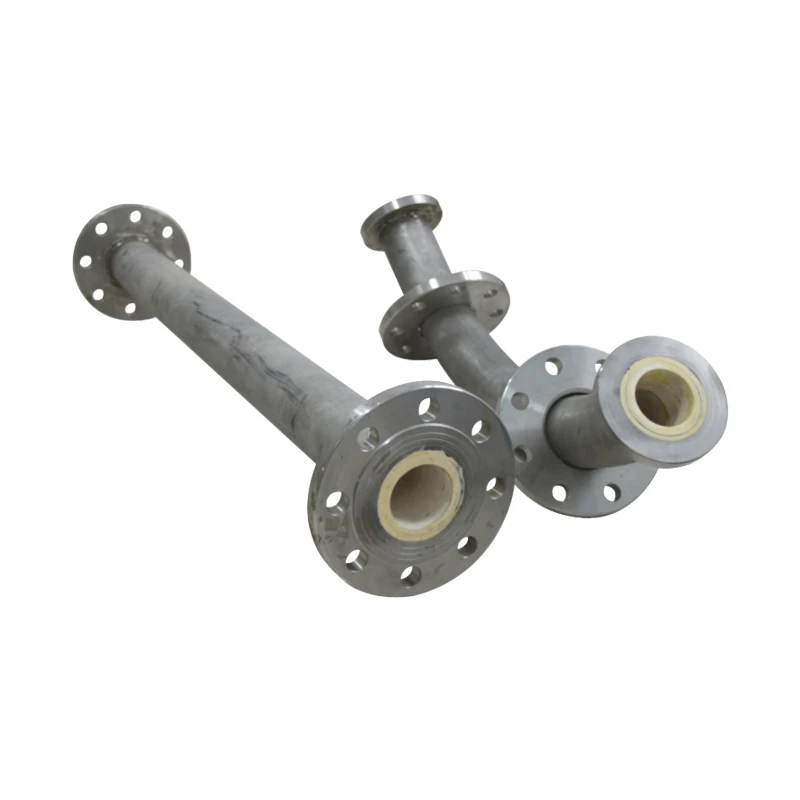
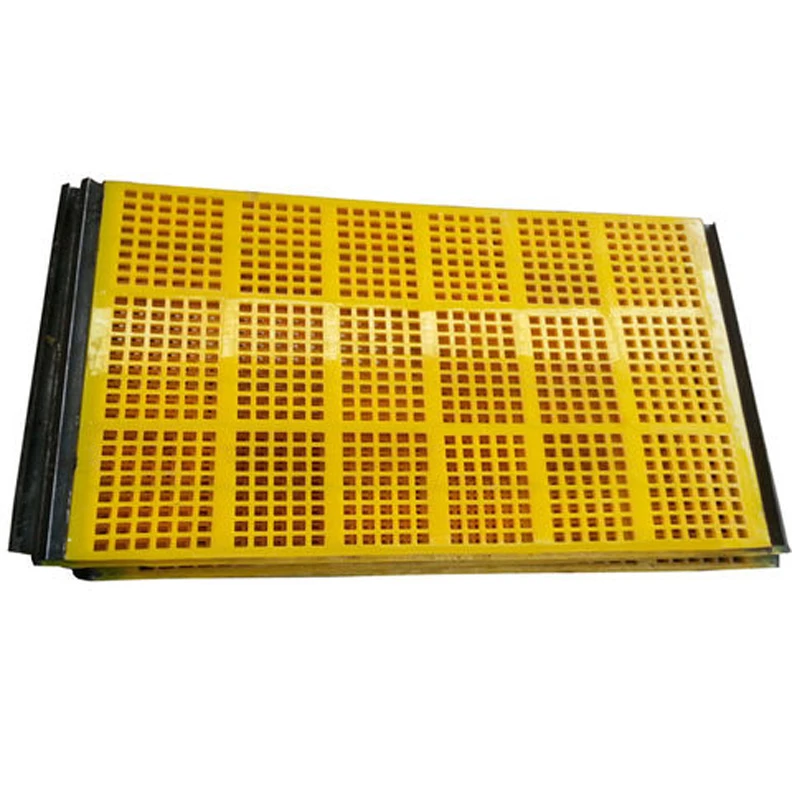
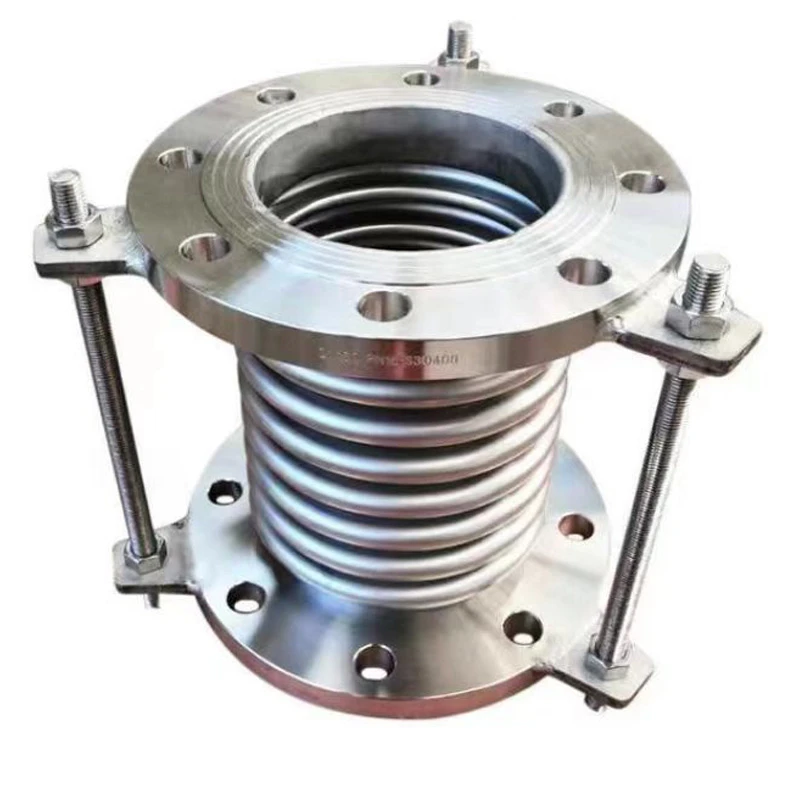
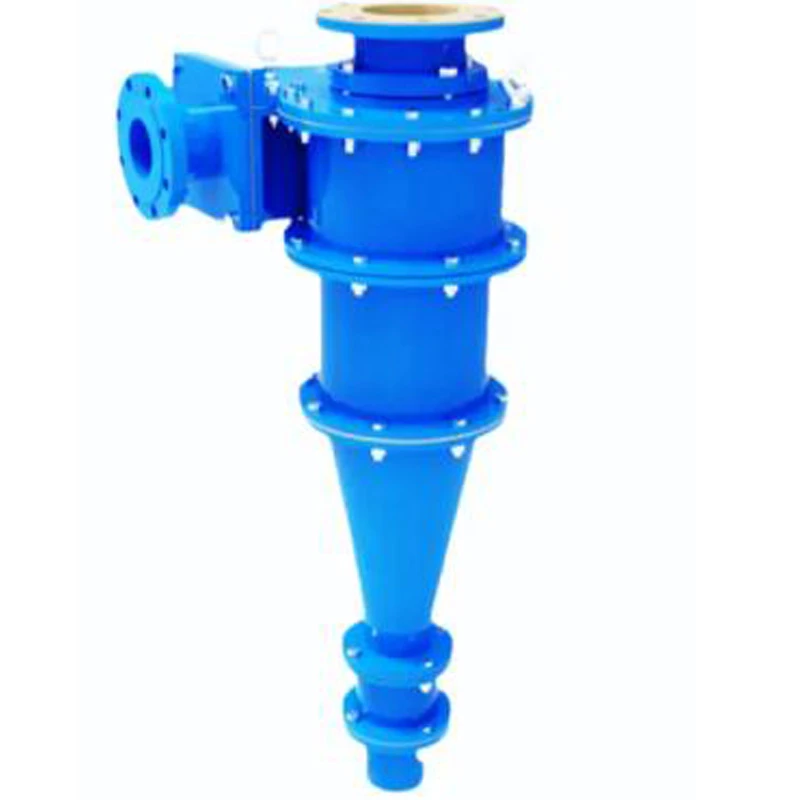
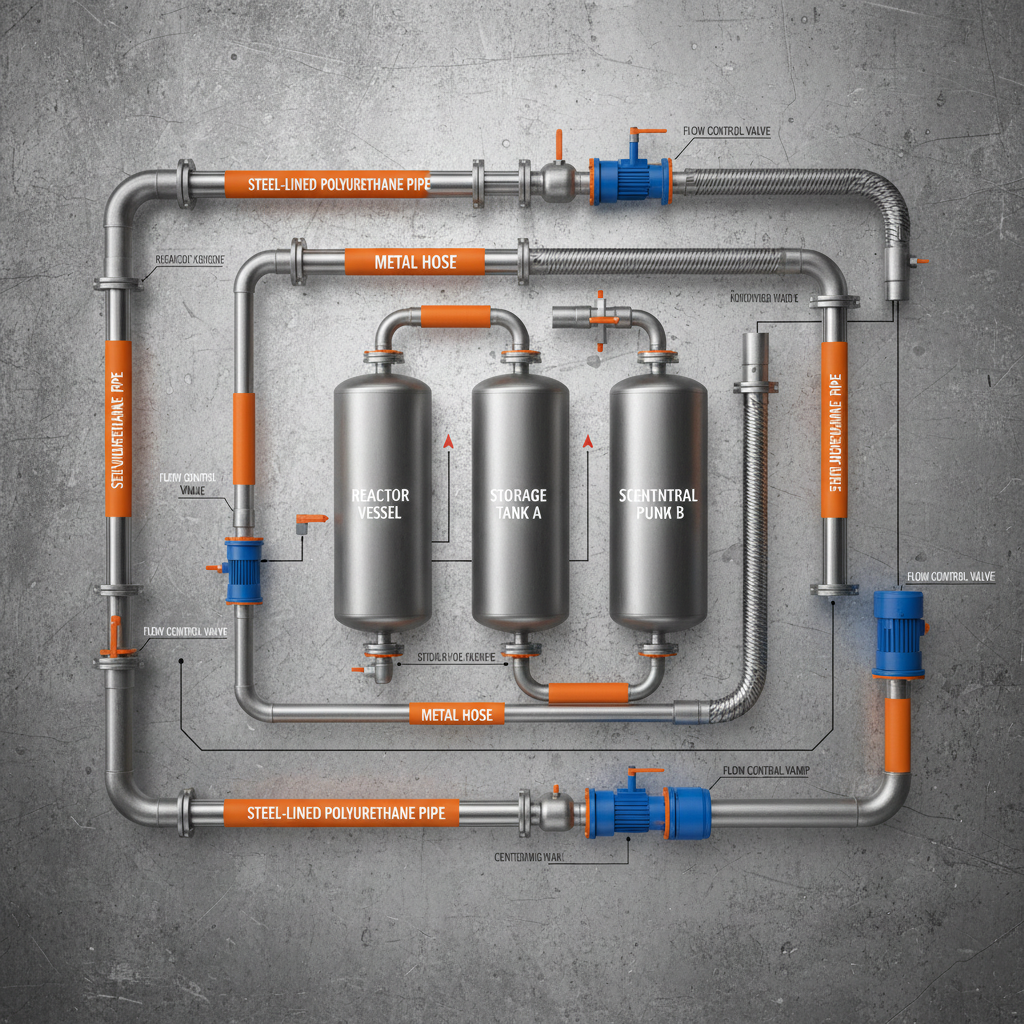
Our main products are polyurethane lined pipes, mining equipment fittings and metal hoses.