NEWS


-
Finding the Right Chemical Tank Suppliers for Safe and Reliable Storage
Feb . 28, 2026
When sourcing chemicals for industrial processes, the safe and secure storage is paramount. Selecting the right chemical tank suppliers is, therefore, a critical decision. This article provides an in-depth overview of the key considerations when choosing a supplier, the types of tanks available, quality standards, and crucial factors for ensuring long-term reliability. We'll also explore how QW Metal stands out as a trusted partner for your chemical storage needs. Choosing the right supplier protects your investments and ensures safety. Chemical tanks are manufactured from a variety of materials, each with its own strengths and weaknesses. Common materials include polyethylene (PE), polypropylene (PP), fiberglass reinforced plastic (FRP), and stainless steel. The choice of material depends heavily on the specific chemicals being stored, their concentration, temperature, and potential reactivity. For example, corrosive chemicals require tanks made of highly resistant materials like FRP or specialized stainless steel alloys.
Read More -
Comprehensive Guide to Rubber Lined Tanks for Corrosive Material Storage
Feb . 27, 2026
When it comes to storing corrosive or sensitive materials, choosing the right tank is critical. Rubber lined tanks offer a robust and reliable solution, providing exceptional chemical resistance and preventing contamination. This article explores the benefits, applications, construction, and considerations when selecting a rubber lined tank for your specific needs. Understanding the technology behind these tanks is key to ensuring the safe and efficient storage of your valuable materials. QW Metal specializes in high-quality, custom rubber lined tanks for a wide range of industries. Rubber lining involves applying a layer of synthetic or natural rubber to the interior surface of a steel tank. This creates a barrier between the stored material and the tank's metal, preventing corrosion, contamination, and chemical reactions. The primary benefit is enhanced durability and extended tank lifespan, even when dealing with highly aggressive substances. Rubber lined tanks are essential in industries where material purity and safety are paramount. They offer a cost-effective alternative to using expensive alloy materials for tank construction.
Read More -
Comprehensive Guide to Teflon Lined Tanks and Their Industrial Applications
Feb . 26, 2026
Teflon lined tanks, also known as PTFE (Polytetrafluoroethylene) lined tanks, are specialized storage vessels designed to safely contain corrosive chemicals and materials. These tanks are vital in a wide array of industries, offering superior chemical resistance compared to traditional materials like stainless steel. At QW Metal, we specialize in the fabrication of high-quality, custom-engineered teflon lined tanks for diverse applications. This article delves into the benefits, applications, materials, and considerations when choosing a Teflon lined tank. The primary advantage of teflon lined tanks is their unparalleled resistance to a vast spectrum of corrosive chemicals. PTFE is virtually inert, meaning it doesn't react with most substances, including strong acids, bases, solvents, and oxidizing agents. This makes these tanks ideal for storing and processing materials that would quickly degrade or contaminate other tank types.
Read More -
Comprehensive Guide to Acid Tanks Selection Materials and Safe Handling Procedures
Feb . 25, 2026
Acid tanks are critical components in numerous industrial processes, serving as safe and contained vessels for storing and handling corrosive acids. Choosing the right acid tank is vital for ensuring workplace safety, environmental protection, and operational efficiency. This article will explore the various types of acid tanks, materials used in their construction, key considerations for selection, and applications across different industries. We'll delve into the critical aspects of acid tank design and maintenance to help you make informed decisions. QW Metal specializes in the design and fabrication of high-quality acid tanks tailored to your specific needs. Acid tanks come in various designs, each suited to different applications and acid types. Common types include vertical tanks, horizontal tanks, cone bottom tanks, and rectangular tanks. Vertical tanks are generally used for larger volumes and offer efficient space utilization. Horizontal tanks are ideal for situations where space is limited or when mixing is required.
Read More -
Effective Tank Chemical Storage Handling and Safety Best Practices
Feb . 24, 2026
The safe and efficient storage and handling of tank chemicals is paramount for businesses across numerous industries. From water treatment to manufacturing, improper handling can lead to environmental hazards, safety risks, and significant financial repercussions. This article will provide a comprehensive overview of best practices, regulatory compliance, and crucial considerations for managing tank chemicals effectively. Proper selection of storage tanks and adherence to strict safety protocols are essential to protect personnel, the environment, and your bottom line. QW Metal provides high-quality solutions for tank chemical storage and handling. Selecting the appropriate storage tank is the first crucial step. Factors to consider include the chemical's compatibility with the tank material, the volume required, and the specific environmental and safety regulations applicable to your operation. Common tank materials include polyethylene, fiberglass, and stainless steel.
Read More -
Comprehensive Guide to PTFE Lined Tanks for Chemical Storage Solutions
Feb . 11, 2026
When it comes to storing corrosive or sensitive materials, selecting the right tank is crucial. PTFE lined tanks offer exceptional chemical resistance and purity, making them ideal for a wide range of industrial applications. This article will explore the benefits, applications, materials, and considerations when choosing a PTFE lined tank, providing a thorough overview for professionals and procurement managers. Understanding the intricacies of these tanks can ensure the safe and efficient storage of your valuable resources. PTFE (Polytetrafluoroethylene), often known as Teflon™, is a synthetic fluoropolymer renowned for its exceptional chemical inertness, wide temperature range (-200°C to +260°C), and low coefficient of friction. When used as a lining material for tanks, PTFE provides a barrier against highly corrosive substances like acids, alkalis, and solvents. This prevents contamination of the stored material and protects the tank itself from corrosion. QW Metal specializes in creating high-quality PTFE lined tanks designed to meet demanding industrial needs. A crucial benefit of PTFE is its exceptional purity, making it suitable for pharmaceutical and food-grade applications.
Read More -
Comprehensive Guide to Chemical Storage Tank Selection and Safe Handling
Jan . 30, 2026
Selecting the right chemical storage tank is crucial for the safe and efficient handling of various substances. These tanks are indispensable across numerous industries, from water treatment and pharmaceuticals to agriculture and manufacturing. This article provides an in-depth overview of chemical storage tanks, covering types, materials, applications, and key considerations for choosing the right tank for your specific needs. Proper storage minimizes risks, ensures regulatory compliance, and protects both personnel and the environment. We will explore how QW Metal can assist you in finding the optimal solution. Chemical storage tanks come in a variety of designs, each suited for different applications and chemical properties. Common types include vertical tanks, horizontal tanks, cone bottom tanks, and open-top tanks. Vertical tanks are widely used for large volume storage due to their efficient space utilization. Horizontal tanks are preferred for lower-profile installations and easier cleaning. Cone bottom tanks facilitate complete drainage, ideal for settling solids.
Read More -
Comprehensive Guide to Selecting and Utilizing Industrial Chemical Tanks
Jan . 28, 2026
When dealing with various chemicals in industrial processes, the safe and reliable storage of these substances is paramount. Chemical tanks are essential components for numerous industries, ranging from water treatment and manufacturing to agriculture and pharmaceuticals. Choosing the right tank isn’t simply a matter of capacity; it requires careful consideration of material compatibility, regulatory compliance, and specific application needs. This article provides a detailed overview of chemical tanks, covering types, materials, applications, and crucial factors to consider when making a purchase. Ensuring the correct storage solution can prevent costly spills, environmental damage, and safety hazards. Chemical tanks are available in a variety of types, each suited to specific applications and chemical properties. Common types include vertical tanks, horizontal tanks, conical bottom tanks, and open-top tanks. Vertical tanks are typically used for large-volume storage, while horizontal tanks are preferred when space is limited. Conical bottom tanks facilitate complete drainage, important for handling chemicals that require no residue. Open-top tanks are used for processes where constant air exposure is necessary.
Read More -
Find Reliable Chemical Tank Suppliers For Safe and Efficient Storage
Jan . 27, 2026
Finding reliable chemical tank suppliers is crucial for industries handling corrosive or sensitive materials. The quality and construction of these tanks directly impact safety, operational efficiency, and long-term costs. This article will explore the key factors to consider when choosing a supplier, the different types of chemical tanks available, materials used, and important considerations for selecting the right tank for your specific needs. We'll also highlight what sets reputable suppliers like QW Metal apart. Chemical tanks come in various configurations, each designed for specific applications. Common types include vertical tanks, horizontal tanks, conical bottom tanks, and open-top tanks. Vertical tanks are generally more space-efficient, while horizontal tanks are easier to clean and maintain. Conical bottom tanks facilitate complete drainage, essential for many chemical processes.
Read More -
Comprehensive Guide to Durable Rubber Lined Tank Solutions
Jan . 27, 2026
Rubber lined tanks are crucial components in numerous industries, offering robust corrosion protection and containment solutions. From chemical processing to water treatment, these tanks play a vital role in ensuring safe and efficient operations. This article delves into the benefits, applications, materials, and considerations when choosing a rubber lined tank, providing a detailed overview for engineers, procurement professionals, and industry stakeholders. Understanding the intricacies of these tanks is key to maximizing their lifespan and performance. A rubber lined tank is essentially a steel tank internally coated with a layer of rubber. This lining serves as a barrier between the stored substance and the steel, preventing corrosion and contamination. The steel provides structural strength, while the rubber offers chemical resistance. Common rubber linings include natural rubber, butyl rubber, chlorobutyl rubber, and EPDM, each offering different properties suitable for specific applications. The application process involves bonding the rubber lining to the steel shell, creating a seamless and durable protective layer.
Read More -
Comprehensive Guide to Rubber Lined Tanks Applications and Benefits
Jan . 27, 2026
In the realm of industrial storage and processing, selecting the right tank material is paramount. Rubber lined tanks offer a robust and versatile solution for a wide range of applications, particularly when handling corrosive substances. This article will explore the benefits, applications, and key considerations when choosing a rubber lined tank, providing a comprehensive guide for businesses seeking reliable and long-lasting storage solutions. Protecting your valuable resources and ensuring workplace safety are crucial, and a well-chosen tank plays a significant role in both. A rubber lined tank is essentially a steel tank with an inner lining of rubber – typically natural rubber, butyl rubber, or EPDM rubber. The steel provides structural strength, while the rubber lining offers excellent chemical resistance, protecting the tank and its contents from corrosion and contamination.
Read More -
Teflon Lined Tanks: Corrosion Solutions for Industry
Jan . 26, 2026
Explore the benefits of Teflon lined tanks for chemical processing, water treatment, and more. Learn about materials, applications, and vendor selection.
Read More
Related Products
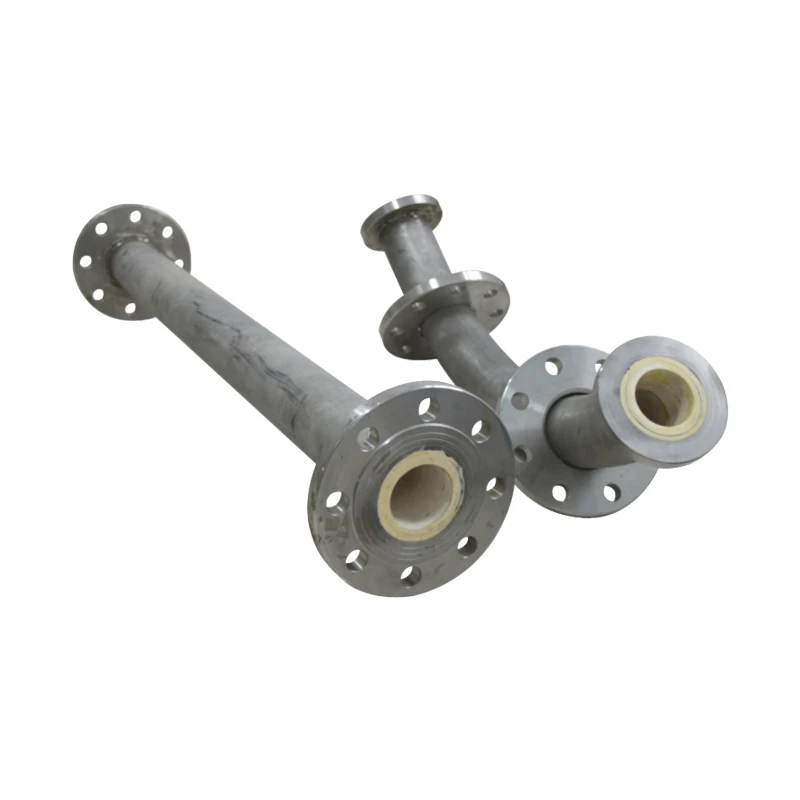
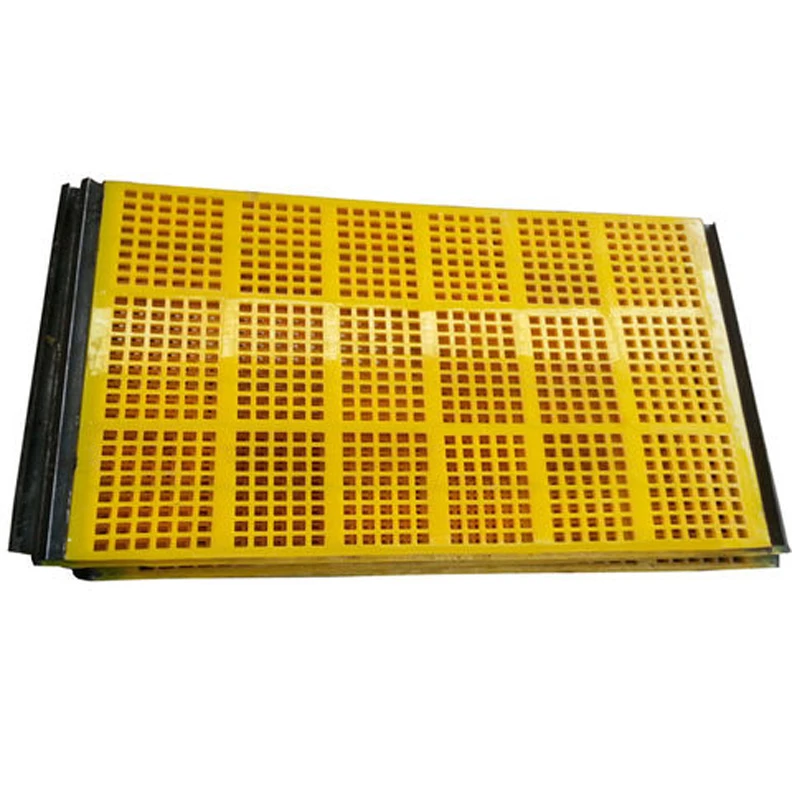
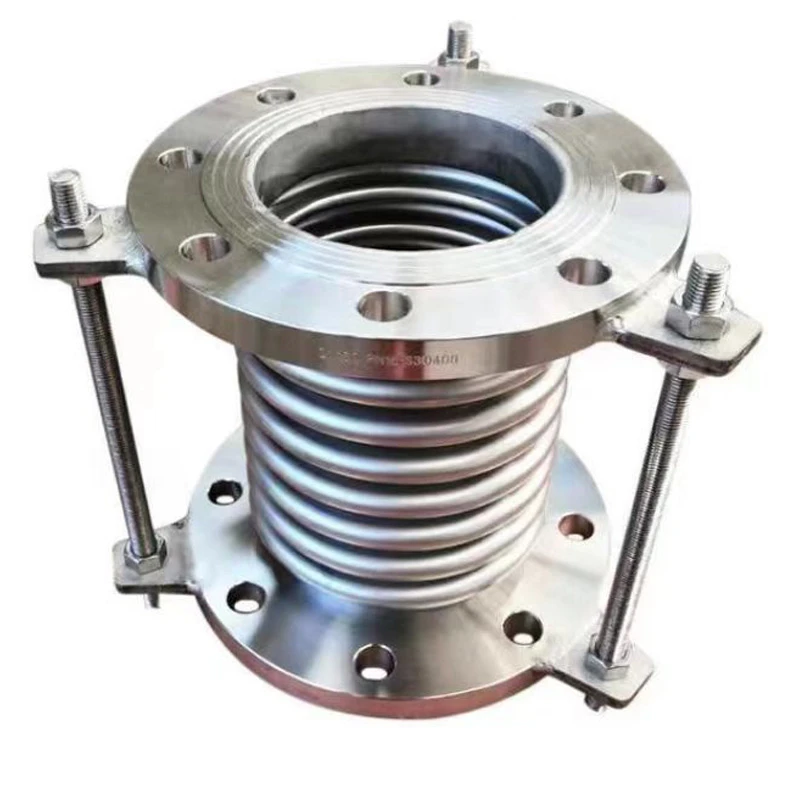
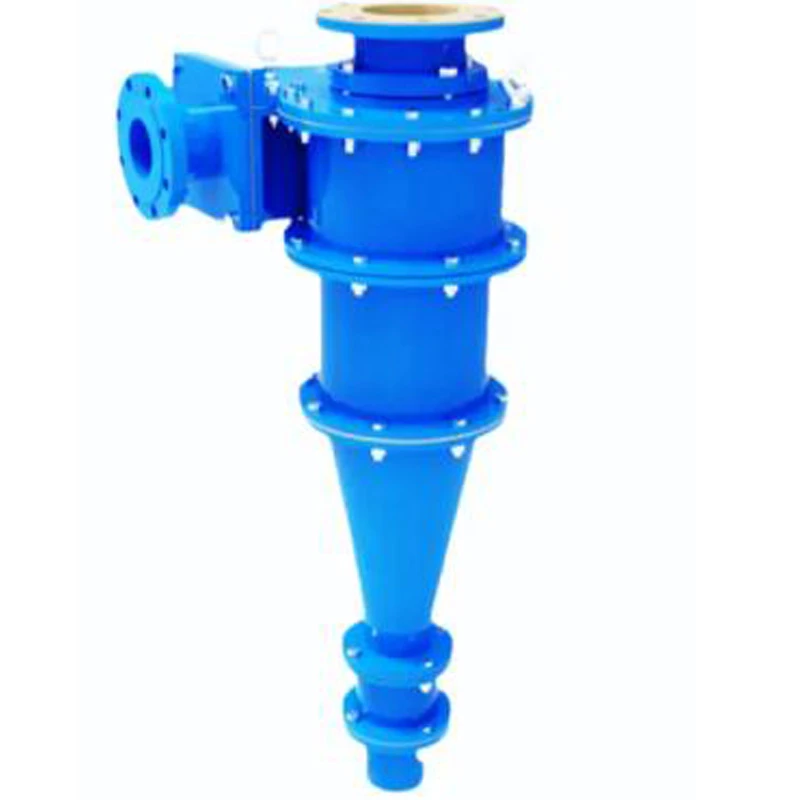
Our main products are polyurethane lined pipes, mining equipment fittings and metal hoses.