Effective Tank Chemical Storage Handling and Safety Best Practices
Understanding Tank Chemical Storage and Handling
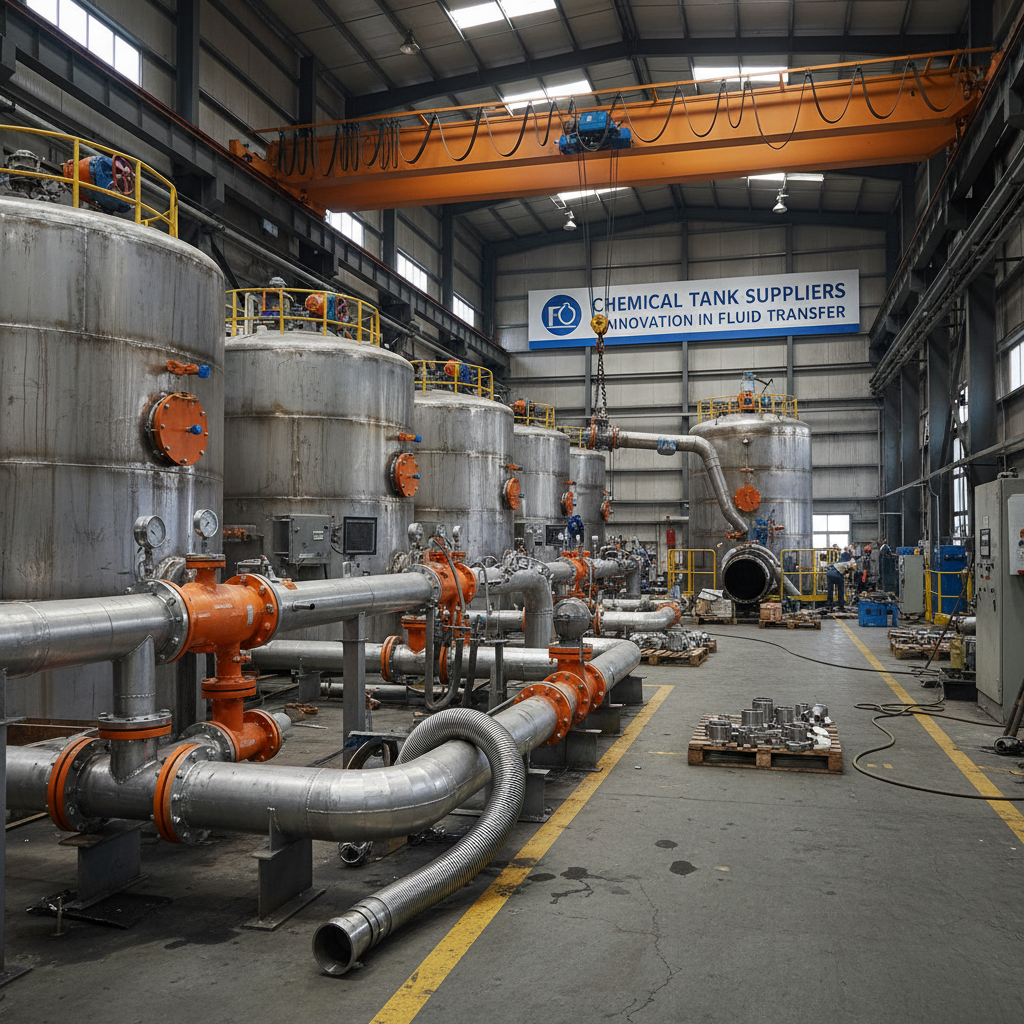
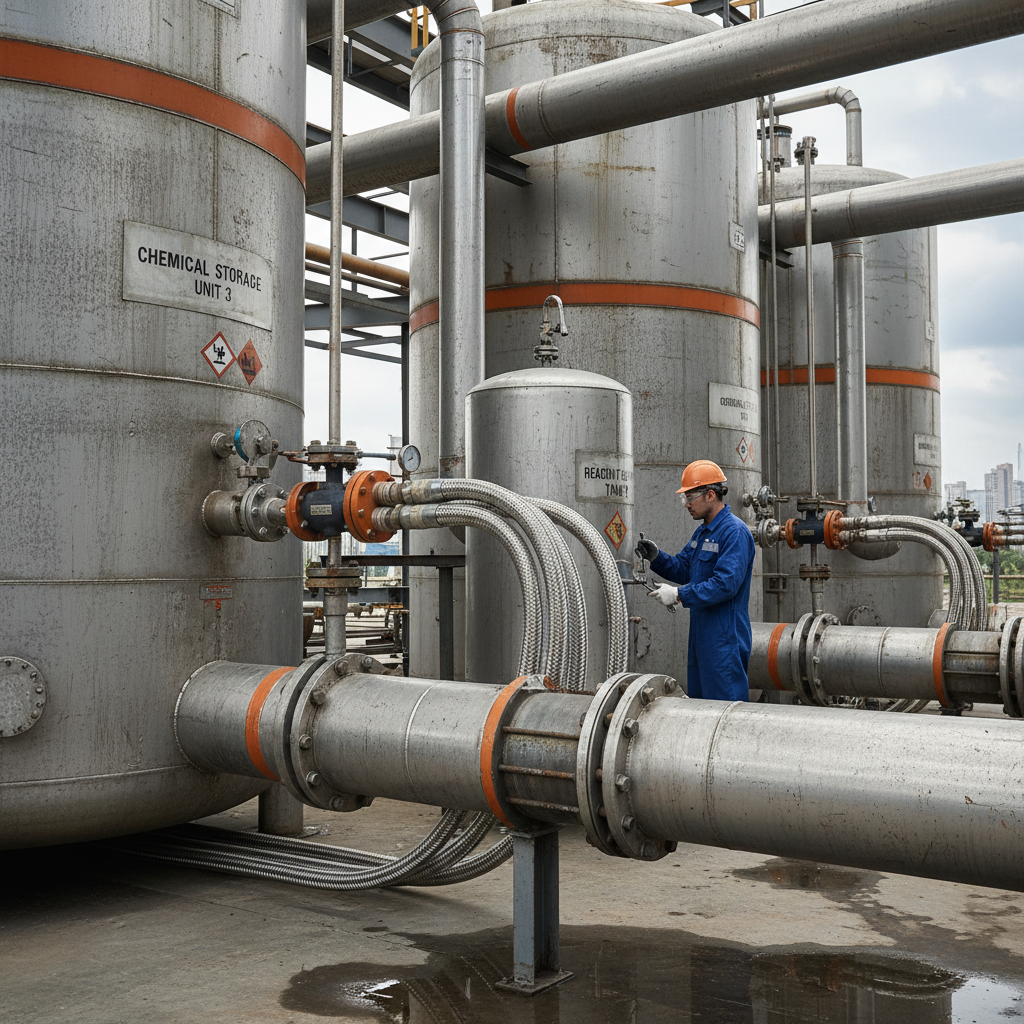
The safe and efficient storage and handling of tank chemicals is paramount for businesses across numerous industries. From water treatment to manufacturing, improper handling can lead to environmental hazards, safety risks, and significant financial repercussions. This article will provide a comprehensive overview of best practices, regulatory compliance, and crucial considerations for managing tank chemicals effectively. Proper selection of storage tanks and adherence to strict safety protocols are essential to protect personnel, the environment, and your bottom line. QW Metal provides high-quality solutions for tank chemical storage and handling.
Choosing the Right Tank for Your Chemical
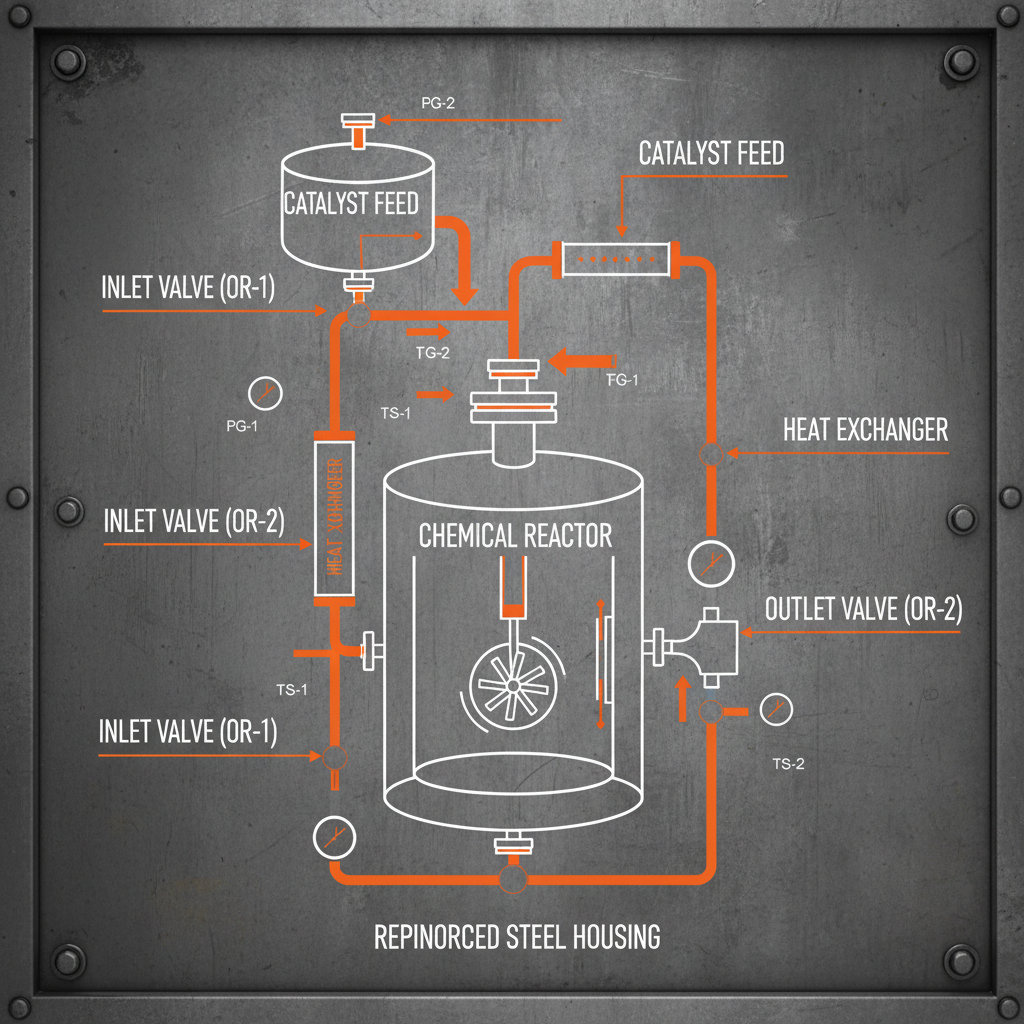
Selecting the appropriate storage tank is the first crucial step. Factors to consider include the chemical's compatibility with the tank material, the volume required, and the specific environmental and safety regulations applicable to your operation. Common tank materials include polyethylene, fiberglass, and stainless steel. Each has its own advantages and disadvantages depending on the chemical being stored. Polyethylene is generally cost-effective for many applications, while stainless steel offers superior corrosion resistance for highly aggressive chemicals. It's vital to consult with a chemical compatibility chart and ensure the tank is certified for the intended use. QW Metal provides detailed material compatibility information and assists in tank selection.
Key Considerations: Chemical compatibility, tank volume, material strength, regulatory compliance, and potential for corrosion or degradation.
Tank Material Comparison for Chemical Storage
Different tank materials offer varying levels of protection and suitability for different chemicals. Understanding these differences is crucial for ensuring long-term safety and preventing costly leaks or failures. Here's a comparison of common materials:
Essential Safety Measures for Handling Tank Chemicals
Beyond selecting the right tank, implementing robust safety measures is critical. This includes proper ventilation, personal protective equipment (PPE) for personnel, spill containment systems, and regular inspections. Emergency procedures should be clearly defined and communicated to all employees. Consider installing leak detection systems and automatic shut-off valves to minimize the impact of accidental releases. Furthermore, routine training on chemical handling and emergency response is non-negotiable. QW Metal offers solutions for secondary containment, ensuring environmental protection.
Safety Checklist:
• Proper ventilation and air monitoring
• Use of appropriate PPE (gloves, eye protection, respirators)
• Spill containment and cleanup procedures
• Regular tank inspections and maintenance
Regulatory Compliance: A Non-Negotiable Aspect
The storage and handling of tank chemicals are subject to a complex web of regulations at the local, state, and federal levels. These regulations often cover aspects such as tank design, secondary containment, leak detection, emergency planning, and reporting requirements. Staying compliant is not only legally mandated but also demonstrates a commitment to responsible environmental stewardship and worker safety. Failure to comply can result in hefty fines, legal penalties, and reputational damage. It’s essential to stay informed about the latest regulatory changes and ensure your operations are consistently in alignment. Resources such as the EPA and OSHA provide valuable guidance.
Data on Chemical Spills & Their Costs
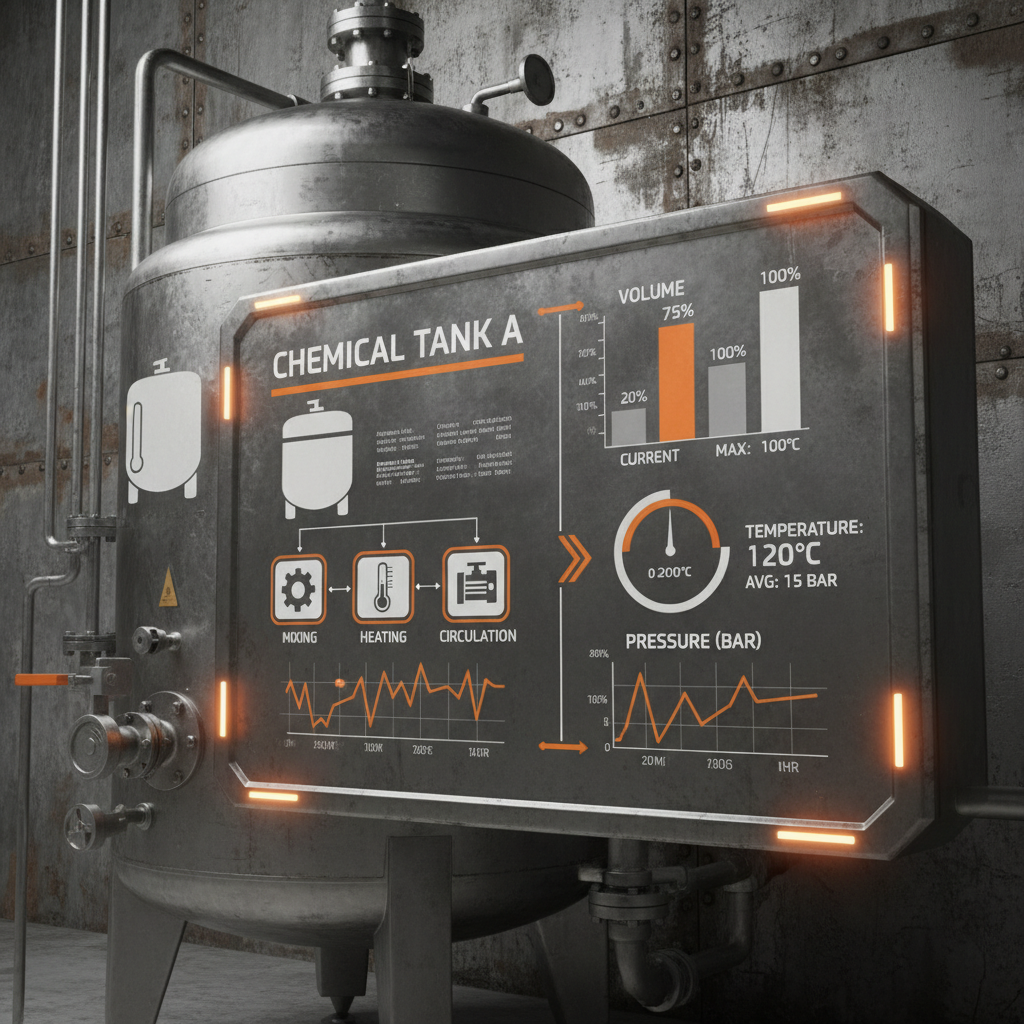
The consequences of improper tank chemical handling can be severe. Recent data shows a concerning trend of increasing chemical spills, resulting in significant environmental damage and financial losses. According to the EPA, there were over 1,300 chemical releases reported in the United States in 2022 alone. The average cost of a chemical spill remediation can range from tens of thousands to millions of dollars, not including potential legal liabilities and reputational damage. Investing in preventative measures, such as robust tank systems and comprehensive safety protocols, is a cost-effective strategy compared to the potential expenses associated with a spill. QW Metal's solutions are designed to minimize the risk of spills and provide long-term cost savings.
Conclusion: Prioritizing Safety and Compliance in Tank Chemical Management
Effective management of tank chemicals requires a holistic approach encompassing careful tank selection, stringent safety protocols, and unwavering commitment to regulatory compliance. By investing in quality equipment and prioritizing safety, businesses can protect their employees, the environment, and their bottom line. QW Metal is a trusted partner in providing innovative and reliable solutions for tank chemical storage and handling.
Frequently Asked Questions (FAQs)
What are the key benefits of using a double-walled tank for chemical storage?
Double-walled tanks provide an extra layer of protection against leaks and spills. The space between the two walls acts as a containment area, preventing the chemical from reaching the environment in the event of a breach in the inner wall. This significantly reduces the risk of environmental contamination and minimizes cleanup costs. They are often required for storing particularly hazardous chemicals and are considered a best practice for responsible chemical management. QW Metal offers a range of double-walled tank solutions to meet your specific needs.
How often should tank chemical storage areas be inspected?
Regular inspections are crucial for identifying potential problems before they escalate. We recommend monthly visual inspections of tanks, containment systems, and surrounding areas. These inspections should include checking for signs of corrosion, leaks, cracks, or damage. Annual comprehensive inspections by a qualified professional are also recommended to assess the structural integrity of the tanks and ensure compliance with all relevant regulations.
What training is required for personnel handling tank chemicals?
All personnel involved in the handling of tank chemicals should receive comprehensive training covering hazard communication, proper handling procedures, spill response, and emergency procedures. Training should be documented and updated regularly to ensure employees remain knowledgeable and compliant. Specific training requirements may vary depending on the type of chemical being handled and applicable regulations.
What is secondary containment, and why is it important?
Secondary containment refers to a system designed to contain spills or leaks from a primary containment vessel, such as a tank. This can include berms, dikes, or double-walled tanks. It’s essential because it prevents the chemical from entering the environment, protecting soil, water sources, and human health. Many regulations mandate secondary containment for certain types of chemicals and tank sizes. QW Metal provides customized secondary containment solutions tailored to your specific needs.
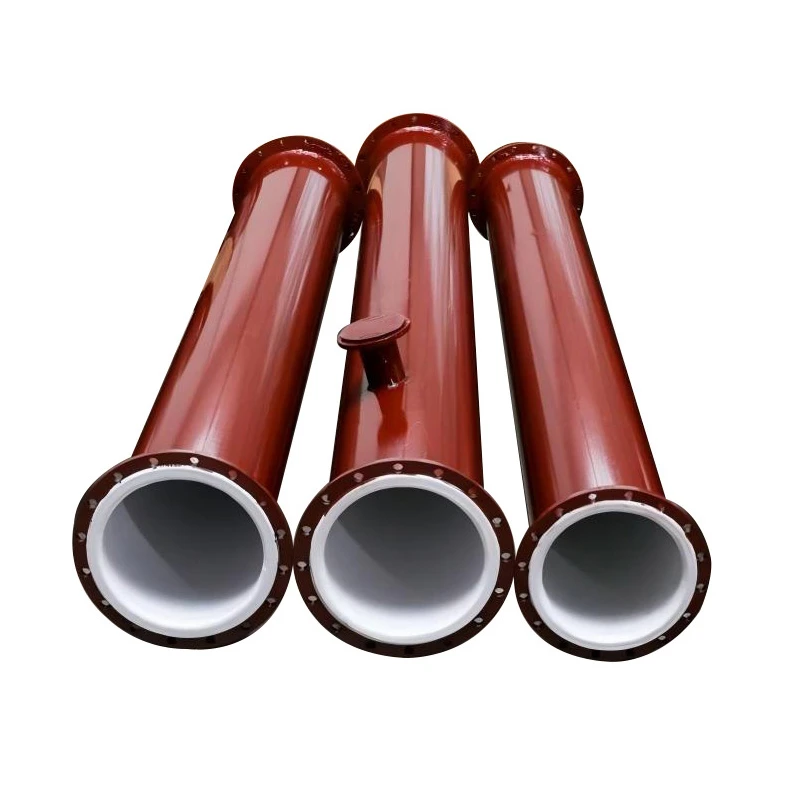
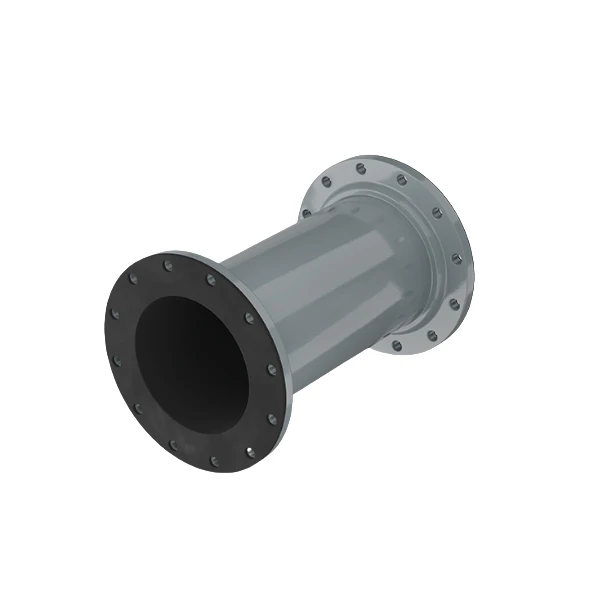
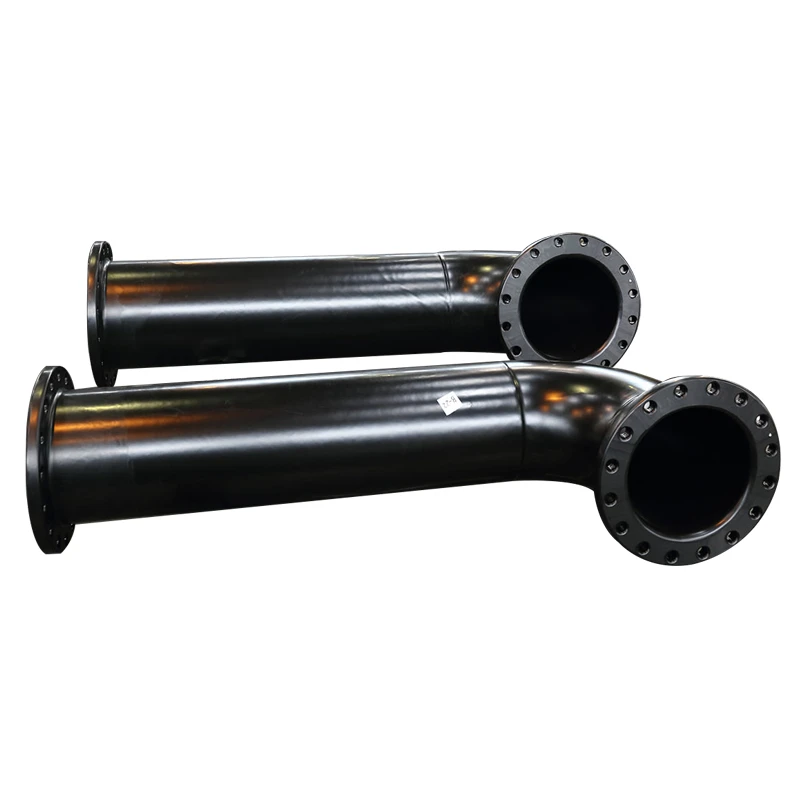
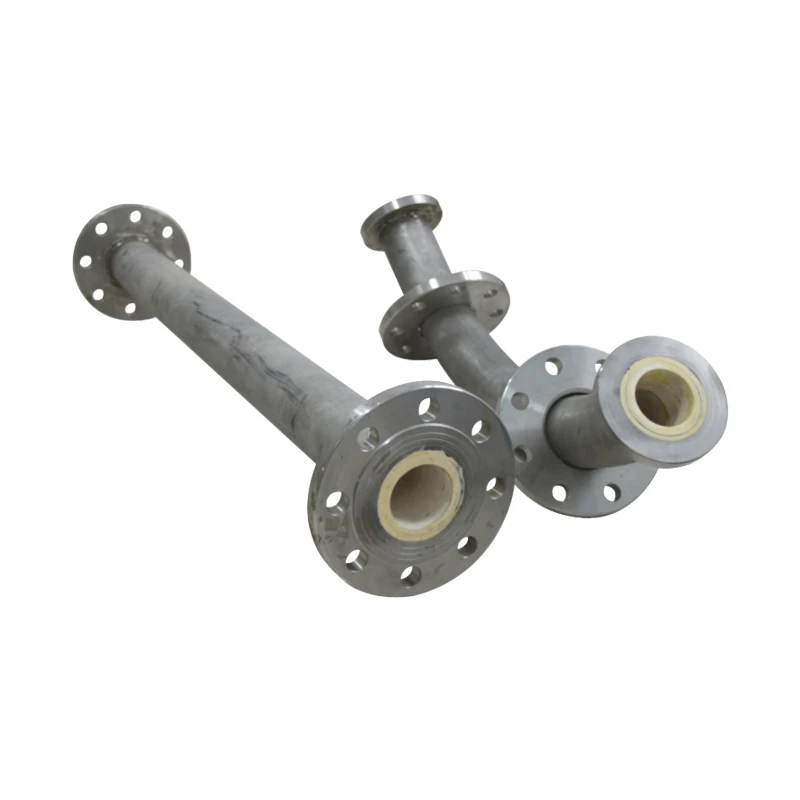

Related Products
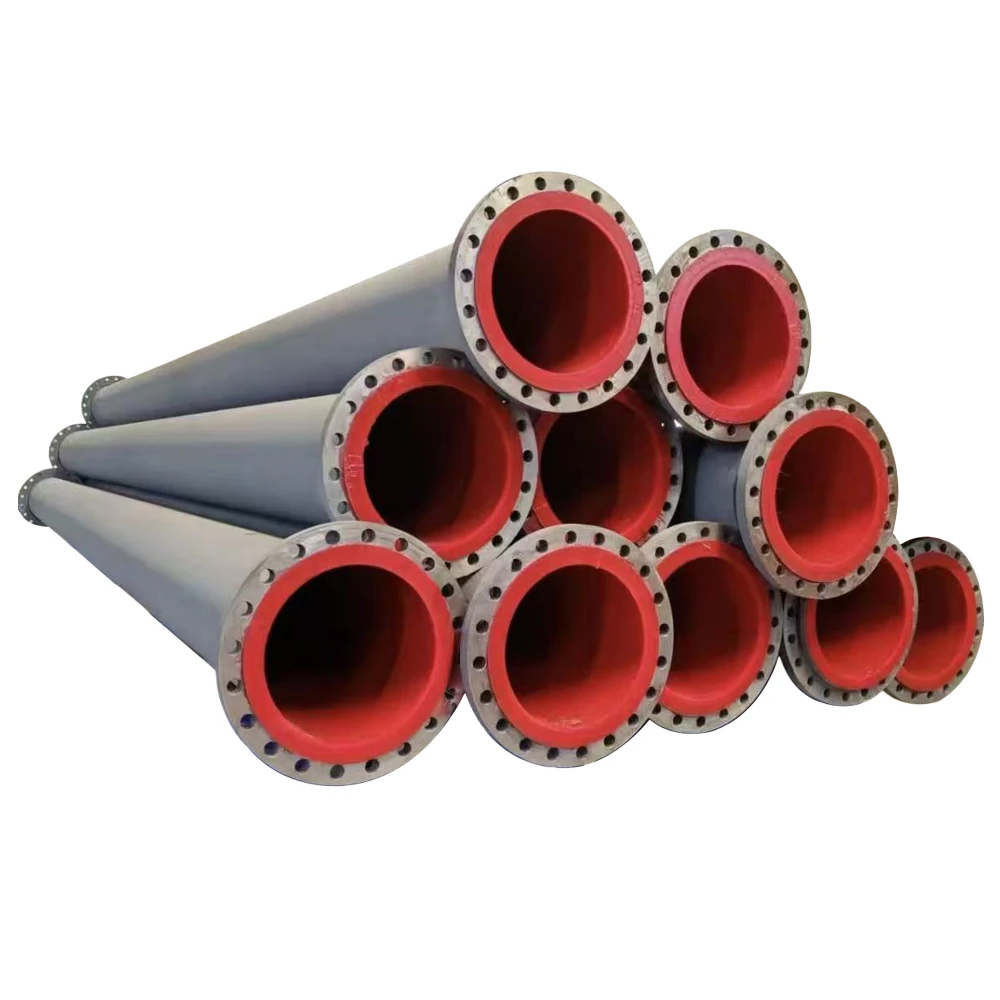
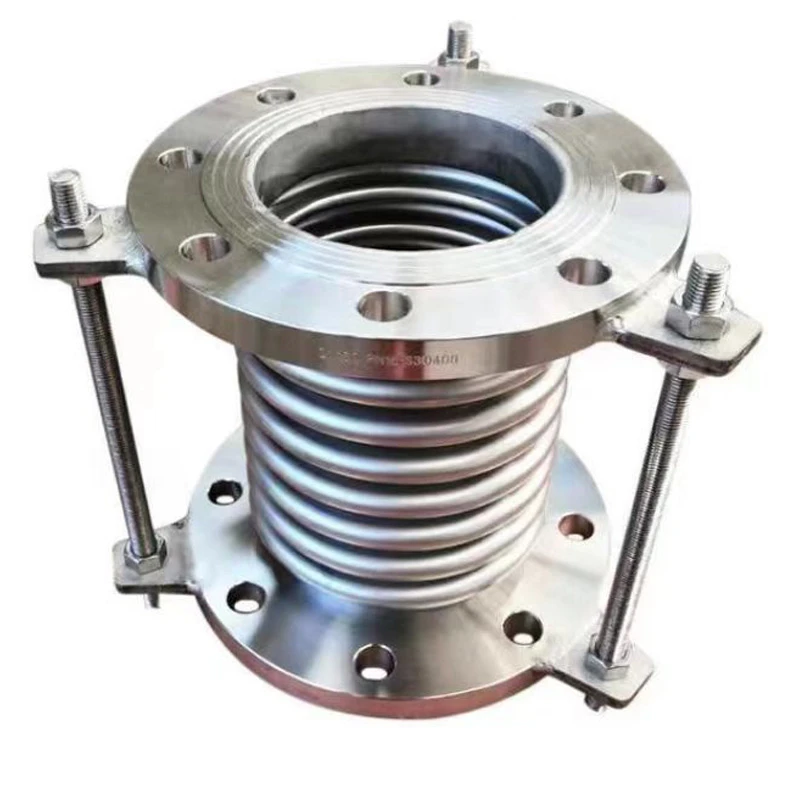
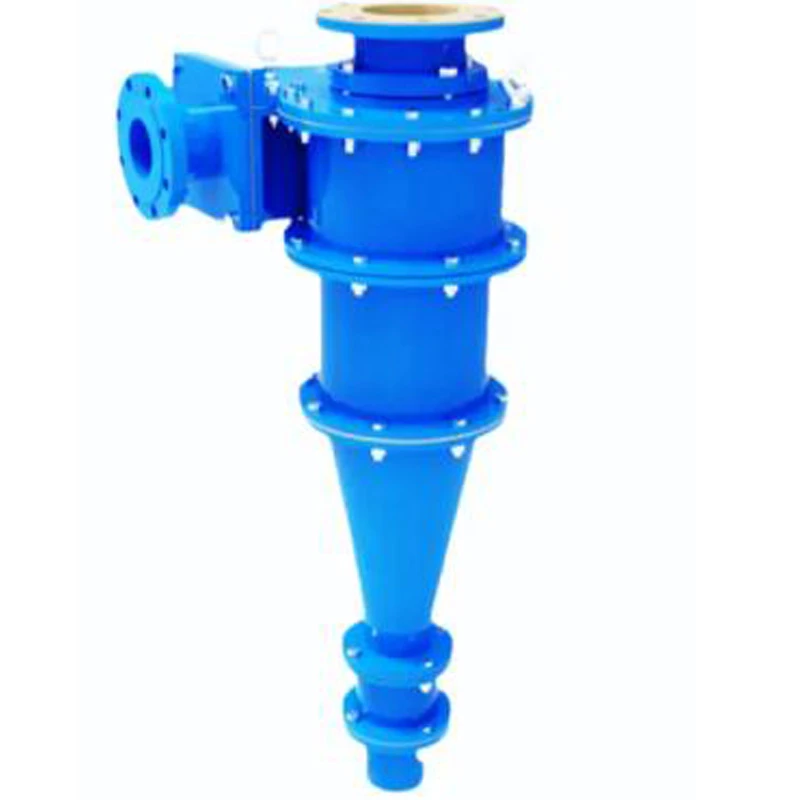
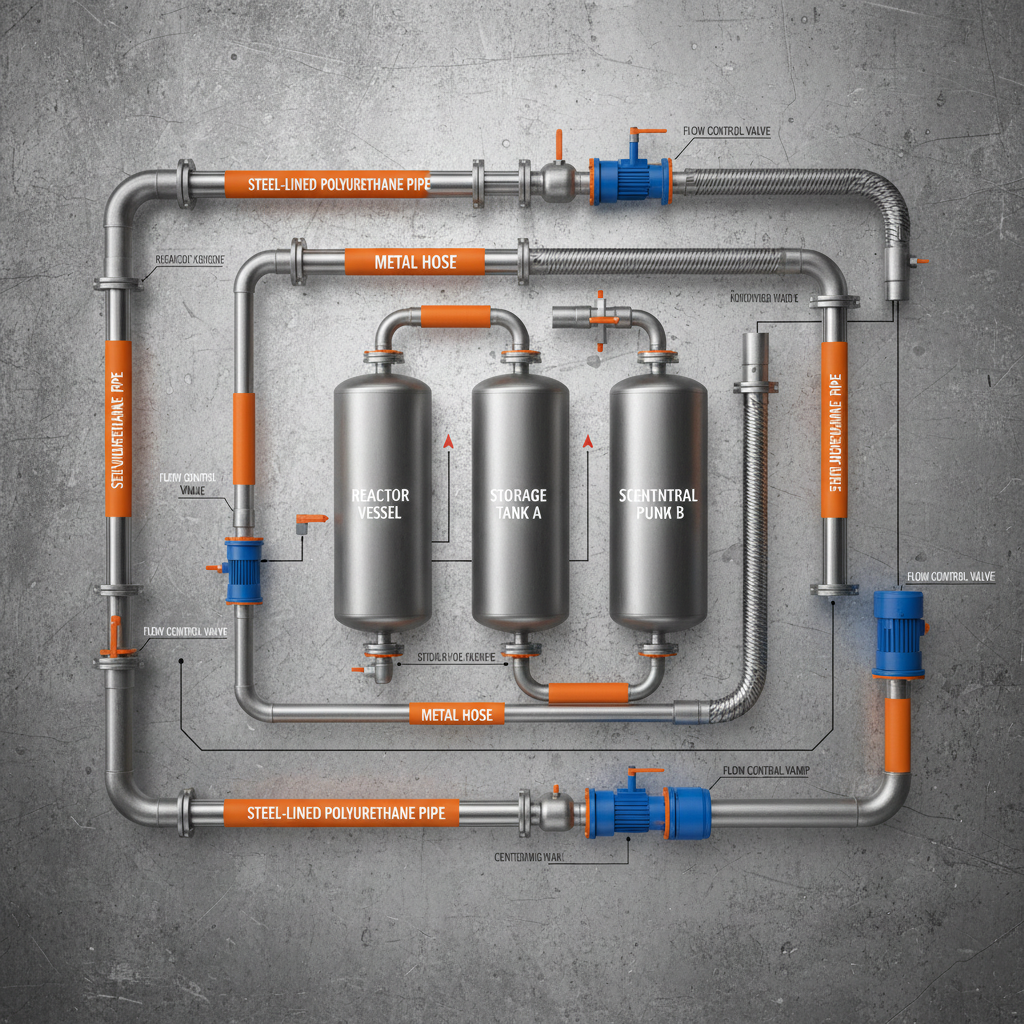
Our main products are polyurethane lined pipes, mining equipment fittings and metal hoses.