Finding the Right Chemical Tank Suppliers for Safe and Reliable Storage
Finding Reliable Chemical Tank Suppliers: A Comprehensive Guide
When sourcing chemicals for industrial processes, the safe and secure storage is paramount. Selecting the right chemical tank suppliers is, therefore, a critical decision. This article provides an in-depth overview of the key considerations when choosing a supplier, the types of tanks available, quality standards, and crucial factors for ensuring long-term reliability. We'll also explore how QW Metal stands out as a trusted partner for your chemical storage needs. Choosing the right supplier protects your investments and ensures safety.
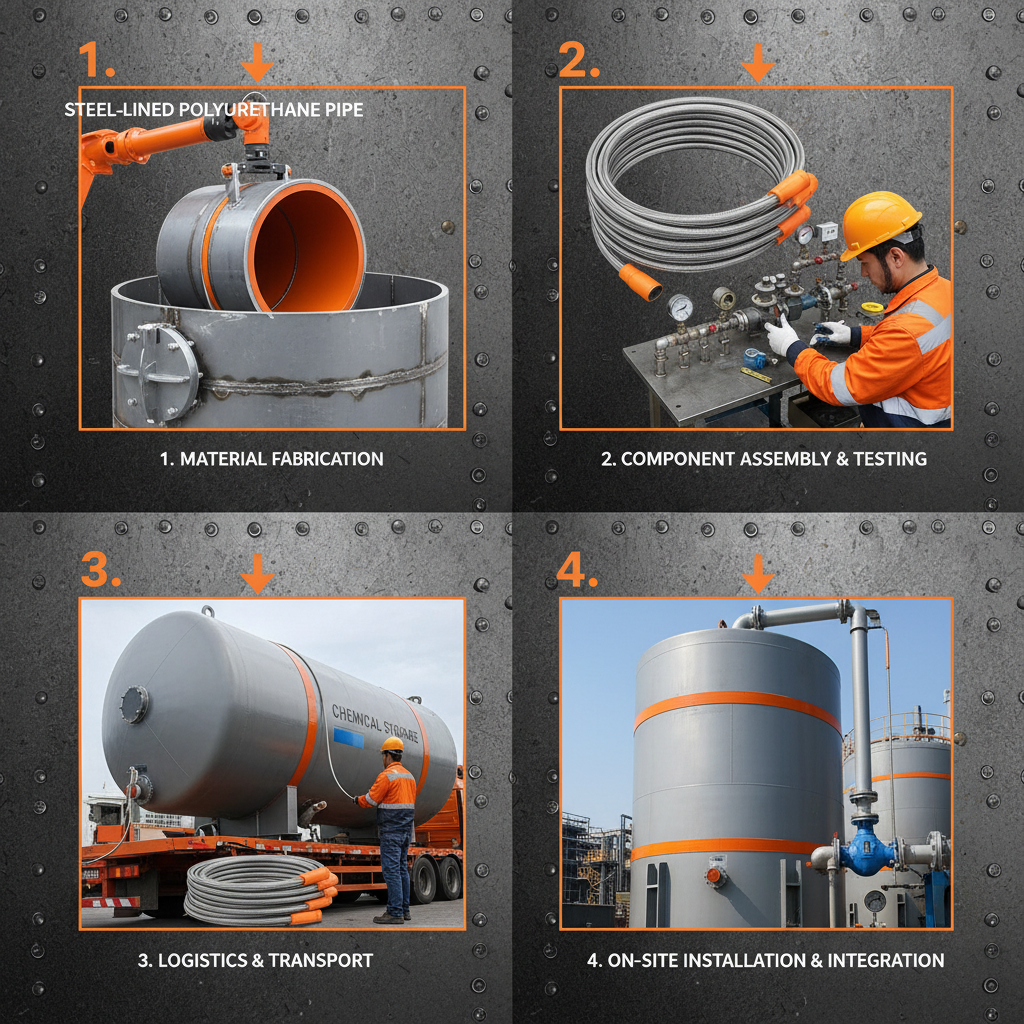
Understanding Chemical Tank Types and Materials
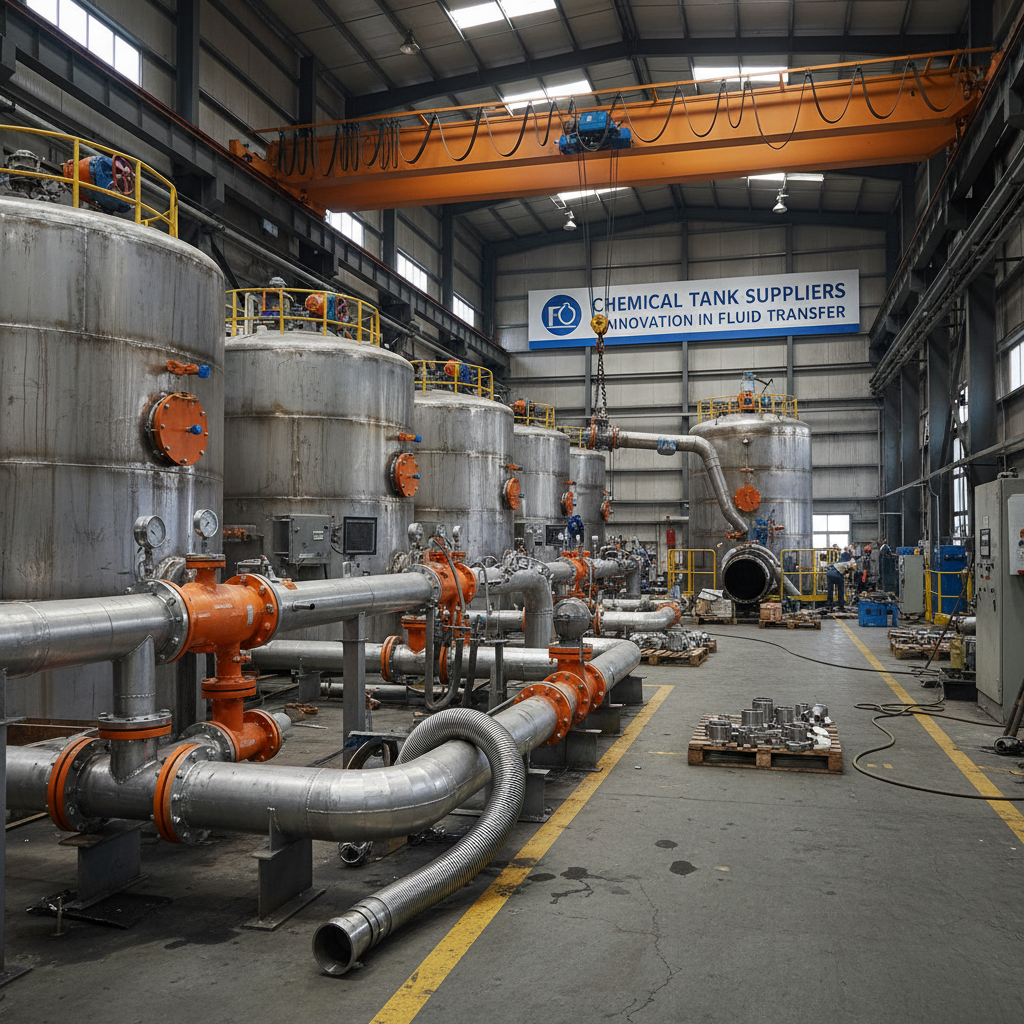
Chemical tanks are manufactured from a variety of materials, each with its own strengths and weaknesses. Common materials include polyethylene (PE), polypropylene (PP), fiberglass reinforced plastic (FRP), and stainless steel. The choice of material depends heavily on the specific chemicals being stored, their concentration, temperature, and potential reactivity. For example, corrosive chemicals require tanks made of highly resistant materials like FRP or specialized stainless steel alloys. QW Metal specializes in high-quality stainless steel tanks known for their durability and chemical resistance.
Key Considerations: Choosing the appropriate tank material is essential for preventing leaks, corrosion, and potential safety hazards. Consider chemical compatibility, temperature, pressure, and regulatory requirements.
Key Qualities to Look for in Chemical Tank Suppliers
When evaluating chemical tank suppliers, several key qualities should be prioritized. These include a proven track record of quality and reliability, adherence to industry standards (such as ASTM and ISO), engineering expertise to assist with tank selection and customization, and comprehensive after-sales support. Look for suppliers that offer a range of services, including tank design, fabrication, installation, and maintenance. Responsiveness and transparent communication are also vital indicators of a dependable partner.
Essential Supplier Attributes:
• Proven quality and reliability
• Compliance with industry standards (ASTM, ISO)
• Engineering support and customization
• Comprehensive after-sales service
Comparing Tank Materials: A Detailed Overview
Different chemical tank materials offer varying levels of performance and cost. The following table provides a detailed comparison:
Why Choose QW Metal as Your Chemical Tank Supplier?
QW Metal is a leading provider of high-quality stainless steel chemical tanks. We offer custom fabrication to meet specific application requirements, utilizing advanced welding techniques and stringent quality control measures. Our team of experienced engineers provides expert guidance throughout the entire process, from initial design to final installation. We are committed to delivering reliable, durable, and safe storage solutions for a wide range of industries. Our dedication to customer satisfaction and competitive pricing makes us a trusted partner for businesses of all sizes. Contact us today to discuss your chemical tank needs!
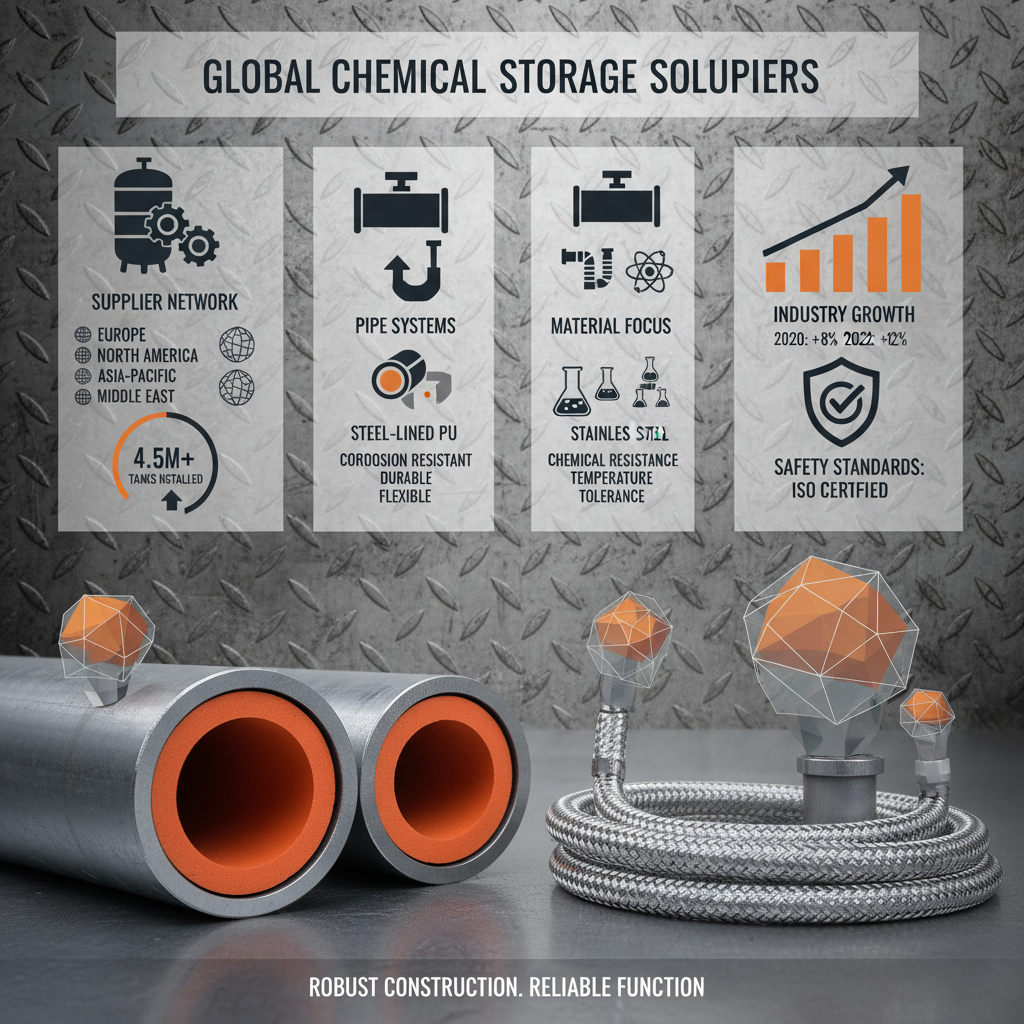
Regulatory Compliance and Safety Standards
Chemical storage tanks are subject to various regulatory requirements designed to ensure safety and environmental protection. These regulations may vary depending on the location and the type of chemicals being stored. It’s crucial to partner with chemical tank suppliers who are knowledgeable about these regulations and can provide tanks that meet all applicable standards. QW Metal ensures all tanks are fabricated to meet or exceed relevant industry standards and regulations, providing peace of mind and minimizing risk.
Conclusion: Investing in Quality and Reliability
Choosing the right chemical tank supplier is a critical investment in the safety, efficiency, and longevity of your operations. QW Metal offers superior quality, customized solutions, and unwavering commitment to customer satisfaction. Don't compromise on safety and reliability – partner with a leader in chemical storage solutions.
Frequently Asked Questions (FAQs)
What factors should I consider when selecting a chemical tank material?
Several factors are crucial: the type of chemicals being stored (corrosivity, reactivity), concentration, temperature, pressure, and potential for UV exposure. Stainless steel is excellent for corrosive materials, while polyethylene or polypropylene might suffice for less aggressive substances. Always consult with a qualified engineer to determine the optimal material for your specific application. Consider long-term cost implications, including maintenance and replacement.
What certifications should a reputable chemical tank supplier possess?
Look for suppliers certified to relevant industry standards such as ISO 9001 (quality management) and those demonstrating compliance with ASTM standards for tank fabrication. Certifications indicate a commitment to quality, safety, and adherence to best practices. Depending on the application, certifications related to specific industries (e.g., food grade, pharmaceutical grade) may also be necessary.
How important is custom fabrication for chemical tanks?
Custom fabrication is often essential to ensure the tank perfectly fits the application and optimizes storage capacity. Standard tanks may not be suitable for unique layouts, specific chemical requirements, or specialized equipment connections. A supplier offering custom fabrication can tailor the tank's dimensions, fittings, and features to meet your exact needs, maximizing efficiency and safety.
What after-sales services should I expect from a chemical tank supplier?
Reputable suppliers should offer comprehensive after-sales services, including installation assistance, maintenance recommendations, repair services, and spare parts availability. Ongoing support ensures the tank operates safely and efficiently throughout its lifespan. Consider suppliers who provide training on tank operation and maintenance procedures to your personnel.
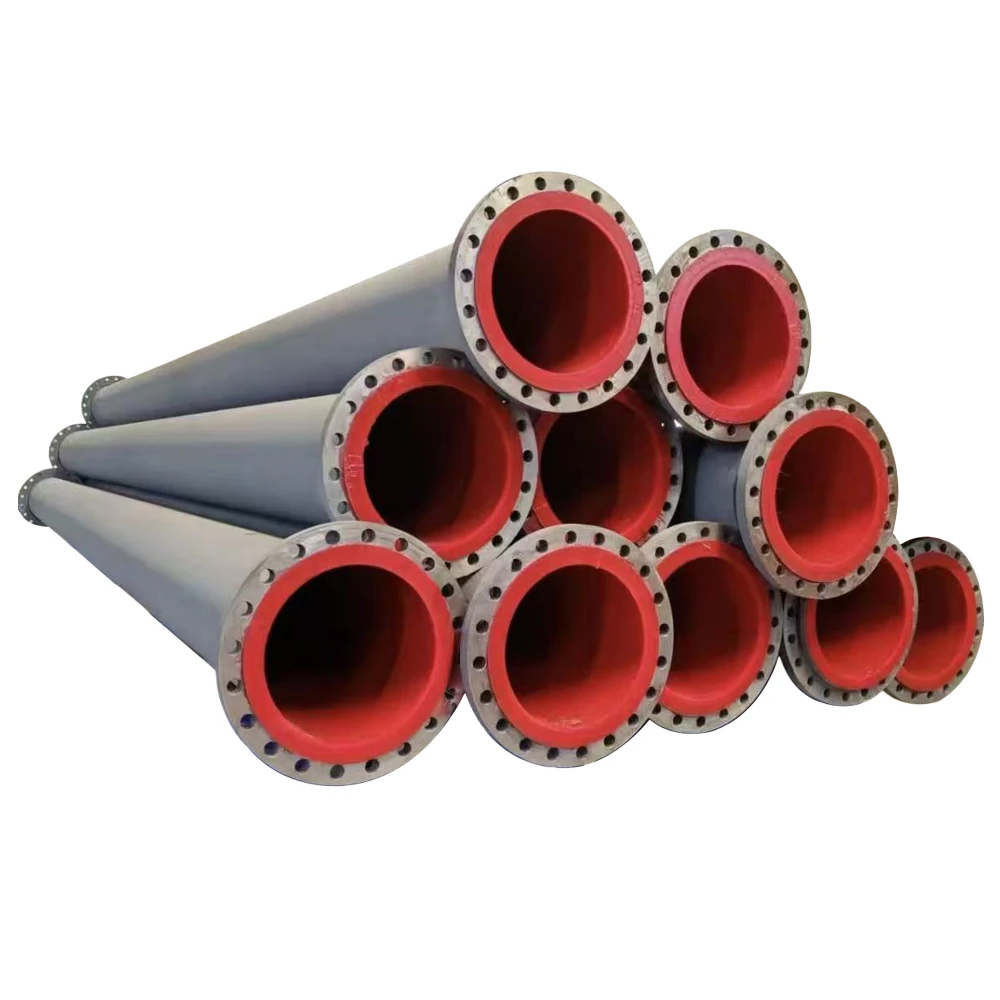
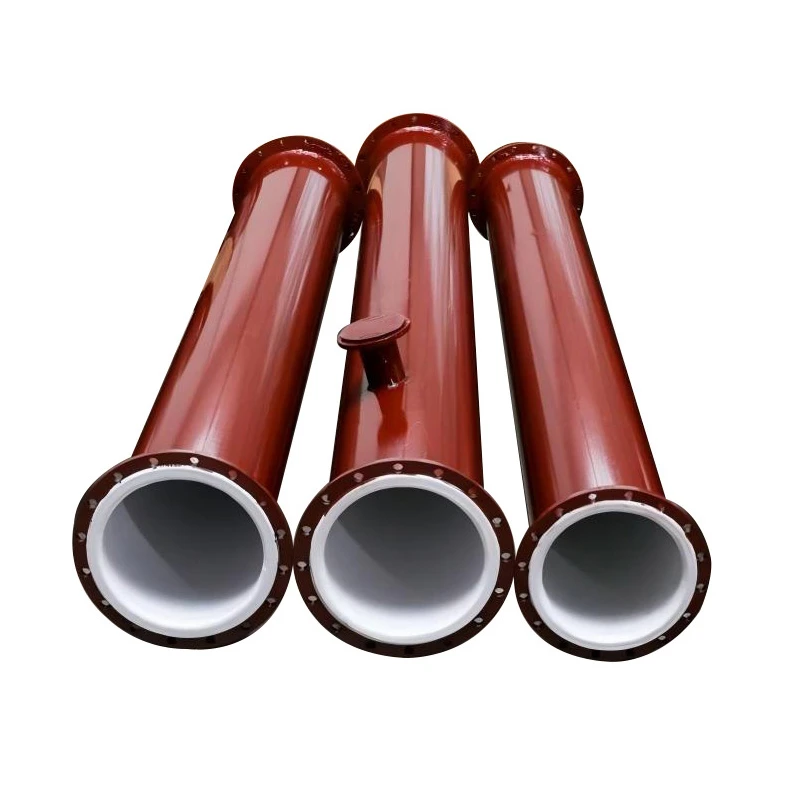
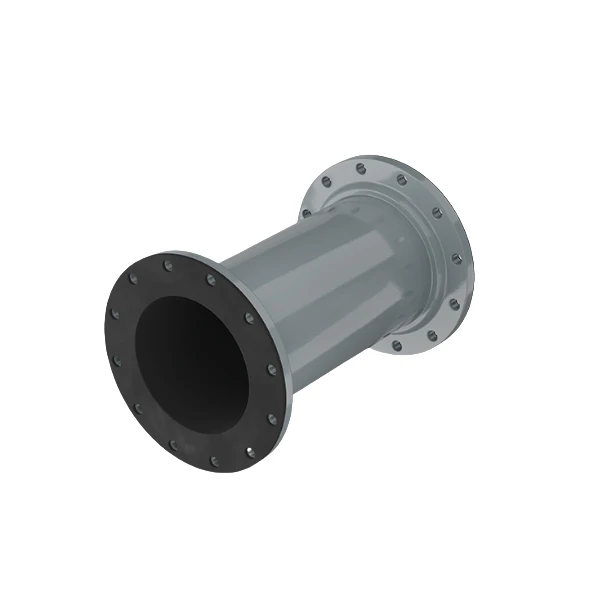
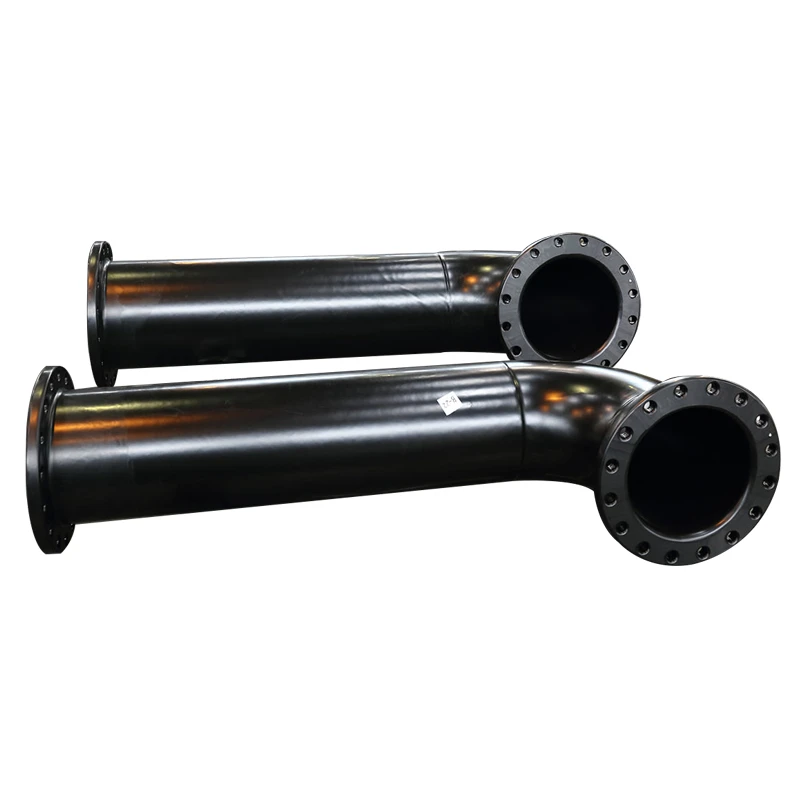
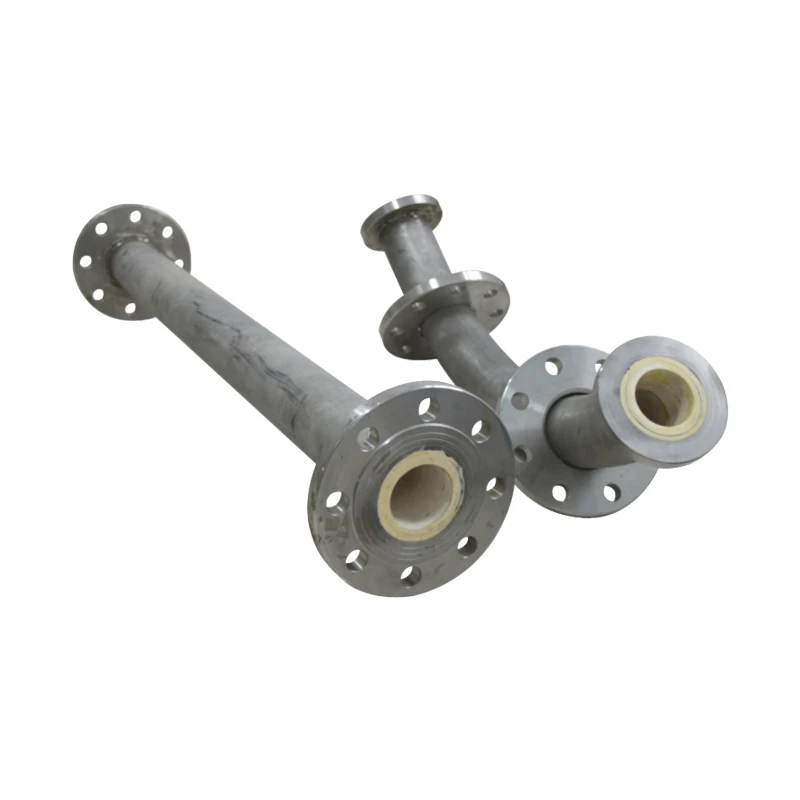
Related Products
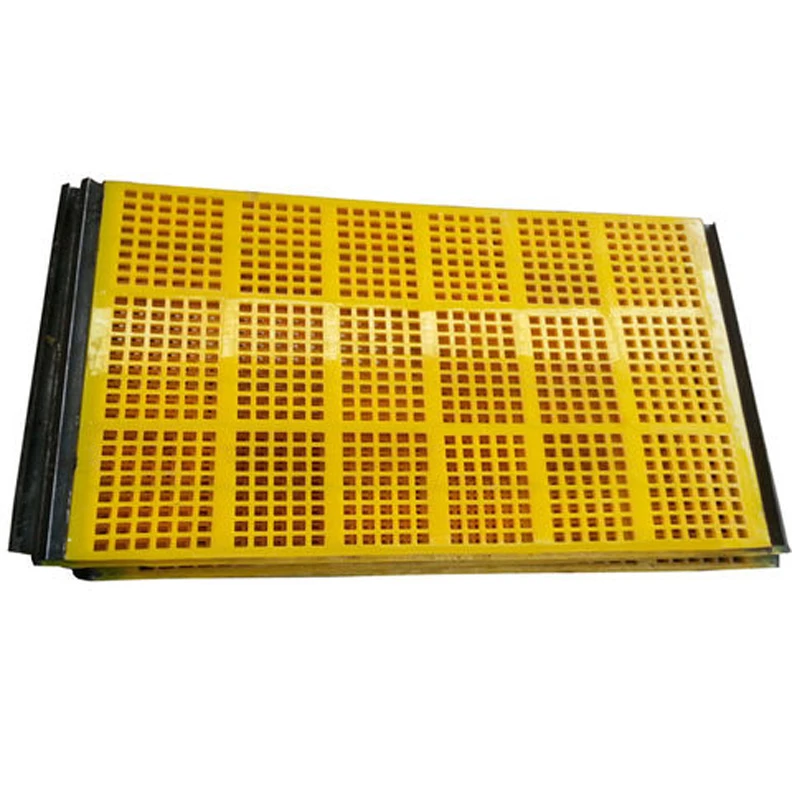
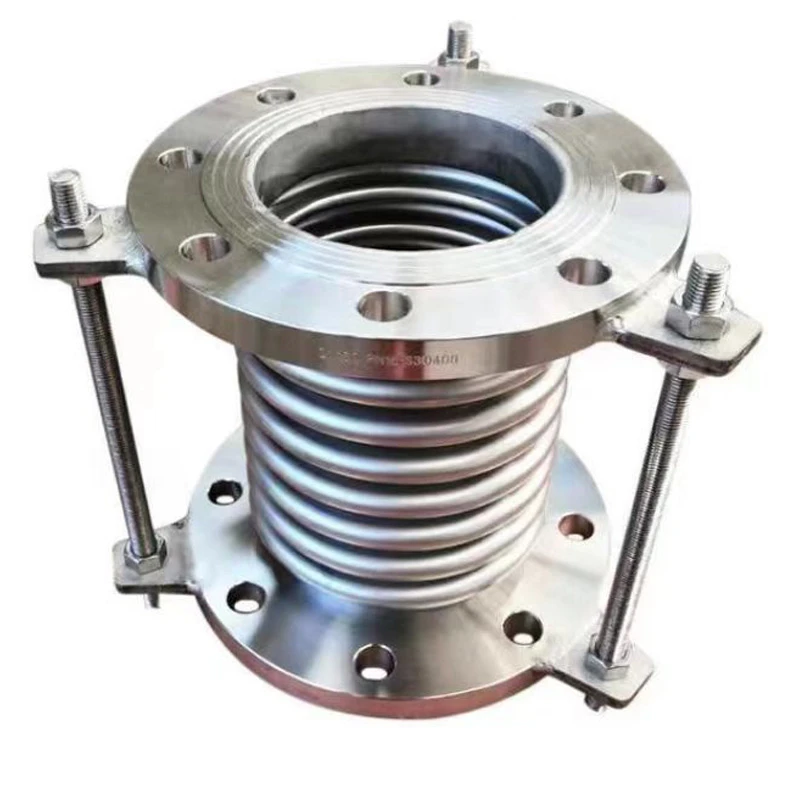
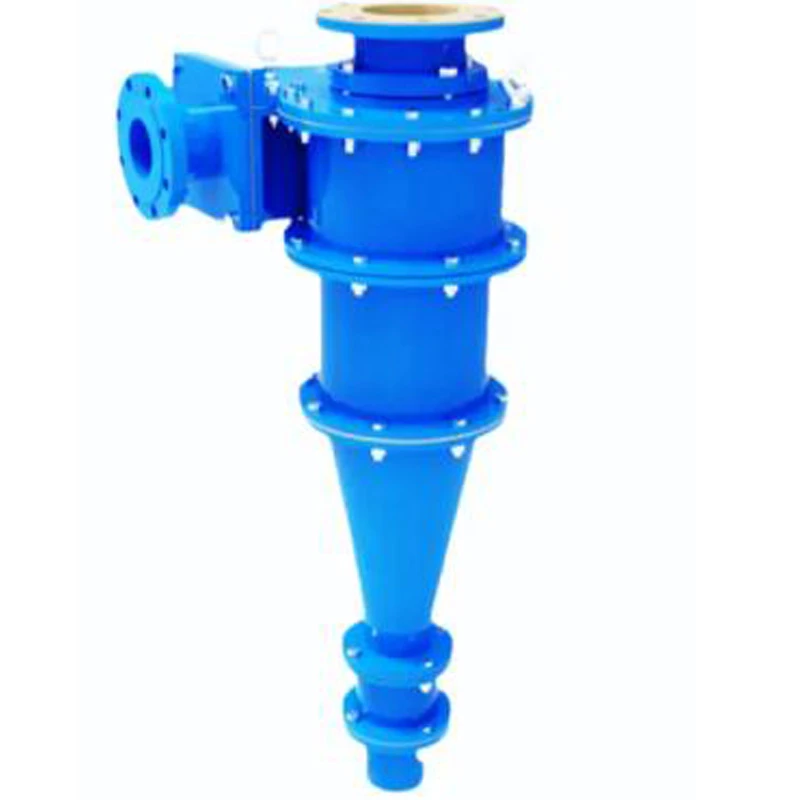
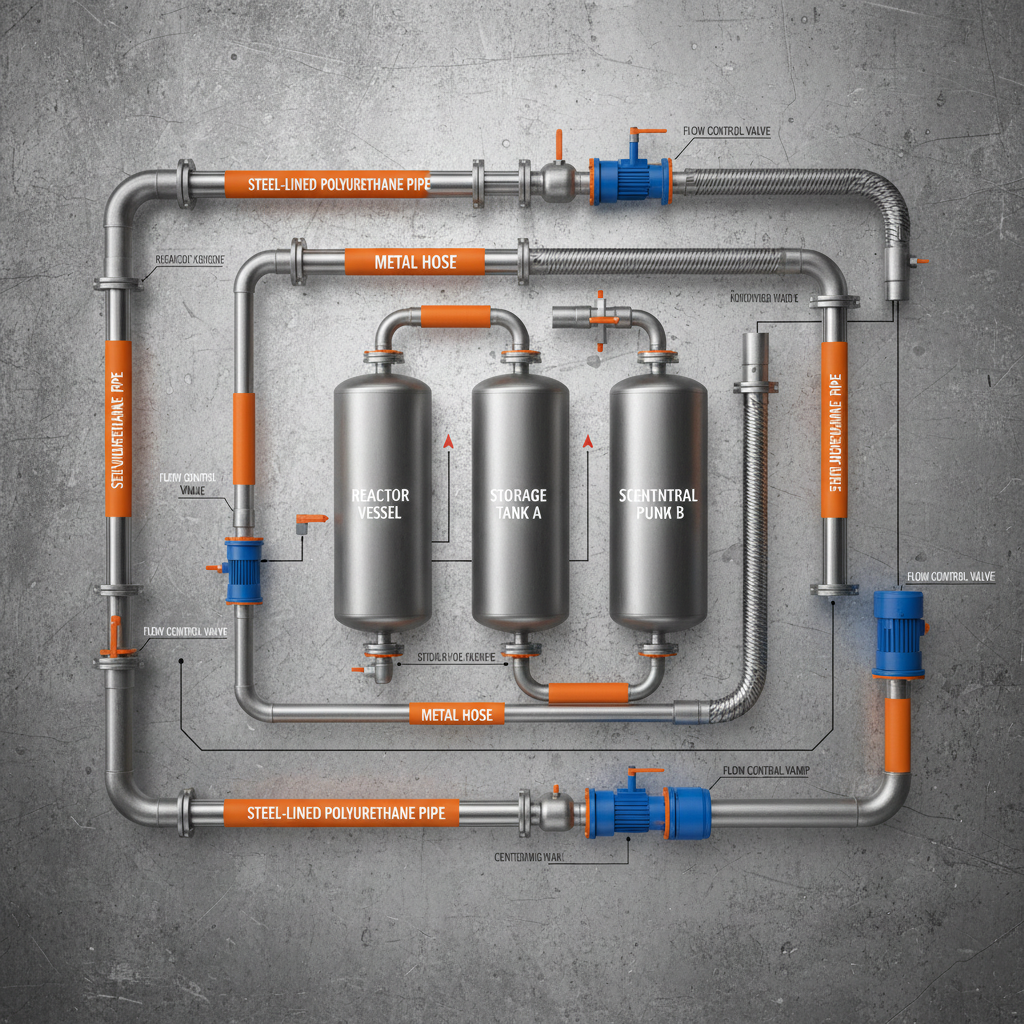
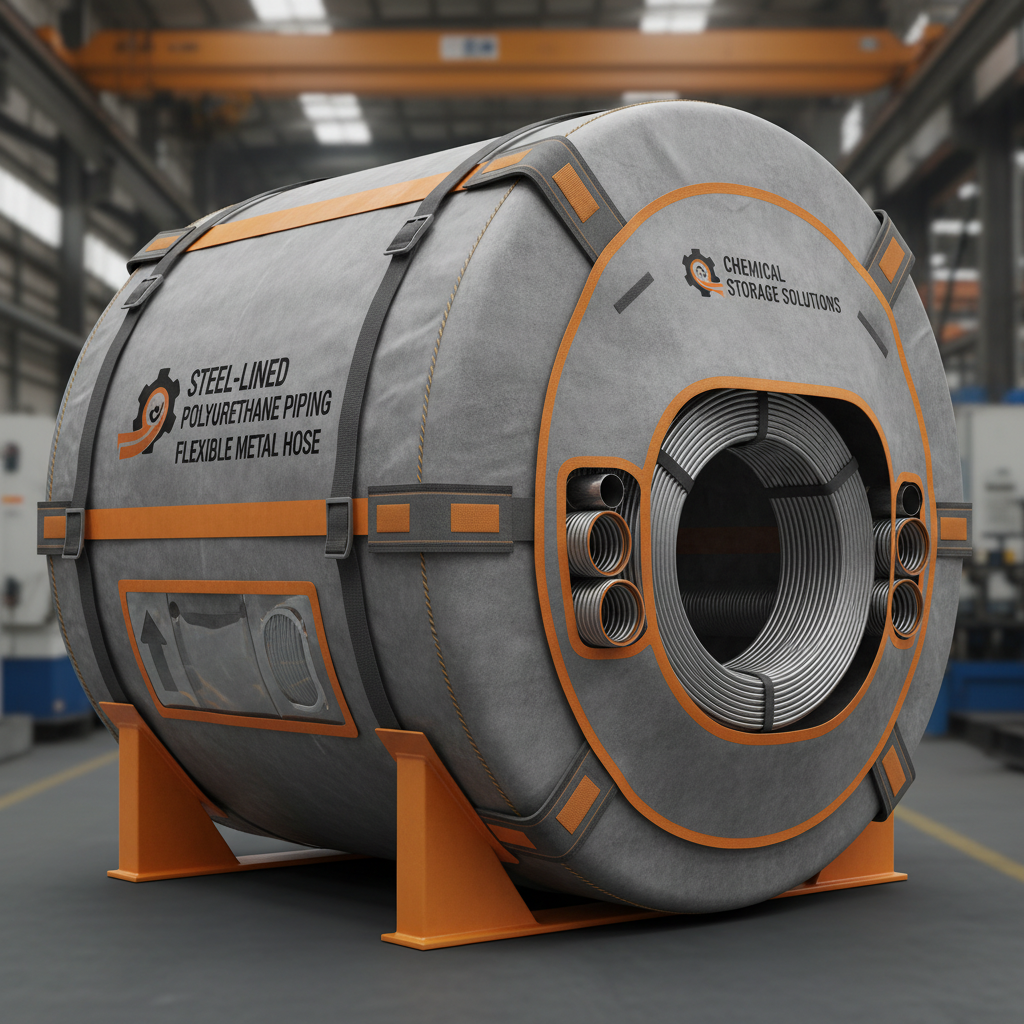
Our main products are polyurethane lined pipes, mining equipment fittings and metal hoses.