Comprehensive Guide to PTFE Lined Tanks for Corrosive Substance Storage
Understanding PTFE Lined Tanks: A Comprehensive Guide
PTFE (Polytetrafluoroethylene) lined tanks are crucial components in various industries requiring safe and reliable storage for corrosive and high-purity substances. These tanks offer exceptional resistance to chemical attack, making them ideal for handling aggressive media. This article will explore the benefits, applications, construction, and considerations when selecting a PTFE lined tank, offering valuable insights for professionals in chemical processing, pharmaceuticals, and beyond. Choosing the right tank can significantly enhance process efficiency and safety.
Why Choose a PTFE Lined Tank? Key Benefits
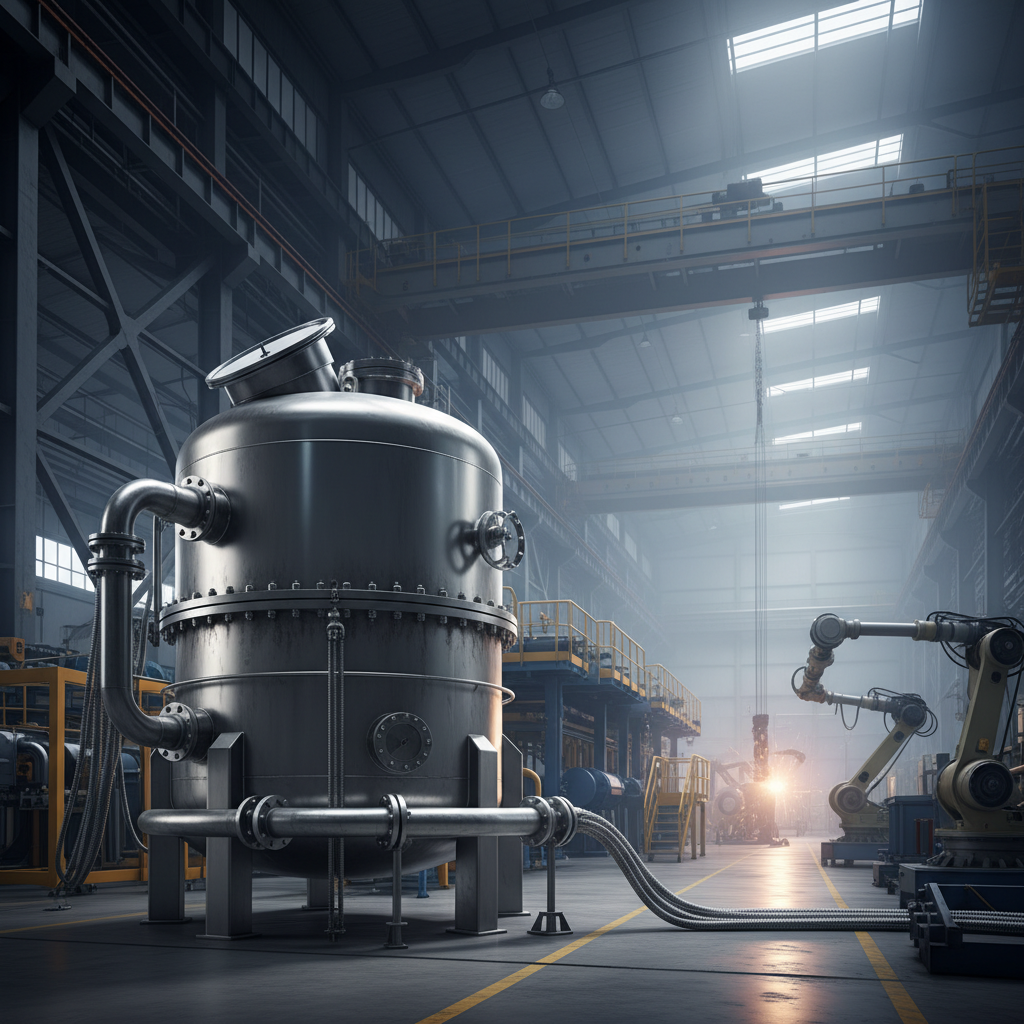
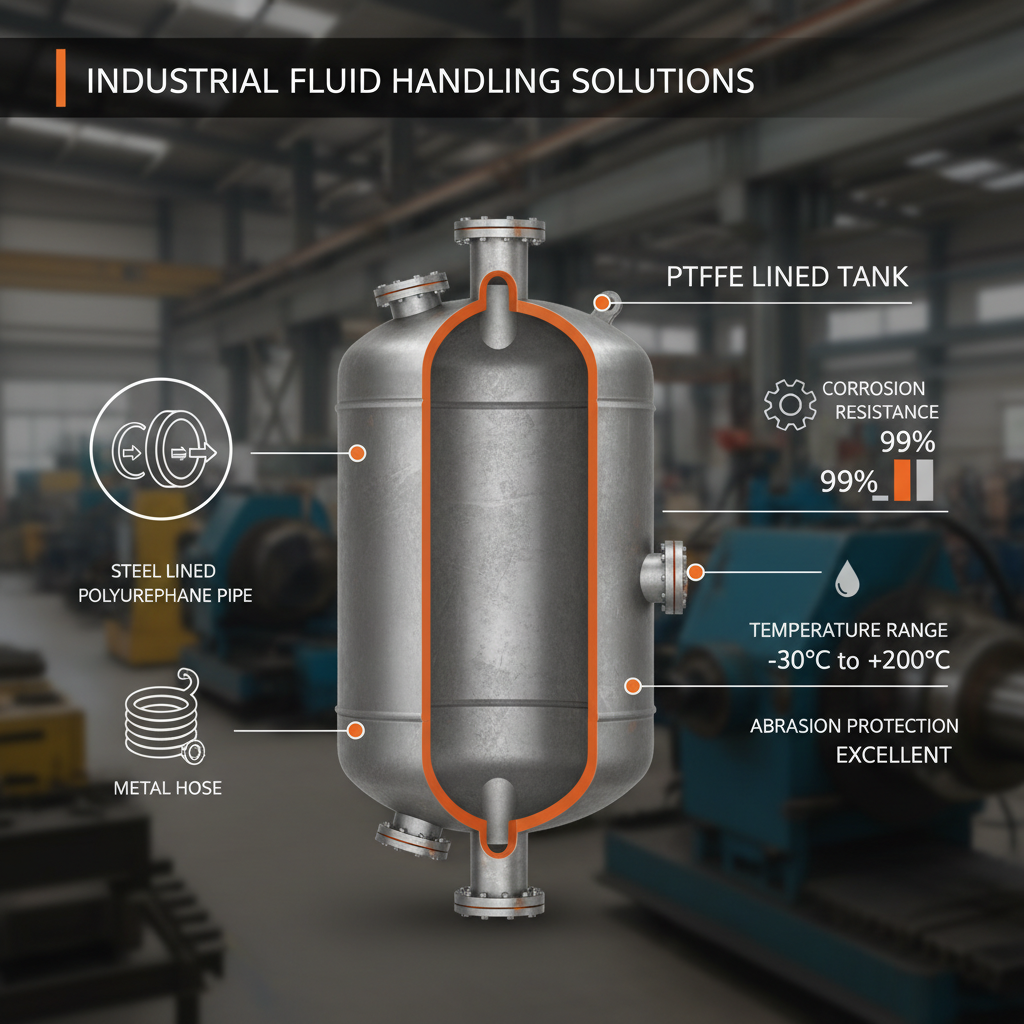
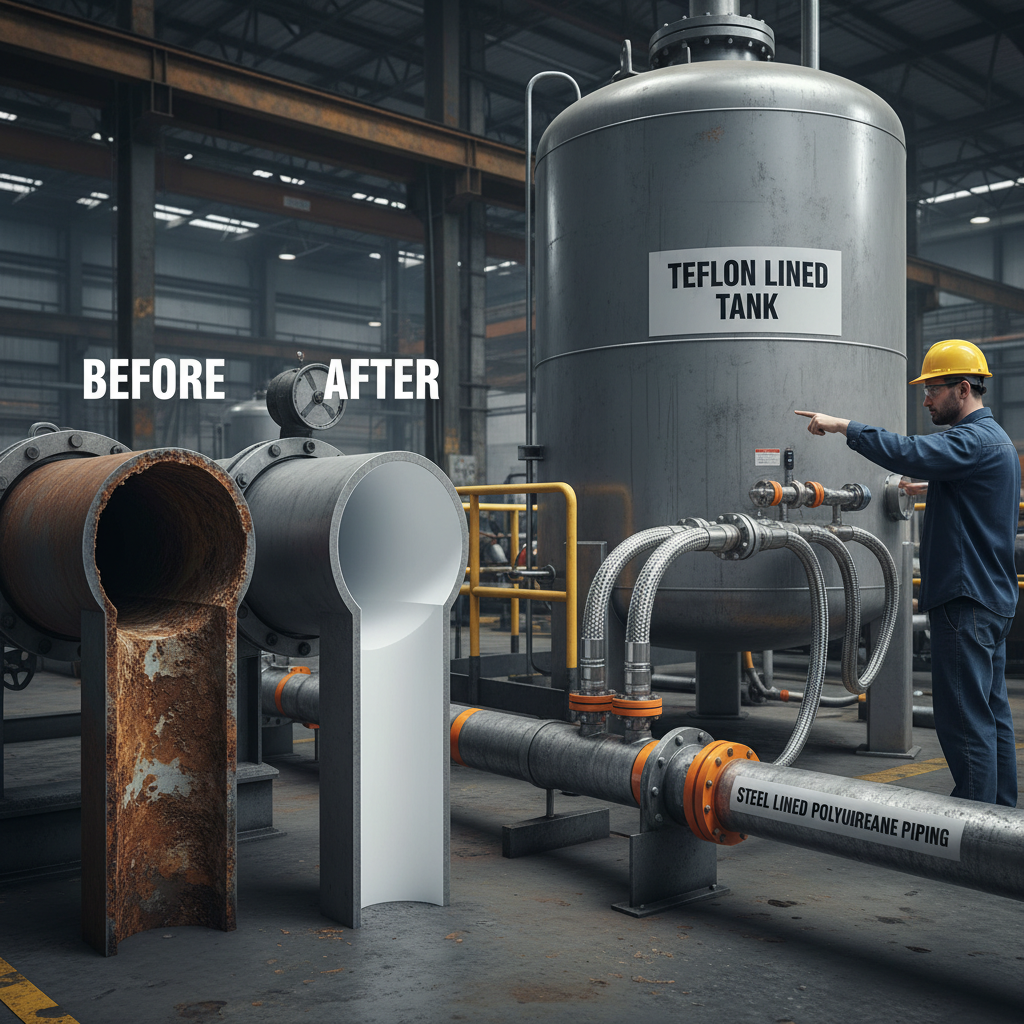
PTFE linings provide a superior barrier against a wide spectrum of corrosive chemicals, including strong acids, bases, and solvents. Unlike many other materials, PTFE is virtually inert, meaning it won't react with the stored substance, preventing contamination and ensuring product purity. This makes them essential in the pharmaceutical and fine chemical industries. Furthermore, PTFE exhibits excellent temperature resistance, maintaining its integrity across a broad range of operating temperatures. They’re also known for their low friction surface, aiding in easy emptying and cleaning. Investing in a PTFE lined tank translates to long-term cost savings through reduced maintenance and increased operational lifespan.
Key Highlights: Exceptional chemical resistance, maintains product purity, wide temperature range, low friction surface, and long-term cost-effectiveness.
Applications of PTFE Lined Tanks Across Industries
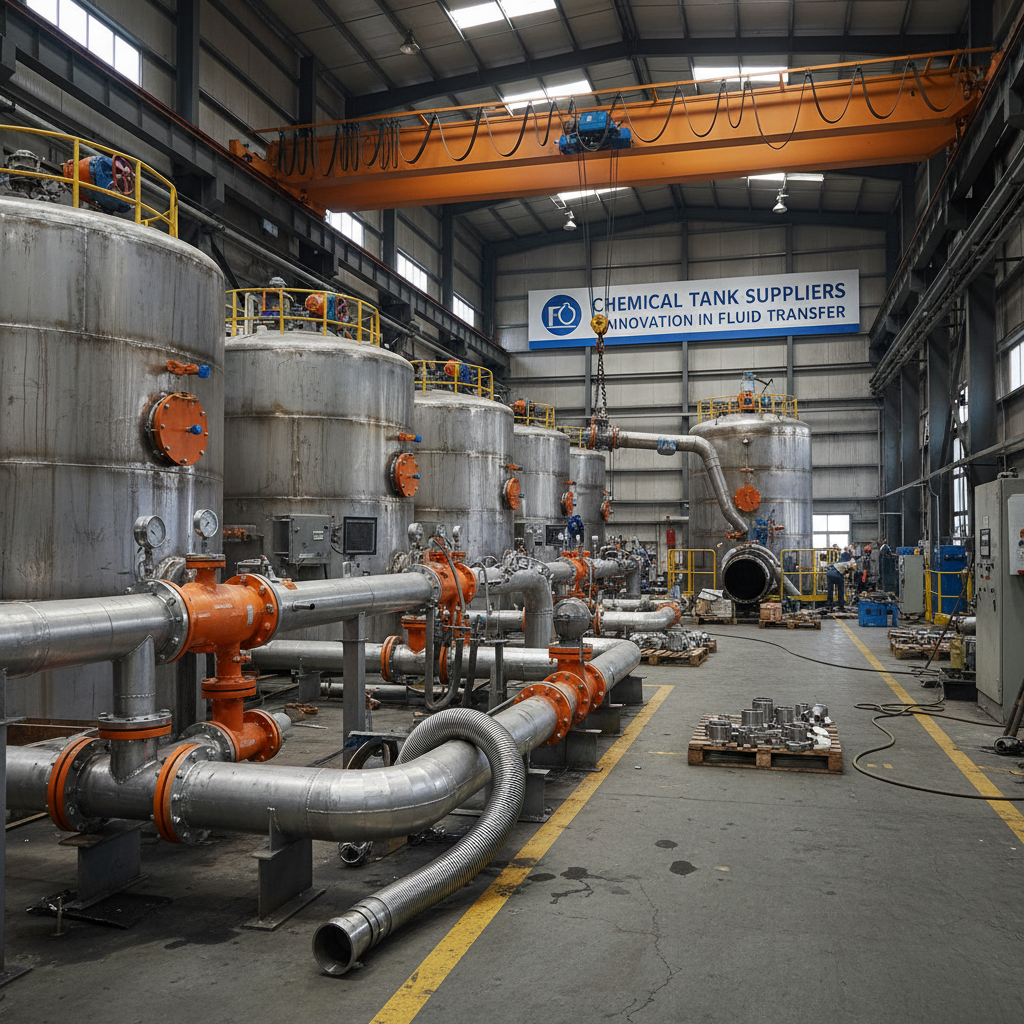
The versatility of PTFE lined tanks makes them indispensable in a variety of sectors. Chemical processing plants utilize them for storing and handling corrosive reagents. Pharmaceutical manufacturers rely on them to maintain the purity of sensitive compounds. Electroplating industries benefit from their resistance to harsh plating solutions. The food and beverage industry uses them for storing food acids and other corrosive ingredients. Mining and metal processing also utilize them for handling aggressive leaching agents. From small-scale laboratory applications to large-scale industrial storage, PTFE lined tanks provide a reliable solution.
Common Applications:
• Chemical Storage & Handling
• Pharmaceutical Production
• Electroplating Solutions
• Food and Beverage Processing
PTFE Lined Tank Construction and Materials
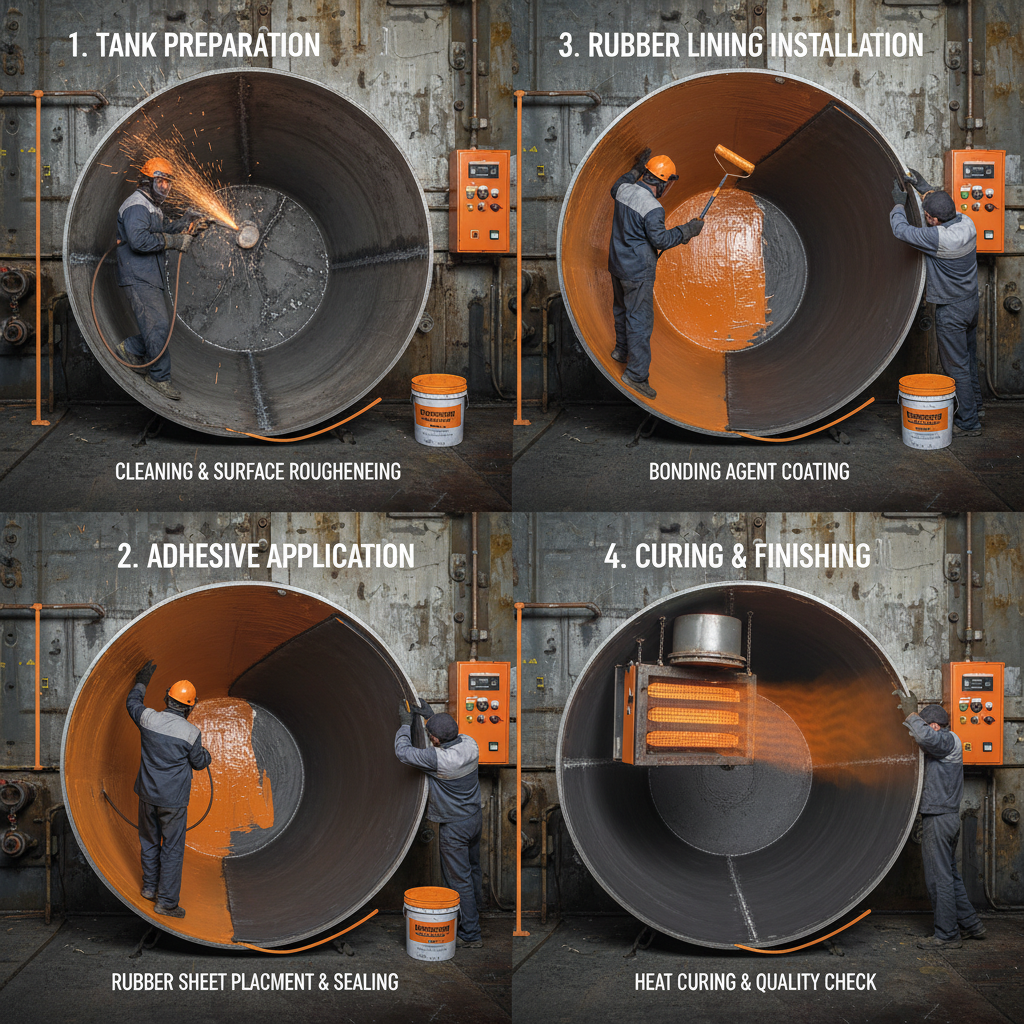
A typical PTFE lined tank comprises a carbon steel or stainless steel shell providing structural support and a PTFE lining bonded to the interior surface. The bonding process is critical, ensuring a seamless and durable barrier. The steel shell is chosen based on the required strength and compatibility with the intended application. The PTFE lining is often applied using techniques like paste extrusion or powder sintering. Proper surface preparation of the steel shell is crucial for achieving a strong and reliable bond. QW Metal specializes in constructing high-quality PTFE lined tanks, utilizing advanced bonding technologies and rigorous quality control procedures.
Choosing the Right PTFE Lined Tank: Key Considerations
Selecting the appropriate PTFE lined tank requires careful consideration of several factors. The chemical compatibility of the lining with the stored substance is paramount. The operating temperature and pressure must be within the tank’s specifications. The tank's volume should accurately match your storage needs. Consider the need for any additional features, such as heating or cooling jackets, agitation systems, or level sensors. It is essential to work with a reputable manufacturer, like QW Metal, who can provide expert guidance and ensure the tank meets your specific requirements.
Maintenance and Longevity of Your PTFE Lined Tank
While PTFE is incredibly durable, proper maintenance is crucial for maximizing the lifespan of your tank. Regularly inspect the tank for any signs of damage to the lining, such as cracks or blisters. Avoid abrasive cleaning methods that could compromise the PTFE layer. Implement a preventative maintenance schedule to ensure early detection of any potential issues. Following the manufacturer’s recommendations for operation and cleaning will contribute to the long-term reliability and performance of your PTFE lined tank.
Conclusion: Investing in Reliability with PTFE Lined Tanks
A PTFE lined tank represents a strategic investment for industries handling corrosive materials. Its exceptional chemical resistance, combined with its durability and purity-maintaining properties, ensures safe and efficient operations. Choosing a high-quality tank from a trusted manufacturer like QW Metal is paramount for long-term performance and reliability.
Frequently Asked Questions (FAQs)
What chemicals are compatible with PTFE lined tanks?
PTFE exhibits exceptional chemical resistance to a vast range of substances, including strong acids (hydrochloric, sulfuric, nitric), bases (sodium hydroxide, potassium hydroxide), solvents (acetone, toluene, xylene), and oxidizing agents. However, it’s crucial to consult a chemical compatibility chart to verify suitability for specific applications, especially at elevated temperatures. Fluorinated compounds and molten alkali metals are generally not compatible with PTFE. QW Metal can provide detailed compatibility assessments for your specific needs.
What is the typical lifespan of a PTFE lined tank?
The lifespan of a PTFE lined tank can range from 10 to 20 years or more, depending on the application, operating conditions, and maintenance practices. Factors influencing lifespan include temperature, pressure, chemical concentration, and the presence of abrasive particles. Regular inspections and adherence to the manufacturer’s recommendations are crucial for maximizing longevity. Proper bonding of the PTFE lining to the substrate is also critical for a long service life.
Can PTFE lined tanks be repaired if the lining is damaged?
Minor damage to the PTFE lining can sometimes be repaired by qualified technicians using specialized welding techniques. However, extensive damage usually necessitates a complete re-lining of the tank. Attempting to repair significant damage without proper expertise can compromise the integrity of the tank and lead to potential leaks or failures. QW Metal offers re-lining services and can assess the feasibility of repairs based on the extent of the damage.
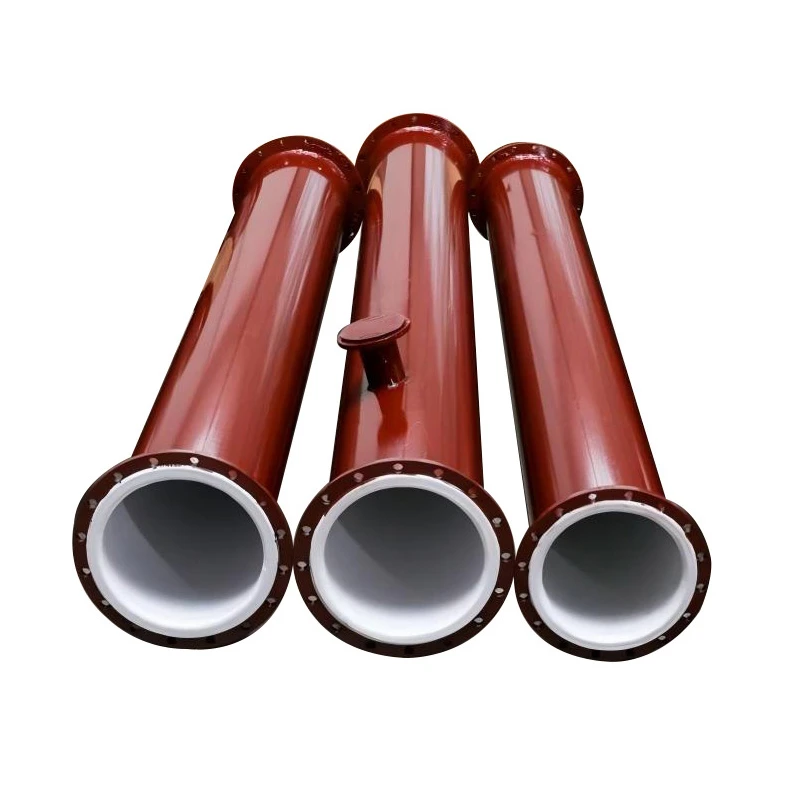
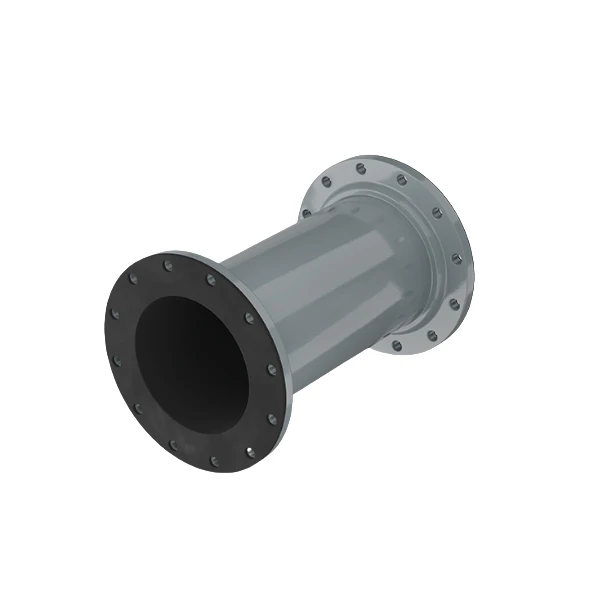
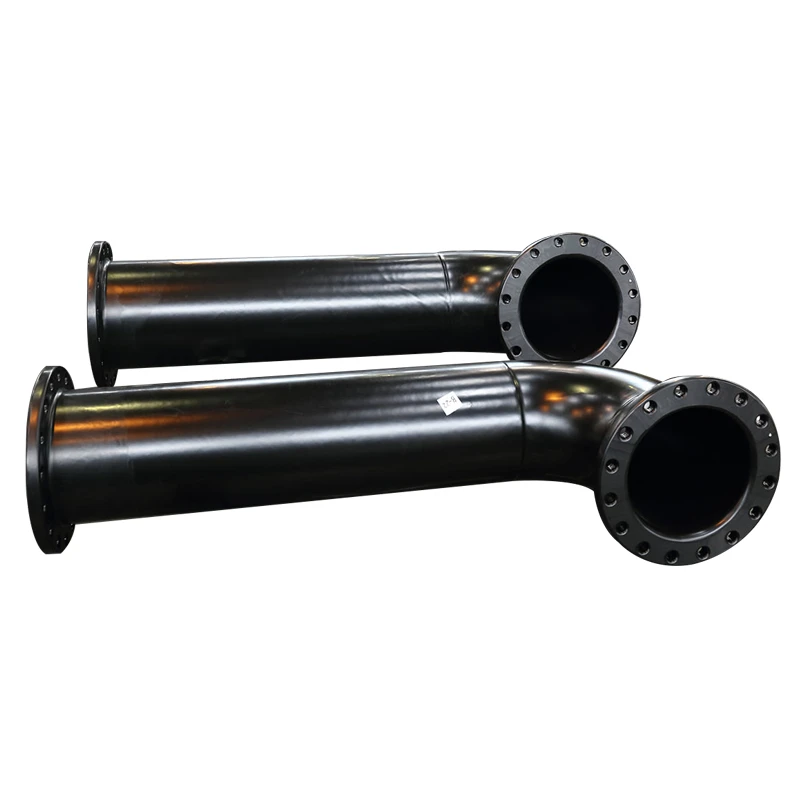
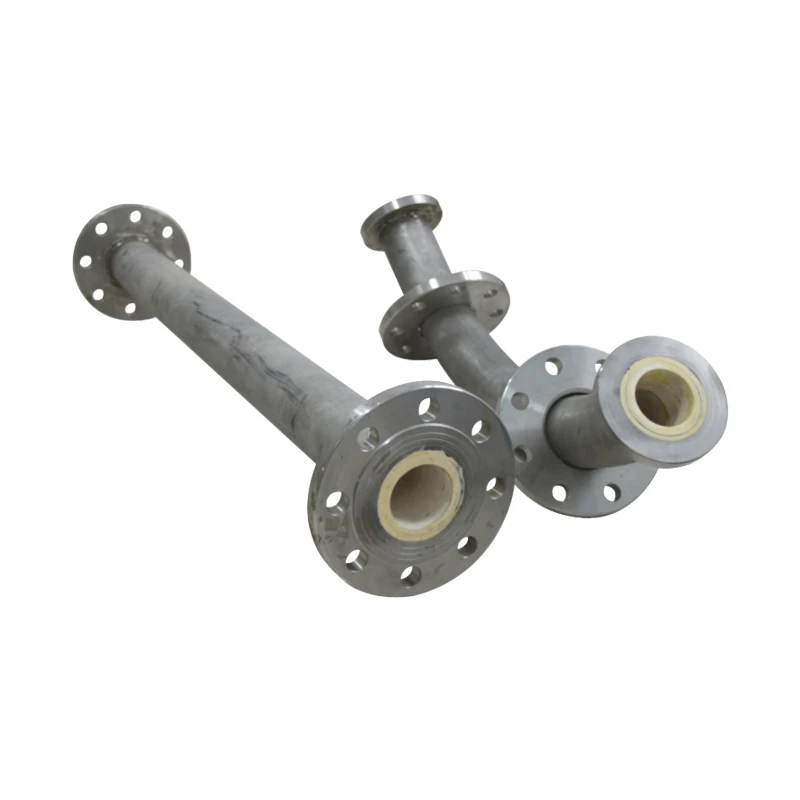
Related Products
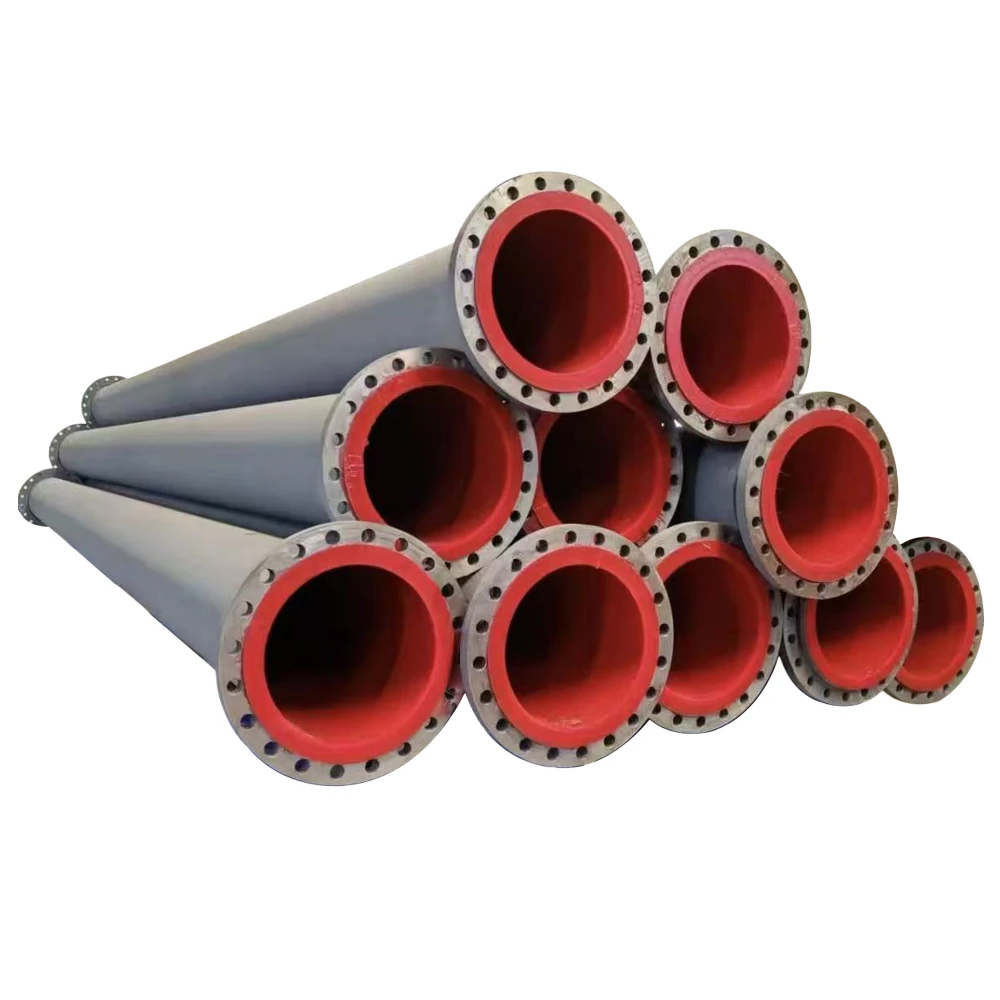
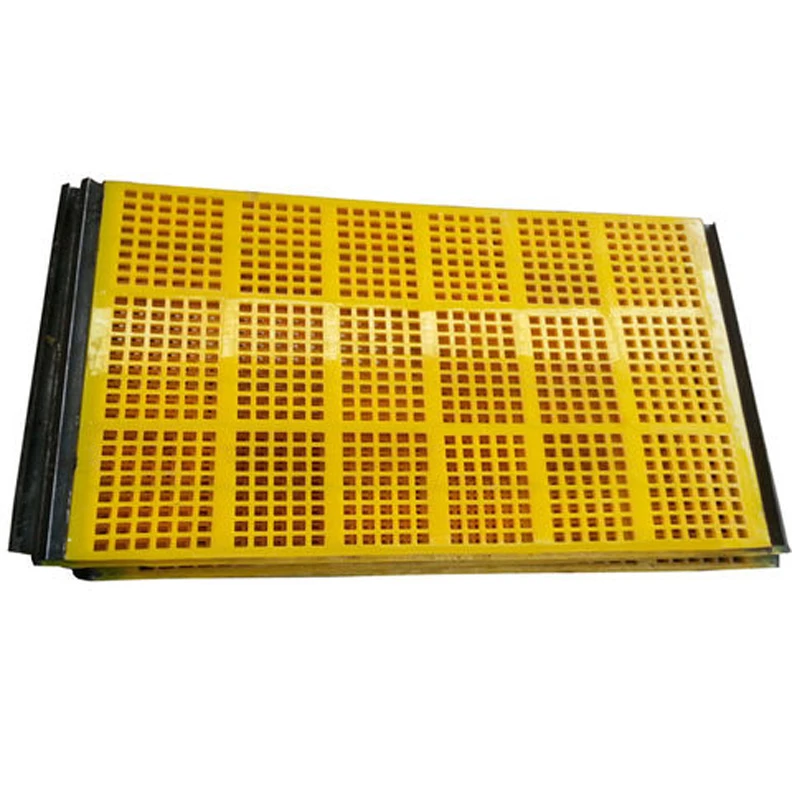
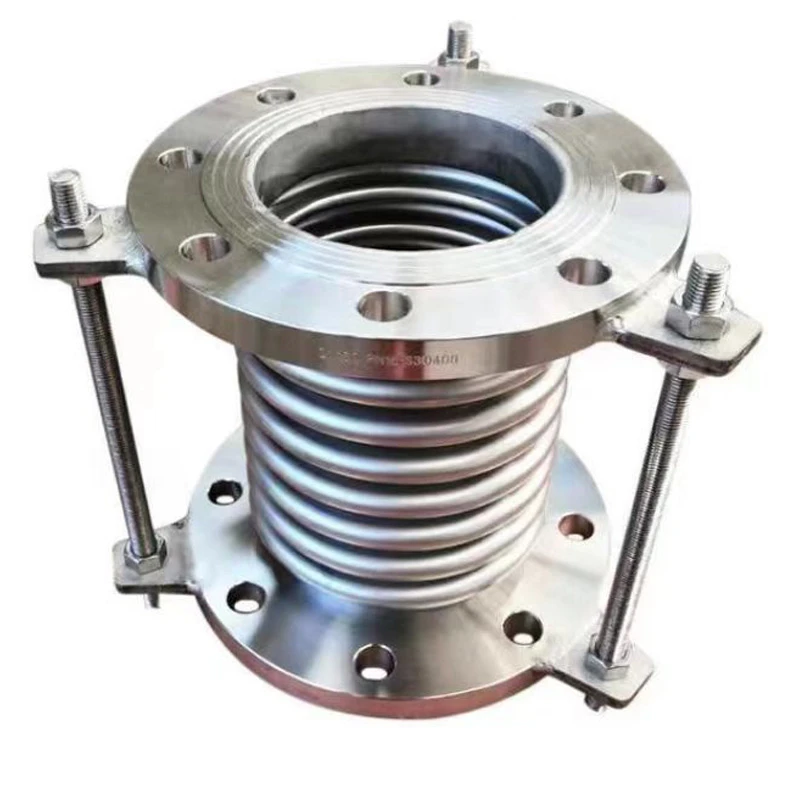
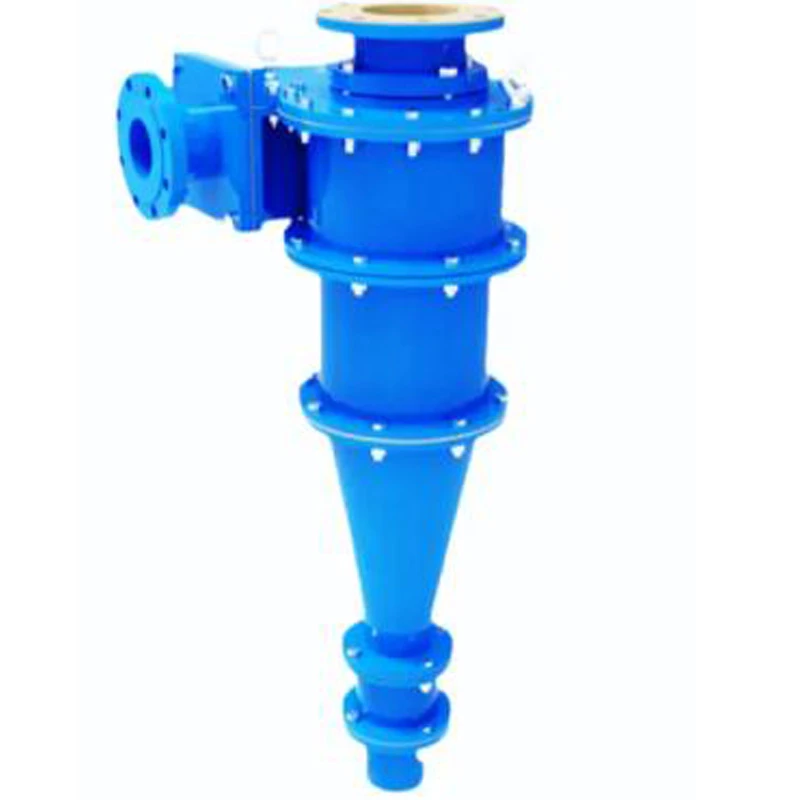
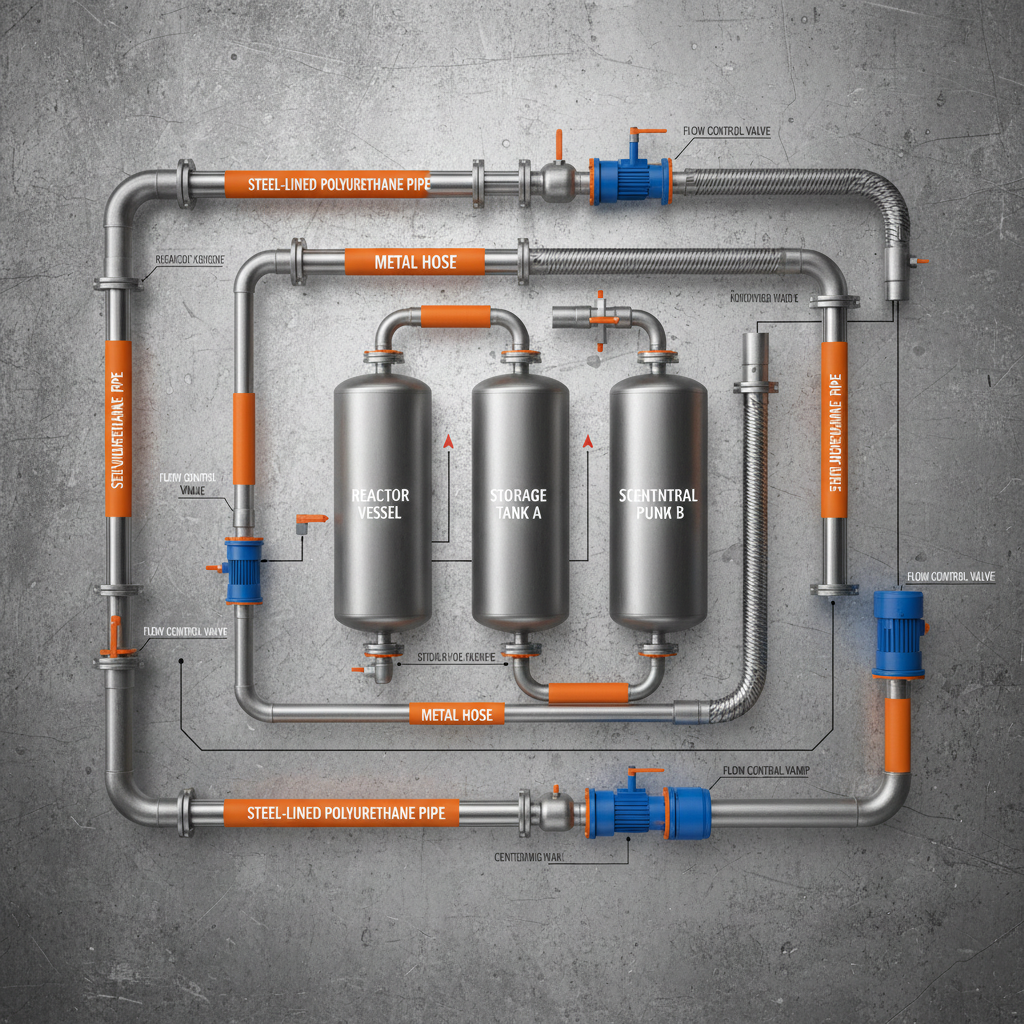
Our main products are polyurethane lined pipes, mining equipment fittings and metal hoses.