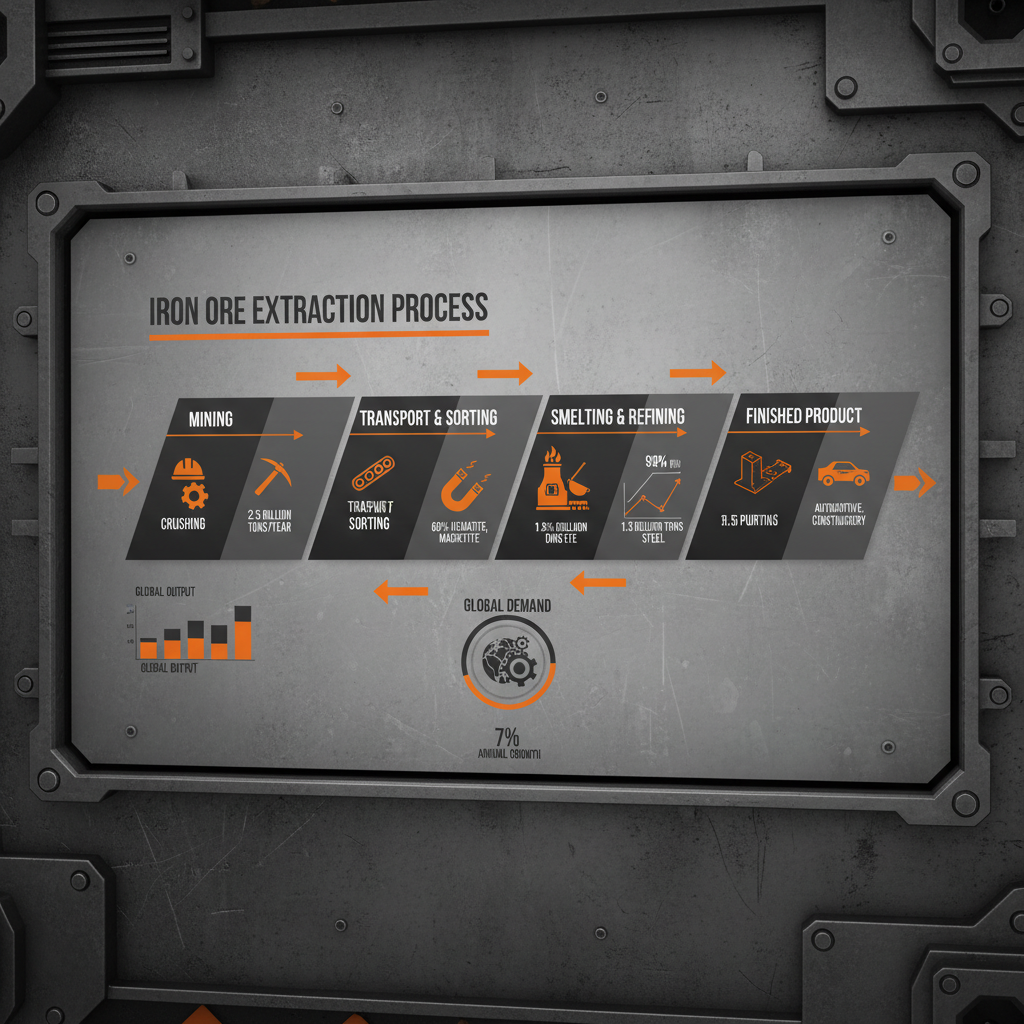
The global demand for steel, a primary product derived from iron ore, underpins modern civilization. Extraction of iron ore is therefore a critical process, supplying the raw material for construction, manufacturing, and infrastructure development worldwide. Understanding the nuances of this extraction, from geological exploration to processing techniques, is crucial for ensuring a sustainable and efficient supply chain.
Global iron ore production is concentrated in a few key countries, including Australia, Brazil, and China, accounting for approximately 70% of the total output. According to the United States Geological Survey, over 3.4 billion metric tons of iron ore were produced globally in 2022. This underscores the importance of efficient and responsible mining practices. The industry faces challenges related to environmental impact, resource depletion, and geopolitical factors.
Successfully navigating these challenges requires advancements in extraction technologies and a commitment to sustainable mining practices. Increased focus is placed on minimizing waste, reducing carbon emissions, and rehabilitating mined landscapes. A deeper understanding of extraction of iron ore is essential for stakeholders across the value chain, from mining companies and steel producers to policymakers and consumers.
The Significance of Extraction of Iron Ore
Iron ore is the cornerstone of modern industrial society, serving as the primary raw material for steel production. The efficiency and sustainability of extraction of iron ore directly impacts the cost and availability of steel, influencing a vast range of industries from construction and automotive to aerospace and energy. Without a reliable supply of iron ore, these sectors would face significant challenges.
Understanding the processes involved in extracting iron ore is crucial for mitigating environmental impact and ensuring long-term resource availability. Modern techniques prioritize responsible mining practices, waste reduction, and land reclamation. This approach recognizes the interconnectedness of economic development and environmental stewardship.
Global Context and Industry Relevance
The global iron ore market is a multi-billion dollar industry, heavily influenced by economic growth, particularly in developing nations. China's rapid industrialization over the past two decades has driven significant demand for iron ore, making it the world's largest consumer. This demand has, in turn, impacted global prices and production levels.
Geopolitical factors also play a crucial role. Trade policies, political instability in producing regions, and supply chain disruptions can all affect the availability and cost of iron ore. The industry is increasingly focused on diversifying sourcing and building resilient supply chains to mitigate these risks. Extraction of iron ore is therefore not just a technical process, but also a strategically important economic and political consideration.
Furthermore, growing environmental concerns are leading to increased scrutiny of mining practices and a push for more sustainable extraction methods. Investors and consumers are increasingly demanding transparency and accountability from companies involved in the iron ore supply chain.
Defining Extraction of Iron Ore
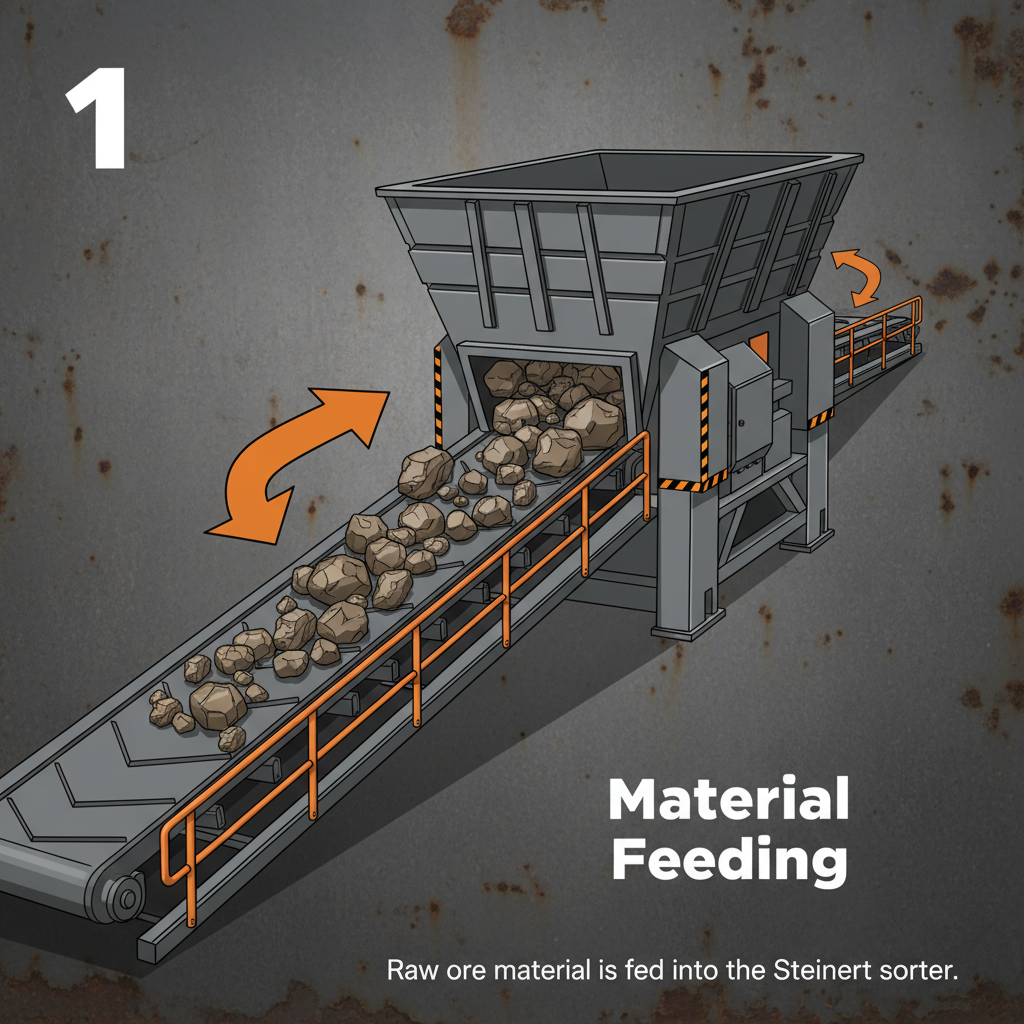
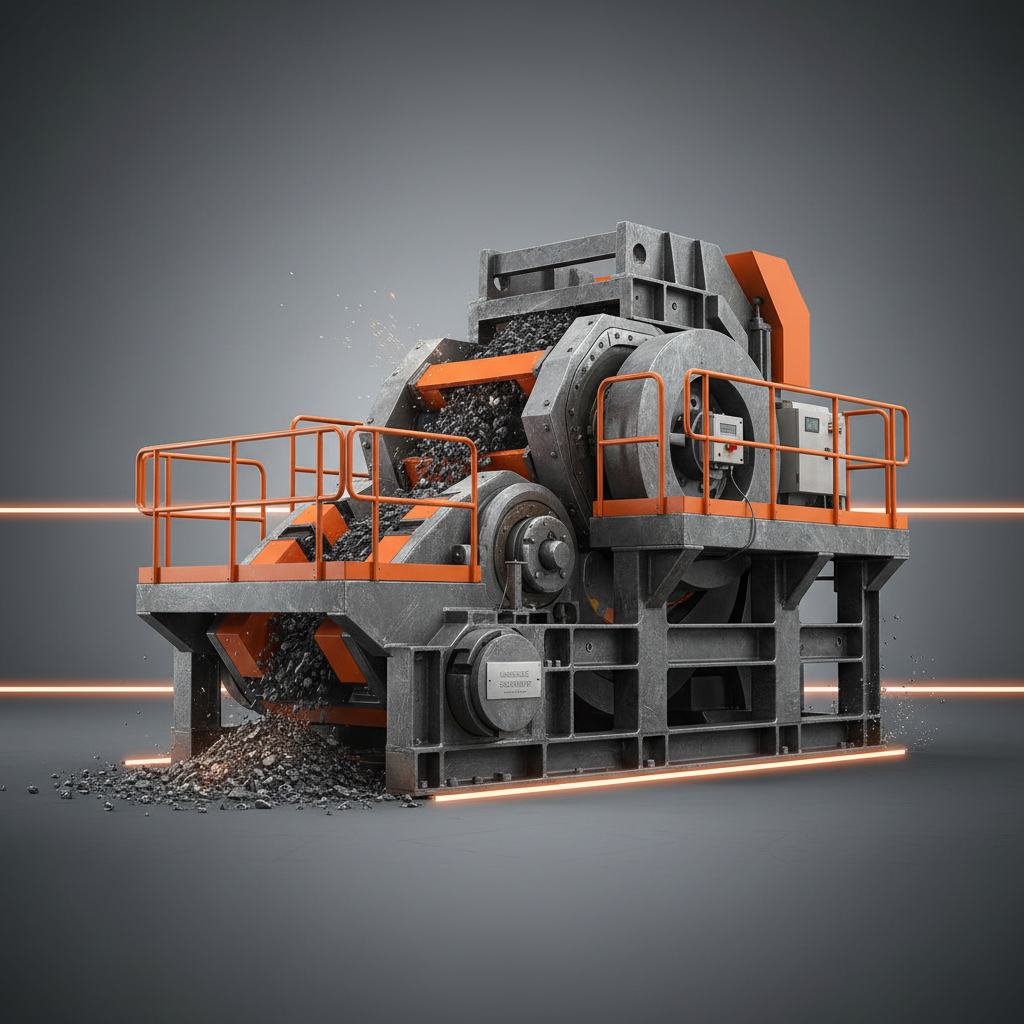
Extraction of iron ore encompasses the processes used to remove iron-bearing minerals from the earth. These minerals, primarily hematite and magnetite, are found in various geological formations around the world. The extraction process typically involves several stages, including exploration, mine planning, drilling, blasting, and ore processing.
The connection to modern industry is profound. Steel, produced from iron ore, is fundamental to infrastructure development, manufacturing, and countless other applications. From the skyscrapers that define our cities to the vehicles we drive, and the machinery used in countless industries, steel is an indispensable material.
Essentially, extraction of iron ore bridges the gap between raw geological resources and the materials that build and sustain modern life. Continuous improvement in extraction techniques is essential for meeting the growing global demand for steel while minimizing environmental impact.
Key Factors in Efficient Extraction
Several key factors influence the efficiency and cost-effectiveness of iron ore extraction. These include geological conditions, ore grade, mining method, processing technology, and logistical infrastructure. Understanding and optimizing each of these aspects is critical for maximizing profitability and minimizing environmental impact.
Proper geological assessment is paramount. Accurate identification of ore bodies, their size, shape, and grade, informs mine planning and extraction strategies. Selecting the appropriate mining method – whether open-pit or underground – depends on the geological characteristics and economic viability of the deposit.
Extraction Efficiency Metrics
Global Applications and Industry Impacts
The iron and steel produced from extracted iron ore are fundamental to numerous global industries. Construction relies heavily on steel for structural components, reinforcing bars, and various building materials. The automotive industry utilizes steel in vehicle bodies, engines, and chassis, prioritizing strength and safety.
In manufacturing, steel is essential for producing machinery, tools, and equipment. The energy sector uses steel in pipelines, power plants, and renewable energy infrastructure. Even in remote industrial zones, the availability of affordable steel – sourced from efficient extraction of iron ore – is a key enabler of economic development.
Advantages of Optimized Extraction Processes
Optimizing the extraction of iron ore yields significant advantages. Reduced costs translate to lower steel prices, benefiting downstream industries. Improved efficiency minimizes waste and environmental impact, fostering sustainable practices.
Enhanced safety measures protect workers and local communities. Furthermore, technological advancements in extraction processes lead to increased ore recovery rates, maximizing resource utilization and ensuring long-term supply security.
Future Trends and Technological Advancements
The future of extraction of iron ore is poised for significant transformation driven by technological innovation and sustainability concerns. Automation, utilizing robotics and artificial intelligence, is increasing efficiency and reducing labor costs in mining operations.
Digitalization, through the implementation of data analytics and machine learning, is optimizing mine planning, resource management, and predictive maintenance. The development of more environmentally friendly extraction techniques, such as bioleaching and in-situ recovery, is gaining momentum. These advancements will be critical for meeting the growing global demand for iron ore while minimizing environmental impact.
Furthermore, the integration of renewable energy sources into mining operations is reducing carbon emissions and promoting a greener approach to extraction.
Challenges in Iron Ore Extraction and Potential Solutions
Despite advancements, the extraction of iron ore faces several challenges. Declining ore grades require processing larger volumes of material, increasing energy consumption and waste generation. Environmental concerns, including water usage, land disturbance, and greenhouse gas emissions, necessitate responsible mining practices.
Geopolitical instability and supply chain disruptions can impact the availability and cost of iron ore. Addressing these challenges requires a multi-faceted approach, including investment in research and development, adoption of innovative technologies, and implementation of stringent environmental regulations.
Collaborative efforts between mining companies, governments, and research institutions are essential for fostering a sustainable and resilient iron ore industry. Implementing circular economy principles and focusing on resource recovery can also mitigate environmental impact.
Summary of Challenges and Solutions in Iron Ore Extraction
| Challenge |
Impact Severity (1-10) |
Potential Solution |
Implementation Cost (USD Million) |
| Declining Ore Grades |
8 |
Advanced Processing Technologies |
50 |
| Environmental Impact |
9 |
Sustainable Mining Practices |
30 |
| Water Usage |
7 |
Water Recycling Systems |
20 |
| Geopolitical Risks |
6 |
Diversified Sourcing |
10 |
| Waste Management |
7 |
Waste Valorization Techniques |
40 |
| Energy Consumption |
8 |
Renewable Energy Integration |
60 |
FAQS
Iron ore extraction can lead to significant environmental impacts, including deforestation, soil erosion, water contamination, and greenhouse gas emissions. Disturbance of ecosystems during mining operations can disrupt biodiversity and affect local communities. Responsible mining practices, including land reclamation, water management, and emission control, are crucial for mitigating these impacts.
Automation, digitalization, and advanced processing technologies are revolutionizing iron ore extraction. Robotics and AI improve efficiency and safety in mining operations, while data analytics optimize mine planning and resource management. New techniques like bioleaching and in-situ recovery offer more sustainable and environmentally friendly extraction methods.
Sustainable mining practices are essential for ensuring the long-term viability of the iron ore industry and minimizing its environmental and social impacts. These practices include responsible land use, water conservation, waste reduction, emission control, and engagement with local communities.
Geopolitical instability in key iron ore producing regions can disrupt supply chains, leading to price volatility and shortages. Political conflicts, trade disputes, and regulatory changes can all impact the availability and cost of iron ore. Diversifying sourcing and building resilient supply chains are critical for mitigating these risks.
Investing in efficient extraction of iron ore yields significant long-term economic benefits. Reduced costs translate to lower steel prices, benefiting downstream industries. Increased resource recovery maximizes profitability and ensures long-term supply security. Sustainable practices enhance the industry's reputation and attract investment.
Mining companies are increasingly adopting sustainable practices in response to growing demand from investors and consumers. This includes investing in renewable energy, implementing water recycling systems, reducing waste generation, and engaging with local communities. Transparency and traceability are also becoming more important, allowing consumers to make informed purchasing decisions.
Conclusion
In summary, the extraction of iron ore is a complex and vital process underpinning modern industrial society. From global economic implications to environmental responsibilities, understanding its nuances is crucial for sustainable development. Efficiency, innovation, and a commitment to responsible mining practices are key to ensuring a reliable and environmentally sound supply of this essential resource.
Looking ahead, continued investment in research and development, coupled with collaborative efforts between industry, governments, and research institutions, will be essential for addressing the challenges facing the iron ore industry. Embracing digitalization, automation, and circular economy principles will pave the way for a more sustainable and resilient future. Visit our website: www.qwmetal.com