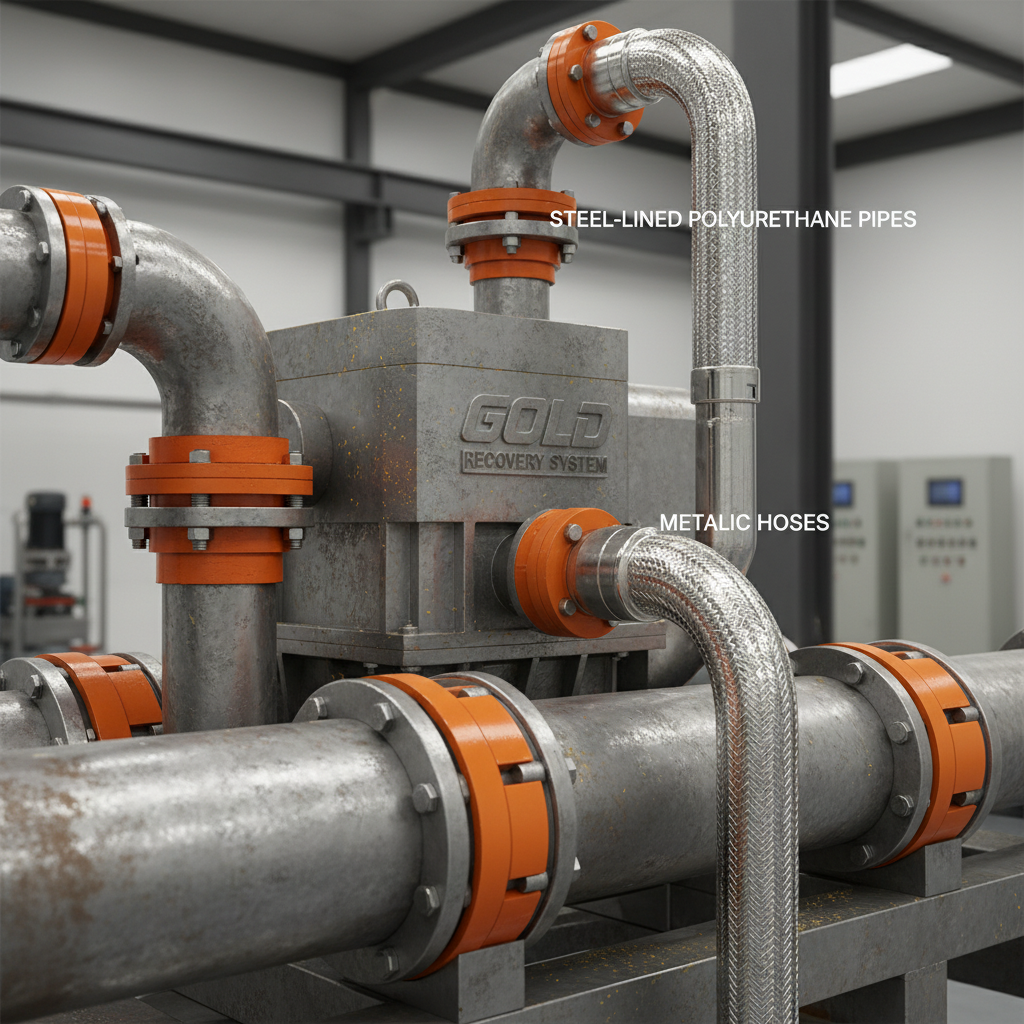
In the demanding landscape of chemical processing, the integrity of transport systems is non-negotiable. The implementation of pu lined pipe for chemical delivery represents a critical advancement in material science, offering a robust shield against the corrosive nature of industrial reagents. By combining the structural strength of steel with the chemical resilience of polyurethane, industries can ensure safer, more efficient fluid transport.
Globally, the shift toward high-performance lining materials is driven by the need to reduce downtime and prevent environmental catastrophes. A pu lined pipe for chemical delivery solves the perennial struggle between mechanical durability and chemical inertness. This synergy allows for the transport of abrasive slurries and aggressive chemicals without the constant risk of pipe wall thinning or catastrophic leaks.
Understanding the nuances of polyurethane lining is essential for procurement managers and engineers aiming to optimize their infrastructure. Whether it is in mining, pharmaceutical synthesis, or waste treatment, utilizing a pu lined pipe for chemical delivery ensures that the operational lifecycle of the piping system is extended, significantly lowering the total cost of ownership through reduced maintenance and replacement cycles.
Global Context of PU Lined Pipe for Chemical Delivery
The global chemical transport market is currently facing a crisis of material degradation. According to industrial safety benchmarks and ISO standards, corrosion is responsible for a significant percentage of unplanned shutdowns in processing plants. The introduction of pu lined pipe for chemical delivery has become a pivotal solution to mitigate these risks, especially in regions with heavy industrialization like East Asia and North America.
As regulatory bodies tighten environmental laws regarding hazardous leaks, the demand for "zero-leakage" systems has surged. The adaptability of polyurethane lining allows it to handle a broader spectrum of chemicals than traditional rubber or basic plastics, making it a global standard for facilities that prioritize both safety and operational continuity in harsh chemical environments.
Defining the PU Lined Pipe for Chemical Delivery System
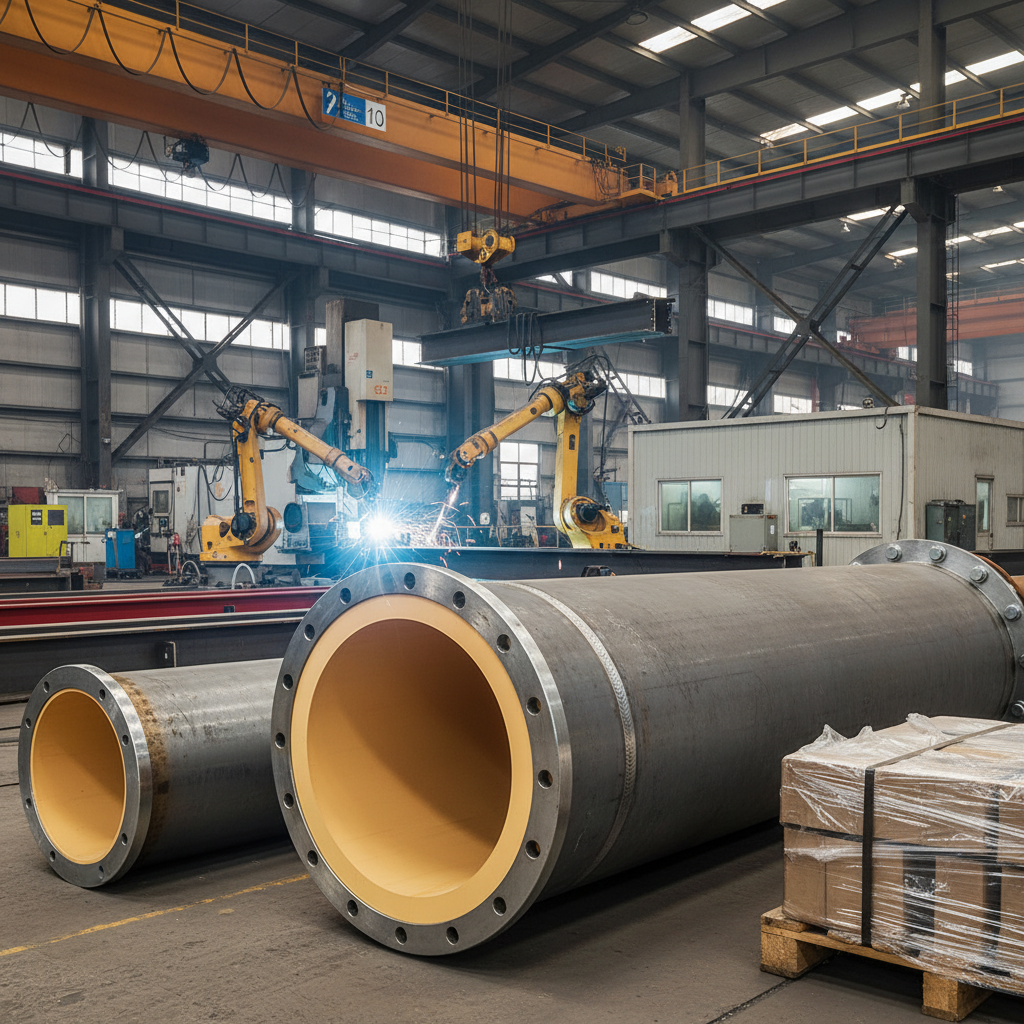
At its core, a pu lined pipe for chemical delivery is a composite piping solution. It consists of a high-strength outer shell—typically carbon steel or stainless steel—which provides the necessary pressure resistance, and an inner lining of high-grade polyurethane. This internal layer acts as a chemical barrier, preventing the aggressive medium from ever coming into contact with the metal substrate.
Unlike monolithic plastic pipes, this dual-layer approach ensures that the system can withstand high external pressures and physical impacts while maintaining a smooth, non-reactive interior. The polyurethane is specifically engineered to resist abrasion and chemical attack, which is essential for transporting viscous chemicals or those containing suspended solids that would otherwise scour the pipe walls.
In the context of modern humanitarian and industrial needs, these pipes are indispensable for the safe delivery of water treatment chemicals and the transport of hazardous materials in remote industrial zones. They bridge the gap between the fragility of polymers and the vulnerability of metals, creating a reliable artery for the global chemical supply chain.
Core Components of Effective Chemical Delivery Piping
The primary factor in the success of pu lined pipe for chemical delivery is its exceptional abrasion resistance. Polyurethane possesses a unique ability to absorb energy and resist tearing, which is critical when delivering chemicals that are mixed with abrasive particulates, ensuring the pipe doesn't wear thin over time.
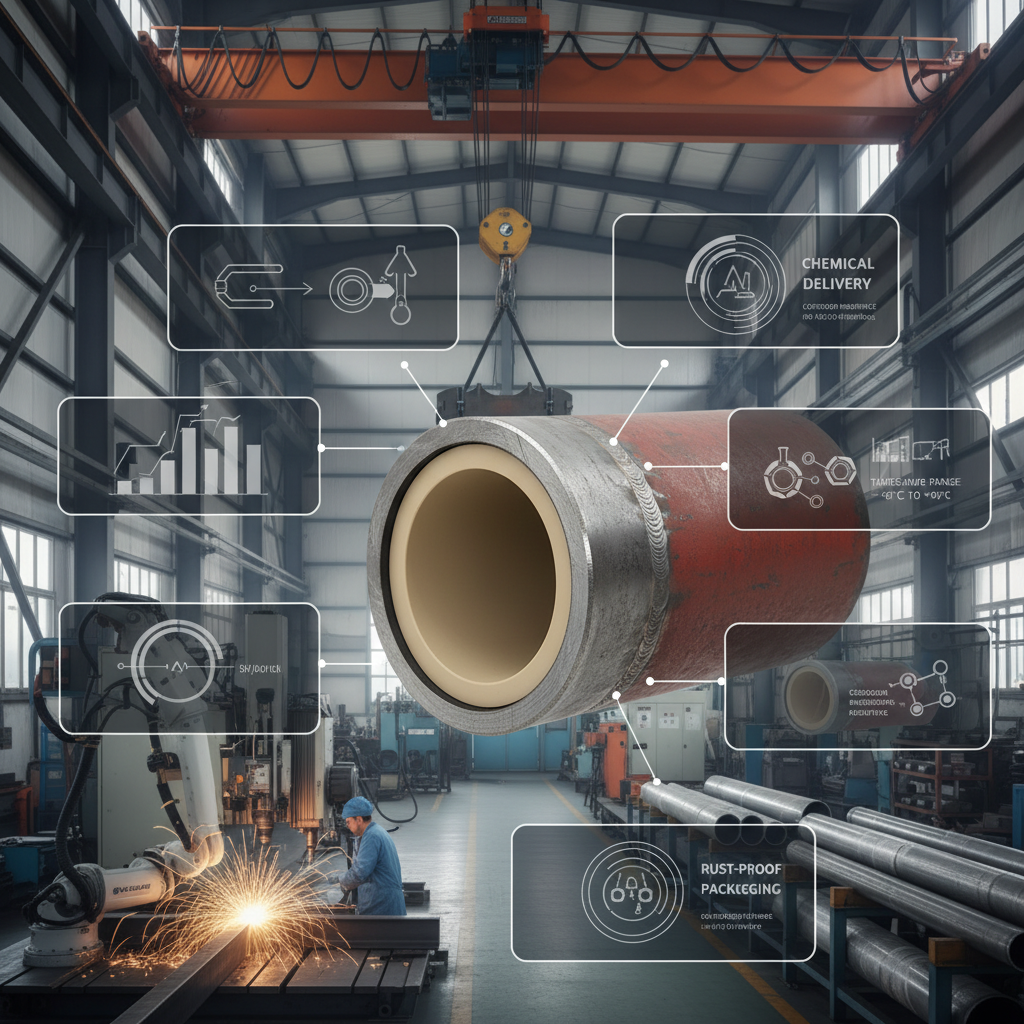
Another critical component is the bonding technology used to secure the polyurethane to the steel. For a pu lined pipe for chemical delivery to be effective, the lining must not delaminate under vacuum or thermal expansion. Advanced adhesive priming and curing processes ensure a molecular bond that prevents "blistering," which is a common failure point in lower-quality lined pipes.
Finally, chemical compatibility and scalability define the utility of the system. A pu lined pipe for chemical delivery can be customized in terms of lining thickness and hardness (measured in Shore A or D), allowing engineers to tailor the pipe to the specific acidity, alkalinity, or viscosity of the chemical being delivered.
Practical Performance Metrics and Efficiency
When evaluating the efficiency of pu lined pipe for chemical delivery, we look at the balance between flow velocity and wall friction. The smooth internal surface of polyurethane reduces turbulence and pressure drops, which leads to lower energy consumption for pumps and a higher overall throughput for the delivery system.
Comparing PU lining to other common materials like rubber or HDPE reveals a distinct advantage in longevity. While rubber may degrade under UV exposure or specific solvent attacks, and HDPE may lack the pressure rating for high-rise industrial delivery, the PU-lined system maintains a stable performance profile across a wider range of operational stresses.
Comparative Efficiency of PU Lined Pipe for Chemical Delivery
Global Industrial Applications and Use Cases
In the mining sector, pu lined pipe for chemical delivery is frequently used to transport tailings and acidic leaching agents. In remote industrial zones of South America and Africa, where maintenance crews are limited, the long-term durability of PU lining reduces the frequency of hazardous onsite repairs, protecting both workers and the local ecosystem.
Beyond mining, these pipes are critical in the pulp and paper industry for the delivery of bleaching agents and caustic soda. By implementing a pu lined pipe for chemical delivery, plants can operate at higher flow rates without worrying about the internal erosion caused by chemical precipitates, thereby increasing the overall productivity of the plant.
Long-term Value and Sustainability Advantages
The long-term value of investing in pu lined pipe for chemical delivery is measured not just in years of service, but in risk mitigation. The logical angle is simple: a pipe that lasts twice as long as a traditional steel pipe reduces capital expenditure over a decade. However, there is also an emotional angle—the peace of mind that comes with knowing that toxic chemicals are safely contained.
Sustainability is further enhanced by the reduction in waste. Traditional pipes that corrode quickly lead to frequent scrap metal generation and the risk of chemical soil contamination. A pu lined pipe for chemical delivery minimizes this environmental footprint, aligning industrial operations with global "Green Industry" initiatives and ESG (Environmental, Social, and Governance) goals.
Furthermore, the ability to maintain the pipe via internal inspection and localized relining—rather than full replacement—demonstrates a commitment to circular economy principles. This innovative approach to infrastructure ensures that the high-strength steel outer shell remains in use for decades, while only the polyurethane interior is refreshed as needed.
Future Innovations in PU Lined Piping Technology
The future of pu lined pipe for chemical delivery is leaning toward "Smart Piping." We are seeing the integration of embedded sensors within the PU lining that can detect thickness loss or chemical permeation in real-time. This digital transformation allows for predictive maintenance, where a pipe is serviced before a failure occurs, rather than reacting to a leak.
Material science is also evolving with the introduction of nano-composite polyurethane. By infusing the lining with graphene or carbon nanotubes, the next generation of pu lined pipe for chemical delivery will offer even higher thermal stability and an almost impenetrable barrier to the smallest molecular ions, expanding the range of chemicals that can be safely transported.
Additionally, automation in the lining process—such as robotic centrifugal casting—is ensuring more uniform wall thickness. This eliminates the "thin spots" that typically lead to premature failure, ensuring that every meter of the delivery system meets the highest safety standards of the 21st century.
Analysis of PU Lined Piping Performance Across Chemical Categories
| Chemical Type |
Abrasion Resistance |
Corrosion Rating |
Expected Lifespan (Years) |
| Acidic Slurries |
Exceptional |
High |
12-15 |
| Alkaline Solutions |
High |
Very High |
15-20 |
| Organic Solvents |
Medium |
Medium |
8-10 |
| Mining Tailings |
Maximum |
High |
15-18 |
| Water Treatment Chem |
High |
Very High |
20+ |
| Industrial Brines |
Medium |
High |
10-12 |
FAQS
PU lined pipes generally offer superior abrasion resistance and a more seamless bond to the steel substrate. While rubber is excellent for certain acids, polyurethane provides a harder, more durable surface that resists cutting and gouging from particles in the chemical stream, leading to a longer service life in slurry-heavy applications.
Depending on the chemical concentration and flow velocity, a high-quality PU lined pipe can last anywhere from 8 to 20 years. The key factors are the hardness of the PU grade chosen and the precision of the bonding process. Regular inspections can extend this life by identifying wear before the steel shell is compromised.
While highly versatile, PU is not a "universal" solvent. It is excellent for many acids, bases, and oils, but may struggle with very strong oxidizing agents or specific ketones. We always recommend a chemical compatibility test to ensure the specific PU formulation matches your delivery medium.
Yes. Because the structural load is carried by the outer steel pipe, the system can handle very high pressures. The polyurethane lining handles the chemical attack and abrasion, while the steel provides the mechanical strength, allowing for high-pressure delivery that pure plastic pipes cannot support.
Delamination is prevented through rigorous surface preparation of the steel (such as sandblasting to a specific profile) and the use of chemical primers. Ensuring the pipe is not subjected to temperatures beyond the PU's rated limit also prevents thermal expansion differences that could cause the lining to peel.
Yes, primarily through durability. By reducing the frequency of pipe replacements and virtually eliminating the risk of corrosive leaks into the soil, PU lined pipes contribute significantly to environmental protection and reduce the carbon footprint associated with manufacturing new steel piping.
Conclusion
The adoption of pu lined pipe for chemical delivery is more than just a material upgrade; it is a strategic decision to enhance safety, efficiency, and sustainability within industrial operations. By merging the mechanical prowess of steel with the chemical resilience of polyurethane, companies can effectively combat the dual threats of corrosion and abrasion, ensuring a seamless flow of critical materials.
Looking forward, the integration of smart sensing and nano-materials will only further solidify the role of PU lining as the gold standard for chemical transport. For organizations seeking to modernize their infrastructure and minimize operational risk, investing in high-grade lined piping is the most reliable path toward long-term stability. Visit our website: www.qwmetal.com