In the demanding world of industrial fluid and slurry transport, the integrity of piping systems is constantly threatened by the abrasive nature of the materials they carry. An abrasion resistant pu lined pipe serves as a critical engineering solution, combining the structural strength of steel with the exceptional wear resistance of polyurethane. By creating a resilient barrier against friction and erosion, these pipes ensure that high-velocity particulates do not compromise the system's longevity.
Across global mining, dredging, and chemical processing industries, the shift toward high-performance linings is no longer optional but a necessity for operational efficiency. The implementation of an abrasion resistant pu lined pipe significantly reduces the frequency of costly shutdowns and unplanned maintenance. As industries push for higher throughput and more aggressive material handling, the demand for linings that can withstand severe mechanical stress has skyrocketed.
Understanding the technical nuances of polyurethane lining allows engineers to optimize their infrastructure for maximum uptime. Whether dealing with volcanic ash, mining tailings, or abrasive chemical slurries, the right choice of abrasion resistant pu lined pipe balances initial investment with a drastic reduction in total cost of ownership. This guide explores the global context, technical advantages, and future innovations of these essential industrial components.
Global Industry Context of Abrasion Resistant PU Lined Pipe
On a global scale, the transport of abrasive solids is a cornerstone of the extractive and manufacturing sectors. According to international industrial standards and ISO benchmarks for material handling, the degradation of piping due to erosive wear accounts for a significant percentage of annual maintenance budgets in the mining sector. The introduction of abrasion resistant pu lined pipe has transformed how plants manage slurry, providing a flexible yet hard-wearing alternative to traditional ceramic or rubber linings.
The challenge lies in the inherent conflict between hardness and toughness. While extremely hard materials resist scratching, they often crack under impact. Polyurethane-lined solutions resolve this by offering an elastomeric properties that "absorb" the energy of impacting particles, making the abrasion resistant pu lined pipe an ideal choice for environments where both sliding abrasion and high-impact collisions occur simultaneously.
Defining the Mechanics of Abrasion Resistant PU Lined Pipe
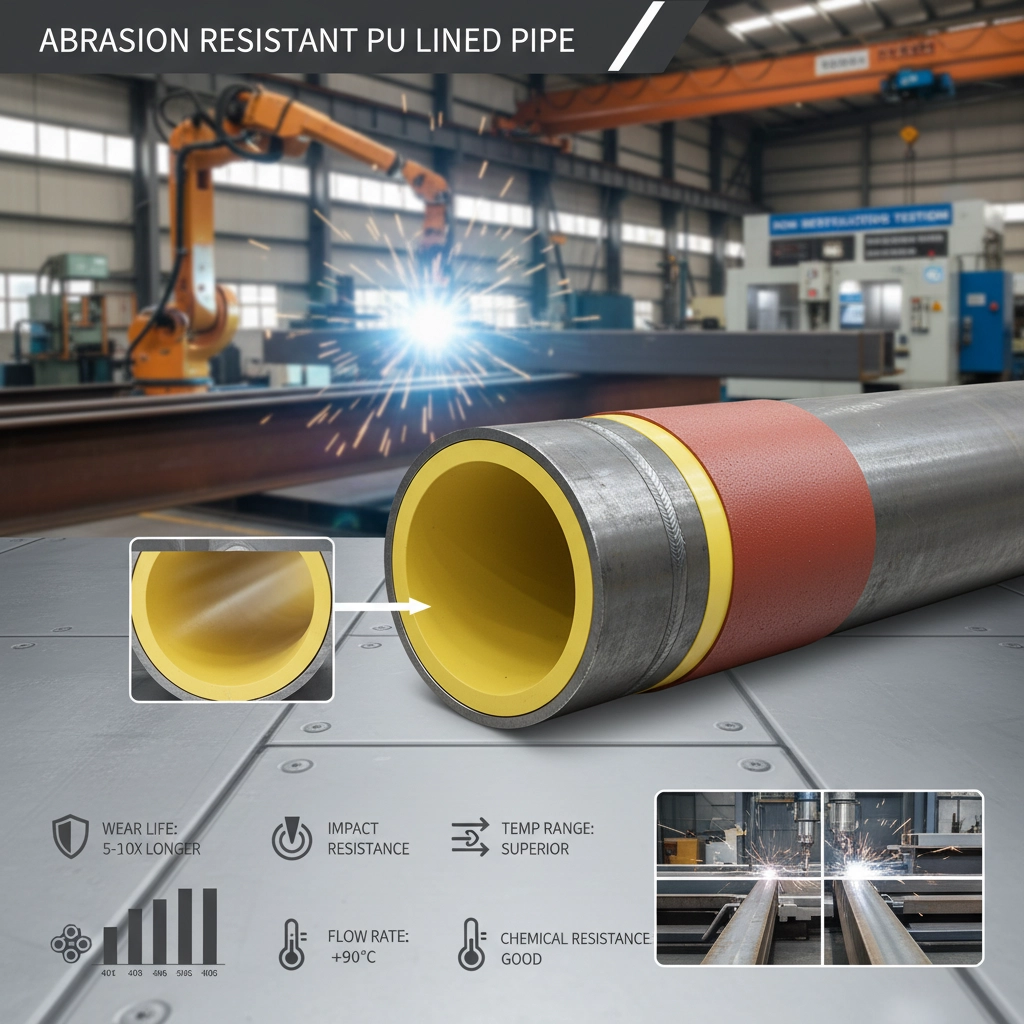
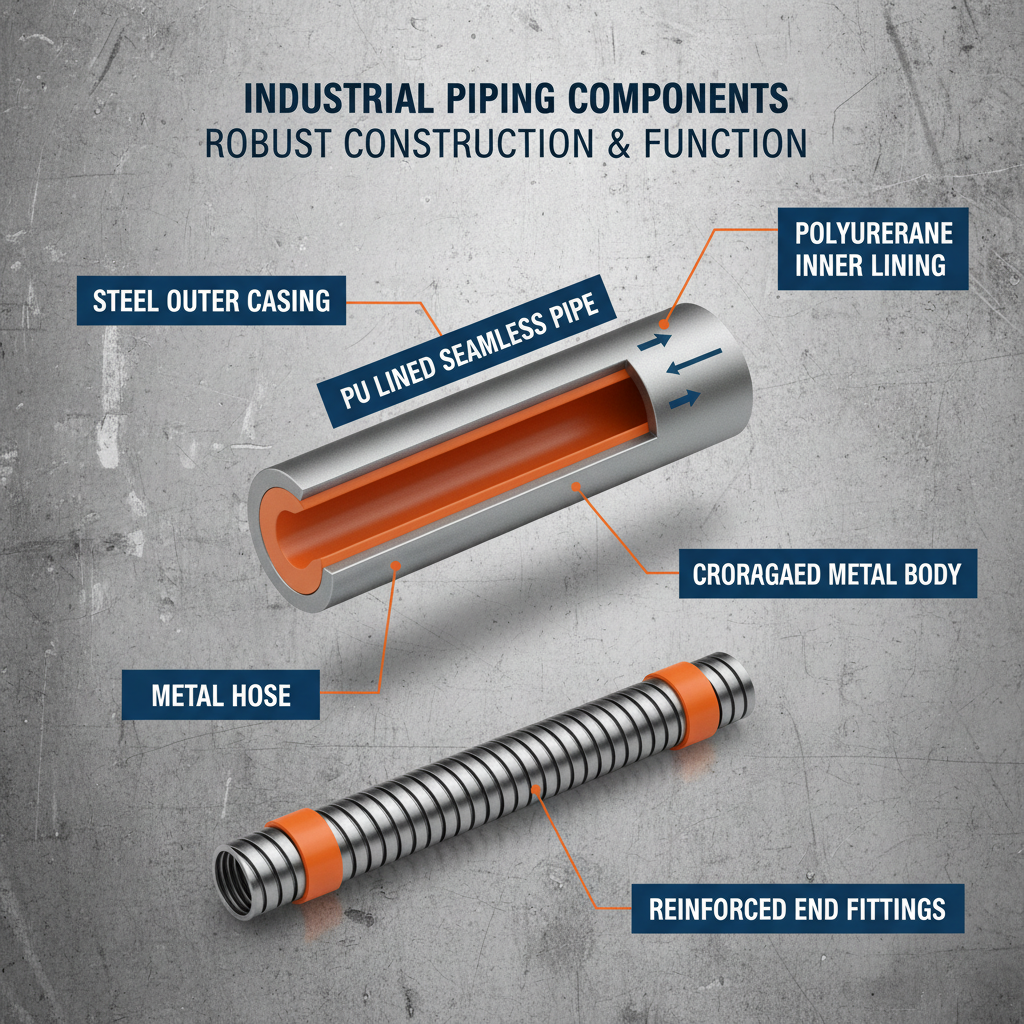
In simple technical terms, an abrasion resistant pu lined pipe is a composite structure featuring a heavy-duty outer steel shell for pressure containment and a precision-engineered internal layer of polyurethane. Polyurethane is a polymer that bridges the gap between rubber and plastic, offering the elasticity of the former and the durability of the latter. This unique combination allows the pipe to withstand the constant "scrubbing" action of mineral ores and sand.
From a humanitarian and environmental perspective, the use of these pipes is critical in wastewater management and tailings transport. By preventing leaks and catastrophic pipe failures, PU-lined systems protect local ecosystems from hazardous slurry spills. The ability to extend the lifecycle of a pipeline means fewer raw materials are used over time, aligning industrial growth with the principles of sustainable infrastructure.
Modern industry relies on these pipes not just for their thickness, but for the chemical bonding between the liner and the substrate. A high-quality abrasion resistant pu lined pipe ensures that the liner does not delaminate or "bubble" under vacuum or high-pressure conditions, which is a common failure point in lower-grade rubber-lined alternatives.
Core Components and Performance Factors
The efficiency of an abrasion resistant pu lined pipe is primarily determined by its durometer—the measure of the polyurethane's hardness. Depending on the application, liners can range from soft and gummy to hard and rigid. Matching the durometer to the specific particle size and velocity of the transported medium is essential for maximizing the wear life.
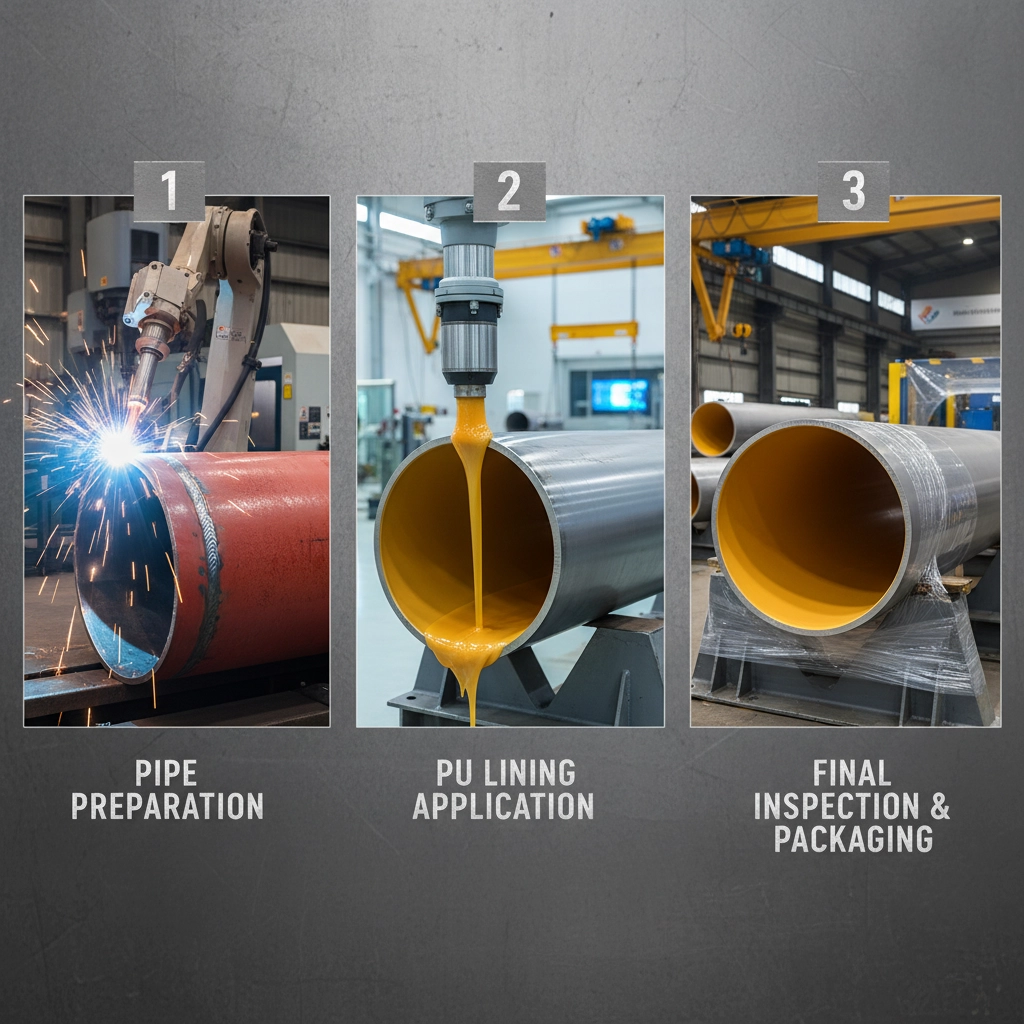
Beyond hardness, the bonding process is a core component. Advanced abrasion resistant pu lined pipe manufacturing employs centrifugal casting or specialized adhesive bonding to ensure a seamless fit. This eliminates gaps where corrosive fluids could seep through and attack the steel outer shell, effectively providing a dual layer of protection against both mechanical wear and chemical corrosion.
Scalability and versatility also play a huge role. These pipes can be customized with various diameters and wall thicknesses to meet the specific hydraulic requirements of a facility. The flexibility of polyurethane allows for a tighter seal at joints and elbows, which are typically the most vulnerable points in any abrasion resistant pu lined pipe installation.
Industrial Applications and Use Cases
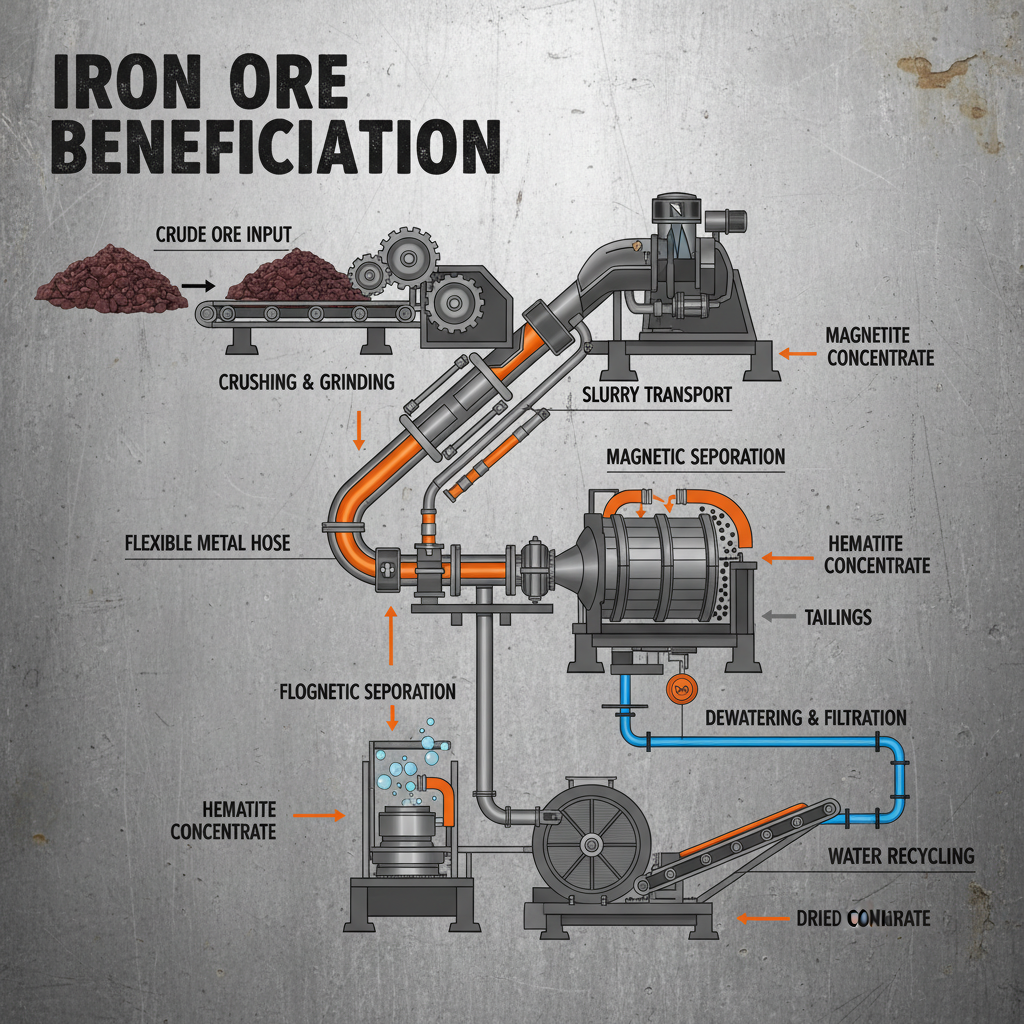
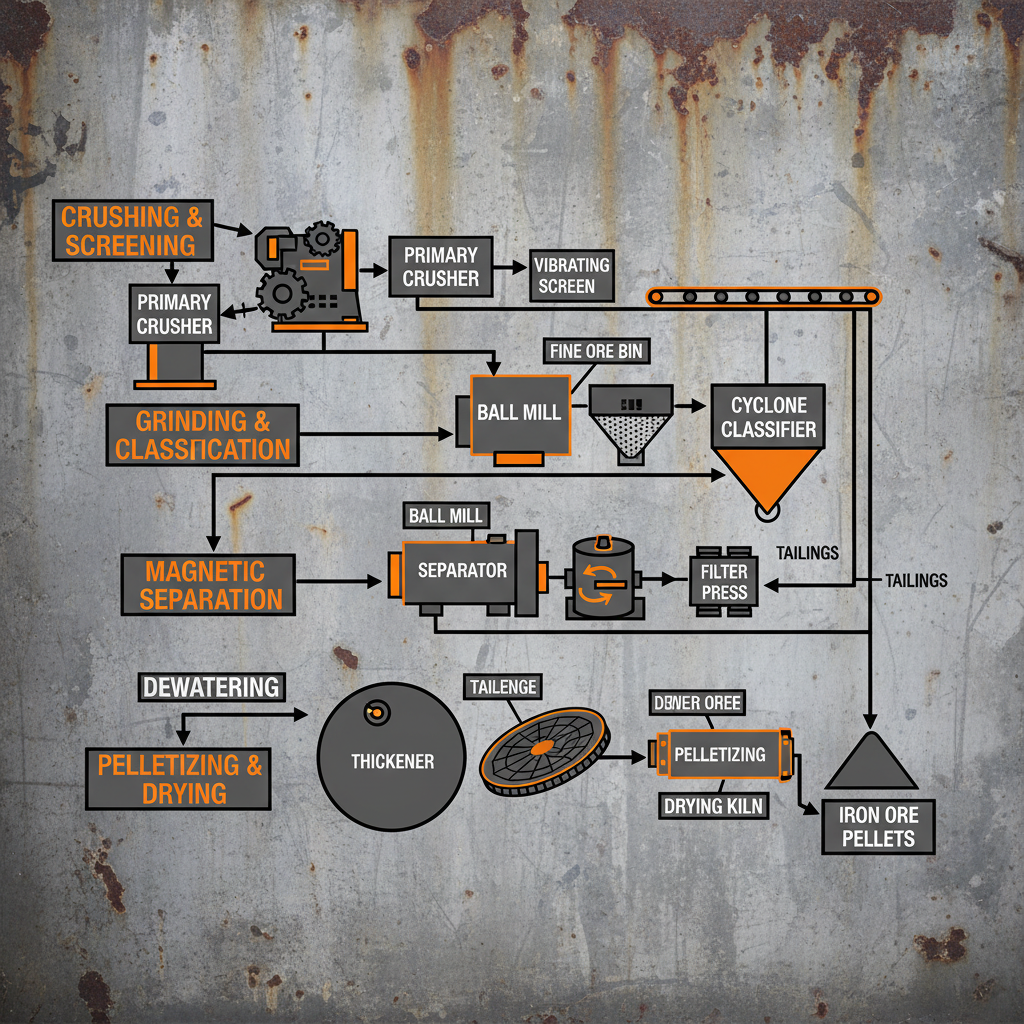
Real-world applications of abrasion resistant pu lined pipe are diverse, ranging from the deep mines of Australia to the dredging projects in Southeast Asia. In mining operations, these pipes transport ore slurries from the primary crusher to the processing plant, where the constant flow of jagged rock fragments would destroy unlined carbon steel in a matter of weeks.
In remote industrial zones, such as oil sands extraction sites, the reliability of an abrasion resistant pu lined pipe is paramount because the cost of transporting replacement parts to a remote location often exceeds the cost of the pipe itself. By installing high-performance PU linings, operators can extend maintenance intervals from months to years.
Comparative Performance of Lined Pipe Materials
Long-Term Value and Economic Advantages
The primary value of investing in an abrasion resistant pu lined pipe is the drastic reduction in downtime. In a high-capacity processing plant, a single hour of unplanned shutdown can cost tens of thousands of dollars in lost production. By utilizing PU liners, companies transition from reactive maintenance (fixing things when they break) to predictive maintenance, ensuring stability and reliability.
Beyond the financial logic, there is a safety and trust component. A pipe failure in a slurry line can lead to dangerous workplace accidents and environmental contamination. The reliability of an abrasion resistant pu lined pipe provides peace of mind to plant managers and operators, knowing that the infrastructure is capable of handling surges in material density without catastrophic failure.
Future Trends in PU Lining Technology
The future of abrasion resistant pu lined pipe is moving toward "smart liners." Researchers are exploring the integration of embedded sensors within the polyurethane layer that can monitor wear in real-time. This digital transformation would allow operators to see exactly how much of the liner remains without having to physically inspect the pipe, enabling a truly automated maintenance schedule.
Sustainability is also driving innovation. New bio-based polyurethanes are being developed to reduce the carbon footprint of the manufacturing process. These eco-friendly materials aim to maintain the same hardness and abrasion resistance as traditional petroleum-based PU, ensuring that the abrasion resistant pu lined pipe of tomorrow is as green as it is durable.
Furthermore, the trend toward hybrid linings—combining PU with microscopic ceramic beads—is creating a "super-liner." These materials leverage the impact resistance of polyurethane and the surface hardness of ceramics, pushing the boundaries of what an abrasion resistant pu lined pipe can withstand in the most extreme industrial environments on earth.
Overcoming Common Implementation Challenges
One of the most common challenges with abrasion resistant pu lined pipe is the risk of improper installation, which can lead to liner collapse or air pockets. To solve this, expert installation protocols involving vacuum-assisted bonding and rigorous thermal curing are now standard. Ensuring the inner surface is perfectly cleaned and primed is the only way to guarantee a lifetime bond.
Another limitation is the temperature sensitivity of polyurethane. While PU is excellent for abrasion, it can soften at extremely high temperatures. The solution involves selecting specialized heat-stabilized PU grades or integrating cooling jackets for the abrasion resistant pu lined pipe in thermal-intensive processes, ensuring the liner maintains its structural integrity.
Finally, the initial cost is often higher than simple steel piping. However, when calculated as a "Cost Per Ton" of material transported, the abrasion resistant pu lined pipe is significantly cheaper. Educating stakeholders on the Total Cost of Ownership (TCO) rather than the initial purchase price is key to adopting these superior solutions.
Technical Comparison of PU Lining Specifications and Performance
| Liner Grade |
Hardness (Shore A) |
Abrasion Resistance Score |
Recommended Application |
| Soft-Flex PU |
70-80 |
7/10 |
Low-velocity sandy slurries |
| Medium-Industrial |
85-92 |
8/10 |
General mining tailings |
| High-Hardness PU |
95+ |
9/10 |
Coarse mineral ore transport |
| Heat-Stabilized PU |
90 |
8/10 |
Thermal chemical processing |
| Ceramic-Hybrid PU |
98 |
10/10 |
Extreme high-impact dredging |
| Oil-Resistant PU |
88 |
7/10 |
Hydrocarbon-mixed slurries |
FAQS
Polyurethane (PU) offers significantly higher tear strength and abrasion resistance than natural or synthetic rubber. While rubber is good for impact, it wears down quickly under sliding abrasion. A PU-lined pipe provides a superior balance of hardness and elasticity, meaning it lasts 3-5 times longer in high-velocity slurry environments, reducing the frequency of replacements and total maintenance costs.
The lifespan depends on the slurry's abrasiveness and flow velocity. In typical mining tailings applications, a high-grade PU liner can last several years, whereas unlined steel might fail in a few months. Factors such as particle size and the chosen durometer of the PU play a critical role. With correct specification, these pipes significantly extend the operational cycle of the facility.
Yes, it is cost-effective due to the dramatic reduction in downtime and material waste. From an environmental standpoint, by preventing leaks and extending the life of the steel pipe, it reduces the demand for new steel production. Furthermore, the industry is moving toward bio-based polyurethanes to further decrease the environmental impact of manufacturing.
Polyurethane has excellent resistance to many oils, greases, and mild chemicals. However, for extremely aggressive acids or bases, it is important to specify the correct PU grade. The lining serves as a protective barrier that prevents the chemical medium from reaching the steel outer shell, thus providing an integrated solution for both abrasion and corrosion.
Generally, for high-impact environments with large particles, a medium-hardness PU is preferred as it absorbs energy. For fine-particle, high-velocity sliding abrasion, a high-hardness PU is more effective. We recommend analyzing your slurry's particle size distribution and flow speed to select the optimal durometer for maximum wear life.
Importing abrasion resistant pu lined pipe requires strict adherence to shipping standards to prevent liner deformation. We provide comprehensive logistics support, including specialized packaging and ISO-compliant documentation, to ensure the product arrives in perfect condition regardless of the destination region.
Conclusion
The implementation of abrasion resistant pu lined pipe represents a strategic investment in industrial longevity. By blending the structural integrity of steel with the unmatched wear-resistance of polyurethane, these systems solve the age-old problem of erosive pipe failure. From the technical selection of durometers to the integration of smart-sensing technology, the focus remains on reducing downtime, enhancing safety, and optimizing the total cost of ownership across the global mining and processing sectors.
Looking forward, the evolution of hybrid materials and sustainable polymers will continue to push the limits of fluid transport. For any operation handling abrasive media, transitioning to PU-lined solutions is the most effective way to ensure operational stability and environmental compliance. We invite you to optimize your infrastructure today. Visit our website: www.qwmetal.com