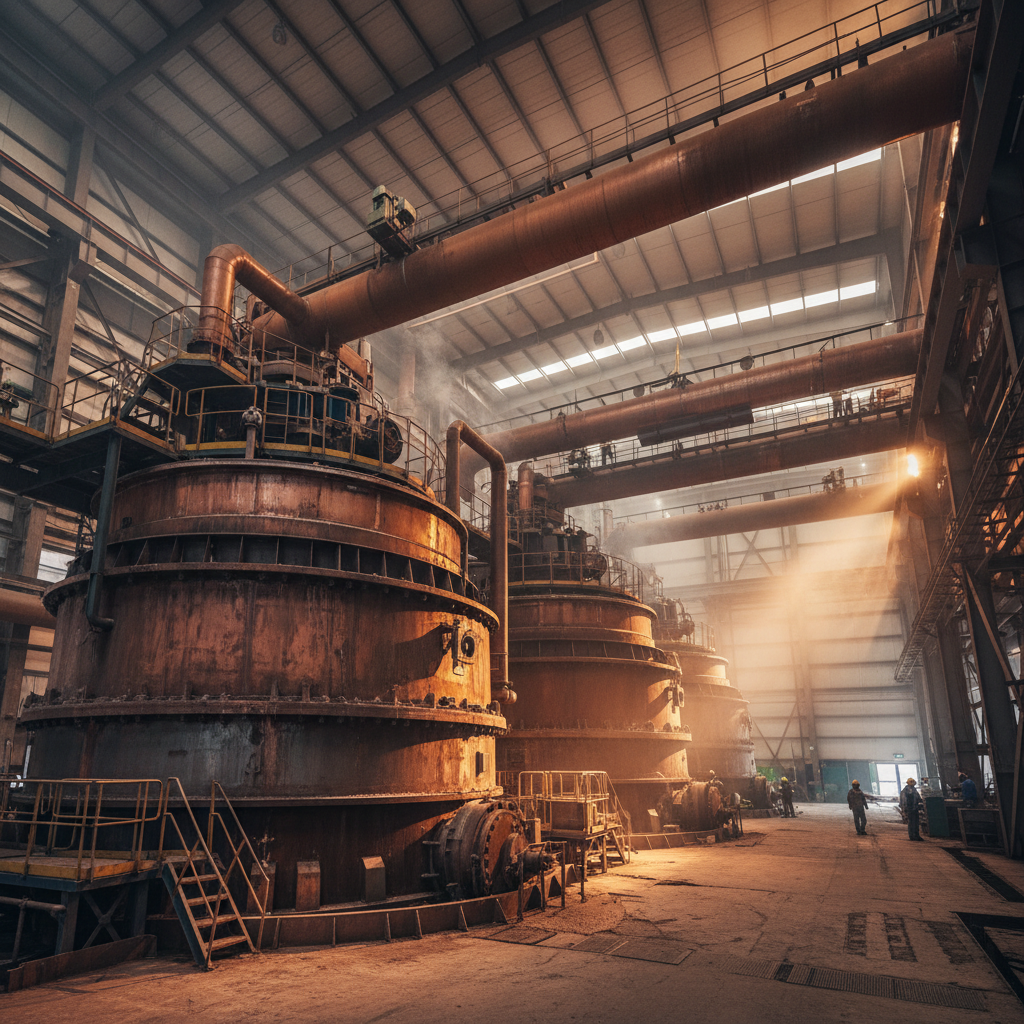
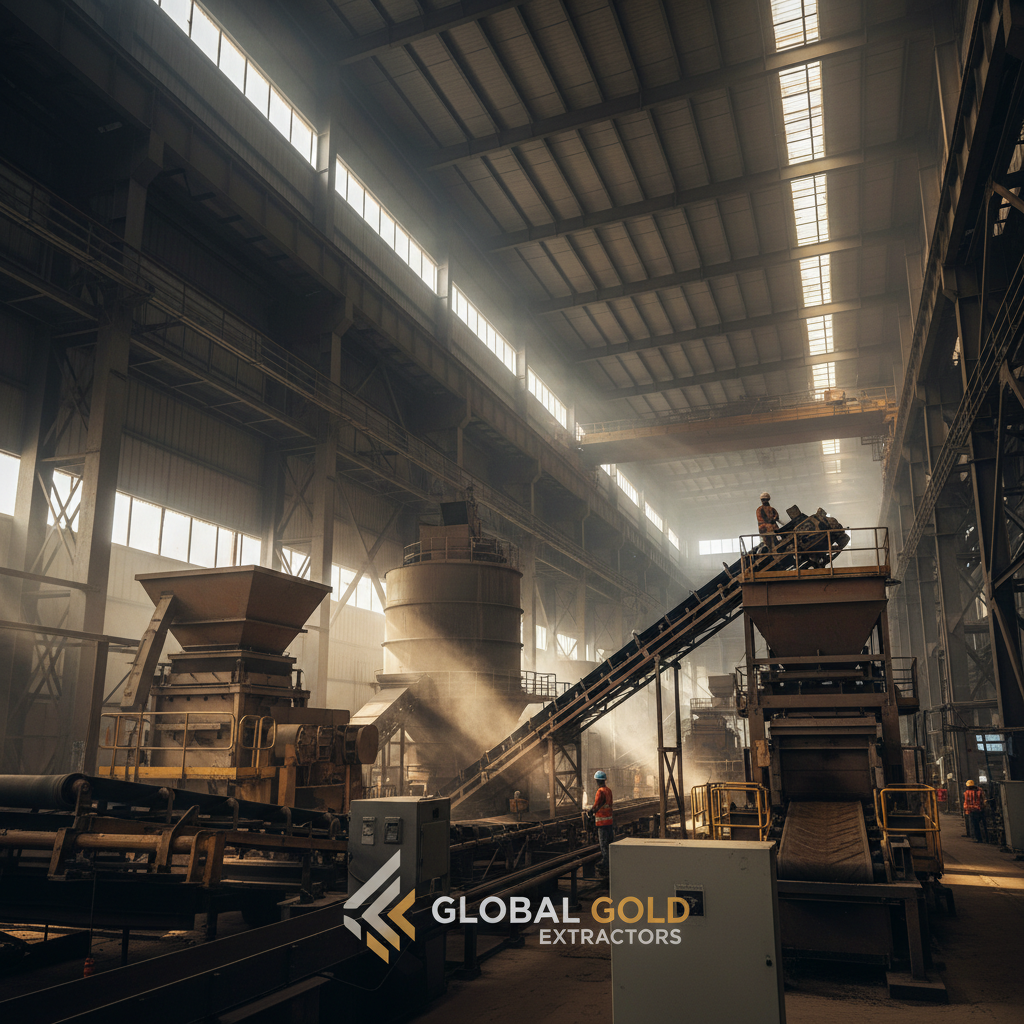
To be honest, things have been moving fast in the construction material world lately. Everyone's talking about prefabrication, modular builds… Honestly, it’s a bit tiring keeping up. But it’s happening, you see it everywhere. It’s not just about speed anymore, it's about reducing waste, improving quality control... things that actually matter on a muddy construction site. I've been seeing more and more demand for lighter materials too, easier to handle, less strain on the guys. That's a big deal.
Have you noticed how many projects are trying to go 'green'? It’s good, it really is, but it adds another layer of complexity. You think you’ve found a sustainable solution, then you realize the supply chain is a mess or the material just doesn’t hold up in real-world conditions. It’s a minefield, honestly.
We're focusing a lot on advanced polymer composites right now. Specifically, for formwork and scaffolding. It’s not like the old days with heavy timber. These new composites… they smell kinda plasticky when you first open them, but they’re surprisingly strong. You can actually feel the difference in weight. It’s almost like working with really tough plastic. And surprisingly, they don’t splinter like wood. Less band-aids needed, trust me.
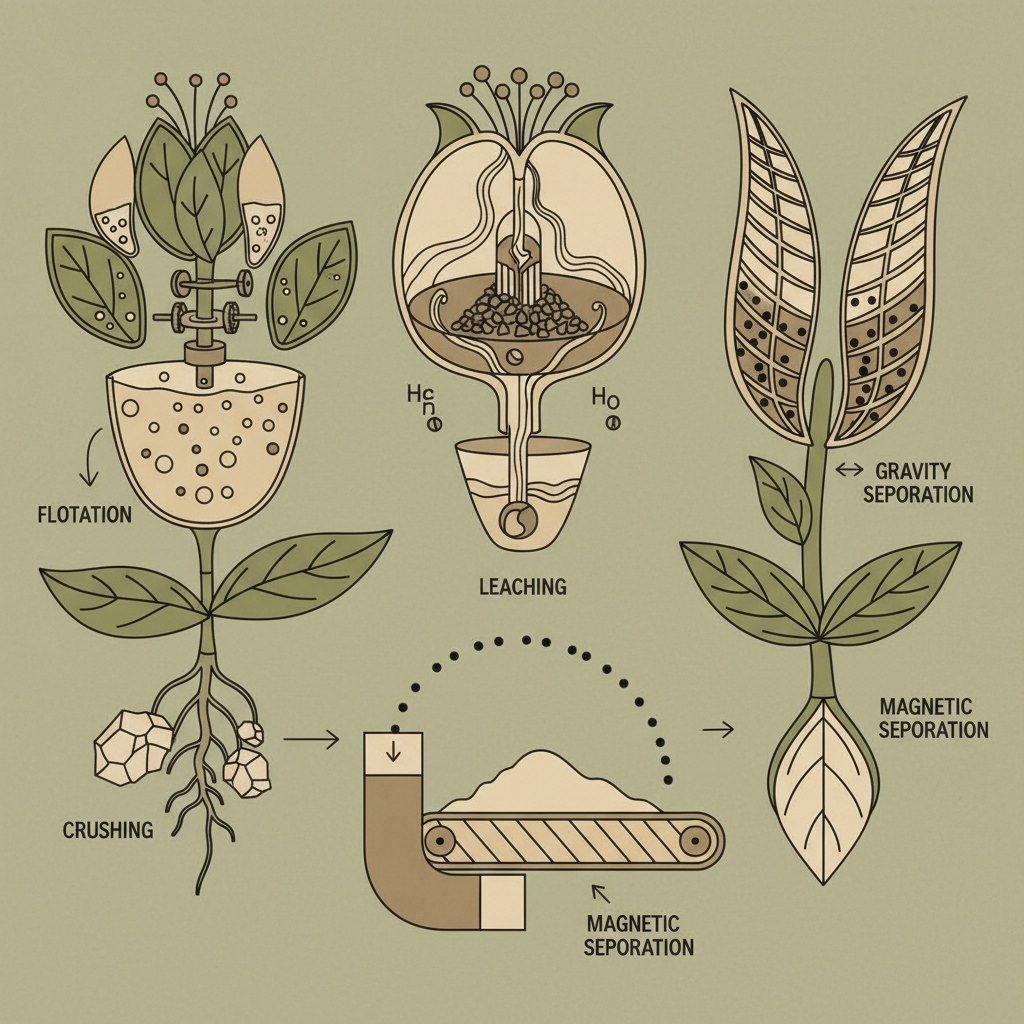
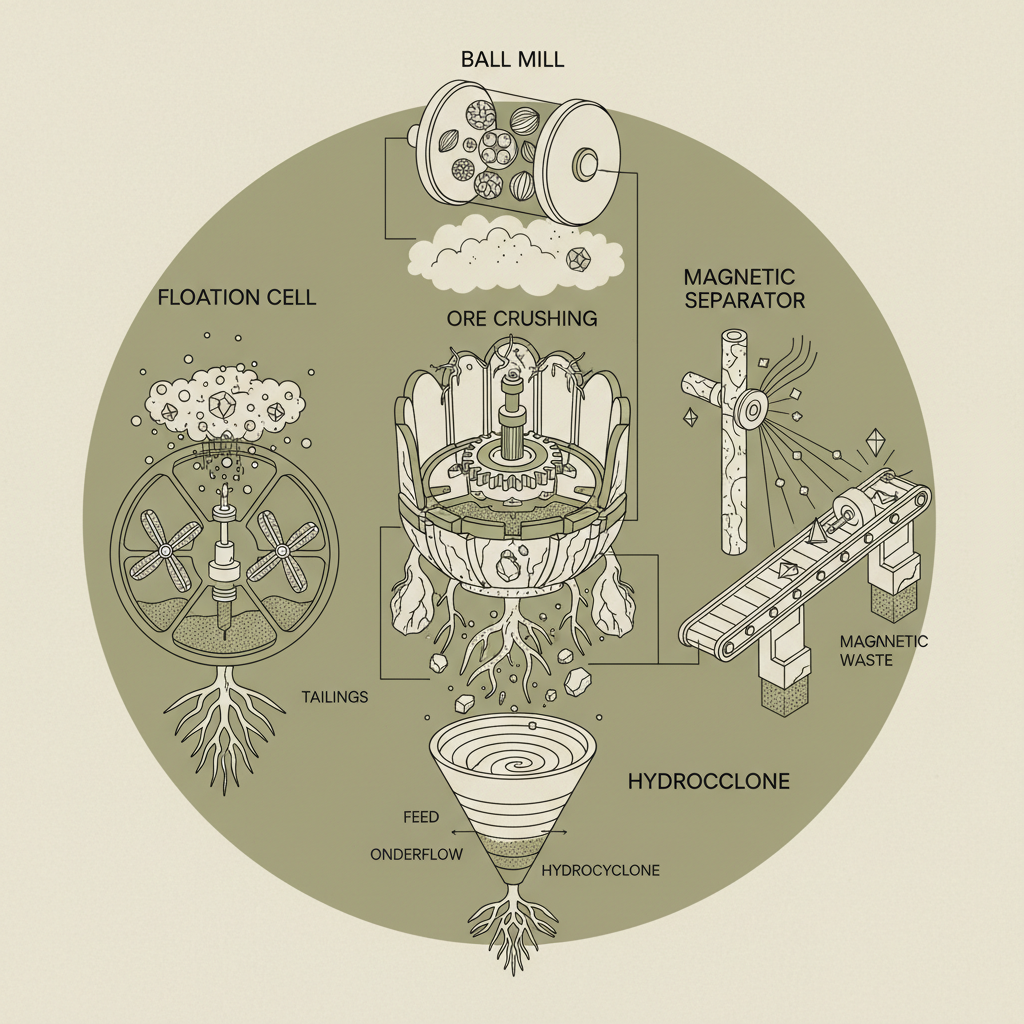
The Current Landscape of Mineral Processing
Mineral processing isn't some glamorous field, it’s the guts of everything. It’s how we get the raw materials for… well, everything. Strangely, for years it's been kinda overlooked. But the demand for critical minerals – lithium, cobalt, rare earths – it’s going through the roof. That’s pushing innovation, no doubt.
It’s not just about finding more stuff, it’s about processing it more efficiently and, crucially, more sustainably. The environmental impact of traditional mining and processing… let’s just say it's something people are paying attention to now. And the regulations are getting tighter. It’s a good thing, really, but it adds another layer of complexity to everything we do.
Common Pitfalls in Mineral Processing Design
I encountered this at a copper mine in Chile last time. They designed a flotation circuit based solely on lab tests. Sounded great on paper. But the ore was… variable. The mineralogy changed significantly even within the same deposit. They hadn’t accounted for that. The whole thing was a mess.
Another common mistake? Underestimating the importance of water management. Mineral processing uses a lot of water. And dealing with the tailings – the waste material – that’s a whole other headache. You need to have a robust plan for water recycling and tailings disposal from the start. Don't skimp on it. Trust me.
And finally, people get too hung up on the latest technology. Sometimes, the simplest solution is the best. A well-designed crushing circuit, a properly sized screen… those basics still matter. Don’t try to reinvent the wheel just because it’s shiny and new.
Core Materials and Their Practicalities
Now, let’s talk materials. Steel, of course, is the workhorse. You can feel the quality of steel just by the weight, you know? Good steel is dense, it feels solid. But it rusts. Always rusts. So, corrosion resistance is a big deal. We're using more stainless steel and specialized alloys, but they're expensive.
Then there’s the rubber. Linings for mills, pumps, cyclones… rubber takes a beating. Natural rubber is good for abrasion resistance, but it degrades over time. Synthetic rubbers are more durable, but they can be brittle in cold weather. It’s always a trade-off. I remember once, a foreman complained a whole shipment of rubber liners smelled like tires – it was distracting, he said. Seemed silly, but you try telling a guy working 12-hour shifts that his smell complaints aren’t valid.
And the polymers. Polyurethane, polyethylene, polypropylene… They’re everywhere. Lightweight, corrosion-resistant, and relatively inexpensive. But they're not as strong as steel, and they can be susceptible to UV degradation. Anyway, I think the key is understanding the properties of each material and choosing the right one for the job.
There’s also ceramics – alumina, zirconia. Super hard, incredibly wear-resistant. But brittle. You drop one of those, and it’s toast. They’re used in applications where you need extreme wear protection, like in hydrocyclones.
Real-World Testing Protocols
Lab tests are fine, but they don’t tell you the whole story. Later… forget it, I won’t mention it. You need to test things in the field, under real-world conditions. We've got a dedicated test facility at our main plant, but nothing beats putting equipment to work in an actual mine.
We run pilot plants, small-scale versions of the full-scale processing circuits. That lets us fine-tune the design and identify potential problems before they become major headaches. We monitor everything – throughput, recovery, energy consumption, water usage, wear rates… It’s a lot of data, but it’s worth it.
Mineral Processing Method Efficiency
Actual User Applications – It’s Not Always What You Think
You design something for one purpose, and then users find a completely different way to use it. It happens all the time. We developed a new type of screen panel for coal processing. Thought it would be a straightforward application. But a gold mine in Nevada started using it as a false floor in their security office. Said it was more durable than anything else they could find. Who knew?
And it's not always about the big mines either. A lot of our work is with smaller operations, artisanal miners. They have different needs, different constraints. They can't afford fancy equipment, so they need solutions that are simple, reliable, and easy to maintain.
Advantages and Disadvantages – A Balanced View
The advantages are clear: improved efficiency, reduced costs, better environmental performance. But don’t let anyone tell you it’s all sunshine and roses. There are downsides. The initial investment can be significant. And sometimes, the new technology just isn’t as robust as the old stuff.
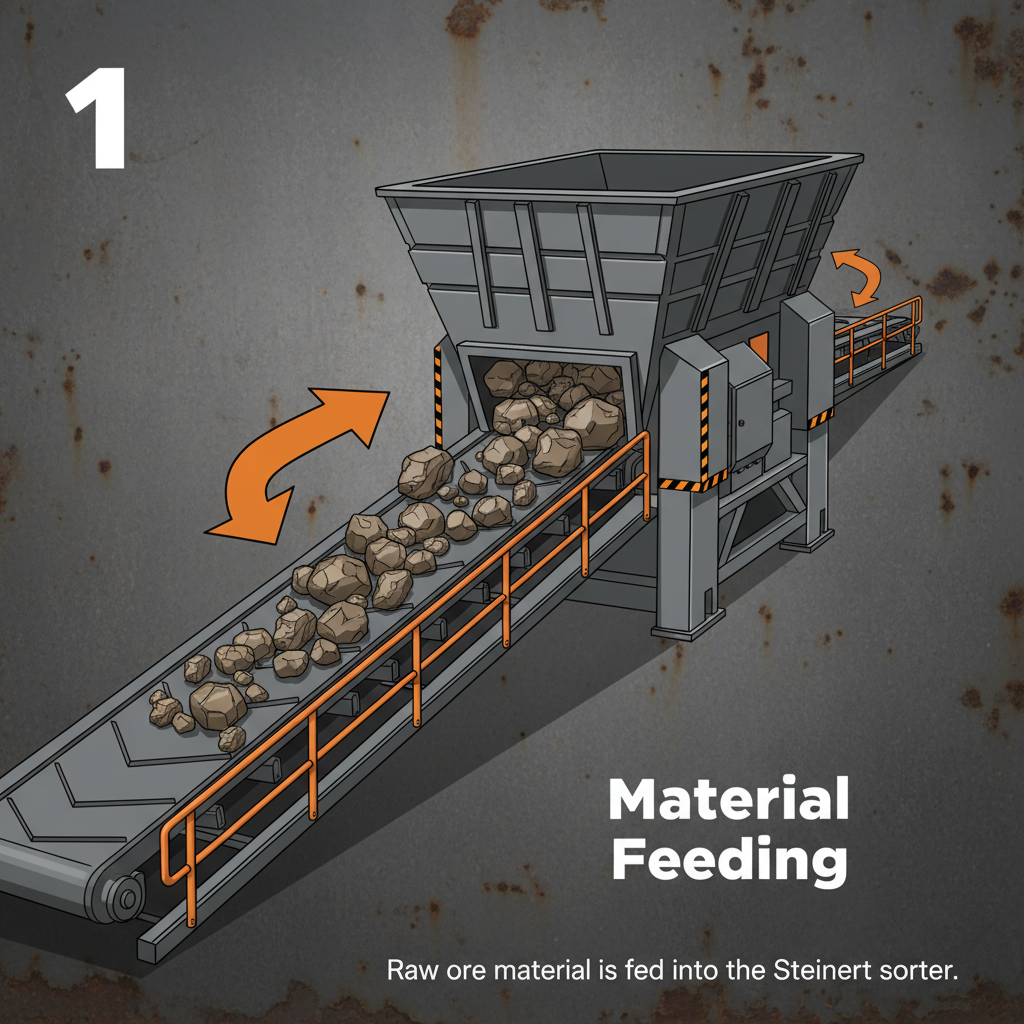
We recently implemented a new automated sorting system in a lithium mine in Australia. It was amazing – increased throughput by 20%. But it was also incredibly complex. When it broke down, it took days to get it back up and running. The guys were pulling their hair out. It's a constant balancing act.
Ultimately, you have to weigh the benefits against the risks and make sure the solution is appropriate for the specific application.
Customization Capabilities and Case Studies
We pride ourselves on our ability to customize our solutions. Every mine is different, every orebody is unique. One size doesn't fit all. Last month, that small boss in Shenzhen who makes smart home devices insisted on changing the interface to , and the result was… a three-week delay and a lot of frustration. He said it was “more modern”. Sometimes, you just gotta let them have their way.
We can modify the materials, the dimensions, the configuration… whatever it takes to meet the customer’s specific needs. We did a project for a rare earth mine in Wyoming where they needed a specialized grinding circuit that could handle a particularly abrasive ore. We designed a custom mill lining with a unique alloy composition. It worked perfectly.
We also offer a range of services, from process design and simulation to installation and commissioning. We’re not just selling equipment; we’re providing a complete solution.
Summary of Mineral Processing Equipment Performance Metrics
| Equipment Type |
Throughput Capacity (tons/hr) |
Energy Efficiency (kWh/ton) |
Maintenance Frequency (months) |
| Jaw Crusher |
150-300 |
4-6 |
6-12 |
| Ball Mill |
50-150 |
8-12 |
3-6 |
| Flotation Cell |
20-80 |
2-4 |
6-9 |
| Hydrocyclone |
100-250 |
1-2 |
12-18 |
| Magnetic Separator |
30-100 |
3-5 |
9-12 |
| Thickener |
N/A (Water Treatment) |
1-3 |
6-12 |
FAQS
Honestly, it’s usually not catastrophic failures. It’s the little things. Blocked screens, worn liners, pump cavitation. Those are the things that bring everything to a halt. Preventative maintenance is key, but it's often overlooked. Regular inspections, timely replacements… it saves a lot of headaches in the long run. And having spare parts on hand is a lifesaver, especially for remote operations.
Water management is huge. Start with a comprehensive water balance – understand where all the water is going. Then, look for opportunities to recycle and reuse. Thickeners and clarifiers are essential for removing solids from the water. Reverse osmosis can be used to treat wastewater and make it suitable for reuse. And don't forget about leak detection and repair. Small leaks can add up to a significant amount of water loss over time.
The grinding media – balls, rods, etc. – that’s critical. It depends on the ore type, the mill size, and the desired product size. High-chrome cast iron is a common choice, but it can be susceptible to corrosion in some environments. Ceramic media is more wear-resistant, but it’s also more expensive. You need to consider the trade-offs. And don't just go with the cheapest option. You’ll end up paying for it in the long run.
Fluctuating ore grades… that’s the reality of mining. You need a processing circuit that can adapt to changes in feed composition. Automated control systems can help maintain consistent product quality. Real-time data analysis is essential. And having a buffer capacity – surge bins, storage tanks – can help smooth out the fluctuations.
Tailings storage is a big responsibility. Safety is paramount. You need to have a robust dam design, regular inspections, and a comprehensive emergency response plan. Environmental protection is also crucial. You need to prevent seepage and contamination of groundwater. And you need to consider long-term stability and reclamation. Don't cut corners on this. It’s not worth the risk.
Absolutely critical. You can have the best equipment in the world, but it’s useless if the operators don’t know how to use it properly. Regular training programs are essential. Not just on the technical aspects, but also on safety procedures and environmental regulations. And you need to empower the operators to identify and address problems. They’re the ones on the front lines.
Conclusion
So, what does it all boil down to? Mineral processing is a complex field, full of challenges and opportunities. It’s about more than just extracting valuable minerals. It’s about doing it efficiently, sustainably, and safely. It’s about understanding the materials, the processes, and the people involved.
Ultimately, whether this thing works or not, the worker will know the moment he tightens the screw. You can run all the simulations and do all the modeling you want, but the real test is in the field. That’s why I spend so much time on construction sites, getting my hands dirty. Because at the end of the day, it’s the practical details that matter. If you’re interested in learning more about our mineral processing solutions, visit our website at www.qwmetal.com.