Aluminum ore processing, fundamentally, refers to the series of physical and chemical operations used to extract aluminum from its raw material, bauxite. This process is critical to modern industry, underpinning countless applications from aerospace engineering to everyday packaging. Understanding this complex procedure is not merely an academic exercise; it’s essential for optimizing resource utilization, minimizing environmental impact, and ensuring a sustainable supply of this vital metal.
Globally, aluminum production is a multi-billion dollar industry, with significant economic implications for countries possessing bauxite reserves, such as Australia, Guinea, and Brazil. The demand for aluminum continues to rise, driven by its unique properties – lightweight nature, corrosion resistance, and high strength-to-weight ratio – and its increasing use in renewable energy technologies. The International Aluminum Institute reports consistent growth in global aluminum demand, highlighting the importance of efficient and responsible aluminum ore processing practices.
The ability to efficiently process aluminum ore is crucial for meeting the expanding needs of a world increasingly focused on sustainable materials. Advancements in processing technologies, coupled with responsible sourcing and recycling initiatives, are pivotal in mitigating the environmental challenges associated with aluminum production and ensuring its long-term viability. This makes aluminum ore processing a key area of focus for innovation and sustainable development.
The Importance of Aluminum Ore Processing
The significance of efficient aluminum ore processing extends beyond simply obtaining the metal. It directly impacts the environmental footprint of aluminum production. Improved processes minimize waste generation, reduce energy consumption, and lower greenhouse gas emissions. Modern aluminum ore processing techniques prioritize sustainable practices, aligning with global efforts to combat climate change and promote responsible resource management.
Furthermore, advancements in processing technology unlock the potential for utilizing lower-grade bauxite ores, expanding the available resource base and reducing reliance on high-quality deposits. This increased resource flexibility is crucial for ensuring a stable and affordable aluminum supply, particularly in the face of growing global demand.
Global Context and Industry Relevance
Aluminum is the most abundant metal in the Earth’s crust, but rarely found in its pure form. The vast majority of aluminum is extracted from bauxite ore, primarily located in tropical and subtropical regions. Countries like Australia, China, Brazil, Guinea, and India dominate both bauxite mining and aluminum production. The global aluminum industry is intricately linked to economic growth, particularly in sectors like automotive, construction, and packaging.
According to the Aluminum Association, aluminum contributes over $228 billion to the U.S. economy alone. The industry supports millions of jobs worldwide, creating significant economic benefits for resource-rich nations. However, aluminum ore processing also presents environmental challenges, including land disturbance from mining, energy-intensive refining processes, and the generation of by-products like red mud.
The increasing demand for sustainable materials has prompted a greater focus on improving the efficiency and environmental performance of aluminum ore processing. This includes investing in research and development of new technologies, promoting responsible mining practices, and enhancing recycling rates.
Defining Aluminum Ore Processing
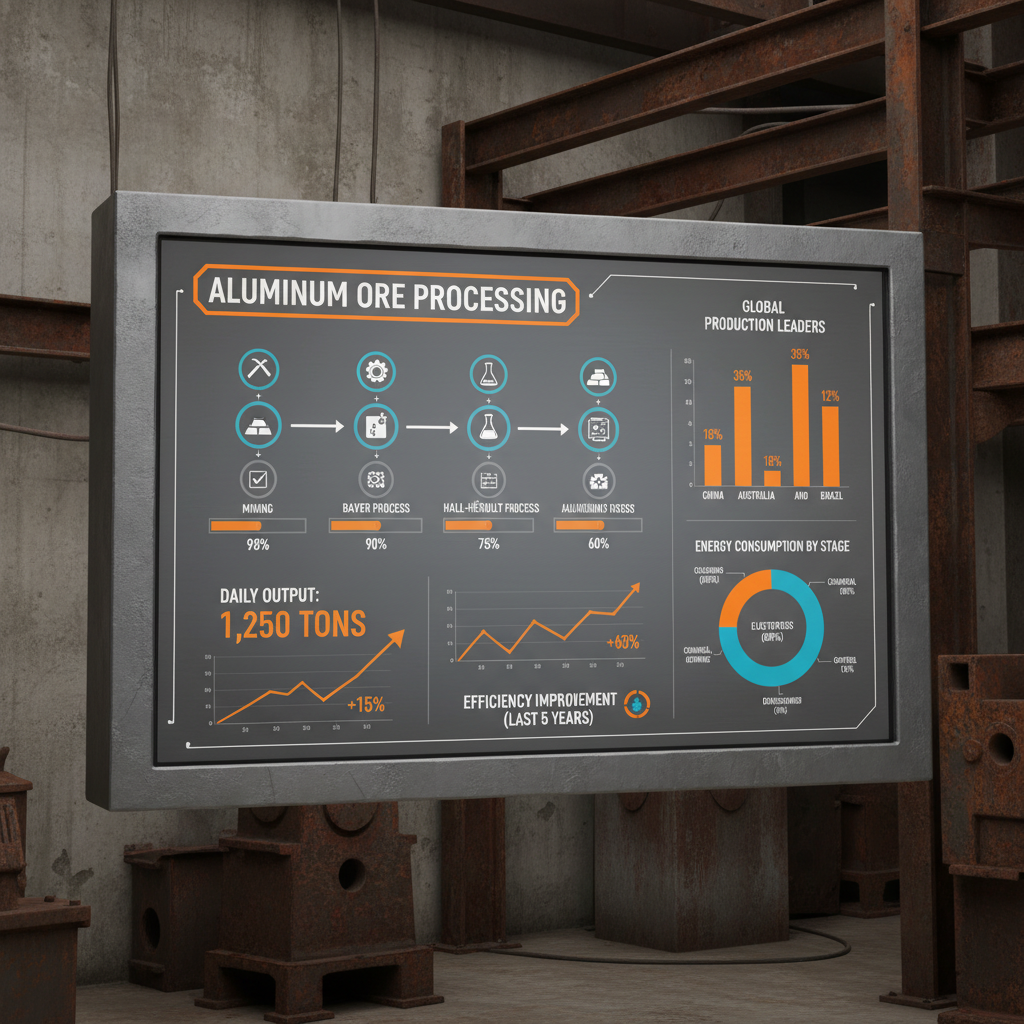
Aluminum ore processing is the multi-stage industrial process that transforms bauxite, a sedimentary rock rich in aluminum hydroxides, into aluminum metal. The primary method involves the Bayer process, where bauxite is dissolved in hot sodium hydroxide solution to extract alumina (aluminum oxide). This alumina then undergoes electrolysis in the Hall-Héroult process, using intense electrical current to separate aluminum metal from oxygen.
The entire process is energy-intensive, requiring substantial electricity to power the electrolytic cells. However, ongoing research focuses on optimizing these steps, reducing energy consumption, and minimizing the environmental impact of by-product disposal. The resulting aluminum metal is then alloyed with other elements to enhance its properties for specific applications, ranging from aerospace components to beverage cans.
This refined aluminum, possessing qualities such as lightweight nature, strength, and corrosion resistance, is crucial for modern industry and countless humanitarian needs. It’s utilized in infrastructure development, renewable energy systems, healthcare equipment, and disaster relief applications, demonstrating the broad societal impact of effective aluminum ore processing.
Key Factors in Effective Processing
Several key factors determine the efficiency and sustainability of aluminum ore processing. These include raw material quality, process control, energy efficiency, and by-product management.
Firstly, the quality of the bauxite ore significantly impacts processing costs and yields. Higher-grade ores require less energy and fewer chemicals to extract alumina. Secondly, precise control over process parameters, such as temperature, pressure, and chemical concentrations, is essential for optimizing alumina extraction and minimizing waste.
Factors Influencing Aluminum Ore Processing Efficiency
Global Applications and Industry Use Cases
The applications of aluminum, derived from efficient aluminum ore processing, are remarkably diverse. The transportation sector utilizes aluminum for vehicle bodies, engine components, and structural parts due to its lightweight properties, contributing to improved fuel efficiency. The construction industry employs aluminum in roofing, cladding, window frames, and structural elements for its durability and corrosion resistance.
Advantages and Long-Term Value
Investing in advanced aluminum ore processing technologies yields significant long-term benefits. These include reduced production costs, improved product quality, enhanced environmental performance, and increased resource security. Cost savings stem from optimized energy consumption, reduced waste generation, and efficient utilization of raw materials.
Environmentally, advanced processes minimize greenhouse gas emissions and reduce the impact of by-product disposal. Socially, responsible aluminum production supports sustainable livelihoods and promotes ethical sourcing practices. Finally, a reliable supply of high-quality aluminum is crucial for supporting innovation and economic growth across numerous industries.
The value extends beyond immediate economic gains, contributing to a more sustainable and resilient future.
Future Trends and Innovations
The future of aluminum ore processing is characterized by ongoing innovation and a growing emphasis on sustainability. Emerging trends include the development of alternative refining technologies, such as inert anode electrolysis, which eliminates greenhouse gas emissions. Research is also focused on optimizing red mud utilization, transforming this waste product into valuable materials for construction and other applications.
Furthermore, the integration of digital technologies, such as artificial intelligence and machine learning, is enabling more precise process control and predictive maintenance, leading to increased efficiency and reduced downtime. Automation and robotics are also being deployed to enhance safety and improve productivity in processing plants.
These advancements, coupled with a continued focus on recycling and circular economy principles, will ensure that aluminum remains a vital and sustainable material for generations to come.
Summary of Innovative Approaches in Aluminum Ore Processing
| Innovation Category |
Technology Description |
Potential Impact |
Implementation Challenges |
| Alternative Refining |
Inert Anode Electrolysis |
Elimination of GHG emissions |
High initial investment costs |
| Red Mud Utilization |
Geopolymer Production |
Reduced waste disposal & new material source |
Scaling up production & quality control |
| Digitalization |
AI-Powered Process Control |
Optimized efficiency & reduced energy consumption |
Data integration & algorithm development |
| Automation |
Robotic Cell Maintenance |
Enhanced safety & increased productivity |
Capital expenditure & workforce retraining |
| Bauxite Ore Pre-treatment |
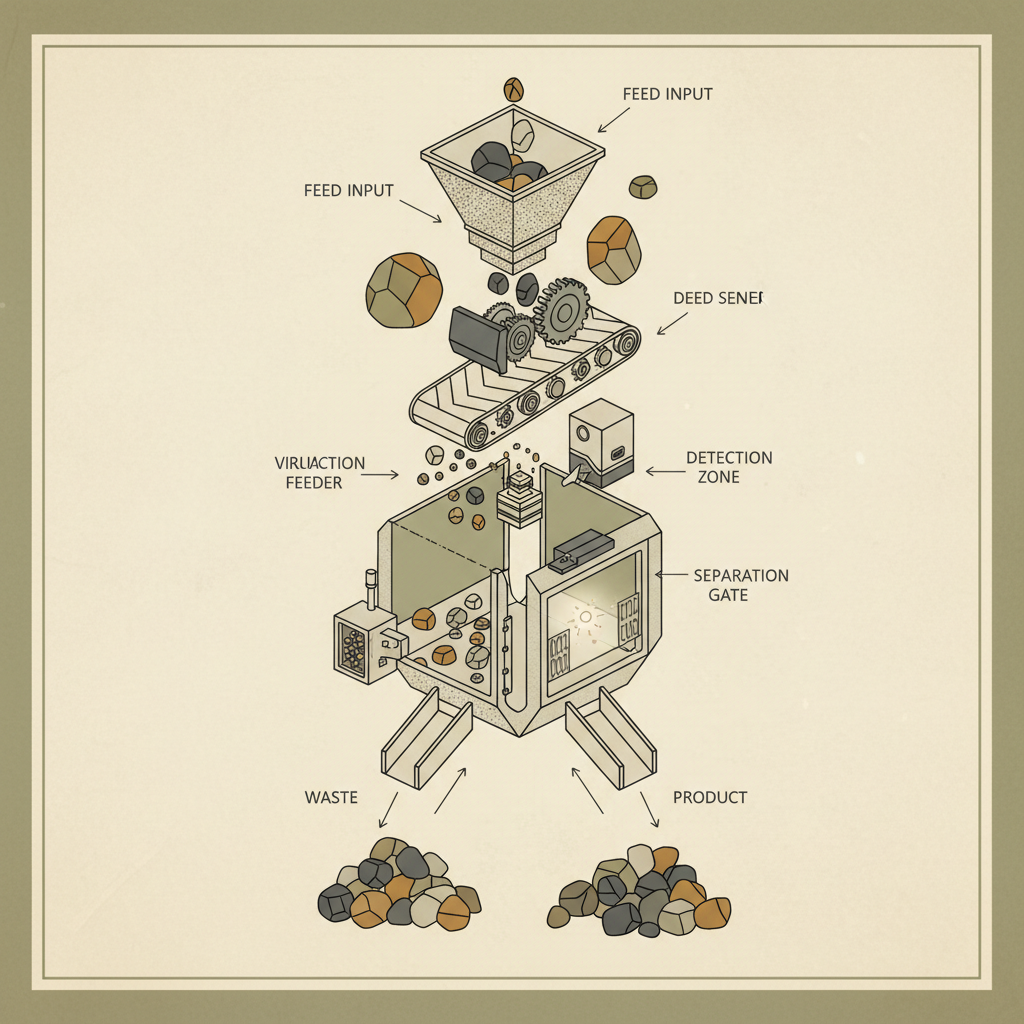
Advanced Beneficiation Techniques |
Higher alumina content & reduced reagent use |
Technological complexity & cost-effectiveness |
| Energy Recovery |
Waste Heat Recovery Systems |
Reduced energy consumption & lower carbon footprint |
Integration with existing infrastructure & economic viability |
FAQS
The major environmental concerns include land disturbance from bauxite mining, high energy consumption during electrolysis, and the generation and disposal of red mud – a highly alkaline waste product. Responsible aluminum ore processing aims to minimize these impacts through efficient resource utilization, waste management strategies, and the development of cleaner technologies.
The Bayer process is the cornerstone of aluminum production, enabling the extraction of alumina (aluminum oxide) from bauxite ore. It involves dissolving bauxite in a hot sodium hydroxide solution, separating the alumina, and then precipitating it for further processing. This process is essential for creating the raw material needed for the subsequent electrolytic reduction step.
Red mud is a highly alkaline by-product generated during the Bayer process. It contains iron oxides and other impurities. Due to its caustic nature and potential environmental risks, disposing of red mud safely and responsibly is a significant challenge. Current research focuses on finding innovative uses for red mud, such as in construction materials, to mitigate disposal issues.
Energy consumption can be reduced through several strategies. These include optimizing the Hall-Héroult process, utilizing waste heat recovery systems, employing advanced process control technologies, and switching to renewable energy sources. Ongoing research into alternative refining methods, like inert anode electrolysis, also holds promise for significant energy savings.
Aluminum is highly recyclable, and recycling significantly reduces the energy required for production compared to extracting aluminum from bauxite ore. Recycling aluminum saves up to 95% of the energy needed to produce primary aluminum, minimizing environmental impact and conserving resources. It also plays a crucial role in promoting a circular economy.
Automation, including robotic systems and advanced control algorithms, is increasing efficiency by optimizing process parameters, reducing labor costs, enhancing safety, and minimizing downtime. Automated systems can perform repetitive tasks with greater precision and consistency, leading to improved product quality and reduced waste generation.
Conclusion
In conclusion, aluminum ore processing is a complex but critically important industrial process that underpins numerous sectors of the global economy. From the foundational Bayer process to emerging innovations in energy efficiency and waste management, continuous improvement is essential to address environmental challenges and meet the growing demand for this versatile metal. Understanding the intricacies of aluminum ore processing is paramount for fostering sustainable practices and ensuring a responsible supply chain.
Looking ahead, the future of aluminum ore processing lies in the integration of advanced technologies, a commitment to circular economy principles, and a dedication to responsible resource management. By prioritizing innovation and sustainability, the aluminum industry can continue to provide essential materials while minimizing its environmental footprint and contributing to a more resilient and prosperous future. Visit our website at www.qwmetal.com to learn more about our innovative solutions in the aluminum industry.