In the demanding environment of modern chemical processing, the integrity of fluid transport systems is paramount to operational safety and efficiency. The implementation of pu lined pipe for chemical plant applications has emerged as a critical solution for handling abrasive slurries and corrosive agents that would typically degrade standard carbon steel or stainless steel piping within months. By integrating a high-performance polyurethane inner layer with a robust metallic outer shell, plants can significantly reduce unplanned downtime and maintenance costs.
Globally, the shift toward more aggressive chemical synthesis and the processing of complex mineral concentrates has put immense pressure on traditional piping materials. Industry standards, aligned with ISO and ASTM guidelines, now emphasize the need for materials that offer both high elasticity and extreme hardness. This is where the versatility of polyurethane shines, providing a protective barrier that absorbs the energy of impacting particles while remaining impervious to a wide array of chemical solvents and acidic compounds.
Understanding the technical nuances of pu lined pipe for chemical plant installation and selection is not merely a matter of procurement but a strategic decision affecting the entire lifecycle of a facility. From improving the flow characteristics of viscous fluids to ensuring environmental compliance by preventing hazardous leaks, the adoption of PU lining represents a sophisticated intersection of polymer science and mechanical engineering designed to withstand the harshest industrial climates.
Global Relevance of PU Lined Piping Systems
On a global scale, the chemical industry faces a constant battle against pipe erosion and corrosion, which costs the sector billions of dollars annually in replacement parts and lost production. The strategic deployment of pu lined pipe for chemical plant infrastructure has become a benchmark for facilities aiming to align with global sustainability goals and ISO quality management systems. By extending the mean time between failures (MTBF), plants can operate more consistently and reduce the waste associated with frequent piping overhauls.
In regions with rapid industrial expansion, such as Southeast Asia and South America, the demand for durable transport solutions is surging. The ability of polyurethane to resist abrasion from particulate-heavy chemicals makes it an indispensable asset in mining-related chemical plants and heavy industrial refineries, where the cost of a single leak can result in severe environmental penalties and hazardous workplace conditions.
Defining Polyurethane Lining Technology
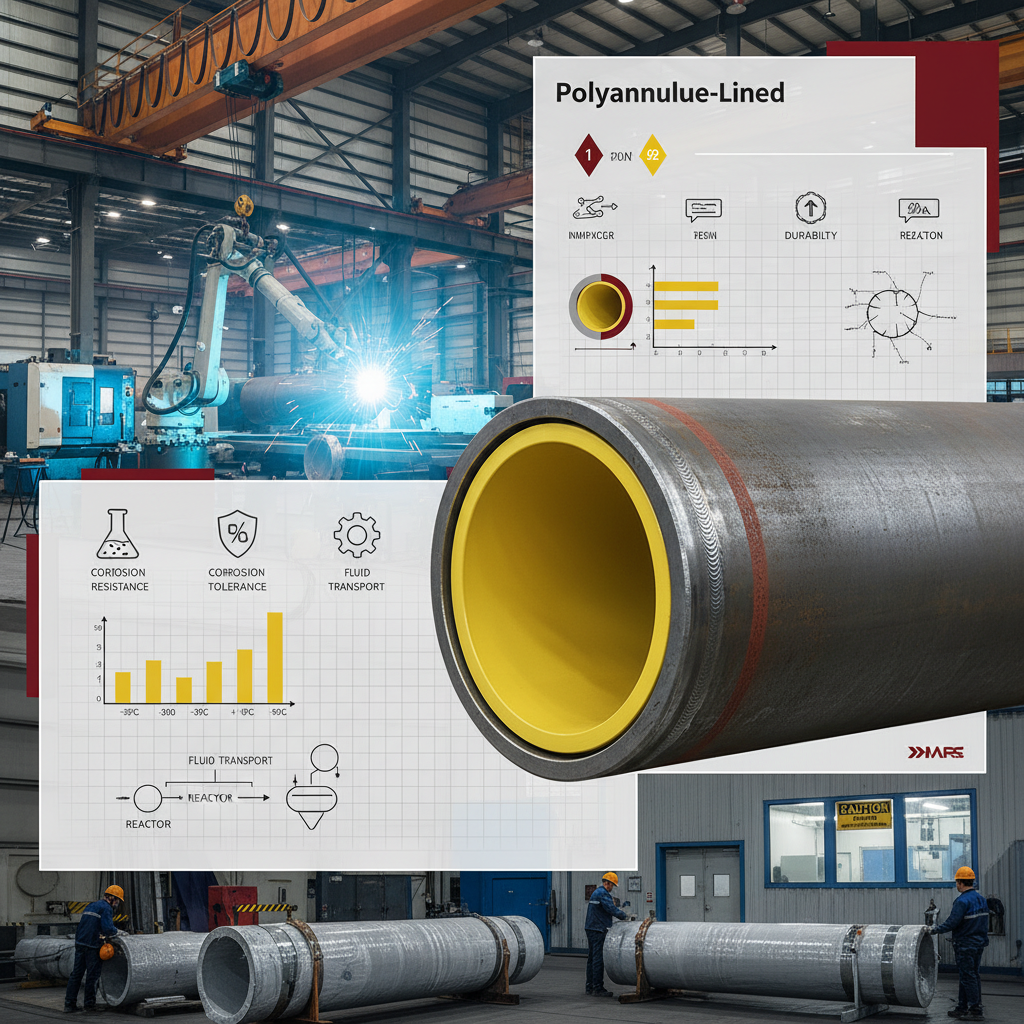
At its core, pu lined pipe for chemical plant usage refers to a composite piping system where a seamless inner sleeve of polyurethane (PU) is bonded to a rigid outer pipe, typically made of carbon steel. Polyurethane is an elastomer known for its unique ability to combine the properties of plastics and rubbers, offering a surface that is exceptionally hard yet flexible enough to absorb the impact of solids moving at high velocities.
Unlike traditional coatings that are simply painted or sprayed onto a surface, a professional PU lining is engineered as a thick, structural barrier. This ensures that even under high-pressure conditions, the lining does not delaminate or peel away from the steel substrate. This synergy provides the chemical plant with the structural strength of steel and the chemical resilience of a high-grade polymer.
Modern industry relies on this technology to bridge the gap between high-cost exotic alloys and low-durability plastics. For humanitarian-adjacent industrial projects, such as clean water treatment plants handling corrosive chemicals, PU lining offers a cost-effective way to ensure long-term infrastructure viability without requiring the prohibitive expense of titanium or Hastelloy piping.
Core Performance Factors for Chemical Plants
One of the primary drivers for choosing pu lined pipe for chemical plant is its unmatched abrasion resistance. In environments where chemical slurries contain grit, sand, or metallic particles, the polyurethane lining acts as a sacrificial yet incredibly durable shield, preventing the abrasive media from eating through the metal wall of the pipe.
Chemical compatibility is another critical factor. Polyurethane is engineered to resist a wide spectrum of oils, fats, and many organic solvents. When selecting pu lined pipe for chemical plant specifications, engineers can choose between different PU formulations—such as ether-based or ester-based—to match the specific pH levels and chemical concentrations of the transported medium.
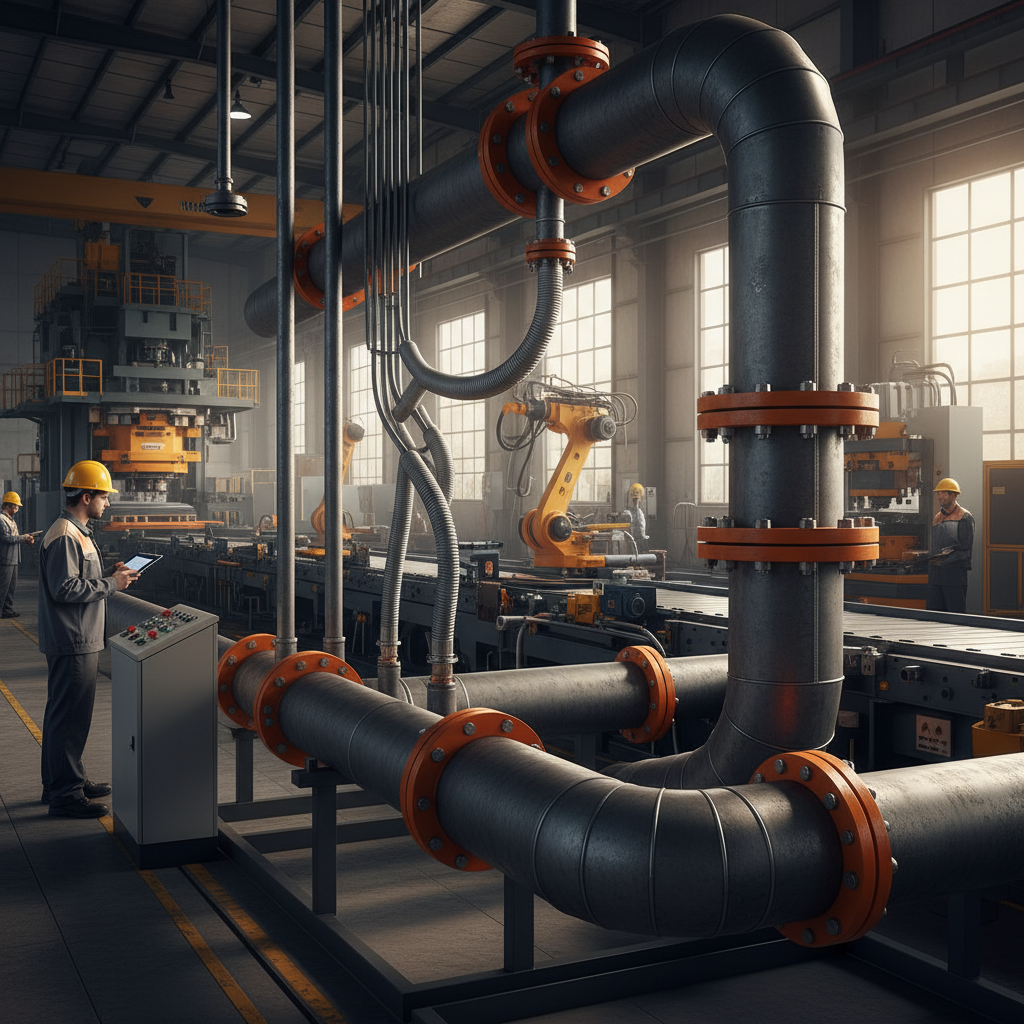
Finally, the scalability and installation efficiency of these systems provide significant logistical advantages. Because these pipes can be prefabricated to exact lengths and angles, they reduce the need for extensive on-site welding and lining, which is often the weakest point in a chemical transport system. This ensures a seamless transition between plant modules and minimizes the risk of joint failure.
Comparative Analysis of Lining Materials
When evaluating the best materials for a chemical plant, engineers often compare PU with HDPE, PTFE, and Rubber. While PTFE offers superior heat resistance, it lacks the mechanical toughness required for abrasive slurries. Conversely, pu lined pipe for chemical plant delivers a superior balance of impact absorption and hardness, making it the preferred choice for heavy-duty transport.
The logic behind this selection is based on the "energy absorption" principle. Polyurethane can deform slightly under the impact of a particle and then spring back, whereas harder linings like ceramic might crack and softer linings like rubber might wear through too quickly. This unique elasticity makes PU an optimal middle-ground for high-velocity chemical transport.
Performance Comparison of pu lined pipe for chemical plant vs Others
Real-World Industrial Applications
The practical application of pu lined pipe for chemical plant systems is most evident in the mining chemical sector. In the flotation and leaching processes, where corrosive acids are mixed with abrasive minerals, PU lining prevents the pipes from thinning out, ensuring that the plant can run for years without a critical pipe burst.
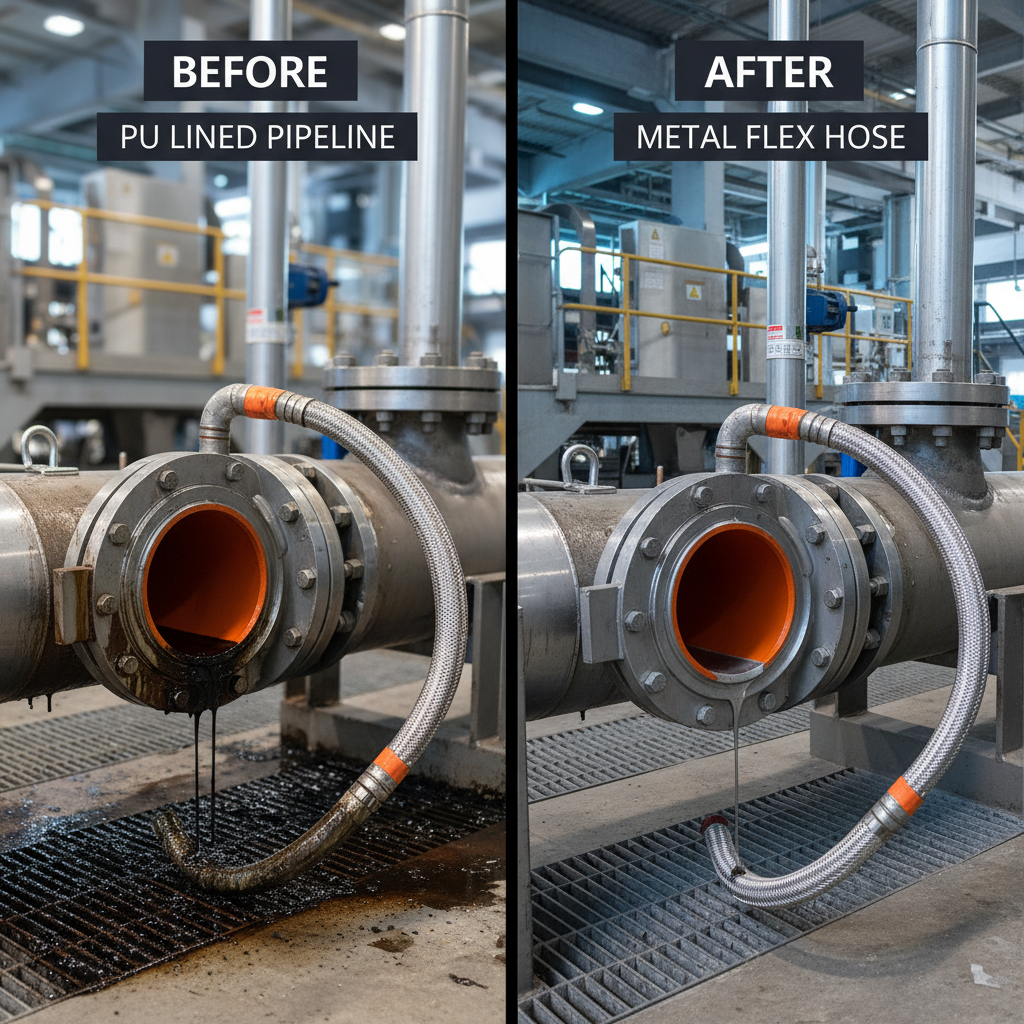
Beyond mining, these systems are widely used in waste treatment facilities and pharmaceutical chemical plants. For instance, in remote industrial zones where maintenance crews are not readily available, the "install and forget" reliability of polyurethane lining minimizes the risk of environmental contamination and ensures that hazardous chemicals are contained securely during transport.
Long-Term Value and Sustainability
Investing in pu lined pipe for chemical plant infrastructure yields tangible economic benefits over time. While the initial procurement cost may be higher than basic plastic piping, the total cost of ownership (TCO) is significantly lower due to the reduction in replacement frequency and the avoidance of costly emergency shutdowns.
From a sustainability perspective, extending the life of steel pipes through PU lining reduces the demand for new steel production, which is one of the most carbon-intensive industries globally. By maximizing the utility of the existing structural steel and only replacing the polymer liner when necessary, plants can lower their overall carbon footprint.
Moreover, the safety implications cannot be overstated. A reliable lining system provides peace of mind to operators and the surrounding community, knowing that the risk of a catastrophic chemical leak is mitigated by a multi-layered defense system. This builds trust and enhances the social license to operate for chemical companies.
Future Innovations in Protective Linings
The future of pu lined pipe for chemical plant technology is moving toward "smart linings." Research is currently focused on integrating conductive polymer layers or sensors within the PU lining to detect thinning or chemical penetration in real-time. This transition from reactive to predictive maintenance will allow plants to schedule repairs before a failure occurs.
Additionally, the development of bio-based polyurethanes is gaining momentum. By replacing petroleum-derived polyols with plant-based alternatives, the industry is working toward a more circular economy without sacrificing the extreme durability that chemical plants require for their piping systems.
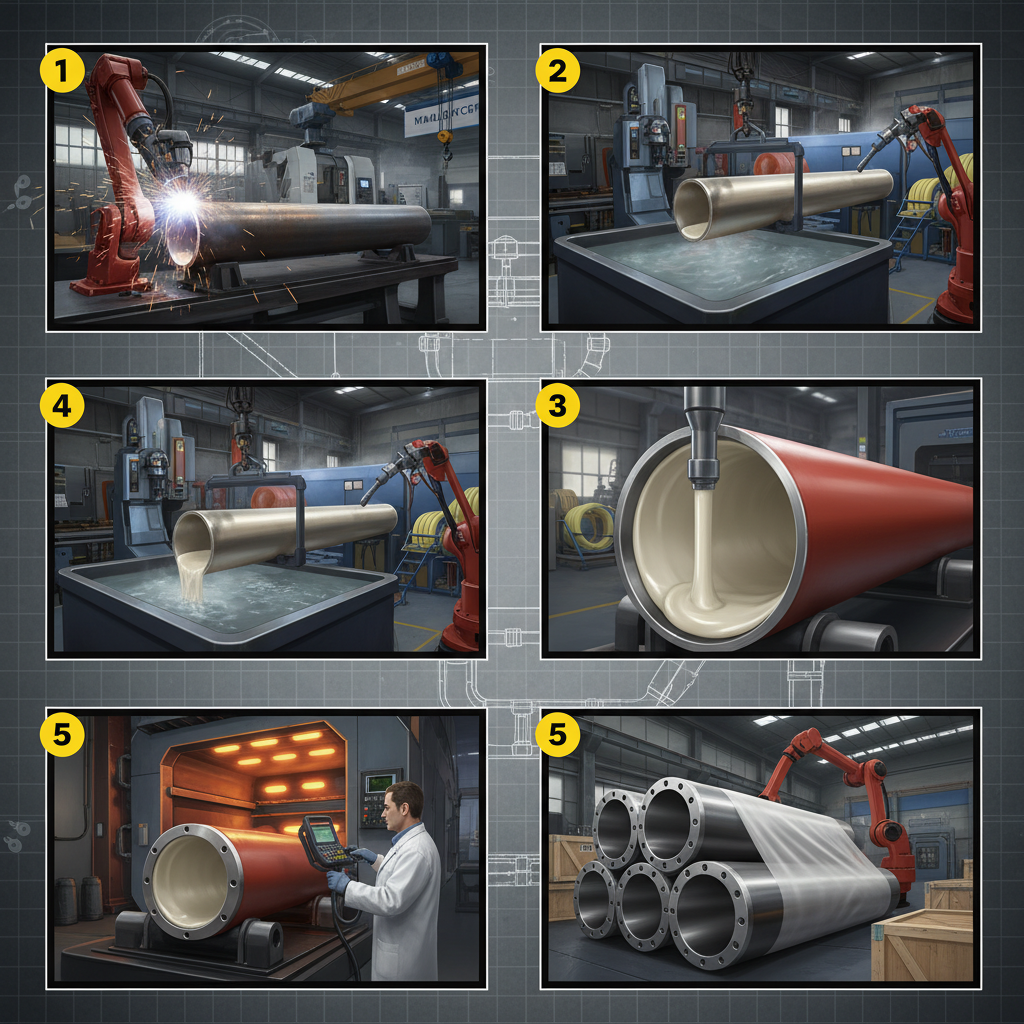
Automation in the lining process, such as robotic centrifugal casting and plasma-sprayed bonding, is also increasing the precision of the lining thickness. This ensures that every inch of the pipe has uniform protection, eliminating the "thin spots" that traditionally became the primary points of failure in chemical transport lines.
Comparative Technical Specifications of PU Lining Variants
| Lining Type |
Abrasion Resistance |
Chemical Stability |
Typical Application |
| Standard PU |
High (8/10) |
Moderate (6/10) |
General Slurries |
| Ether-Based PU |
Very High (9/10) |
High (8/10) |
Hydrolysis-Prone Media |
| Ester-Based PU |
Extreme (10/10) |
Moderate (5/10) |
High-Impact Solids |
| Hard-Segment PU |
High (8/10) |
High (7/10) |
Acidic Solutions |
| Soft-Segment PU |
Moderate (6/10) |
High (8/10) |
Organic Solvent Transfer |
| Hybrid Composite PU |
Extreme (10/10) |
Extreme (9/10) |
Severe Mixed-Media |
FAQS
While HDPE is chemically resistant, it lacks the abrasion resistance needed for slurries. pu lined pipe for chemical plant applications combine the structural strength of steel with the toughness of polyurethane, allowing it to withstand high-pressure flows and abrasive particles that would quickly erode HDPE walls.
Depending on the velocity of the medium and the concentration of abrasives, a high-quality PU lining can last 3 to 10 times longer than uncoated steel. Regular inspections are recommended, but in many chemical plant settings, PU linings extend the maintenance cycle from months to several years.
Polyurethane is generally effective up to 80-100°C. For extremely high-temperature applications (above 120°C), materials like PTFE or ceramic lining are more appropriate. However, for the vast majority of chemical plant transport processes, PU provides the optimal balance of thermal stability and wear resistance.
Yes, primarily because it drastically reduces the frequency of pipe replacements and the risk of hazardous leaks into the environment. Furthermore, the industry is transitioning toward bio-based polyurethanes, further reducing the environmental impact of pu lined pipe for chemical plant systems.
The bonding is achieved through a combination of precise surface preparation (like sandblasting) and chemical primers, followed by a casting or extrusion process. This ensures a molecular bond that prevents delamination even under vacuum or high-pressure fluctuations.
The best maintenance approach is periodic ultrasonic thickness testing to monitor the wear of the PU layer. Because PU wears evenly, operators can predict exactly when a lining needs replacement, allowing for planned maintenance rather than reactive emergency repairs.
Conclusion
The integration of pu lined pipe for chemical plant systems is a strategic upgrade for any facility dealing with abrasive and corrosive media. By successfully combining the mechanical strength of steel with the resilience of advanced polyurethane, these systems solve the perennial conflict between durability and chemical resistance. From reducing operational downtime to enhancing worker safety and environmental protection, the long-term value of PU lining far outweighs its initial investment.
Looking forward, as the chemical industry moves toward more sustainable and "smart" manufacturing, the evolution of protective linings will continue to play a pivotal role. We encourage plant managers and engineers to evaluate their current piping wear rates and consider the transition to high-performance PU linings to future-proof their infrastructure. For professional consultation and high-grade lining solutions, visit our website: www.qwmetal.com.