In the demanding world of industrial fluid transport, the integrity of conveyance systems is paramount to operational safety and efficiency. The emergence of the pu lined pipeline has revolutionized how industries handle abrasive slurries and corrosive chemicals, providing a robust barrier that prevents premature pipe failure. By combining the structural strength of steel with the elasticity and resilience of polyurethane, these systems offer a superior alternative to traditional unlined or rubber-lined piping.
Globally, the shift toward high-performance materials is driven by the need to reduce maintenance downtime and lower the total cost of ownership in heavy industries. The pu lined pipeline serves as a critical component in sectors ranging from mineral processing to chemical manufacturing, where the friction caused by particulate-heavy flows typically erodes standard metal walls within months. Understanding the technical nuances of this lining technology is essential for engineers looking to optimize their infrastructure for longevity.
Integrating advanced polyurethane linings not only enhances the lifespan of the equipment but also contributes to environmental sustainability by preventing leaks and spills of hazardous materials. As global industrial standards evolve toward stricter ISO and safety regulations, the adoption of a pu lined pipeline ensures that facilities remain compliant while maximizing throughput. This comprehensive guide explores the technical architecture, global applications, and long-term value of PU-lined systems in modern industry.
The Industrial Significance of PU Lined Pipeline
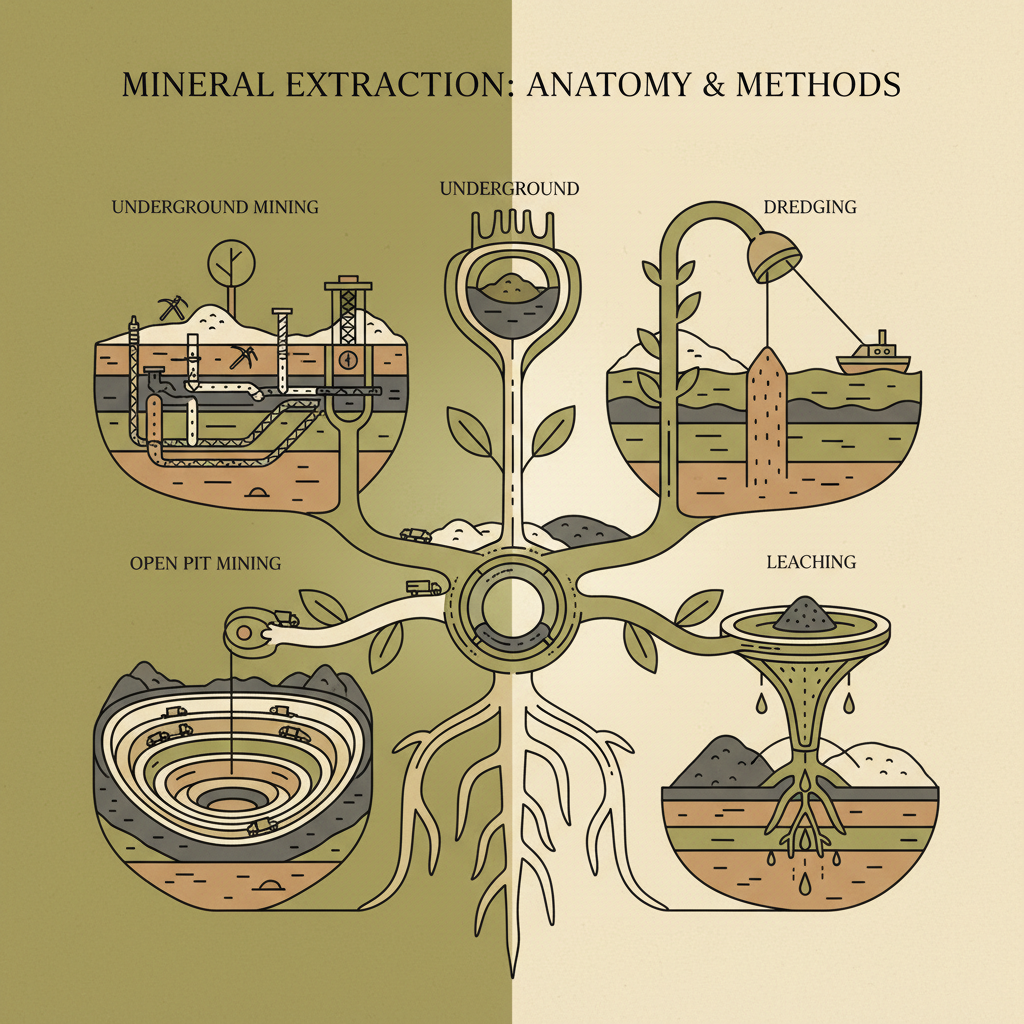
The strategic implementation of a pu lined pipeline addresses one of the most persistent challenges in metallurgy and fluid dynamics: the battle against abrasive wear. In environments where ore slurries or coarse sand are transported, the internal surface of a pipe acts as a sacrificial layer. By utilizing polyurethane, which possesses an exceptional ability to absorb the energy of impacting particles, industries can extend the service life of their piping systems by 3 to 10 times compared to carbon steel.
Beyond simple wear resistance, these pipelines provide a crucial chemical barrier. Many industrial fluids are not only abrasive but also corrosive, leading to a synergistic degradation process known as erosion-corrosion. A high-quality polyurethane lining isolates the structural steel from these aggressive agents, ensuring that the external pressure-bearing shell remains intact while the inner lining handles the harsh chemical interactions, thereby safeguarding the entire facility from catastrophic failure.
Technical Definition and Material Composition
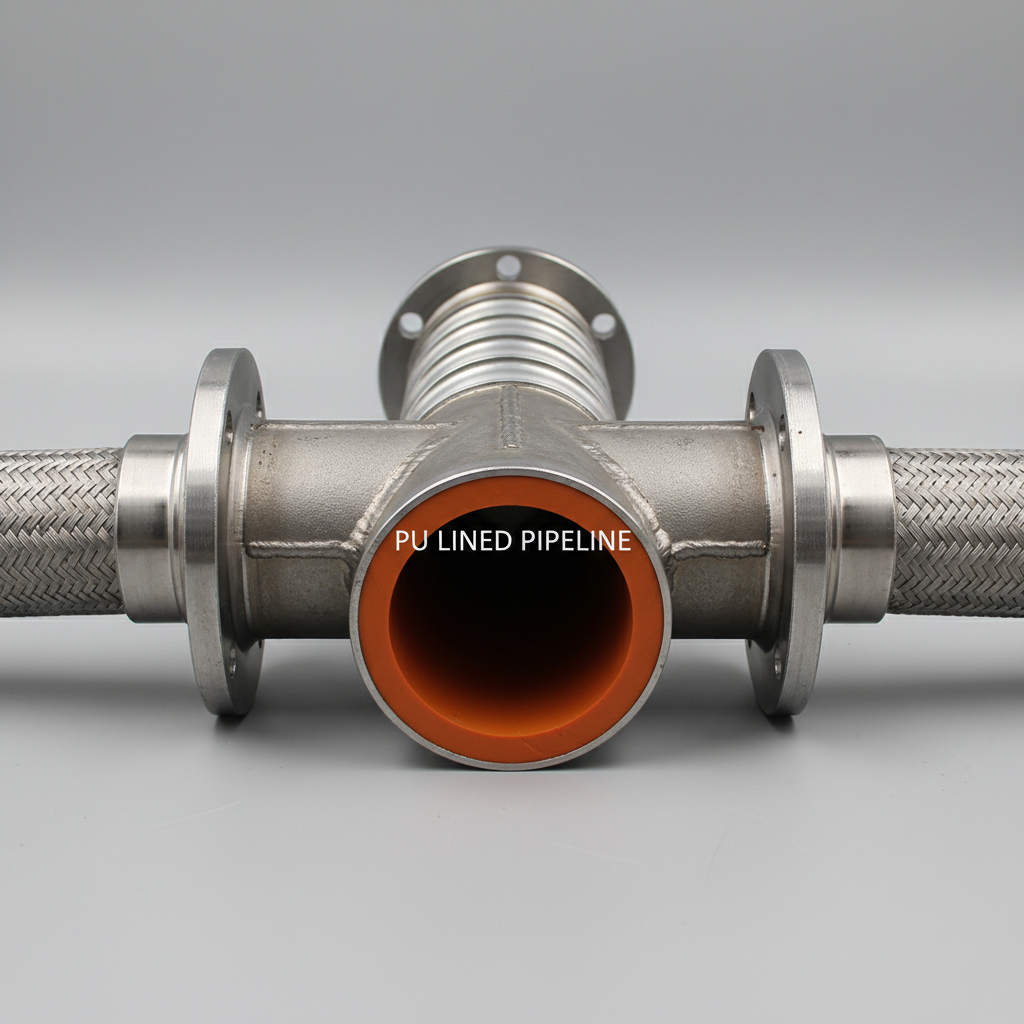
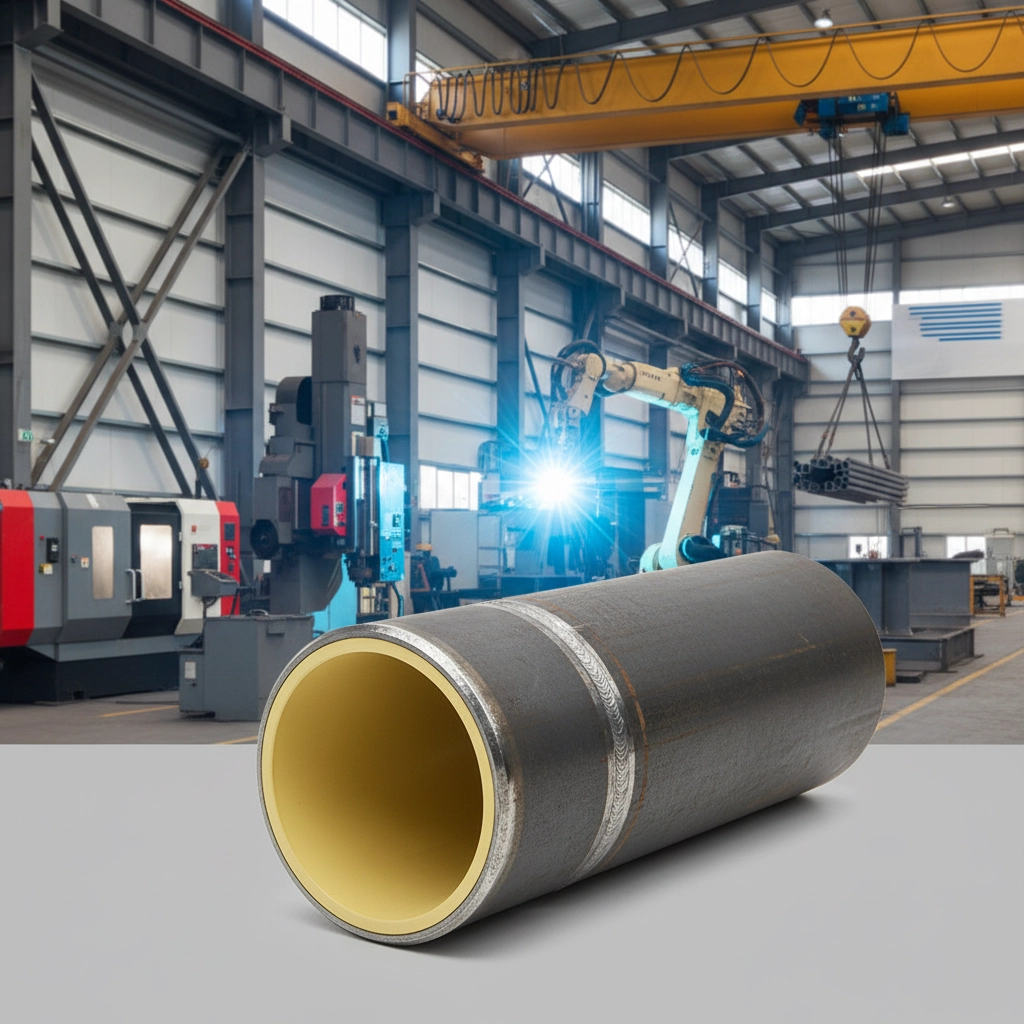
At its most fundamental level, a pu lined pipeline is a composite structure consisting of a high-strength outer shell—typically carbon steel or stainless steel—and an inner layer of cast or extruded polyurethane. Polyurethane is a versatile polymer that combines the properties of both plastics and rubbers, offering a unique balance of hardness and elasticity. This enables the pipeline to "bounce back" after being struck by hard particles, rather than chipping or cracking like a ceramic lining might.
The bonding process is where the technical superiority of the system is established. Using advanced thermal bonding or adhesive techniques, the polyurethane is fused to the metal interior, creating a seamless, non-porous surface. This eliminates the gaps where corrosive fluids could seep through to the steel shell. Depending on the specific application, the hardness of the PU (measured in Shore A or Shore D) is adjusted to optimize the trade-off between impact resistance and sliding abrasion resistance.
Modern polyurethane compositions often include additives to enhance UV resistance, temperature stability, and chemical inertness. This makes the pu lined pipeline suitable for a wide variety of environments, from freezing arctic mining sites to humid tropical chemical plants. The result is a highly engineered component that transforms a simple pipe into a precision tool for industrial material handling.
Core Performance Factors of PU Lining
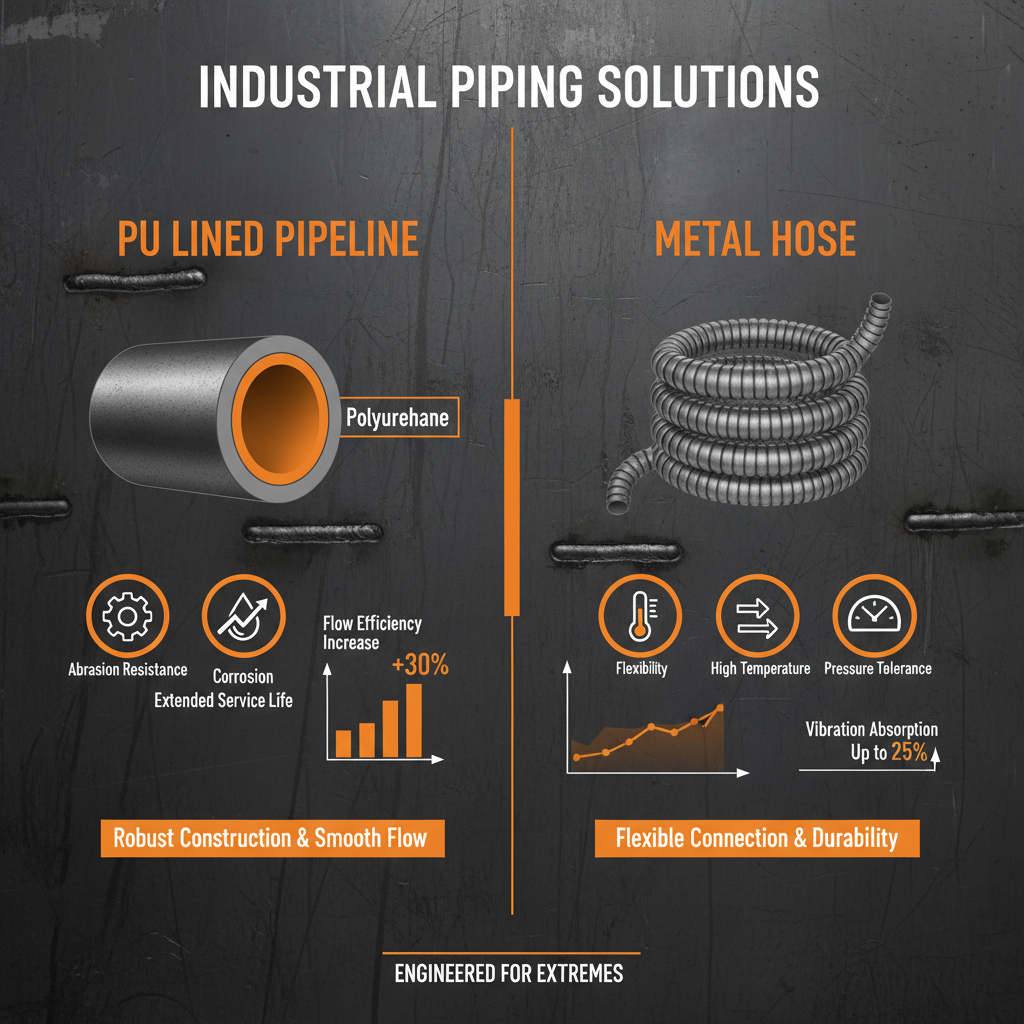
Durability is the primary driver when selecting a pu lined pipeline. Unlike rubber, which can degrade under certain chemical exposures, or steel, which erodes under high-velocity particulates, polyurethane offers a high tear strength and excellent abrasion resistance. This ensures that the pipeline can withstand the continuous flow of jagged minerals without developing pits or thinning walls, which are common precursors to pipe bursts.
Another critical factor is the coefficient of friction. The smooth internal surface of a pu lined pipeline significantly reduces the drag of the transported medium. This leads to improved flow rates and reduced energy consumption for pumping systems. By minimizing turbulence and accumulation of solids on the walls, the lining prevents blockages and maintains a consistent throughput for the entire operation.
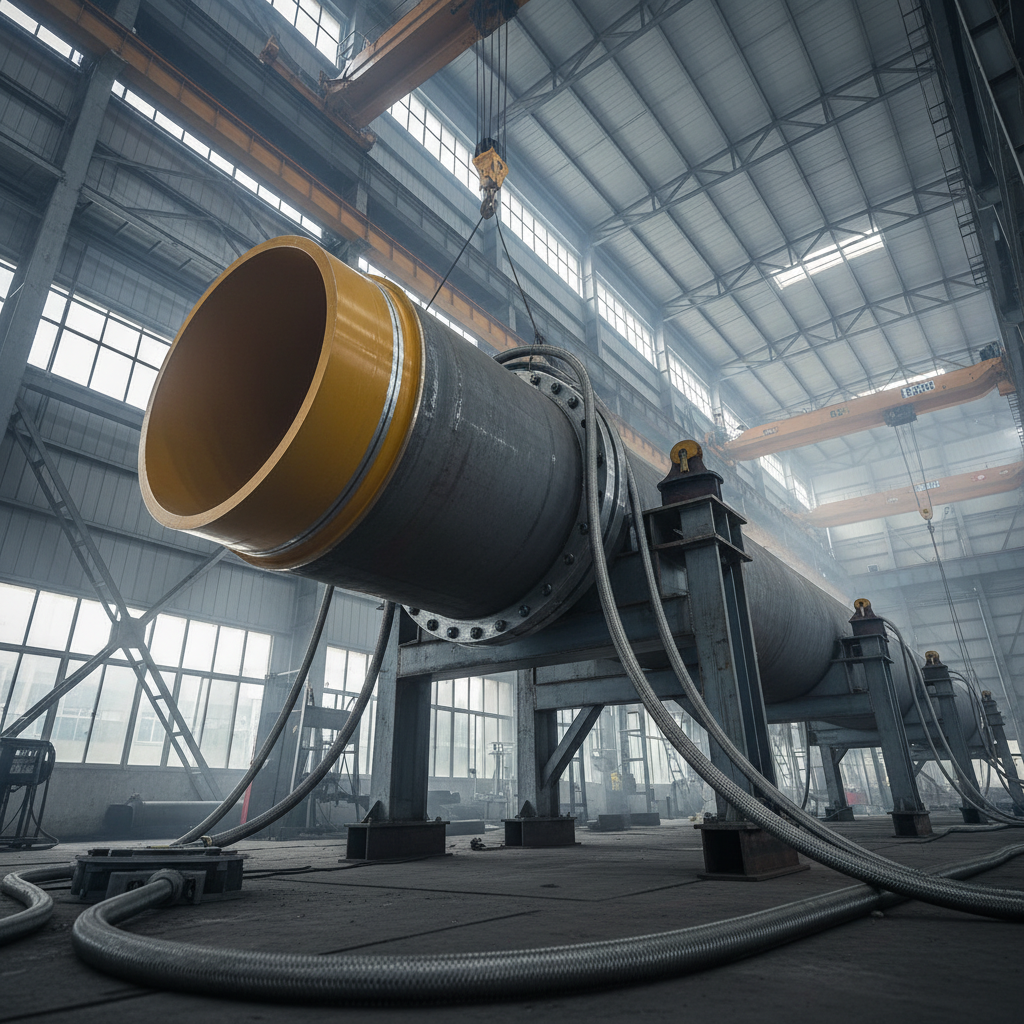
Finally, the scalability and versatility of the lining process allow it to be applied to various diameters and lengths of piping. Whether the project requires a small-bore transport line or a large-scale slurry main, the polyurethane application can be tailored. This adaptability makes the pu lined pipeline a universal solution for diverse industrial layouts, ensuring consistent performance regardless of the system's complexity.
Comparative Efficiency and Wear Resistance
When comparing the efficiency of different lining materials, the pu lined pipeline consistently outperforms traditional rubber and HDPE in high-impact abrasion scenarios. While HDPE is excellent for corrosion, it lacks the hardness required to resist the cutting action of sharp ores. Conversely, polyurethane's molecular structure allows it to absorb energy and redistribute it, making it the ideal choice for "high-velocity impact" zones within a processing plant.
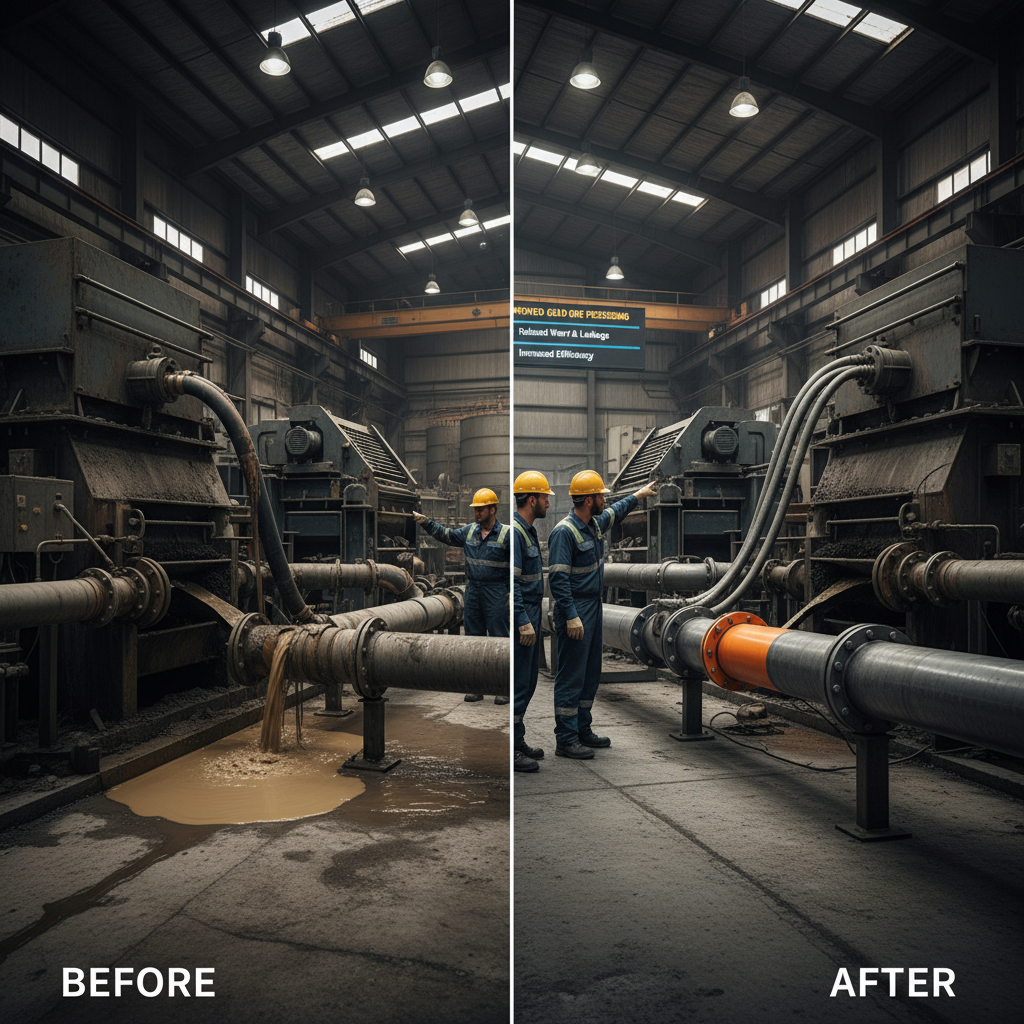
The long-term operational efficiency is best visualized through the lens of maintenance cycles. A standard steel pipe in a mining application might require replacement every six months, whereas a PU-lined version can operate for several years before needing inspection. This drastic reduction in "down-time" translates directly into increased profitability and operational stability for the plant manager.
Material Performance Analysis: PU Lined Pipeline vs Others
Global Application Scenarios and Case Studies
Across the globe, the pu lined pipeline is employed in the most grueling environments. In the copper and gold mines of Chile and Australia, these pipelines transport abrasive tailings over vast distances. By utilizing PU lining, these mining giants have reduced their pipe replacement frequency by nearly 70%, significantly lowering the logistical burden of transporting heavy steel pipes to remote, high-altitude locations.
In the chemical processing hubs of Germany and China, PU-lined systems are used to move caustic slurries and acidic waste. In these scenarios, the polyurethane acts as a chemical shield, preventing the internal corrosion that typically plagues stainless steel in the presence of certain chlorides. This application demonstrates that the pu lined pipeline is not just a "mining tool" but a versatile industrial asset suitable for any high-wear, corrosive environment.
Long-term Economic Value and Sustainability
The economic argument for the pu lined pipeline extends far beyond the initial purchase price. While a PU-lined pipe carries a higher upfront cost than a bare steel pipe, the "Life Cycle Cost" (LCC) is dramatically lower. When factoring in the costs of labor for replacement, the loss of production during downtime, and the environmental risk of a leak, the ROI of PU lining is realized within the first year of operation.
Sustainability is another key driver. By extending the lifespan of the pipeline, industries reduce the amount of steel that must be smelted and transported, thereby lowering their overall carbon footprint. Furthermore, the superior sealing properties of polyurethane linings prevent soil and groundwater contamination, aligning industrial operations with global ESG (Environmental, Social, and Governance) goals.
Trust and reliability are the ultimate values delivered. For a plant operator, knowing that a pu lined pipeline can handle surges in slurry density without failing provides peace of mind. This reliability allows for more aggressive production schedules and the confidence to push the limits of operational capacity without fearing a catastrophic infrastructure collapse.
Future Innovations in Pipeline Lining Technology
The future of the pu lined pipeline is being shaped by material science and digital integration. We are seeing the development of "smart linings" embedded with sensors that can monitor the thickness of the polyurethane layer in real-time. This transition from reactive maintenance to predictive maintenance allows operators to schedule repairs based on actual wear data rather than estimated timelines, further reducing unnecessary downtime.
Additionally, the move toward "Green Polyurethanes" is gaining momentum. Researchers are developing bio-based PU resins that offer the same abrasion resistance as petroleum-based versions but with a significantly lower environmental impact. This innovation ensures that the pu lined pipeline remains the gold standard even as the world transitions toward a circular economy.
Lastly, automation in the lining process—such as robotic centrifugal casting—is increasing the precision and consistency of the PU layer. This eliminates human error in the bonding process, ensuring that every millimeter of the pipeline meets strict quality standards. The integration of these technologies will make the pu lined pipeline even more efficient and reliable for the next generation of industrial growth.
Comparative Analysis of PU Lining Specifications and Application Performance
| Lining Grade |
Hardness (Shore A/D) |
Primary Benefit |
Recommended Industry |
| Soft PU Grade |
80A - 90A |
High Impact Absorption |
Coal Mining / Tailings |
| Medium PU Grade |
95A - 60D |
Balanced Wear/Elasticity |
Mineral Processing |
| Hard PU Grade |
70D - 85D |
Maximum Sliding Resistance |
Sand Blasting / Dredging |
| Chemical PU Grade |
Variable |
Corrosion Shielding |
Chemical Manufacturing |
| Heat-Resistant PU |
Variable |
Thermal Stability |
Geothermal / Steam Slurry |
| Ultra-High Molecular PU |
90D+ |
Extreme Abrasion Life |
Hard Rock Quarrying |
FAQS
Polyurethane offers significantly higher tear strength and abrasion resistance than natural or synthetic rubber. While rubber is flexible, it tends to wear down faster when exposed to sharp-edged particulates. A pu lined pipeline provides a harder, more resilient surface that can withstand high-velocity impacts without gouging, leading to a longer service life and fewer replacements.
Depending on the slurry composition, flow velocity, and the grade of PU used, these pipelines typically last 3 to 10 times longer than unlined steel pipes. In many gold and copper mining operations, a high-grade pu lined pipeline can operate for several years before requiring a lining refurbishment, provided that the installation is handled correctly to avoid mechanical damage.
Yes, it is highly cost-effective due to the drastic reduction in maintenance costs and downtime. From an environmental perspective, it is eco-friendly because it prevents leaks of toxic slurries into the ground. Moreover, by extending the life of the steel pipe, it reduces the industrial demand for new steel production, lowering the overall carbon footprint of the facility's infrastructure.
Standard polyurethane has limits, but specialized heat-resistant PU grades are engineered to handle elevated temperatures. When selecting a pu lined pipeline, it is crucial to specify the maximum operating temperature to ensure the correct polymer formulation is used, as exceeding the thermal limit can lead to softening or debonding of the lining.
The bonding is achieved through a combination of surface preparation (sandblasting) and advanced curing processes. The polyurethane is either cast into the pipe or extruded and then thermally cured to create a molecular bond with the metal. This ensures that the pu lined pipeline maintains its integrity even under the pressure of turbulent flow and vacuum conditions.
The primary beneficiaries are those handling abrasive solids in liquid suspension. This includes the mining industry (tailings and ore transport), the dredging industry (sand and silt transport), the chemical industry (corrosive slurry), and the power generation sector (fly ash removal). Any application where a pu lined pipeline can replace frequent steel replacements will see immediate benefit.
Conclusion
The implementation of a pu lined pipeline represents a strategic shift from short-term cost-saving to long-term value creation. By effectively mitigating the dual threats of abrasion and corrosion, these systems ensure operational continuity, enhance worker safety, and drastically reduce the environmental risks associated with pipeline failure. From the high-impact zones of mineral processing to the precise needs of chemical transport, the synergy of steel strength and polyurethane resilience provides an unmatched solution for modern industrial fluid handling.
As we look toward the future, the integration of smart monitoring and sustainable bio-polymers will further solidify the role of PU lining as a cornerstone of industrial infrastructure. For companies seeking to optimize their production efficiency and embrace sustainable engineering practices, investing in high-quality lined piping is no longer an option but a necessity. We invite you to explore our full range of protective lining solutions to secure your operations for the decades to come. Visit our website: www.qwmetal.com