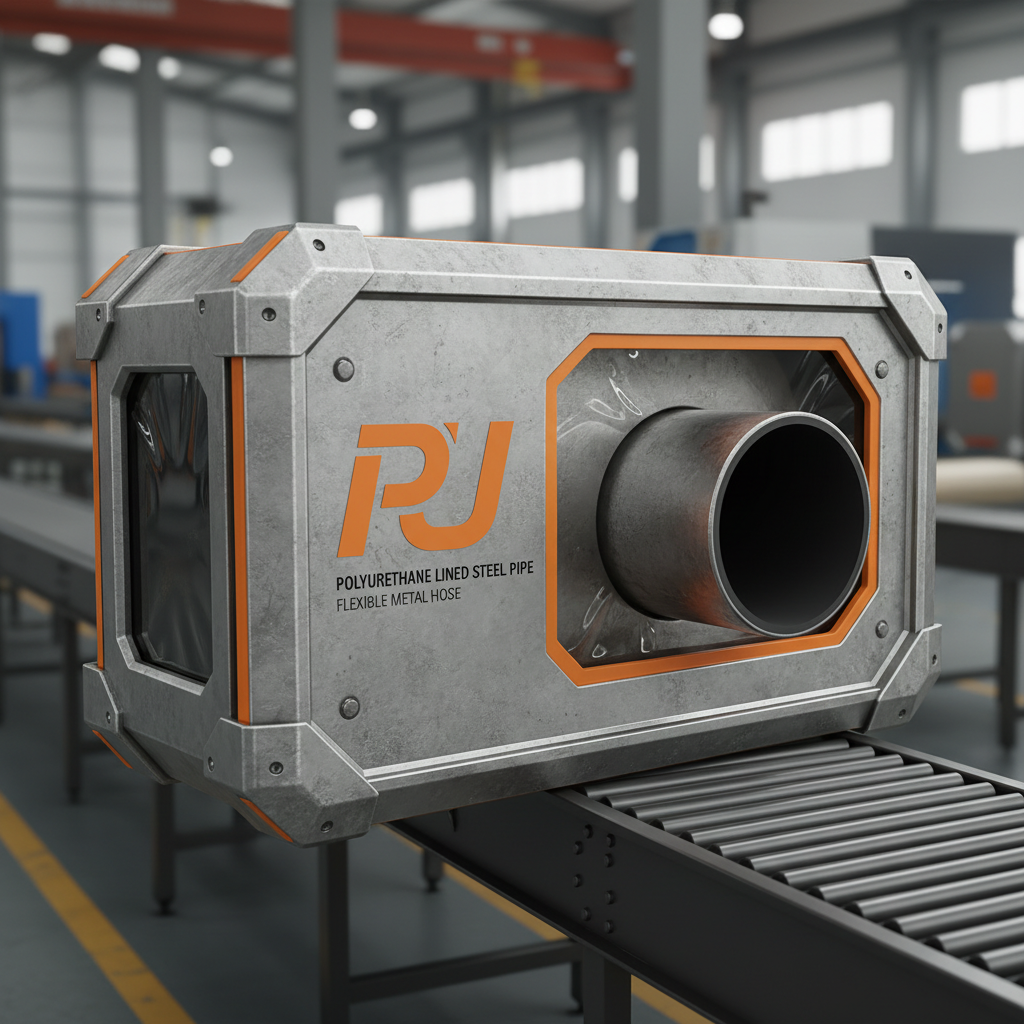
In the demanding environments of modern industrial transport, the integrity of piping systems is paramount to operational safety and efficiency. A polyurethane lined steel pipe represents a sophisticated engineering solution that combines the structural strength of carbon steel with the superior abrasion and corrosion resistance of polyurethane. This synergy allows industries to transport highly abrasive slurries and corrosive chemicals without the frequent downtime associated with pipe wall thinning.
Globally, the shift toward more aggressive mining techniques and complex chemical processing has increased the wear and tear on traditional piping. Without an effective internal barrier, steel pipes succumb quickly to erosion and oxidation, leading to catastrophic leaks and environmental hazards. The implementation of high-performance lining technologies has become a critical standard for maintaining the sustainability of heavy-duty fluid transport systems.
Understanding the nuances of polyurethane lined steel pipe enables engineers to optimize their infrastructure for longevity and cost-effectiveness. By integrating a flexible yet hard-wearing polymer layer, companies can significantly extend the lifecycle of their assets, reduce maintenance overheads, and ensure a safer working environment for their personnel across various global industrial zones.
Global Industrial Relevance of Polyurethane Lined Steel Pipe
The global demand for polyurethane lined steel pipe is driven by the escalating needs of the mining, dredging, and chemical sectors. As high-grade mineral deposits become harder to reach, industries are forced to transport materials over longer distances and through more abrasive conditions. International standards, such as ISO and ASTM, emphasize the need for materials that can withstand extreme friction while maintaining structural integrity under pressure.
In regions like Australia, Canada, and Brazil, where large-scale mining is a pillar of the economy, the failure of a single transport line can result in millions of dollars in lost production. By utilizing polyurethane lining, these operations mitigate the risk of unexpected breaches, ensuring that the flow of slurry remains uninterrupted and compliant with strict environmental safety regulations.
Defining Polyurethane Lined Steel Pipe and Its Function
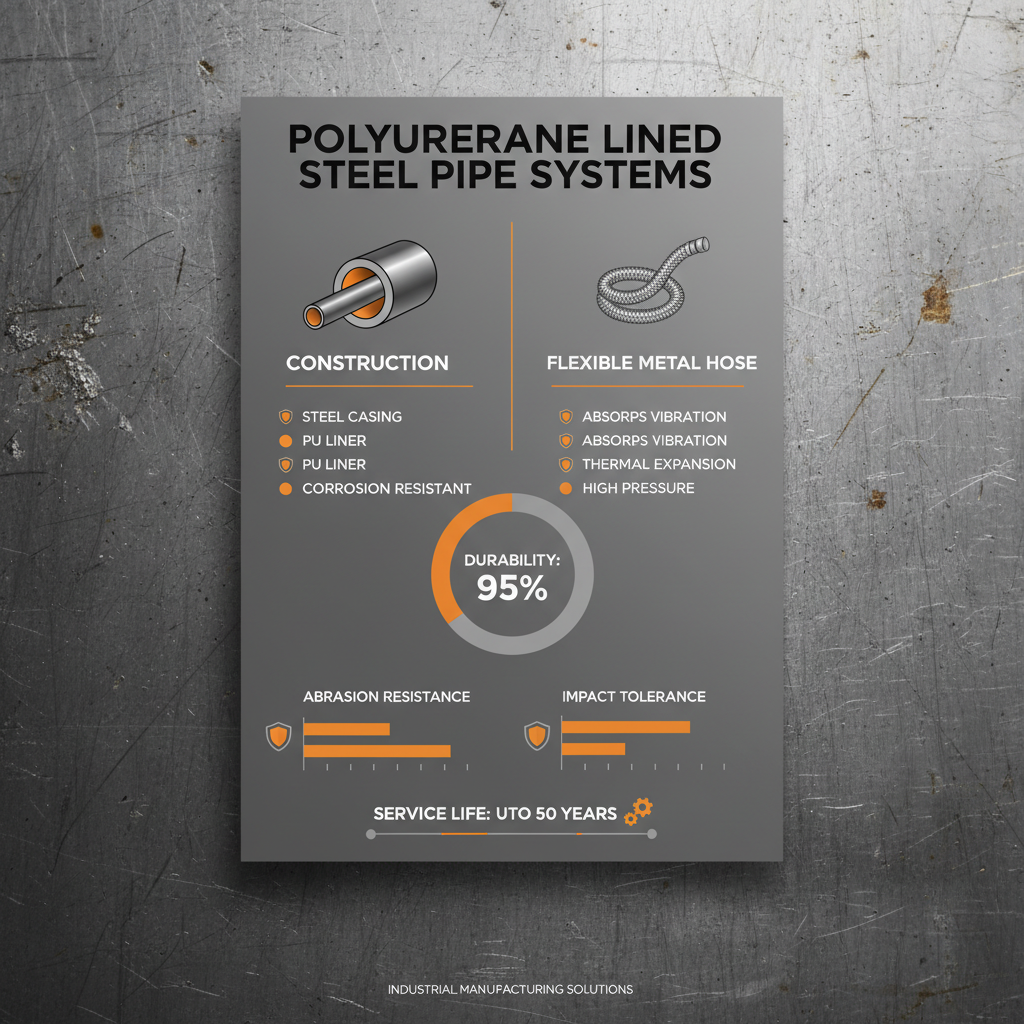
In simple technical terms, a polyurethane lined steel pipe is a composite piping system consisting of an outer shell of high-strength carbon steel and an inner lining of polyurethane elastomer. The steel provides the necessary mechanical strength to handle high internal pressures and external loads, while the polyurethane layer acts as a sacrificial and protective barrier against the abrasive forces of the transported medium.
This combination is essential for modern industry because it solves the paradox of needing a pipe that is both rigid and flexible. While steel is rigid, it is susceptible to "washing out" when exposed to sand, gravel, or chemical catalysts. Polyurethane, conversely, possesses a unique elasticity that allows it to absorb the impact of particles, effectively "bouncing" them off the surface rather than allowing them to gouge the material.
Beyond industrial utility, these pipes play a role in humanitarian and environmental protection. By preventing leaks in the transport of hazardous industrial waste or tailings, polyurethane-lined systems protect groundwater and local ecosystems, aligning industrial growth with global sustainability goals and corporate social responsibility.
Core Components Driving Performance and Durability
The effectiveness of a polyurethane lined steel pipe is rooted in its material science. The first core component is the bond strength between the polyurethane and the steel substrate. A chemical bond is achieved through specialized primers and curing processes, ensuring that the lining does not delaminate or collapse under vacuum conditions.
Abrasion resistance is the second critical factor. Polyurethane is engineered to have higher tear strength and abrasion resistance than rubber. This means that in a polyurethane lined steel pipe, the wear rate is drastically reduced, extending the interval between maintenance cycles and lowering the total cost of ownership.
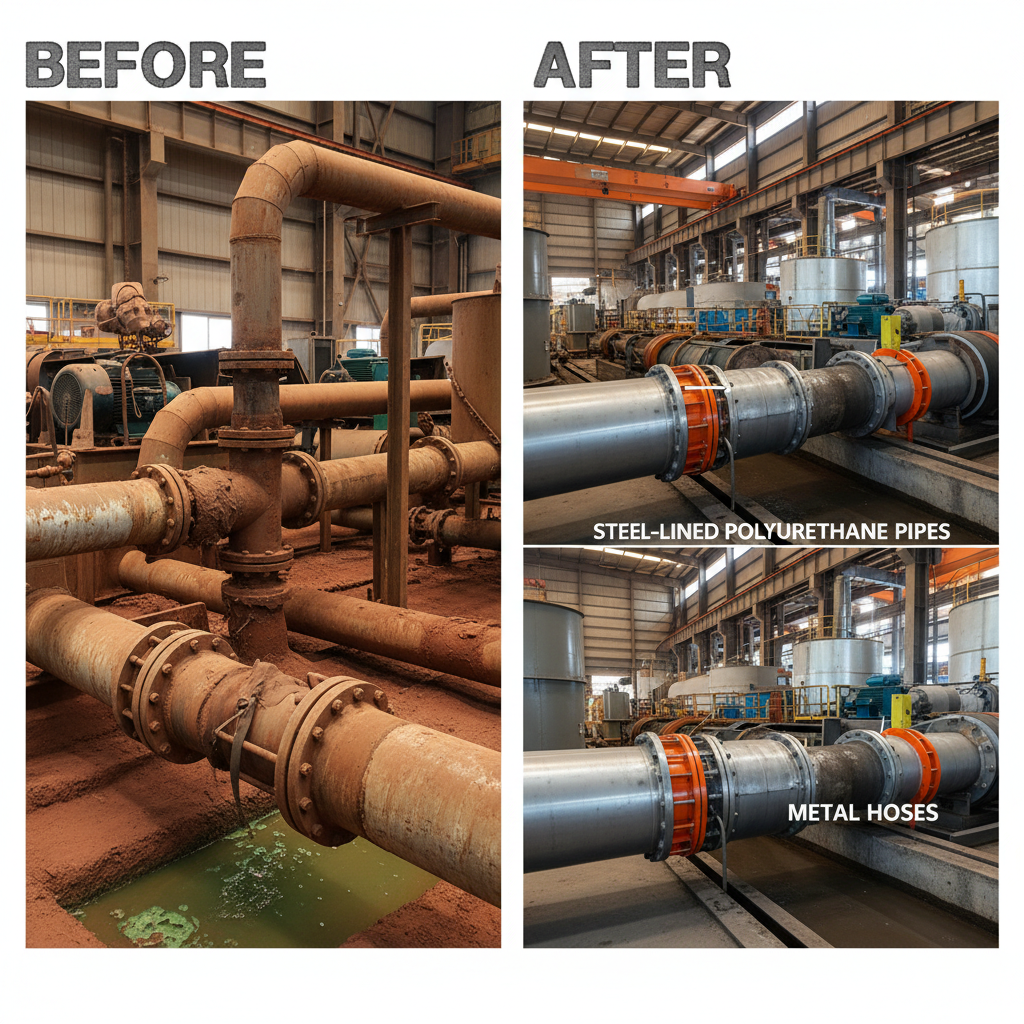
Finally, chemical compatibility ensures the pipe can handle a wide array of media. Whether it is alkaline solutions or acidic slurries, the polyurethane layer prevents the steel from oxidizing. This chemical inertia is what makes these pipes indispensable in the chemical processing industry where traditional steel would corrode in a matter of weeks.
Real-World Global Applications and Use Cases
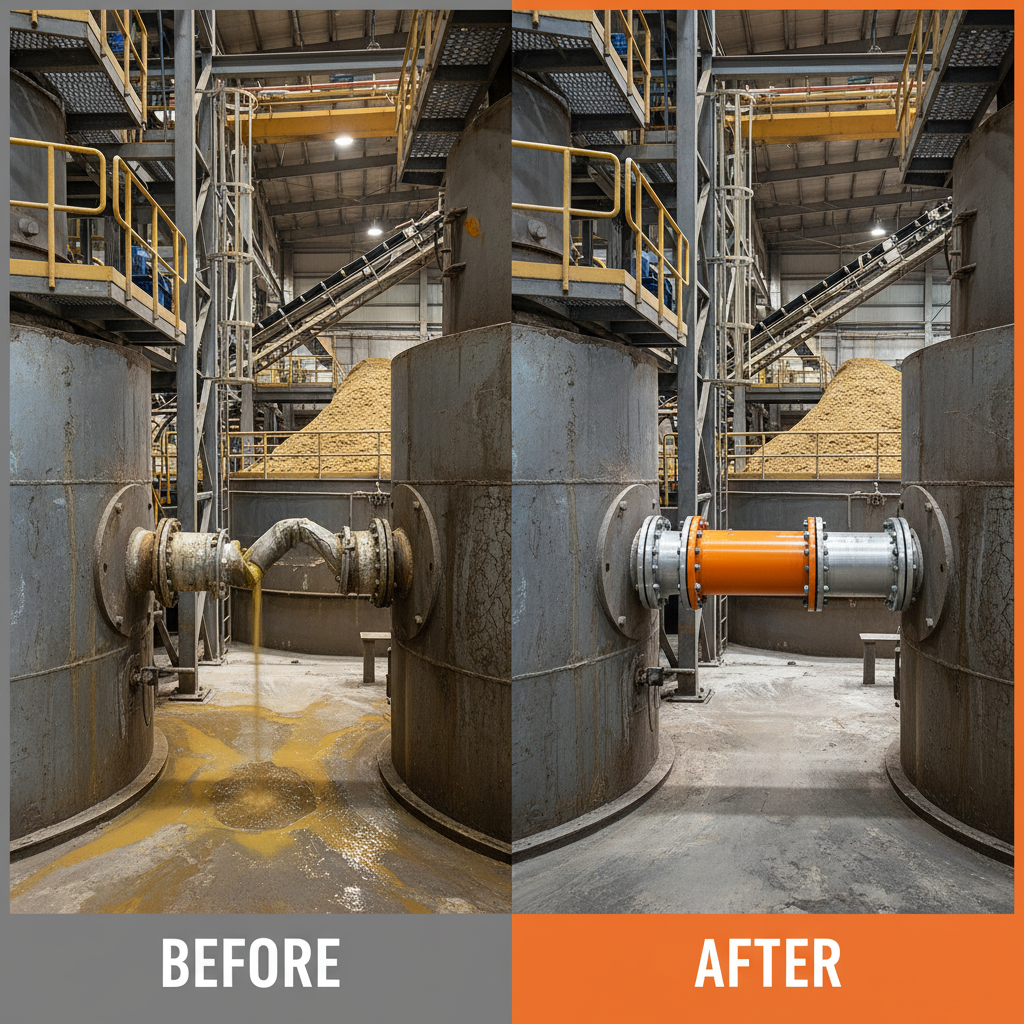
The practical application of polyurethane lined steel pipe is most evident in heavy-duty slurry transport. In gold and copper mining operations, the transport of ore-laden water is a constant process. These pipes are used in tailings lines, where the high concentration of quartz and other hard minerals would destroy unlined pipes. The elasticity of the polyurethane lining ensures that these particles glide through the system with minimal friction.
In remote industrial zones, such as the oil sands of Alberta or the iron mines of Western Australia, these pipes are deployed in harsh climates where temperature fluctuations can cause material fatigue. The polyurethane layer provides a degree of thermal insulation and flexibility that prevents the steel from becoming brittle, ensuring reliable performance in temperatures ranging from extreme cold to intense heat.
Performance Comparison of Lined Piping Systems
Long-Term Value: Economic and Environmental Gains
From a financial perspective, the initial investment in polyurethane lined steel pipe is offset by a dramatic reduction in Operational Expenditure (OPEX). By extending the mean time between failures (MTBF), companies avoid the exorbitant costs of emergency shutdowns, labor for pipe replacement, and the waste of materials. The logical angle is clear: spending more upfront on a premium lining saves exponentially more over the project's lifecycle.
Beyond the balance sheet, there is a significant social and environmental impact. A breach in a slurry line can contaminate local water tables and soil, leading to severe legal penalties and a loss of corporate trust. The reliability of polyurethane linings provides peace of mind, ensuring that hazardous materials are contained securely. This commitment to safety and innovation fosters trust with local communities and regulatory bodies alike.
Future Innovations in Polyurethane Lining Technology
The evolution of polyurethane lined steel pipe is now moving toward "smart piping." Engineers are exploring the integration of embedded sensors within the polyurethane layer that can detect wall thinning in real-time. This digital transformation allows for predictive maintenance, where the system alerts operators to potential wear points before a leak actually occurs, shifting the paradigm from reactive to proactive management.
Sustainability is also driving material innovation. New bio-based polyurethanes are being developed to reduce the carbon footprint associated with the production of traditional petroleum-based elastomers. These green alternatives aim to maintain the same hard-wearing properties while aligning with global net-zero emission targets.
Furthermore, automation in the lining process—such as robotic spray-lining and precision centrifugal casting—is ensuring a more uniform thickness of the polyurethane layer. This eliminates human error and "thin spots," maximizing the theoretical lifespan of every foot of pipe produced and ensuring consistent quality across global shipments.
Overcoming Common Implementation Challenges
One of the primary challenges in deploying polyurethane lined steel pipe is the risk of improper installation. If the steel surface is not meticulously cleaned and primed, the polyurethane may peel away, leading to "blistering." To solve this, expert manufacturers now utilize automated surface preparation and high-precision temperature control during the curing phase to ensure an unbreakable bond.
Another limitation is the temperature ceiling of polyurethane. While highly resistant to wear, standard PU can degrade at very high temperatures. The solution lies in the use of specialized copolymers or high-heat polyurethane blends that expand the operational window, allowing the pipes to be used in geothermal or high-heat chemical processes without compromising the liner's integrity.
Finally, the complexity of joining lined pipes can be a hurdle. Standard welding can burn through the lining at the joints. Innovative solutions include the use of specially designed flanged couplings or internal "sleeve" inserts that maintain the continuous protective lining from one pipe section to the next, eliminating the weak point at the connection.
Comparative Analysis of Polyurethane Lining Specifications
| Lining Grade |
Hardness (Shore A/D) |
Abrasion Resistance |
Typical Application |
| Standard Soft PU |
80-90 Shore A |
High (Impact) |
Coarse Sand Slurry |
| Medium Hard PU |
95 Shore A |
Very High |
Mining Tailings |
| High Hard PU |
60-70 Shore D |
Extreme (Sliding) |
Metal Chip Transport |
| Heat-Resistant PU |
90 Shore A |
Medium-High |
Hot Chemical Waste |
| Oil-Resistant PU |
85 Shore A |
High |
Hydrocarbon Slurries |
| Reinforced PU |
95 Shore A |
Maximum |
High-Pressure Dredging |
FAQS
Polyurethane generally offers significantly higher abrasion resistance and tear strength compared to traditional rubber. While rubber is excellent for impact, polyurethane provides a superior balance of hardness and elasticity, meaning it wears down much slower when transporting fine, abrasive particles. Additionally, PU typically offers better chemical resistance to a broader range of industrial solvents and oils.
The lifespan varies based on the slurry concentration and velocity, but a high-quality polyurethane lined steel pipe can last 3 to 5 times longer than an unlined carbon steel pipe. In many mining applications, where steel pipes might fail every 6 months, PU-lined systems can operate for several years before requiring a relining or replacement, drastically reducing maintenance downtime.
Yes, because the structural pressure is borne by the outer steel shell, not the lining. The polyurethane layer serves as the protective skin. As long as the steel pipe is rated for the required pressure and the bond between the liner and the steel is secure, these pipes can handle very high pressures typical of industrial pumping and dredging operations.
Minor damage to the lining can often be repaired on-site using cold-cure polyurethane patches or specialized epoxy resins. However, for extensive wear or delamination, it is recommended to replace the section or send it back to the manufacturer for professional stripping and relining to ensure the bond strength is restored to factory standards.
The choice depends on the particle size of the medium. Softer PU (Shore A) is better for larger particles that create an impact effect, as the material absorbs the energy. Harder PU (Shore D) is superior for fine, sandy materials that cause "sliding abrasion," as the harder surface resists the scratching action of the particles. Consulting with a technical expert is advised.
They contribute to environmental sustainability by preventing hazardous leaks and reducing the frequency of pipe replacements, which lowers the overall consumption of steel. Furthermore, the industry is shifting toward bio-polyurethanes and more efficient curing processes to reduce the carbon footprint of manufacturing, making them a more sustainable choice than disposable low-grade piping.
Conclusion
The adoption of polyurethane lined steel pipe is more than just a material upgrade; it is a strategic investment in operational reliability. By combining the unmatched strength of steel with the abrasion-defying properties of polyurethane, industries can conquer the challenges of transporting aggressive slurries and corrosive chemicals. We have seen that the long-term value manifests in reduced downtime, lower maintenance costs, and a significantly lowered risk of environmental contamination.
Looking ahead, the integration of smart monitoring and sustainable bio-polymers will further refine this technology. For companies seeking to optimize their fluid transport systems, transitioning to high-performance lined piping is the most effective way to ensure longevity and safety. To explore the best lining solutions for your specific industrial needs, visit our website: www.qwmetal.com