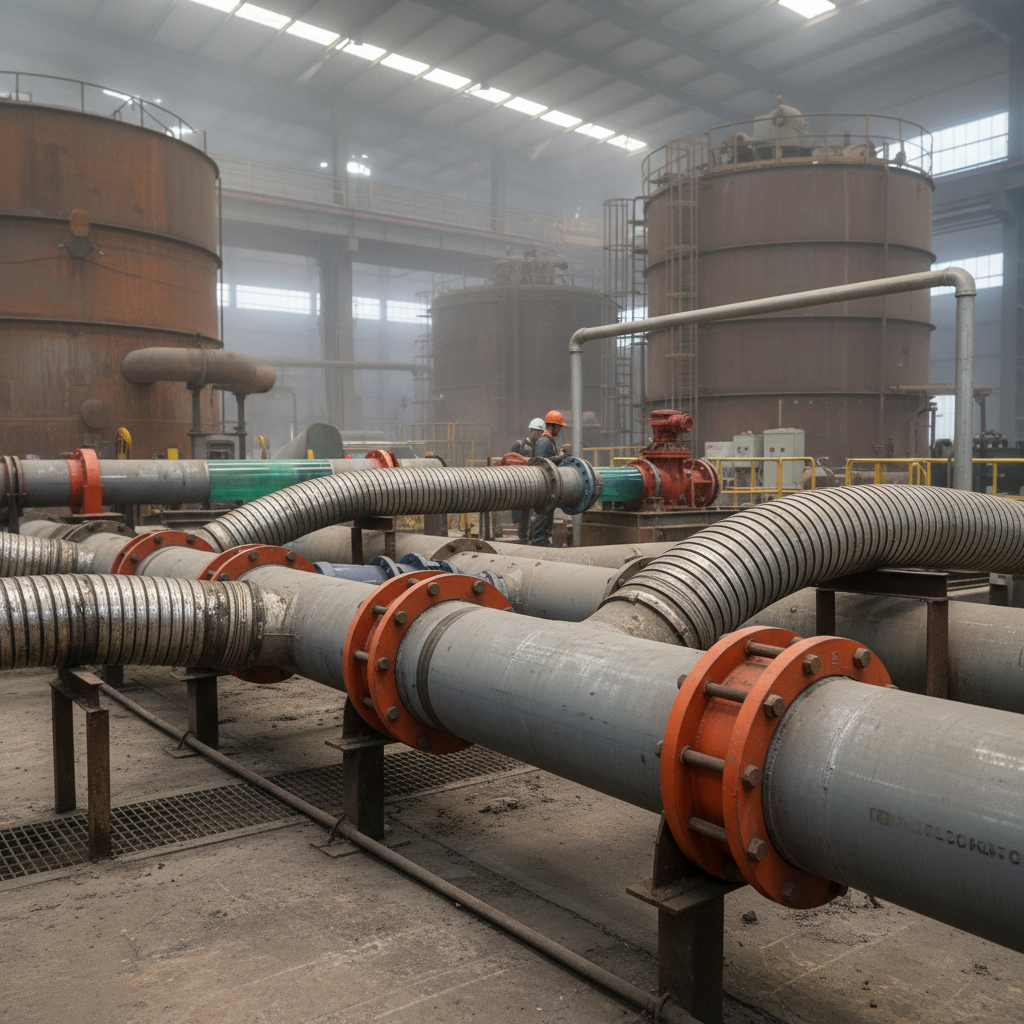
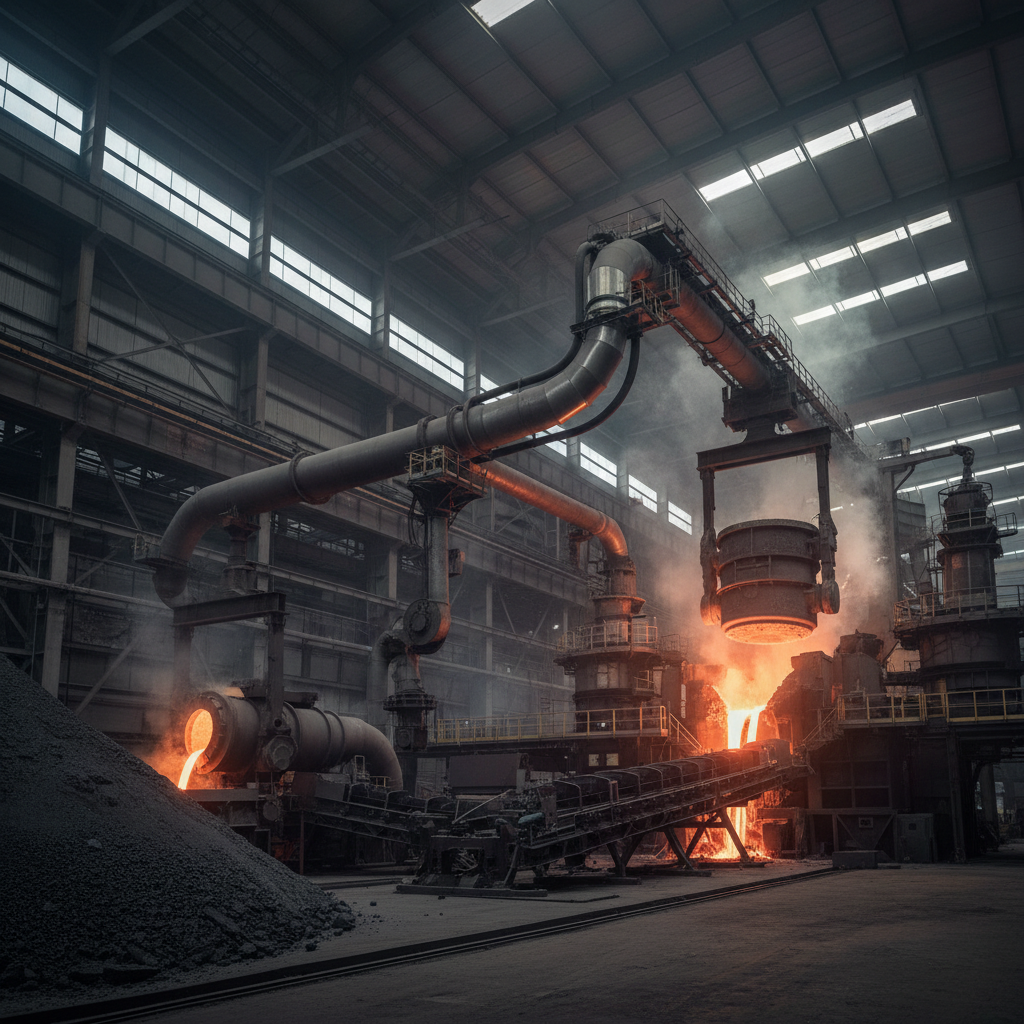
In the demanding landscape of industrial fluid transport, the selection of piping materials can dictate the entire operational lifespan of a facility. The polyurethane lined pipe has emerged as a critical innovation, bridging the gap between the structural strength of steel and the extreme abrasion resistance of high-performance polymers. By integrating a resilient interior lining, industries can now transport highly abrasive slurries and corrosive chemicals without the frequent downtime associated with pipe erosion.
Globally, the move toward more sustainable and cost-effective mining and chemical processing has accelerated the adoption of advanced lining technologies. Traditional steel piping often fails prematurely when exposed to high-velocity particulates, leading to catastrophic leaks and environmental hazards. The implementation of polyurethane lining provides a sacrificial yet incredibly durable barrier that absorbs the impact of abrasive media, significantly extending the mean time between failures (MTBF) for critical infrastructure.
Understanding the nuances of polyurethane lined pipe is not merely a technical requirement but a strategic advantage. From reducing maintenance overheads to ensuring the safety of personnel and the environment, this composite solution represents the pinnacle of modern material science in the metal products industry. This guide explores the engineering, application, and future of these essential components in global industrial systems.
Global Relevance of Polyurethane Lined Pipe
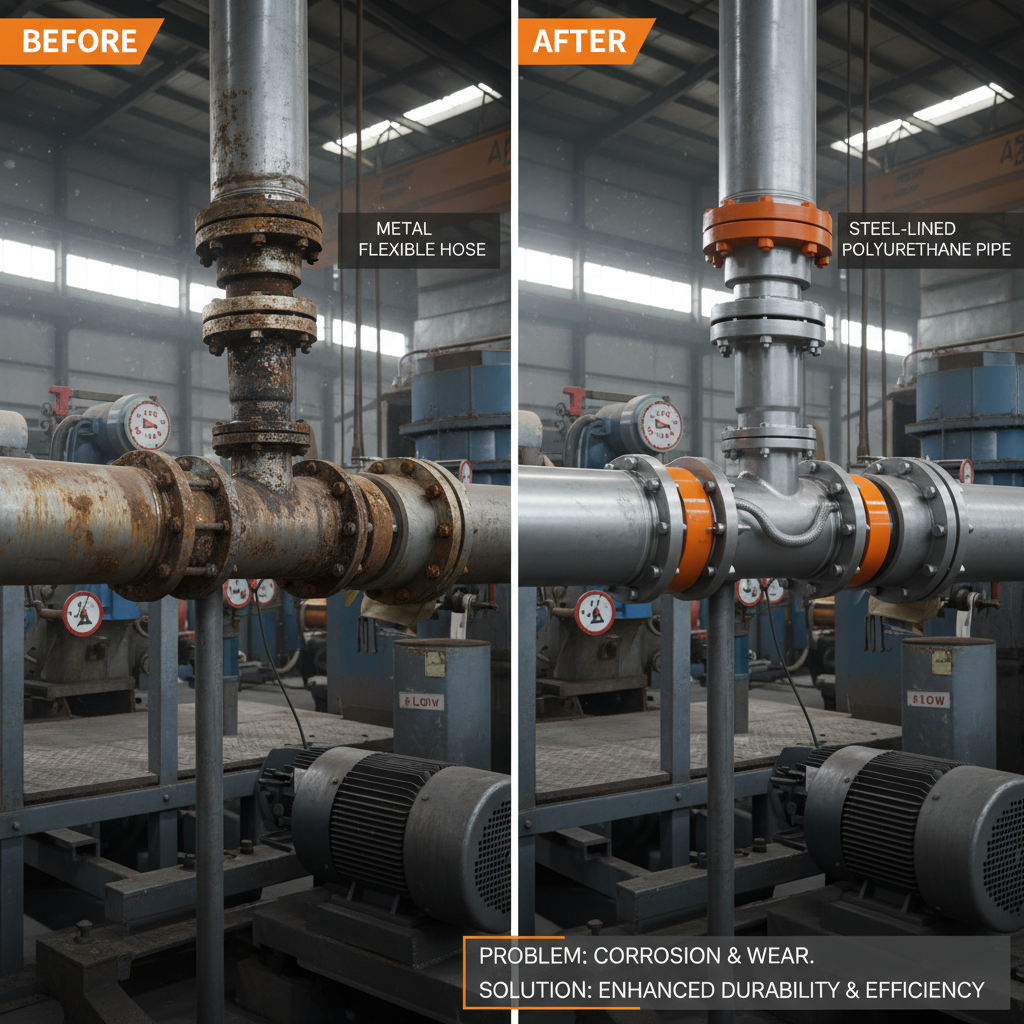
The global industrial sector, particularly in mining and mineral processing, faces a constant battle against wear and tear. According to industrial standards similar to ISO 9001, the reliability of transport systems is paramount for operational safety. polyurethane lined pipe addresses the critical failure point of standard carbon steel pipes: the interior wall. By applying a polyurethane layer, companies can handle materials that would otherwise eat through steel in a matter of weeks.
In regions like Australia, Canada, and Brazil, where massive mining operations dominate the economy, the shift toward these lined systems has drastically reduced the environmental footprint of slurry spills. The ability to maintain high-pressure transport over long distances without risking rupture makes polyurethane lining an essential component of modern heavy industry, ensuring that global supply chains for raw materials remain uninterrupted and efficient.
Technical Definition and Material Composition
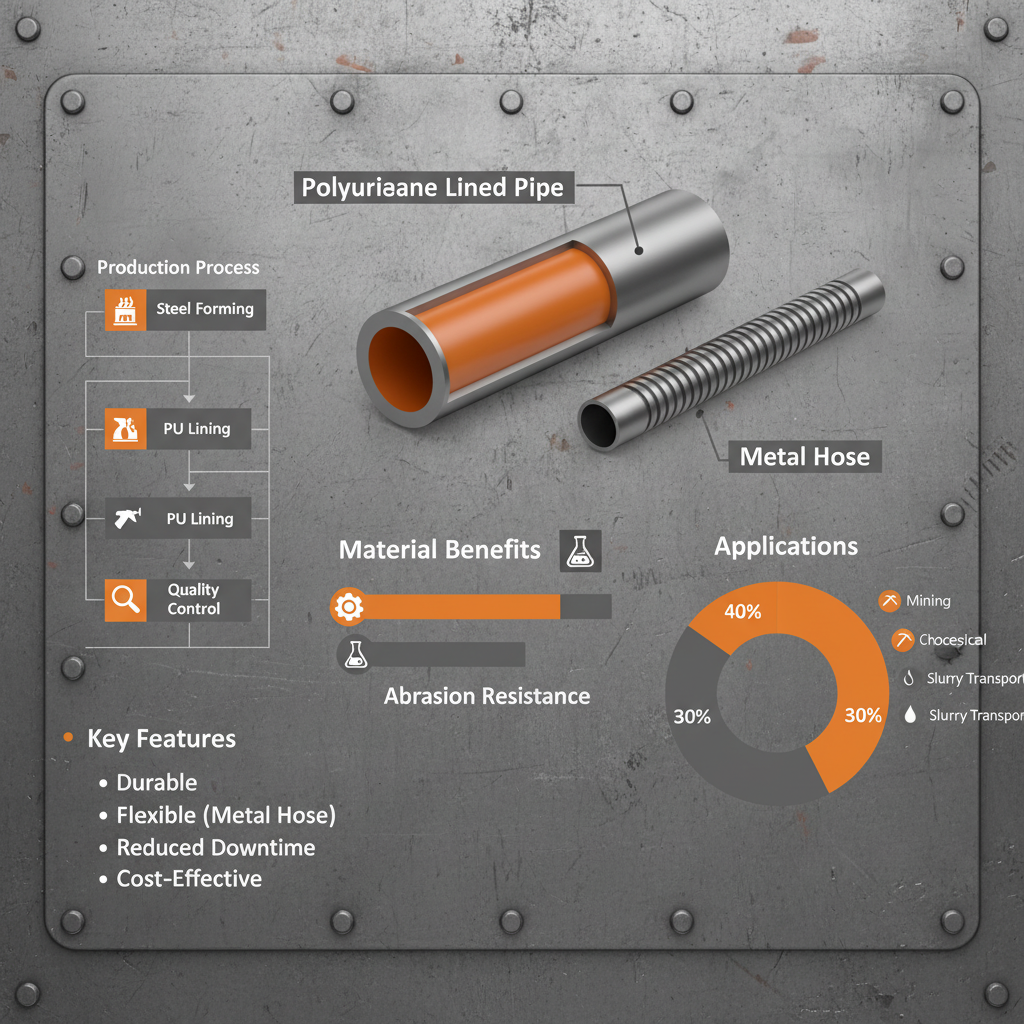
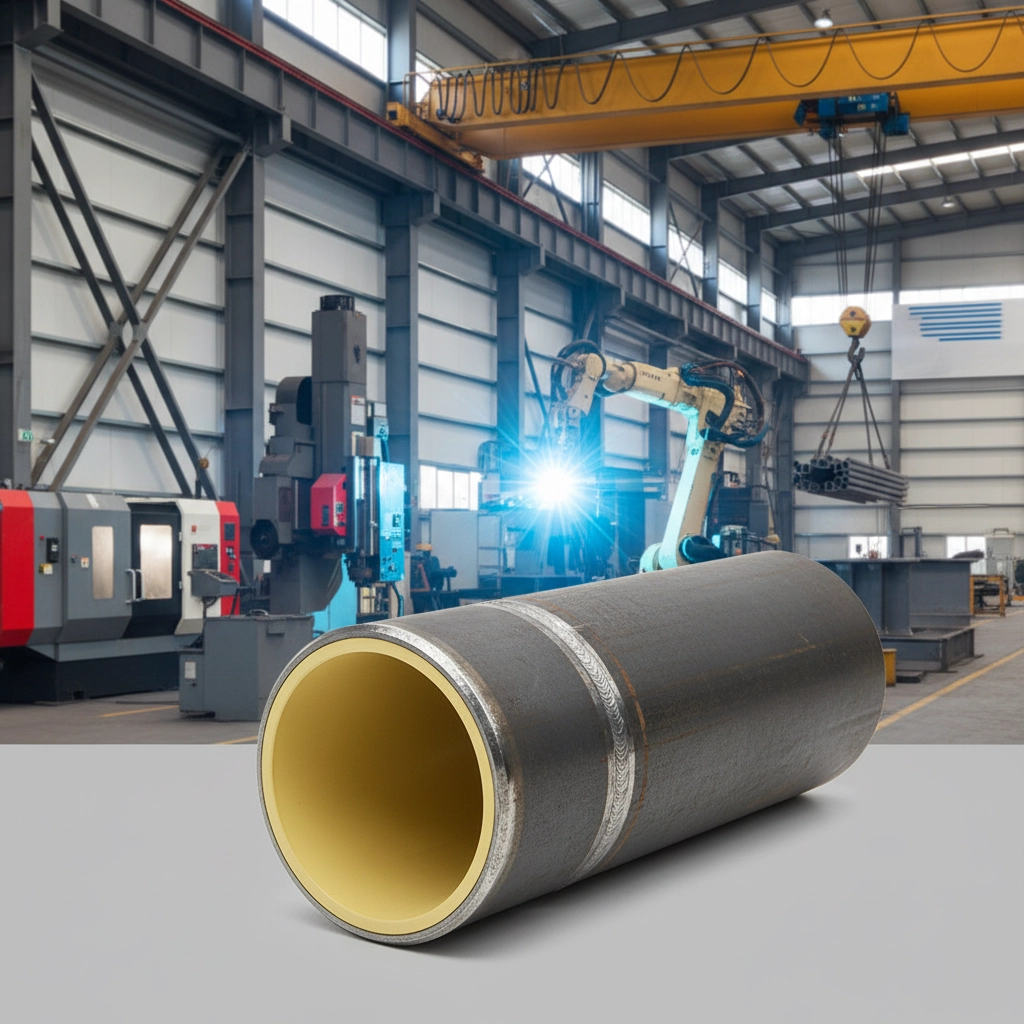
At its core, a polyurethane lined pipe is a composite structure consisting of an external high-strength steel shell and an internal lining of polyurethane elastomer. This combination allows the pipe to withstand the high external pressures and mechanical stresses of the installation environment while benefiting from the chemical inertness and flexibility of the polymer lining. The bonding process is critical, often involving specialized primers and thermal curing to ensure the lining does not delaminate under vacuum or pressure surges.
Polyurethane is chosen specifically for its unique molecular structure, which allows it to deform elastically under the impact of hard particles and then return to its original shape. This "bounce-back" effect is what gives the lining its superior abrasion resistance compared to rubber or hard ceramics. Depending on the application, the polyurethane can be formulated as a hard cast elastomer for extreme wear or a softer grade for better impact absorption.
Modern engineering has further refined this composition by introducing varied shore hardness levels, allowing engineers to tailor the pipe for specific media. Whether it is transporting iron ore tailings or abrasive chemical slurries, the synergy between the metal exterior and the polymer interior creates a product that is far more durable than any single-material alternative.
Core Performance Factors of Lined Piping
Durability is the primary benchmark for any polyurethane lined pipe. Unlike traditional coatings that can crack or peel, a properly bonded polyurethane lining acts as a seamless skin. This resilience is measured by its ability to withstand millions of cycles of particle impact, making it ideal for high-velocity transport systems where friction is constant.
Cost-efficiency is realized not in the initial purchase price, but in the total cost of ownership (TCO). By reducing the frequency of replacements and minimizing unplanned shutdowns, the polyurethane lined pipe effectively lowers the operational expenditure of a plant. The reduced need for expensive welding repairs on worn-out steel sections provides a tangible financial advantage over several years of operation.
Chemical compatibility and scalability are the final core factors. These pipes are engineered to resist a wide array of oils, greases, and moderate acids, ensuring that the lining does not degrade when exposed to complex industrial fluids. Furthermore, the ability to manufacture these pipes in varying diameters and lengths ensures they can be integrated into existing infrastructure with minimal modification.
Industrial Applications and Global Use Cases
The practical application of polyurethane lined pipe spans across multiple continents and industries. In the mining sectors of the Andes in South America, these pipes are used to transport concentrated ore slurries across rugged terrains. The combination of external steel strength for support and internal polyurethane for wear protection is essential for these high-altitude, high-stress environments.
Beyond mining, the power generation and waste management industries utilize these pipes for fly-ash removal and dredging operations. In remote industrial zones where maintenance crews may be hours away, the reliability of a lined system prevents catastrophic failures that could lead to environmental contamination. For instance, in coastal dredging projects, these pipes handle salt-laden abrasive sand with ease, outperforming traditional HDPE or uncoated steel options.
Performance Comparison of Lined Pipe Materials
Long-Term Economic and Operational Value
Investing in polyurethane lined pipe is a decision rooted in risk mitigation. By extending the service life of the piping network, plants can move from a "reactive" maintenance model (fixing leaks as they happen) to a "predictive" model. This shift not only saves millions in emergency repair costs but also enhances the safety and dignity of the workforce by removing them from hazardous, high-pressure repair situations.
From a sustainability perspective, the longevity of these pipes reduces the amount of steel scrap generated over the life of a project. When combined with the increased efficiency of flow (due to the smoother interior surface of the polyurethane), energy consumption for pumps is often reduced. This creates a virtuous cycle of lower energy costs, less material waste, and higher operational uptime.
Future Trends in Polyurethane Lining Technology
The future of polyurethane lined pipe is being shaped by the integration of "smart" materials. We are seeing the emergence of embedded sensors within the lining that can detect wall thickness loss in real-time. This digital transformation allows operators to monitor the health of their pipeline via a central dashboard, predicting exactly when a section needs replacement before a failure occurs.
Additionally, there is a strong push toward bio-based polyurethanes to reduce the reliance on petroleum-derived chemicals. These "green" elastomers aim to match the performance of traditional polyurethane while offering a lower carbon footprint during production. As environmental regulations tighten globally, these sustainable materials will become the standard for the next generation of industrial piping.
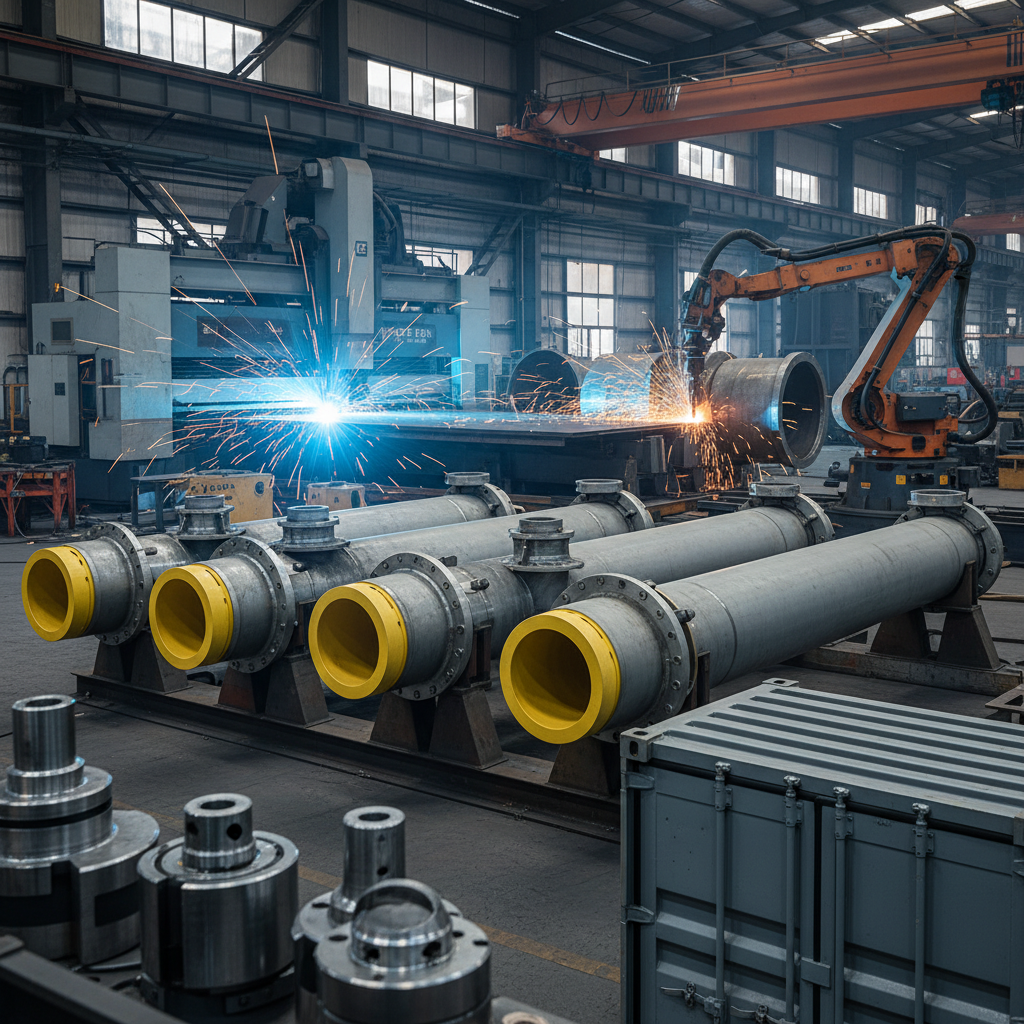
Automation in the lining process is also increasing. Advanced robotic spraying and centrifugal casting techniques are ensuring a more uniform thickness and a stronger bond between the liner and the steel shell. This reduction in human error leads to more consistent product quality and faster turnaround times for large-scale infrastructure projects.
Overcoming Implementation Challenges
Despite the benefits, implementing polyurethane lined pipe comes with specific challenges, most notably the requirement for precise installation. If the pipe is handled roughly during installation, the lining can suffer internal damage or "blistering" if air is trapped between the liner and the shell. The solution lies in strict adherence to ISO installation standards and the use of specialized lifting equipment to avoid point-loading the pipe walls.
Another common hurdle is the temperature limitation of polyurethane, which typically performs best below 80-100°C. In extreme heat applications, engineers must opt for specialized high-temperature polyurethane blends or consider hybrid linings. By conducting a thorough thermal analysis of the process fluid, companies can select the exact grade of polyurethane that will remain stable under operational heat.
Finally, the complexity of joining lined pipes can be daunting. Standard welding of the outer steel shell can overheat and destroy the internal lining. The industry has solved this through the use of specialized flanged connections and "sleeve" joints that maintain the continuity of the lining across the joint, ensuring there are no exposed steel gaps where erosion could begin.
Technical Analysis of Polyurethane Lined Pipe Performance by Grade
| Lining Grade |
Abrasion Resistance |
Flexibility (Shore A) |
Typical Use Case |
| Soft Elastomer |
7/10 |
80-85 |
Low-velocity coarse slurry |
| Medium Grade |
9/10 |
90-95 |
Standard mining tailings |
| Hard Cast |
10/10 |
98+ |
High-velocity abrasive ore |
| Heat-Resistant |
8/10 |
92 |
Chemical waste heat lines |
| Chemical Grade |
7/10 |
85 |
Acidic slurry transport |
| Impact-Tough |
9/10 |
88 |
Large rock fragment transport |
FAQS
Polyurethane offers significantly higher tear strength and abrasion resistance than traditional rubber. While rubber is excellent for impact, polyurethane handles the constant scouring action of fine particulates much more effectively, leading to a service life that is often 3 to 5 times longer in high-wear slurry applications.
Depending on the slurry velocity and particle hardness, a high-quality polyurethane lining can last anywhere from 5 to 15 years. This is a massive improvement over uncoated steel, which may fail in less than a year under similar abrasive conditions.
Yes, it is highly cost-effective due to the reduction in downtime and replacement frequency. From an eco-friendly perspective, it prevents hazardous slurry leaks into the groundwater and reduces the volume of steel waste produced by frequent pipe replacements.
Standard polyurethane is generally rated for temperatures up to 80-90°C. For higher temperatures, specialized heat-stabilized polyurethane grades are available. It is crucial to specify the operating temperature during the design phase to ensure the correct material grade is used.
To prevent "edge wear," we use flanged connections with polyurethane gaskets or custom-molded overlap joints. This ensures the lining is continuous throughout the pipeline, leaving no exposed steel edges that would otherwise become focal points for erosion.
Generally, higher hardness (Shore A 95+) is best for fine, high-velocity abrasives. Lower hardness (Shore A 80-85) is better for larger particles that cause high-impact damage. Our engineering team typically analyzes the particle size and velocity to recommend the ideal grade.
Conclusion
The integration of polyurethane lined pipe into industrial workflows represents a critical evolution in fluid handling. By combining the mechanical robustness of steel with the extreme wear resistance of polyurethane, industries can drastically reduce operational risks, lower maintenance costs, and increase the overall efficiency of slurry transport. From the mining pits of the Andes to the chemical plants of Europe, the value of this composite solution is proven through increased uptime and enhanced environmental safety.
As we move toward an era of Industry 4.0, the evolution of "smart" linings and sustainable, bio-based polymers will further solidify the role of these pipes in global infrastructure. For companies looking to optimize their transport systems, the transition to lined piping is no longer an option but a necessity for long-term viability. To learn more about our specialized solutions and technical specifications, visit our website: www.qwmetal.com.