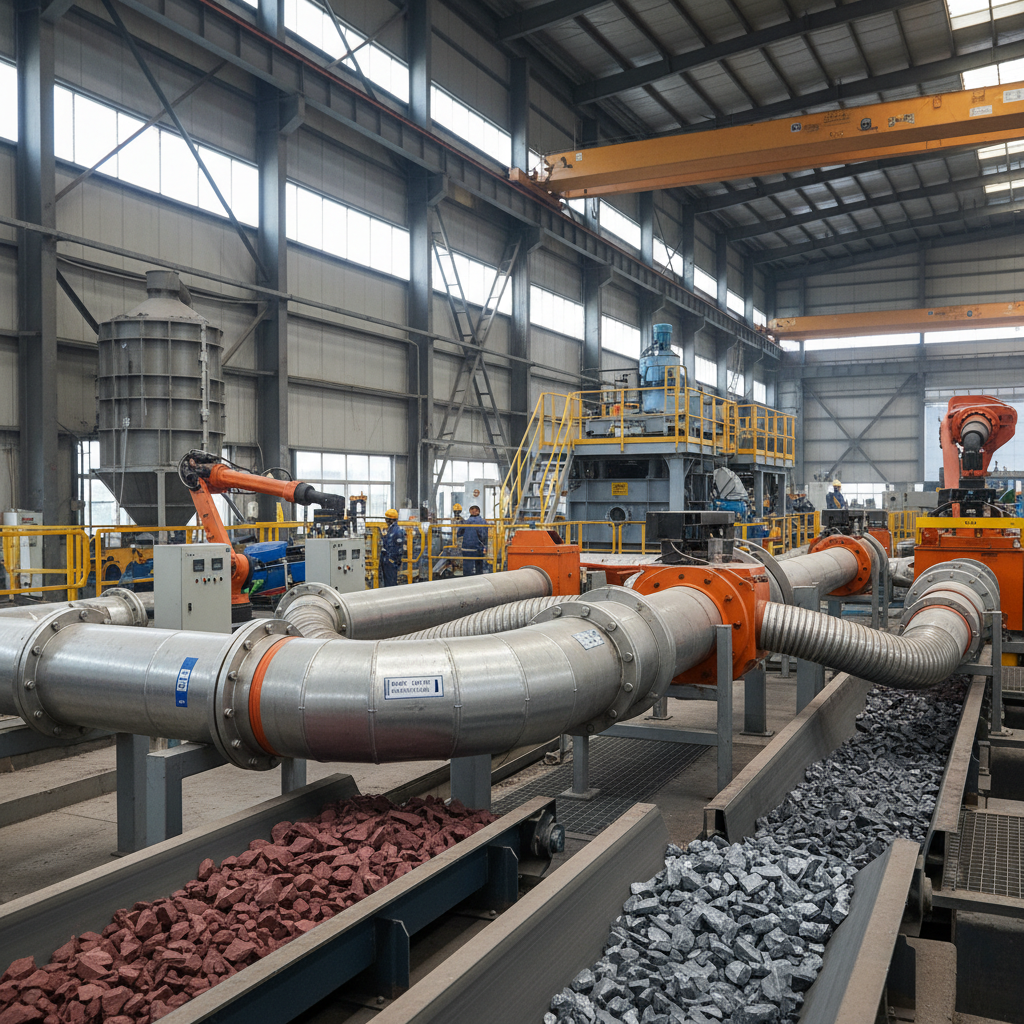
In the demanding world of industrial fluid handling, the transport of abrasive materials presents a constant battle against wear and corrosion. The adoption of pu lined pipe for slurry transportation has emerged as a critical engineering solution, offering a resilient barrier that protects the outer steel casing while ensuring the smooth flow of dense, particulate-heavy liquids.
Globally, mining, dredging, and chemical processing industries are shifting away from traditional rubber or uncoated steel options. This transition is driven by the need for longer service life and reduced maintenance downtime, as polyurethane (PU) provides a unique combination of elasticity and hardness that is specifically tailored to withstand the relentless impact of slurry particles.
Understanding the nuances of polyurethane lining allows plant managers to optimize their infrastructure for maximum throughput. By integrating high-performance pu lined pipe for slurry transportation, companies can significantly lower their total cost of ownership while enhancing the safety and environmental reliability of their transport systems.
Global Relevance of PU Lined Piping in Heavy Industry
The global demand for minerals and raw materials has pushed industrial pumping systems to their limits. According to ISO standards for abrasion-resistant materials, the failure of piping due to erosion is one of the leading causes of unplanned shutdowns in mining operations. This is where pu lined pipe for slurry transportation becomes indispensable, providing a sacrificial but highly durable layer that absorbs the kinetic energy of abrasive particles.
In regions like Australia, Canada, and Brazil, where large-scale mining is a cornerstone of the economy, the implementation of advanced lining technologies has reduced pipeline replacement cycles by up to 300%. The ability of polyurethane to resist both abrasion and moderate chemical attack makes it the gold standard for transporting tailings and ore slurries across vast distances.
Defining PU Lined Pipe for Slurry Transportation
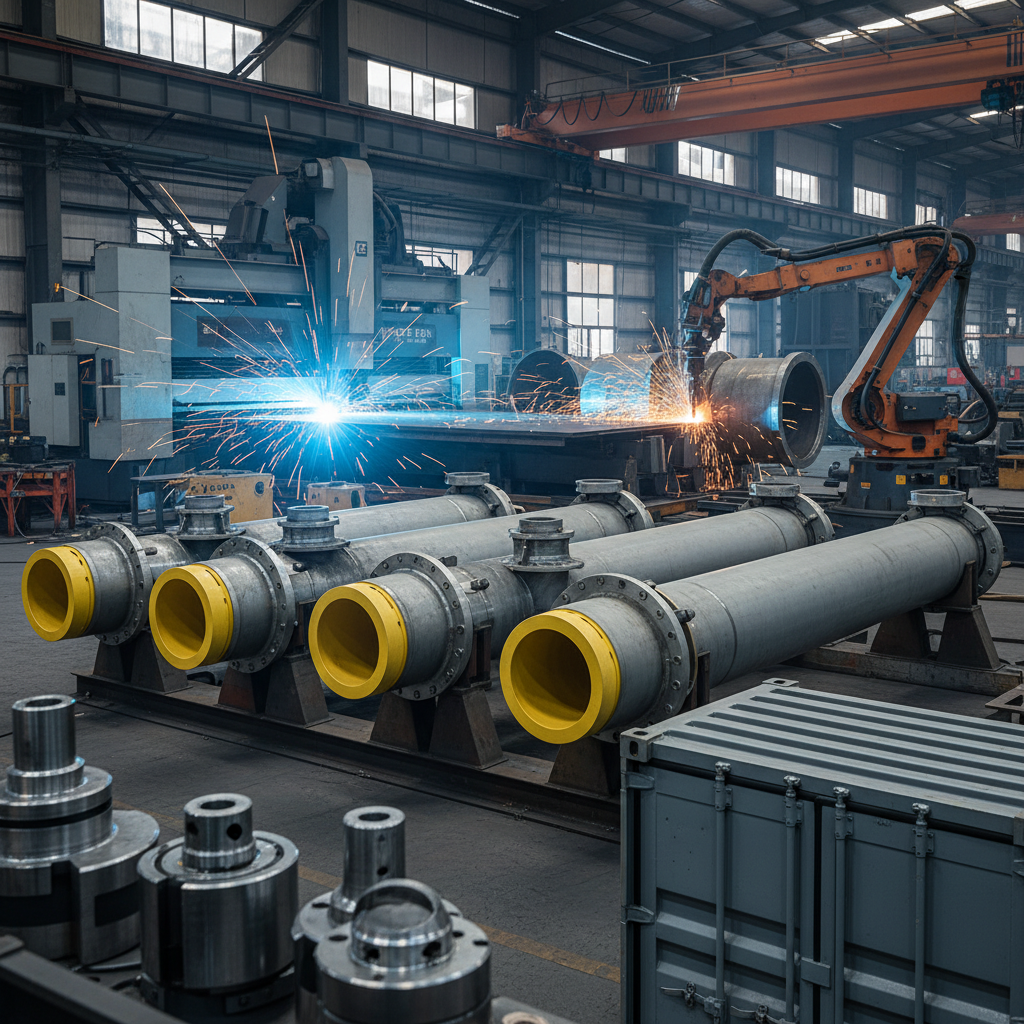
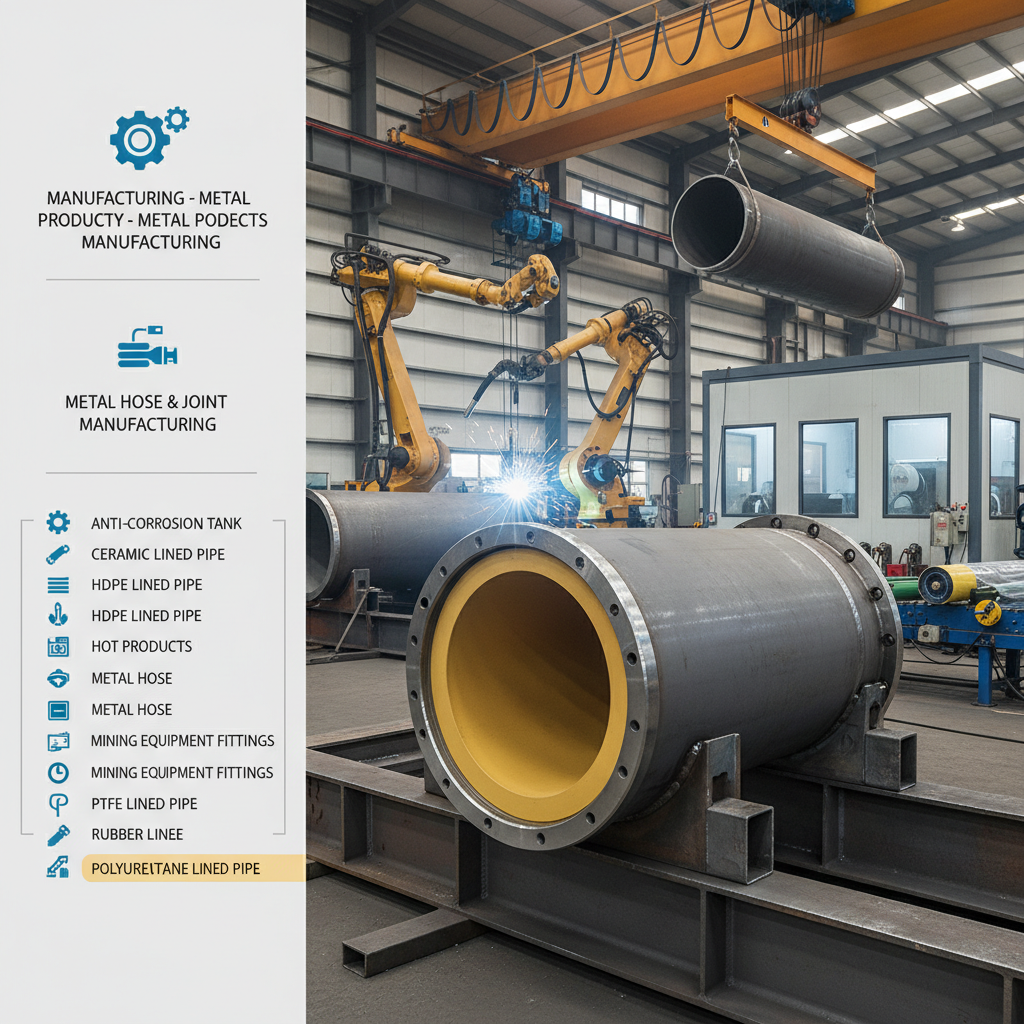
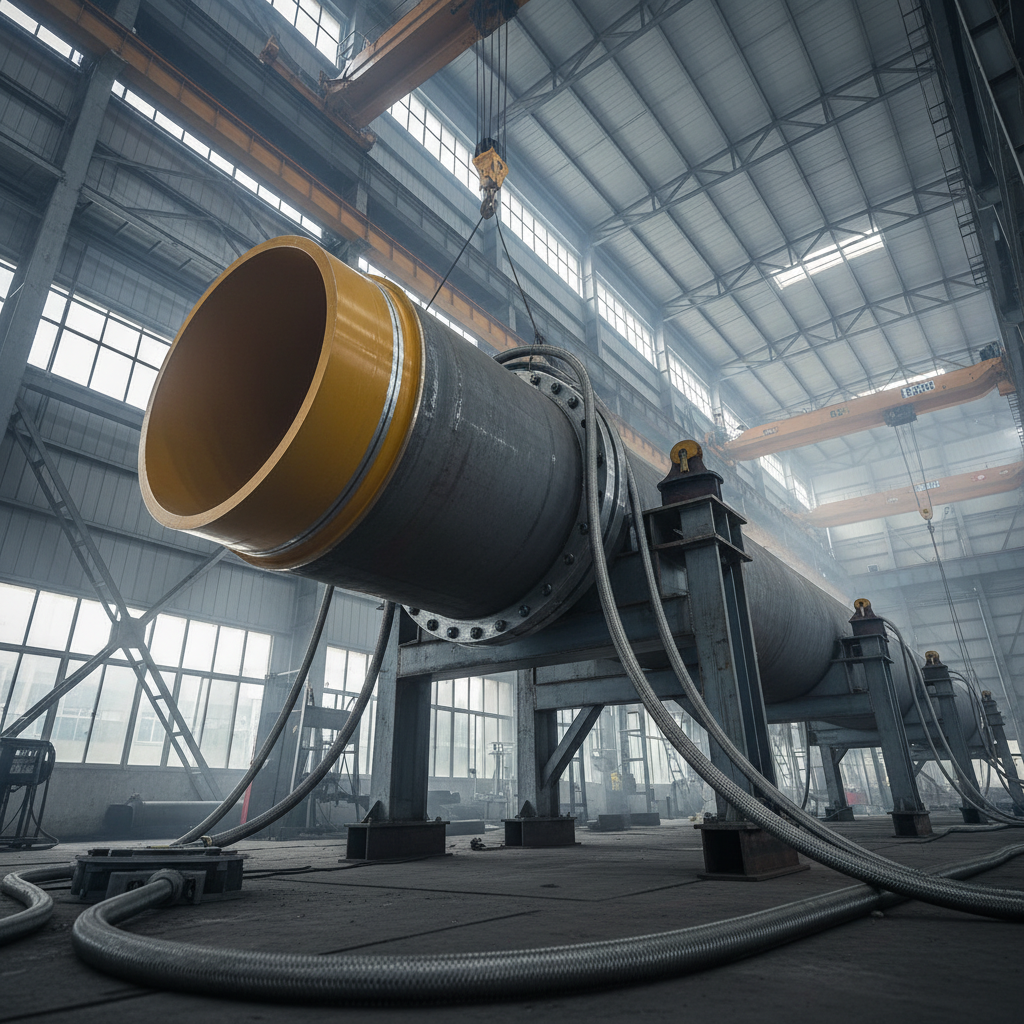
At its core, pu lined pipe for slurry transportation consists of a high-strength carbon steel outer shell bonded with an internal layer of premium polyurethane. Unlike simple plastic pipes, this composite structure combines the structural integrity and pressure resistance of steel with the extreme wear resistance of PU, creating a conduit capable of handling high-velocity, abrasive flows without compromising the wall thickness of the main pipe.
In simpler terms, think of it as a "protective armor" for the pipe's interior. While the steel prevents the pipe from bursting under pressure, the PU lining prevents the slurry—which can act like liquid sandpaper—from eating through the metal. This synergy is vital for modern industry, where transporting slurry is essential for everything from wastewater treatment to the production of specialty metals.
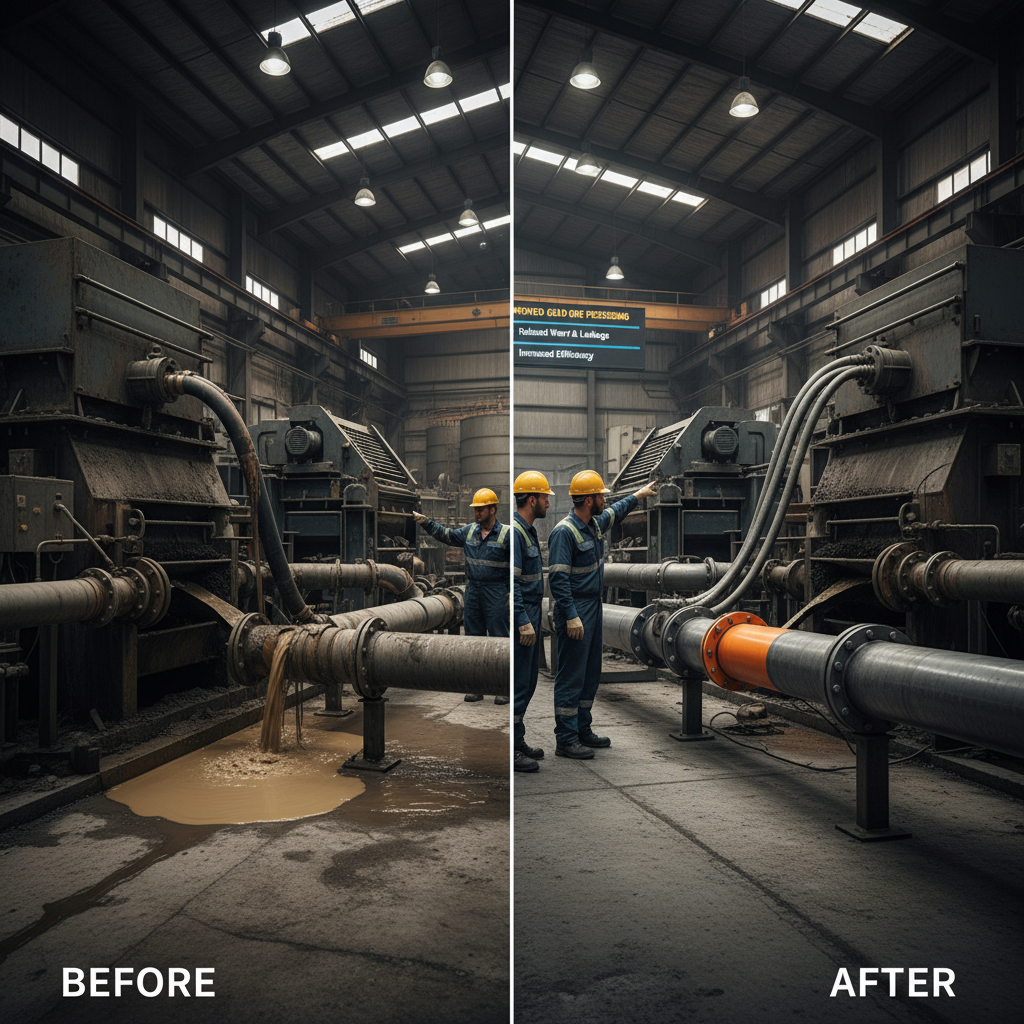
This technology addresses a critical humanitarian and industrial need: the prevention of leaks. In many mining environments, slurry leaks can lead to catastrophic soil contamination. By utilizing pu lined pipe for slurry transportation, operators ensure a leak-proof system that protects the surrounding ecosystem and maintains the dignity of local communities by preventing environmental degradation.
Core Components and Material Properties
The effectiveness of pu lined pipe for slurry transportation relies on the chemistry of the polyurethane elastomer. High-grade PU is engineered to have a high molecular weight, which allows it to "bounce back" after being struck by a hard particle. This elasticity prevents the surface from cracking or pitting, which is a common failure point in ceramic or hard-metal linings.
Beyond abrasion resistance, the bonding process is a core component. A specialized adhesive or thermal bonding technique is used to ensure that the pu lined pipe for slurry transportation does not suffer from "delamination"—where the liner peels away from the steel shell. This tight bond is what allows the pipe to maintain a smooth internal bore, reducing friction and energy consumption for the pumps.
Another key factor is the versatility of the PU hardness, typically measured in Shore A or Shore D. Depending on the slurry's composition, engineers can specify a softer, more resilient liner for high-impact particles or a harder liner for fine-particle sliding abrasion. This customization ensures that the pu lined pipe for slurry transportation is perfectly matched to the specific geology of the material being moved.
Performance Metrics and Cost Efficiency
When evaluating the ROI of pu lined pipe for slurry transportation, one must look beyond the initial purchase price. While PU lining may have a higher upfront cost than uncoated steel, the reduction in "Mean Time Between Failures" (MTBF) creates massive savings. Fewer replacements mean fewer labor hours and, more importantly, fewer hours of lost production.
Furthermore, the low friction coefficient of polyurethane helps in maintaining the velocity of the slurry. This reduces the power requirements of the pumping stations, leading to lower electricity costs and a smaller carbon footprint for the entire facility.
Efficiency Comparison of Piping Materials for Slurry Transport
Global Applications and Real-World Use Cases
In practice, pu lined pipe for slurry transportation is utilized across a spectrum of extreme environments. In the dredging industry, where sand and silt are pumped from seabed floors, PU lining prevents the rapid wall thinning that typically plagues steel pipes. These systems are deployed from the coastal regions of the Netherlands to the massive land reclamation projects in Southeast Asia.
Another critical application is found in remote industrial zones, such as the copper mines of the Andes. In these high-altitude, harsh-climate locations, the reliability of the pu lined pipe for slurry transportation reduces the need for frequent, expensive logistics to transport replacement parts, ensuring that the supply chain remains uninterrupted despite the geographical challenges.
Long-Term Value and Sustainability Gains
The long-term value of investing in pu lined pipe for slurry transportation extends into the realm of environmental stewardship. By significantly extending the lifespan of the piping infrastructure, companies reduce the amount of scrap steel and waste materials entering landfills. This aligns with the global push toward a circular economy in the manufacturing sector.
From a safety perspective, the reliability of polyurethane linings provides peace of mind to plant operators. The reduction in unplanned leaks means fewer emergency repairs in hazardous areas, protecting workers from exposure to potentially toxic slurries. This creates a culture of trust and safety within the workforce.
Ultimately, the innovation inherent in pu lined pipe for slurry transportation represents a shift toward "intelligent" material selection. Rather than over-engineering with expensive, brittle materials, the industry is embracing the flexibility and toughness of polymers to achieve sustainable, long-term operational excellence.
Future Innovations in Slurry Transport Materials
As we look toward the future, the evolution of pu lined pipe for slurry transportation is being driven by nanotechnology. Researchers are currently experimenting with the integration of nano-ceramic particles into the polyurethane matrix. This "hybrid" approach aims to combine the extreme hardness of ceramics with the impact resistance of PU, potentially doubling the current lifespan of the lining.
Digital transformation is also playing a role. The integration of "smart" sensors within the pipe wall—positioned between the steel and the PU liner—will allow for real-time wear monitoring. This means operators can predict exactly when a section of pu lined pipe for slurry transportation is nearing its end of life, moving from reactive maintenance to a purely predictive model.
Furthermore, the drive toward green energy is prompting the development of bio-based polyurethanes. By replacing petroleum-derived precursors with sustainable plant-based alternatives, the next generation of pu lined pipe for slurry transportation will not only be a triumph of engineering but also a victory for environmental sustainability.
Technical Comparison of PU Lining Specifications for Slurry Transport
| Lining Grade |
Abrasion Resistance |
Impact Toughness |
Typical Application |
| Standard PU |
7/10 |
8/10 |
General Tailings |
| High-Hardness PU |
9/10 |
6/10 |
Fine Silica Sand |
| Elastic PU |
6/10 |
10/10 |
Coarse Ore Slurry |
| Chemical-Resist PU |
8/10 |
7/10 |
Acidic Mining Waste |
| Composite Hybrid |
10/10 |
9/10 |
High-Pressure Dredging |
| Bio-Polyurethane |
7/10 |
7/10 |
Eco-Friendly Plants |
FAQS
Polyurethane typically offers far superior abrasion resistance and higher tear strength than traditional rubber. While rubber is excellent for corrosion, PU's ability to withstand the mechanical "scrubbing" action of slurry particles makes it much more durable in high-velocity transport systems, resulting in a longer service life and fewer replacements.
Yes, because the structural load is carried by the outer steel shell, the pressure rating is determined by the steel grade and wall thickness. The PU liner provides the wear protection. This combination allows the pipe to handle extreme pressures that would cause pure plastic or HDPE pipes to fail or deform.
Depending on the slurry concentration and particle size, a high-quality PU lined pipe can last 3 to 5 times longer than uncoated steel. In optimized systems, these pipes can operate for several years before the liner needs inspection, significantly reducing the frequency of costly maintenance shutdowns.
While the primary liner is bonded during manufacturing, localized wear can sometimes be repaired using specialized PU patching kits or cold-spray polyurethane applications. However, for critical high-pressure sections, replacing the damaged segment is recommended to ensure the integrity of the bond between the liner and the steel.
Polyurethane is generally stable within a wide temperature range. However, extremely high temperatures (typically above 80-100°C) can cause the polymer to soften. For ultra-high temperature slurries, specialized heat-stabilized PU grades or alternative linings like ceramic are recommended to prevent thermal degradation.
The choice depends on the nature of the abrasion. For "sliding abrasion" (fine particles moving fast), a harder PU is best. For "impact abrasion" (large chunks hitting the wall), a softer, more elastic PU is preferred as it absorbs the energy rather than cracking. Consulting with a materials engineer is recommended to match the Shore hardness to your specific slurry.
Conclusion
In summary, the implementation of pu lined pipe for slurry transportation represents a strategic convergence of material science and mechanical engineering. By combining the unmatched toughness of polyurethane with the structural strength of steel, industries can solve the age-old problem of abrasive wear, leading to higher operational efficiency, reduced environmental risk, and significantly lower long-term costs.
As the global industry moves toward smarter, more sustainable infrastructure, the adoption of advanced lining technologies will be the differentiator between profitable operations and those plagued by maintenance crises. We encourage plant managers and engineers to evaluate their current piping failures and transition to PU-lined solutions to ensure a resilient and future-proof transport system. Visit our website for professional guidance: www.qwmetal.com