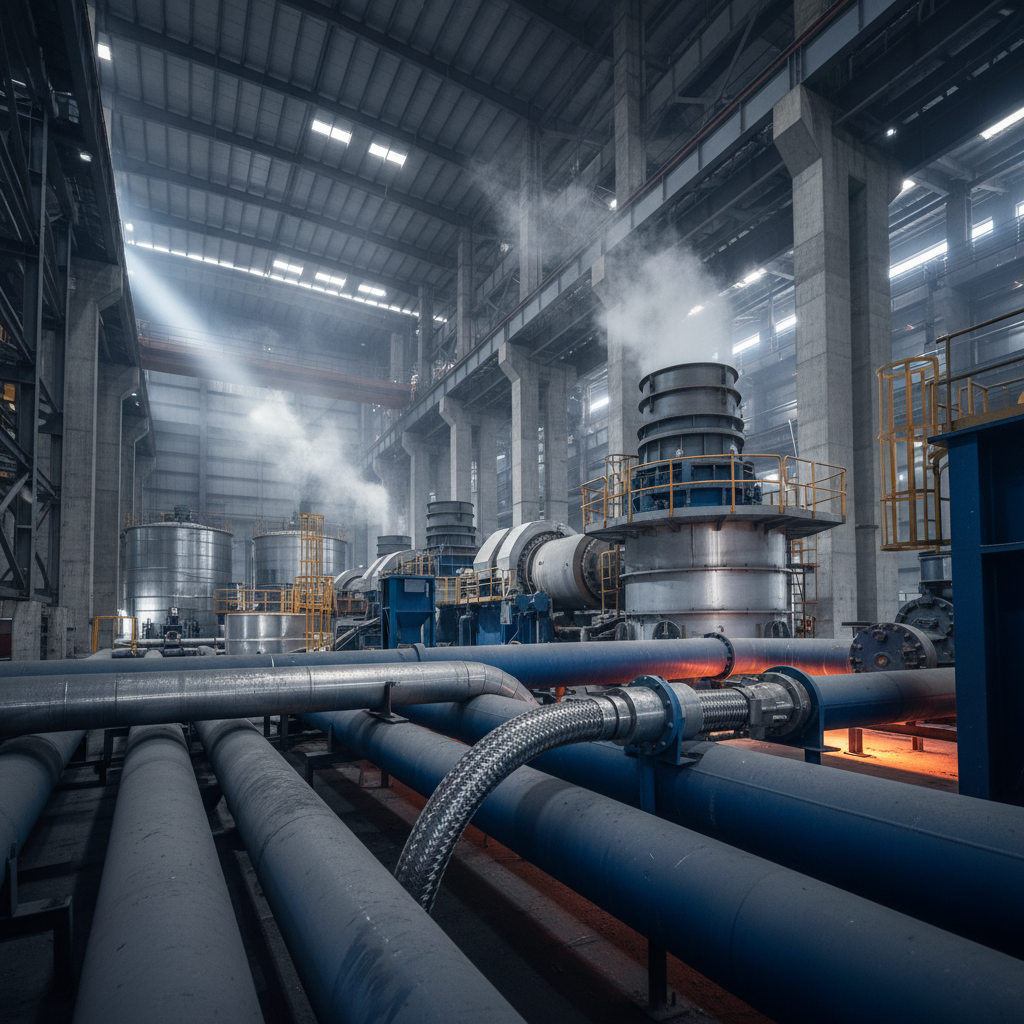
In the demanding landscape of modern industrial fluid transport, the emergence of pu lined steel pipe has revolutionized how engineers approach the challenge of abrasive and corrosive media. By combining the structural integrity of carbon steel with the exceptional wear resistance of polyurethane, these composite piping solutions provide a critical shield for infrastructure in the most punishing environments.
Understanding the mechanics of polyurethane lining is essential for any operation dealing with slurry, chemicals, or high-velocity particulates. Unlike traditional steel pipes that succumb to erosion over time, a pu lined steel pipe creates a smooth, resilient inner barrier that significantly extends the service life of the system while reducing maintenance overhead.
Globally, the shift toward high-performance lining materials reflects a broader industry trend toward sustainability and operational efficiency. By investing in pu lined steel pipe, companies not only protect their capital assets but also minimize the risk of catastrophic leaks and environmental contamination, ensuring a safer and more reliable production cycle.
Global Industry Context of PU Lined Steel Pipe
On a global scale, the demand for high-durability piping has surged alongside the expansion of the mining and petrochemical sectors. International standards, such as those set by ISO and ASTM, have increasingly highlighted the need for composite materials that can withstand extreme abrasion. The pu lined steel pipe has become a cornerstone in these industries, addressing the critical problem of "pipe wall thinning" which often leads to costly unplanned shutdowns.
Current industrial data suggests that abrasion-related failures account for a significant percentage of downtime in slurry transport systems. By implementing polyurethane lining, operators can transition from a reactive maintenance model to a proactive one, leveraging the material's elasticity to absorb the impact of heavy particulates that would otherwise shatter ceramic or erode bare steel.
Definition and Technical Meaning
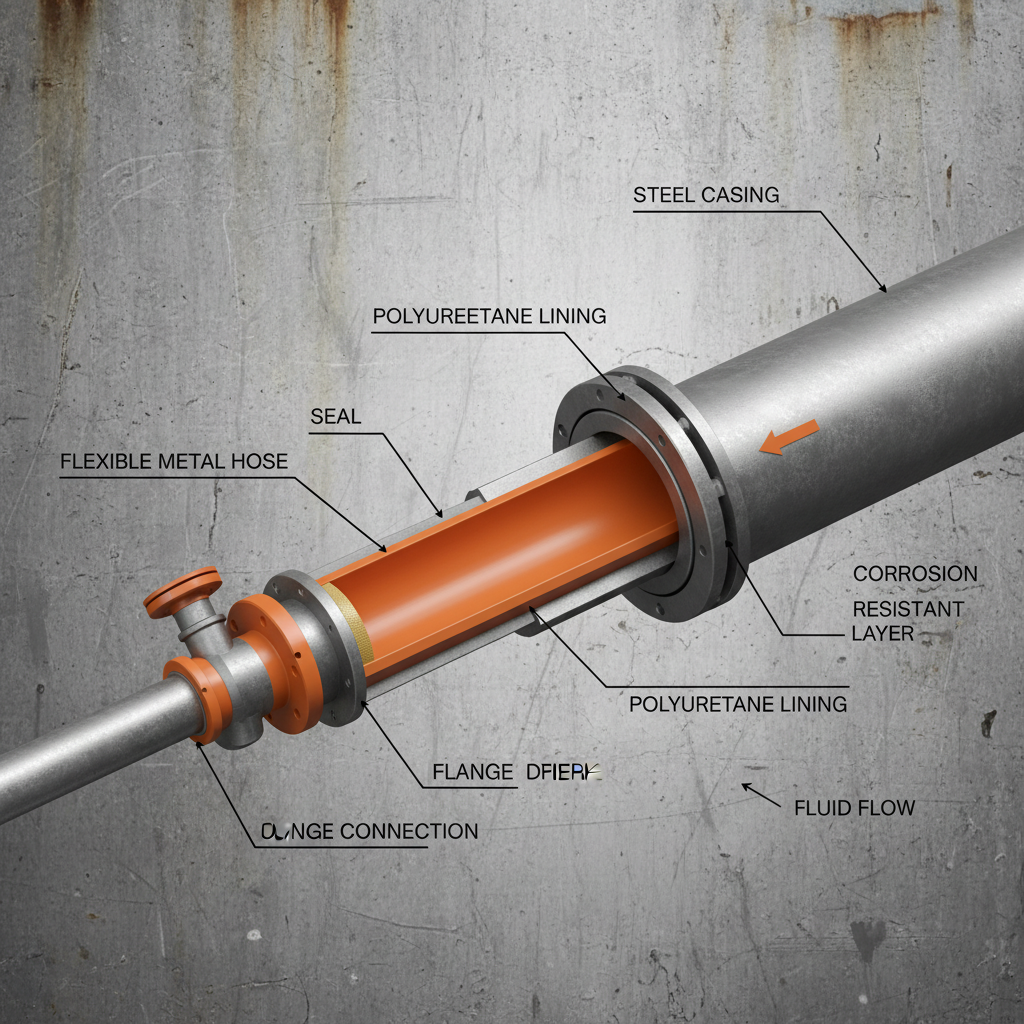
A pu lined steel pipe is a high-performance hybrid piping system consisting of a heavy-duty outer steel shell and an inner lining of extruded or cast polyurethane (PU). The steel provides the necessary mechanical strength and pressure resistance to withstand external loads and high internal pressures, while the polyurethane layer acts as a sacrificial and protective barrier against abrasion, corrosion, and chemical attack.
From a technical standpoint, the "magic" of the polyurethane layer lies in its molecular structure, which allows it to deform under impact and then return to its original shape. This property, known as resilience, is what separates a pu lined steel pipe from traditional rubber-lined alternatives, providing superior tear strength and a lower coefficient of friction for smoother fluid flow.
In the context of modern humanitarian and industrial needs, this technology is vital for transporting tailings in mining or wastewater in urban infrastructure. It ensures that toxic materials are contained securely, preventing soil contamination and protecting groundwater, thereby aligning industrial productivity with environmental stewardship.
Key Factors of PU Lined Steel Pipe Performance
The first critical factor is Abrasion Resistance. A high-quality pu lined steel pipe can outperform carbon steel by a factor of ten in slurry applications. This is due to the polymer's ability to resist cutting and gouging from hard mineral particles, ensuring the inner diameter remains constant over years of operation.
Secondly, Bonding Strength is paramount. The adhesion between the polyurethane and the steel substrate determines the pipe's reliability. Advanced bonding techniques ensure that the pu lined steel pipe does not suffer from delamination or "blistering," even when subjected to vacuum conditions or rapid pressure fluctuations.
Finally, Chemical Compatibility allows these pipes to handle a variety of media. While not universal, polyurethane is highly resistant to many oils, greases, and dilute acids. This versatility makes the pu lined steel pipe an ideal choice for integrated chemical processing plants where different fluids are transported through shared corridors.
Global Applications and Use Cases
The real-world application of pu lined steel pipe is most evident in the heavy mining regions of Australia, Canada, and Brazil. In these zones, the transport of iron ore, copper, and gold tailings requires piping that can endure 24/7 abrasive flow. The use of PU lining reduces the frequency of pipe replacements, which is critical in remote locations where logistics and labor costs for repairs are exorbitant.
Beyond mining, these pipes are increasingly found in dredging operations and desalination plants. For instance, in coastal restoration projects, pu lined steel pipe is used to transport sand and silt over long distances. The low-friction surface reduces the pumping energy required, directly lowering the carbon footprint of the operation.
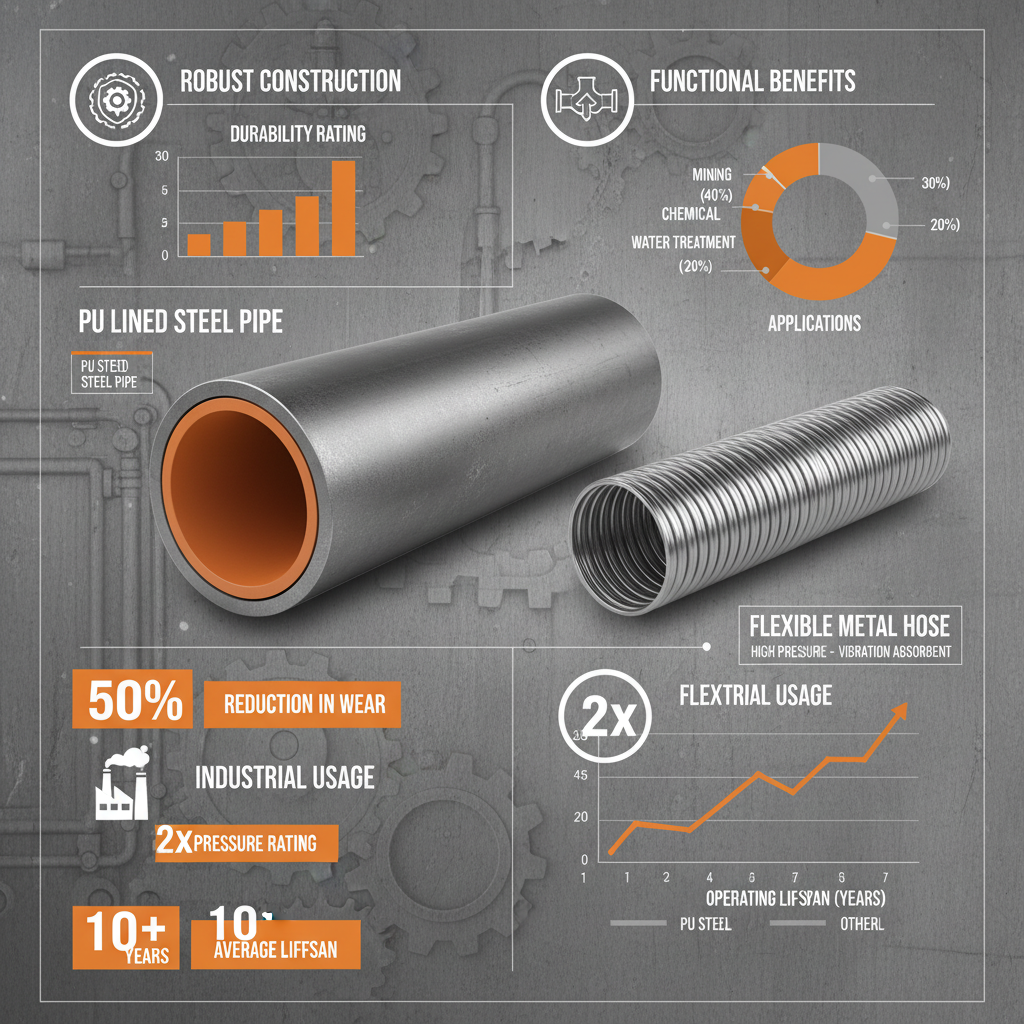
Performance Comparison of Piping Materials
Long-Term Value and Advantages
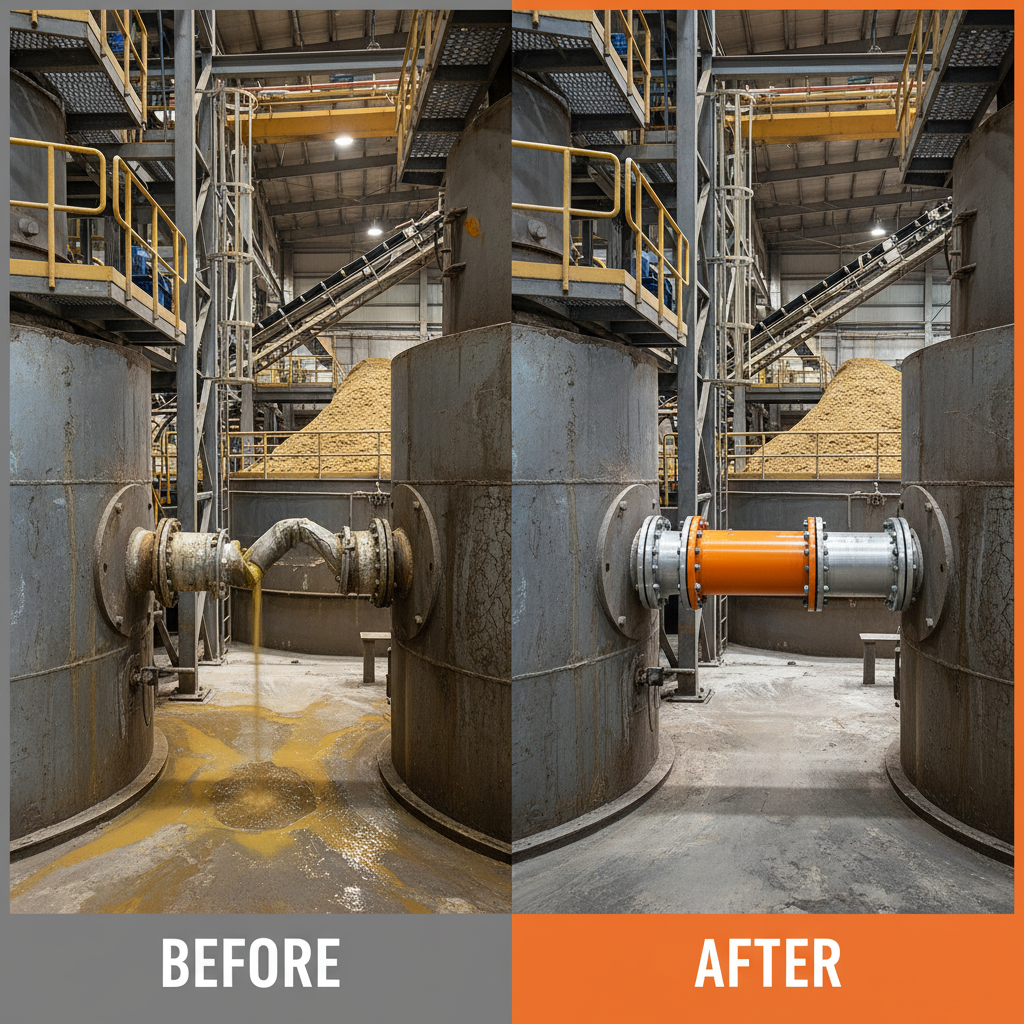
The long-term value of adopting a pu lined steel pipe is measured not just in the lifespan of the material, but in the reduction of Total Cost of Ownership (TCO). While the initial investment may be higher than bare steel, the elimination of frequent patching and the reduction in downtime provide a rapid return on investment. This logical economic shift is coupled with a safety advantage: fewer leaks mean fewer hazardous spills and a safer working environment for personnel.
Furthermore, the sustainability angle cannot be overlooked. By extending the life of the steel infrastructure, we reduce the amount of raw steel that must be smelted and transported globally. The pu lined steel pipe thus represents a convergence of innovation and responsibility, offering a reliable solution that protects both the profit margin of the operator and the health of the planet.
Future Trends in Lining Technology
Looking forward, the evolution of the pu lined steel pipe is moving toward "smart linings." Researchers are experimenting with the integration of conductive polymers or fiber-optic sensors within the polyurethane layer. This would allow operators to monitor wear and tear in real-time, receiving alerts before a breach occurs, effectively moving toward a "zero-failure" infrastructure.
Additionally, the rise of green chemistry is introducing bio-based polyurethanes. These new materials aim to maintain the same rigorous performance standards of the pu lined steel pipe while reducing the reliance on petroleum-derived precursors. This shift is expected to accelerate as global carbon taxes and environmental regulations become more stringent.
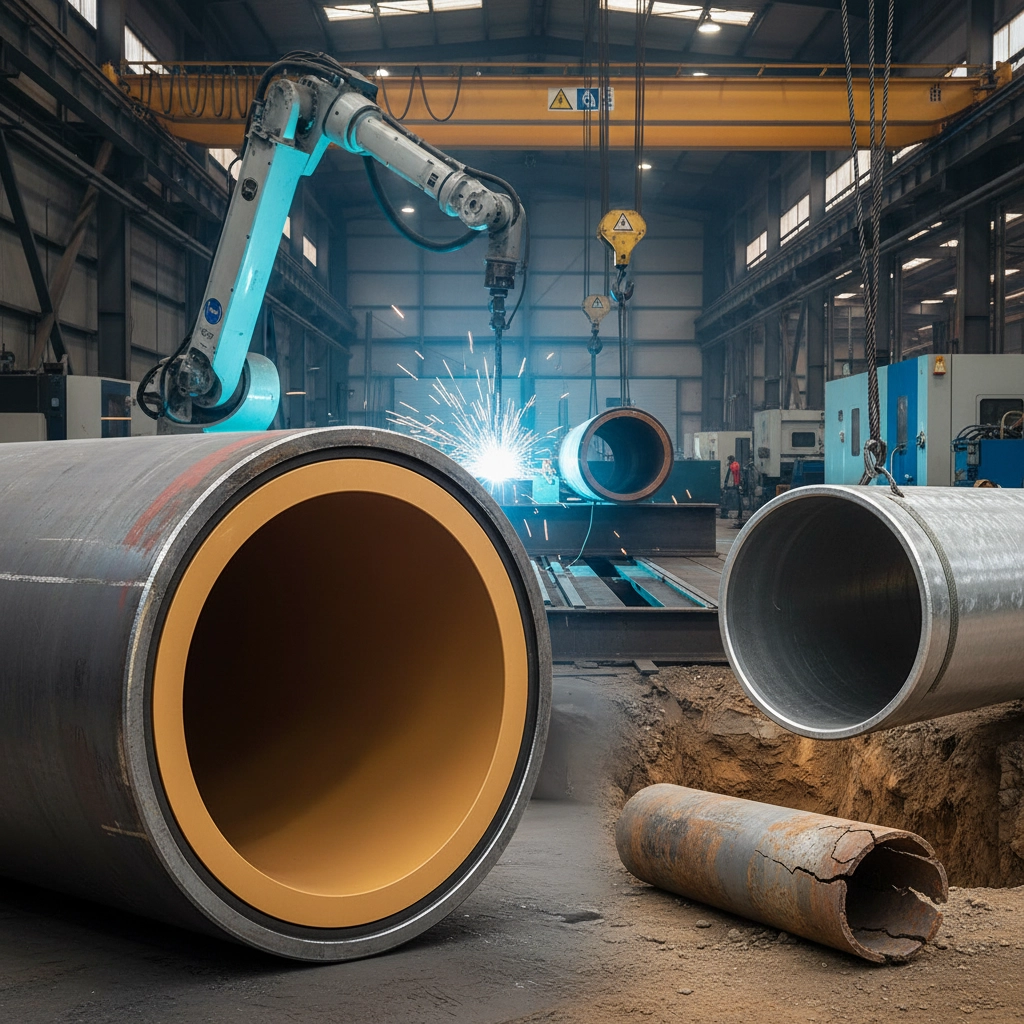
Automation in the manufacturing process is also playing a role. Advanced robotic spraying and precision extrusion are ensuring that the lining thickness is perfectly uniform, eliminating the weak points that were common in manual application processes. This precision ensures that every meter of pu lined steel pipe performs exactly as designed.
Common Challenges and Engineering Solutions
Despite its benefits, the implementation of pu lined steel pipe is not without challenges. One common issue is thermal limitation; polyurethane can degrade at extremely high temperatures. To solve this, engineers are developing modified PU blends with higher thermal stability or recommending hybrid lining systems for high-heat applications.
Another challenge is the precision required during field jointing. If the joints are not sealed perfectly, the media can penetrate the gap and cause "under-lining corrosion" of the steel shell. The solution lies in the use of specialized PU welding kits and strict quality control protocols that include spark testing and vacuum testing of every joint.
Lastly, the selection of the correct hardness (Shore A vs. Shore D) is often a point of confusion. A pu lined steel pipe with a lining that is too hard may crack under impact, while one that is too soft may wear away too quickly. The expert solution is a detailed analysis of the media's particle size and velocity to customize the polyurethane formulation for the specific application.
Comparative Analysis of PU Lining Specifications
| Lining Grade |
Abrasion Resistance |
Flexibility Score |
Ideal Media |
| Soft PU (Shore 80A) |
Medium |
High (9/10) |
Fine Slurries |
| Standard PU (Shore 95A) |
High |
Medium (7/10) |
General Mining Tailings |
| Hard PU (Shore 70D) |
Very High |
Low (4/10) |
Coarse Aggregates |
| Oil-Resistant PU |
High |
Medium (6/10) |
Chemical Sludge |
| High-Temp PU |
Medium |
Medium (5/10) |
Hot Process Water |
| Ultra-HD PU |
Extreme |
Low (3/10) |
High-Velocity Sand |
FAQS
PU lined steel pipe offers significantly higher abrasion resistance and tear strength compared to rubber. While rubber is excellent for corrosion, PU's superior hardness and resilience make it far more durable in environments where hard particles are transported at high speeds, leading to a longer replacement cycle.
Depending on the velocity of the slurry and the hardness of the particles, a high-quality PU lined steel pipe can last 3 to 7 times longer than an unlined steel pipe. With proper installation and material selection, many operations see lifespans extending several years without needing major internal repairs.
While polyurethane is highly versatile, it is not compatible with all chemicals. It performs exceptionally well with oils and dilute acids but may struggle with strong oxidizing agents or certain concentrated solvents. We recommend a compatibility check based on your specific chemical composition before installation.
Yes, because the structural load is carried by the outer steel shell, these pipes can handle very high internal pressures. The PU lining does not contribute to the pressure rating but ensures that the steel remains protected from internal wear, which prevents pressure-related failures caused by wall thinning.
Wear can be monitored using ultrasonic thickness gauges or by installing sacrificial "wear coupons" at high-turbulence points. Modern industrial setups are also beginning to use smart sensors embedded in the lining to provide real-time data on the remaining thickness of the polyurethane layer.
Joining typically involves specialized PU welding or adhesive bonding of the inner lining, combined with traditional steel welding for the outer shell. It is critical that the inner lining is seamlessly integrated to prevent the "edge effect," where media can seep behind the liner and cause corrosion.
Conclusion
In summary, the pu lined steel pipe stands as a pinnacle of industrial engineering, successfully merging the brute strength of steel with the sophisticated resilience of polyurethane. By addressing the dual threats of abrasion and corrosion, this composite solution ensures operational continuity, reduces environmental risks, and optimizes the total cost of ownership for heavy-duty transport systems across the globe.
As we move toward a future of smarter and greener industrialization, the continued refinement of lining technologies will be essential. For companies looking to upgrade their infrastructure, transitioning to a pu lined steel pipe is not merely a maintenance choice, but a strategic investment in reliability and sustainability. Visit our website: www.qwmetal.com to find the perfect lining solution for your specific operational needs.