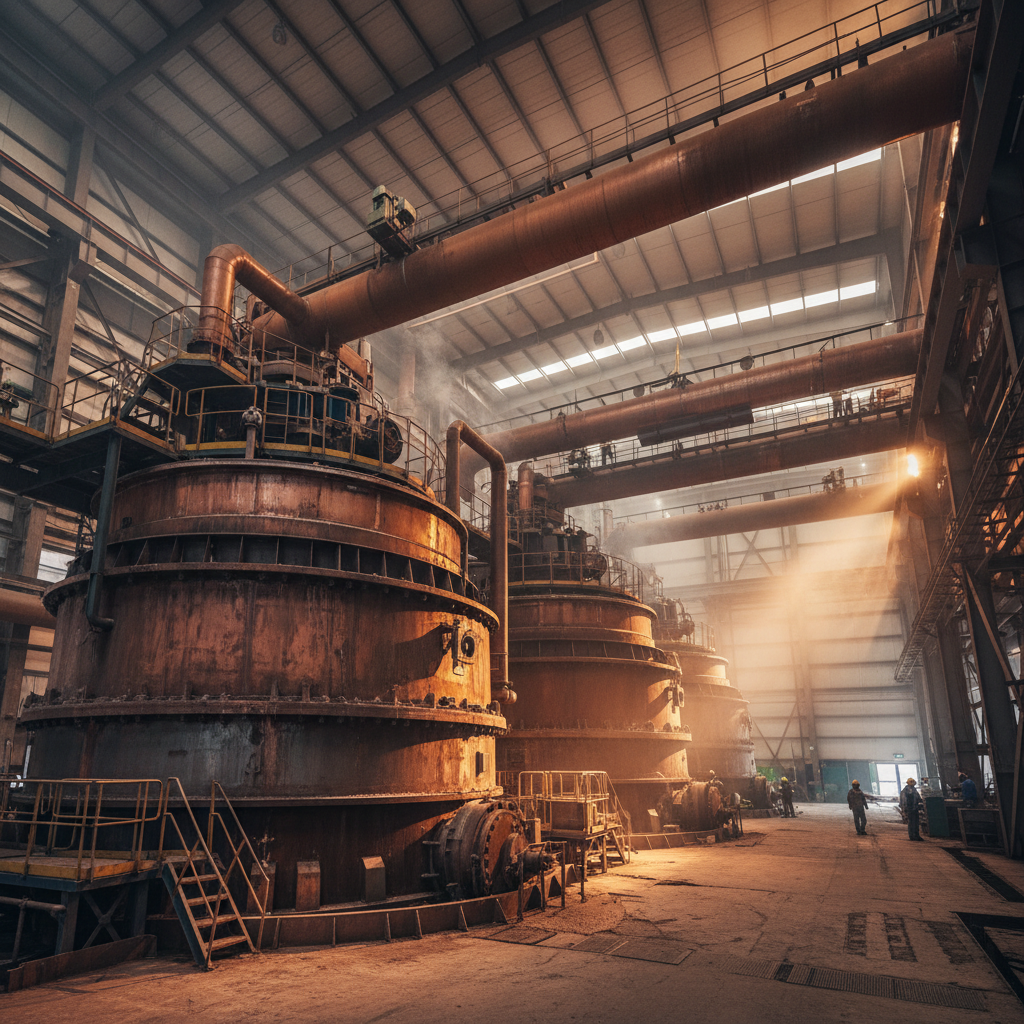
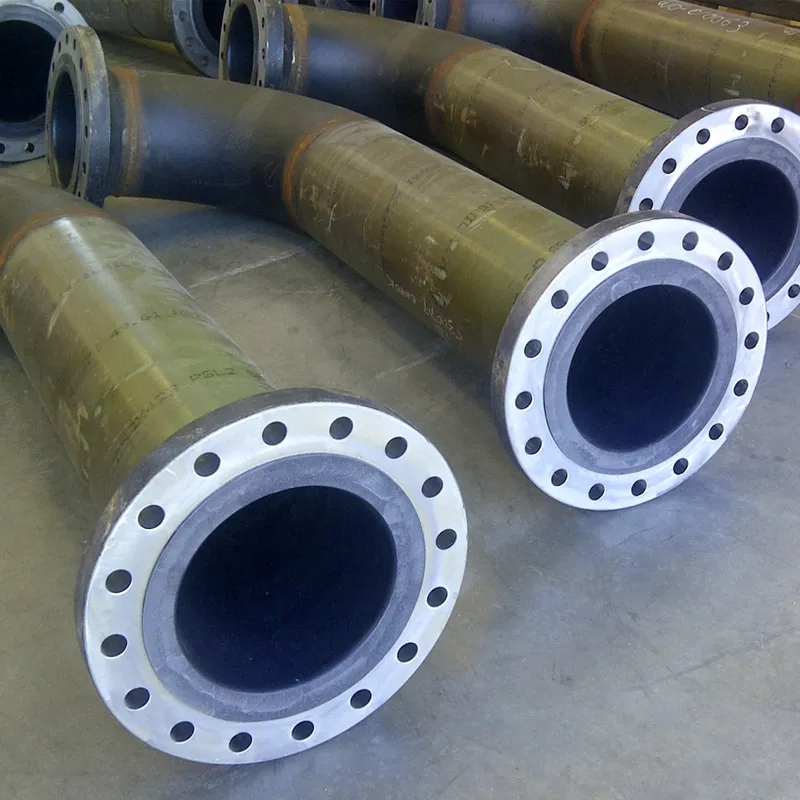
Lead extraction from ore is a cornerstone of modern manufacturing, driving the production of countless essential materials. Globally, efficient and sustainable ore processing is paramount, impacting industries ranging from construction and automotive to electronics and renewable energy. Understanding the intricacies of lead extraction isn’t simply about accessing a raw material; it's about responsible resource management and technological advancement.
The demand for lead, and thus the importance of its extraction, continues to rise alongside global infrastructure development and the need for energy storage solutions. However, traditional extraction methods often pose environmental challenges. Innovative approaches focusing on minimizing waste, reducing energy consumption, and maximizing recovery rates are crucial for a sustainable future.
This process underpins critical supply chains, providing essential components for batteries, radiation shielding, and numerous specialized alloys. Effective lead extraction from ore isn't just a technical problem; it’s an economic, environmental, and societal imperative, influencing global trade and technological progress.
The Significance of Lead Extraction from Ore
Lead extraction from ore is fundamentally important for supplying a material critical to numerous industrial applications. The process directly supports industries building robust infrastructure and advancing technological innovation. The efficiency and sustainability of this extraction directly impacts global economic stability and environmental health.
Understanding lead extraction from ore enables optimized resource utilization and promotes the development of environmentally conscious practices. Addressing the challenges associated with traditional extraction methods—such as waste generation and energy consumption—is crucial for ensuring long-term sustainability and reducing the environmental footprint of lead production.
Defining Lead Extraction from Ore
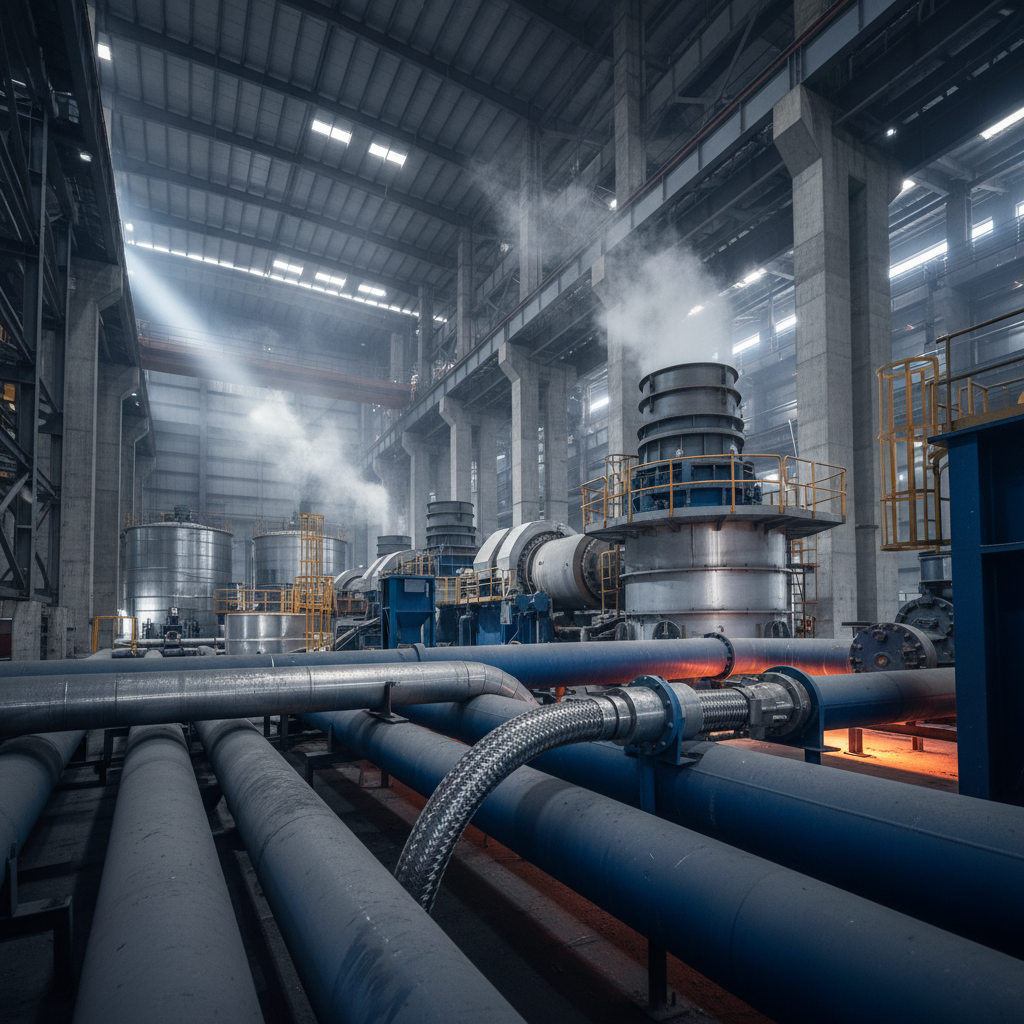
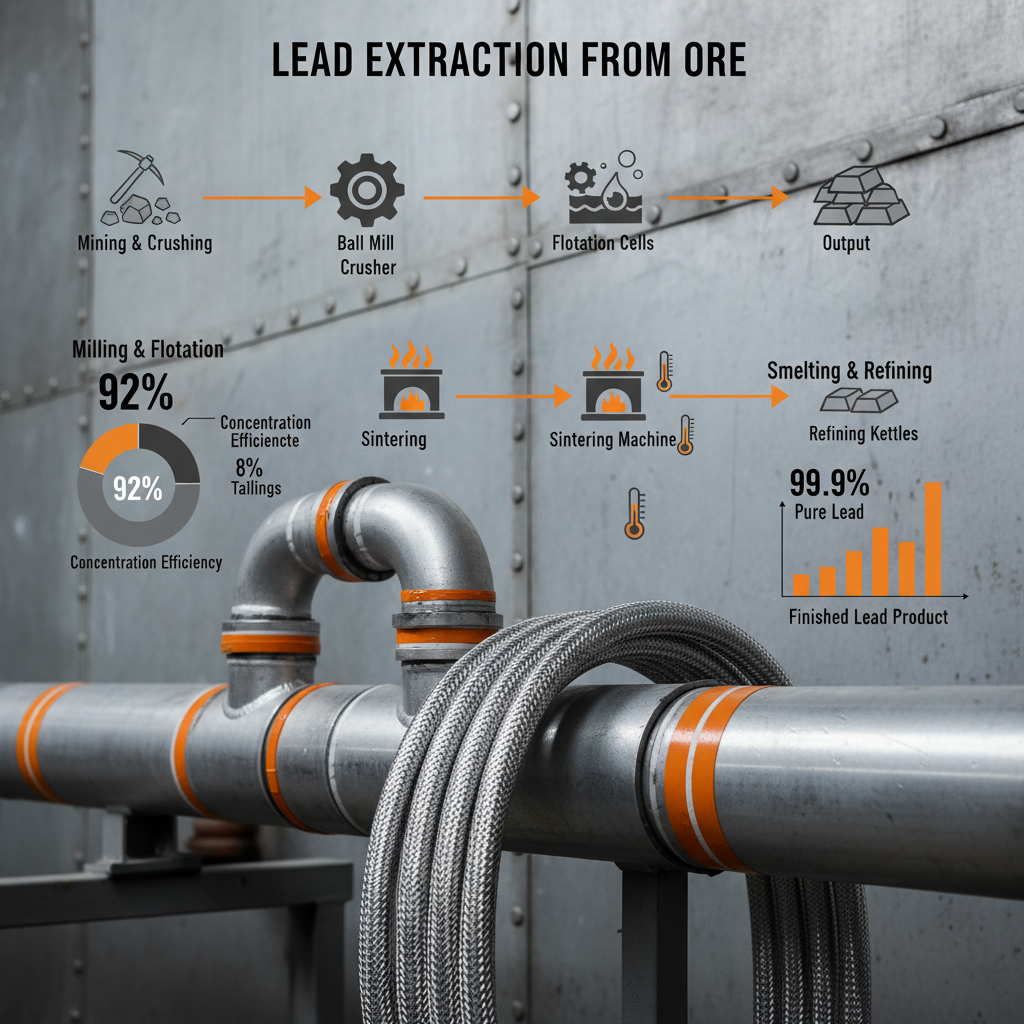
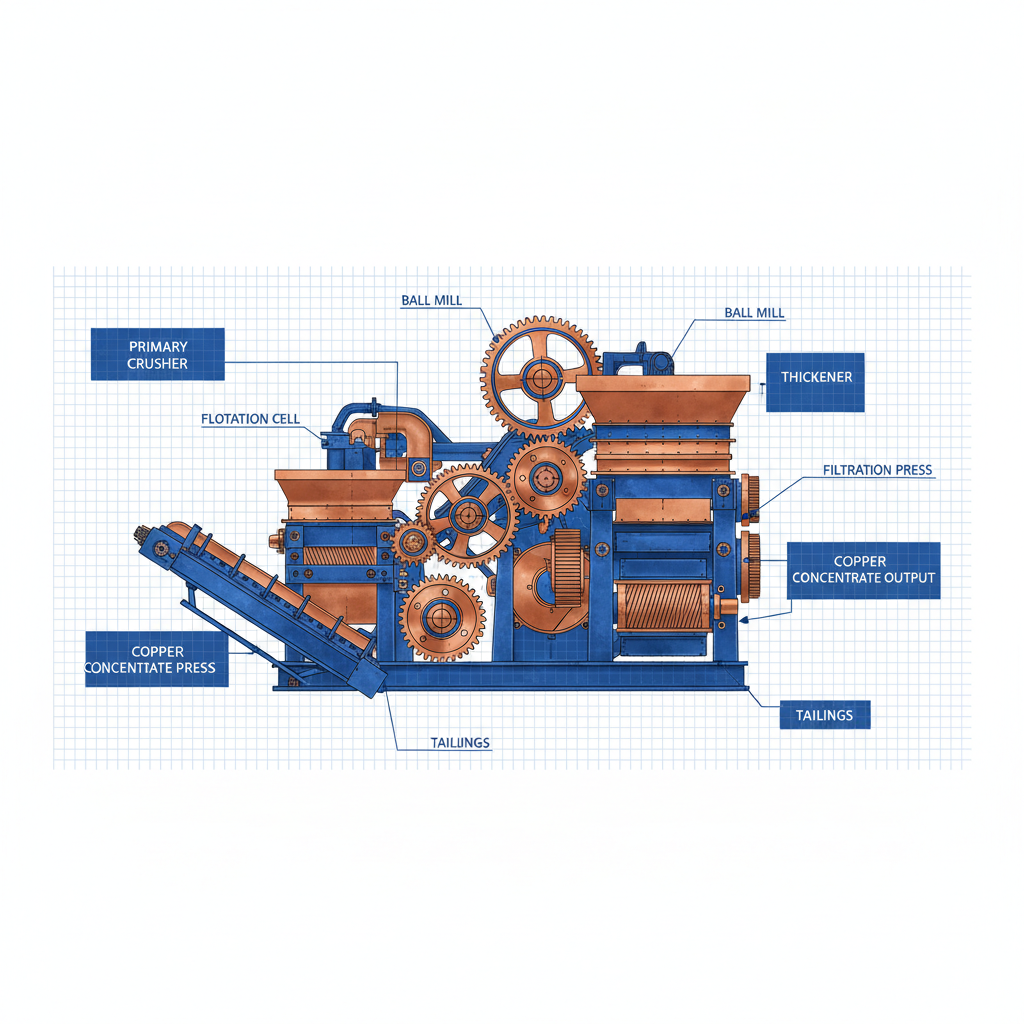
Lead extraction from ore encompasses the processes used to separate lead compounds from their naturally occurring mineral sources. This usually involves a multi-stage process including crushing, grinding, concentration (often through flotation), and smelting to produce metallic lead. The specific techniques employed vary depending on the type of ore and its mineral composition.
Historically, lead extraction has been crucial for the development of metallurgy and has enabled the widespread use of lead in countless applications. Today, lead continues to be vital, especially in the manufacture of lead-acid batteries, which are essential for automotive and energy storage systems.
The connection to modern industry lies in lead’s unique properties – its density, malleability, corrosion resistance, and ability to shield against radiation. These characteristics make it irreplaceable in certain applications, driving the ongoing demand for efficient and responsible lead extraction from ore.
Core Components of Efficient Lead Extraction
Efficient lead extraction relies on several core components working in harmony. The first is detailed geological surveying to identify and characterize ore deposits accurately. Understanding the ore’s composition dictates the most effective extraction methods. Secondly, effective comminution—the process of crushing and grinding the ore—is essential to liberate the lead minerals.
Further, concentration techniques, primarily froth flotation, are vital for separating the lead minerals from the waste rock (gangue). Finally, smelting and refining processes are crucial for converting the concentrated lead compounds into high-purity metallic lead. Optimizing each of these components is key to maximizing yield and minimizing environmental impact.
The selection of appropriate reagents in flotation, control of smelting temperatures, and efficient refining processes are all vital for economical and environmentally sound lead extraction. Advanced technologies, such as automated process control and real-time monitoring, can significantly improve efficiency and reduce waste generation.
Modern lead extraction also places increased emphasis on waste management. Effective tailings management, including the safe storage and potential reprocessing of waste materials, is crucial for minimizing environmental risks and ensuring responsible resource utilization. Implementing closed-loop systems, where water and reagents are recycled, further enhances sustainability.
Key Factors in Lead Extraction Processes
Durability of equipment is a primary factor; lead ore processing can be extremely abrasive, requiring robust machinery built to withstand continuous operation. Scalability is equally important, allowing operations to adapt to fluctuating ore grades and production demands. Cost efficiency, achieved through optimized processes and minimized waste, directly impacts profitability.
Environmental compliance is non-negotiable, requiring adherence to stringent regulations regarding emissions, waste disposal, and water management. Safety is paramount, protecting workers from exposure to hazardous materials and ensuring a secure working environment. Finally, technological innovation plays a vital role in continually improving efficiency and sustainability.
Lead Extraction Efficiency by Method
Global Applications and Industries Relying on Lead Extraction
Lead extracted from ore has diverse applications across various sectors. The most significant is the lead-acid battery industry, powering vehicles, backup power systems, and energy storage solutions worldwide. Beyond batteries, lead is utilized in radiation shielding—protecting workers in medical and industrial settings—and in the construction industry for roofing and waterproofing.
In remote industrial zones, the reliability and cost-effectiveness of lead-acid batteries make them an indispensable power source. Additionally, lead alloys find applications in soldering, ammunition, and specialized industrial components. The global reach of these applications underscores the critical importance of a stable and sustainable lead supply chain.
Countries with significant industrial infrastructure, such as China, the United States, and India, are major consumers of lead. Furthermore, emerging economies undergoing rapid infrastructure development are increasing their demand for lead, driving the need for responsible and efficient lead extraction practices globally.
Advantages of Advanced Lead Extraction Techniques
Advanced lead extraction techniques offer significant advantages over traditional methods. These include increased lead recovery rates, reducing resource waste and improving economic viability. Modern processes also minimize environmental impact through reduced emissions and improved waste management practices.
Furthermore, innovative technologies can lead to lower energy consumption and reduced operating costs. The implementation of automation and real-time monitoring systems improves process control, ensuring consistent product quality and enhanced safety.
Future Trends and Challenges in Lead Extraction
The future of lead extraction will be shaped by several key trends. A growing emphasis on sustainability will drive the development of eco-friendly extraction methods and innovative recycling technologies. Digital transformation, including the use of artificial intelligence and machine learning, will optimize processes and improve efficiency.
However, challenges remain. The declining grade of ore deposits necessitates the development of more effective extraction techniques. Strict environmental regulations and increasing public scrutiny require continuous improvement in waste management and emissions control. Additionally, the need to reduce energy consumption and minimize the carbon footprint of lead extraction is becoming increasingly urgent.
Exploring alternative extraction methods, such as bioleaching, and developing closed-loop systems for water and reagent recycling are promising avenues for addressing these challenges and ensuring a sustainable future for lead extraction from ore.
FAQS
The primary environmental concerns include the potential for soil and water contamination from heavy metals and acid mine drainage. Dust emissions during ore processing can also impact air quality. Responsible operators mitigate these risks through stringent waste management practices, water treatment systems, and air pollution control measures. Utilizing advanced technologies and closed-loop systems can further minimize the environmental footprint of lead extraction.
The grade of ore – the concentration of lead minerals – directly impacts the cost-effectiveness of extraction. Lower-grade ores require processing larger volumes of material to obtain the same amount of lead, increasing energy consumption, waste generation, and operational costs. Therefore, optimizing extraction techniques and developing methods for processing low-grade ores is crucial for maintaining economic viability.
Froth flotation is a concentration technique used to separate lead minerals from waste rock. It involves adding chemicals (reagents) to a slurry of ground ore, creating bubbles that selectively attach to the lead minerals, allowing them to float to the surface and be collected. It’s essential because it significantly increases the concentration of lead, making subsequent smelting and refining more efficient.
Tailings, the waste material remaining after lead extraction, are typically stored in specially designed tailings dams. These dams are engineered to prevent leakage and erosion. Increasingly, tailings are being reprocessed to recover residual lead or other valuable minerals. Furthermore, innovative tailings management techniques, such as dry stacking and co-disposal, are being implemented to minimize environmental impacts.
Technology is revolutionizing lead extraction through automation, real-time monitoring, and data analytics. AI-powered systems can optimize processes, reduce energy consumption, and improve lead recovery rates. Advanced sensors can detect and prevent leaks, minimizing environmental contamination. Digital twins allow for virtual modeling and optimization of extraction facilities, further enhancing sustainability.
Bioleaching, using microorganisms to dissolve lead from ore, offers a potentially more sustainable alternative to traditional methods. While still under development, bioleaching has the potential to reduce energy consumption, minimize chemical usage, and process low-grade ores that are uneconomical to extract using conventional techniques. Further research and development are needed to optimize bioleaching processes for large-scale commercial application.
Conclusion
Lead extraction from ore remains a fundamental process supporting a vast array of industries vital to modern society. The key to its long-term viability lies in a commitment to sustainable practices, technological innovation, and responsible resource management. Optimizing efficiency, minimizing environmental impact, and ensuring worker safety are paramount considerations.
Looking ahead, the integration of digital technologies, the development of eco-friendly extraction methods, and a proactive approach to waste management will be critical for ensuring a secure and sustainable supply of lead for future generations. We at QWMetal are dedicated to driving these advancements and providing cutting-edge solutions for efficient and responsible lead extraction. Visit our website at www.qwmetal.com to learn more.