The process of beneficiation of iron ore is crucial in modern metallurgy, transforming raw iron ore into a form suitable for steelmaking and other industrial applications. Globally, the demand for steel continues to rise, driven by infrastructure development in emerging economies and ongoing industrialization. However, the quality of naturally occurring iron ore varies significantly. Beneficiation techniques are therefore essential to upgrade lower-grade ores, making them economically viable and reducing reliance on high-grade deposits that are becoming increasingly scarce.
This process isn’t just about economic viability; it’s about resource efficiency. Without effective beneficiation, vast quantities of sub-optimal ore would remain untapped, leading to increased mining activity and associated environmental impacts. Efficient beneficiation of iron ore directly supports sustainable steel production, a critical component of a modern industrial society.
Understanding the principles and techniques involved in beneficiation of iron ore is vital for mining engineers, metallurgists, environmental scientists, and policymakers alike, ensuring responsible and efficient resource management.
Introduction to beneficiation of iron ore
Beneficiation of iron ore encompasses a range of processes designed to improve the iron content and remove unwanted impurities from raw ore. These impurities, such as silica, alumina, and phosphorus, hinder the steelmaking process and reduce the quality of the final product. The specific techniques employed depend heavily on the characteristics of the ore body itself – its mineralogy, particle size distribution, and the nature of the associated gangue minerals.
Successful beneficiation translates directly into lower production costs for steel manufacturers. By utilizing lower-grade ores that have been upgraded through beneficiation, they reduce their dependence on expensive, high-grade ores and minimize the energy required for smelting. This has a cascading effect, contributing to more affordable steel and supporting a wide range of downstream industries.
Defining beneficiation of iron ore
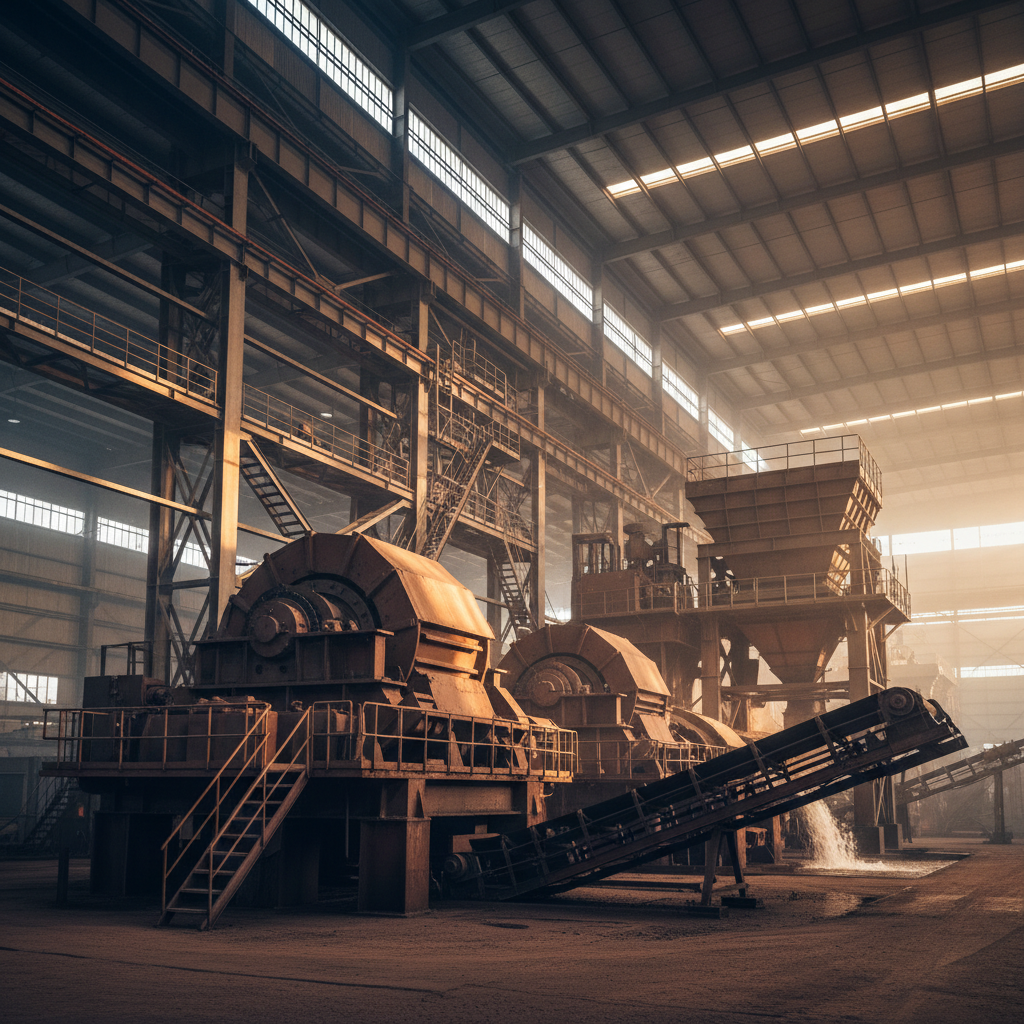
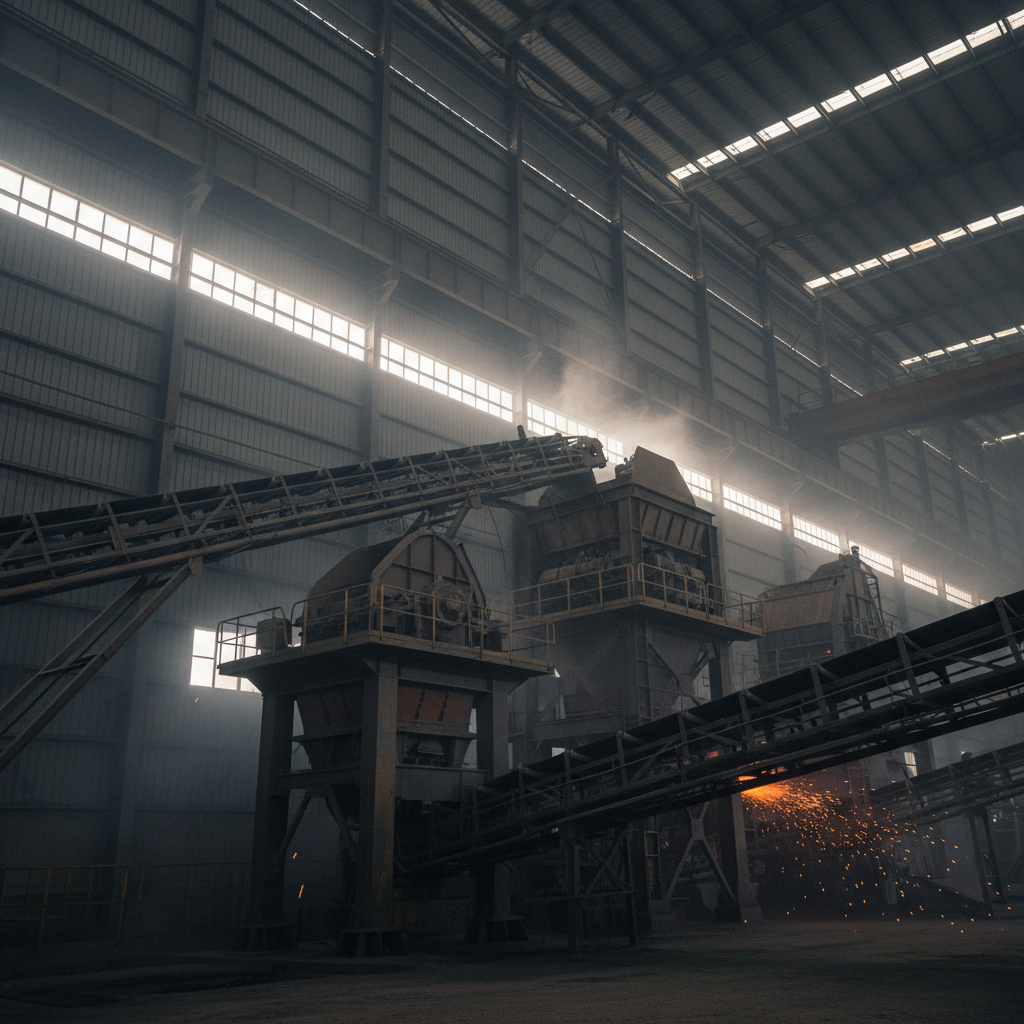
Simply put, beneficiation of iron ore is the process of upgrading the iron content of ore by removing the waste material, or gangue. This isn't merely physical separation; it often involves a combination of techniques, including crushing, grinding, screening, gravity separation, magnetic separation, and froth flotation. The goal is to produce a concentrate with a higher percentage of iron and lower levels of undesirable elements.
This process is intimately linked to the demands of modern industry. Steel, the backbone of modern infrastructure, relies on high-quality iron ore. As easily accessible, high-grade ores deplete, beneficiation becomes paramount to unlock the potential of lower-grade resources. Without it, the continued growth of construction, manufacturing, and transportation would be severely hampered.
Furthermore, beneficiation isn't just about satisfying industrial needs; it plays a role in responsible mining practices. By maximizing the value extracted from each ton of ore mined, beneficiation reduces the environmental footprint of mining operations and contributes to more sustainable resource utilization.
Core Components of beneficiation of iron ore
Mineral Liberation: The initial and arguably most crucial step. This involves breaking down the ore into individual mineral particles, ensuring that the iron-bearing minerals are separated from the gangue. This is typically achieved through crushing and grinding, with the optimal size determined by the specific ore characteristics. Efficient liberation sets the stage for effective separation in subsequent steps.
Separation Techniques: A diverse toolkit is employed, tailored to the ore’s composition. Gravity separation exploits differences in density, while magnetic separation focuses on the magnetic susceptibility of iron minerals. Froth flotation leverages differences in surface properties to selectively attach valuable minerals to air bubbles. Selecting the appropriate technique, or combination of techniques, is critical for achieving desired concentrate grade and recovery.
Concentrate Quality Control: Continuous monitoring and analysis are essential. This includes determining the iron content, levels of impurities (like silica and phosphorus), and particle size distribution of the concentrate. Adjustments to the process are made based on these measurements to maintain consistent product quality. Modern analytical techniques, such as X-ray fluorescence (XRF), play a vital role in this phase.
Practical Applications Globally
Beneficiation of iron ore is practiced extensively across the globe, with major operations concentrated in countries like Australia, Brazil, China, and India. In Australia, particularly in the Pilbara region, beneficiation is crucial for processing lower-grade hematite ores into high-grade concentrates for export to steel mills worldwide. Brazil’s Carajás mine utilizes sophisticated beneficiation techniques to process complex iron ore deposits.
China, the world’s largest steel producer, relies heavily on beneficiation to upgrade domestically sourced ores and reduce its dependence on imports. India, with its diverse range of iron ore deposits, also employs various beneficiation methods to meet the demands of its rapidly growing steel industry.
The application extends beyond large-scale mining operations. In some regions, smaller-scale beneficiation plants serve as a vital link in the supply chain, providing upgraded ore to local steel producers and supporting regional economic development.
Beneficiation Method Effectiveness
Benefits and Long-Term Value
The advantages of effective beneficiation of iron ore are multifaceted. From a cost perspective, it reduces reliance on expensive high-grade ores, lowering the overall cost of steel production. Environmentally, it minimizes waste generation and reduces the need for extensive mining activities. Socially, it supports employment in mining communities and provides essential materials for infrastructure development.
The long-term value extends beyond these tangible benefits. Reliable access to upgraded iron ore enhances the stability of the steel supply chain, fostering economic growth and resilience. Furthermore, advancements in beneficiation technologies often drive innovation in related fields, such as mineral processing and environmental remediation.
Future Trends and Innovations
The future of beneficiation of iron ore is poised for significant advancements. Automation and machine learning are increasingly being integrated into beneficiation plants, optimizing process control and improving efficiency. The development of more selective and energy-efficient separation technologies is also a key focus.
Sustainability is driving the adoption of "green beneficiation" techniques, minimizing water consumption, reducing energy use, and recovering valuable by-products. The integration of digital twins and predictive analytics will enable more proactive maintenance and improved operational performance.
Challenges and Solutions
Despite its benefits, beneficiation of iron ore faces challenges. Processing complex ores with finely disseminated minerals can be difficult and costly. Water scarcity in some mining regions poses a significant constraint. The generation and disposal of tailings (waste material) also presents environmental concerns.
Solutions include investing in research and development of innovative separation technologies, implementing closed-loop water systems to minimize water consumption, and exploring methods for utilizing tailings as a resource. Adopting circular economy principles, where waste materials are repurposed, is crucial for sustainable beneficiation practices.
Furthermore, the use of advanced modeling and simulation techniques can help optimize process parameters and minimize waste generation, leading to more efficient and environmentally responsible beneficiation operations.
Summary of Beneficiation Challenges and Proposed Solutions
| Challenge |
Impact on beneficiation of iron ore |
Proposed Solution |
Implementation Cost (Scale 1-10) |
| Complex Ore Mineralogy |
Reduced recovery rates and higher processing costs |
Advanced separation techniques (e.g., sensor-based sorting) |
8 |
| Water Scarcity |
Limited beneficiation capacity and environmental concerns |
Closed-loop water recycling systems |
7 |
| Tailings Management |
Environmental pollution and land use issues |
Tailings reprocessing and utilization |
6 |
| Energy Consumption |
High operational costs and carbon footprint |
Optimized grinding circuits and energy-efficient equipment |
5 |
| Limited Skilled Workforce |
Reduced operational efficiency and process control |
Training programs and knowledge transfer initiatives |
4 |
| Fluctuating Ore Quality |
Process instability and inconsistent concentrate grade |
Real-time ore characterization and adaptive process control |
7 |
FAQS
The core objectives are to increase the iron content of the ore, remove impurities like silica and alumina, and produce a concentrate suitable for steelmaking. This leads to cost savings, improved steel quality, and more efficient use of resources. It’s about transforming a raw material into a valuable feedstock, improving overall process efficiency.
Lower-grade iron ores, such as those with high silica content or finely disseminated iron minerals, benefit the most from beneficiation. These ores are often uneconomical to process directly without upgrading their iron content. Beneficiation makes these ores commercially viable and extends the lifespan of existing iron ore deposits.
By maximizing the value extracted from each ton of ore, beneficiation reduces the amount of material that needs to be mined. It also minimizes waste generation, lowers energy consumption, and often enables the utilization of tailings, promoting a circular economy approach to resource management. Essentially, it lowers the environmental footprint.
Froth flotation is a process used to separate valuable iron minerals from gangue based on differences in their surface properties. Chemicals are added to selectively make iron minerals hydrophobic (water-repelling), allowing them to attach to air bubbles and float to the surface, forming a concentrate. It's especially effective for fine-grained ores.
Water management is crucial. Modern beneficiation plants implement closed-loop water recycling systems to minimize water consumption and reduce environmental impact. Tailings are carefully managed to prevent water contamination, and innovative technologies are being developed to recover water from tailings for reuse in the process.
The future involves increased automation, the use of machine learning for process optimization, and the development of more selective and energy-efficient separation techniques. Expect to see more 'green beneficiation' practices focused on reducing water and energy consumption, and a greater emphasis on utilizing tailings as a valuable resource. Digitalization will play a major role.
Conclusion
In summary, beneficiation of iron ore is a vital process that bridges the gap between raw ore and the demands of modern steelmaking. It enhances resource efficiency, reduces environmental impact, and supports economic growth. From upgrading lower-grade ores to enabling sustainable mining practices, its importance cannot be overstated. The principles and technologies involved are constantly evolving, driven by the need for greater efficiency and environmental responsibility.
Looking ahead, continued innovation in beneficiation technologies will be crucial to meeting the growing global demand for steel while minimizing our environmental footprint. Investing in research and development, promoting sustainable practices, and fostering collaboration between industry and academia are essential to unlock the full potential of this critical process.