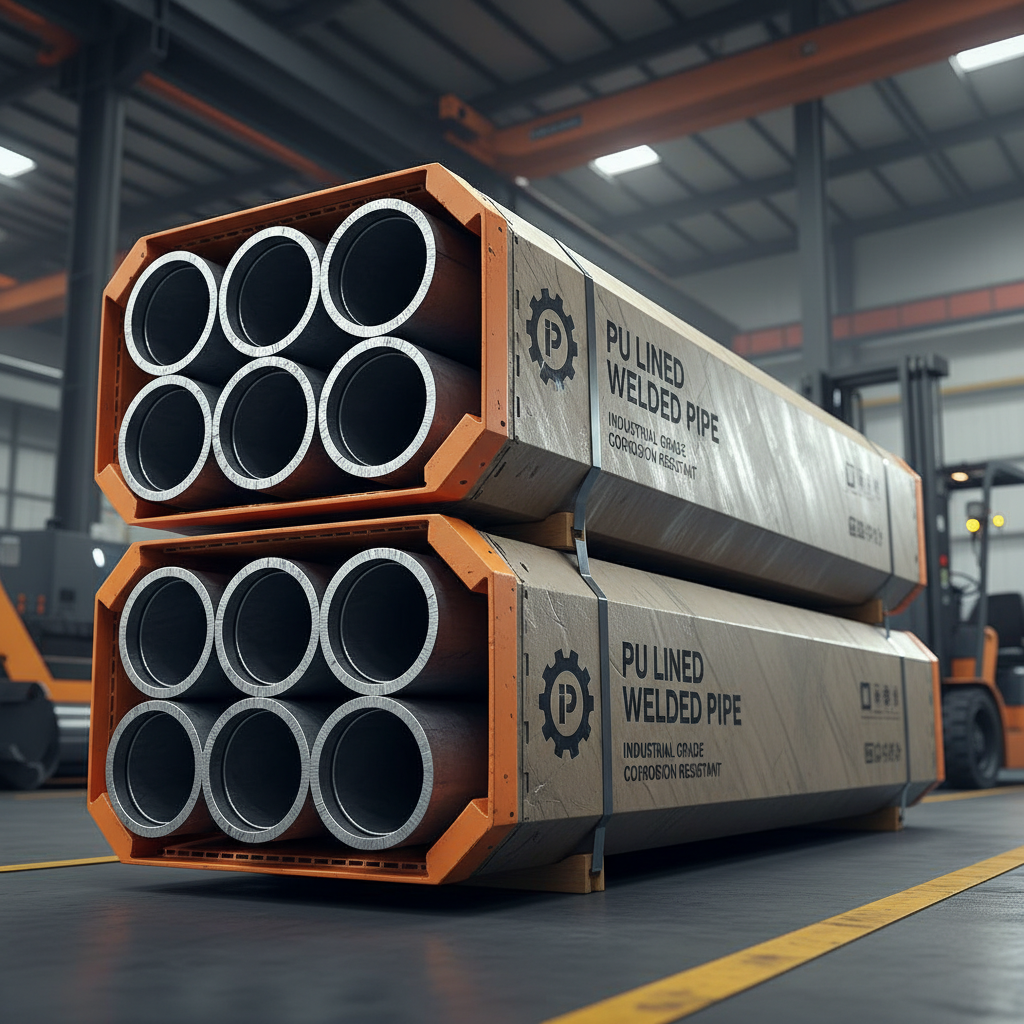
In the demanding world of industrial fluid transport, the integrity of piping systems is often challenged by abrasive slurries and corrosive chemical agents. The emergence of pu lined welded pipe has provided a critical engineering solution, combining the structural strength of welded steel with the exceptional wear resistance of polyurethane. This hybrid approach ensures that pipelines can withstand extreme internal friction while maintaining the pressure ratings required for heavy-duty industrial operations.
Understanding the nuances of this material is essential for procurement managers and plant engineers who aim to reduce downtime and operational expenditure. By implementing a polyurethane lining, industries can effectively shield their primary steel infrastructure from the premature degradation caused by mining tailings or chemical waste. The global shift toward sustainable infrastructure further emphasizes the need for components that offer extended lifecycles and reduced replacement frequencies.
Whether utilized in deep-sea mining, chemical processing, or municipal waste management, the pu lined welded pipe serves as a frontline defense against material fatigue. By balancing flexibility and hardness, these pipes optimize flow efficiency and minimize the risk of catastrophic leaks, making them a cornerstone of modern industrial fluid dynamics and material handling.
Global Industrial Relevance of PU Lined Welded Pipe
Across the globe, the mining and chemical sectors face a persistent struggle with pipeline erosion. According to industry standards aligned with ISO certifications, the degradation of uncoated carbon steel pipes in abrasive environments can lead to a 40% increase in unplanned maintenance costs. The adoption of pu lined welded pipe has become a strategic necessity to mitigate these risks, ensuring that critical infrastructure remains operational in the most hostile conditions.
From the copper mines of Chile to the industrial hubs of Southeast Asia, the demand for high-performance lining is skyrocketing. The primary challenge lies in transporting "slurries"—mixtures of solids and liquids—which act like sandpaper on the inner walls of a pipe. By integrating a polyurethane layer, companies can transform a vulnerable steel tube into a rugged conduit capable of transporting abrasive materials for decades rather than years.
Technical Definition and Material Composition
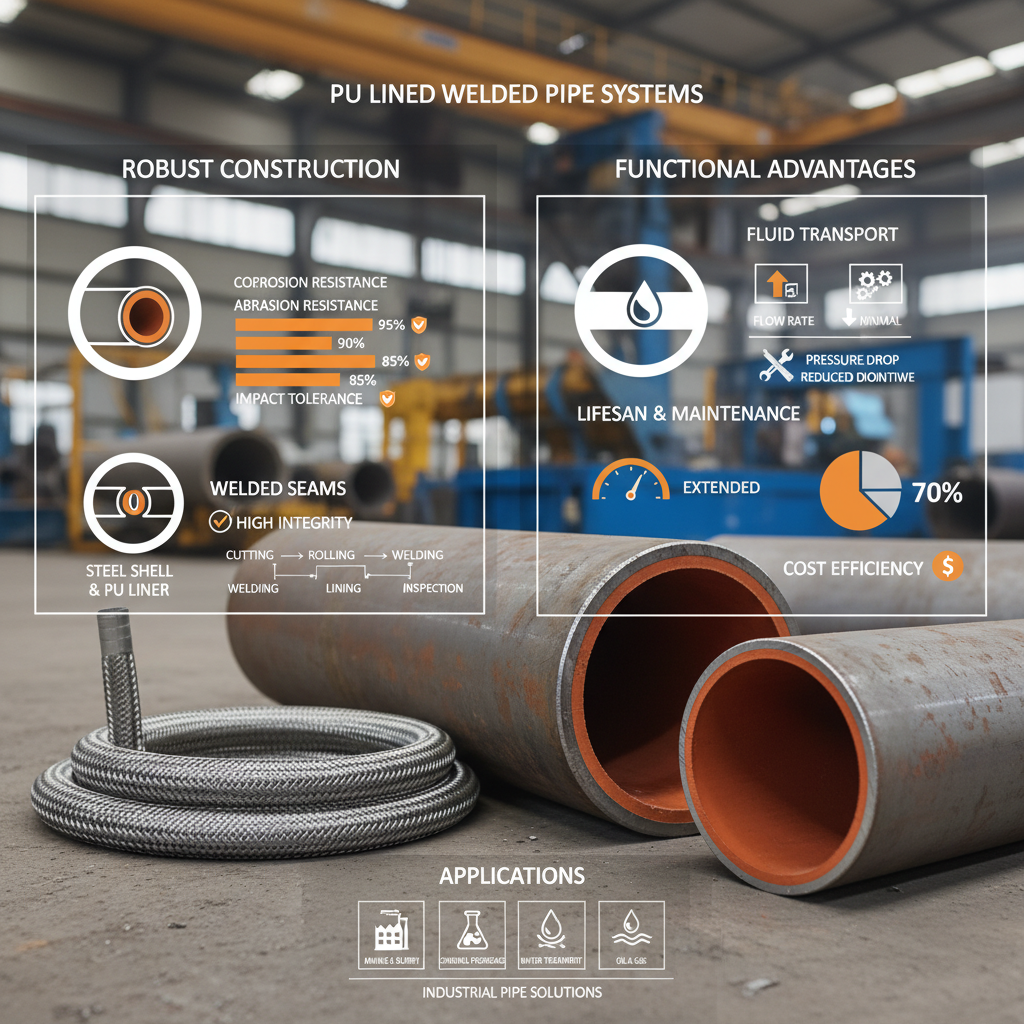
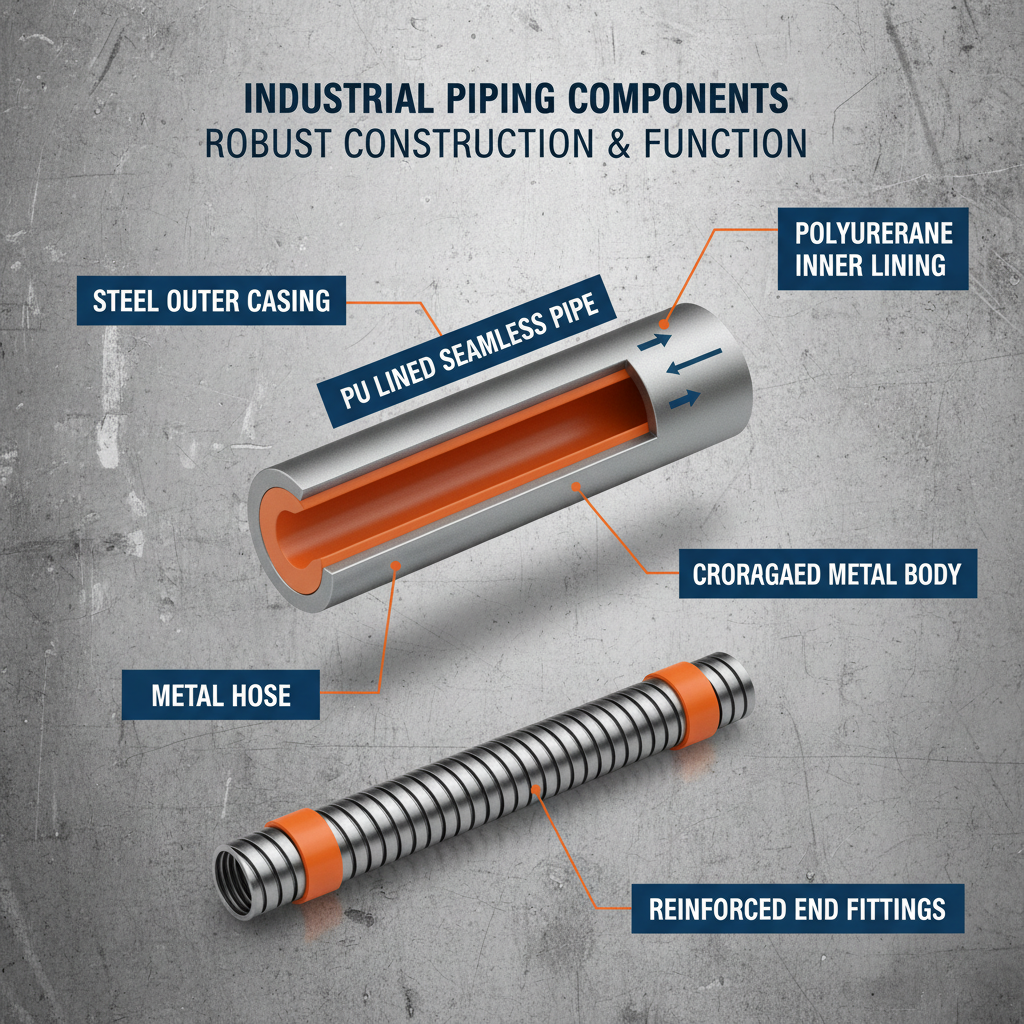
At its core, a pu lined welded pipe consists of a high-strength outer shell of welded steel and an inner protective layer of polyurethane (PU). The outer steel provides the necessary mechanical strength to handle high internal pressures and external environmental stresses, while the internal PU lining acts as a sacrificial and resistant barrier against wear, corrosion, and chemical attack.
The bonding process is the most critical aspect of its composition. Through advanced thermal spraying or centrifugal casting, the polyurethane is fused to the steel surface, creating a seamless interface. This prevents "delamination," a common failure in lower-quality pipes where the lining peels away under the pressure of the flowing medium, which would otherwise expose the steel to rapid oxidation.
Modern polyurethane materials used in these pipes are often engineered for specific hardness levels (measured in Shore A or Shore D). Depending on the application, a softer PU may be chosen for its superior impact resistance, while a harder PU is selected for maximum abrasion resistance against fine, sharp particles in mining tailings.
Core Performance Factors for Durability
The primary driver of success for any pu lined welded pipe is its exceptional abrasion resistance. Unlike epoxy coatings that can crack under mechanical stress, polyurethane possesses an elastic memory that allows it to absorb the energy of impacting particles, effectively "bouncing" them off the surface rather than allowing them to carve grooves into the pipe wall.
Chemical stability is another pillar of its durability. A high-quality pu lined welded pipe is designed to be inert to a wide array of oils, greases, and dilute acids. This makes it indispensable in environments where the transported medium is not only abrasive but also chemically aggressive, providing a dual-layer of protection that pure steel or pure plastic pipes cannot match.
Furthermore, the structural integrity offered by the welded steel outer shell ensures scalability and safety. While the PU lining handles the fluid interaction, the welded steel prevents the pipe from bursting under high-pressure surges. This synergy allows the system to be deployed in high-pressure pumping stations where reliability is non-negotiable.
Comparative Efficiency in Industrial Applications
When comparing the efficiency of various lining materials, the pu lined welded pipe often outperforms traditional rubber or HDPE linings in terms of lifespan and flow friction. The smoother internal surface of polyurethane reduces the coefficient of friction, allowing for higher flow rates with less pumping energy, which translates directly into lower electricity costs for the operator.
Moreover, the installation efficiency of welded pipes allows for faster deployment in remote industrial zones. Because the pipes are welded, they provide a leak-proof structural bond that is far more secure than flanged joints in high-vibration environments, such as those found near heavy crushing machinery.
Performance Comparison of PU Lined Welded Pipe Alternatives
Strategic Global Use Cases and Regions
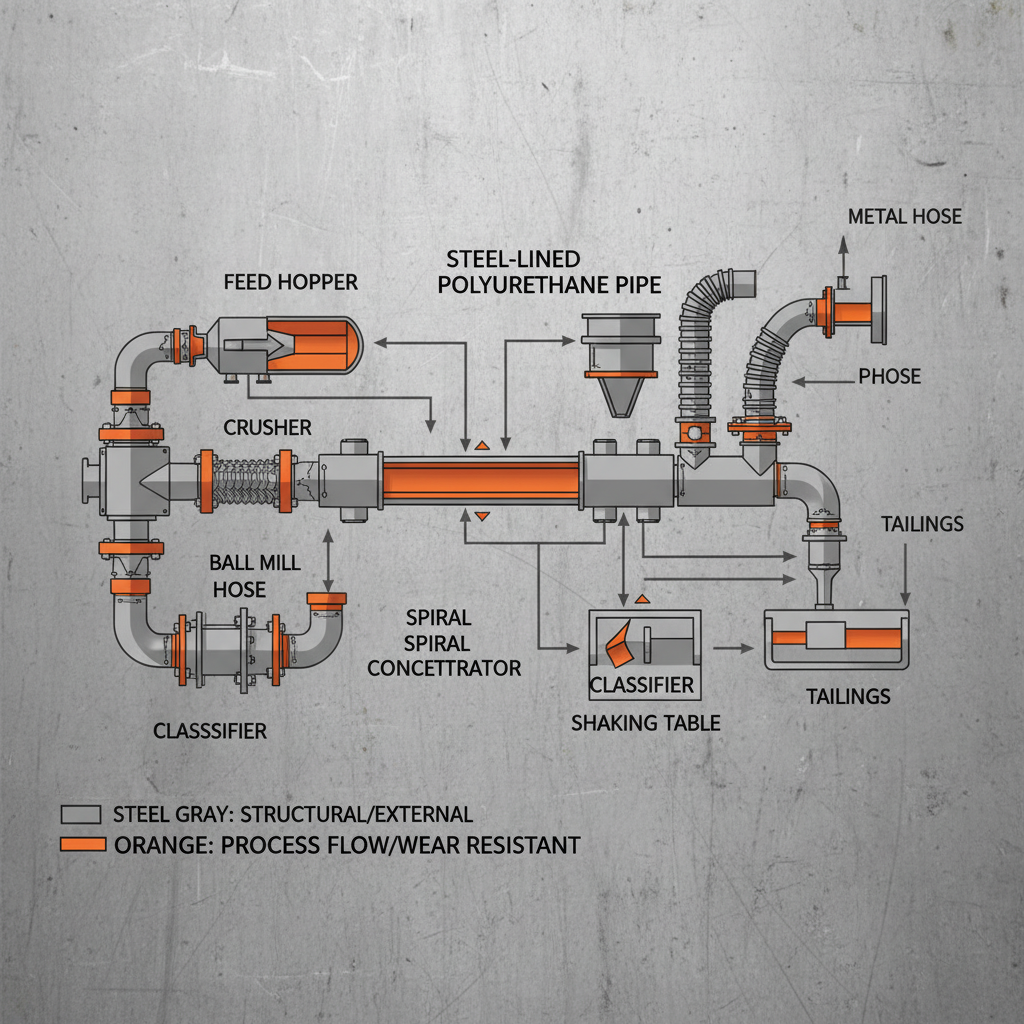
In the vast mining regions of Australia and Canada, the pu lined welded pipe is frequently used for the transport of iron ore and gold tailings. In these remote zones, where the cost of transporting replacement parts is exorbitant, the extended service life of PU-lined systems is a critical economic advantage. The ability to resist the "sandblasting" effect of high-velocity slurry allows these mines to operate with minimal interruptions.
Beyond mining, municipal waste-water treatment plants in Europe and North America have integrated these pipes into their grit removal and sludge handling systems. By utilizing polyurethane linings, these facilities avoid the frequent corrosion caused by varying pH levels in urban runoff, ensuring that the city's infrastructure remains stable and environmentally safe.
Long-Term Economic and Operational Value
The true value of investing in pu lined welded pipe is revealed through a Total Cost of Ownership (TCO) analysis. While the initial procurement cost may be higher than that of standard carbon steel, the drastic reduction in maintenance intervals and the elimination of frequent patch-welding operations result in a significantly lower cost per year of service.
Operationally, the reliability of these pipes fosters a culture of safety and trust within the workforce. When engineers know that a pipeline is equipped with a high-grade polyurethane liner, the risk of sudden leaks or blowouts is minimized, protecting workers from hazardous exposures and preventing environmental contamination that could lead to heavy regulatory fines.
Furthermore, the sustainability aspect cannot be ignored. By extending the life of the steel shell, companies reduce the amount of raw steel production required for replacements, thereby lowering their carbon footprint. This aligns with global ESG (Environmental, Social, and Governance) goals, making PU-lined piping a preferred choice for "green" industrialization.
Future Innovations in Polyurethane Lining Tech
The future of pu lined welded pipe is moving toward "smart linings." Research is currently focused on embedding sensors within the polyurethane layer to monitor wall thickness in real-time. This digital transformation will allow operators to predict exactly when a lining is reaching its wear limit, shifting maintenance from a reactive "fix-it-when-it-breaks" model to a proactive, data-driven predictive model.
Another emerging trend is the development of nano-composite polyurethane. By adding ceramic nanoparticles or carbon nanotubes into the PU matrix, manufacturers are creating liners that offer the hardness of ceramic with the flexibility of polymer. This hybrid material will allow pipes to handle even more aggressive slurry compositions without the brittleness typically associated with pure ceramic linings.
Additionally, the industry is exploring bio-based polyurethanes to further reduce reliance on petroleum-derived chemicals. As global policies tighten around plastic waste and chemical emissions, the transition to sustainable, high-performance polymers will ensure that the pu lined welded pipe remains the gold standard for the next generation of industrial transport.
Technical Analysis of PU Lined Welded Pipe Performance Dimensions
|
Material Grade
|
Wear Resistance (1-10)
|
Chemical Tolerance
|
Expected Lifespan
|
| Standard PU Lining |
7 |
Moderate (Oils/Water) |
5-8 Years |
| High-Hardness PU |
9 |
High (Abrasive Slurries) |
8-12 Years |
| Chemical-Grade PU |
6 |
Excellent (Acids/Alkalis) |
6-10 Years |
| Nano-Composite PU |
10 |
Superior All-Around |
15+ Years |
| Elastic-Blend PU |
8 |
Good (Impact/Vibration) |
7-11 Years |
| Thermal-Bonded PU |
7 |
Standard Industrial |
5-9 Years |
FAQS
Polyurethane generally offers significantly higher abrasion resistance and better tear strength compared to traditional rubber. While rubber is excellent for extreme corrosion and certain chemical impacts, PU is the superior choice for high-velocity slurry transport where mechanical wear is the primary concern. Additionally, PU linings typically provide a smoother internal surface, reducing pumping friction.
Yes, and this is its main advantage. Unlike pure plastic pipes, the "welded pipe" part of the structure is made of heavy-duty steel. The polyurethane serves as the internal protective skin, while the steel shell carries the structural load. This allows the pipe to handle very high pressures that would cause unreinforced PU or HDPE pipes to burst or deform.
The lifespan varies based on the slurry's aggressiveness and the PU's hardness. In moderate conditions, a lifespan of 5 to 10 years is common. However, with high-grade nano-composites and proper installation, some systems can last over 15 years. Regular ultrasonic thickness testing is recommended to monitor wear and plan for timely replacements.
Delamination occurs if the bonding process is poor or if the pipe is exposed to temperatures beyond the PU's thermal limit. Professional manufacturers use advanced thermal bonding or centrifugal casting to ensure a molecular-level bond between the steel and the PU. When installed correctly, the lining remains secure even under significant pressure fluctuations.
The most significant beneficiaries are the mining, mineral processing, and chemical industries. Specifically, any operation involving the transport of tailings, sand, grit, or corrosive chemical waste. Municipalities handling sewage grit and industrial plants transporting abrasive catalysts also see a drastic reduction in maintenance costs by switching to PU-lined systems.
It depends on the particle size of the medium. "Hard" PU (high Shore D) is best for fine, sharp particles that cause micro-cutting wear. "Soft" PU (high Shore A) is better for larger particles that cause impact wear, as it can absorb the blow without cracking. Your engineering team should analyze the particle size distribution of your slurry to make the final choice.
Conclusion
In summary, the pu lined welded pipe represents a perfect synthesis of structural rigidity and surface resilience. By combining the unmatched pressure-bearing capacity of welded steel with the superior abrasion and corrosion resistance of polyurethane, industrial operators can effectively solve the age-old problem of pipeline erosion. From reducing TCO and maintenance downtime to improving safety and environmental sustainability, the advantages of this hybrid piping solution are clear and quantifiable.
Looking ahead, the integration of smart monitoring and nano-composite materials will only further solidify the role of polyurethane linings in global infrastructure. For companies seeking to future-proof their operations against the harsh realities of abrasive material transport, investing in high-quality PU-lined systems is not just a technical upgrade—it is a strategic financial decision. To learn more about our specialized piping solutions and custom configurations, visit our website: www.qwmetal.com.