Teflon Lined Tanks: Durable, Chemical-Resistant Storage Solutions for Industry & Aid
Teflon Lined Tanks: Revolutionizing Storage Solutions Worldwide
When you think about industrial storage tanks, you probably picture large containers made from steel or concrete. But here’s the thing — teflon lined tanks are quietly changing the game. They’re popping up globally in sectors ranging from chemical processing to water treatment and even humanitarian aid. Why? Because these tanks offer unique benefits that address pressing challenges in storage durability, safety, and product purity.
Understanding what makes teflon lined tanks so valuable can unlock smarter, safer storage solutions, not only for major industries but for communities relying on efficient, long-lasting storage during crises or in remote locations.
Global Context: Why Do Teflon Lined Tanks Matter Today?
On a global scale, industries demand materials that withstand increasingly harsh chemicals and environmental conditions. According to ISO standards for chemical-resistant containers, durability and contamination prevention are critical for operational safety and product integrity.
Additionally, the World Bank reports rising industrialization and urbanization in Asia and Africa, where newer infrastructures must handle aggressive chemicals or potable water with high reliability. Teflon lined tanks help fill that gap by offering superior chemical resistance and extending tank lifespan, thus decreasing replacement costs and minimizing environmental risks.
In humanitarian contexts, clean water storage is vital during disasters. Teflon’s inert surface inhibits bacterial growth, making lined tanks an excellent choice for safe water containment in relief camps.
What Are Teflon Lined Tanks?
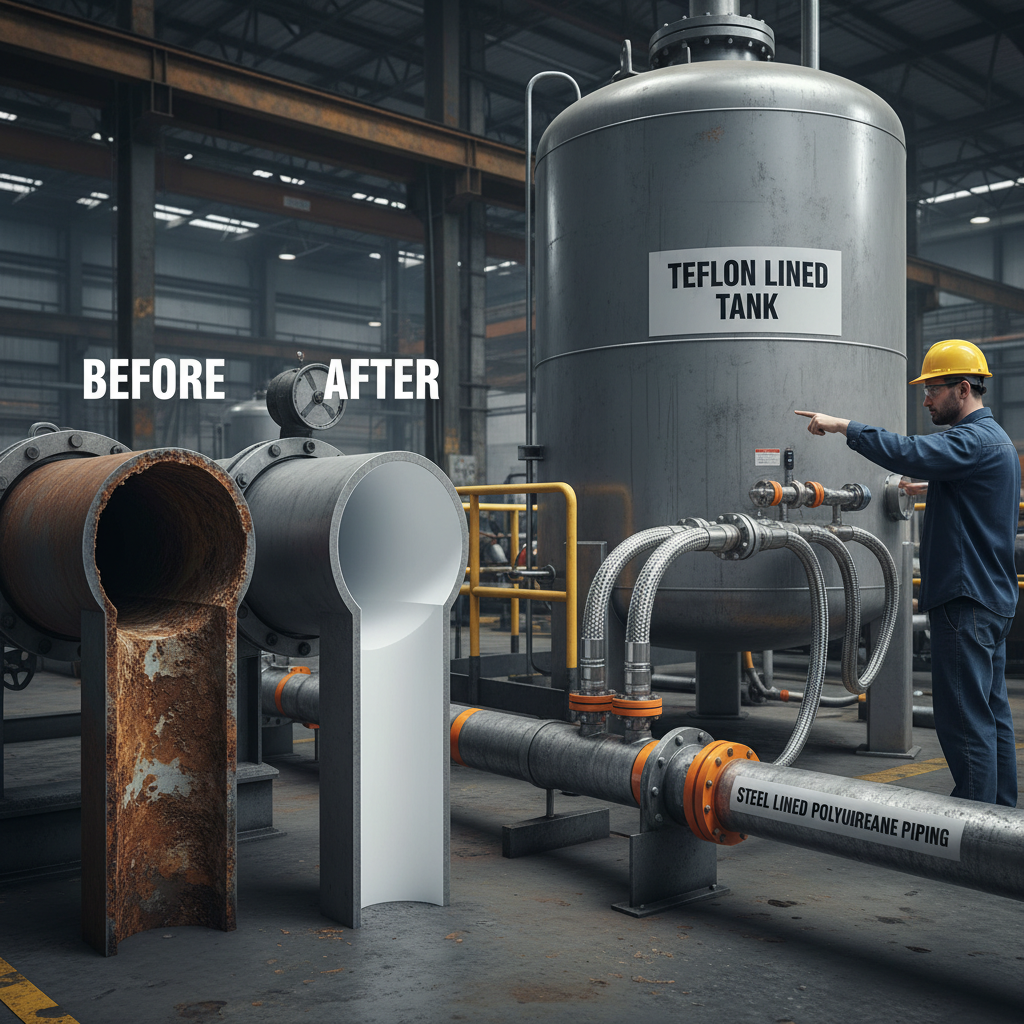
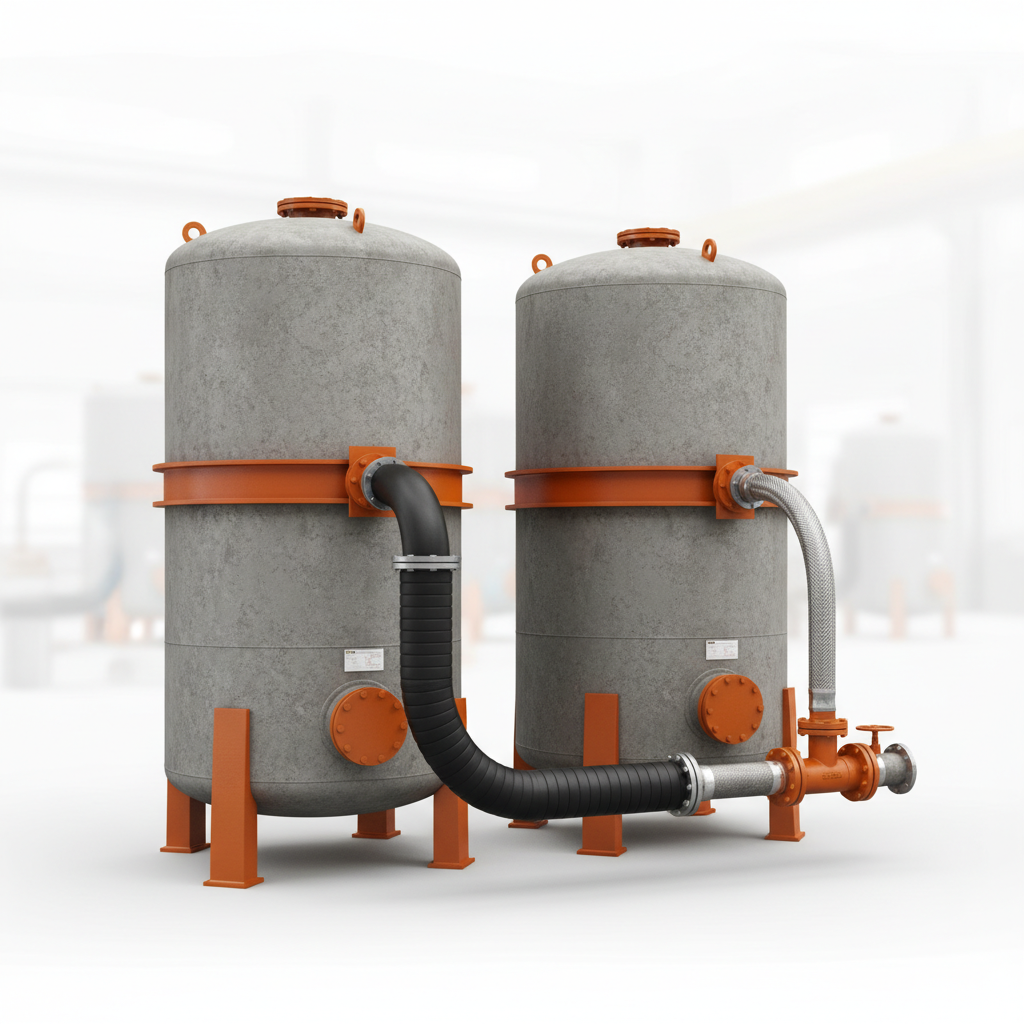
Simply put, a teflon lined tank is a storage container, usually steel, lined internally with polytetrafluoroethylene (PTFE), commonly known as Teflon. This liner acts like a protective barrier against corrosion, contamination, and wear.
Think of them as industrial-grade “non-stick” tanks. The Teflon lining prevents chemicals from reacting with the metal shell and stops product residue buildup, ensuring easier cleaning and longer usability. They’re essential in sectors where material purity and tank longevity directly impact product quality, safety, or operational costs.
Key Components and Features of Teflon Lined Tanks
1. Durability & Chemical Resistance
Teflon is famous for withstanding aggressive acids, alkalis, and solvents that would otherwise corrode or damage steel tanks quickly. This resistance extends tank lifespan, reducing downtime and maintenance expenses.
2. Scalability & Customization
Manufacturers can produce teflon lined tanks in a range of sizes—from small laboratory vessels to massive industrial containers—tailoring capacity and design to sector-specific needs.
3. Cost Efficiency Over Time
While initial investment might be higher than traditional tanks, the long-term savings due to less frequent replacements and lower maintenance make these tanks more economical.
4. Safety and Environmental Compliance
The inert lining reduces risks of toxic leaks and contamination, supporting compliance with environmental regulations and fostering safer workplaces.
5. Ease of Cleaning and Maintenance
The non-stick properties simplify cleaning, which is crucial in industries like pharmaceuticals, food processing, or water storage to maintain hygiene.
Typical Specifications of a Teflon Lined Tank
| Specification | Details |
|---|---|
| Material of Shell | Carbon Steel or Stainless Steel |
| Lining Material | Polytetrafluoroethylene (PTFE) |
| Common Capacities | 1,000 liters to over 100,000 liters |
| Operating Temperature | -60°C to 260°C (-76°F to 500°F) |
| Chemical Resistance | Highly resistant to acids, bases, solvents |
| Typical Lifespan | 10+ years with proper maintenance |
Global Applications & Real-World Use Cases
- Chemical Manufacturing: Production plants worldwide use teflon lined tanks to safely store acids and corrosive reagents — particularly in Asia’s growing chemical hubs.
- Water Treatment Facilities: In remote regions of Africa and South America, these tanks store potable and treated wastewater safely, reducing health risks.
- Pharmaceutical Industry: The non-stick lining helps maintain product purity, essential when manufacturing sensitive drugs in North America and Europe.
- Disaster Relief Operations: NGOs deploy teflon lined storage tanks to camps for clean water, since the liners prevent contamination and make sanitation easier.
Oddly enough, the combination of industrial strength and hygienic properties makes these tanks a quiet hero across very different environments.
Advantages and Long-Term Value
At first glance, one might think teflon lined tanks are simply “fancier” storage containers. But the benefits go deeper:
- Cost Savings: Less corrosion means fewer replacements and repairs, easing budgets over years.
- Environmental Protection: Reduced chemical leakage lowers environmental hazards.
- Improved Safety: Workers aren’t exposed to damaged tanks or toxic leaks.
- Trust and Compliance: Businesses meet regulatory standards easier, building customer and stakeholder confidence.
- Social Impact: In humanitarian scenarios, access to clean water storage dignifies affected populations.
Basically, investing in teflon lined tanks pays off with peace of mind — and real-world reliability.
Future Trends & Innovations in Teflon Lined Tank Technology
Looking ahead, the lining technology continues evolving. Innovations include:
- Green Chemistry Integration: Using recycled PTFE or bio-based alternatives to reduce environmental footprint.
- Digital Monitoring: Sensors embedded to track tank integrity and chemical interactions in real time.
- Automation Compatibility: Tanks designed for integration with automated filling and cleaning systems.
- Energy Efficiency Enhancements: Insulated linings that conserve heat or cold in storage tanks.
It feels like teflon lined tanks will keep aligning with sustainability and smart industry demands, yielding even greater impact.
Challenges & Solutions
Of course, no technology is perfect. Some challenges include:
- Initial Cost: The upfront price can be a hurdle for smaller operators.
- Installation Complexity: Requires skilled professionals to apply and inspect the lining properly.
- Potential for Liner Delamination: If not maintained, the lining can peel, risking contamination.
However, recent manufacturing advances, online training for technicians, and rigorous quality audits help overcome these obstacles, making teflon-lined tanks more accessible and dependable.
FAQ: Frequently Asked Questions About Teflon Lined Tanks
- Q1: How long does a teflon lined tank typically last?
A: With proper maintenance, these tanks often exceed 10 years, sometimes much longer, thanks to the corrosion resistance of the PTFE lining. - Q2: Can teflon lined tanks store food-grade materials safely?
A: Yes, the inert nature of PTFE makes these tanks suitable for food and pharmaceutical storage, preventing contamination and ensuring purity. - Q3: Are these tanks environmentally friendly?
A: While PTFE production involves fluoropolymers, advancements in recycling and lowering environmental impact are underway. Their durability also reduces waste from frequent replacements. - Q4: What maintenance is needed for teflon lined tanks?
A: Routine inspections for liner integrity, gentle cleaning without abrasive tools, and prompt repairs if any damage occur will ensure longevity. - Q5: How can I order a custom-sized teflon lined tank?
A: Many manufacturers, including vendors specializing in teflon lined tanks, offer made-to-order solutions tailored to your capacity, design, and chemical needs.
Vendor Comparison: Leading Teflon Lined Tank Providers
| Vendor | Material Quality | Customization Options | Global Shipping | Price Range |
|---|---|---|---|---|
| QW Metal | Premium PTFE, certified steel | Full custom sizes & fittings | Ships worldwide | Mid to high |
| Alpha Tanks Inc. | Standard PTFE lining | Limited custom features | Domestic only | Low to mid |
| GlobalChem Solutions | High-grade PTFE & eco options | Custom & batch orders | International | High |
Summary & Call to Action
To sum it up, teflon lined tanks might sound niche, but their impact is anything but. They solve complex storage problems with durability, hygiene, and cost-effectiveness — across industries, continents, and crisis zones. If you’re looking to upgrade your storage with tanks built to last and resist the harshest chemicals, explore teflon lined tanks and see how you can bring smarter storage solutions to your operation.
Because honestly, it’s about more than just storing liquids; it’s about protecting investments, people, and sometimes even lives.
Mini takeaway: Investing in teflon lined tanks means smarter, safer storage that pays for itself over years and adapts to today’s toughest challenges.
References
Related Products
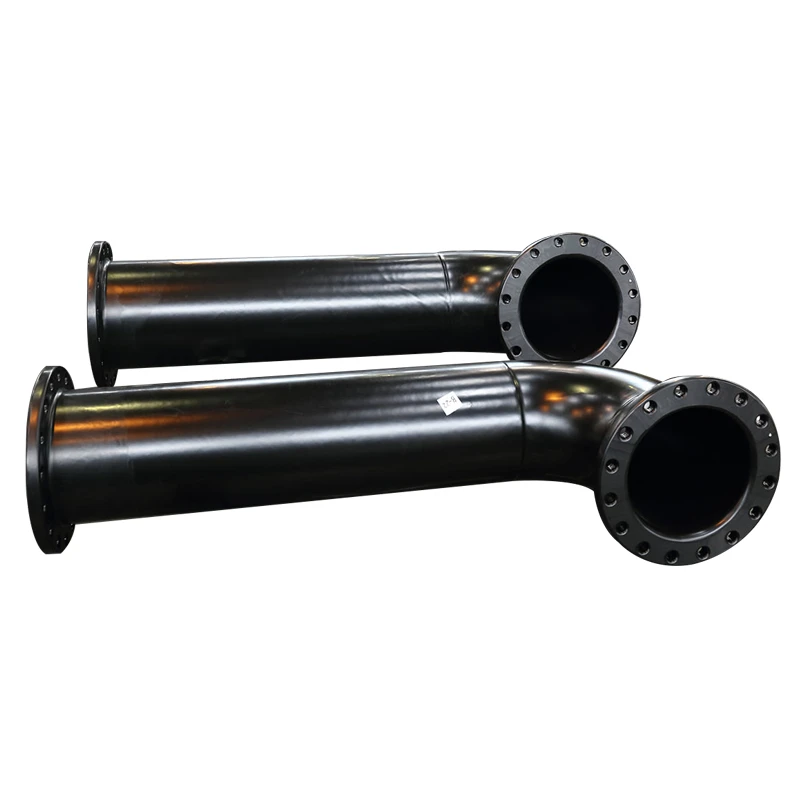
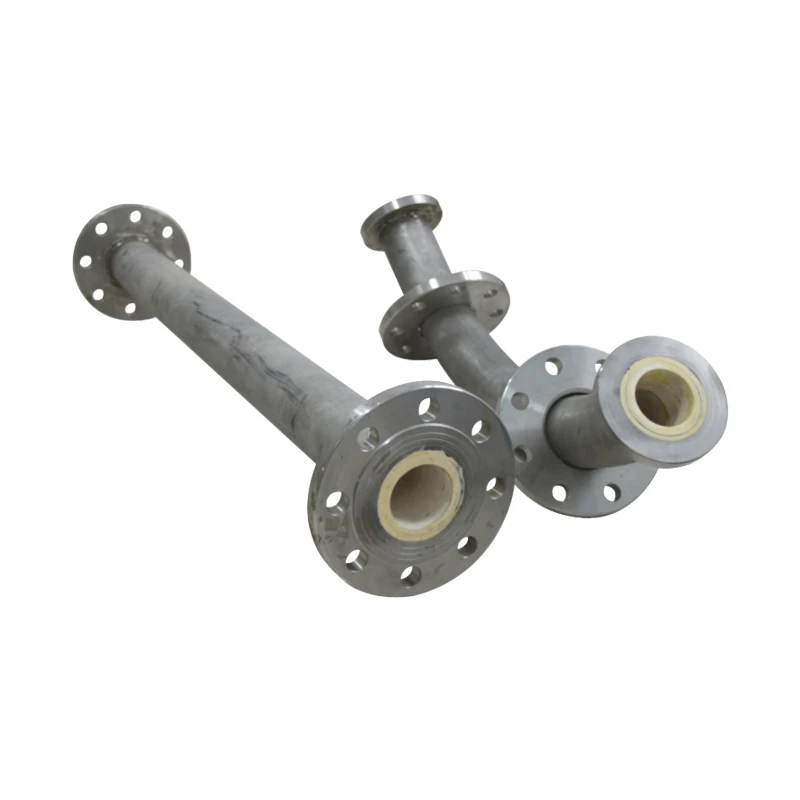
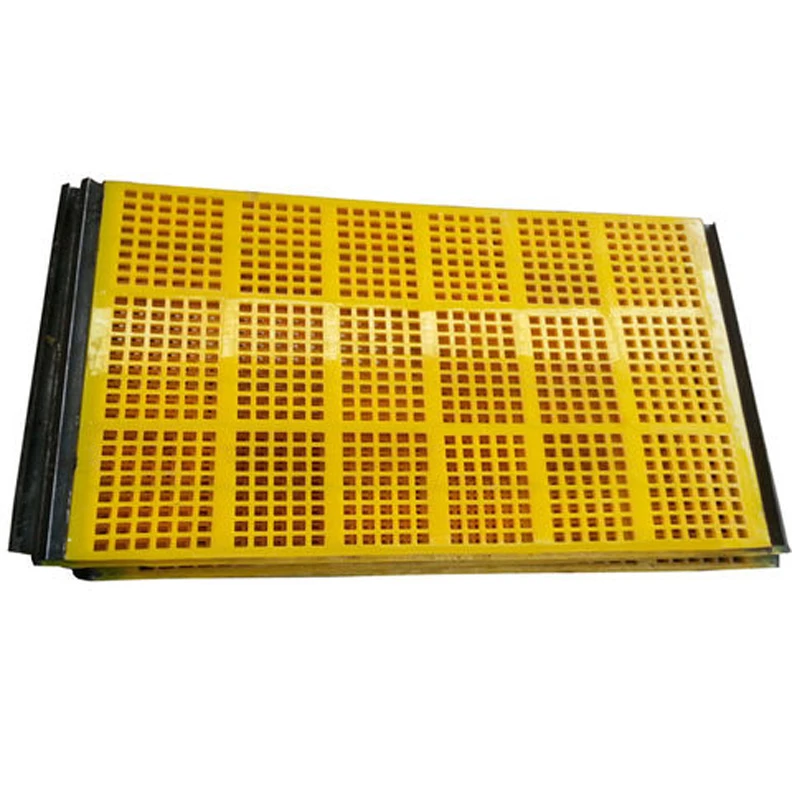
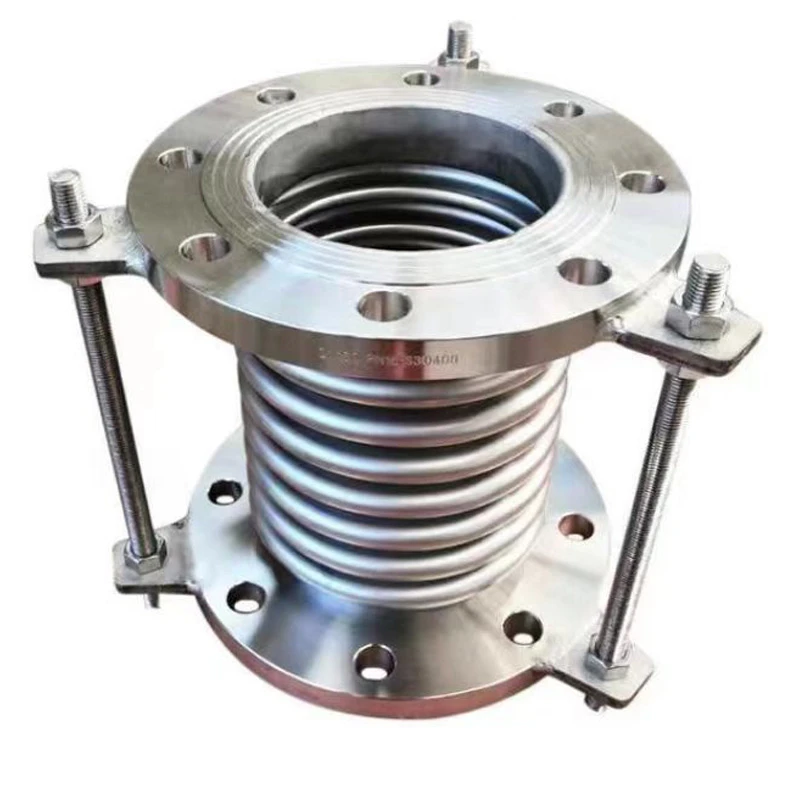
Our main products are polyurethane lined pipes, mining equipment fittings and metal hoses.