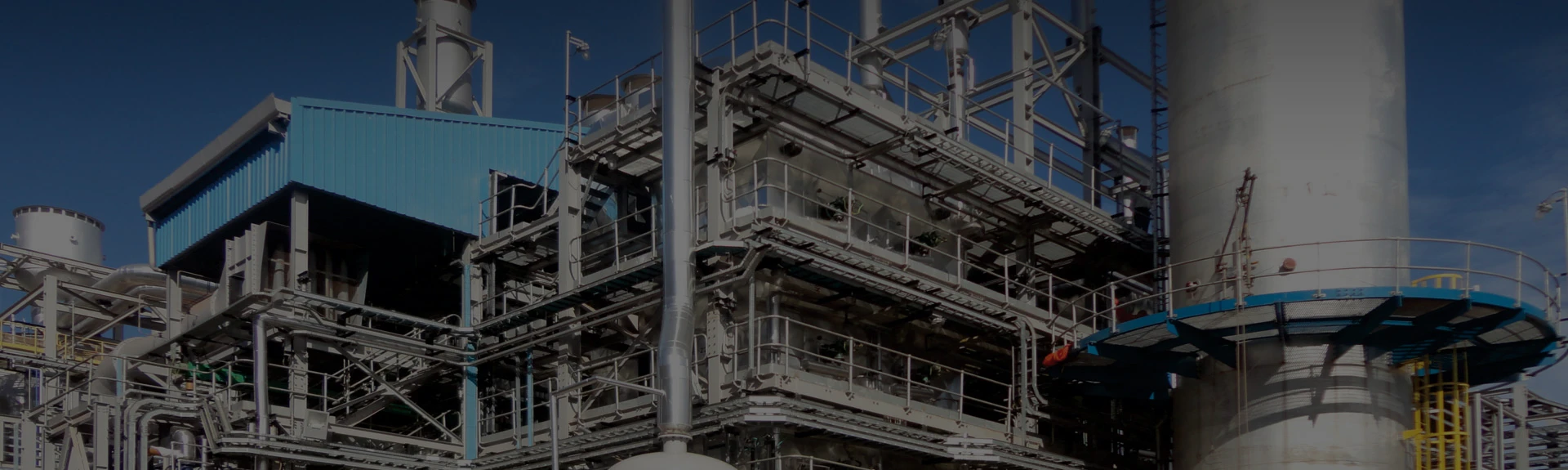
PTFE Lined Tank Solutions for Industrial Corrosion Resistance
PTFE Lined Tank: The Unsung Hero in Corrosion Resistance
Having clocked well over a decade in industrial equipment manufacturing and maintenance, I can share that PTFE lined tanks are one of those quietly indispensable products that don’t grab headlines but deliver reliably. Oddly enough, the engineering behind them is almost a perfect marriage of chemistry and mechanical design—two worlds that sometimes feel like oil and water.
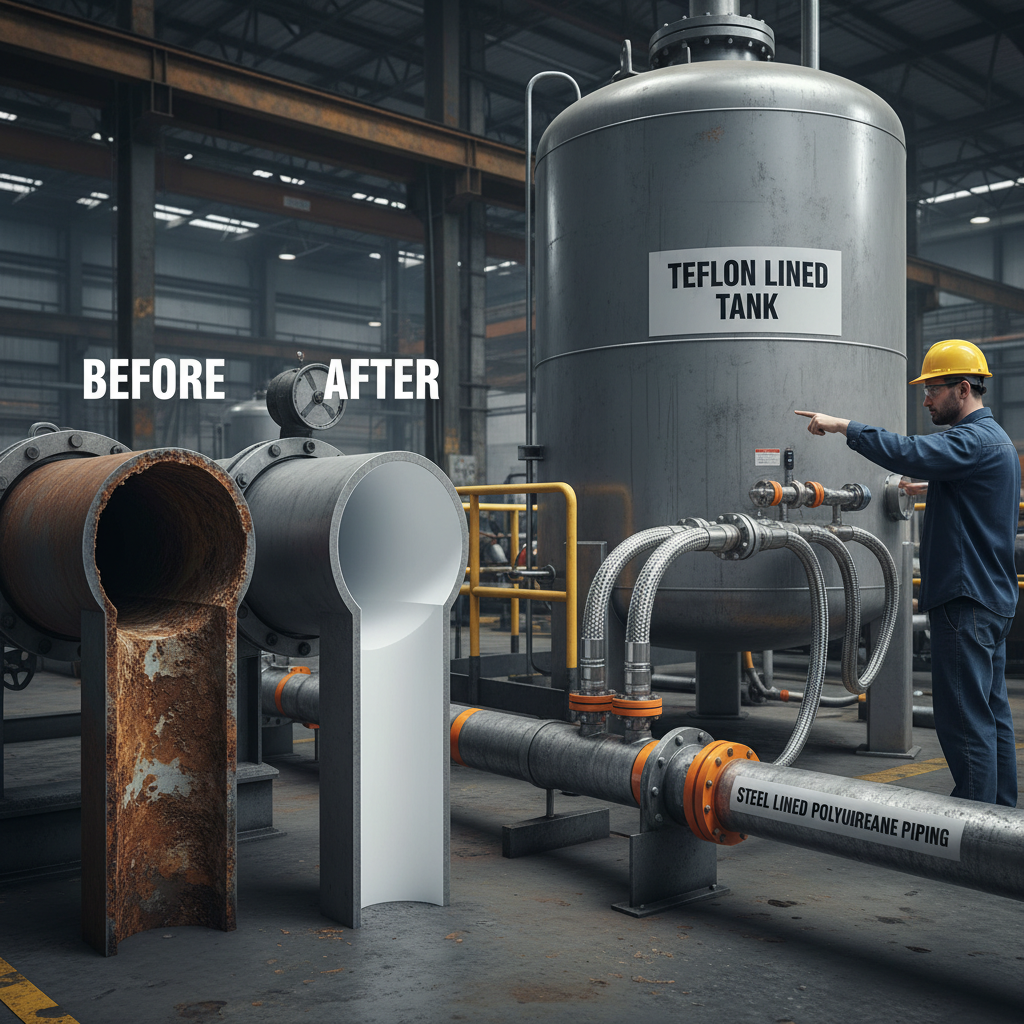
Why PTFE (polytetrafluoroethylene)? Simply put, it’s a superstar material when it comes to chemical resistance. This polymer tolerates some of the harshest acids, alkalis, and solvents that would instantly corrode plain carbon steel or even stainless steel tanks. I’ve seen facilities—chemical, pharma, and food processing—that wouldn’t dare store reactive chemicals without PTFE lining, because conventional coatings just don’t cut it.
The design itself usually involves a carbon or stainless steel vessel internally lined with a thick film of PTFE. The lining can be applied through a complex process involving melting, spraying, or pressure forming to ensure a uniform protective layer. You might be surprised how much effort goes into preventing even the smallest pinhole—since any imperfection in the lining spells disaster for the tank’s longevity.
| Feature | Details |
|---|---|
| Material of Shell | Carbon Steel or 304/316 Stainless Steel |
| PTFE Lining Thickness | 2 - 5 mm (varies by application) |
| Operating Temp Range | -100°C to +260°C |
| Max Pressure | Up to 10 bar (depending on vessel design) |
| Typical Uses | Chemical storage, pharmaceutical processing, food & beverage |
Now, something I noticed after years onsite: not all PTFE linings are created equal. The devil, as always, is in the details. Some vendors skimp on prep work or use lower grade PTFE — you can practically see it in the surface finish and feel it in service life. One old client of mine once switched suppliers mid-project and ended up with frequent maintenance headaches because the lining shrank or peeled prematurely.
Testing is crucial and goes beyond just visual inspection. Hydrostatic testing to check for leaks, microscopic camera inspections inside the liner, and roughness testing of the surface all help ensure that the lining will keep its promise. Frankly, I've seen manufacturers become almost obsessive about quality control here, and that’s a good thing.
| Supplier | PTFE Quality | Customization Options | Typical Lead Time | After-Sales Support |
|---|---|---|---|---|
| QW Metal | Virgin, high-purity PTFE | Extensive (thickness, fittings, sizes) | 4-6 weeks | Responsive, technical support included |
| AquaShield Industries | Standard industrial PTFE | Moderate options | 6-8 weeks | Limited after-sales |
| ChemLine Solutions | Premium PTFE blend | Customizable liners & coatings | 5-7 weeks | Good technical consultation |
One memorable project involved a pharmaceutical company that required a tank lined with PTFE to store a highly corrosive reagent at elevated temperatures. The specs were non-negotiable, and honestly, it was a bit nerve-racking ensuring that every step from welding the shell to applying the liner was flawless. But the successful delivery saved their production line from costly downtime, which felt pretty rewarding — you know that blend of professional pride and relief.
Customization is key. Tanks need to match process parameters precisely. Factors like liner thickness, fittings, agitation capabilities, and compliance with hygiene standards (especially in food or pharma) all come into play. You can’t just slap a generic liner and call it a day. Luckily, reputable manufacturers like QW Metal are quite flexible in this regard, often working directly with engineers to tailor solutions.
In real terms, investing upfront in a high-quality PTFE lined tank pays enormous dividends by reducing maintenance, preventing contamination, and extending tank life. From an operator’s standpoint, less downtime and fewer failures translate to better safety and efficiency — essential in any industrial environment.
So, if you’re considering storing aggressive chemicals or running processes where corrosion is the enemy, a PTFE lined tank is often the go-to option. Just be sure to work with trustworthy suppliers, keep QA tight, and specify carefully.
In the end, PTFE lined tanks might not be flashy, but their role is crucial — and frankly, I think their quiet reliability deserves a little more spotlight.
References:
- ASTM Standards on PTFE lined vessels
- Industry case studies from chemical manufacturing plants
- Personal experience with field inspections and maintenance
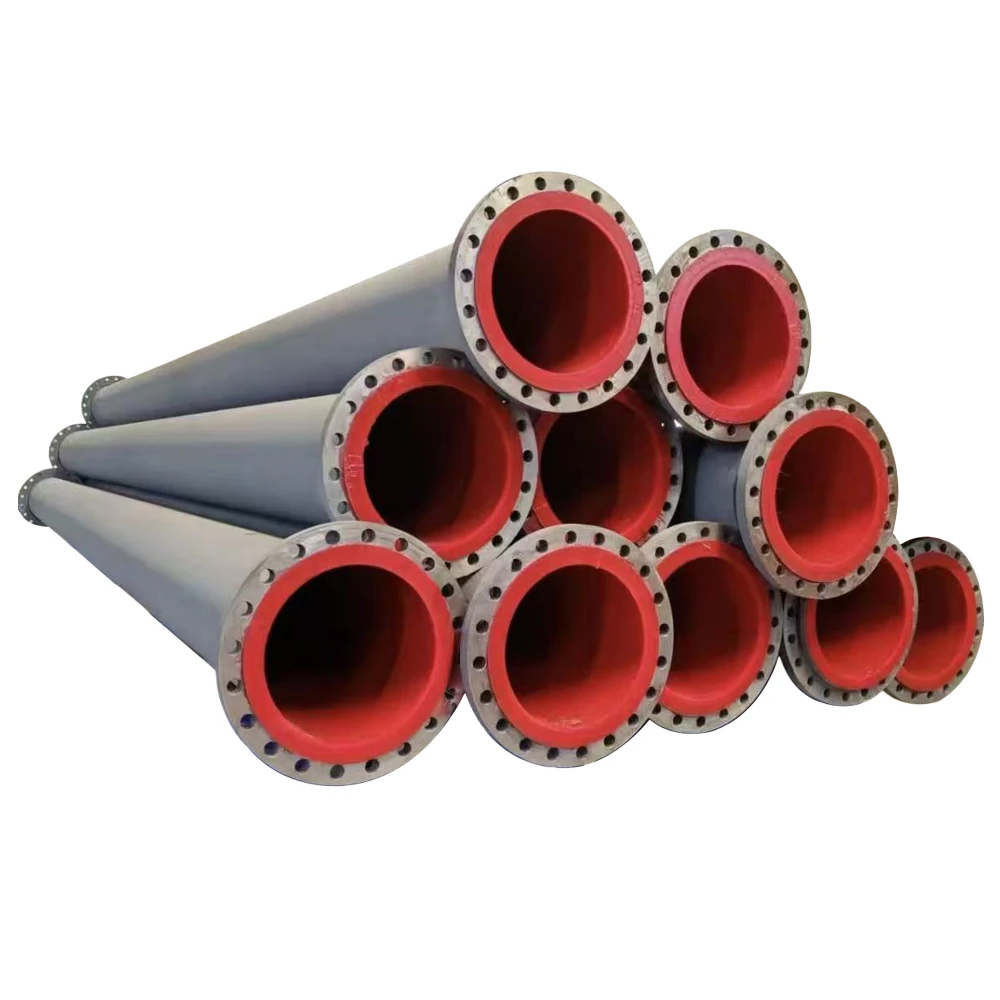
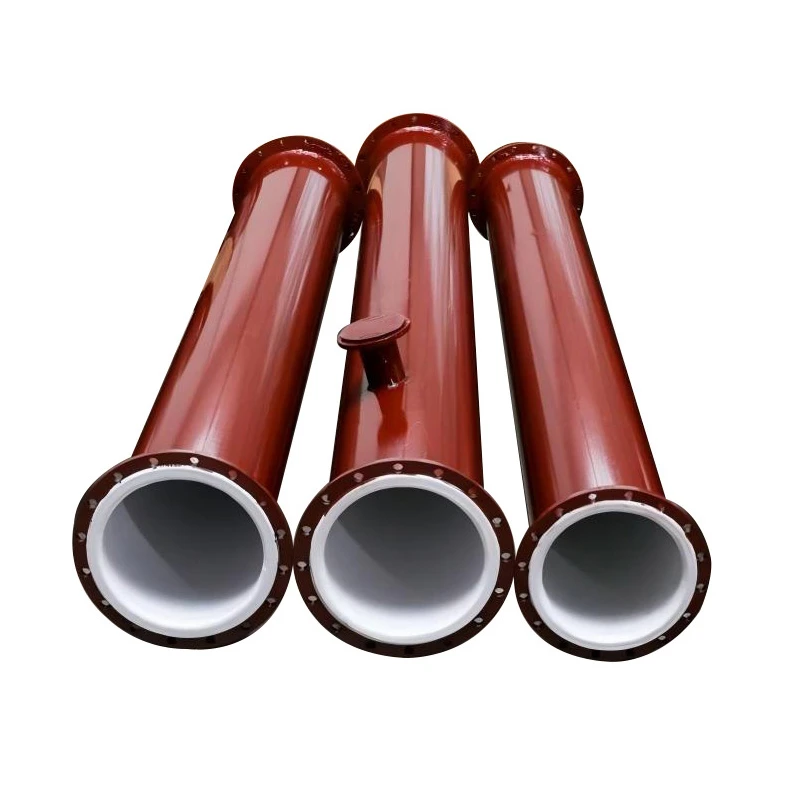
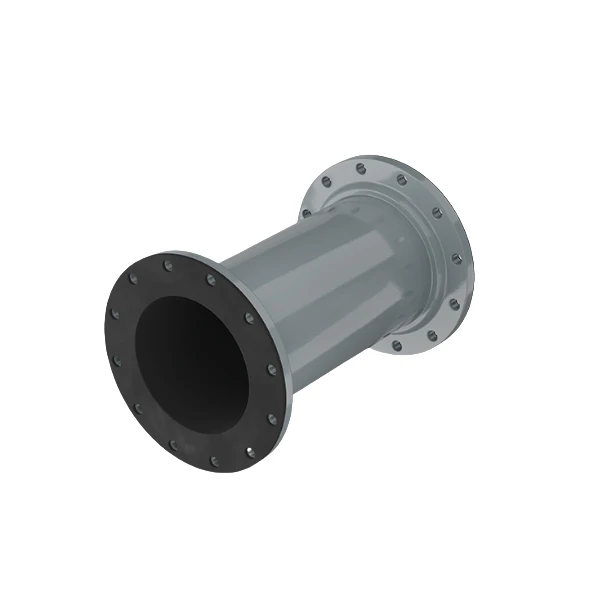
Related Products
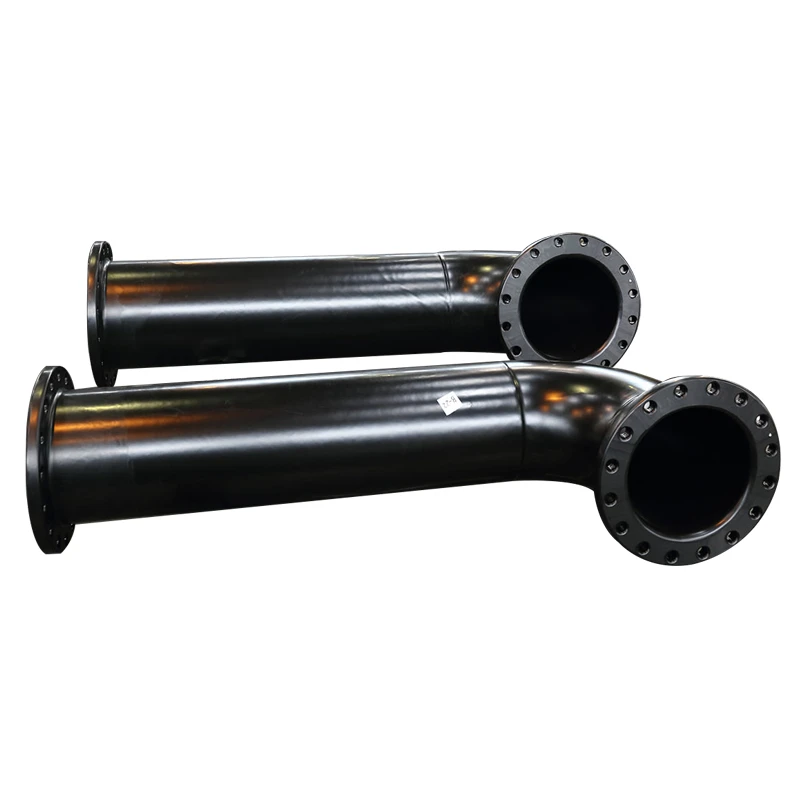
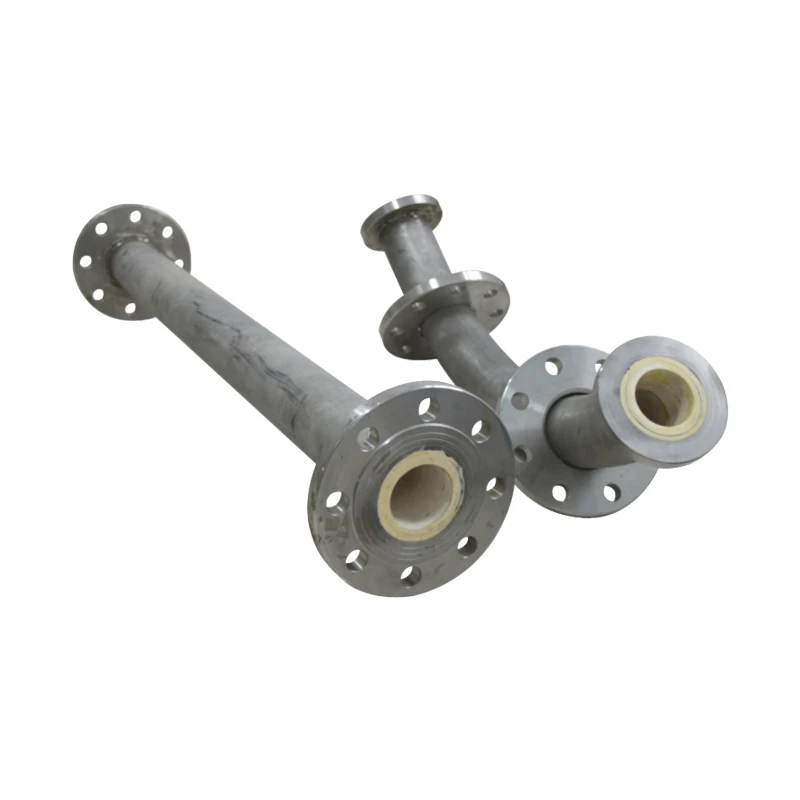
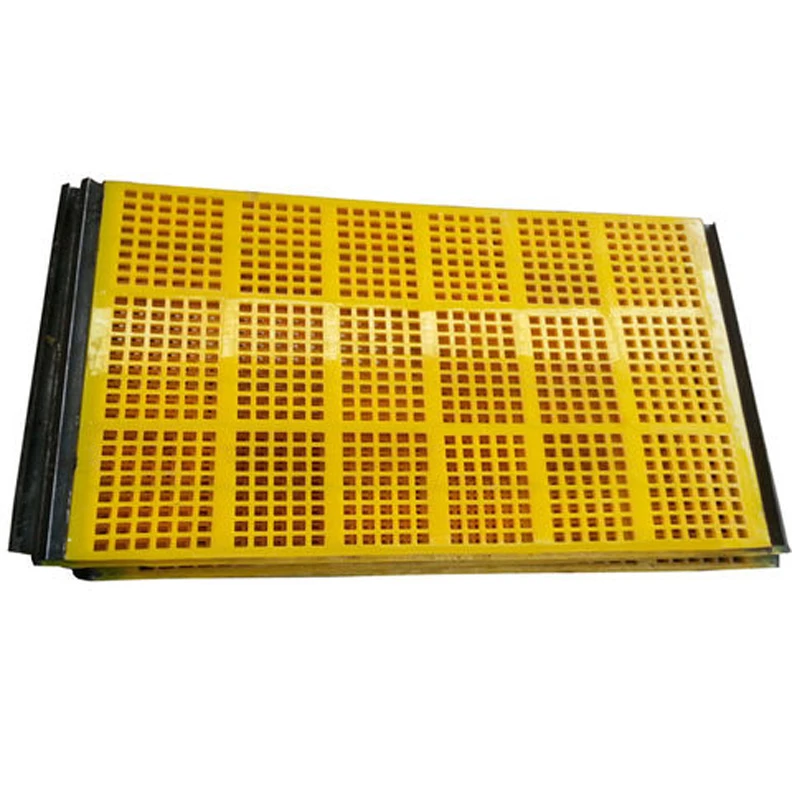
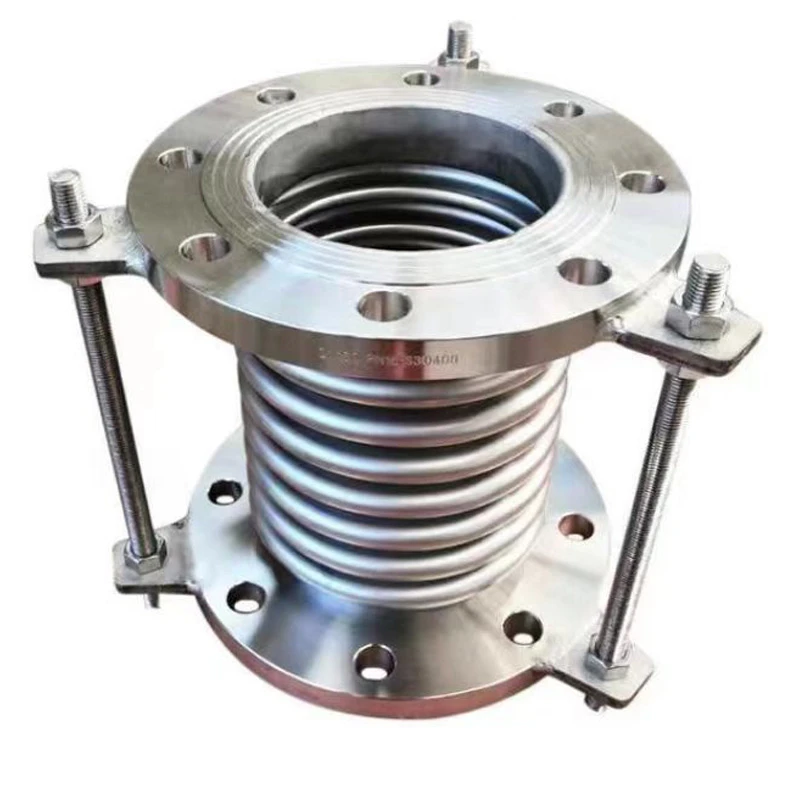
Our main products are polyurethane lined pipes, mining equipment fittings and metal hoses.