Durable Rubber Lined Tanks for Chemical Storage & Industrial Use
Rubber Lined Tank: A Durable Solution for Chemical Storage
Having spent close to two decades in the industrial equipment sector, I must say rubber lined tanks always catch my attention — for good reasons. If you’ve ever wrestled with corrosive chemicals or abrasive slurries, you know how quickly metals can succumb without proper protection. This is where rubber lined tanks step into the fray.
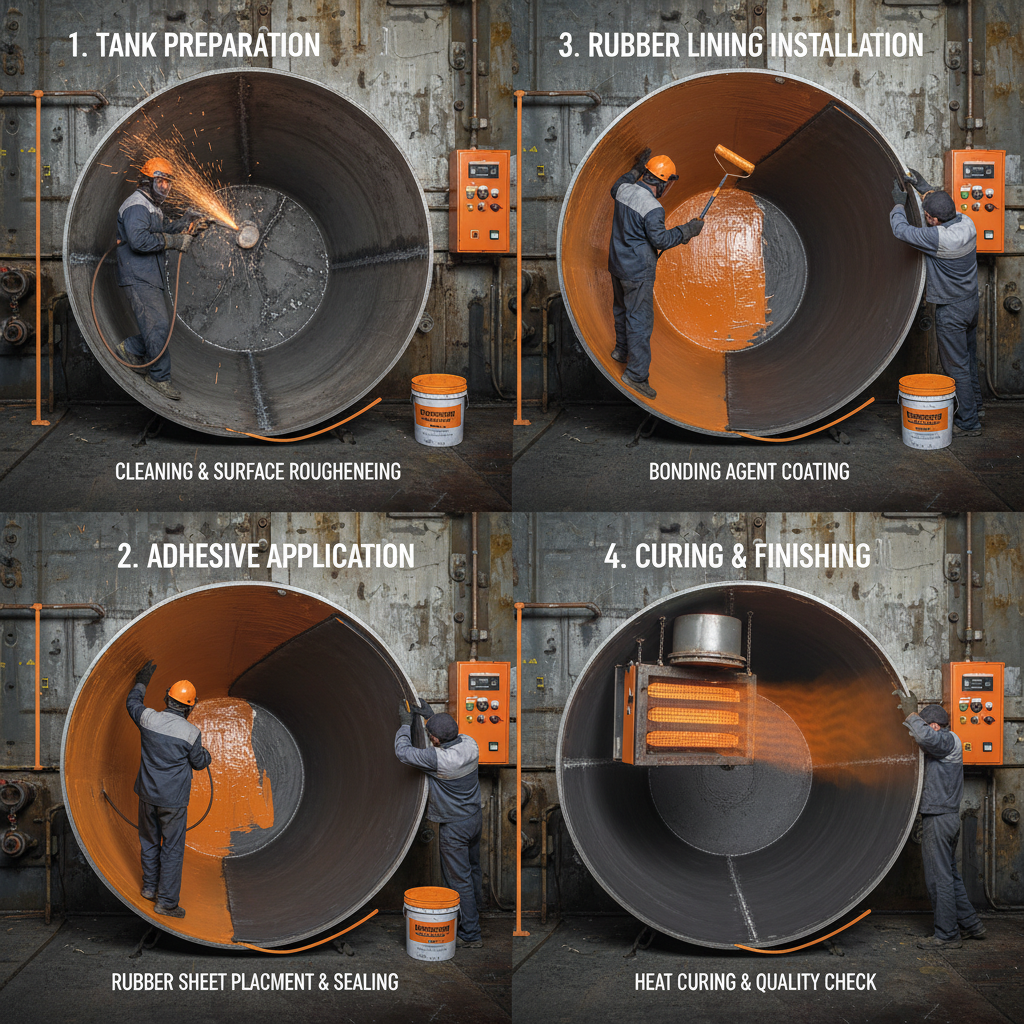
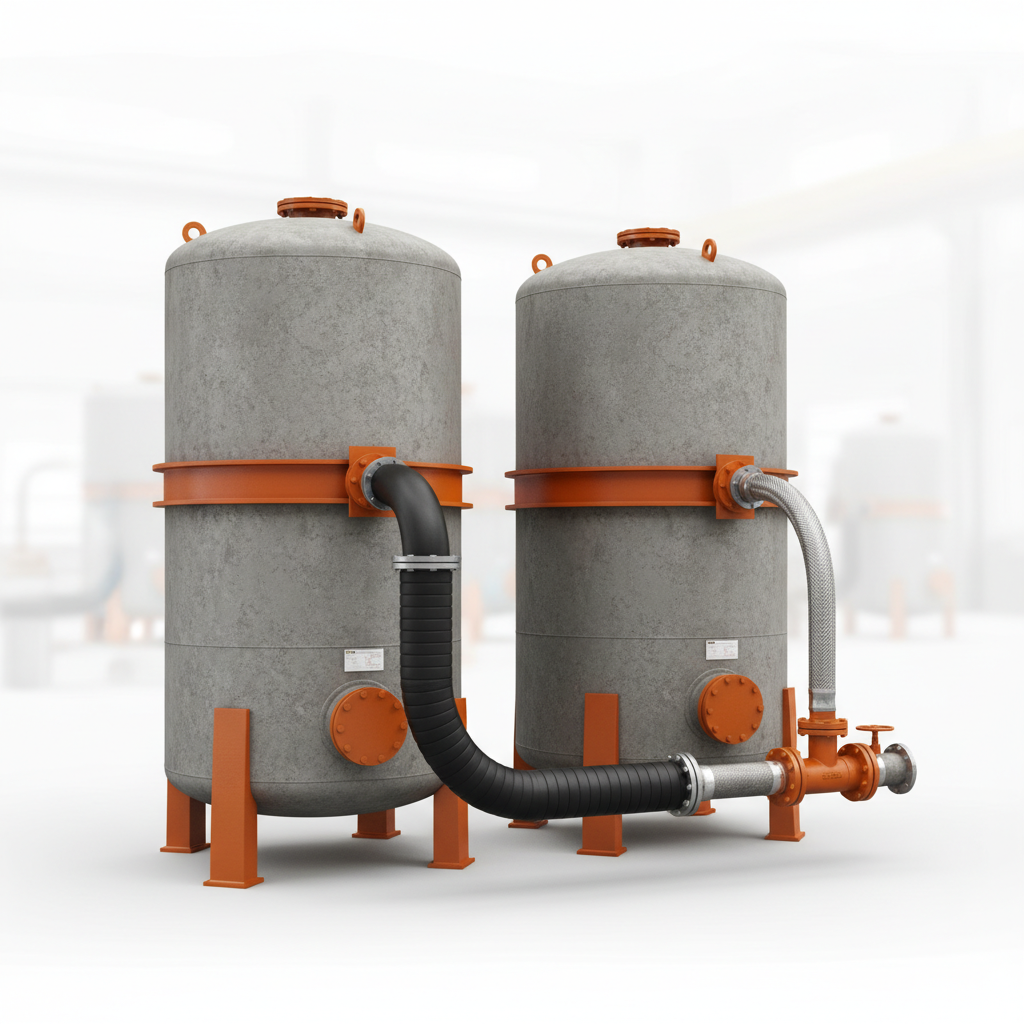
In simple terms, a rubber lined tank is a steel tank internally coated with a thick layer of specialized rubber, creating a barrier against chemical attack and abrasion. Oddly enough, it's often overlooked how versatile these tanks can be — from acid storage in wastewater plants to pulp processing in paper mills, they hold their ground where most metals would crumple.
Something I’ve noticed through the years: not all rubber linings are created equal. The choice of rubber compounds, thickness, and bonding process play pivotal roles. For instance, natural rubber works great against mild abrasives, but when you’re dealing with aggressive acids, neoprene or EPDM linings gain the upper hand. Frankly, that’s why customization is crucial — one size rarely fits all.
| Specification | Details |
|---|---|
| Tank Material | Carbon steel or stainless steel |
| Lining Material | Natural rubber, neoprene, EPDM, or nitrile |
| Lining Thickness | Typically 3 - 10 mm depending on application |
| Capacity Range | From 500 to 100,000 liters (custom sizes available) |
| Temperature Range | -40°C to +90°C (varies by rubber compound) |
| Testing | Vacuum & pressure tests, adhesion & thickness checks |
The rubber lined tank market has matured a lot, too. Previously, you’d get variations that didn’t quite hold up because lining was just glued on. Nowadays, manufacturers use vulcanizing or mechanical bonding techniques that ensure the lining adheres firmly, reducing delamination risks. I suppose that’s why these tanks last so much longer — we’re talking decades in many cases.
Now, while choosing a supplier, I’d always advise looking beyond just price. The following table compares several typical vendors to give you a clearer picture. It’s worth noting: some suppliers specialize in standard sizes and are quick to deliver, while others offer full customization including agitation systems, special nozzles, and more.
| Vendor | Customization | Lead Time | Typical Applications | Warranty |
|---|---|---|---|---|
| QW Metal | Full (sizes, linings, fittings) | 6-8 weeks | Chemical, wastewater, pulp | 5 years |
| Vendor B | Limited to standard specs | 4 weeks | Water treatment, food industry | 3 years |
| Vendor C | Customized linings only | 8-10 weeks | Mining, abrasives | 4 years |
One vivid memory I have is working on a project for a paper mill that was dealing with extreme pH pulp slurry. They’d tried stainless tanks but kept facing rapid wear. Switching to rubber lined tanks provided immediate relief — they lasted over five years without lining failure, saving both time and money in the long run. Plus, maintenance became easier, since the lining protected the steel shell from corrosion.
I suppose if there’s a downside, it’s that rubber lining can add some initial cost and weight. But, the tradeoff in durability and reduced downtime is almost always worth it. It also pays to ensure regular inspection since any damage to the lining can expose the steel underneath — and that’s when the real trouble starts.
In real terms, whether you’re storing acids, oxidizers, or abrasive sludges, a rubber lined tank often proves a reliable backbone for your operations. And with today’s manufacturing advances, you can tailor them to fit weird spaces or complex processing requirements — which is no small thing.
Final thought: If you’re uncertain about which lining suits your needs, consult a trusted supplier who can guide you through chemical compatibility testing and design parameters. It’s a small step that pays big dividends.
References:
1. Parker, S. “Industrial Rubber Linings: Materials & Applications.”
2. Chemical Engineering Journal, Vol.112 (2018): “Rubber Lined Storage Tanks in Corrosive Environments.”
3. QW Metal Official Product Guides, 2023.
Related Products
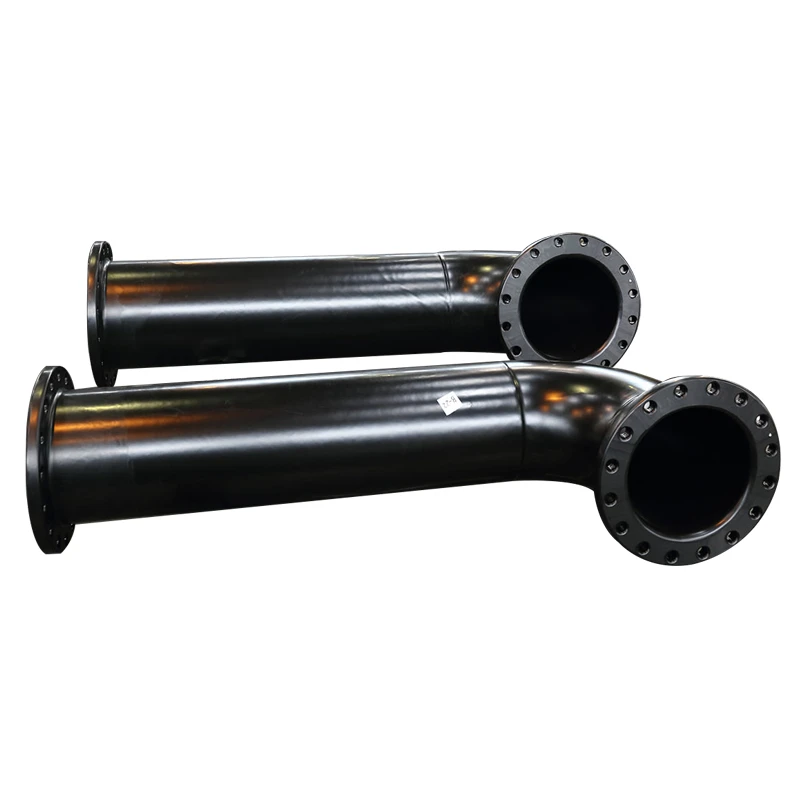
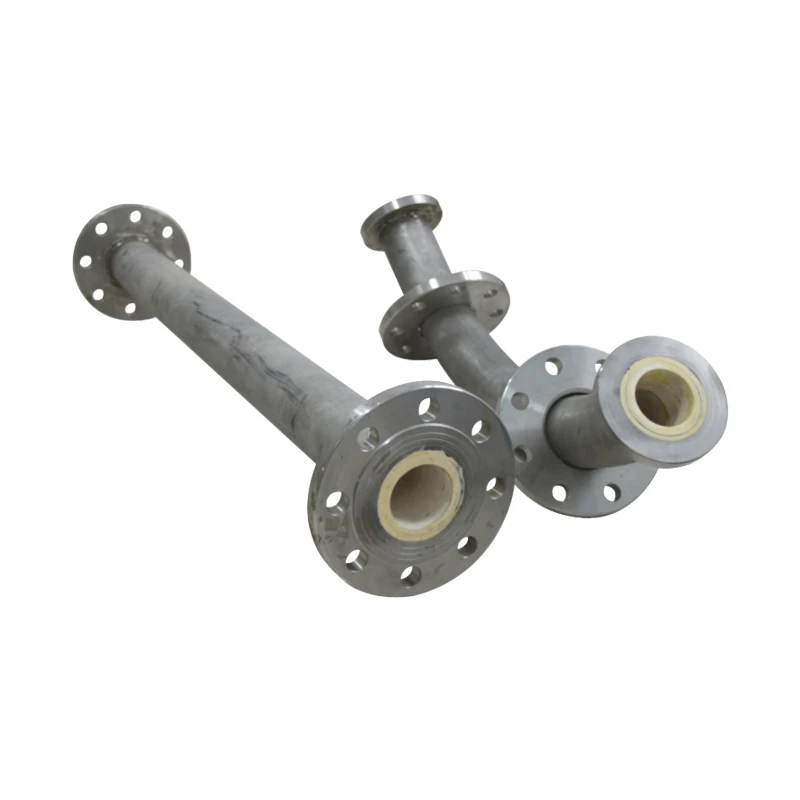
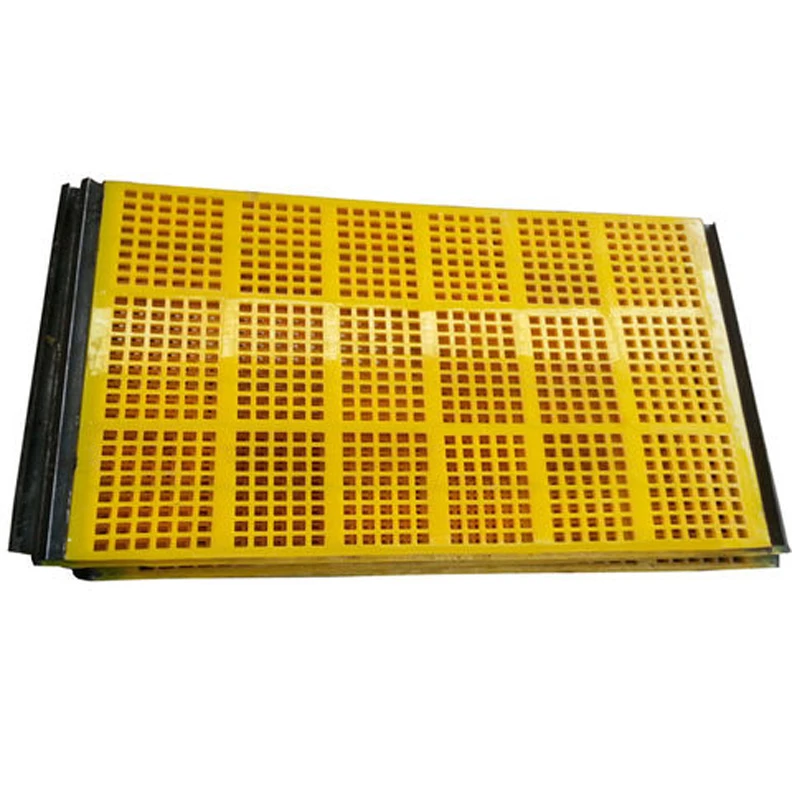
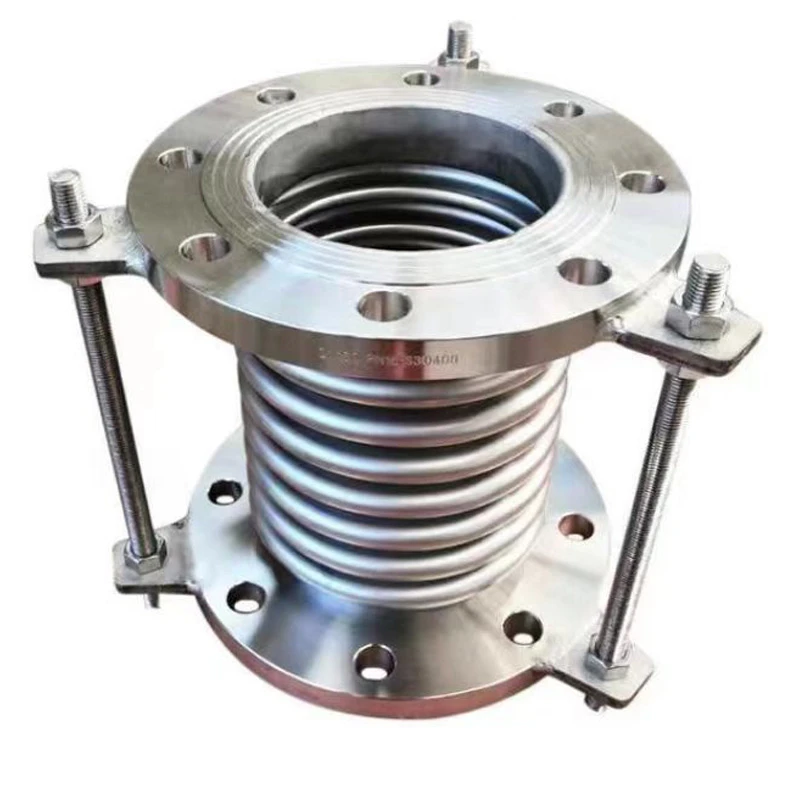
Our main products are polyurethane lined pipes, mining equipment fittings and metal hoses.