Best Chemical Tank Suppliers for Industrial Storage Solutions
Chemical Tank Suppliers: Choosing the Right Partner for Your Industrial Needs
Having spent well over a decade working closely with chemical tank suppliers, I can honestly say that finding the right one is part art, part science—and a bit of luck too, honestly. It’s not just about buying a tank; it's about partnering with folks who understand the harsh realities of handling corrosive liquids, who can customize solutions, and stand behind their product when things get tough.
In real terms, chemical tanks today are far beyond simple storage vessels. Materials matter immensely — stainless steel, polyethylene, and reinforced fiberglass are the usual suspects — each with its quirks and clear use cases. I still remember a project where the client insisted on a low-cost polyethylene tank, only to realize mid-season that chemical compatibility wasn’t quite right. That’s a lesson well learned: always match your tank material precisely to the chemical stored.
Frankly, many engineers say that tank durability and corrosion resistance are top priorities, but you also need to look at factors like thermal expansion, UV resistance, and pressure limits. Some of the better suppliers run extensive testing—both in-house and with third parties—to certify that their tanks won’t crack, deform, or leak under typical and unexpected stresses.
Let’s talk specs. Most industrial chemical tanks come in a variety of sizes and configurations, with design codes such as ASME or API standards influencing how they’re built. Here’s a simplified snapshot to give you a feel:
| Spec | Typical Value | Notes |
|---|---|---|
| Material | Stainless Steel 304/316 or HDPE | 316 preferred for aggressive chemicals |
| Capacity | 500 - 50,000 Liters | Custom sizes also common |
| Design Pressure | Up to 10 bar | Varies by application |
| Temperature Range | -40°C to +120°C | Depends on material |
| Certifications | ISO 9001, ASME, API | Ensures quality & safety |
Oddly enough, despite the industrial scale of these tanks, there's often a strong element of customization, too. End users often want specific fittings, level gauges, manholes, or insulation. I’ve seen suppliers who simply ship out standard stock models and others who genuinely partner to build exactly what you need, sometimes within surprisingly short lead times.
From working with a handful of notable suppliers in Asia, Europe, and North America, I noticed differences in how they approach quality and service. Here’s a quick vendor comparison based on key factors you might care about:
| Supplier | Material Range | Customization | Lead Time | Certifications | Support |
|---|---|---|---|---|---|
| QW Metal | Stainless Steel, HDPE, FRP | Highly customizable | 4-6 weeks typical | ISO 9001, ASME | Excellent technical support |
| Global Tanks Co. | Primarily Steel | Limited | 6-8 weeks | API Certified | Standard customer service |
| ChemStor Inc. | HDPE, FRP | Moderate | 3-5 weeks | ISO 14001 | Good post-sale support |
By the way, QW Metal stands out in my experience as one of the few who really blend a nice balance of material options, careful testing, and responsive customer service. It’s like they have as much skin in the game as you do, which frankly makes a difference when downtime could cost thousands.
In closing, if you want my two cents after all these years: don’t just price shop chemical tank suppliers. Dig into their certifications, sample testing results, and above all, their willingness to understand your specific application. The right chemical tank supplier can make or break your facility's safety and efficiency. And trust me, nobody wants surprises when you have chemicals stored on-site.
After all, a chemical tank is more than just metal or plastic—it's the foundation of countless processes and safety measures. Choose wisely.
References:
1. ASME Boiler and Pressure Vessel Code, Section VIII
2. ISO 9001 Quality Management Systems
3. API Standards for Storage Tanks
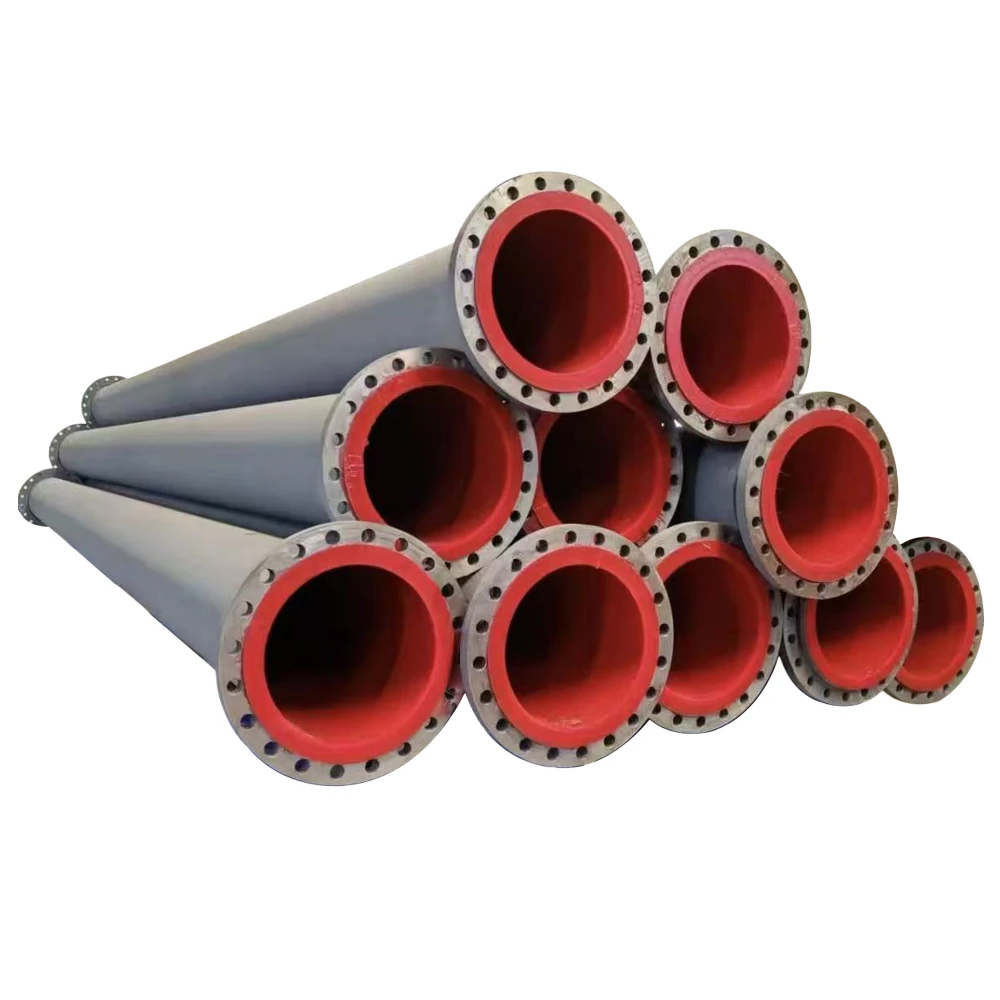
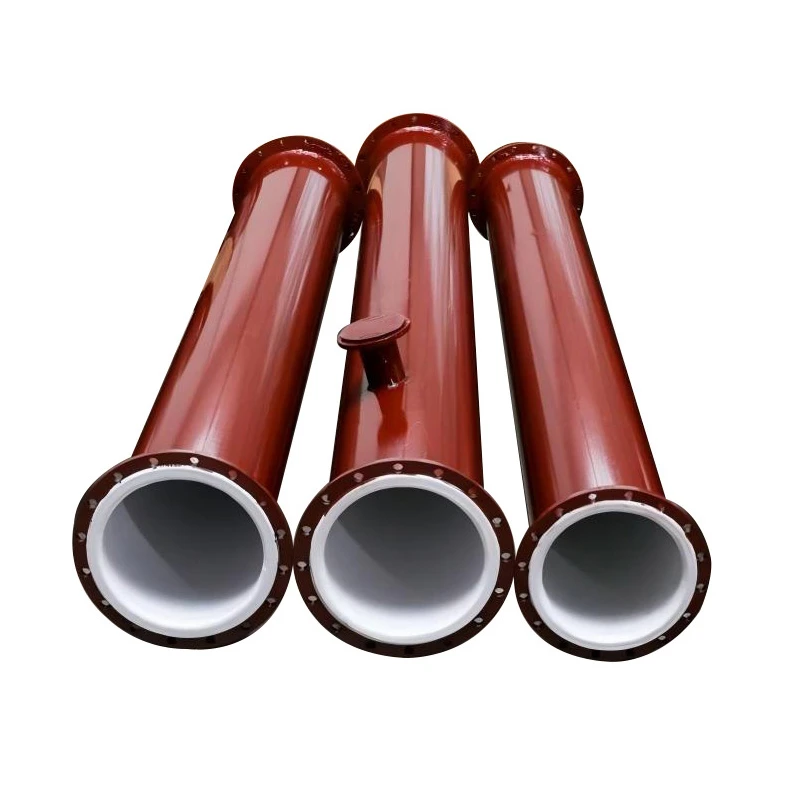
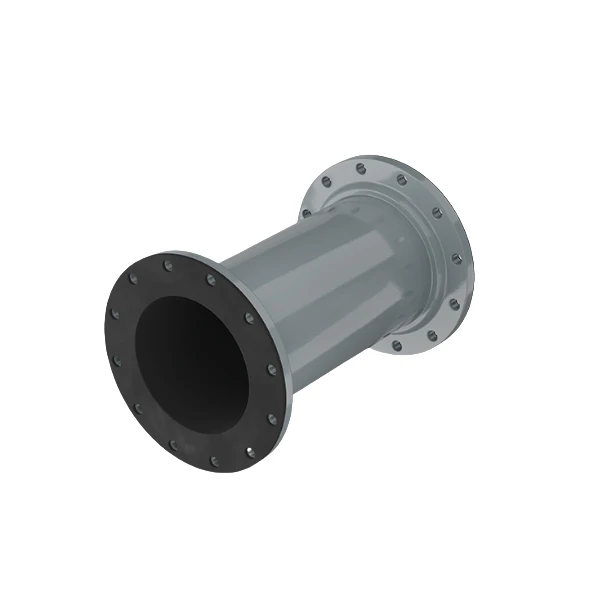
Related Products
Our main products are polyurethane lined pipes, mining equipment fittings and metal hoses.