Reliable Chemical Tanks for Industrial Applications | QW Metal
Chemical Tanks: Durable Solutions for Industrial Storage
Having clocked many years in the industrial equipment sector, I’ve learned that chemical tanks really are the unsung heroes of countless processes. Frankly, these containers might not spark much excitement outside their niche, but their role is pivotal — safely storing and managing various chemicals, sometimes under pretty harsh conditions.
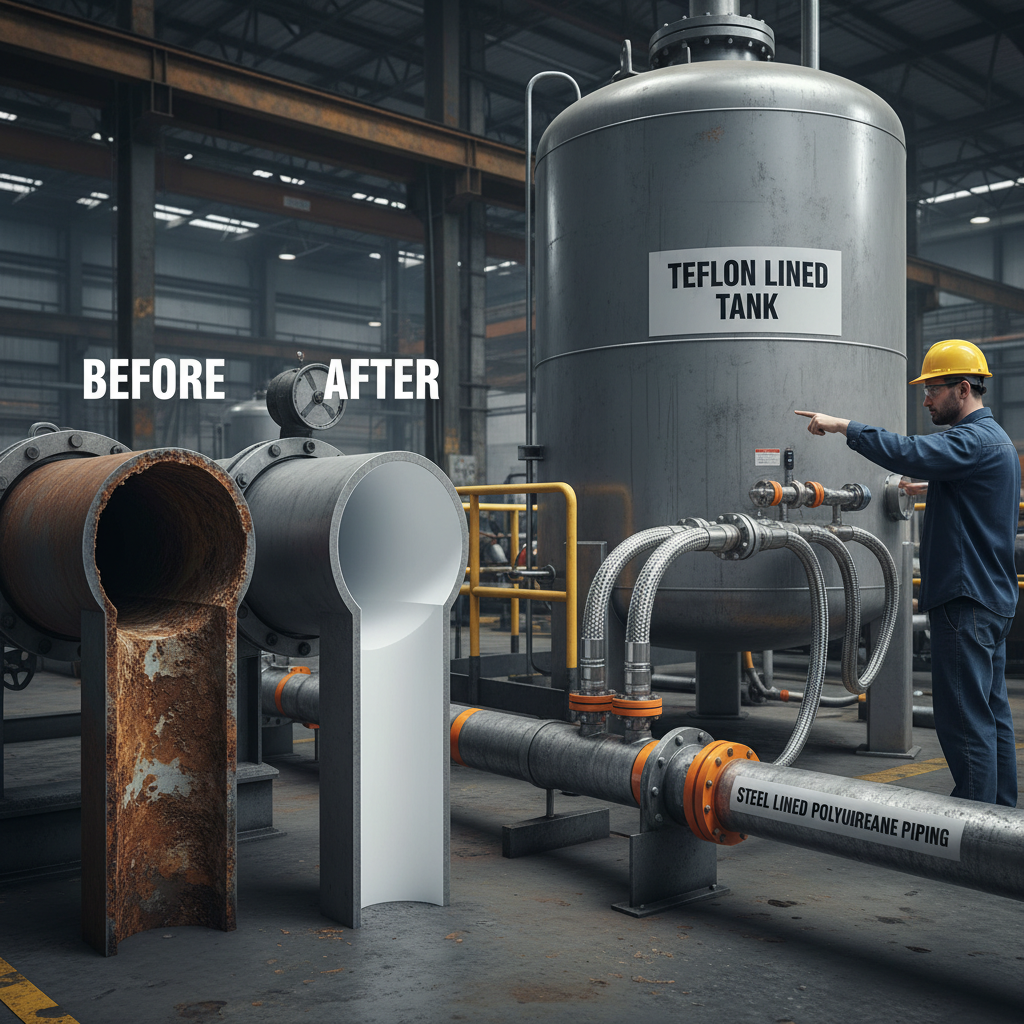
What’s striking, at least from my experience, is how designs have evolved. Years ago, you'd primarily find tanks made from standard carbon steel. They worked, but corrosion was often a headache, especially with acids or aggressive solvents. Today, industry demands have pushed manufacturers toward specialized alloys and composite linings that can withstand all sorts of nasty chemistry without degradation.
Oddly enough, many engineers I’ve met swear by stainless steel tanks with a 316L grade for chemical resistance balanced with cost. It’s a bit of a sweet spot in materials science — not too pricey, yet robust enough for most tasks. Meanwhile, polyethylene tanks have carved out a niche for lightweight, non-metallic options when you need chemical inertness above all.
In real terms, the right tank depends on what you’re storing, ambient conditions, and transport requirements. I recall a supplier client who needed to store a particularly volatile chemical. After a few hiccups with leakage in older equipment, they upgraded to custom double-walled tanks outfitted with rupture disks—pretty essential fail-safes. It cost a bit upfront, but saved them from headaches and shut-downs downstream.
Typical Chemical Tank Specifications
| Specification | Details |
|---|---|
| Material Types | Stainless Steel (316L), Carbon Steel w/ Liners, Polyethylene (HDPE) |
| Storage Capacity | 500L to 50,000L+ |
| Pressure Rating | Atmospheric to 10 bar (depending on design) |
| Features | Double walls, rupture disks, level gauges, vents, custom fittings |
| Certifications | ISO, ASME, API standards (varies by model) |
Comparing Chemical Tank Vendors
| Vendor | Material Range | Customization | Lead Time | Price Range |
|---|---|---|---|---|
| QW Metal | Carbon Steel, Stainless Steel (316L), Alloy 20 | High (custom sizes, linings, fittings) | 4–8 weeks | $$$ (Mid-range) |
| Acme Tanks | Polyethylene, Fiberglass | Medium (mostly standard sizes) | 2–6 weeks | $ (Budget-friendly) |
| Global Steel Tanks | Carbon Steel, Specialized Alloys | Low (limited customization) | 6–10 weeks | $$$$ (Premium) |
You know, the one thing I always emphasize when advising customers is to consider what's underneath the surface — literally. The internal lining, welding quality, and pressure integrity tests are what really dictate a tank’s lifespan. Sadly, specs on paper can look perfect but if the manufacturing shortcuts are taken... well, problems are just a few months down the line.
On the finish line, chemical tanks are more than just containers—they’re critical components of your industrial ecosystem. It’s kind of like selecting footwear; a mistake in your choice, and you’re facing blisters and setbacks instead of steady progress.
So next time you’re specifying a chemical tank, think beyond capacity and price. Ask about material certifications, customization options, and of course, the people behind the product. That’s where reliability lives.
Sources and further reading:
- API Standard 650: Welded Steel Tanks for Oil Storage
- ASME Boiler and Pressure Vessel Code Section VIII
- Industry case studies on chemical tank failures, Journal of Industrial Equipment
Related Products
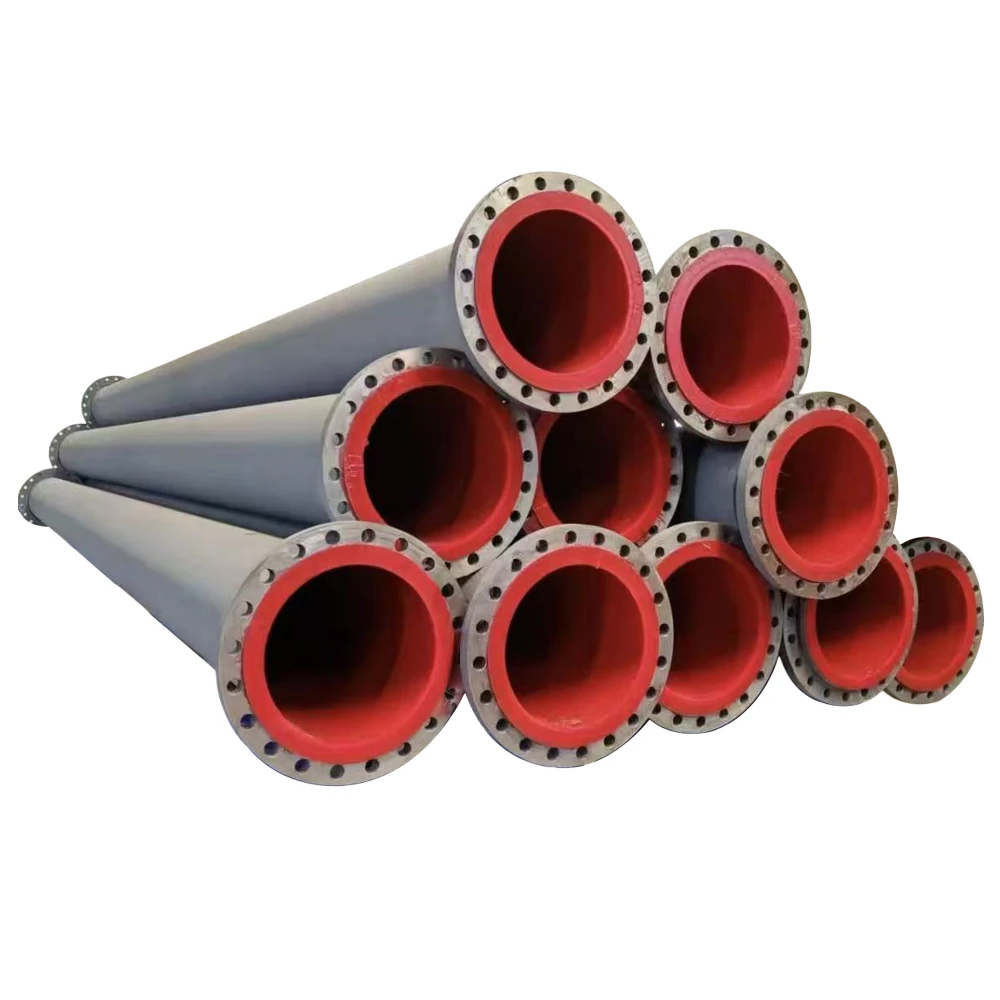
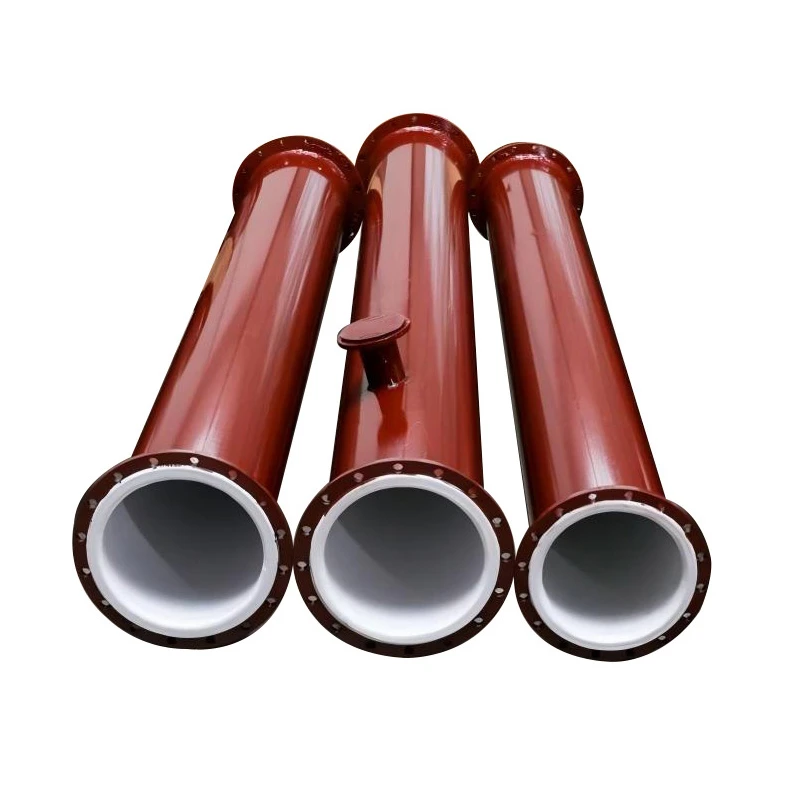
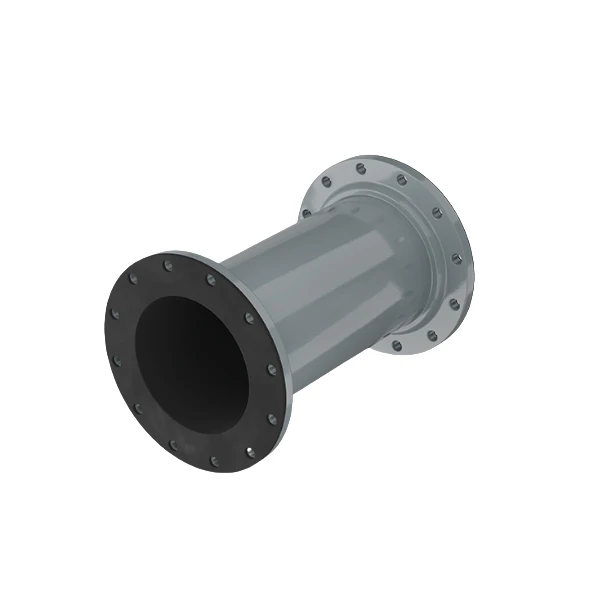
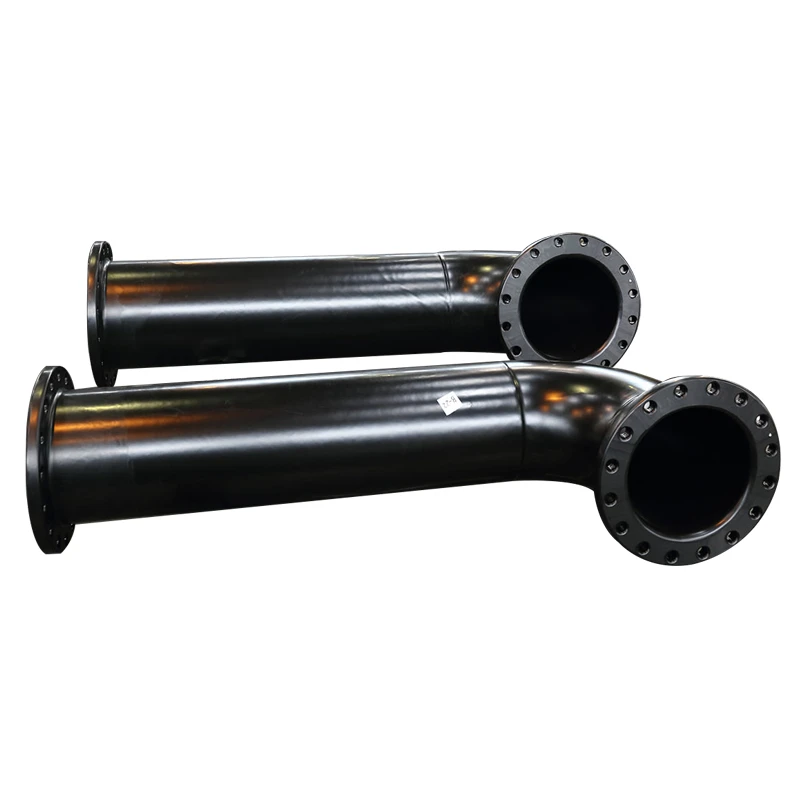
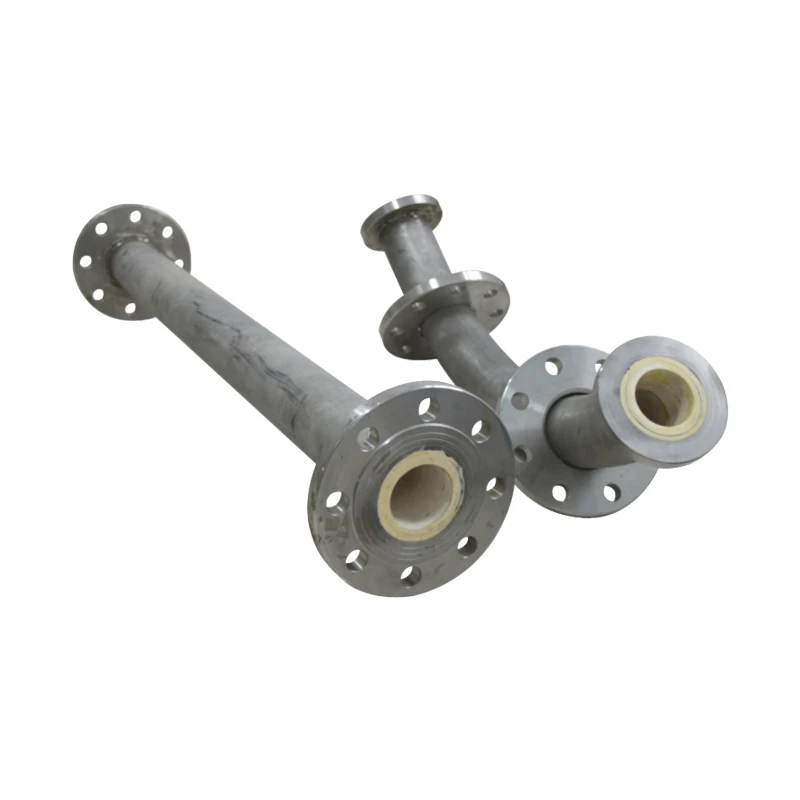
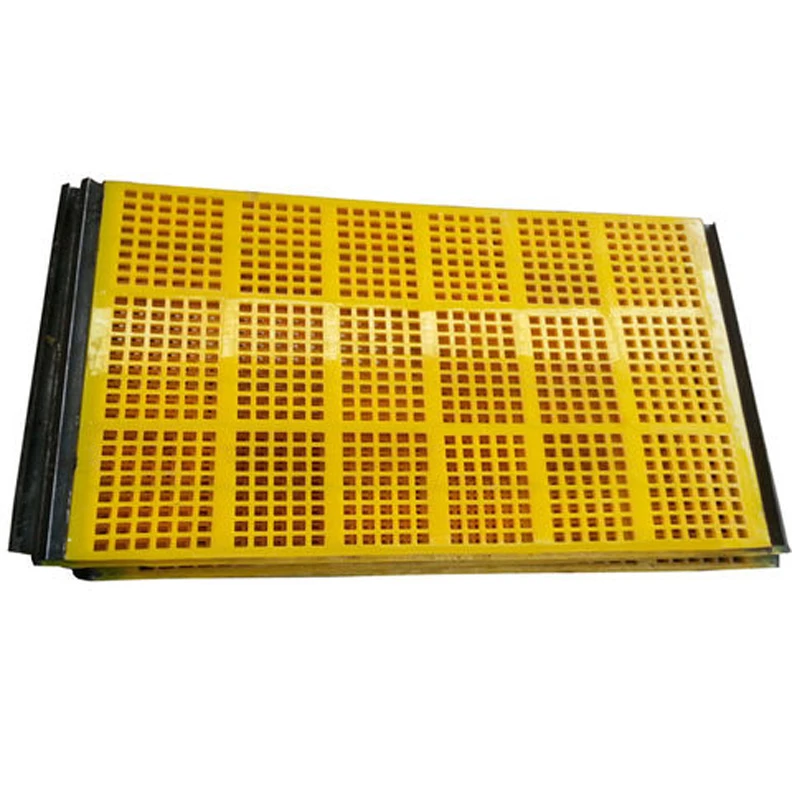
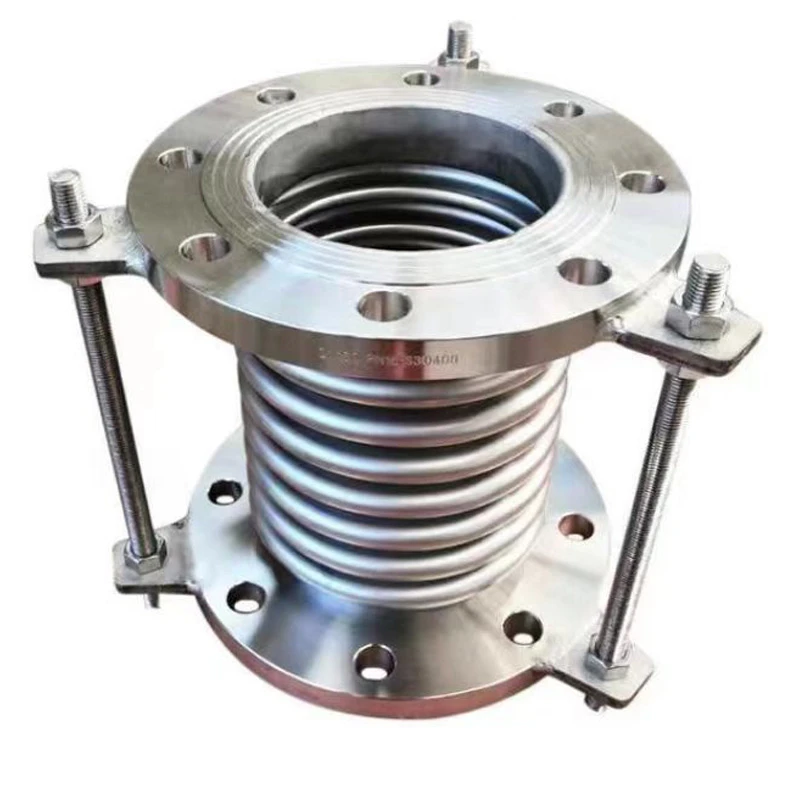
Our main products are polyurethane lined pipes, mining equipment fittings and metal hoses.