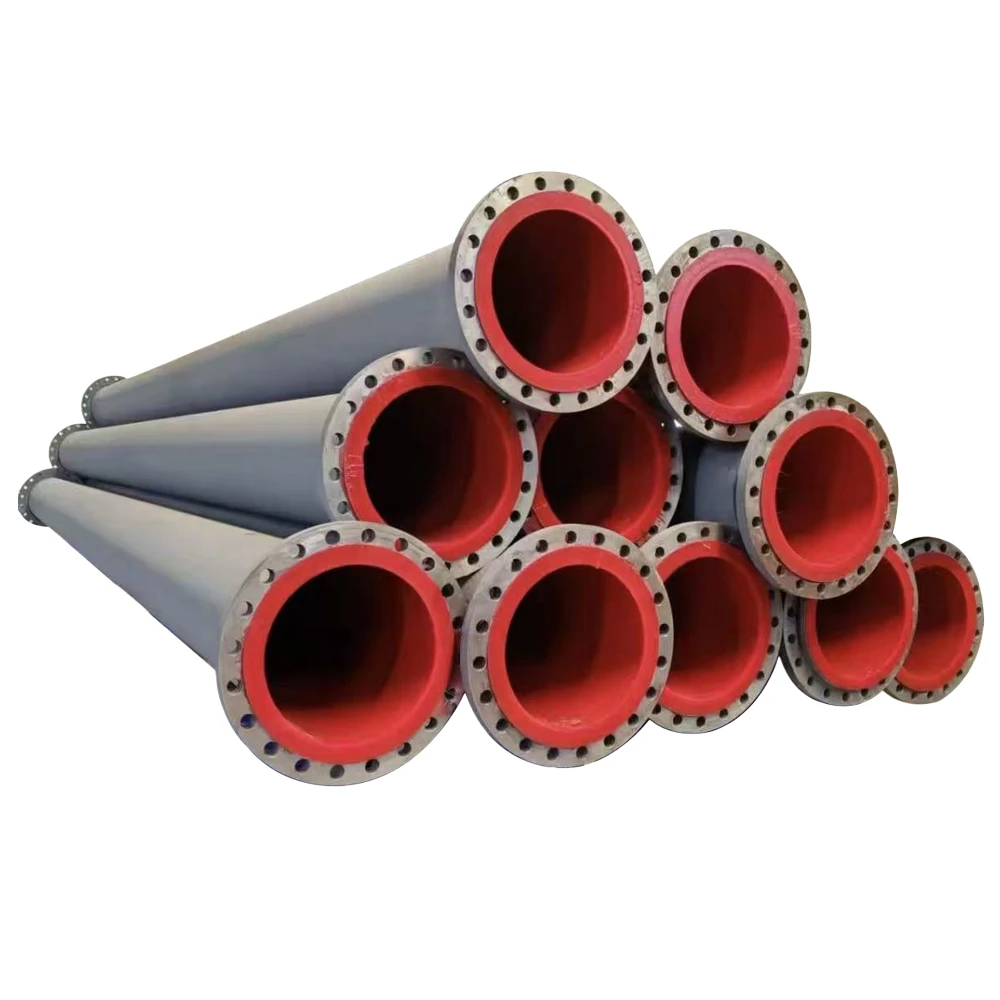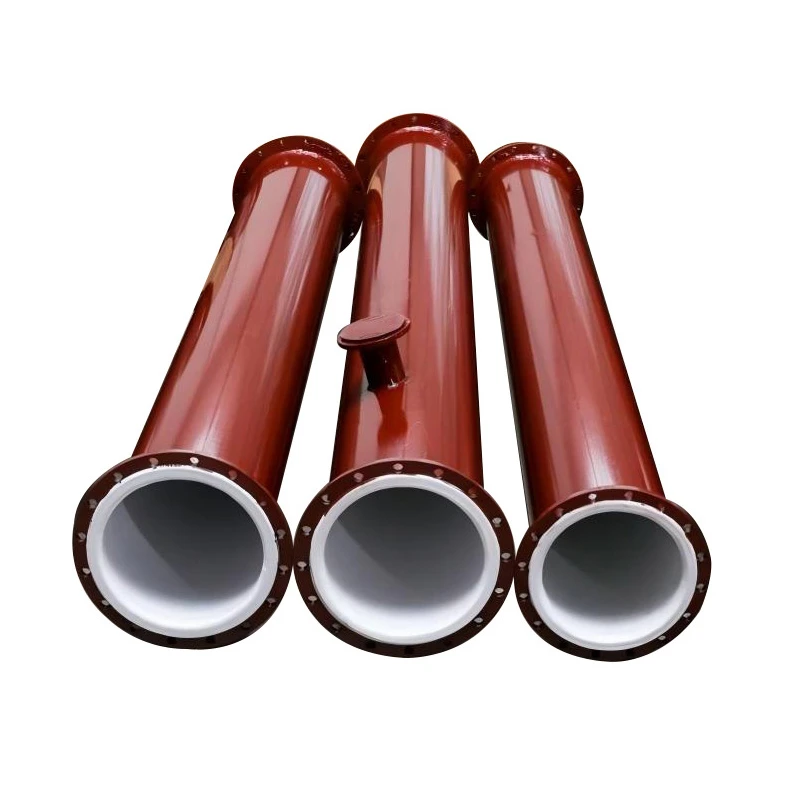
High Performance Industrial Lined Tanks ptfe lined pipe factory
When handling aggressive chemical media, the integrity of containment systems is the primary line of defense against operational failure and environmental hazards. Corrosion-resistant storage solutions, specifically those utilizing high-performance internal linings, are critical for industries dealing with strong acids, alkalis, and organic solvents. The challenge for many engineers is balancing structural strength with absolute chemical inertness.
Hebei Qiao Wan Metal Products Co., Ltd. addresses this by integrating heavy-duty steel shells with advanced polymer linings. Whether the requirement is for a vertical cylindrical tank or a custom horizontal vessel, selecting the right lining material—such as PTFE, PU, or PE—determines the service life of the asset. By focusing on bonding technology and material purity, a professional ptfe lined pipe factory can provide solutions that withstand extreme temperature fluctuations and highly reactive fluid contact, ensuring safety and regulatory compliance in chemical processing and mining sectors.

Engineering High-Performance Lining Options for Aggressive Industrial Media
The selection of an internal lining is not a one-size-fits-all decision; it depends entirely on the chemical profile of the stored medium. PTFE (Polytetrafluoroethylene) stands as the gold standard for near-universal chemical resistance. It is virtually inert, making it the only viable choice for strong acids and solvents that would degrade other polymers, especially when operating at elevated temperatures.
For applications where mechanical impact and abrasion are more concerning than pure chemical reactivity, Rubber Lining provides superior elasticity and impact absorption. Meanwhile, Polyurethane (PU) is engineered for high-strength, long-life scenarios where wear resistance is paramount. Polyethylene (PE) remains a cost-effective and efficient choice for standard acid and alkali storage. By utilizing high-quality carbon steel or stainless steel as the structural shell, these linings create a dual-layer protection system that prevents permeate migration and structural corrosion.
A specialized ptfe lined pipe factory approach to tank manufacturing involves precision bonding. The integration of lining technology ensures that the polymer adheres strongly to the metal substrate, eliminating gaps that could lead to "ballooning" or leakage under vacuum or pressure cycles.

Industrial Application Scenarios and Operational Requirements
Corrosion-resistant tanks are deployed across several high-stakes industries where failure is not an option. In chemical processing plants, these vessels store intermediate reagents and catalysts that can eat through unprotected steel in hours. In oil refineries, they are essential for managing petroleum-based liquids and salt solutions during the desalination or refining stages.
The mining and metallurgy sector utilizes these tanks for leaching processes and the storage of tailings chemicals. Because these environments are often outdoors and exposed to varying climates, the structural shells are designed for durability, while the linings protect the interior from the aggressive slurry. Wastewater treatment plants also rely on these systems to contain concentrated acids used in pH neutralization.
Key operational considerations include:
- Temperature Stability: PTFE linings allow for high-temperature fluid storage without compromising the seal.
- Volume Customization: Capacity ranges from 1,000 liters for pilot plants to over 100,000 liters for large-scale industrial reserves.
- Configuration: Vertical designs optimize floor space, while horizontal tanks are preferred for specific stability requirements or larger volumes.
Strategic Procurement and Supplier Evaluation for Lined Vessels
When sourcing lined storage solutions, procurement managers must look beyond the initial price point and evaluate the long-term Total Cost of Ownership (TCO). A low-quality lining can lead to catastrophic leaks, resulting in costly downtime and environmental remediation. Evaluation should focus on the bonding method used between the liner and the shell, as this is the most common point of failure.
Hebei Qiao Wan focuses on rigorous quality control, from raw material selection to final pressure and leak testing. For those requiring OEM or ODM services, the ability to customize inlet/outlet nozzles, manways, and supports is critical for seamless integration into existing piping networks. We provide technical consultations and design optimization to ensure the chosen material—be it PU or PTFE—matches the specific chemical concentration and temperature of the project.
Furthermore, compliance with global industrial standards ensures that the vessels are safe for both indoor and outdoor installations. A trusted manufacturer provides comprehensive after-sales support, including lining inspection and maintenance guidance, to extend the service life of the equipment even under heavy chemical loads.
Comparison of Lining Materials for Storage Tanks
| Lining Material | Chemical Resistance | Abrasion Resistance | Temp. Tolerance | Primary Use Case |
|---|---|---|---|---|
| PTFE | Outstanding | Medium | High | Strong acids & solvents |
| Polyurethane (PU) | High | Excellent | Medium | High-wear industrial media |
| Rubber | Medium | Superior | Medium | Mechanical impact areas |
| Polyethylene (PE) | Excellent | Medium | Low/Medium | Standard acids & alkalis |
| Carbon Steel (Shell) | Low (Internal) | High (External) | High | Structural support shell |
Manufacturing Excellence and Quality Assurance Standards
The durability of a lined tank is a direct result of the manufacturing precision. At Hebei Qiao Wan, we utilize a skilled team of 50 staff, including senior engineers and technicians, to oversee every stage of production. The process begins with the fabrication of the structural shell from high-grade carbon or stainless steel, followed by the application of the internal lining using professional bonding techniques.
Our commitment to quality is evidenced by our rigorous testing protocols. Each tank undergoes comprehensive inspections to ensure it is leak-proof and that the lining is free of pinholes or voids. This integrated lining technology ensures strong adhesion, significantly reducing maintenance frequency and operational risk for the end-user.
By offering both standardized products and customized solutions, we meet a wide array of international standards. Our state-of-the-art facilities allow us to scale production from small-capacity tanks to massive industrial reservoirs without compromising the precision of the lining process.
Future Trends in Corrosion-Resistant Containment Systems
The industry is moving toward more sustainable and intelligent containment solutions. There is an increasing demand for linings that not only resist corrosion but also minimize the environmental footprint of chemical storage. The development of hybrid linings, combining the properties of multiple polymers, is an area of active exploration to provide both extreme chemical resistance and high mechanical durability.
Moreover, the integration of sensor technology within the tank walls—monitoring lining thickness and detecting early-stage leaks—is becoming a priority for high-risk chemical facilities. This shift toward "smart tanks" reduces the reliance on manual inspections and prevents catastrophic failures through real-time data monitoring.
As global industrial standards tighten, the role of the professional manufacturer evolves from a simple supplier to a technical partner. Hebei Qiao Wan remains dedicated to continuous improvement, ensuring that our storage solutions not only stand the test of time but also adapt to the evolving safety and environmental requirements of the global market.
Frequently Asked Questions About Lined Storage Tanks
Which lining material is best for storing concentrated sulfuric acid?
For concentrated sulfuric acid, PTFE (Polytetrafluoroethylene) is the most recommended lining due to its outstanding resistance to nearly all chemicals and high temperature stability, ensuring the structural shell remains protected.
What is the typical capacity range for your corrosion-resistant tanks?
Our tanks are customizable in volume, typically ranging from 1,000 liters for smaller specialized applications to over 100,000 liters for large-scale industrial storage needs.
Can these tanks be installed outdoors?
Yes, our tanks are engineered for both indoor and outdoor installations. The outer structural shell is designed to withstand environmental exposure while the internal lining protects against the stored media.
How do you ensure the lining does not peel or leak?
We use integrated lining technology and professional bonding processes to ensure strong adhesion between the polymer and the metal shell, followed by rigorous leak-proof testing before delivery.
Do you support custom designs for nozzles and manways?
Yes, we offer extensive design flexibility, providing customized inlet/outlet nozzles, manways, and supports to match your specific operational requirements via OEM/ODM services.
What is the difference between PU and PTFE linings?
PTFE is primarily used for extreme chemical resistance and high temperatures, whereas Polyurethane (PU) is selected for its superior wear and abrasion resistance in high-strength applications.
Technical References and Industry Sources
- International Organization for Standardization - Industrial Tank Standards
- Association for Specialty the Environment - Chemical Containment Guidelines
- Environmental Protection Agency - Storage Tank Regulations
- U.S. Chemical Safety Board - Corrosion Prevention Case Studies
If you are looking for high-performance corrosion-resistant storage solutions tailored to your specific chemical requirements, Hebei Qiao Wan Metal Products Co., Ltd. is ready to assist. Please contact our engineering team for design optimization and technical consultations to ensure the safety and longevity of your industrial infrastructure.
Related Articles