Durable Teflon Lined Tanks for Industrial Storage | QW Metal
Exploring the Benefits and Uses of Teflon Lined Tanks in Industrial Equipment
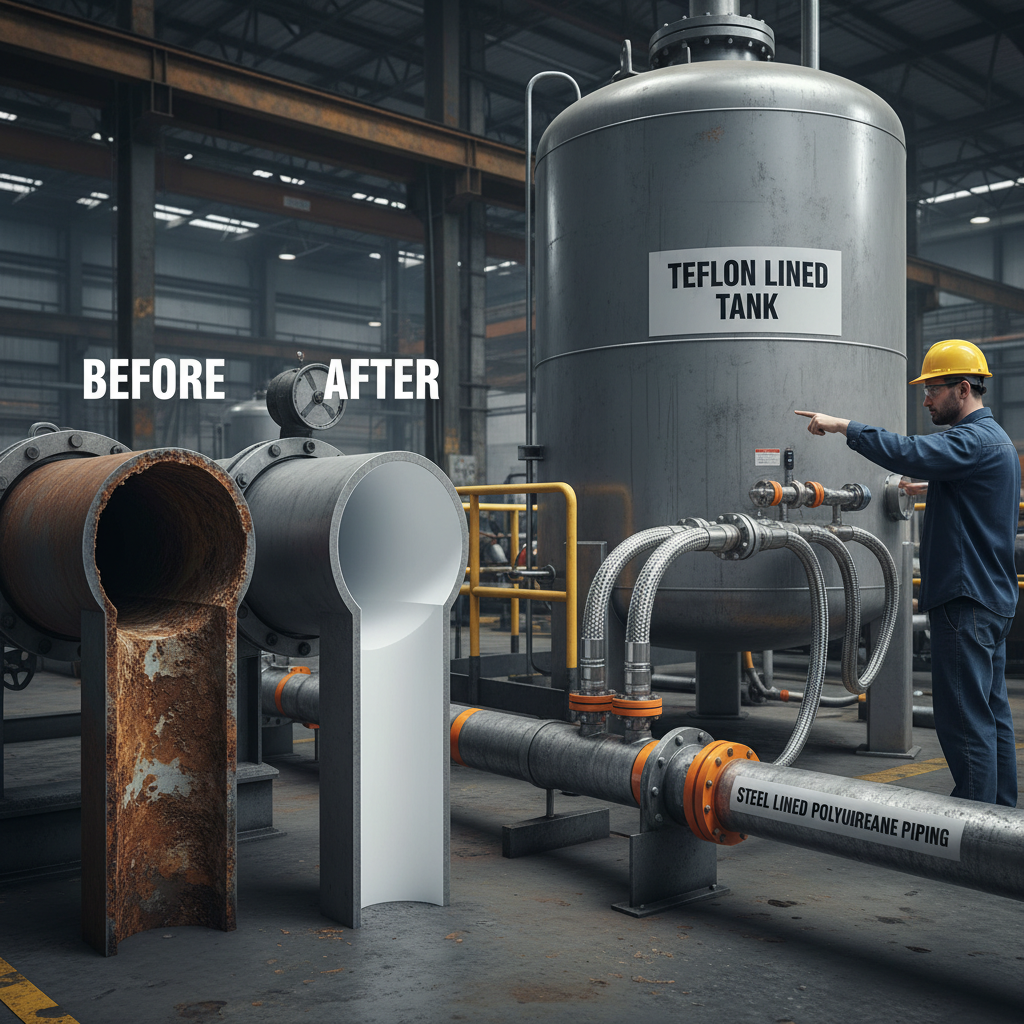
Having spent more than a decade working with industrial equipment—mostly in chemical processing plants and food-grade storage facilities—I’ve come to appreciate the quiet but powerful role that teflon lined tanks play. Oddly enough, they don’t tend to grab headlines like heavy machinery or robotics, but they’re absolutely crucial behind the scenes. When you get down to it, the clever combination of durable metals with a resilient Teflon (PTFE) lining changes the game completely.
Now, if you’re not intimately familiar with these tanks, the idea is straightforward: they’re basically metal storage or processing tanks coated internally with a layer of Teflon. Why? Because Teflon resists aggressive chemicals, reduces contamination risk, and practically laughs off corrosion. In real terms, this means you can store acids, bases, solvents – basically a long list of notoriously nasty fluids – without the tank itself breaking down prematurely.
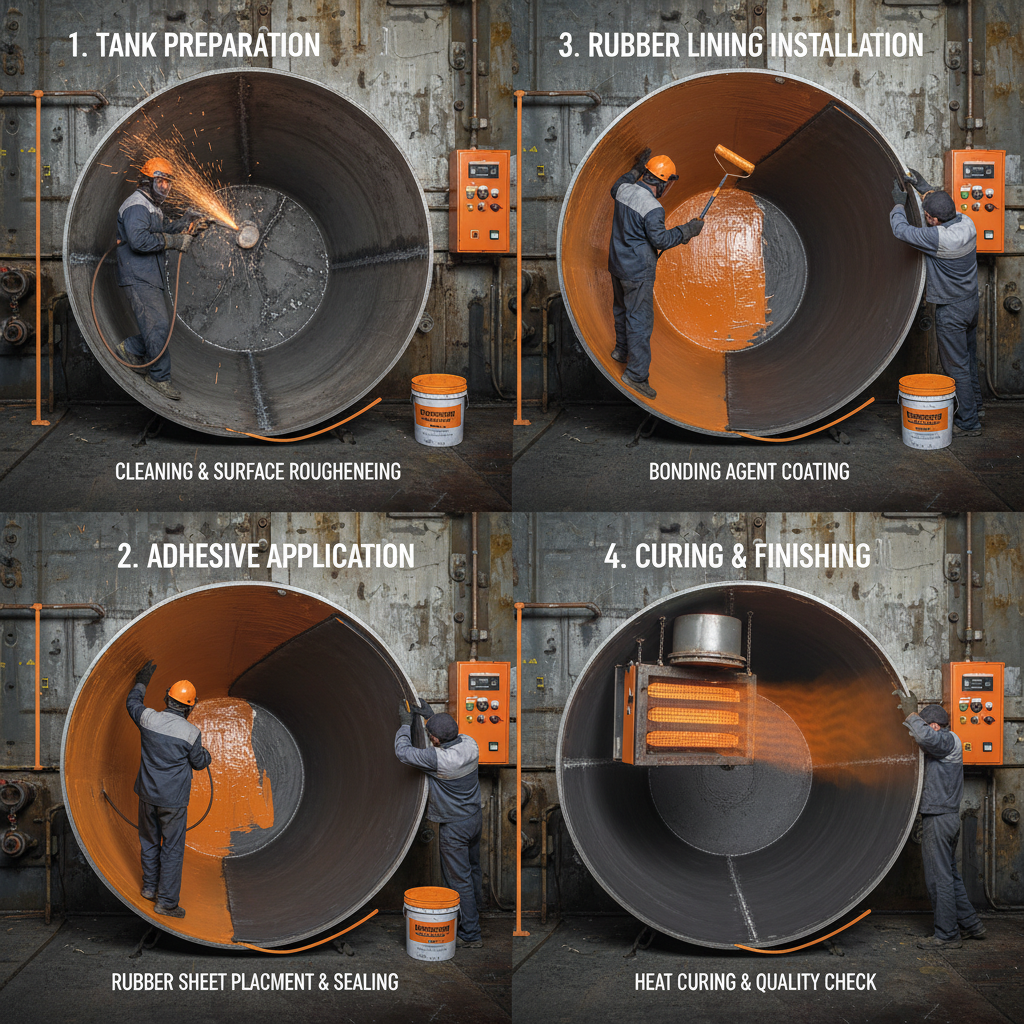
From my experience, the most common metals chosen for these tanks are carbon steel or stainless steel, with Teflon coatings applied via specialized processes like spray, sintering, or skiving. Each method has its pros and cons in terms of thickness, adhesion strength, and cost. Honestly, I’ve seen tanks with linings ranging anywhere from 1 to 5 millimeters. The thicker the better for durability in hostile conditions, but budget realities tend to keep it moderate.
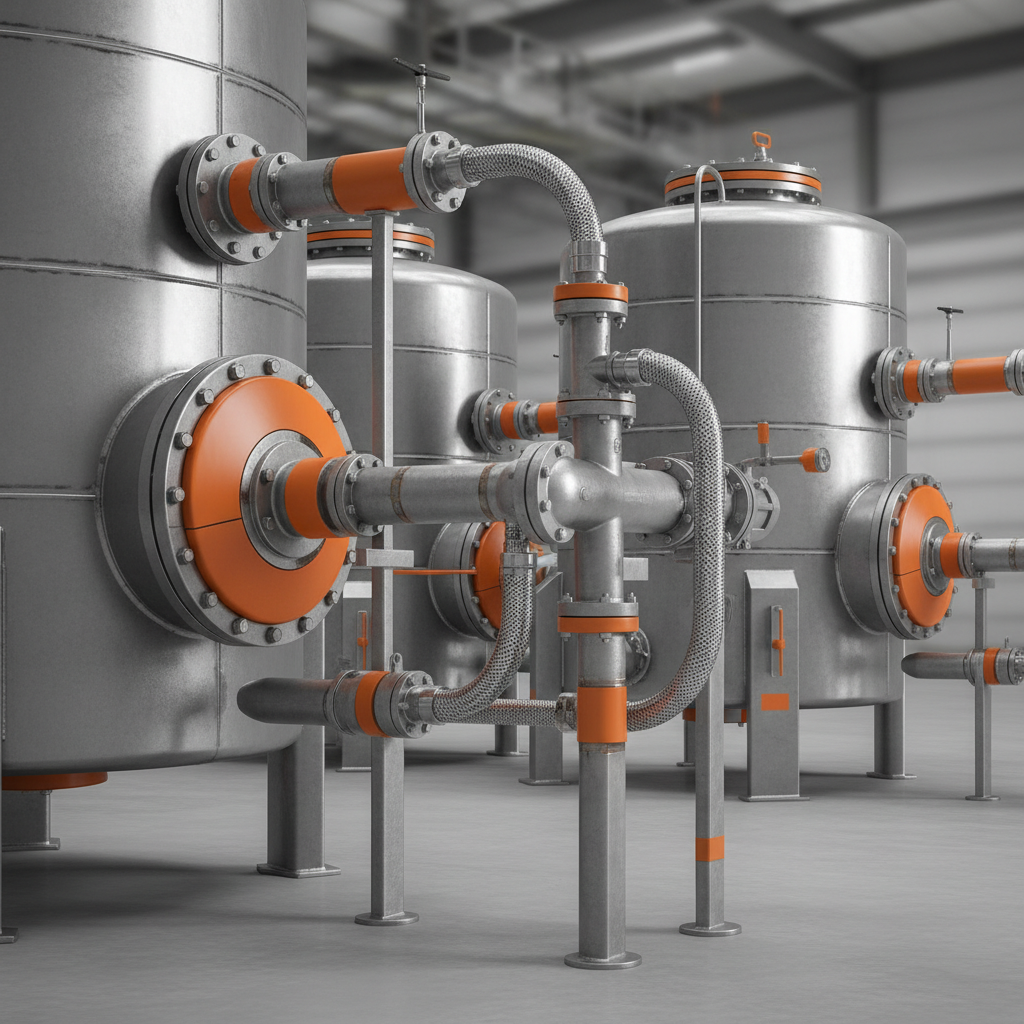
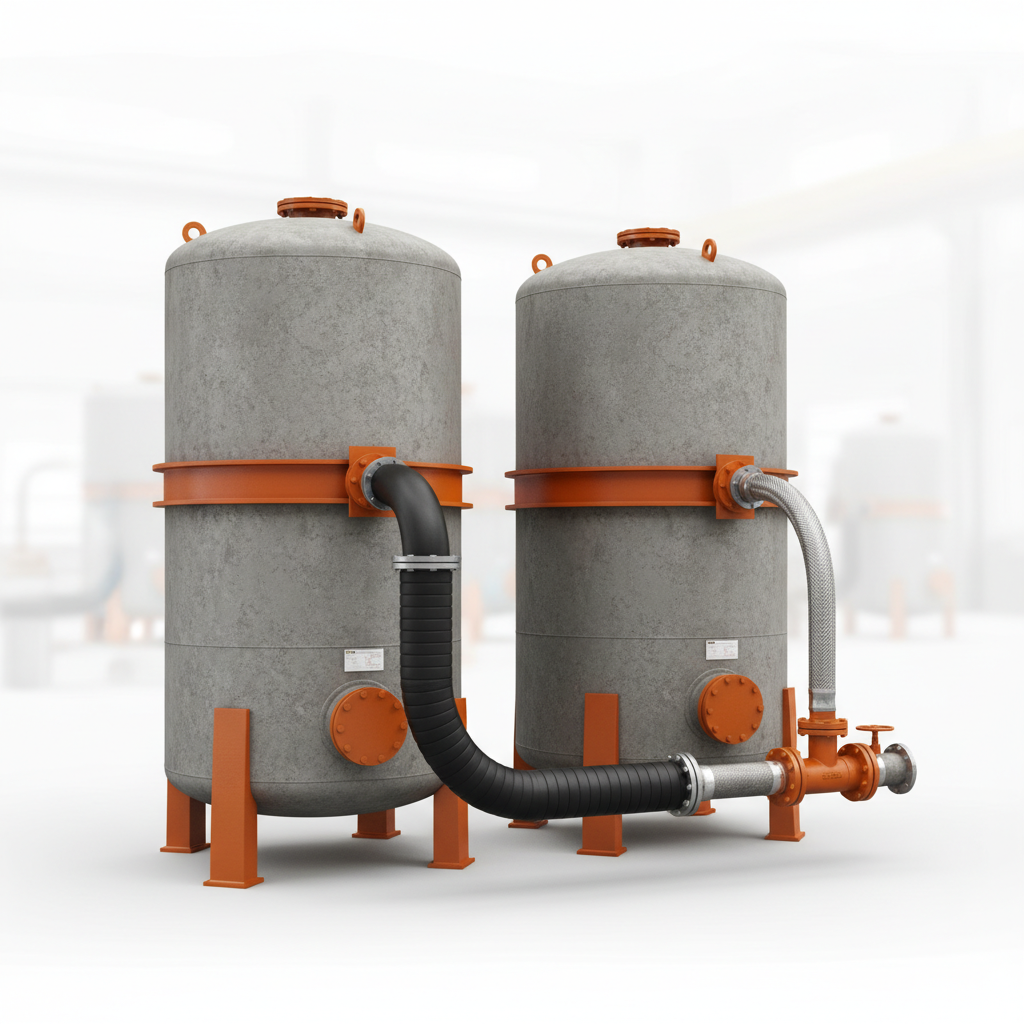
Speaking of design, the tanks themselves vary from simple cylindrical vessels to complex shapes with mixers, heating/cooling jackets, and multiple access ports. This customization is essential because the lining must be seamless—any imperfection can lead to early failure. Many engineers I know insist on rigorous testing after the lining is applied, like holiday detection with high-voltage probes, to ensure no pinholes or weak spots are hiding in there.
But what about day-to-day use? Well, I once worked on a project where a client was handling highly corrosive fluorinated compounds. Traditional stainless steel tanks would have only lasted a few months before pitting occurred. The Teflon lined tanks not only endured but performed steadily for years with minimal maintenance. That sort of reliability is priceless when downtime costs run high.
| Parameter | Details |
|---|---|
| Tank Volume | 100 - 50,000 Liters |
| Tank Material | Carbon Steel or Stainless Steel |
| Lining Material | PTFE (Polytetrafluoroethylene) |
| Lining Thickness | 1 - 5 mm |
| Operating Temperature | -50°C to 260°C |
| Pressure Rating | Up to 10 bar (customizable) |
To give you a better sense of the market landscape, here’s a quick glance comparing some of the leading vendors who specialize in these tanks. I’ve picked parameters that, frankly, I think matter most to industrial buyers rather than sales hype.
| Vendor | Tank Volume Range | Typical Lead Time | Customization Options | Warranty |
|---|---|---|---|---|
| QW Metal | 500 - 10,000 L | 6-8 weeks | Mixers, Jackets, Ports | 2 years |
| ChemLine Inc. | 100 - 5,000 L | 8-12 weeks | Standard Linings Only | 1 year |
| FluoroCoatings Ltd. | 1,000 - 50,000 L | 10-14 weeks | Custom Shapes & Linings | 3 years |
Frankly, choosing the right vendor often boils down to balancing lead times, customization needs, and warranty coverage. From what I’ve seen, QW Metal strikes a solid balance between quality and delivery speed, and their experience with tailored solutions stands out.
Before I wrap up, I suppose it’s worth noting the environmental benefits too. Teflon lined tanks tend to have longer service lives, reducing waste and frequency of replacements. Plus, their resistance to chemical attack means fewer leaks or spills—a win for safety and sustainability. Of course, working with fluoropolymers isn’t without concerns regarding manufacturing emissions, but reputable companies implement strict controls.
All in all, if your operations involve handling corrosive or high-purity materials, seriously consider investing in tanks with a high-quality Teflon lining. It might feel like a niche detail, but once you’ve seen those tanks quietly keep things running smoothly year after year, you’ll appreciate why we veterans often insist on them.
And remember, while specs and price matter, always insist on post-lining inspection certification to avoid costly surprises later.
A quick takeaway: In an industrial environment where contamination and corrosion are constant threats, teflon lined tanks offer a practical, proven, and cost-effective solution that often pays off in the long run.
- “Principles of PTFE Tank Linings,” Industrial Coatings Journal, 2022.
- Case Study: Fluorinated Compounds Storage, QW Metal Whitepaper, 2021.
- “Chemical Resistance and Longevity of PTFE Coatings,” Materials Today, 2020.
Related Products
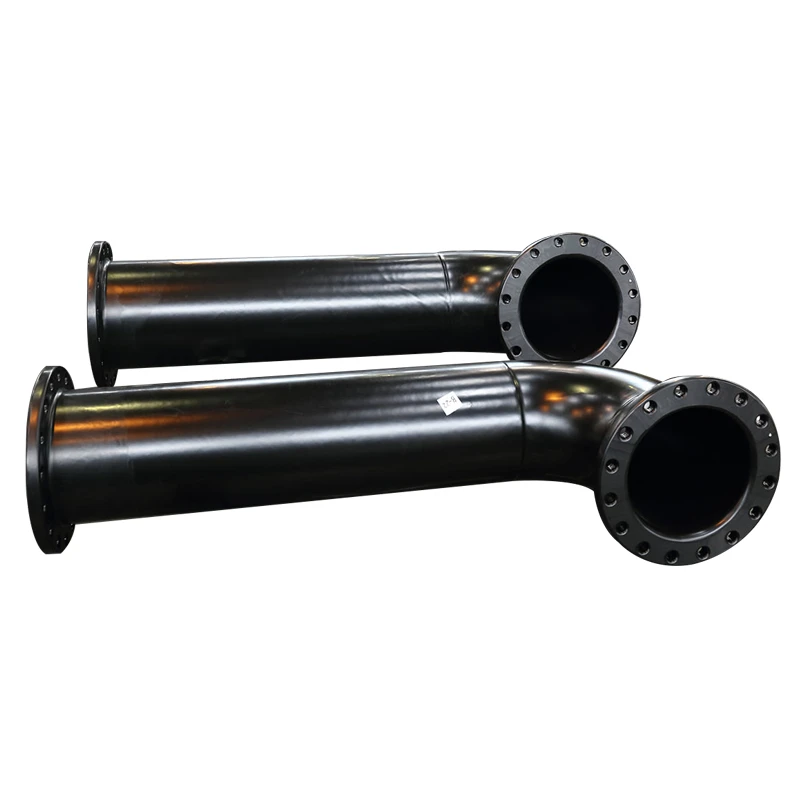
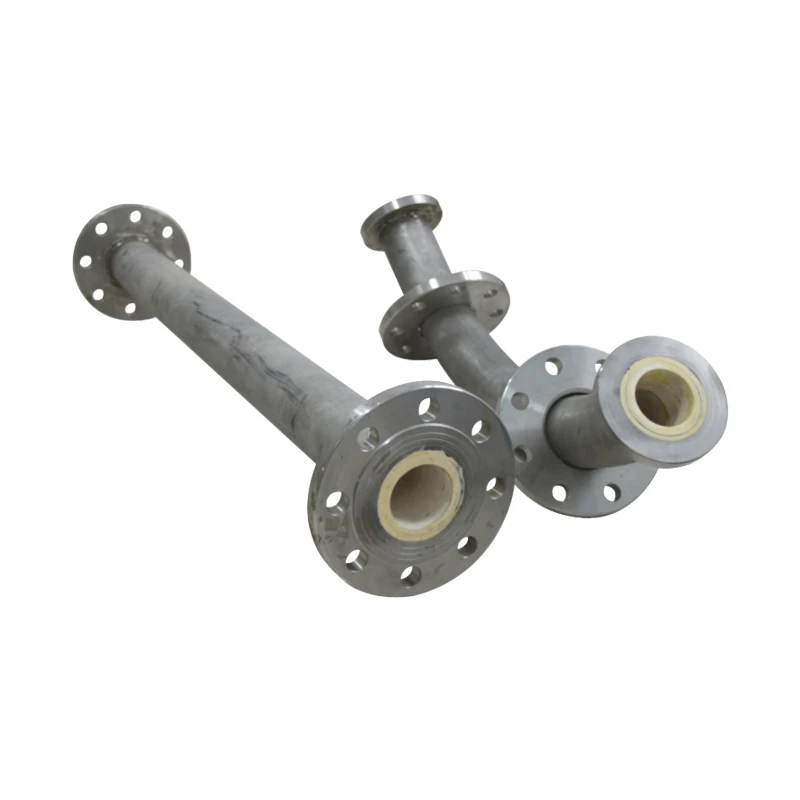
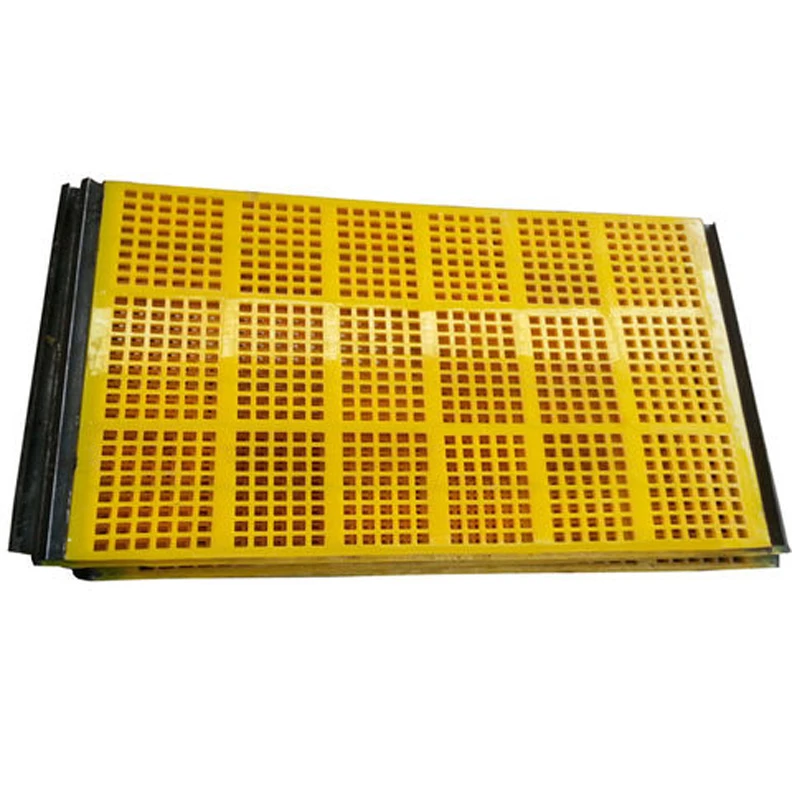
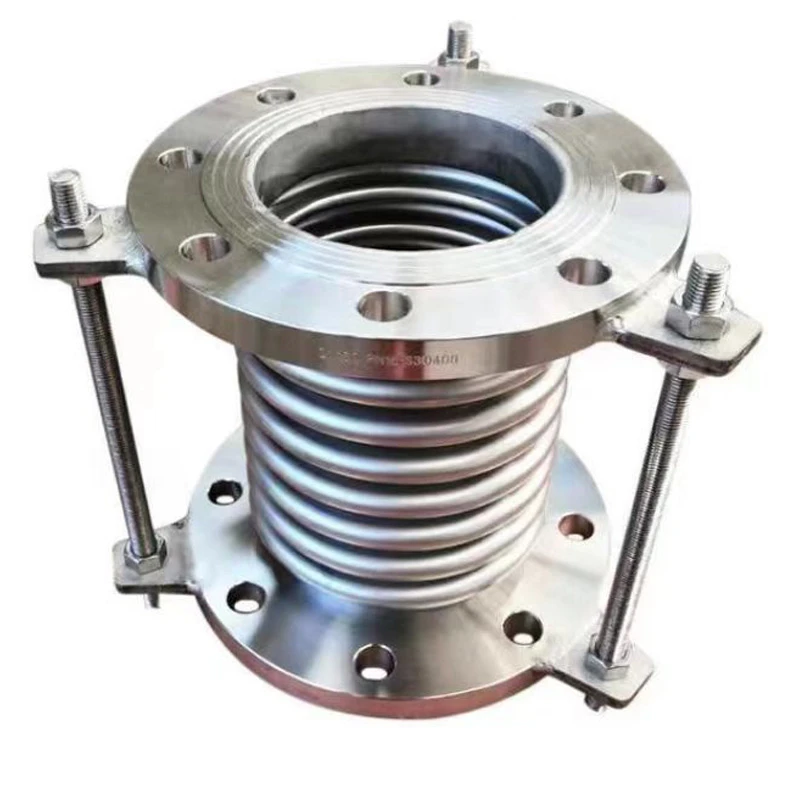
Our main products are polyurethane lined pipes, mining equipment fittings and metal hoses.