Advantages of PTFE Lined Tank for Chemical Storage | QW Metal
Understanding the Benefits of a PTFE Lined Tank in Industrial Applications
Years working around industrial equipment have taught me that not all tanks are created equal — especially when corrosive chemicals or extreme cleanliness is involved. Frankly, PTFE lined tanks have become a quiet superstar in this niche. I suppose that’s because they blend durability with chemical resistance in a way that most metals alone just can’t. Today, I want to share a few thoughts about why this lining matters, what you can expect from such tanks, and where they might just save your process.
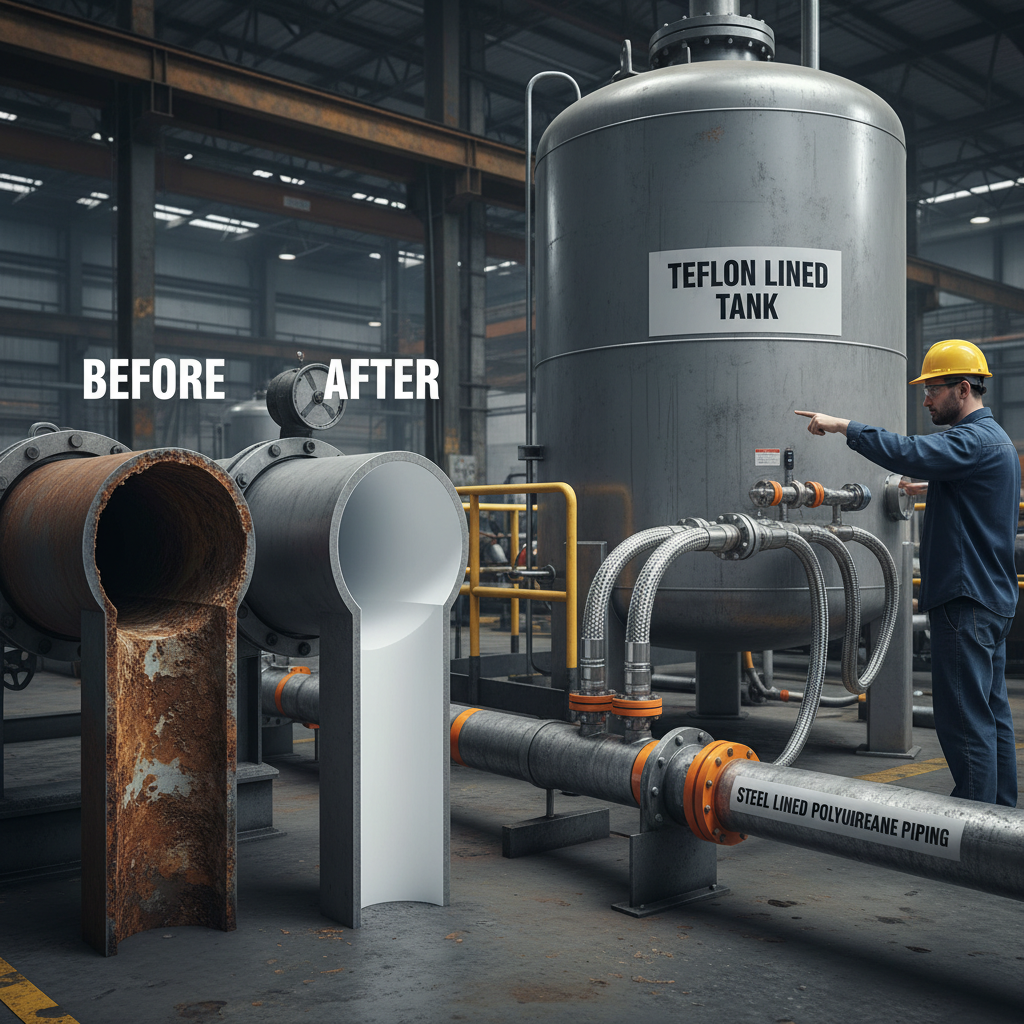
First off, PTFE (polytetrafluoroethylene) is that slick, non-stick polymer you may know better as Teflon®. It’s well-loved for resisting almost every chemical under the sun — acids, bases, solvents — you name it. Wrapping a carbon steel or stainless steel tank’s interior with PTFE lining basically makes it impervious to corrosion, which means longer life and fewer headaches down the line.
Oddly enough, despite PTFE’s fame, not all lined tanks are created equal. The quality of the lining process, the thickness of the PTFE, and how well it bonds to the metal are massive factors that I’ve seen differentiate a durable tank from a recurring maintenance nightmare.
| Feature | Specification |
|---|---|
| Tank Body Material | Carbon Steel or Stainless Steel |
| PTFE Lining Thickness | Typically 1.5 - 3.0 mm |
| Operating Temperature Range | -40°C to 150°C |
| Chemical Resistance | Resistant to strong acids, alkalis, solvents |
| Custom Features | Agitators, heating/cooling jackets, pressure rating |
I remember one project involving sulfuric acid concentration, where the customer initially struggled with tank corrosion that caused regular shutdowns. After switching to a PTFE lined tank, the downtime dropped dramatically—saving both money and frustration. It felt like a turning point in the plant’s operations.
These tanks aren’t just about resistance, though. They’re also fairly straightforward to clean and maintain since the smooth PTFE lining prevents materials from sticking. This is a huge plus in pharma or specialty chemical manufacturing where contamination control is king.
Of course, one should note a few caveats — PTFE lined tanks usually come at a premium compared to bare metal tanks. Plus, their temperature limits, while broad, aren’t suited for ultra-high temperature reactions (I'd advise checking your process requirements carefully).
| Vendor | Lining Quality | Customization Options | Lead Time | Support & Services |
|---|---|---|---|---|
| QW Metal | High - automated PTFE lining & testing | Flexible - custom sizes, agitators, coatings | 4-6 weeks | Excellent - pre/post-sales consulting |
| Vendor B | Medium - manual lining process | Standard sizes only | 6-8 weeks | Basic support |
| Vendor C | Variable - depends on batch | Limited customization | 5-7 weeks | Moderate support |
When I weigh the options, my take is this: investing in a high-quality PTFE lined tank, like those offered by QW Metal, usually pays off in longevity and peace of mind. The upfront difference in cost fades when operations run smoother — fewer repairs, less downtime.
As a final thought, if your process involves harsh chemicals or demands flawless purity, then a PTFE lined tank is practically a no-brainer. It’s not just a tank; it’s a protective barrier that keeps your production steady and safe.
That’s the lowdown from someone who’s seen these tanks in action over multiple industries — and honestly, I’m still impressed by how such a simple lining change can make a world of difference.
Reflection: A good liner feels like an insurance policy—cheap peace of mind when you’re dealing with highly corrosive materials.
References:
1. Industrial Materials Handbook, 3rd Ed., 2020
2. Chemical Resistance Guide for PTFE, ChemWorld Insights, 2019
3. QW Metal Product Datasheets, 2024
Related Products
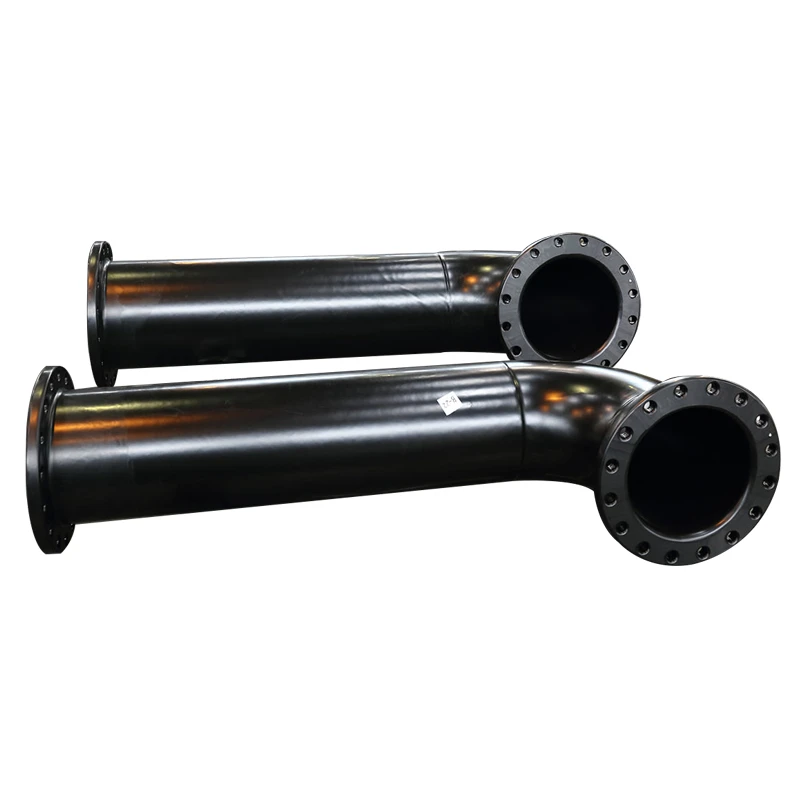
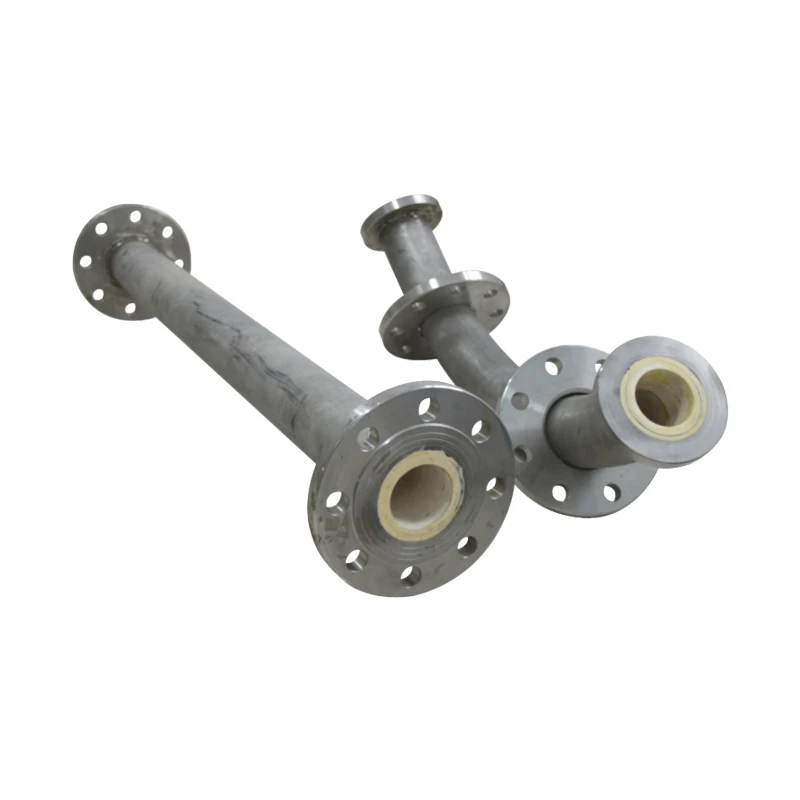
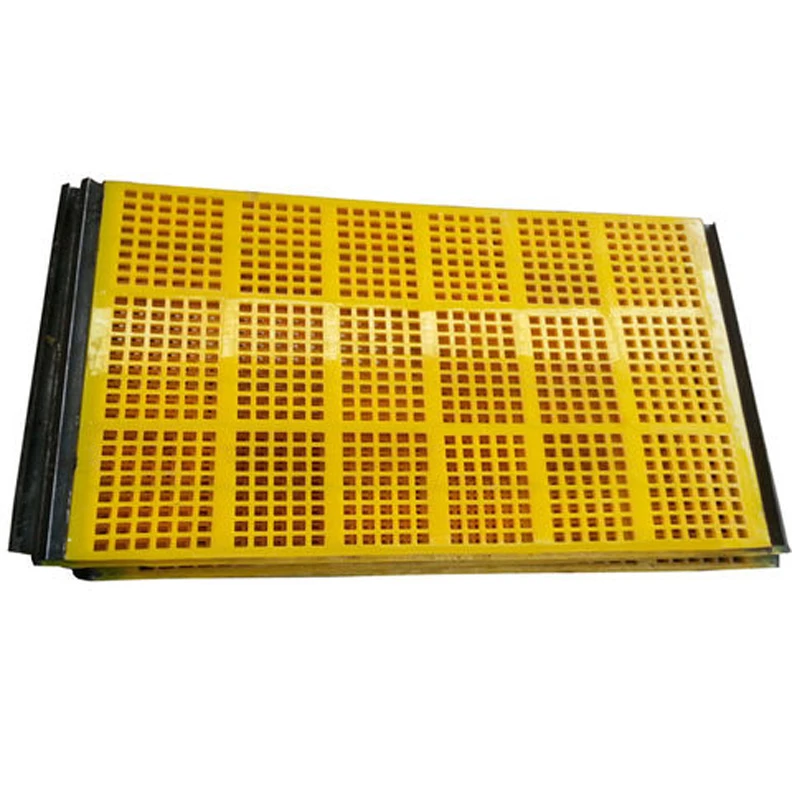
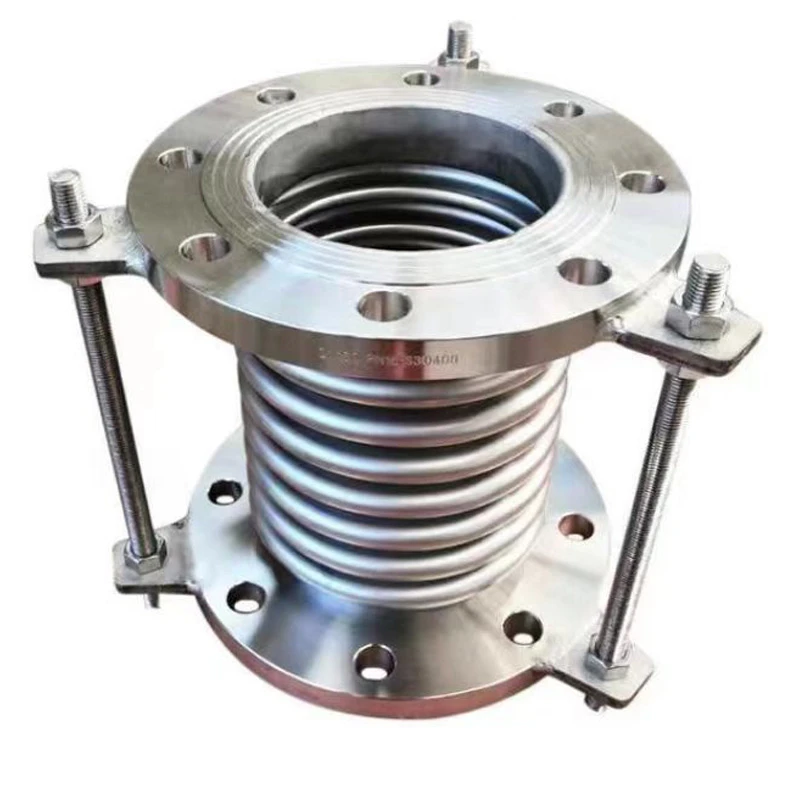
Our main products are polyurethane lined pipes, mining equipment fittings and metal hoses.