Durable Rubber Lined Tanks for Chemical and Industrial Use | QW Metal
The Value of a rubber lined tank in Industrial Settings
Having spent more than a decade working hands-on with industrial equipment, I can say this for sure: a rubber lined tank isn’t just a pipe dream for chemical plants or slurry handlers. Frankly, it’s often the unsung hero when it comes to protecting investments and improving plant uptime. I suppose if you’ve seen what harsh chemicals or abrasive materials can do to ordinary steel tanks, you’d appreciate how these lined tanks make a real difference.
Oddly enough, the rubber lining isn’t just about corrosion resistance alone. It also cushions the vessel interiors, which some operators say significantly extends service life. I’ve noticed that engineering teams tend to favor rubber options like natural rubber or neoprene depending on the chemical profile—because selecting the right elastomer is kind of crucial. The lining acts as a barrier, protecting the steel shell from aggressive media and mechanical wear. And in real terms, that usually translates to fewer shutdowns and less costly maintenance.
Why Choose a Rubber Lined Tank?
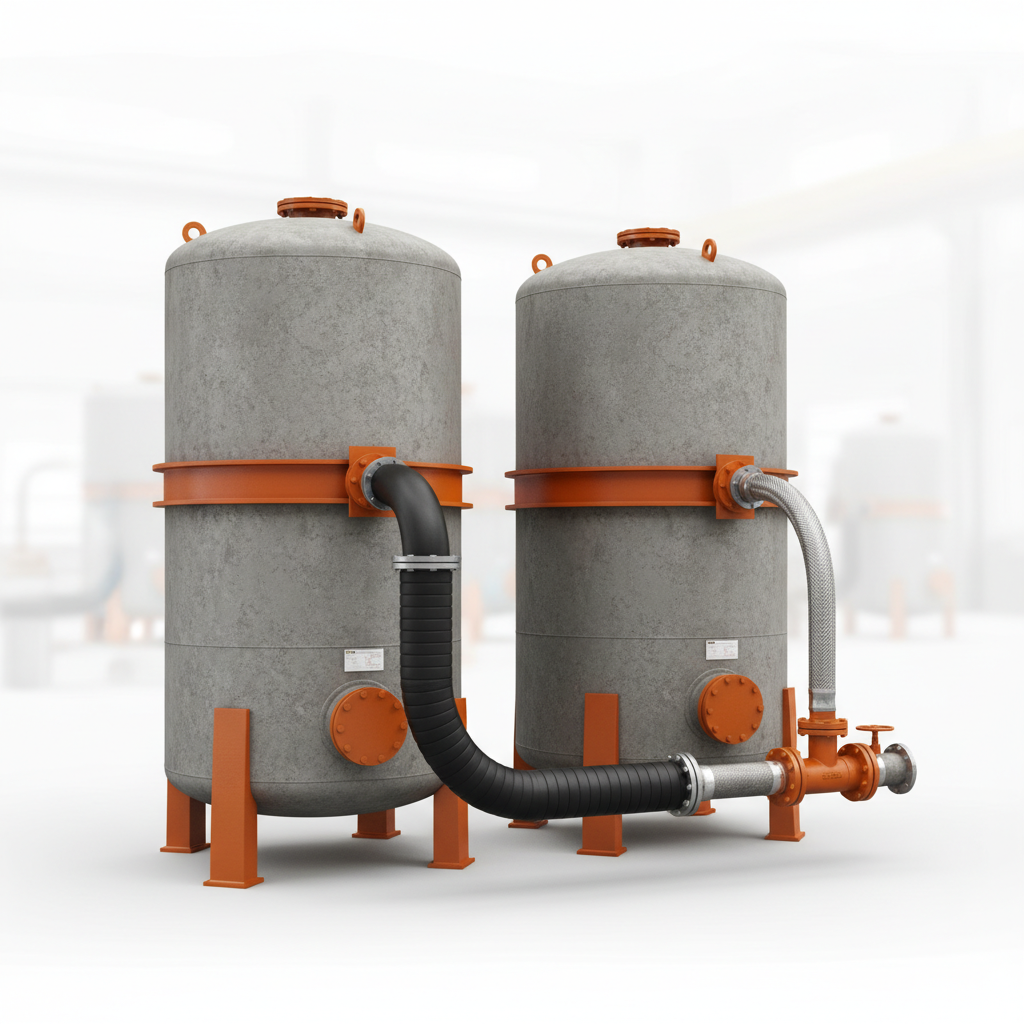
The advantages are numerous but let’s highlight a few that I often bring up during client consultations. First, there’s exceptional chemical resistance to acids, alkalis, and salts. Then, the rubber absorbs impact and abrasion which is especially relevant when handling ores or sludges. Plus, rubber lined tanks can be customized for complex shapes with flanges, baffles, and manways—all sealed tight to prevent leaks.
One particular site I visited used them for sulfuric acid storage. They reported zero lining failures over five years, which is impressive given the severity of the chemical conditions. It’s always reassuring to hear those success stories because they reflect solid engineering, but also the reliability of the vendor’s manufacturing process.
| Parameter | Specification |
|---|---|
| Tank Volume | From 1,000 to 50,000 Liters |
| Rubber Lining Thickness | 6 - 20 mm |
| Elastomer Types | Natural Rubber, Neoprene, EPDM, Nitrile |
| Tank Material | Carbon Steel St52-3 or 304/316 Stainless |
| Operating Temperature | -20°C to 80°C (varies by lining) |
| Pressure Rating | Atmospheric to 0.5 MPa |
Comparing Rubber Line Tank Vendors
Not all suppliers are made equal, and in my experience, that can affect material quality, workmanship, and delivery times. Here’s a quick look at three reputable vendors I’ve worked with:
| Vendor | Rubber Types Offered | Customization | Lead Time | Warranty |
|---|---|---|---|---|
| QW Metal | Natural, Neoprene, EPDM, Nitrile | Full custom designs & fittings | 4-6 weeks | 2 years |
| Industrial Tanks Co. | Neoprene, EPDM | Standard designs only | 6-8 weeks | 1 year |
| SafeLiner Tanks | Natural Rubber | Custom lining thickness | 5-7 weeks | 18 months |
When it comes to choosing a supplier, I always advise looking beyond price—ask about quality controls, rubber testing methods (like adhesion strength and chemical compatibility), and after-sales support. You’d be surprised how many tanks get sent in with substandard linings that peel or blister early.
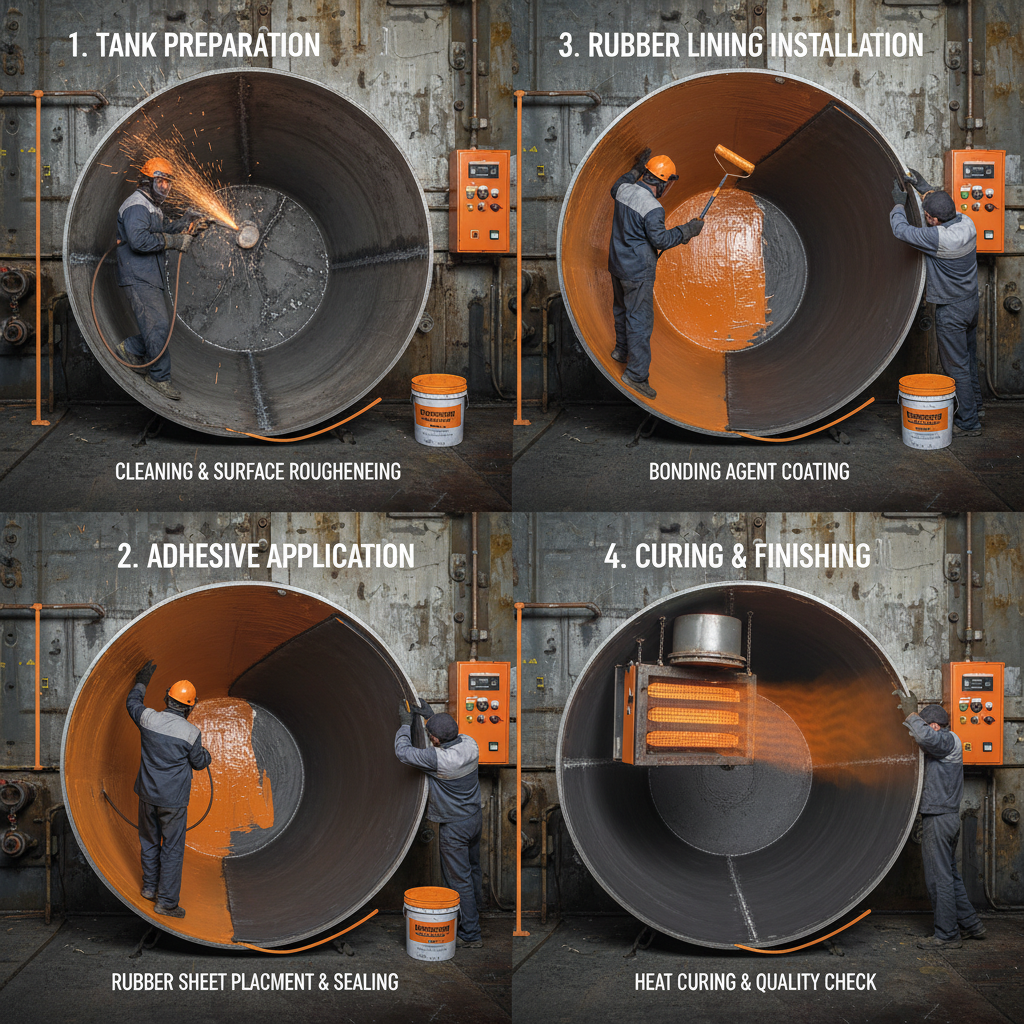
In case you are wondering about installation, the rubber lining is generally pre-applied in the factory for most tanks, but some repair or refurbishment jobs require field relining. It’s a delicate process that deserves expert attention—haphazard work can cause bigger headaches down the line.
Wrapping up, the humble rubber lined tank is a smart investment if longevity and resistance to tough chemicals or abrasion matter in your process. And oddly enough, once you’ve worked with a few of these, you start noticing the subtle but crucial design traits that separate a good rubber lined tank from a middling one. It’s one of those "once you’ve tried, you’ll know" situations.
One customer once said to me, “We don’t buy tanks—we buy peace of mind.” And in this sector, that says it all.
References:
1. Industrial Equipment Reliability Reports, 2022.
2. Chemical Plant Operations, Journal of Applied Materials, 2023.
3. Manufacturer Technical Data Sheets, QW Metal.
Related Products
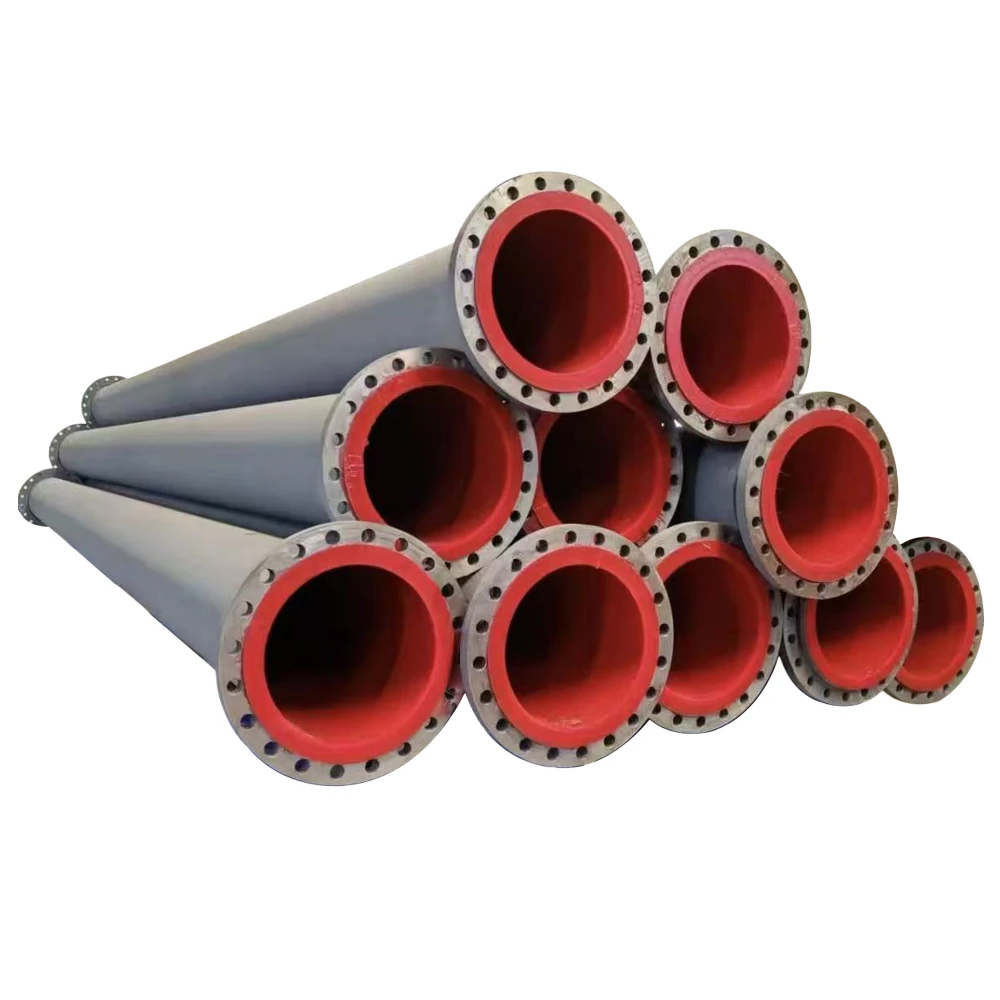
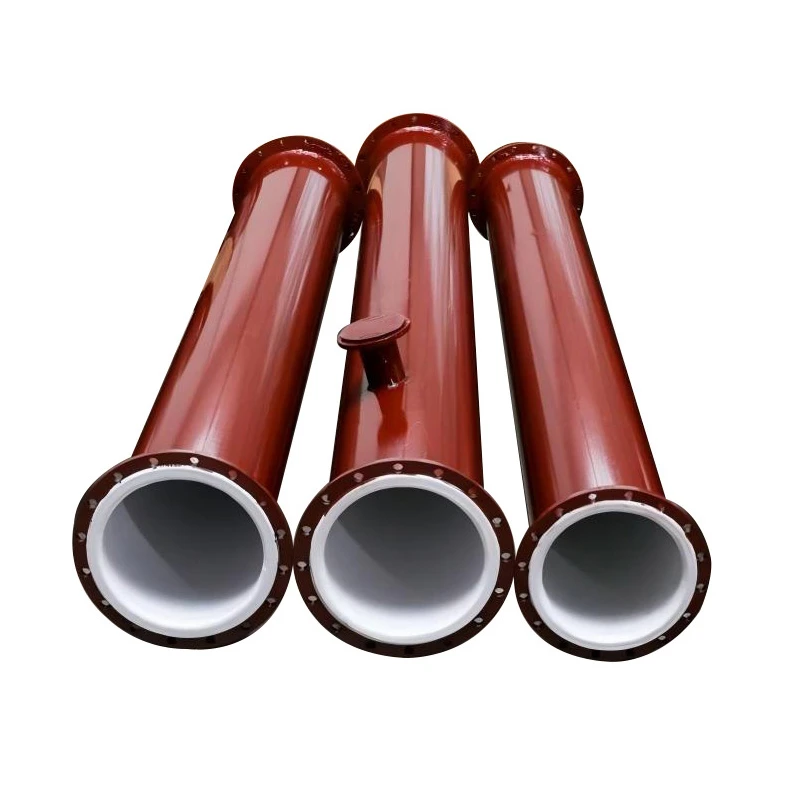
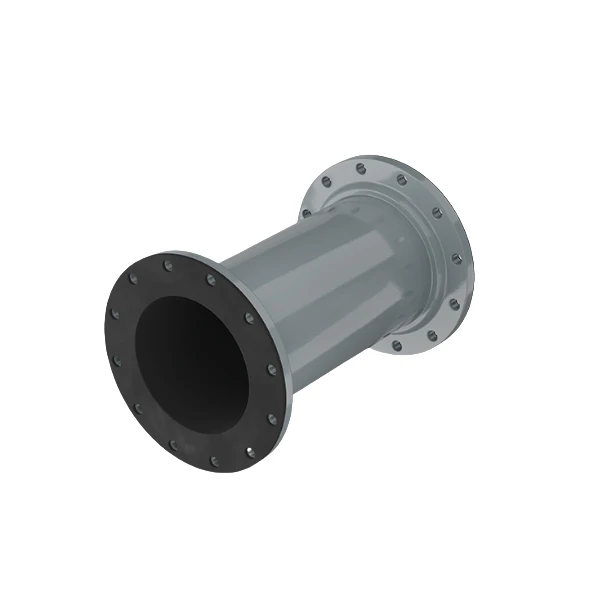
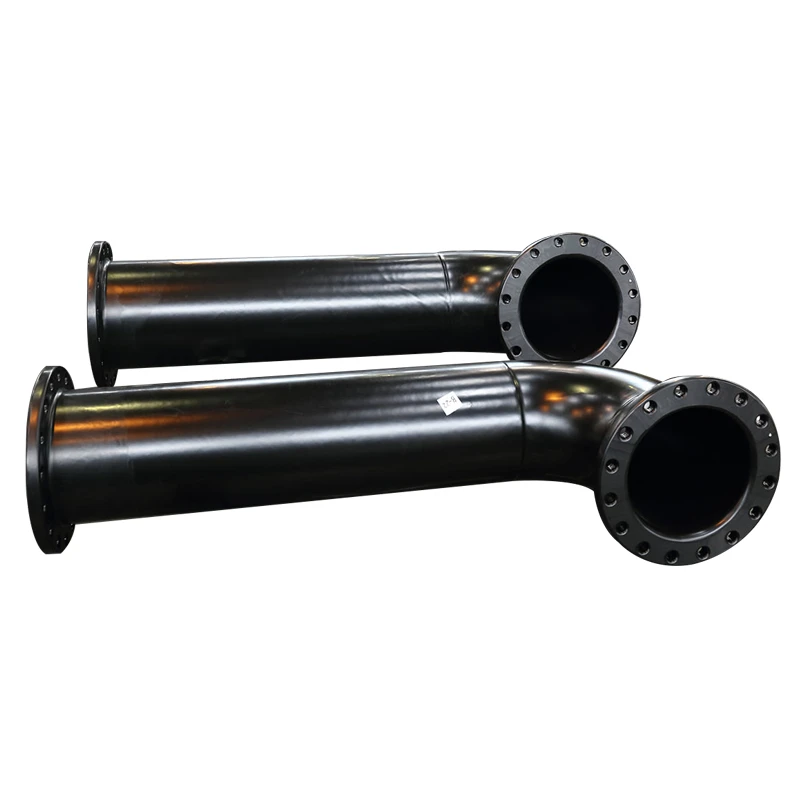
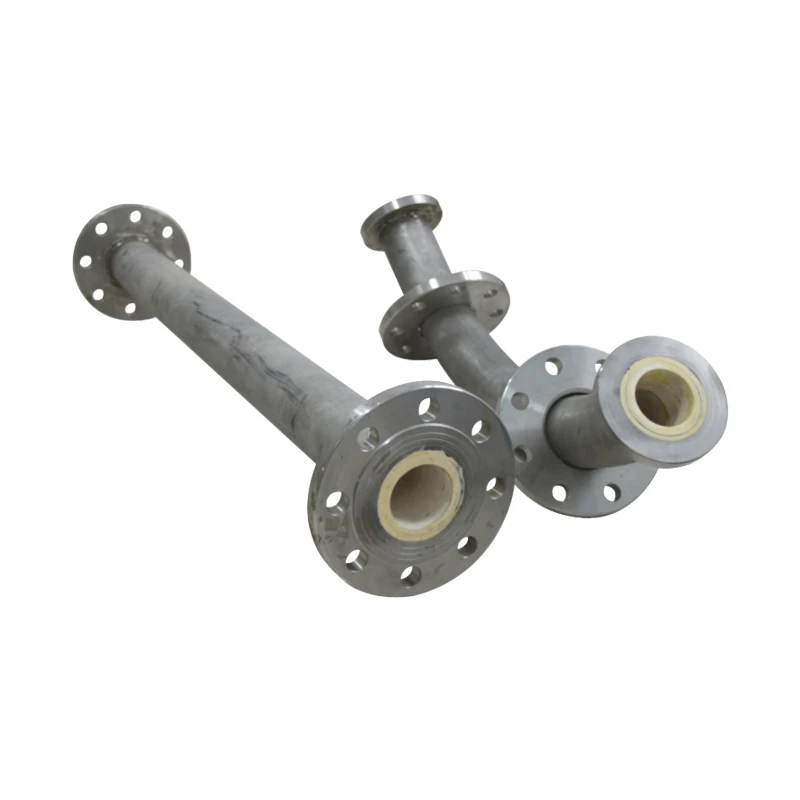
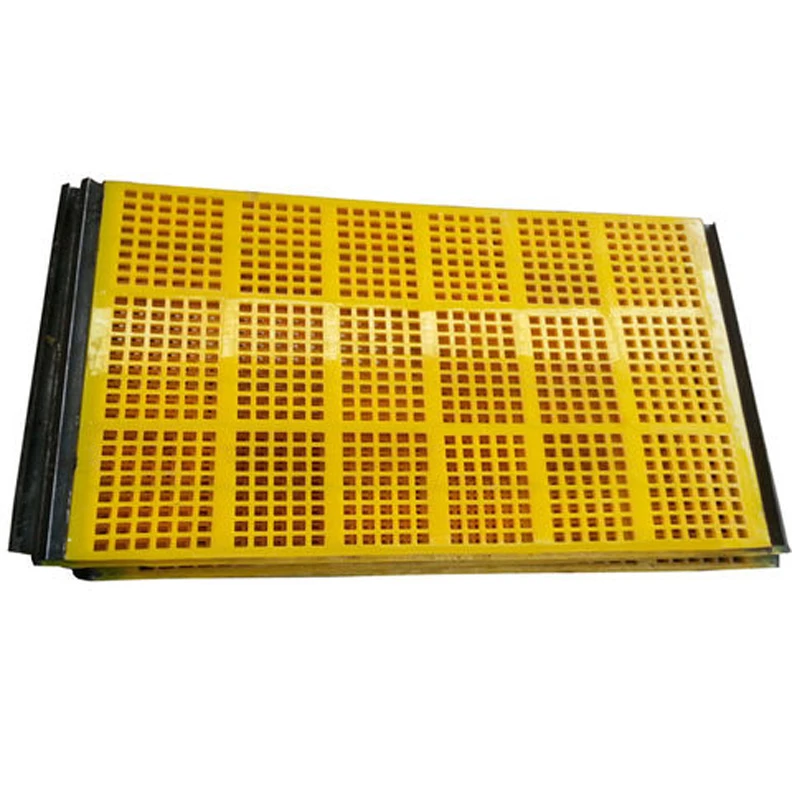
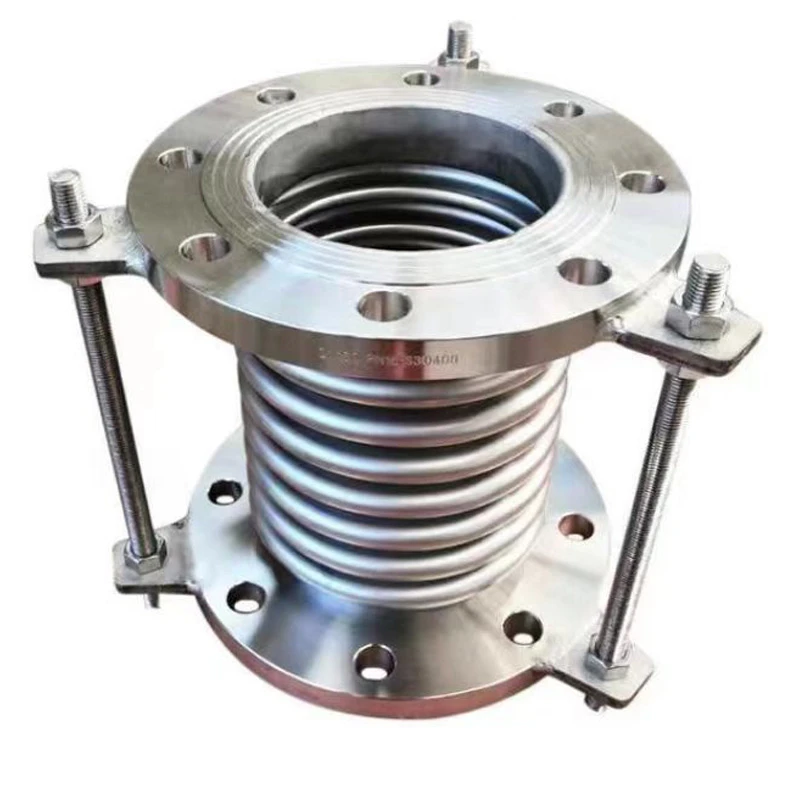
Our main products are polyurethane lined pipes, mining equipment fittings and metal hoses.